Blog

  • Do I Need a Pool Architect?

    Do I need a pool architect is a common question for homeowners, contractors, and developers planning anything beyond a basic pool. The answer depends on project complexity, site conditions, design expectations, and risk tolerance. In many cases, a pool architect is not required — but in others, their involvement can prevent costly mistakes and elevate the final result.

    This article explains when you need a pool architect, when you likely do not, how pool architects differ from builders and designers, and how to decide what level of professional support makes sense for your project.


    What a Pool Architect Actually Does

    A pool architect focuses on design intent, spatial planning, and integration rather than construction alone.

    Typical responsibilities of a pool architect

    • Developing overall pool concept and layout
    • Aligning pool design with home architecture
    • Solving complex site conditions
    • Coordinating pool, landscape, and hardscape design
    • Producing design-forward drawings for builders and engineers
    • Managing aesthetics, proportion, and long-term usability

    They are typically involved earlier and at a higher conceptual level than builders.


    Pool Architect vs Pool Builder vs Pool Designer

    Understanding the differences helps clarify when an architect is needed.


    Pool Builder

    Pool builders focus on construction and delivery.

    Strengths

    • Construction knowledge
    • Cost estimation
    • Permits and execution
    • Equipment and systems

    Limitations

    • Designs may prioritize build efficiency
    • Fewer concept alternatives
    • Less focus on architectural integration

    Builders often provide basic design as part of the build contract.


    Pool Designer

    Pool designers sit between builders and architects.

    Strengths

    • Custom layout planning
    • Feature placement
    • Better aesthetics than standard builder plans
    • More flexibility than builder templates

    Limitations

    • Not always licensed
    • Limited authority for complex engineering
    • May still defer heavily to builder constraints

    Pool Architect

    Pool architects operate at the highest design level.

    Strengths

    • Deep focus on proportion, form, and integration
    • Ability to solve complex sites
    • Coordination across disciplines
    • Strong conceptual vision

    Limitations

    • Higher upfront cost
    • Not always necessary for simple projects
    • Still require builders and engineers for execution

    When You Likely Do NOT Need a Pool Architect

    Many pool projects succeed without architectural involvement.

    Situations where a pool architect is usually unnecessary

    • Flat, rectangular lots
    • Simple rectangular or geometric pools
    • Standard residential neighborhoods
    • Budget-driven projects
    • Builder-led installations with minimal customization

    In these cases, a good builder or pool designer is often sufficient.


    When Hiring a Pool Architect Makes Sense

    A pool architect becomes valuable as complexity increases.


    Complex Site Conditions

    Pool architects are especially helpful when:

    • The yard is sloped
    • Retaining walls are required
    • Drainage is challenging
    • Space is constrained or irregular

    These conditions benefit from early spatial problem-solving.


    High-End or Luxury Projects

    Luxury pools demand restraint and proportion.

    Architects help:

    • Avoid oversized or awkward layouts
    • Align pool geometry with the home
    • Integrate materials and finishes
    • Maintain long-term design relevance

    Their value is often in what they remove, not what they add.


    Architectural Integration Is Critical

    If the pool must align precisely with:

    • Modern architecture
    • Traditional symmetry
    • Indoor-outdoor transitions
    • View corridors or sightlines

    An architect’s training becomes an advantage.


    Multi-Discipline Projects

    When pools interact with:

    • Landscaping
    • Outdoor kitchens
    • Structures or pavilions
    • Elevation changes

    An architect can coordinate design intent across elements.


    Cost Considerations When Hiring a Pool Architect

    Pool architects add upfront cost but can reduce downstream expense.

    Typical pool architect cost range

    • $3,000–$10,000+
    • Higher for complex or custom projects

    What that cost often prevents

    • Late-stage redesigns
    • Poor site utilization
    • Oversized or inefficient pools
    • Construction change orders

    For complex projects, architectural fees are often a form of risk management.


    The Biggest Misconception About Pool Architects

    The most common misconception is that architects always make projects more expensive.

    In reality:

    • Poor design is expensive
    • Redesign during construction is extremely expensive
    • Overbuilt pools cost more to operate long-term

    Architectural input early often leads to simpler, more efficient solutions.


    How Pool Architects Typically Work With Builders

    Pool architects do not replace builders.

    Typical workflow

    1. Architect develops concept and layout
    2. Builder reviews constructability
    3. Engineer handles structure and systems
    4. Builder executes construction

    When collaboration is healthy, outcomes improve for everyone.


    The Role of Visualization in Deciding Whether You Need an Architect

    Many homeowners hire architects because they cannot visualize alternatives.

    Visualization allows you to:

    • Explore layouts before hiring
    • Identify whether complexity truly exists
    • Clarify design priorities
    • Reduce paid concept revisions

    Seeing options often reveals whether architectural-level input is truly required.


    How AI Pool Design Fits Into This Decision

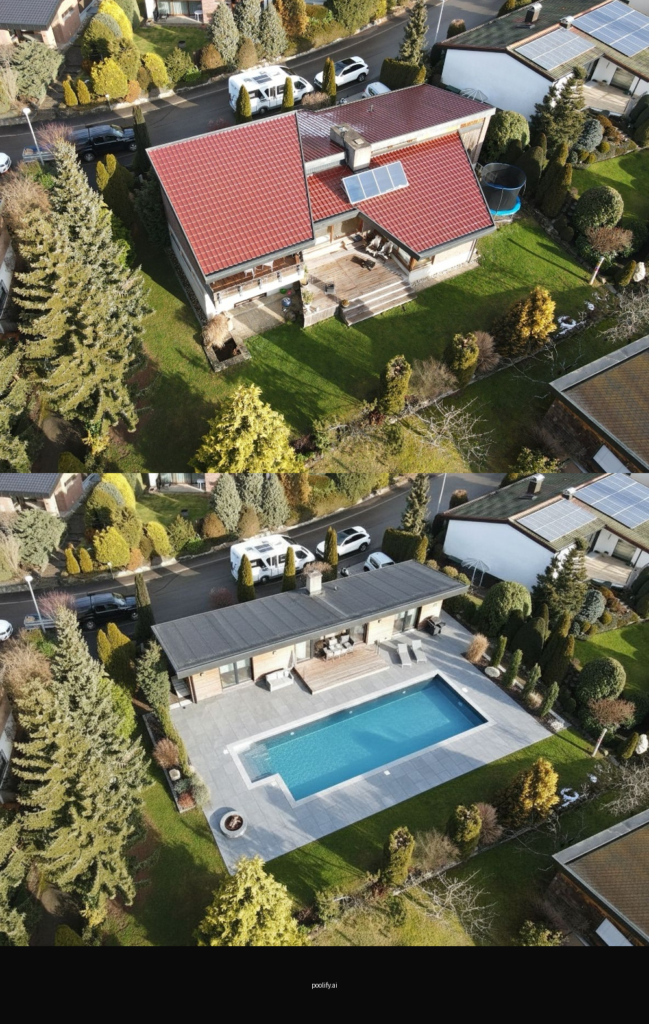
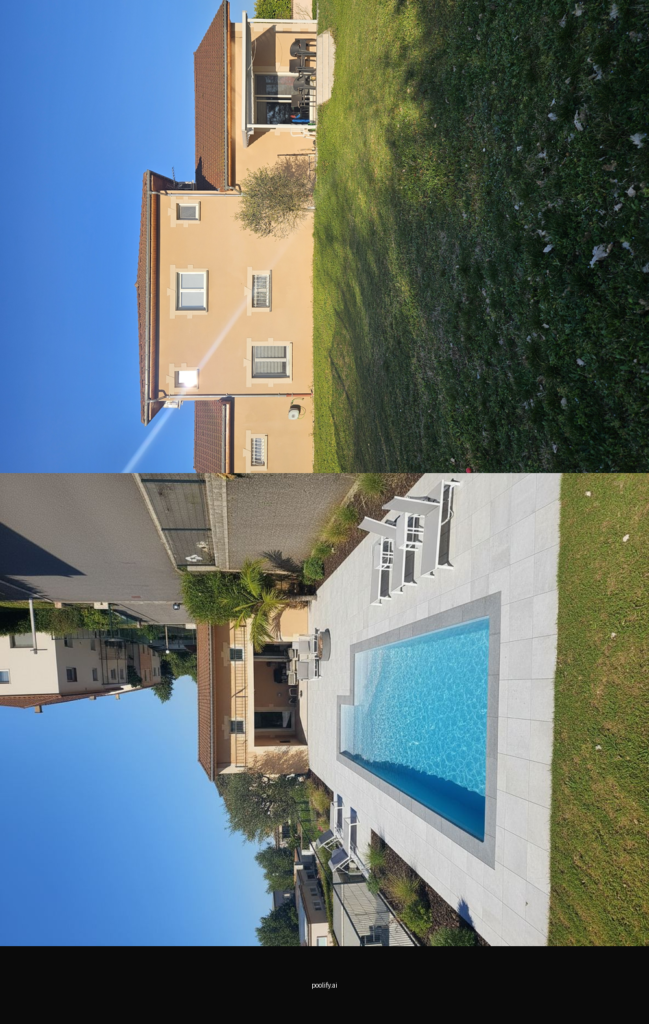
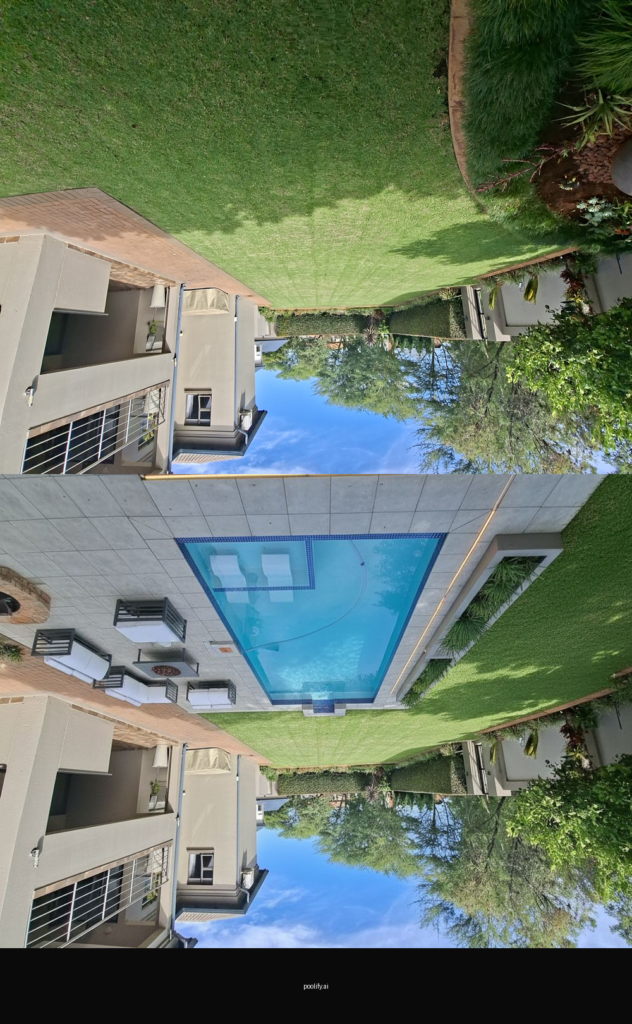
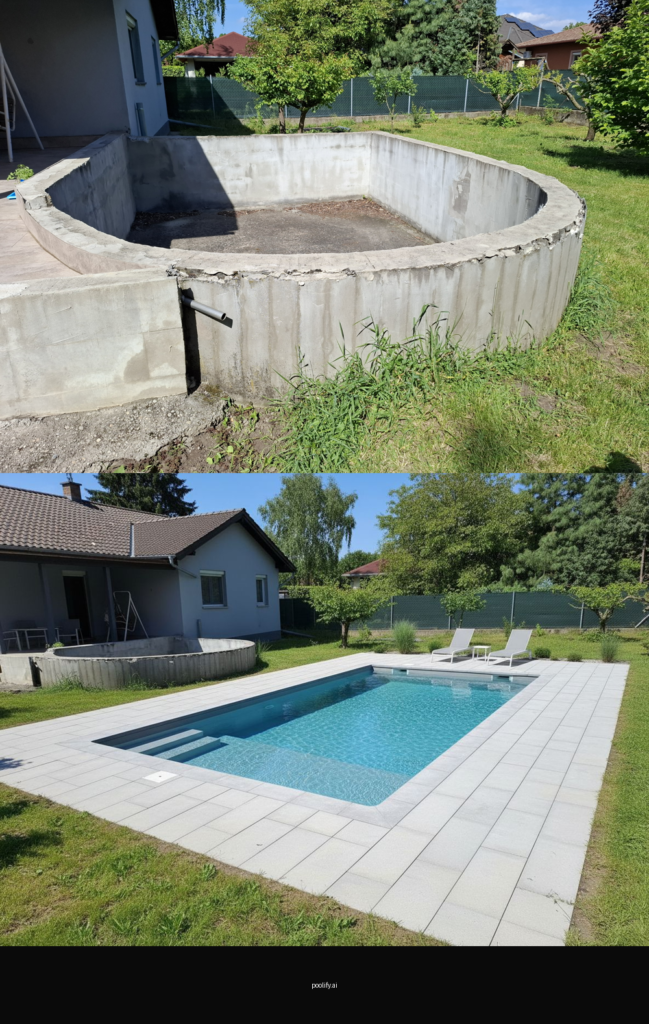
    AI pool design tools help bridge the gap between DIY planning and professional services.

    With AI-generated designs, users can:

    • Explore multiple layouts quickly
    • Test proportions and placement
    • Identify complexity early
    • Enter architect or builder discussions prepared

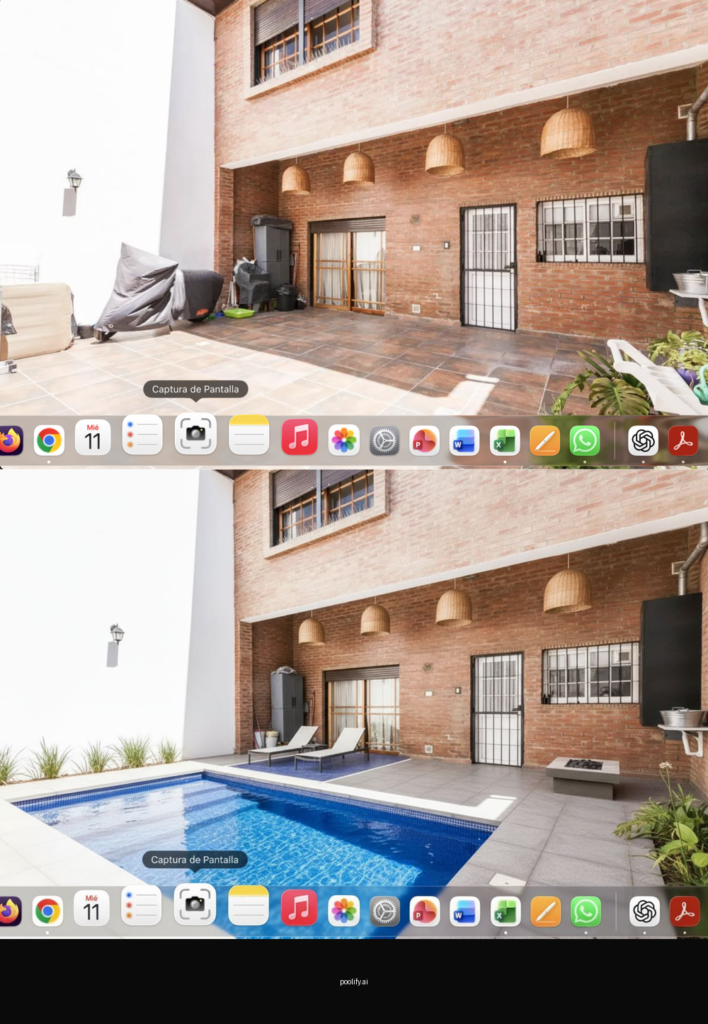
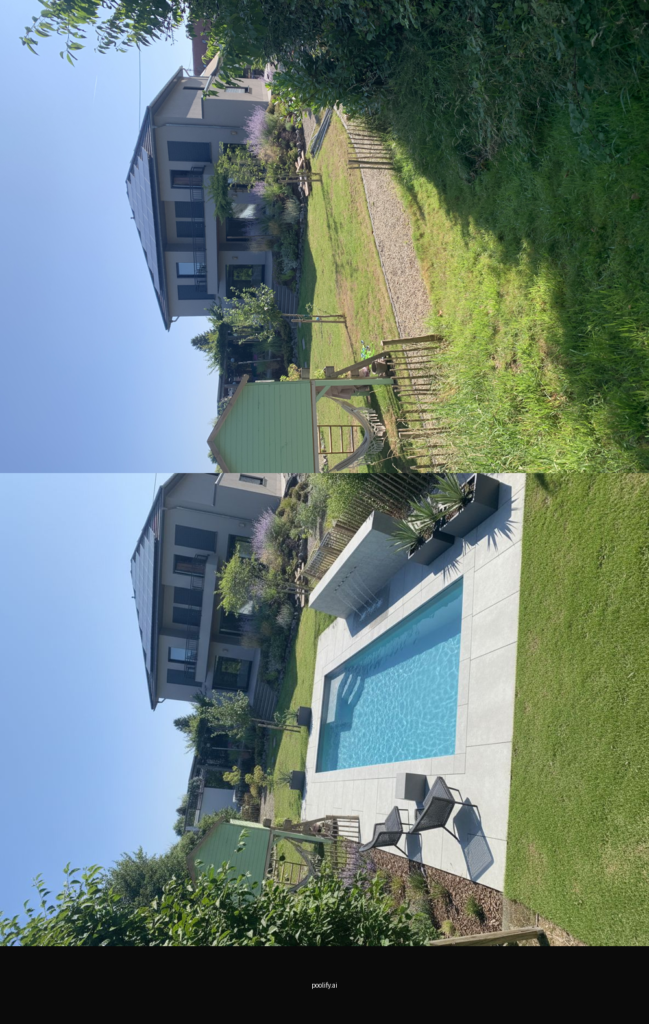
    Tools like Poolify focus on this early-stage clarity, helping homeowners and contractors decide whether a pool architect is necessary before committing to higher design fees.


    Pool Architects From a Contractor’s Perspective

    Contractors often benefit from architectural clarity.

    Benefits for contractors

    • Clear scope before bidding
    • Fewer client revisions
    • Reduced liability
    • Cleaner construction documents

    Architectural input can streamline construction rather than slow it down.


    Pool Architects and Permitting

    In some jurisdictions, architectural involvement is required.

    This may occur when:

    • Pools are part of larger additions
    • Structural walls exceed certain heights
    • Zoning or historic districts are involved

    Local requirements vary, so verification is essential.

    A general overview of how professional design roles differ in construction projects is outlined by the American Institute of Architects, which explains when architectural services add value in residential projects:
    https://www.aia.org/resources/6263781-working-with-an-architect


    How to Decide if You Need a Pool Architect

    Ask yourself these questions:

    • Is my site simple or complex?
    • Does design quality matter as much as function?
    • Will the pool interact with other structures?
    • Am I confident in the layout choices?
    • Am I trying to avoid expensive revisions later?

    If several answers raise uncertainty, architectural input may be worthwhile.


    Common Mistakes When Deciding on Design Support

    Hiring too early

    Paying for full architectural services before understanding the layout wastes money.

    Hiring too late

    Bringing in an architect after construction decisions are made limits their impact.

    Assuming builders and architects do the same thing

    They solve different problems.


    Key Takeaways

    • Not every pool project requires a pool architect
    • Simple sites often work well with builders or designers
    • Complex, luxury, or integrated projects benefit most from architects
    • Architectural fees often reduce total project risk
    • Early visualization helps determine the right level of support

    Whether you need a pool architect depends on complexity, expectations, and risk tolerance. The right decision is the one that gives you clarity early — before construction decisions become expensive to undo.

  • How Much Does Pool Design Cost?

    Pool design cost is one of the most common questions homeowners, contractors, and pool architects ask at the very beginning of a project. The answer depends on what level of design you need, who is doing it, and how early design decisions are made.

    This article breaks down how much pool design typically costs, what you’re paying for at each stage, and how to approach design in a way that saves money rather than inflates your budget.


    What “Pool Design” Actually Includes

    Pool design is not a single service. It usually happens in layers.

    Common pool design components

    • Conceptual layout and placement
    • Pool shape and size decisions
    • Feature planning (steps, benches, ledges)
    • Integration with patio and landscaping
    • Engineering-ready drawings (if required)
    • Permit and construction coordination

    Not every project needs all of these layers, which is why costs vary so widely.


    Typical Pool Design Cost Ranges

    Pool design costs generally fall into three tiers.


    Conceptual Pool Design

    This is the early planning phase where ideas are explored.

    Typical cost range

    • Free (builder-provided concepts)
    • $0–$500 for basic conceptual layouts
    • Sometimes bundled into construction contracts

    What you get

    • Rough pool placement
    • Basic shape ideas
    • High-level feature concepts

    Limitations

    • Often not tailored deeply to your yard
    • Limited ability to compare alternatives
    • Designs may favor builder convenience over optimization

    This level is best for early inspiration, not final decision-making.


    Custom Pool Design and Planning

    This is where most homeowners begin to see real value.

    Typical cost range

    • $500–$3,000+

    What you get

    • Custom layouts based on your property
    • Refined pool proportions
    • Feature placement planning
    • Better alignment with budget and use case

    This stage helps prevent expensive changes later.


    Architectural or Engineering-Level Pool Design

    This is the most detailed and technical level.

    Typical cost range

    • $3,000–$10,000+

    What you get

    • Construction-ready drawings
    • Structural and engineering coordination
    • Permit documentation
    • Detailed specifications

    This level is typically required for complex sites, luxury projects, or strict permitting environments.


    What Drives Pool Design Cost Up or Down

    Several factors directly affect pool design cost.


    Yard Complexity

    Design costs increase when:

    • The yard is sloped
    • The site is irregularly shaped
    • Retaining walls are required
    • Drainage is complex

    Flat, simple lots are faster and cheaper to design.


    Pool Complexity

    Design effort increases with:

    • Custom shapes
    • Multiple depth transitions
    • Integrated spas or water features
    • Split-level or terraced layouts

    Simple geometry keeps design costs lower.


    Level of Customization

    Highly personalized designs take more time.

    Custom seating, unique proportions, or architectural alignment all increase design hours and cost.


    Who Is Doing the Design

    Different professionals price design differently.

    • Pool builders may include design in construction
    • Independent designers charge separately
    • Pool architects typically charge the most
    • Engineers charge based on technical scope

    Each option serves a different purpose.


    How Pool Design Cost Affects Total Project Cost

    Design decisions have a disproportionate impact on total spend.

    Why early design matters

    • Poor layouts cause late-stage changes
    • Structural changes after design approval are expensive
    • Feature changes during construction add cost quickly

    Spending modestly on design often saves thousands during construction.


    Hidden Costs of “Free” Pool Design

    Builder-provided design is not always bad, but it is not truly free.

    Potential downsides

    • Fewer design alternatives
    • Limited exploration of layout options
    • Designs optimized for construction speed
    • Less focus on long-term usability

    Understanding this tradeoff helps set expectations.


    Using Visualization to Control Design Costs

    Visualization is one of the most effective cost-control tools.

    Seeing the pool in context helps you:

    • Avoid oversizing
    • Eliminate unnecessary features
    • Optimize placement early
    • Reduce revisions later

    Visualization clarifies decisions before money is committed.


    Pool Design Costs for Contractors and Pool Architects

    Design cost matters differently for professionals.

    For contractors

    • Faster client approvals
    • Fewer revisions
    • Clearer scope before construction
    • Reduced change orders

    For pool architects

    • Better early concepts
    • Improved client communication
    • Cleaner transition to technical drawings

    Clear early design benefits everyone involved.


    How AI Pool Design Changes the Cost Equation

    AI-based pool design tools significantly reduce the cost of early-stage planning.

    Instead of paying for multiple concept iterations, users can:

    • Generate layouts instantly
    • Compare designs side by side
    • Narrow decisions before professional drawings
    • Reduce paid design hours

    Tools like Poolify focus on this conceptual phase, helping homeowners, contractors, and pool architects clarify direction before moving into higher-cost design stages.


    Realistic Expectations Around Pool Design Cost

    A common mistake is underestimating design value.

    A realistic mindset

    • Design is a cost control tool
    • Good design reduces construction risk
    • Early clarity prevents expensive mistakes
    • Visualization saves time and money

    Design should be seen as an investment, not overhead.


    Industry Cost Benchmarks

    Industry cost discussions often reflect these ranges, as outlined in general home improvement cost guides like this overview of pool planning and pricing considerations from HomeAdvisor:
    https://www.homeadvisor.com/cost/outdoor-living/build-a-swimming-pool/

    (This type of resource provides broad cost context, not project-specific pricing.)


    Common Pool Design Cost Mistakes

    Skipping design entirely

    This often leads to regret and rework.

    Overpaying too early

    Detailed engineering before basic layout clarity wastes money.

    Underpaying for complexity

    Complex sites require proper design investment.

    Rushing decisions

    Speed without clarity increases cost later.


    Key Takeaways

    • Pool design cost varies by scope and complexity
    • Conceptual design is the most cost-effective stage to explore options
    • Custom and architectural designs cost more but add precision
    • Early visualization reduces total project cost
    • AI pool design tools lower the cost of early planning

    Understanding pool design cost is about knowing where to invest and when. Clear early design decisions almost always lead to better pools — and better budgets — in the long run.

  • What Pool Design Works Best Far From the House?

    Placing a pool farther from the house can create a resort-like feel and preserve indoor privacy, but it also introduces design challenges. The best far-from-the-house pool designs focus on connectivity, comfort, and intentional zoning so the pool feels like a destination rather than an afterthought.

    This guide explains what pool design works best far from the house, when this placement makes sense, and how to avoid layouts that feel isolated or inconvenient.


    When Placing the Pool Far From the House Makes Sense

    Not every yard benefits from near-house placement.

    Situations where distance works well

    • Large or deep backyards
    • Properties with scenic views away from the house
    • Noise-sensitive homes
    • Yards with natural separation zones
    • Resort-style or luxury layouts

    In these cases, distance can enhance the experience rather than detract from it.


    Create a Clear Path Between House and Pool

    Connectivity is the most important design element when the pool is far away.

    Pathway design strategies

    • Straight, intuitive walking routes
    • Comfortable, slip-resistant surfaces
    • Adequate lighting for evening use
    • Visual cues that guide movement

    A strong path makes the pool feel connected, even at a distance.


    Design the Pool Area as a Destination

    A distant pool should feel complete on its own.

    Destination-focused features

    • Seating and lounging areas
    • Shade structures or pergolas
    • Storage for towels and pool items
    • Space for social gathering

    The goal is to minimize trips back to the house.


    Balance Pool Size With Surrounding Space

    Far-from-house pools often sit in more open areas.

    Design considerations

    • Avoid oversizing simply because space allows
    • Maintain proportional relationships with surrounding landscape
    • Preserve open space for views and movement

    Even in large yards, balance matters.


    Use Landscaping to Frame the Pool

    Landscaping helps define the pool area and improve comfort.

    Landscaping strategies

    • Trees or hedges for visual enclosure
    • Plantings that guide approach
    • Layered landscaping for depth and privacy

    Framing the pool prevents it from feeling lost in the yard.


    Consider Visibility and Safety

    Distance can reduce supervision if not planned carefully.

    Safety-focused design choices

    • Maintain sightlines from the house where possible
    • Use lighting to improve visibility
    • Avoid hidden corners or blind spots

    Good design balances privacy with awareness.


    Think About Utilities and Practical Access

    Pools farther from the house require more planning.

    Practical considerations

    • Longer plumbing and electrical runs
    • Equipment placement and access
    • Maintenance logistics
    • Emergency access paths

    These factors should be addressed early to avoid surprises.


    Use Water Features and Sound Strategically

    Distance allows more flexibility with sound.

    Sound-related opportunities

    • Subtle water features for ambiance
    • Noise that does not affect indoor spaces
    • Enhanced privacy during gatherings

    Sound can help define the pool as its own zone.


    Visualize the Pool as a Separate Zone

    Far-from-house pools benefit greatly from visualization.

    Seeing the pool in context helps you:

    • Evaluate distance and approach
    • Test pathway layouts
    • Balance openness and enclosure
    • Ensure the pool feels intentional

    Visualization often reveals whether the pool feels connected or isolated.


    How AI Pool Design Helps With Distant Placement

    AI pool design tools allow homeowners to explore far-from-house layouts and see how paths, landscaping, and pool placement work together.

    Tools like Poolify help users visualize destination-style pool designs and refine connectivity before construction begins.


    Common Far-From-House Pool Design Mistakes

    Ignoring the walk

    Long, uncomfortable paths reduce use.

    Underdesigning the pool area

    Pools need amenities nearby when distant.

    Losing visual connection

    Pools that feel hidden are used less often.


    Key Takeaways

    • Far-from-house pools work best in large or scenic yards
    • Clear paths maintain connectivity
    • Pool areas should feel like destinations
    • Landscaping helps frame and define the space
    • Visualization ensures the pool feels intentional

    A pool placed far from the house can feel like a private retreat when connectivity, comfort, and design are thoughtfully addressed from the start.

  • What Pool Design Works Best Near the House?

    Placing a pool near the house can dramatically improve convenience, usability, and overall enjoyment — but only if it is designed thoughtfully. The best near-house pool designs feel intentional, safe, and integrated, rather than cramped or intrusive.

    This guide explains what pool design works best near the house, how to balance proximity and comfort, and which mistakes to avoid during planning.


    Why Pool Placement Near the House Matters

    A pool close to the house changes how the space is used.

    Benefits of near-house placement

    • Easier access for daily use
    • Better supervision from inside
    • Strong connection to patios and living spaces
    • More frequent, casual use

    When done well, a near-house pool feels like an extension of the home.


    Maintain Proper Scale and Proportion

    The pool should complement the house, not overpower it.

    Proportion guidelines

    • Keep the pool visually secondary to the home
    • Avoid oversized pools near doors or windows
    • Maintain balanced spacing between walls and water

    A well-scaled pool enhances architecture rather than competing with it.


    Prioritize Clear Sightlines and Visibility

    Visibility improves both safety and aesthetics.

    Design strategies

    • Keep pool visible from key interior rooms
    • Avoid tall walls or obstructions between house and pool
    • Align pool edges with architectural lines

    Clear sightlines make the pool feel connected and intentional.


    Design the Transition Space Carefully

    The area between the house and pool is critical.

    Transition considerations

    • Adequate deck or patio width
    • Non-slip surfaces
    • Clear walking paths
    • Space for furniture without crowding

    This zone should feel comfortable and functional, not rushed.


    Choose Pool Shapes That Work Near Structures

    Certain shapes adapt better to close placement.

    Effective shapes

    • Rectangular pools aligned with the house
    • Linear pools running parallel to walls
    • Simple geometric layouts

    Complex curves can feel awkward near straight architectural lines.


    Manage Noise and Privacy

    Pools near the house can amplify sound.

    Noise and privacy strategies

    • Place water features away from windows
    • Use subtle water sounds instead of loud features
    • Consider privacy screening for neighboring views

    Design choices should protect indoor comfort.


    Consider Drainage and Splash Control

    Water management becomes more important near structures.

    Key considerations

    • Proper deck slopes away from the house
    • Adequate drainage systems
    • Controlled splash zones near entries

    These details protect the home and reduce maintenance issues.


    Balance Pool Access With Interior Flow

    Near-house pools should support movement, not disrupt it.

    Flow-focused design

    • Align pool access with main doors
    • Avoid blocking common pathways
    • Maintain space for outdoor dining or lounging

    Good flow keeps the space usable during gatherings.


    Visualize the Pool in Relation to the House

    Near-house placement benefits greatly from visualization.

    Seeing the pool in context helps you:

    • Confirm spacing and scale
    • Evaluate sightlines
    • Test furniture layouts
    • Avoid feeling crowded

    Visualization often reveals adjustments that improve comfort.


    How AI Pool Design Helps With Near-House Planning

    AI pool design tools allow homeowners to explore near-house layouts quickly and see how different placements interact with the home’s architecture.

    Tools like Poolify help users visualize pools close to the house and refine designs before committing to construction.


    Common Near-House Pool Design Mistakes

    Oversizing the pool

    This overwhelms the space and the home.

    Poor drainage planning

    Water should always flow away from the house.

    Blocking doors or views

    This reduces usability and comfort.


    Key Takeaways

    • Near-house pools improve convenience and usability
    • Proper scale and spacing are critical
    • Clear sightlines enhance safety and aesthetics
    • Transition spaces must be well-designed
    • Visualization helps refine near-house placement

    A pool designed near the house should feel seamless, safe, and inviting — strengthening the connection between indoor and outdoor living rather than creating tension.

  • What Pool Design Works Best for Windy Locations?

    Wind can significantly affect how comfortable and usable a pool area feels. In windy locations, the best pool designs focus on shelter, placement, and strategic buffering to reduce heat loss, improve comfort, and make the pool enjoyable even on breezy days.

    This guide explains what pool design works best for windy locations, which layout choices minimize wind impact, and how to avoid designs that amplify exposure.


    Understand Wind Patterns on Your Property

    Before designing the pool, it is important to understand how wind moves through the yard.

    Key questions to consider

    • Where does the prevailing wind come from?
    • Are there natural wind breaks nearby?
    • Does the house block or channel wind?
    • Are there seasonal wind differences?

    Designing with actual wind behavior in mind leads to more comfortable outcomes.


    Place the Pool in a Sheltered Zone

    Pool placement is the most effective way to reduce wind impact.

    Sheltered placement strategies

    • Position the pool closer to the house
    • Use the home as a wind block
    • Avoid exposed corners of the yard
    • Tuck the pool into natural alcoves or setbacks

    A well-sheltered pool retains heat better and feels more comfortable.


    Use Structures to Break Wind

    Built elements can significantly reduce wind exposure.

    Effective wind-blocking features

    • Pergolas or pavilions
    • Privacy walls or low garden walls
    • Outdoor kitchens or seating structures
    • Fences designed to diffuse, not trap, wind

    Solid walls should be used carefully to avoid creating turbulence.


    Incorporate Landscaping as Wind Protection

    Landscaping can provide softer, more natural wind buffering.

    Landscaping strategies

    • Dense shrubs or hedges
    • Layered plantings instead of single rows
    • Evergreen trees for year-round protection
    • Strategically placed planters near seating areas

    Landscaping works best when combined with thoughtful pool placement.


    Choose Pool Shapes That Reduce Exposure

    Certain shapes handle wind better than others.

    Wind-friendly pool shapes

    • Rectangular pools aligned with wind direction
    • Compact, well-proportioned designs
    • Pools with one side protected by structures

    Avoid long, exposed edges that run perpendicular to prevailing winds.


    Reduce Heat Loss With Design Choices

    Wind increases evaporation and heat loss.

    Design choices that help retain warmth

    • Moderate pool sizes
    • Reduced surface area exposure
    • Integrated covers
    • Placement that maximizes sun exposure

    These choices improve comfort and reduce heating costs.


    Design the Surrounding Space for Comfort

    Wind affects the deck and seating areas as much as the water.

    Comfort-focused layout considerations

    • Sheltered seating zones
    • Wind-protected entry and exit points
    • Materials that remain comfortable in cooler air
    • Clear circulation paths away from exposed edges

    The pool area should feel inviting, not harsh.


    Visualize Wind Impact Before Building

    Wind is difficult to account for without seeing the design in context.

    Visualization helps you:

    • Identify exposed areas
    • Test sheltered placement options
    • Balance openness and protection
    • Adjust layout before construction

    Seeing the pool in relation to structures and landscaping reveals wind issues early.


    How AI Pool Design Helps With Windy Sites

    AI pool design tools allow homeowners to test different placements and layouts quickly. By visualizing designs near structures or landscaping, it becomes easier to identify configurations that reduce wind exposure.

    Tools like Poolify help users explore pool designs that feel comfortable in windy locations before committing to construction.


    Common Wind-Related Pool Design Mistakes

    Placing the pool in the most open area

    This maximizes wind exposure.

    Using solid walls without planning

    Poorly placed walls can create turbulence.

    Ignoring deck comfort

    Cold, windy decks reduce usability.


    Key Takeaways

    • Wind significantly affects pool comfort and heat retention
    • Sheltered placement near the house works best
    • Structures and landscaping can block wind effectively
    • Pool shape and orientation matter
    • Visualization helps identify and reduce wind exposure

    A well-designed pool in a windy location feels protected, warm, and inviting — turning a challenging environment into a comfortable outdoor retreat.

  • What Pool Design Works Best for Cold Climates?

    Designing a pool for a cold climate requires a different approach than warm-weather regions. The best designs focus on seasonal usability, durability, and efficient maintenance, ensuring the pool adds value even when it is not in constant use.

    This guide explains what pool design works best for cold climates, which features perform well in freezing conditions, and how to avoid designs that increase cost or maintenance challenges.


    Design for a Shorter Swim Season

    In cold climates, pools are typically used fewer months per year. Design choices should reflect this reality.

    Cold-climate design priorities

    • Efficient layouts that heat easily
    • Features that add value outside swim season
    • Durable materials that handle freeze-thaw cycles
    • Simple designs that winterize well

    Pools should enhance the backyard year-round, not only in summer.


    Choose Simple, Durable Pool Shapes

    Freeze-thaw cycles can stress complex designs.

    Best shapes for cold climates

    • Rectangular pools
    • Simple geometric designs
    • Straight walls and clean corners

    Simple shapes are easier to protect, cover, and maintain through winter.


    Consider Pool Size Carefully

    Oversized pools take longer to heat and cost more to operate.

    Why moderate sizes work better

    • Faster heating
    • Lower energy costs
    • Easier seasonal maintenance
    • Better proportion to limited use months

    A slightly smaller pool often provides better value in cold regions.


    Integrate Features That Extend Seasonal Use

    Cold-climate pools benefit from features that add value beyond peak summer.

    Useful features

    • Attached spas or hot tubs
    • Wide steps and shallow lounging areas
    • Built-in seating near the house
    • Pool covers designed for insulation

    These elements help justify the pool during cooler months.


    Use Materials That Handle Freeze-Thaw Conditions

    Material choice is critical in cold climates.

    Cold-climate-friendly materials

    • Durable concrete or gunite shells
    • Frost-resistant coping and decking
    • Neutral finishes that hide wear
    • Non-slip surfaces for wet, cold conditions

    Avoid materials that crack or shift easily with temperature changes.


    Plan for Winterization and Maintenance

    Pools in cold climates must be closed properly each year.

    Design considerations for easier winterization

    • Simple plumbing layouts
    • Accessible equipment areas
    • Standardized components
    • Space for winter covers

    Designing with winter maintenance in mind reduces long-term cost and effort.


    Think About Pool Placement Relative to the House

    Placement can improve comfort and usability.

    Smart placement strategies

    • Closer to the house for wind protection
    • Positioned to capture maximum sun
    • Integrated with patios for shoulder-season use

    Strategic placement can extend usable months.


    Balance Pool and Deck for Year-Round Appeal

    In cold climates, the pool area should still look good when not in use.

    Design tips

    • Clean, uncluttered layouts
    • Decks that function as patios year-round
    • Landscaping that looks intentional without the pool in use

    The backyard should feel complete even when the pool is closed.


    Visualize the Pool Across Seasons

    Cold-climate pool design benefits greatly from visualization.

    Seeing the pool in context helps you:

    • Evaluate winter appearance
    • Balance pool and patio space
    • Identify wind and sun exposure
    • Design for year-round aesthetics

    Visualization helps avoid pools that feel unused or out of place outside summer.


    How AI Pool Design Supports Cold-Climate Planning

    AI pool design tools allow homeowners to explore layouts that consider seasonal use, placement, and proportion.

    Tools like Poolify help users visualize pool designs that work well in cold climates, making it easier to plan pools that add value even during the off-season.


    Common Cold-Climate Pool Design Mistakes

    Oversizing the pool

    This increases heating and maintenance costs.

    Ignoring winter appearance

    Pools should still enhance the yard when closed.

    Choosing fragile materials

    Freeze-thaw cycles are unforgiving.


    Key Takeaways

    • Cold-climate pools should prioritize durability and efficiency
    • Simple shapes handle freeze-thaw conditions better
    • Moderate sizes heat more efficiently
    • Features that extend seasonal use add value
    • Visualization helps plan for year-round appeal

    A well-designed pool in a cold climate feels intentional, efficient, and worthwhile — delivering enjoyment during swim season and visual value the rest of the year.

  • What Pool Design Works Best for Hot Climates?

    In hot climates, pool design should focus on cooling effectiveness, comfort, and efficient use during extreme heat. The best designs reduce heat buildup, support frequent use, and remain comfortable even during peak summer temperatures.

    This guide explains what pool design works best for hot climates, which features improve comfort, and how to avoid designs that become uncomfortable or inefficient in high heat.


    Design for Cooling, Not Just Swimming

    In hot climates, pools are used primarily to cool down.

    Cooling-focused priorities

    • Easy entry and exit for frequent dips
    • Shallow areas for lounging in cooler water
    • Shade integration around the pool
    • Materials that do not retain excessive heat

    Design should support quick, comfortable use throughout the day.


    Include Shallow Lounging Areas

    Shallow water stays more comfortable for extended use.

    Tanning ledges and sun shelves

    These areas allow people to cool off without full immersion.

    Why they work in hot climates

    • Comfortable for long periods
    • Social and family-friendly
    • Encourage frequent use

    Shallow zones are especially valuable in extreme heat.


    Choose Pool Shapes That Promote Circulation

    Good circulation helps maintain consistent water temperature.

    Effective shapes

    • Rectangular or simple geometric pools
    • Clear, unobstructed swim paths
    • Minimal dead zones

    Complex shapes can create stagnant areas that warm unevenly.


    Use Light, Heat-Reflective Materials

    Material selection has a major impact on comfort.

    Smart material choices

    • Light-colored pool finishes
    • Heat-reflective decking materials
    • Natural stone or light porcelain pavers

    Dark materials absorb heat and can become uncomfortable to walk on.


    Prioritize Shade Around the Pool

    Shade is critical in hot climates.

    Shade strategies

    • Strategic placement near the house
    • Integrated pergolas or shade structures
    • Landscaping that provides filtered shade
    • Umbrella-friendly deck layouts

    Designing shade into the layout improves comfort without blocking airflow.


    Balance Sun and Shade in Pool Placement

    Pools should not be fully shaded or fully exposed.

    Ideal balance

    • Sun exposure for warming water when needed
    • Shade for lounging and resting
    • Clear sightlines for supervision

    Balanced placement increases usability throughout the day.


    Avoid Overheating the Surrounding Space

    The area around the pool should remain comfortable.

    Design considerations

    • Limit large expanses of dark hardscape
    • Use materials that stay cool underfoot
    • Maintain airflow between structures

    Overheated decks reduce how often the pool is used.


    Think About Water Depth and Temperature

    Depth influences water temperature.

    Hot-climate depth considerations

    • Moderate depths stay cooler longer
    • Avoid overly shallow pools that heat quickly
    • Balance shallow lounging with cooler swim areas

    A mix of depths improves comfort during long heat waves.


    Visualize Pool Use During Peak Heat

    Designing for hot climates benefits greatly from visualization.

    Seeing the pool in context helps you:

    • Identify shade opportunities
    • Balance sun exposure
    • Evaluate deck comfort
    • Adjust placement before construction

    Visualization prevents designs that look good but feel uncomfortable in practice.


    How AI Pool Design Helps Hot-Climate Planning

    AI pool design tools allow homeowners to explore layouts with heat and comfort in mind. By visualizing different placements and features, it becomes easier to choose designs that stay comfortable in extreme temperatures.

    Tools like Poolify help users plan pools for hot climates by testing layouts and identifying shade and comfort opportunities early.


    Common Hot-Climate Pool Design Mistakes

    Too much exposed hardscape

    This creates uncomfortable heat buildup.

    Lack of shade

    Pools become unpleasant during peak hours.

    Overly shallow designs

    Water heats too quickly.


    Key Takeaways

    • Hot-climate pool design should prioritize cooling and comfort
    • Shallow lounging areas increase usability
    • Light materials reduce heat retention
    • Shade integration is essential
    • Visualization helps identify comfort issues early

    A pool designed for hot climates should feel refreshing, comfortable, and usable throughout the day — even during the hottest months of the year.

  • What Pool Design Works Best for Rental or Investment Properties?

    Designing a pool for a rental or investment property requires a different mindset than designing a personal backyard retreat. The goal is not personalization — it is broad appeal, durability, safety, and return on investment. The best designs attract renters, minimize maintenance, and reduce long-term risk.

    This guide explains what pool design works best for rental and investment properties, which features add value without increasing headaches, and what to avoid.


    Prioritize Broad Appeal Over Customization

    Rental pools should appeal to as many users as possible.

    Design principles for rentals

    • Simple, familiar layouts
    • Easy-to-understand entry points
    • Clear visibility and sightlines
    • Minimal learning curve for guests

    Avoid designs that require explanation or special use.


    Choose Simple, Durable Pool Shapes

    Simple shapes are easier to build, maintain, and repair.

    Best shapes for rental properties

    • Rectangular pools
    • Basic geometric designs
    • Straightforward depth profiles

    These shapes are intuitive and cost-effective.


    Keep Pool Size Moderate

    Oversized pools increase cost without proportional returns.

    Why moderate sizes work best

    • Lower construction cost
    • Reduced maintenance and heating expenses
    • Easier supervision
    • Less perceived liability

    A well-proportioned pool often feels more inviting than a massive one.


    Include Shallow, Multi-Use Areas

    Shallow areas increase usability for a wider range of guests.

    Valuable features for rentals

    • Shallow entry steps
    • Small tanning ledges
    • Built-in benches

    These features improve comfort without adding complexity.


    Avoid High-Maintenance Features

    Maintenance-heavy features reduce profitability.

    Features to avoid or limit

    • Large waterfalls
    • Complex water features
    • Highly specialized finishes
    • Custom automation systems that require training

    Simplicity keeps operating costs predictable.


    Focus on Safety and Visibility

    Safety is especially important in rental properties.

    Safety-oriented design choices

    • Clear sightlines across the pool
    • Gradual depth transitions
    • Non-slip surfaces
    • Defined shallow and deep zones

    Good design reduces risk and improves guest confidence.


    Design the Surrounding Space for Easy Use

    The pool area should feel intuitive.

    Layout considerations

    • Clear walking paths
    • Adequate deck space for seating
    • Minimal elevation changes
    • Easy access from the house

    Confusing layouts lead to misuse and wear.


    Think About Long-Term Maintenance

    Every design choice affects upkeep.

    Low-maintenance design strategies

    • Durable, neutral finishes
    • Standard equipment configurations
    • Minimal custom elements
    • Easy access to equipment areas

    Lower maintenance improves long-term ROI.


    Visualize the Pool as a Guest

    Viewing the pool from a renter’s perspective reveals issues early.

    Visualization helps you:

    • Identify confusing layouts
    • Confirm safe circulation
    • Balance pool and seating areas
    • Avoid overdesigning

    Early clarity reduces post-build corrections.


    How AI Pool Design Supports Investment Planning

    AI pool design tools allow property owners to compare layouts quickly and choose designs that balance appeal, cost, and simplicity.

    Tools like Poolify help investors visualize rental-friendly pool designs and make ROI-focused decisions before committing to construction.


    Common Rental Pool Design Mistakes

    Over-customization

    Unique designs can limit appeal.

    Overspending on features

    Luxury upgrades rarely increase rental income proportionally.

    Ignoring maintenance realities

    Designs that look great can be expensive to operate.


    Key Takeaways

    • Rental pools should prioritize simplicity and durability
    • Moderate sizes deliver better ROI
    • Shallow, intuitive layouts appeal to more guests
    • Low-maintenance features protect profitability
    • Visualization helps spot issues from a renter’s perspective

    A well-designed pool for a rental or investment property should feel easy, safe, and broadly appealing — delivering value without unnecessary complexity.

  • What Pool Design Works Best for Irregular or Odd-Shaped Yards?

    Irregular or oddly shaped yards can feel challenging when planning a pool, but they often allow for some of the most creative and well-integrated designs. The key is designing for function and flow, not forcing a standard pool shape into a space that does not support it.

    This guide explains what pool design works best for irregular or odd-shaped yards, which layouts adapt well to unusual spaces, and how to avoid common planning mistakes.


    Start With Usable Space, Not Property Lines

    Odd-shaped yards often have more usable space than they appear to at first glance.

    What to evaluate first

    • Buildable zones after setbacks
    • How the yard connects to the house
    • Existing patios, decks, and walkways
    • Sightlines and circulation paths

    Designing around how the space is actually used leads to better results than trying to fill every corner.


    Pool Shapes That Adapt Well to Irregular Yards

    Certain pool shapes work especially well in non-standard spaces.

    L-shaped pools

    L-shaped pools are excellent for wrapping around patios or structures while creating separate zones for activity and relaxation.


    Rectangular pools with offset placement

    A simple rectangular pool can work in an irregular yard when it is positioned intentionally rather than centered.

    Offset placement often improves flow and preserves usable space.


    Narrow or linear pools

    Long, narrow pools fit well into side yards or leftover strips of space that would otherwise go unused.


    Modified geometric designs

    Subtle adjustments to standard shapes can help a pool feel custom without becoming overly complex.


    Use the Pool to Define Outdoor Zones

    In irregular yards, the pool can help organize the space.

    Zoning strategies

    • Separate active and quiet areas
    • Define dining and lounging zones
    • Create visual boundaries without fencing
    • Guide movement through the yard

    The pool becomes a unifying element rather than a competing one.


    Avoid Overly Complex Freeform Shapes

    While freeform pools may seem like an obvious choice, they are not always ideal.

    Potential issues

    • Reduced usable swim space
    • Increased construction complexity
    • Higher cost
    • Visual clutter in tight areas

    Simplicity often works better than complexity in odd-shaped yards.


    Pay Attention to Circulation and Access

    Irregular yards are more prone to awkward movement patterns.

    Circulation considerations

    • Maintain clear walking paths
    • Avoid tight pinch points
    • Ensure comfortable entry and exit areas
    • Keep access to doors and patios unobstructed

    Good circulation prevents the yard from feeling disjointed.


    Balance Pool Size With Remaining Yard Space

    In unusual layouts, it is easy to oversize the pool in an attempt to “solve” the space.

    Signs the pool is too large

    • Limited deck or seating space
    • Reduced flexibility for landscaping
    • Awkward leftover areas

    A slightly smaller pool often allows the yard to function better overall.


    Visualize Multiple Layout Options

    Irregular yards benefit more from visualization than standard layouts.

    Seeing multiple designs helps you:

    • Identify which areas work best for the pool
    • Compare placement options
    • Spot wasted or cramped spaces
    • Choose the most natural layout

    Visualization often reveals solutions that are not obvious on paper.


    How AI Pool Design Helps With Irregular Yards

    AI pool design tools allow homeowners to explore multiple layout options quickly, which is especially valuable in odd-shaped spaces.

    Tools like Poolify help users test different placements and shapes, making it easier to find a design that fits the yard naturally rather than forcing a standard solution.


    Common Irregular-Yard Pool Design Mistakes

    Trying to use every inch of space

    This often leads to cluttered layouts.

    Centering the pool by default

    Centered placement rarely works in irregular yards.

    Ignoring how the yard is used

    Design should follow movement patterns, not geometry alone.


    Key Takeaways

    • Irregular yards can support excellent pool designs
    • L-shaped and offset layouts adapt well to odd spaces
    • Simplicity often outperforms complex freeform shapes
    • Clear circulation is critical
    • Visualization helps uncover the best layout

    Irregular yards do not require compromise. With thoughtful design and early visualization, they often produce some of the most functional and visually interesting pool layouts.

  • What Pool Design Works Best for Sloped Yards?

    Designing a pool for a sloped yard requires careful planning, but it can also unlock some of the most striking and functional results. When done correctly, a sloped site can enhance views, improve drainage, and create dramatic outdoor spaces that flat yards cannot.

    This guide explains what pool design works best for sloped yards, which layouts are most effective, and how to avoid costly mistakes during planning.


    Understand the Slope Before Designing

    Not all slopes are the same. The direction and degree of slope matter more than the fact that the yard is not flat.

    Key slope factors to evaluate

    • Direction of slope relative to the house
    • Steepness of the grade
    • Available buildable area
    • Soil conditions and drainage
    • Access for construction equipment

    Design decisions should work with the slope, not against it.


    Terraced Pool Designs

    Terracing is one of the most common and effective approaches for sloped yards.

    Why terraced designs work

    • Create level zones for pool and patio
    • Improve circulation and usability
    • Reduce the visual impact of grade changes
    • Allow for natural separation of spaces

    Terraced layouts often feel intentional and architectural.


    Infinity and Vanishing-Edge Pools

    Sloped yards are ideal candidates for infinity-edge designs.

    When infinity edges make sense

    • Downhill slopes with open views
    • Properties overlooking landscapes or water
    • High-end or luxury-focused projects

    These designs use the slope to create visual drama, but they require careful engineering and budgeting.


    Split-Level Pool and Patio Layouts

    Split-level designs allow the pool and surrounding spaces to exist at different elevations.

    Benefits of split-level layouts

    • Reduce the need for large retaining walls
    • Create visual interest
    • Improve flow between zones
    • Preserve usable yard space

    This approach often feels more natural than forcing everything onto one level.


    Retaining Walls as Design Elements

    Retaining walls are often unavoidable in sloped yards, but they can be integrated into the design.

    Smart uses of retaining walls

    • Define pool boundaries
    • Support seating or planters
    • Create privacy screens
    • Serve as subtle backdrops for water features

    When designed well, retaining walls enhance the space rather than detract from it.


    Pool Shapes That Work Best on Slopes

    Certain shapes adapt better to elevation changes.

    Effective pool shapes

    • Rectangular pools aligned with contour lines
    • Linear pools that step with the slope
    • L-shaped designs that break up grade changes

    Complex curves often increase cost and construction difficulty on slopes.


    Manage Cost and Complexity Early

    Sloped yards almost always increase project complexity.

    Cost drivers to consider

    • Excavation and grading
    • Structural reinforcement
    • Retaining walls
    • Drainage and water management
    • Engineering requirements

    Early design decisions have an outsized impact on budget in sloped environments.


    Visualize the Pool in Elevation, Not Just Plan View

    Sloped-yard pools must be evaluated in three dimensions.

    Visualization helps you:

    • Understand elevation changes
    • Evaluate retaining wall height
    • See how the pool relates to the house
    • Balance views and privacy

    This step is critical for avoiding unpleasant surprises.


    How AI Pool Design Helps With Sloped Yards

    AI pool design tools allow homeowners to explore multiple layouts quickly and visualize how a pool interacts with elevation changes.

    Tools like Poolify help users test terraced layouts, split-level designs, and placement options before committing to engineering or construction plans.


    Common Sloped-Yard Pool Design Mistakes

    Forcing a flat-yard design

    This increases cost and looks unnatural.

    Underestimating structural needs

    Slopes require proper engineering.

    Ignoring drainage

    Poor drainage planning leads to long-term issues.

    Skipping visualization

    Elevation issues are hard to imagine without visuals.


    Key Takeaways

    • Sloped yards require design strategies that work with elevation
    • Terraced and split-level layouts are often most effective
    • Infinity-edge pools suit downhill slopes with views
    • Retaining walls should be integrated into the design
    • Visualization is essential for sloped-yard planning

    A well-designed pool on a sloped yard can become a defining feature of the property when elevation, layout, and structure are thoughtfully addressed from the start.