
Introduction
Deciding when is the best time to build a pool involves more than just picking a date on the calendar. The timing of your pool construction can significantly impact your budget, the quality of workmanship, contractor availability, and how soon you can enjoy your backyard oasis. In 2026, understanding seasonal patterns, weather considerations, and construction industry trends will help you make an informed decision that maximizes value while minimizing stress. This comprehensive guide explores the optimal timing for pool construction, revealing insider strategies that can save you thousands of dollars and ensure a smoother building experience.
Understanding Seasonal Construction Patterns
The pool construction industry operates on predictable seasonal cycles that directly affect pricing, availability, and project timelines. Recognizing these patterns is essential when determining when is the best time to build a pool for your specific situation.
Peak Season Challenges
Summer months from June through August represent peak demand for pool builders. During this period, contractors often have fully booked schedules extending months in advance. Homeowners competing for limited slots typically face premium pricing, with costs potentially 15-20% higher than off-season rates. Additionally, material suppliers experience increased demand, occasionally leading to delays in obtaining specific equipment or finishes. The irony of peak season is that while everyone wants their pool ready for summer, starting construction during these months means you likely won’t swim until the following year.
Off-Season Advantages
Fall and winter months offer distinct advantages for pool construction projects. Contractors have greater availability, allowing for more flexible scheduling and personalized attention to your project. Many pool builders offer promotional pricing during slower months to maintain steady workflow, creating opportunities for significant savings. Weather permitting, off-season construction means your pool could be ready by the following spring, positioning you perfectly for summer enjoyment. According to the U.S. Census Bureau’s construction data, residential construction projects initiated in fall and winter often experience fewer delays due to reduced competition for subcontractors and materials.
When Is the Best Time to Build a Pool: Monthly Breakdown
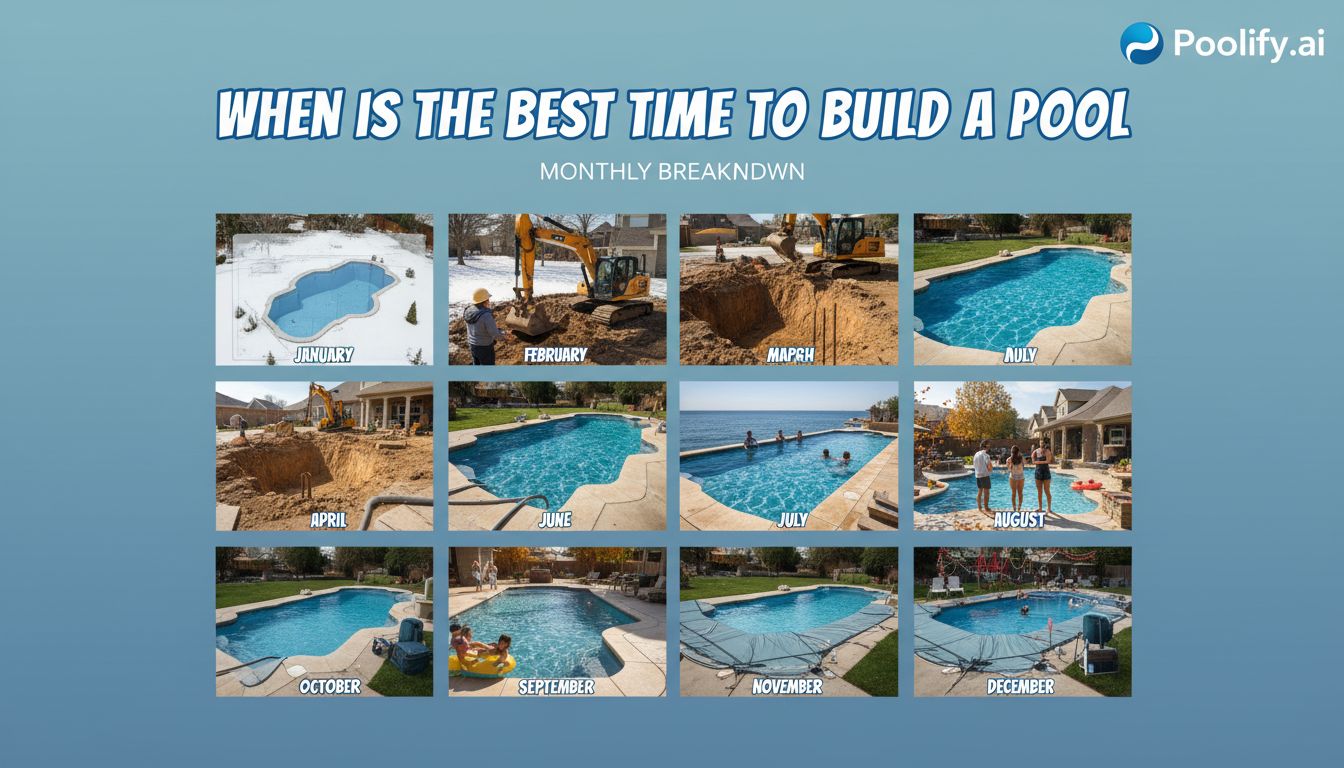
Each season presents unique considerations that impact the pool construction process. Understanding these nuances helps you identify when is the best time to build a pool based on your priorities.
Fall (September-November): The Sweet Spot
Fall emerges as the optimal period for initiating pool construction in most regions. September through November offers moderate weather conditions suitable for excavation and concrete work. Contractor schedules open up as summer projects conclude, providing better availability and competitive pricing. Starting in fall means your pool shell and plumbing can be completed before winter, with finishing touches applied in early spring. This timeline positions your pool for a late spring or early summer completion, maximizing your first season of use. Fall construction also allows you to secure current-year pricing before potential increases in the new year.
Winter (December-February): Budget-Conscious Choice
Winter represents the most cost-effective period for pool construction, though regional weather variations significantly impact feasibility. In warmer climates like the southern United States, winter construction proceeds with minimal weather-related delays. Northern regions may experience ground freezing that complicates excavation, though experienced contractors can work around these challenges. When evaluating when is the best time to build a pool from a financial perspective, winter consistently offers the lowest prices, with potential savings of 20-25% compared to peak season. Contractors eager to maintain year-round operations often provide aggressive discounts and flexible payment terms during these months.
Spring (March-May): The Rush Begins
Spring marks the transition from off-season to peak demand. Early spring (March-April) still offers reasonable contractor availability and moderate pricing, making it a viable option for those who missed fall opportunities. However, by late April and May, demand accelerates rapidly as homeowners rush to complete pools before summer. Starting construction in spring means competing with increased demand, though you may still secure completion before peak swimming season. Material availability remains generally good in early spring but tightens as summer approaches. If considering spring construction, booking your contractor by January or February ensures better positioning.
Summer (June-August): Last Resort Timing
Summer represents the least advantageous time to begin pool construction. Contractor schedules are typically booked solid, with wait times extending three to six months. Premium pricing applies across labor and materials, and the intense competition for resources can lead to project delays. Most significantly, starting construction in summer means your pool won’t be ready until the following year, causing you to miss an entire swimming season. The primary reason to consider summer construction is if you’re planning far ahead and securing a spot for the following year’s completion, though this strategy offers no advantages over booking during fall or winter for the same timeline.
Regional Climate Considerations
Geographic location plays a crucial role in determining when is the best time to build a pool. Climate variations across different regions create distinct optimal construction windows.
Southern and Warm Climate Regions
In states like Florida, Texas, Arizona, and Southern California, year-round construction remains feasible. Winter months offer the most significant advantages, combining comfortable working conditions with off-season pricing. These regions rarely experience weather severe enough to halt construction, making December through February the ideal period. Homeowners in warm climates should strategically plan construction during their “winter” to capitalize on contractor availability while avoiding the intense heat that can complicate concrete curing and worker productivity during summer months.
Northern and Cold Climate Regions
Northern states face more restrictive construction windows due to ground freezing and snow. Late spring (April-May) and early fall (September-October) provide the most reliable weather conditions. However, experienced contractors in these regions often continue excavation and structural work during winter using specialized techniques like ground thawing equipment. When determining when is the best time to build a pool in cold climates, early fall emerges as optimal, allowing maximum progress before winter while ensuring spring completion. According to National Weather Service guidelines, construction planning should account for regional freeze-thaw cycles that can impact concrete curing and ground stability.
Moderate Climate Regions
Areas with four distinct seasons but moderate winters, such as the Mid-Atlantic and Pacific Northwest, enjoy extended construction windows. Fall through early winter provides ideal conditions, with spring serving as a secondary option. These regions offer the most flexibility in timing, allowing homeowners to prioritize cost savings and contractor availability over weather concerns. Rain can cause delays in any season, but proper planning and experienced contractors can work around typical precipitation patterns.
Cost Optimization Strategies
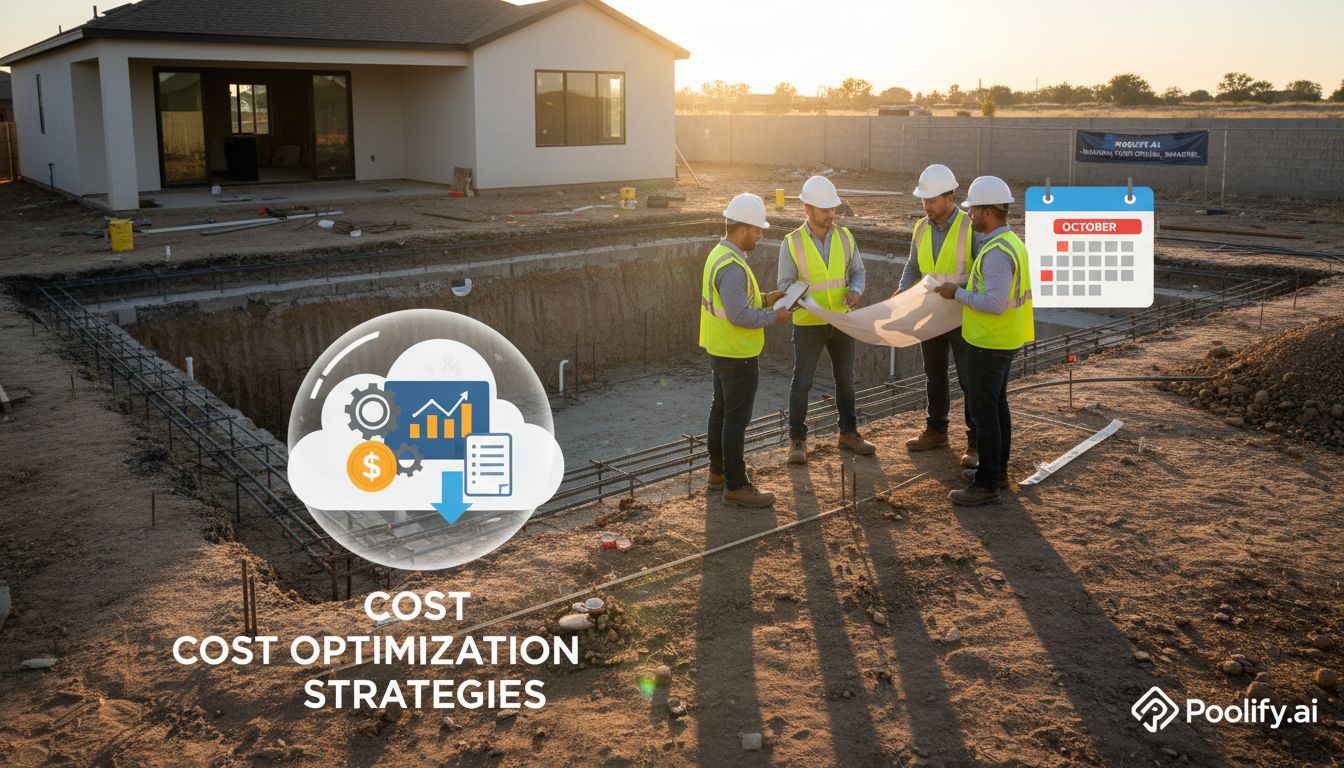
Understanding when is the best time to build a pool from a financial perspective requires examining multiple cost factors beyond simple seasonal pricing variations.
Contractor Pricing Fluctuations
Pool builders adjust pricing based on demand cycles, with discounts ranging from 10-25% during off-peak months. November through February typically offers the deepest discounts as contractors seek to maintain cash flow and keep crews employed. Requesting quotes from multiple contractors during these months creates competitive pressure that can yield additional savings. Many builders also offer early booking discounts for projects scheduled several months ahead, allowing you to lock in favorable rates even if construction won’t begin immediately.
Material Cost Timing
Pool equipment, materials, and finishes experience price adjustments throughout the year. Manufacturers often announce price increases in January, making late-year purchases advantageous. However, material costs represent only 30-40% of total project expenses, with labor comprising the majority. When evaluating when is the best time to build a pool financially, prioritize contractor labor discounts over material timing, though securing equipment before annual price increases provides additional savings. Building relationships with quality pool equipment suppliers can also unlock better pricing regardless of season.
Financing Considerations
Interest rates and lending conditions fluctuate throughout the year, impacting the true cost of pool construction when using financing. In 2026, monitoring Federal Reserve rate decisions can help you time loan applications advantageously. Some lenders offer promotional rates during specific periods, and securing financing approval before beginning contractor negotiations strengthens your bargaining position. Off-season construction timing combined with favorable financing can compound savings significantly, potentially reducing total project costs by 25-30% compared to peak-season, full-price scenarios.
Contractor Availability and Quality
The relationship between timing and contractor quality represents a critical factor often overlooked when determining when is the best time to build a pool.
Securing Top-Tier Builders
The most reputable pool contractors maintain steady business year-round, but even they experience seasonal availability variations. Booking during fall or winter allows you to secure premium builders who might be fully committed during peak season. These established professionals typically have crews they maintain year-round, ensuring consistent quality regardless of construction timing. Off-season scheduling also means your project receives more personalized attention, with project managers less stretched across multiple simultaneous builds.
Red Flags in Contractor Selection
Contractors with immediate availability during peak summer months may signal quality concerns or lack of established reputation. While exceptions exist, especially with newer companies building their portfolio, extreme availability during high-demand periods warrants additional vetting. Conversely, contractors claiming no availability for 8-12 months might be overly conservative or disorganized. When researching when is the best time to build a pool, factor in 2-4 months for contractor selection and planning, regardless of your target construction start date.
Project Timeline Management
Off-season construction often proceeds more smoothly with fewer delays. Contractors juggling multiple peak-season projects may experience scheduling conflicts when subcontractors or inspectors become overbooked. Winter and fall projects typically receive more focused attention, with dedicated crews completing work more efficiently. This concentrated effort can actually shorten overall construction time despite potential weather delays, with many off-season projects completing 2-3 weeks faster than peak-season equivalents.
Permitting and Planning Timeline
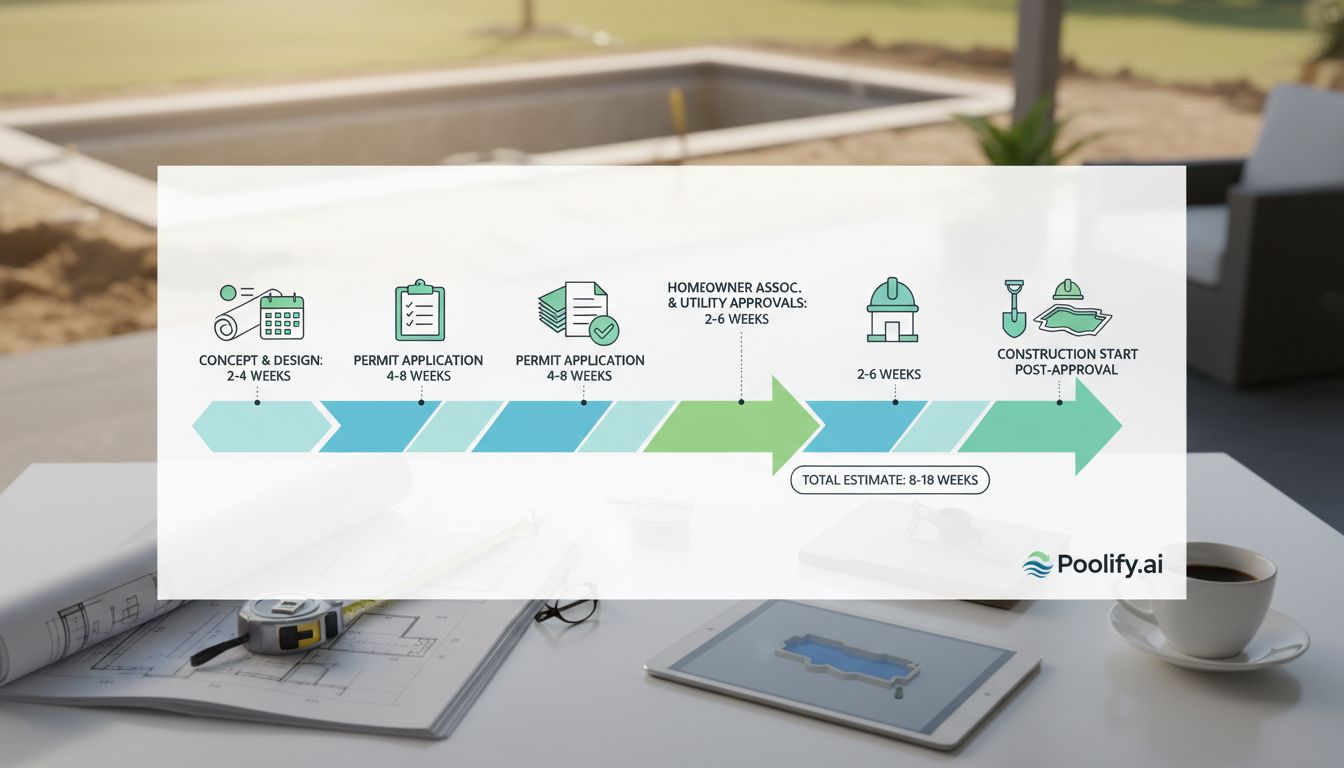
Administrative requirements significantly impact when is the best time to build a pool, often adding weeks or months to your timeline before construction even begins.
Permit Processing Timeframes
Municipal permitting offices experience their own seasonal demand fluctuations. Permit applications submitted in fall and winter often receive faster processing due to reduced volume, with approvals sometimes granted in 2-4 weeks versus 6-8 weeks during peak periods. Some jurisdictions require multiple inspections throughout construction, and inspector availability becomes constrained during busy seasons. Starting your permit process 3-4 months before intended construction allows buffer time for any complications or revision requests.
Design and Engineering Phase
Custom pool designs require engineering calculations, soil testing, and detailed planning that can span 4-8 weeks. Initiating this phase during summer or early fall for winter construction provides ample time for revisions and optimization. Rushing design work to meet aggressive timelines often results in compromises that affect long-term satisfaction. When considering when is the best time to build a pool, account for this crucial planning phase separate from actual construction duration. Thorough planning during off-season months allows you to refine details without pressure, resulting in a better final product.
HOA and Zoning Considerations
Homeowner associations and local zoning boards may have specific meeting schedules that impact approval timelines. Some HOAs only convene monthly or quarterly, meaning submission timing can add significant delays. Research these requirements early and align your planning timeline accordingly. Winter planning for spring or summer construction often provides the smoothest path through administrative hurdles, as you can address any concerns without construction pressure.
Weather Risk Management
Weather considerations extend beyond simple temperature ranges when evaluating when is the best time to build a pool.
Precipitation Patterns
Regional rainfall patterns significantly impact construction schedules. Excavation and concrete work require relatively dry conditions, making seasonal precipitation trends important. In many regions, late summer and early fall offer the driest conditions, while spring can bring extended rainy periods. Reviewing historical weather data for your area helps identify the most reliable construction windows. Experienced contractors build weather contingencies into timelines, but choosing naturally drier periods minimizes delays and associated costs.
Temperature Considerations
Concrete curing requires specific temperature ranges for optimal strength development. Extremely hot conditions (above 90°F) can cause rapid curing that compromises structural integrity, while freezing temperatures halt the process entirely. Moderate temperatures in fall and spring provide ideal concrete conditions. Modern construction techniques including insulated blankets and curing compounds extend workable temperature ranges, but natural moderate conditions remain preferable. When determining when is the best time to build a pool, prioritize months with average temperatures between 50-80°F for optimal concrete work.
Extreme Weather Events
Hurricane season, tornado patterns, and severe winter storms vary by region and should inform construction timing. Coastal areas should avoid hurricane season (June-November) when possible, though fall construction in these regions requires weather monitoring and flexible scheduling. Northern regions face blizzard risks in winter that can cause multi-week delays. Understanding your area’s extreme weather patterns helps you select construction windows with minimal risk of major disruptions.
Maximizing Your First Swimming Season
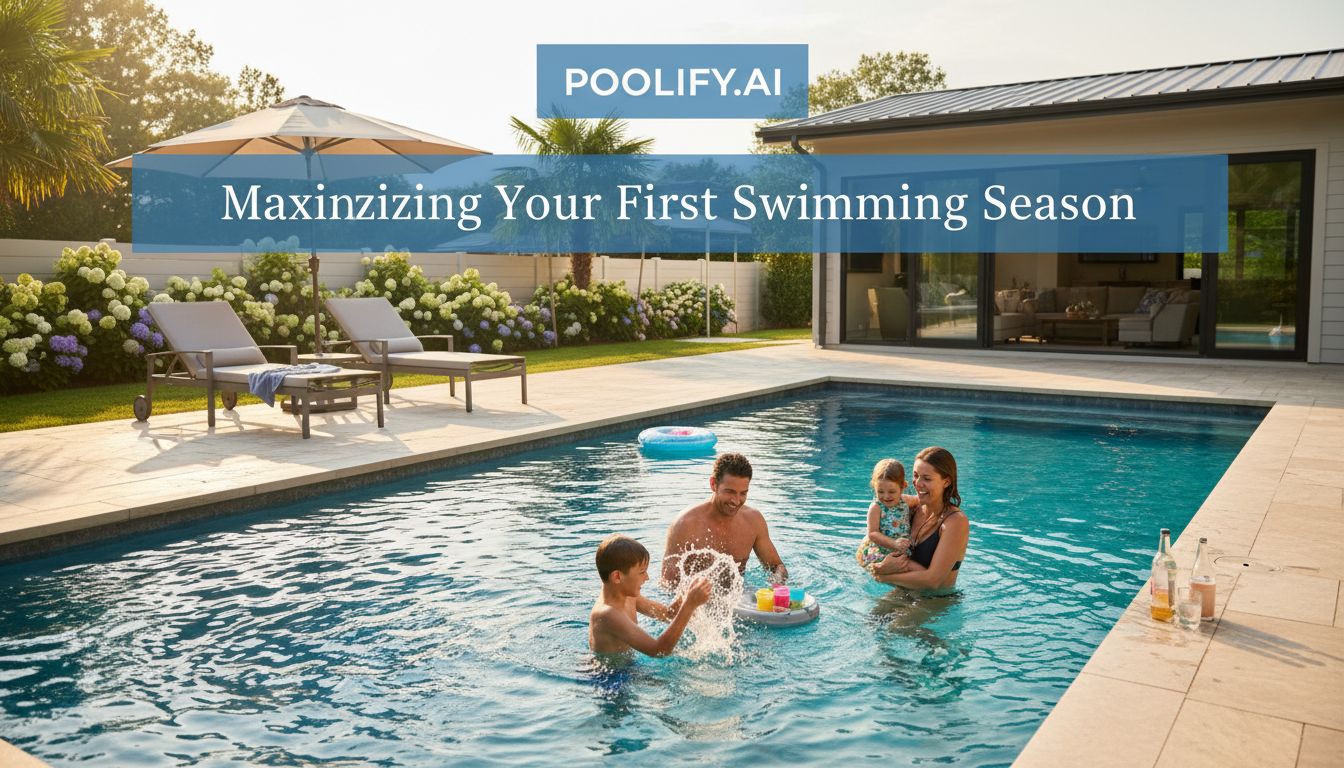
Strategic timing ensures you enjoy maximum use from your pool investment during its inaugural season.
Completion Target Strategies
Working backward from your desired swim date helps determine when is the best time to build a pool for your situation. Standard pool construction spans 8-12 weeks for straightforward projects, with custom designs potentially requiring 14-16 weeks. Adding 4-6 weeks for permitting and planning means you should initiate the process 4-6 months before your target completion. For optimal first-season enjoyment, target completion by May in most regions, suggesting a December-January construction start after fall planning.
Early Season Preparation
Pools completed in early spring require startup procedures including water balancing, equipment testing, and often replastering curing time before swimming. Accounting for these 2-4 week preparation requirements in your timeline prevents disappointment. Contractors focused on your project during off-season construction can often complete finishing touches more quickly, potentially accelerating the swim-ready date. Coordinating with professional pool maintenance services before completion ensures a smooth transition to usability.
Landscaping Integration
Pool surrounds require landscaping, decking, and hardscaping that extend the overall project timeline. These elements often proceed better in spring when plant installation is optimal and concrete work benefits from moderate temperatures. Planning pool construction for winter completion allows spring focus on surrounding aesthetics, creating a cohesive backyard transformation ready for summer enjoyment. This phased approach also spreads costs across multiple months, easing budget management.
Special Circumstances and Considerations
Individual situations may shift the answer to when is the best time to build a pool beyond general seasonal recommendations.
New Construction Homes
Building a pool during home construction or immediately after offers unique timing considerations. Coordinating with your home builder allows heavy equipment access before final landscaping, potentially reducing costs. However, ensuring home construction completion before pool work begins prevents conflicts and damage. Many homeowners benefit from waiting 6-12 months after moving in to finalize pool design preferences based on actual living patterns, suggesting a delayed but more informed pool project.
Property Renovations
Comprehensive backyard renovations including pools, outdoor kitchens, and landscaping require strategic sequencing. Pool construction typically proceeds first, as excavation and heavy equipment can damage completed landscaping or structures. Planning these projects during off-season months allows coordinated completion by summer. When multiple contractors are involved, winter planning meetings establish clear sequencing and timeline coordination, preventing costly conflicts or delays.
Life Events and Personal Timing
Personal circumstances like graduations, weddings, or milestone celebrations may create target completion dates that override seasonal optimization. When firm deadlines exist, adding extra buffer time becomes crucial, potentially requiring peak-season construction despite higher costs. In these situations, booking contractors 8-12 months in advance and paying premium rates for guaranteed completion may be necessary. Being transparent about deadline importance helps contractors prioritize your project appropriately.
Frequently Asked Questions
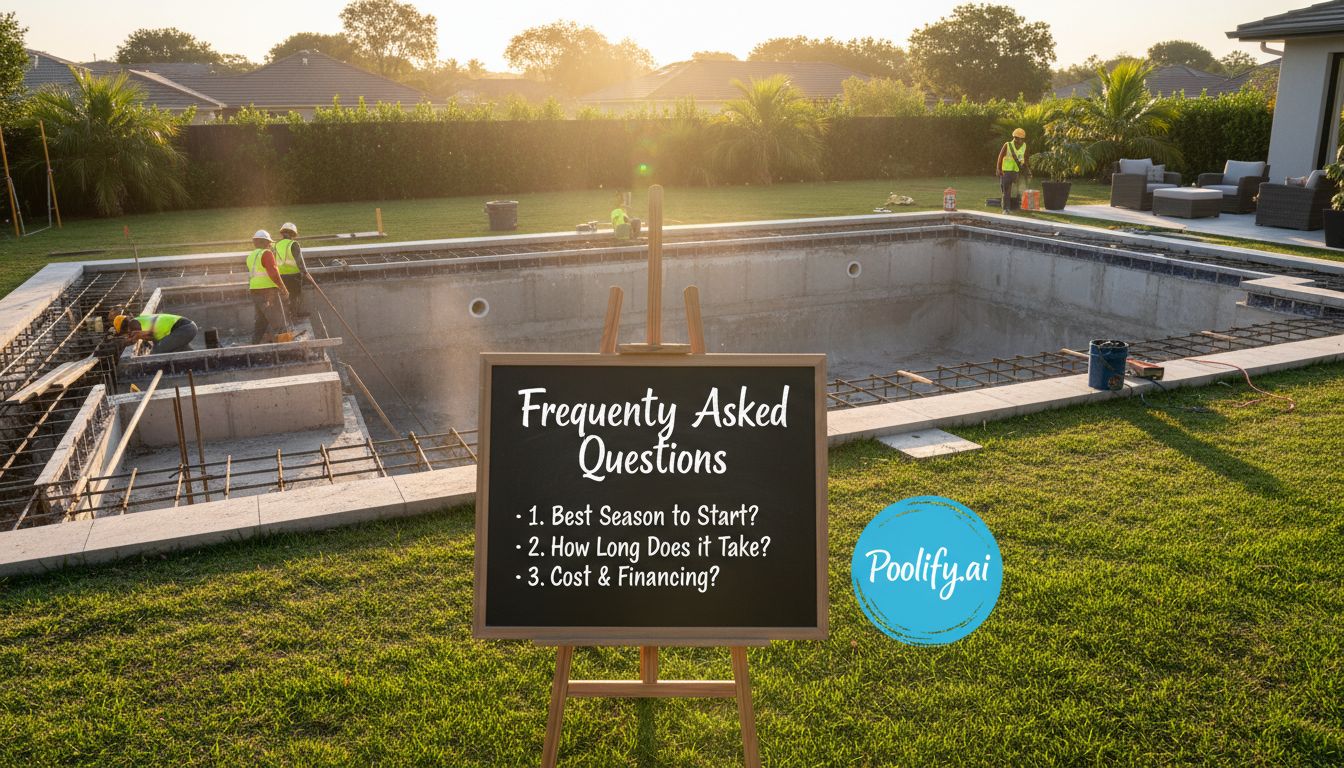
How long does pool construction typically take from start to finish?
Standard inground pool construction requires 8-12 weeks for the physical building process, with custom designs potentially extending to 14-16 weeks. However, the complete timeline including design, permitting, and final landscaping often spans 4-6 months. When determining when is the best time to build a pool, account for this full timeline rather than just construction duration. Weather delays, permit complications, or material shortages can add additional weeks, making buffer time essential for target completion dates.
Can you build a pool in winter in cold climates?
Yes, experienced contractors can build pools during winter in cold climates using specialized techniques. Ground thawing equipment, insulated concrete blankets, and heated enclosures allow construction to proceed despite freezing temperatures. However, winter construction in northern regions may experience more frequent weather delays and potentially higher costs for specialized equipment. The trade-off often favors winter construction due to significant off-season pricing discounts that offset any additional technical costs, while ensuring spring completion for maximum first-season use.
Will I save money by building a pool in winter?
Winter pool construction typically offers savings of 15-25% compared to peak summer pricing. Contractors provide promotional discounts to maintain steady workflow during slower months, and reduced demand creates competitive pressure that benefits consumers. Material costs remain relatively stable year-round, though ordering before January price increases provides additional savings. When evaluating when is the best time to build a pool financially, winter construction combined with multiple contractor quotes and early equipment purchasing maximizes cost reduction opportunities.
How far in advance should I book a pool contractor?
Booking 3-6 months before desired construction start provides optimal contractor selection and scheduling flexibility. For peak season construction, extending this to 6-9 months may be necessary with top-tier builders. Off-season projects allow shorter booking windows, though planning ahead still ensures your preferred contractor and better pricing. Premium builders often schedule a year in advance regardless of season, making early contact essential even when targeting off-season construction. Starting conversations in summer or fall for winter or spring construction represents ideal timing.
What happens if weather delays my pool construction?
Reputable contractors build weather contingencies into project timelines and contracts. Most agreements specify that weather delays extend deadlines without penalty, though communication about revised schedules should be prompt and clear. Significant delays may affect seasonal pricing agreements, though established contracts typically lock in original rates. When considering when is the best time to build a pool, choosing seasons with historically stable weather minimizes delay risks. Comprehensive contracts should clearly outline weather delay policies, completion date adjustments, and communication protocols.
Key Takeaways
- Fall (September-November) represents the optimal time to build a pool in most regions, offering moderate weather, contractor availability, competitive pricing, and spring completion timing that maximizes first-season use.
- Winter construction provides maximum cost savings with potential discounts of 20-25% compared to peak season, though feasibility varies by climate with warm regions offering year-round construction advantages.
- Peak summer months are the least advantageous time to begin pool construction due to premium pricing, limited contractor availability, and timelines that prevent current-year pool enjoyment.
- Planning and permitting require 3-4 months before construction begins, making early initiation essential regardless of target construction season, with fall planning for winter building creating optimal timelines.
- Regional climate significantly impacts optimal timing, with warm climates favoring winter construction, cold climates benefiting from fall starts, and moderate climates offering extended flexibility across multiple seasons.
See Your Dream Pool in Your Actual Backyard
Upload a photo and get an AI-designed pool visualization in 10 seconds. 3 free designs, no login required.
Try Poolify Free →Conclusion
Determining when is the best time to build a pool requires balancing multiple factors including seasonal pricing, weather conditions, contractor availability, and personal timelines. For most homeowners, fall emerges as the sweet spot, combining reasonable weather, competitive pricing, and optimal completion timing. Winter construction offers maximum cost savings for those willing to navigate potential weather complications, while spring provides a middle ground between availability and pricing. Summer construction should generally be avoided unless planning far in advance for following-year completion.
The key to successful pool construction timing lies in early planning, thorough contractor vetting, and realistic timeline expectations. By initiating design and planning phases 4-6 months before intended construction, you create flexibility to capitalize on optimal seasonal windows while ensuring quality workmanship. Whether prioritizing cost savings, quick completion, or contractor selection, understanding these seasonal dynamics empowers you to make informed decisions that enhance your pool ownership experience from day one.
In 2026, strategic timing combined with careful contractor selection transforms pool construction from a stressful expense into an exciting investment in your home and lifestyle. By applying the insights and strategies outlined in this guide, you’ll be well-positioned to answer when is the best time to build a pool for your unique situation, ensuring a smooth construction process and years of backyard enjoyment.
References
- U.S. Census Bureau – Construction Statistics: https://www.census.gov/construction/c30/c30index.html
- National Weather Service – Cold Weather Construction Safety: https://www.weather.gov/safety/cold
- Poolify.ai – Pool Equipment Guide: https://content.poolify.ai/pool-chemical-guide-for-beginners/
- Poolify.ai – Pool Maintenance Checklist: https://content.poolify.ai/weekly-pool-maintenance-checklist/
