Understanding How Long Fiberglass Pools Last
When investing in a backyard swimming pool, one of the most critical questions homeowners ask is: how long do fiberglass pools last? The answer is encouraging for anyone considering this popular pool option. With proper installation and maintenance, fiberglass pools typically last 30 years or more, with many installations remaining functional and attractive for over 50 years. This impressive longevity makes fiberglass pools one of the most durable and cost-effective pool options available in 2026.
Unlike concrete or vinyl liner pools that require frequent resurfacing or liner replacements, fiberglass pools maintain their structural integrity and smooth gel coat finish for decades. The secret lies in the manufacturing process, which creates a single-piece shell that resists algae growth, chemical damage, and structural deterioration. Understanding the factors that influence how long fiberglass pools last empowers homeowners to make informed decisions and implement maintenance practices that extend their pool’s lifespan well beyond industry averages.
The Expected Lifespan of Fiberglass Pools in 2026
Modern fiberglass pools manufactured in 2026 benefit from advanced composite materials and improved manufacturing techniques that significantly extend their operational life. Industry experts consistently report that fiberglass pool shells can last 50 years or more when properly maintained. The gel coat surface, which provides the smooth, attractive finish, typically requires resurfacing after 15 to 20 years, though some high-quality installations maintain their original finish for 25 years or longer.
According to the Association of Pool & Spa Professionals, fiberglass pools demonstrate superior longevity compared to other pool types. Concrete pools generally require resurfacing every 10 to 15 years, while vinyl liner pools need complete liner replacement every 7 to 10 years. When considering how long do fiberglass pools last versus these alternatives, the reduced maintenance requirements and extended lifespan make fiberglass an economically sound choice for long-term pool ownership.
The structural components of fiberglass pools—the composite shell itself—rarely fail when properly installed. The fiberglass material is inherently resistant to osmotic blistering, a condition that plagued early fiberglass pool designs. Modern manufacturing standards established in the 2020s have virtually eliminated this concern, ensuring that pools installed in 2026 will maintain their structural integrity for generations.
Key Factors That Determine How Long Fiberglass Pools Last
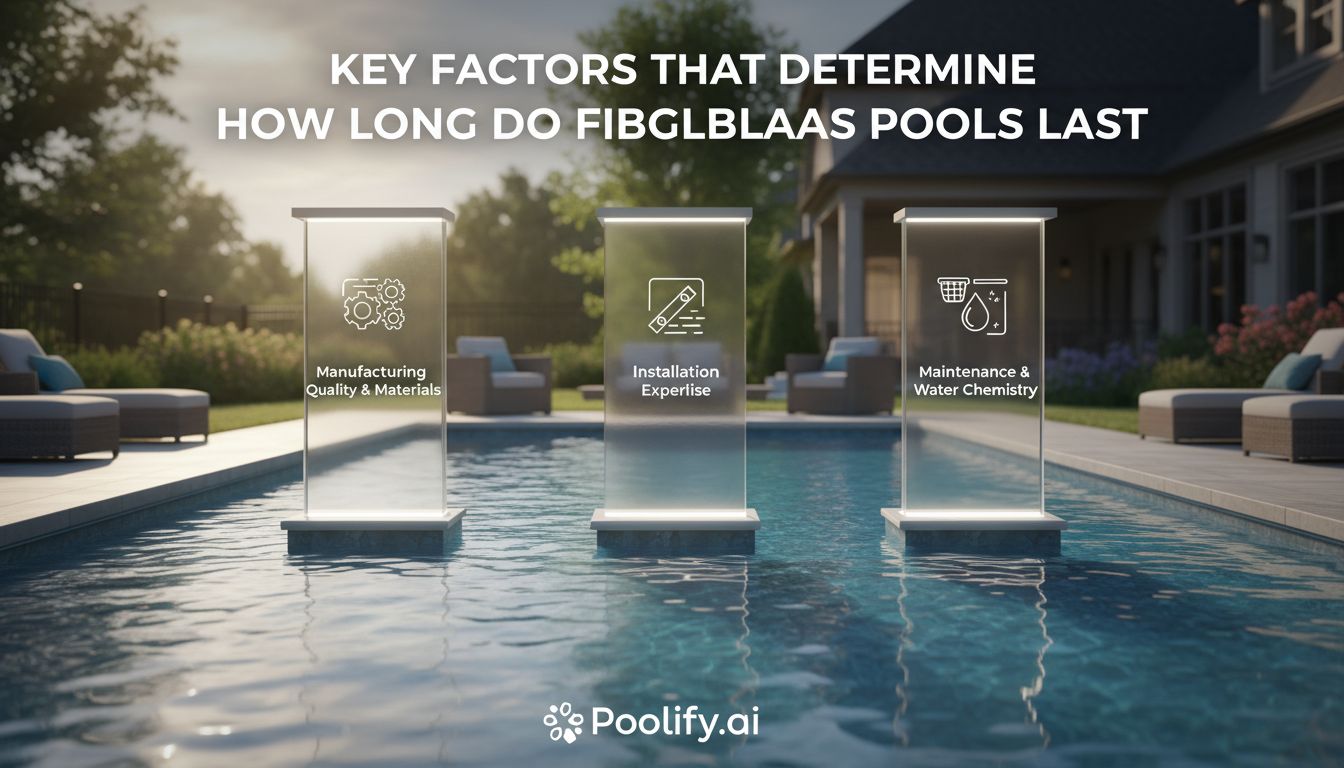
Manufacturing Quality and Material Composition
The longevity of fiberglass pools begins at the factory. High-quality manufacturers use multiple layers of fiberglass reinforcement combined with vinyl ester resin, which offers superior water resistance compared to polyester resin. Pools constructed with vinyl ester resin in the waterline area and structural zones demonstrate significantly longer lifespans. When researching how long do fiberglass pools last, always inquire about the resin type and number of fiberglass layers used in construction.
Premium manufacturers apply gel coat thickness of 20 to 28 mils, providing a durable surface that resists staining, fading, and chemical damage. Thinner gel coats wear through more quickly, requiring earlier refinishing. The ceramic core technology introduced by leading manufacturers in the mid-2020s adds an additional protective layer that extends gel coat life by 30 to 40 percent compared to traditional formulations.
Installation Quality and Site Preparation
Even the highest-quality fiberglass pool will underperform if improperly installed. Professional installation ensures proper excavation, base preparation, backfill procedures, and plumbing connections. Poor backfill compaction can lead to shell movement, stress cracks, and premature failure. Experienced installers use engineered gravel or flowable fill materials that provide consistent support around the entire shell perimeter.
Soil conditions significantly impact how long fiberglass pools last. Expansive clay soils, high water tables, and unstable ground require specialized installation techniques. Professional installers assess site conditions and implement appropriate measures such as dewatering systems, soil stabilization, or reinforced bases to ensure long-term structural stability. Cutting corners during installation can reduce a pool’s effective lifespan by decades.
Water Chemistry Management
Proper water chemistry is perhaps the most controllable factor affecting fiberglass pool longevity. Maintaining balanced pH levels between 7.2 and 7.8, appropriate alkalinity, and proper calcium hardness prevents gel coat degradation and surface etching. According to the CDC’s residential pool water quality guidelines, consistent chemical balance protects both swimmers and pool surfaces.
Excessively low pH creates acidic conditions that gradually dissolve the gel coat, while high pH promotes scale formation and surface roughness. Salt chlorine generators, increasingly popular in 2026, require careful monitoring to prevent elevated salt concentrations that can stress fiberglass surfaces. When properly managed, salt systems work beautifully with fiberglass pools without compromising how long do fiberglass pools last.
Climate and Environmental Conditions
Geographic location influences pool longevity through UV exposure, freeze-thaw cycles, and temperature extremes. Pools in southern climates with intense year-round sun exposure may experience faster gel coat fading, though modern UV inhibitors substantially reduce this effect. Northern pools face freeze-thaw challenges that can stress shells if water levels and winterization procedures aren’t properly managed.
Groundwater conditions also play a role. Areas with high water tables require hydrostatic relief valves to prevent the empty pool shell from “floating” out of the ground. This phenomenon, though rare with proper installation, can cause catastrophic damage. Understanding local environmental factors helps homeowners implement appropriate protective measures that maximize how long do fiberglass pools last in their specific location.
Maintenance Practices That Extend Fiberglass Pool Lifespan
Regular Cleaning and Surface Care
Consistent cleaning prevents buildup that can degrade the gel coat over time. The smooth, non-porous surface of fiberglass pools resists algae growth better than concrete, requiring less aggressive scrubbing. Use soft brushes or specialized fiberglass pool cleaning tools rather than abrasive materials that scratch the gel coat. Weekly brushing of walls and floor, combined with regular skimming and vacuuming, maintains surface integrity.
Automatic pool cleaners designed for fiberglass surfaces provide convenient maintenance without causing damage. Robotic cleaners with soft brushes or suction-side cleaners are ideal choices. Avoid pressure-side cleaners with metal or hard plastic components that might scratch the gel coat. These simple precautions significantly impact how long fiberglass pools last while maintaining their attractive appearance.
Chemical Balance Monitoring
Test water chemistry at least twice weekly during swimming season and weekly during off-season months. Digital test kits or professional-grade test strips provide accurate readings of pH, chlorine, alkalinity, and calcium hardness. Make small, gradual adjustments rather than large chemical additions that shock the water chemistry and potentially stress the gel coat surface.
Consider investing in automated chemical monitoring systems that continuously track water parameters and alert you to imbalances. These systems, which have become more affordable in 2026, prevent the prolonged chemical imbalances that gradually degrade fiberglass surfaces. Consistent chemistry management is the single most effective strategy for maximizing how long do fiberglass pools last.
Proper Winterization in Cold Climates
Pools in freezing climates require thorough winterization to prevent ice damage. Lower water levels below skimmers and returns, blow out plumbing lines, and add appropriate antifreeze to prevent expansion damage. Install winter covers that protect against debris while allowing some air circulation to prevent condensation issues. Never completely drain a fiberglass pool during winter, as groundwater pressure can cause the empty shell to shift or crack.
Spring opening procedures are equally important. Remove covers carefully to avoid dragging debris across the gel coat. Gradually restore chemical balance rather than shocking the system with large chemical additions. These seasonal transitions, when handled properly, contribute to how long fiberglass pools last by preventing stress cycles that accumulate over years.
Common Issues That Reduce Fiberglass Pool Lifespan
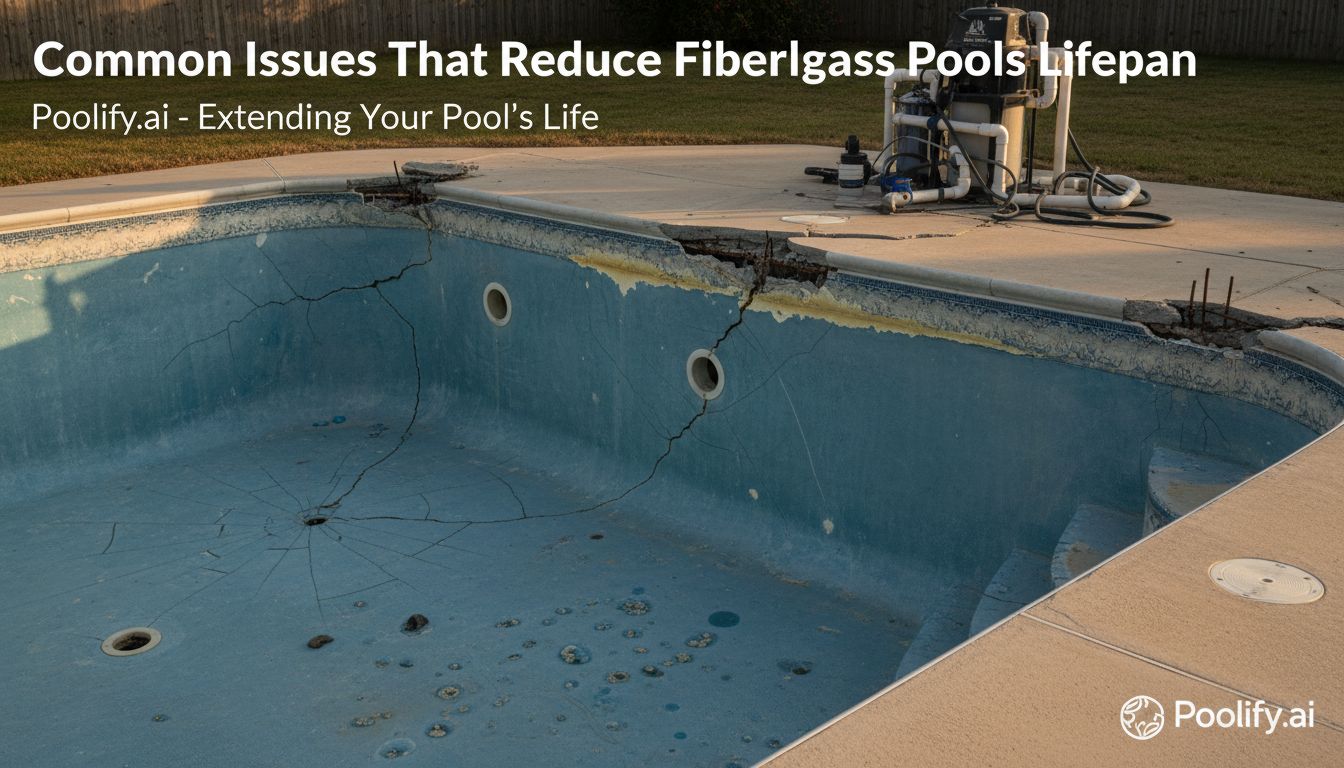
Gel Coat Damage and Surface Degradation
While fiberglass pool shells can last 50 years or more, the gel coat surface typically shows wear after 15 to 25 years. Fading, staining, surface roughness, and minor spider cracks are normal aging signs that don’t compromise structural integrity. However, ignoring these cosmetic issues can allow water penetration into the fiberglass layers, potentially causing osmotic blistering or delamination.
Professional gel coat refinishing or complete resurfacing can restore pools to like-new condition. This process, typically costing $5,000 to $10,000 in 2026, extends the pool’s usable life by another 15 to 20 years. When evaluating how long do fiberglass pools last, factor in one or two refinishing cycles over a 50-year lifespan for a complete picture of long-term ownership.
Structural Stress and Movement
Fiberglass pools are remarkably flexible and can withstand minor ground movement without cracking. However, significant soil settlement, hydrostatic pressure from high water tables, or root intrusion from nearby trees can cause stress cracks or shell distortion. These structural issues, while uncommon with proper installation, require professional evaluation and repair to prevent progressive damage.
Small stress cracks can be repaired with specialized fiberglass repair kits, while more extensive damage may require professional fiberglass technicians. Addressing structural issues promptly prevents minor problems from becoming major failures. Regular visual inspections help identify early warning signs that, when addressed quickly, have minimal impact on how long do fiberglass pools last.
Equipment Failure and Plumbing Issues
While the fiberglass shell itself lasts decades, associated equipment has shorter lifespans. Pool pumps typically last 8 to 12 years, filters need replacement every 10 to 15 years, and heaters function for 10 to 20 years depending on type and usage. Plumbing leaks, though not directly affecting the shell, can cause soil erosion around the pool that compromises structural support.
Regular equipment maintenance and timely replacement prevent secondary damage to the pool structure. Leaking plumbing should be repaired immediately to prevent soil washout. When considering how long do fiberglass pools last, remember that proper equipment maintenance protects the substantial investment in the pool shell itself. Learn more about maintaining your pool equipment for optimal performance.
Comparing Fiberglass Pool Longevity to Other Pool Types
Fiberglass vs. Concrete Pools
Concrete pools offer design flexibility but require more intensive maintenance throughout their lifespan. The porous concrete surface requires acid washing every few years and complete resurfacing every 10 to 15 years. While concrete pool structures can last 50 years or more, the cumulative cost of regular resurfacing often exceeds the initial cost difference between concrete and fiberglass options.
When comparing how long do fiberglass pools last versus concrete alternatives, consider both structural longevity and surface maintenance requirements. Fiberglass pools maintain their smooth, attractive finish with minimal intervention for 15 to 25 years between refinishing, while concrete pools show surface wear much sooner. The reduced maintenance burden makes fiberglass increasingly popular among homeowners seeking low-maintenance pool solutions in 2026.
Fiberglass vs. Vinyl Liner Pools
Vinyl liner pools offer the lowest initial installation cost but require liner replacement every 7 to 10 years. At $3,500 to $7,000 per replacement in 2026, these recurring costs accumulate significantly over decades. Additionally, vinyl liners are susceptible to punctures, tears, and UV degradation that fiberglass surfaces resist.
The structural components of vinyl liner pools—the walls and floor—can last 30 years or more when properly maintained. However, the ongoing liner replacement cycle creates interruption and expense that fiberglass owners avoid. When evaluating how long do fiberglass pools last in comparison, the 30-plus years of continuous use without major surface replacement represents substantial value and convenience.
Signs Your Fiberglass Pool Needs Professional Attention
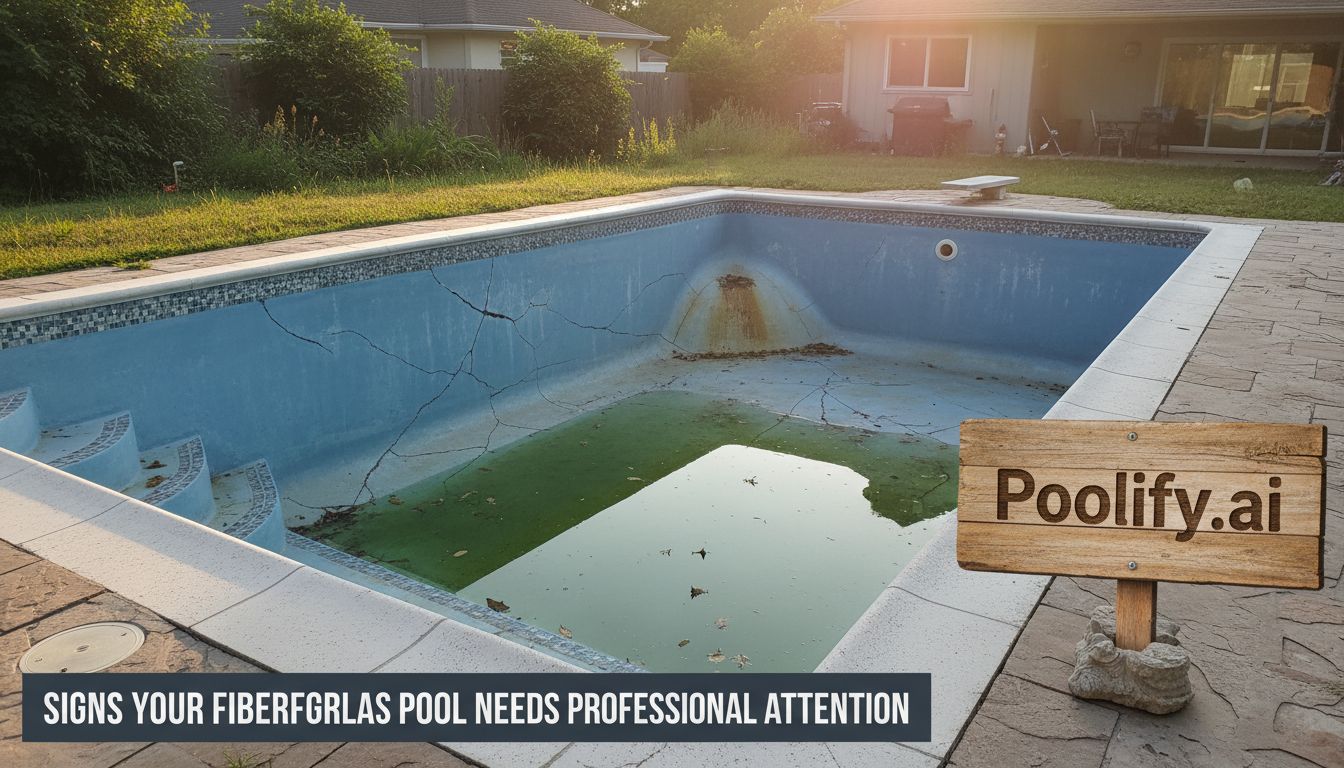
Surface Deterioration Indicators
Monitor your pool surface for signs of aging that may require professional assessment. Widespread fading, color changes, or dullness indicate gel coat oxidation that may benefit from professional polishing or refinishing. Surface roughness, particularly in high-traffic areas like steps and benches, suggests gel coat wear that could progress to more serious issues if ignored.
Spider cracks—fine hairline cracks in the gel coat—are common in older pools and usually don’t indicate structural problems. However, cracks wider than hairline thickness, cracks that propagate or grow over time, or cracks accompanied by bulging or deformation require immediate professional evaluation. These symptoms may indicate structural stress that, if addressed promptly, won’t significantly impact how long fiberglass pools last.
Water Loss and Leak Detection
Normal evaporation causes water level decline, but excessive loss suggests leaks that require attention. Perform the bucket test to distinguish evaporation from leaks: fill a bucket with pool water, mark water levels inside the bucket and in the pool, and compare loss rates after 24 hours. If the pool loses more water than the bucket, investigate potential leaks in the shell, plumbing, or equipment.
Professional leak detection services use specialized equipment to locate problems without destructive investigation. Early leak repair prevents soil erosion around the pool that can compromise structural support. Addressing leaks promptly protects your investment and ensures how long do fiberglass pools last matches or exceeds industry expectations.
Maximizing Your Fiberglass Pool Investment in 2026
Choosing Quality Installation Professionals
The installation phase critically determines long-term pool performance. Research installers thoroughly, checking credentials, insurance, references, and portfolio of completed projects. Ask about their experience with fiberglass pools specifically, as installation techniques differ significantly from concrete or vinyl liner pools. Verify they follow manufacturer specifications for excavation, base preparation, and backfill procedures.
Request detailed written contracts specifying materials, procedures, timeline, and warranty coverage. Quality installers offer structural warranties of 25 years or more on the fiberglass shell, demonstrating confidence in their workmanship. While premium installation costs more initially, proper installation is the foundation for achieving maximum lifespan when considering how long do fiberglass pools last.
Implementing Preventive Maintenance Programs
Establish regular maintenance routines from day one. Create a maintenance calendar tracking chemical testing, cleaning tasks, equipment inspections, and seasonal procedures. Many pool owners in 2026 use smartphone apps that send reminders and track maintenance history, ensuring consistent care that prevents problems before they develop.
Consider professional maintenance services for complex tasks like equipment servicing, chemical balancing, or seasonal opening and closing. Professional maintenance typically costs $100 to $200 monthly but provides expertise that prevents costly mistakes. The investment in professional care often pays dividends in extended pool life and reduced repair costs. Check out our comprehensive pool maintenance schedule for detailed guidance.
Planning for Long-Term Pool Care
Budget for periodic expenses that maintain pool condition over decades. Set aside funds for eventual gel coat refinishing, equipment replacement, and unexpected repairs. Homeowners who plan financially for these predictable expenses avoid deferred maintenance that accelerates deterioration and reduces how long fiberglass pools last.
Document your pool’s history including installation details, maintenance records, repairs, and equipment replacements. This documentation proves valuable for troubleshooting issues, adds value if selling your home, and helps new owners understand the pool’s care requirements. Comprehensive records demonstrate the quality care that maximizes fiberglass pool longevity.
Environmental and Economic Benefits of Long-Lasting Fiberglass Pools
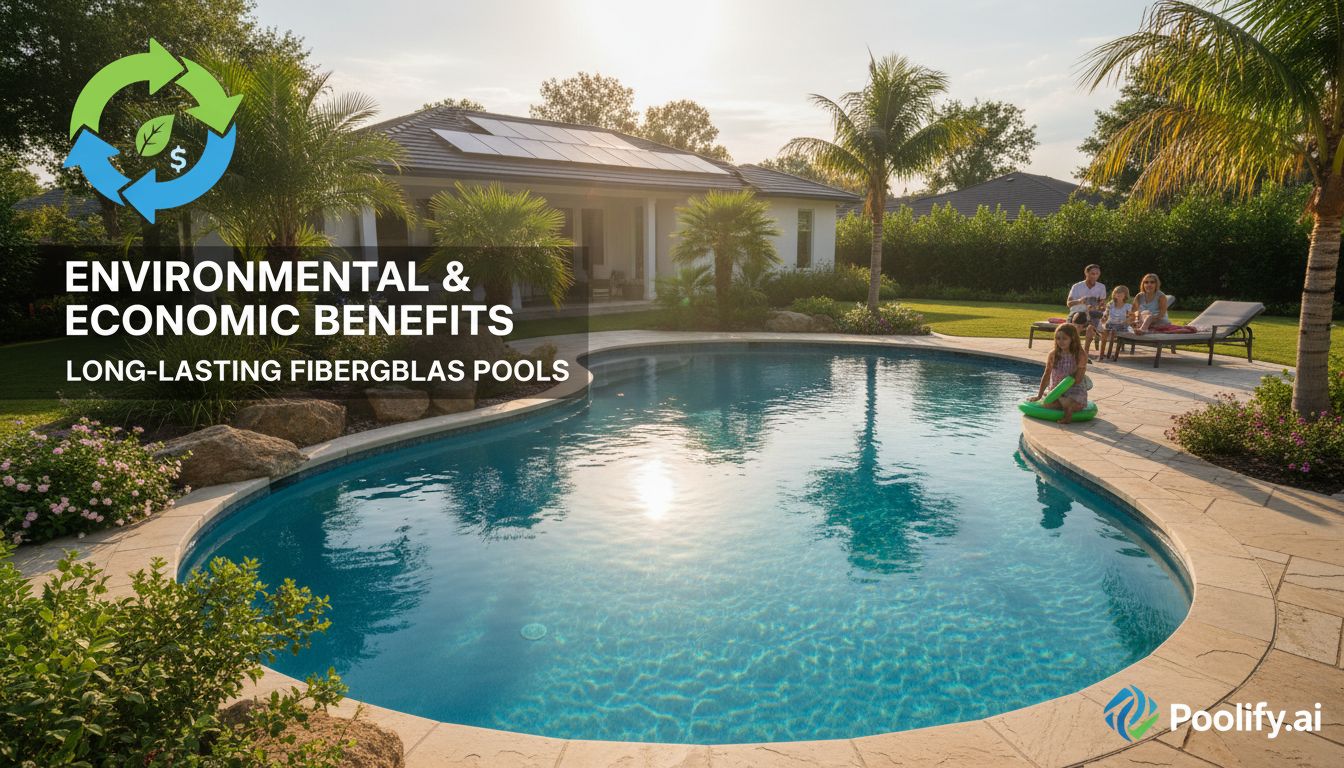
The extended lifespan of fiberglass pools offers environmental advantages beyond individual homeowner benefits. Manufacturing a single pool shell that lasts 50 years consumes fewer resources than multiple vinyl liner replacements or concrete resurfacing cycles. The smooth, non-porous surface requires fewer chemicals for sanitation, reducing environmental impact and operating costs throughout the pool’s life.
Energy efficiency contributes to both environmental sustainability and cost savings. Fiberglass pools retain heat better than concrete alternatives, reducing heating costs by 20 to 30 percent in many climates. This thermal efficiency, combined with compatibility with modern variable-speed pumps and LED lighting, makes fiberglass pools increasingly attractive to environmentally conscious homeowners in 2026.
From an economic perspective, understanding how long do fiberglass pools last helps homeowners calculate true lifetime costs. While initial installation may cost more than vinyl liner pools, the elimination of regular liner replacements and reduced resurfacing frequency makes fiberglass highly cost-effective over 30 to 50 years. Total cost of ownership analysis consistently favors fiberglass for homeowners planning long-term pool ownership.
Frequently Asked Questions About Fiberglass Pool Lifespan
How long do fiberglass pools last compared to concrete pools?
Fiberglass pools typically last 30 to 50 years with proper maintenance, similar to concrete pools in terms of structural longevity. However, fiberglass pools require less frequent surface refinishing—every 15 to 25 years versus 10 to 15 years for concrete. This reduced maintenance burden and lower lifetime costs make fiberglass increasingly popular despite similar structural lifespans.
Can fiberglass pools be repaired if damaged?
Yes, fiberglass pools can be effectively repaired using specialized fiberglass repair techniques. Minor cracks, chips, or surface damage can be patched and refinished to restore structural integrity and appearance. More extensive damage may require professional fiberglass technicians, but even significant repairs are typically successful when performed correctly. Proper repairs don’t significantly reduce how long fiberglass pools last.
What maintenance extends fiberglass pool lifespan most effectively?
Maintaining proper water chemistry is the single most important factor extending fiberglass pool life. Balanced pH, alkalinity, and sanitizer levels prevent gel coat degradation and surface damage. Regular cleaning with appropriate tools, timely equipment maintenance, and proper winterization in cold climates also contribute significantly to maximizing pool longevity and preserving the initial investment.
When should I refinish my fiberglass pool?
Most fiberglass pools benefit from gel coat refinishing after 15 to 25 years, though some high-quality installations maintain their finish longer. Signs that refinishing is needed include widespread fading, surface roughness, persistent staining that won’t clean, or minor spider cracks. Refinishing restores the pool’s appearance and protects the underlying fiberglass structure, effectively resetting the clock on surface longevity.
Do fiberglass pools crack easily?
Quality fiberglass pools are remarkably durable and flexible, resisting cracking under normal conditions. The composite construction allows some flex to accommodate minor ground movement without damage. Cracks typically result from poor installation, extreme soil conditions, or neglected maintenance rather than inherent material weakness. Proper installation and care virtually eliminate cracking concerns throughout the pool’s lifespan.
Key Takeaways: How Long Do Fiberglass Pools Last
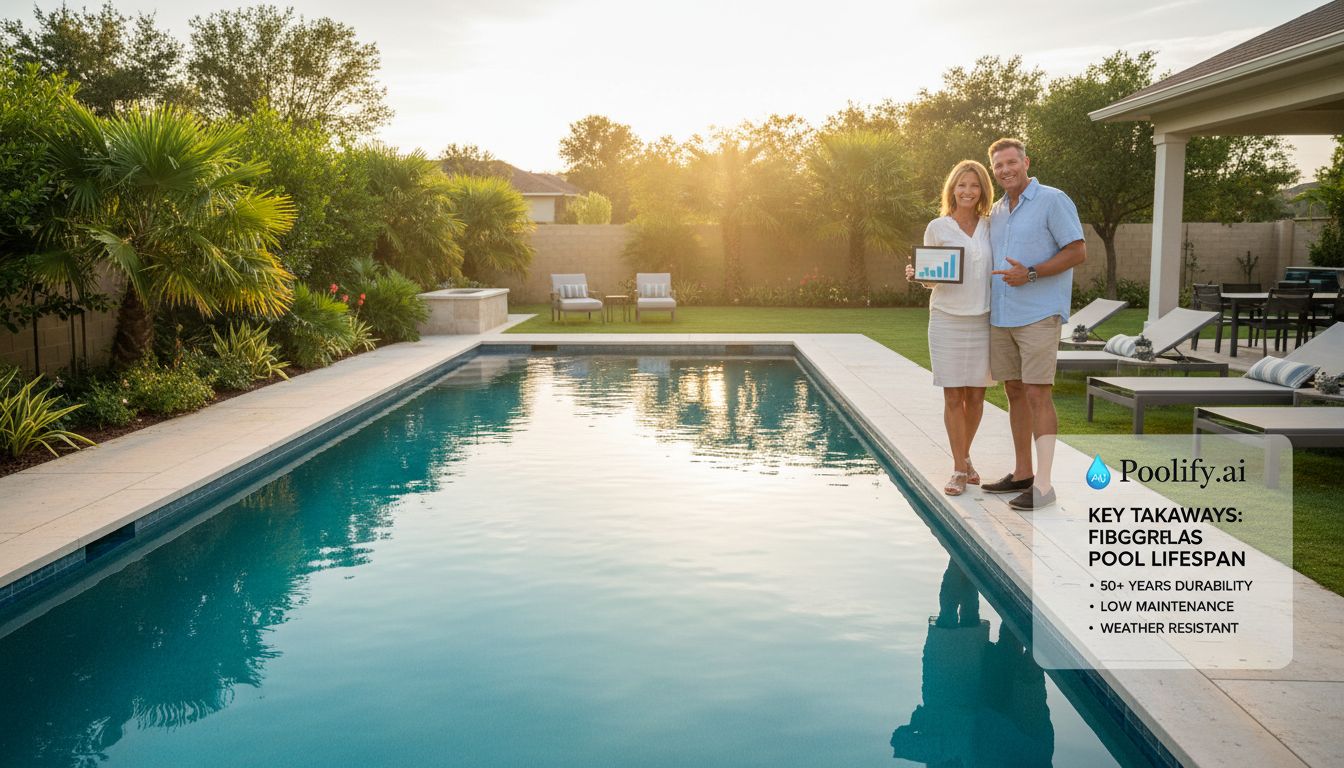
- Expected Lifespan: Fiberglass pools typically last 30 to 50 years or more with proper installation and maintenance, with the structural shell often outlasting the gel coat surface finish.
- Surface Refinishing: The gel coat surface requires refinishing every 15 to 25 years, a significantly longer interval than concrete resurfacing or vinyl liner replacement, reducing lifetime maintenance costs and disruption.
- Water Chemistry Matters: Maintaining balanced pH, alkalinity, and sanitizer levels is the most critical factor protecting gel coat integrity and maximizing how long do fiberglass pools last in your backyard.
- Installation Quality: Professional installation following manufacturer specifications ensures proper structural support, drainage, and backfill that prevent premature failure and maximize pool longevity regardless of soil conditions.
- Cost-Effective Investment: Despite potentially higher initial costs compared to vinyl liner pools, fiberglass pools offer superior lifetime value through reduced maintenance requirements, fewer surface replacements, and extended operational life.
See Your Dream Pool in Your Actual Backyard
Upload a photo and get an AI-designed pool visualization in 10 seconds. 3 free designs, no login required.
Try Poolify Free →Conclusion: Investing in Lasting Pool Enjoyment
Understanding how long do fiberglass pools last empowers homeowners to make informed decisions about pool installation and maintenance. The impressive 30 to 50-year lifespan, combined with minimal maintenance requirements and reduced lifetime costs, makes fiberglass pools an excellent investment for families planning long-term backyard enjoyment. Modern manufacturing techniques and improved materials ensure that pools installed in 2026 will provide decades of reliable service with proper care.
The key to maximizing your fiberglass pool’s lifespan lies in three fundamental areas: choosing quality installation professionals who follow proper procedures, maintaining consistent water chemistry and cleaning routines, and addressing minor issues promptly before they become major problems. These practices, while requiring some commitment, are far less demanding than the intensive maintenance required by concrete or vinyl liner alternatives.
As you consider adding a fiberglass pool to your property, remember that this investment extends beyond the initial installation. The decades of low-maintenance enjoyment, the environmental benefits of reduced chemical use and resource consumption, and the financial advantages of minimal resurfacing requirements all contribute to the value proposition. When properly cared for, your fiberglass pool will provide a lifetime of memories while maintaining its beauty and functionality well into the 2050s and beyond.
Take the time to research quality manufacturers, select experienced installers, and commit to consistent maintenance practices. These foundational decisions determine whether your pool merely meets or substantially exceeds the industry standard for how long do fiberglass pools last. With the right approach, your fiberglass pool investment will reward you with decades of backyard enjoyment, family gatherings, and property value enhancement that justifies every dollar spent on quality installation and ongoing care.
References
- Association of Pool & Spa Professionals – https://www.apsp.org/
- Centers for Disease Control and Prevention – Residential Pool Water Quality – https://www.cdc.gov/healthywater/swimming/residential/water-quality.html
