Your Complete Pool Builders Miami Guide for 2026
Building a swimming pool in Miami requires careful planning, the right contractor, and understanding of local regulations. This pool builders miami guide provides everything you need to know about selecting qualified professionals, navigating the construction process, and creating your dream backyard oasis in South Florida’s unique environment. Whether you’re considering a luxury infinity pool in Coral Gables or a family-friendly design in Kendall, this comprehensive resource will help you make informed decisions and avoid costly mistakes.
Miami’s tropical climate and specific building codes create unique considerations that distinguish pool construction here from other regions. With over 400 licensed pool contractors operating in Miami-Dade County, choosing the right builder becomes crucial for ensuring quality, longevity, and compliance with local requirements.
Why Pool Construction Matters in Miami’s Unique Market
Miami’s pool industry represents a significant segment of the local construction market, driven by climate, lifestyle, and property values. Understanding the local context helps homeowners make better decisions when selecting pool builders.
Miami’s Climate and Pool Demand
Miami experiences an average annual temperature of 77°F, with summer highs reaching 90°F and winter lows rarely dropping below 60°F. This year-round warm weather makes swimming pools a practical investment rather than a seasonal luxury. The city receives approximately 62 inches of rainfall annually, concentrated during the June through October wet season, which influences pool design considerations like drainage and overflow systems.
The subtropical climate means pools can be used 12 months per year, significantly increasing return on investment compared to northern markets. According to U.S. Census Bureau data, Miami-Dade County has a population exceeding 2.7 million residents, with median home values around $385,000, making pool additions a common home improvement project that can increase property values by 5-8% in desirable neighborhoods.
Local Market Characteristics
Miami’s diverse neighborhoods each present unique opportunities for pool construction. Coral Gables and Pinecrest feature larger lots with space for elaborate designs, while Brickell and downtown areas often require creative solutions for limited outdoor spaces. The coastal proximity throughout much of Miami means pool builders must account for saltwater exposure, higher water tables, and hurricane-resistant construction standards.
The local economy, driven by tourism, international trade, and real estate, supports a robust pool construction industry. Major employers include hospitality, healthcare, and finance sectors, contributing to a median household income of approximately $44,000, though this varies significantly by neighborhood. Luxury markets in areas like Miami Beach and Key Biscayne support high-end pool projects exceeding $150,000, while suburban areas typically see projects in the $40,000-$80,000 range.
Interesting Miami Pool Facts
Miami’s pool culture reflects its unique character. The historic Venetian Pool in Coral Gables, built in 1923, remains one of the most beautiful public pools in the United States, carved from a coral rock quarry. Miami’s Art Deco district influenced pool design trends that continue today, with geometric shapes and vibrant tile work remaining popular choices.
The city’s position as a gateway to Latin America influences design preferences, with many homeowners requesting Mediterranean, Spanish Colonial, or contemporary tropical styles. Miami also leads the nation in infinity edge and negative edge pool installations, taking advantage of waterfront properties and ocean views. Hurricane Andrew in 1992 fundamentally changed building codes, making Miami pools among the most structurally sound in the country, with requirements exceeding most other U.S. markets.
Understanding the Pool Builders Miami Guide Selection Process
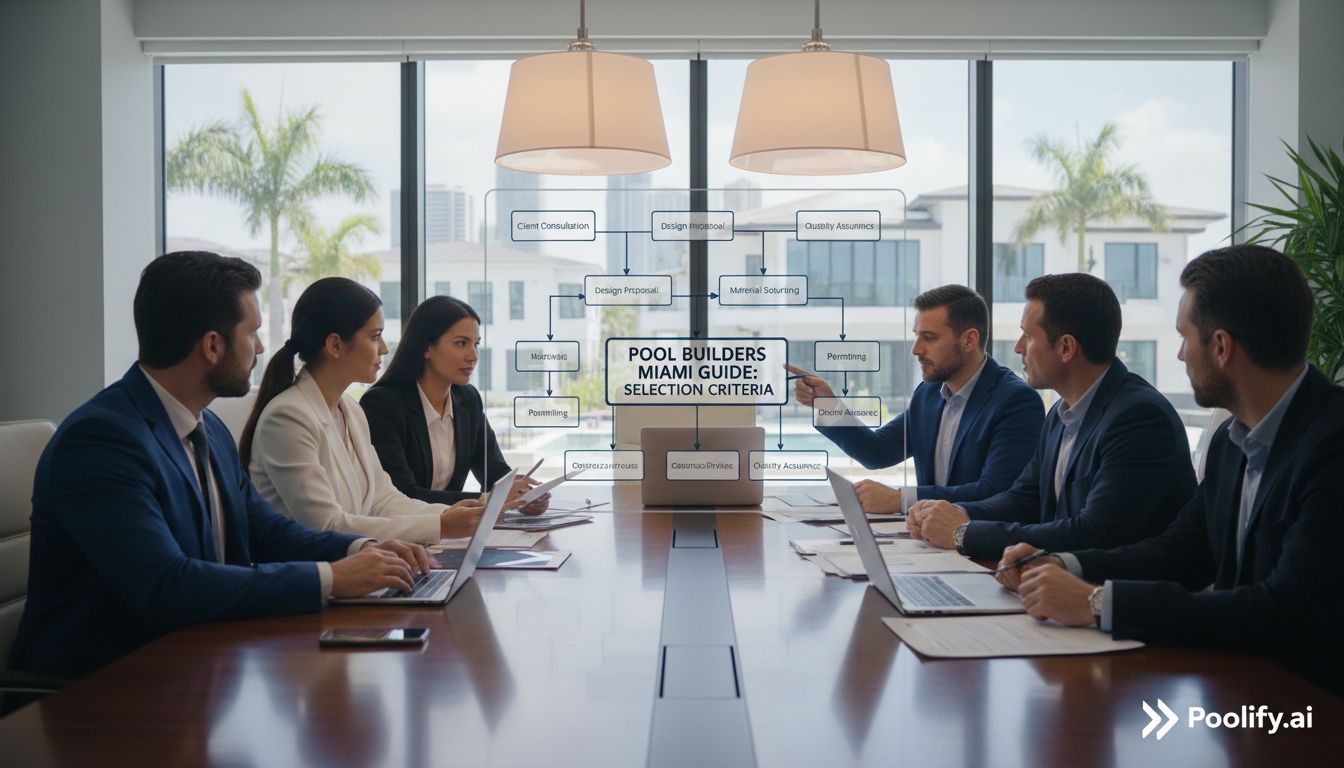
Selecting the right pool contractor represents the most critical decision in your project. This pool builders miami guide emphasizes that proper vetting prevents problems and ensures quality results.
Licensing and Certification Requirements
Florida requires all pool contractors to hold either a Certified Pool/Spa Contractor license or a Registered Pool/Spa Contractor license issued by the Department of Business and Professional Regulation. Miami-Dade County enforces additional local licensing requirements. Verify your chosen builder maintains current licenses through the Florida Department of Business and Professional Regulation database before signing any contracts.
Reputable pool builders carry comprehensive insurance including general liability coverage of at least $1 million and workers compensation for all employees. Request certificates of insurance directly from the insurance provider, not just copies from the contractor. This protects you from liability if accidents occur on your property during construction.
Experience and Portfolio Review
Examine at least five to ten completed projects from any pool builder you’re considering. Request references from projects completed within the past two years, preferably in your neighborhood. Miami’s specific soil conditions, water table levels, and building codes mean local experience matters significantly more than general construction expertise from other regions.
Ask potential builders about their experience with your specific pool type, whether that’s saltwater systems, infinity edges, natural pools, or lap pools. Each design requires specialized knowledge. Review their portfolio for aesthetic alignment with your vision and evidence of quality craftsmanship in tile work, coping, and deck integration.
Contract and Warranty Considerations
A comprehensive contract should detail every aspect of your project including specific materials, brands, dimensions, timeline, payment schedule, and warranty terms. Never accept vague descriptions or allowances without specified products. Payment schedules should align with project milestones, not front-loaded to benefit the contractor.
Standard warranties typically cover structural integrity for 10-30 years, equipment for 1-3 years, and tile/finish work for 1-2 years. Understand what each warranty covers and whether it’s backed by the manufacturer, the builder, or both. This pool builders miami guide recommends obtaining all warranty documentation in writing before making final payment.
Pool Builders Miami Guide: Cost Factors and Budgeting
Understanding cost components helps you budget appropriately and identify unrealistic quotes that may indicate corner-cutting or hidden fees.
Average Pool Construction Costs in Miami
Basic in-ground pools in Miami typically range from $40,000 to $65,000 for standard rectangular designs measuring 12×24 feet with basic finishes. Mid-range projects with custom shapes, upgraded finishes, and features like waterfalls or spa integration cost $65,000 to $100,000. Luxury installations with infinity edges, elaborate landscaping, outdoor kitchens, and premium automation systems exceed $100,000, with some waterfront properties investing $200,000 or more.
Miami’s construction costs run approximately 15-20% higher than the national average due to stricter building codes, hurricane-resistant requirements, and higher labor costs. The water table in many Miami areas requires additional engineering and drainage solutions, potentially adding $5,000-$15,000 to projects in low-lying neighborhoods.
Hidden Costs and Budget Considerations
Permit fees in Miami-Dade County typically range from $1,500 to $3,500 depending on project scope. Some municipalities require separate electrical and plumbing permits. Budget an additional 10-15% for unexpected issues like rock removal, drainage problems, or utility line relocations discovered during excavation.
Ongoing costs include water, electricity for pumps and heating, chemicals, and maintenance. Miami pools average $100-$200 monthly in operating costs, higher during summer when filtration systems run longer. Factor in resurfacing every 10-15 years at $5,000-$10,000 and equipment replacement as pumps, heaters, and automation systems age.
Financing Options
Most pool builders offer financing through third-party lenders with terms ranging from 5 to 20 years. Interest rates vary based on credit scores but typically range from 6% to 12%. Home equity loans or lines of credit often provide lower rates for homeowners with sufficient equity. Some Miami homeowners incorporate pool construction into refinancing, taking advantage of favorable mortgage rates.
For comprehensive information on maintaining your investment, check out our pool maintenance guide that covers year-round care specific to Florida’s climate.
The Pool Builders Miami Guide to Design Trends for 2026
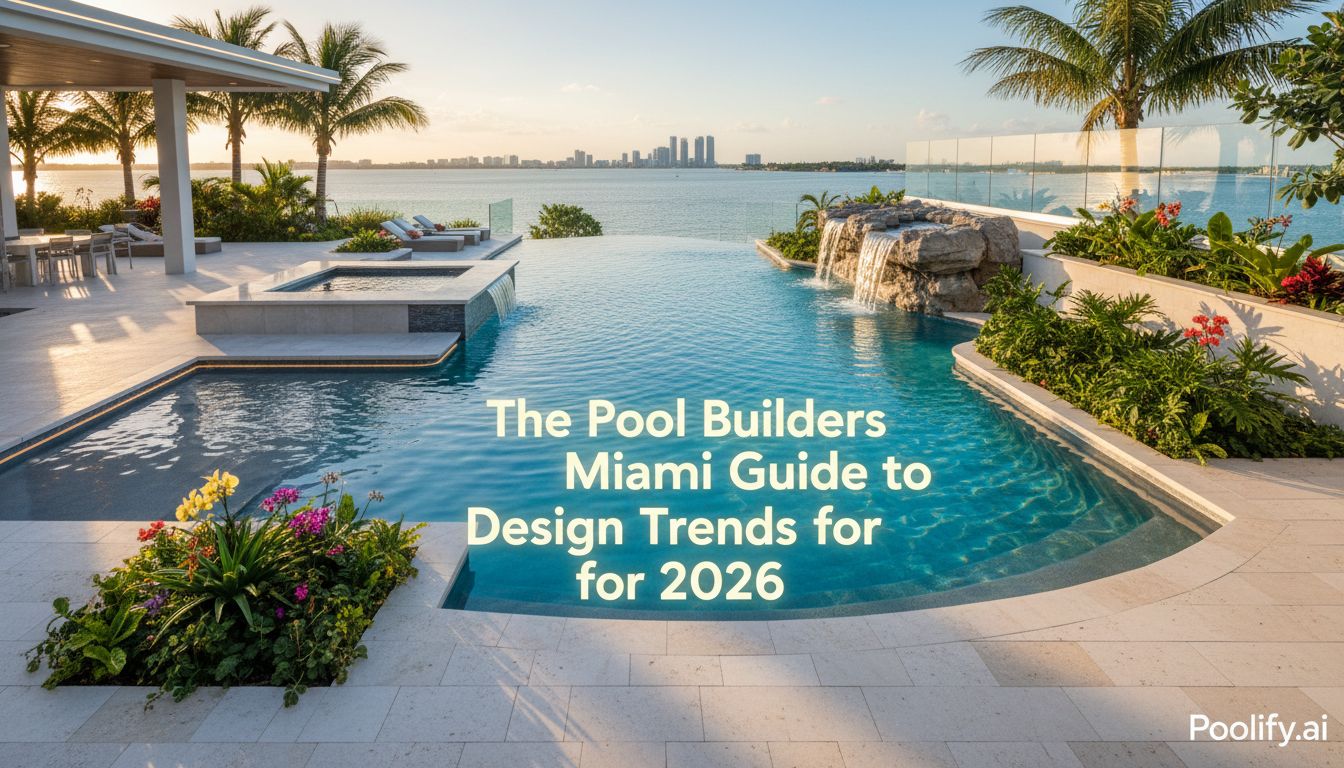
Current design trends reflect Miami’s lifestyle, environmental consciousness, and technological advances shaping the pool industry.
Sustainable and Eco-Friendly Features
Energy-efficient variable-speed pumps reduce electricity consumption by 50-75% compared to traditional single-speed models, saving Miami homeowners $500-$800 annually. LED lighting uses 80% less energy than incandescent options while providing better illumination and color options. Solar heating systems, particularly effective in Miami’s sunny climate, can eliminate gas heating costs entirely for most of the year.
Saltwater chlorination systems reduce chemical usage and provide gentler water quality. Natural filtration through regenerative landscaping and biofilters appeals to environmentally conscious homeowners. These systems integrate plants that naturally filter water while creating lush tropical aesthetics perfectly suited to Miami’s environment.
Smart Pool Technology
Automation systems allow homeowners to control all pool functions from smartphones, including temperature, lighting, cleaning cycles, and chemical levels. These systems optimize energy usage by running equipment during off-peak hours and adjusting based on weather conditions. Remote monitoring alerts owners to problems before they become expensive repairs.
Robotic cleaners with smart navigation clean more efficiently than traditional systems while using less energy. Advanced water chemistry monitors maintain perfect balance automatically, reducing chemical costs and preventing algae growth. Voice control integration with home automation systems represents the cutting edge of pool technology in 2026.
Design Aesthetics
Infinity edges remain popular in Miami, especially for properties with water or city views. Beach entries create resort-style experiences and provide safe, gradual access for children and elderly family members. Geometric designs with clean lines complement modern architecture prevalent in new Miami construction.
Integrated spas and hot tubs extend functionality, though Miami’s warm climate makes these less essential than in cooler regions. Fire features, including fire bowls and fire pits adjacent to pools, create dramatic evening ambiance. Tanning ledges or baja shelves provide shallow areas for lounging and supervising children.
Navigating Permits and Regulations: Pool Builders Miami Guide Essentials
Miami’s permitting process protects homeowners and ensures safety compliance, though it can seem complex for first-time pool builders.
Required Permits and Approvals
All pool construction in Miami-Dade County requires building permits covering structural, electrical, and plumbing work. Applications must include engineered drawings, site plans showing setbacks from property lines, and specifications for all equipment. The permitting process typically takes 2-4 weeks, though complex projects or properties in historic districts may require additional time.
Homeowners associations govern many Miami neighborhoods and require separate approval before county permits can be obtained. HOA reviews focus on aesthetic compliance with community standards, including fencing, landscaping, and visible equipment placement. Submit HOA applications early, as approval can take 30-60 days in some communities.
Safety Requirements
Florida law mandates barrier protection for all residential pools, typically satisfied by fencing at least 4 feet high with self-closing, self-latching gates. Alternative barriers include pool safety covers, door alarms on all home exits leading to the pool area, or a combination of protective measures. These requirements aim to prevent child drownings, a serious concern in Florida.
Electrical work must meet National Electrical Code standards with ground-fault circuit interrupters on all pool equipment. Bonding requirements prevent electrical shock by connecting all metal components. Only licensed electricians should perform pool electrical work, and all installations require inspection before final permit approval.
Setback and Zoning Requirements
Miami zoning codes specify minimum distances between pools and property lines, septic systems, and structures. Typical setbacks require pools to be at least 5-10 feet from rear and side property lines, though requirements vary by zoning district. Pools cannot be located in easements or drainage areas.
Some historic neighborhoods impose additional restrictions on pool size, location, and design to preserve neighborhood character. Waterfront properties face extra scrutiny regarding environmental impact and coastal construction codes. Your pool builder should verify all zoning requirements before design finalization to avoid costly revisions.
Pool Builders Miami Guide: Timeline and Construction Process
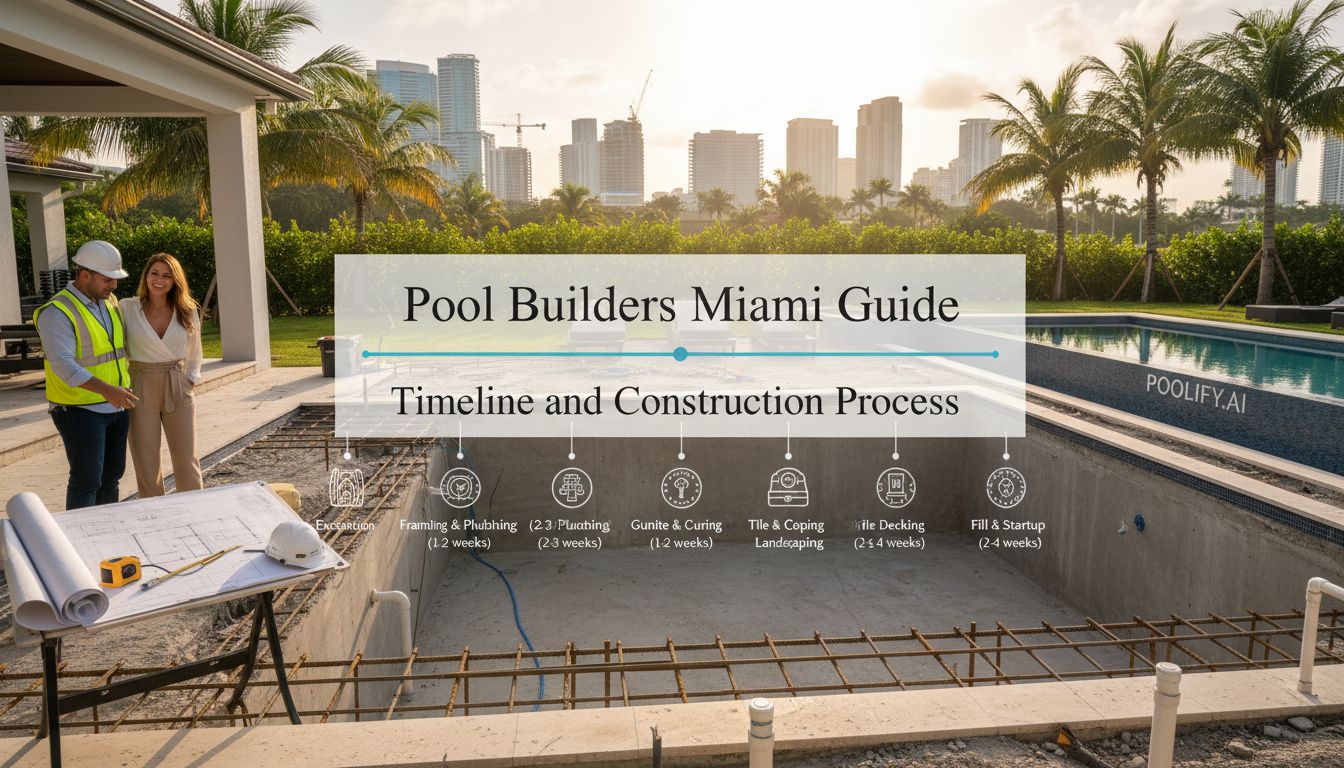
Understanding the construction timeline helps you plan appropriately and recognize when delays become problematic versus normal.
Pre-Construction Phase
Design development typically requires 2-4 weeks, including initial consultations, site evaluation, and final plan approval. Engineering and permitting add another 3-6 weeks. Utility location services must mark underground lines before excavation begins. Schedule your project considering Miami’s rainy season, as excessive rain can delay concrete work and finishing.
Many Miami pool builders maintain waiting lists during peak season from January through May when weather conditions are ideal and snowbirds invest in home improvements. Booking during summer or fall may provide faster scheduling and potentially better pricing, though you’ll need to work around afternoon thunderstorms common during these months.
Construction Timeline
Excavation typically takes 1-2 days for standard pools, longer for complex designs or difficult soil conditions. Steel installation and plumbing rough-in require 2-3 days. Shotcrete or gunite application happens in a single day but requires 7-10 days curing before continuing. Tile and coping installation takes 3-5 days depending on design complexity.
Plaster or finish application requires another 1-2 days followed by a 28-day curing period before acid washing. Equipment installation, decking, and landscaping proceed during finishing stages. Total construction time for standard pools ranges from 8-12 weeks, while complex projects may extend to 14-16 weeks.
Common Delays and How to Avoid Them
Weather represents the most common delay factor in Miami, particularly during summer rainy season. Permit delays occur when applications lack required documentation or properties have title issues. Material shortages, while less common in 2026 than previous years, can still impact specialty tiles or equipment.
Prevent delays by ensuring all permits are approved before construction begins, maintaining clear communication with your builder, and making timely selections on finishes and equipment. Build buffer time into your expectations, especially if planning around specific events or seasons. For additional tips on keeping your pool in top condition once complete, explore our pool cleaning tips resource.
Choosing Between Pool Types: Pool Builders Miami Guide Recommendations
Different pool types offer distinct advantages depending on your property, budget, and lifestyle preferences.
Concrete (Gunite/Shotcrete) Pools
Concrete pools dominate Miami’s market due to customization flexibility and durability. Gunite construction allows any shape, size, or depth configuration, ideal for properties with unique dimensions or design visions. These pools last 50+ years with proper maintenance and can incorporate custom features like beach entries, infinity edges, and integrated spas seamlessly.
Concrete pools require more maintenance than alternatives, with resurfacing needed every 10-15 years. Initial costs run higher but long-term value and customization options justify the investment for most Miami homeowners. The rough surface provides better traction but can be uncomfortable for some swimmers.
Fiberglass Pools
Fiberglass pools offer faster installation, typically 2-4 weeks versus 8-12 weeks for concrete. The smooth gel-coat surface resists algae growth, reducing chemical usage and maintenance time. These pools work well for straightforward installations on stable properties without complicated site conditions.
Limitations include restricted shapes and sizes based on available molds and transportation constraints. Miami’s high water table can cause fiberglass pools to “float” if not properly installed with adequate drainage systems. While initial costs run lower than concrete, limited customization and potential for eventual surface degradation represent considerations.
Vinyl Liner Pools
Vinyl liner pools are less common in Miami due to climate factors that reduce liner longevity. The smooth surface provides comfortable swimming and lower initial costs. However, Miami’s intense UV exposure and heat degrade vinyl faster than in northern climates, requiring liner replacement every 5-7 years at $3,000-$5,000.
These pools work best for budget-conscious homeowners who understand the maintenance requirements and replacement cycles. The inability to create custom shapes and depths limits design options compared to concrete alternatives popular in Miami’s competitive real estate market.
Red Flags When Selecting Pool Builders: Miami Guide Warning Signs
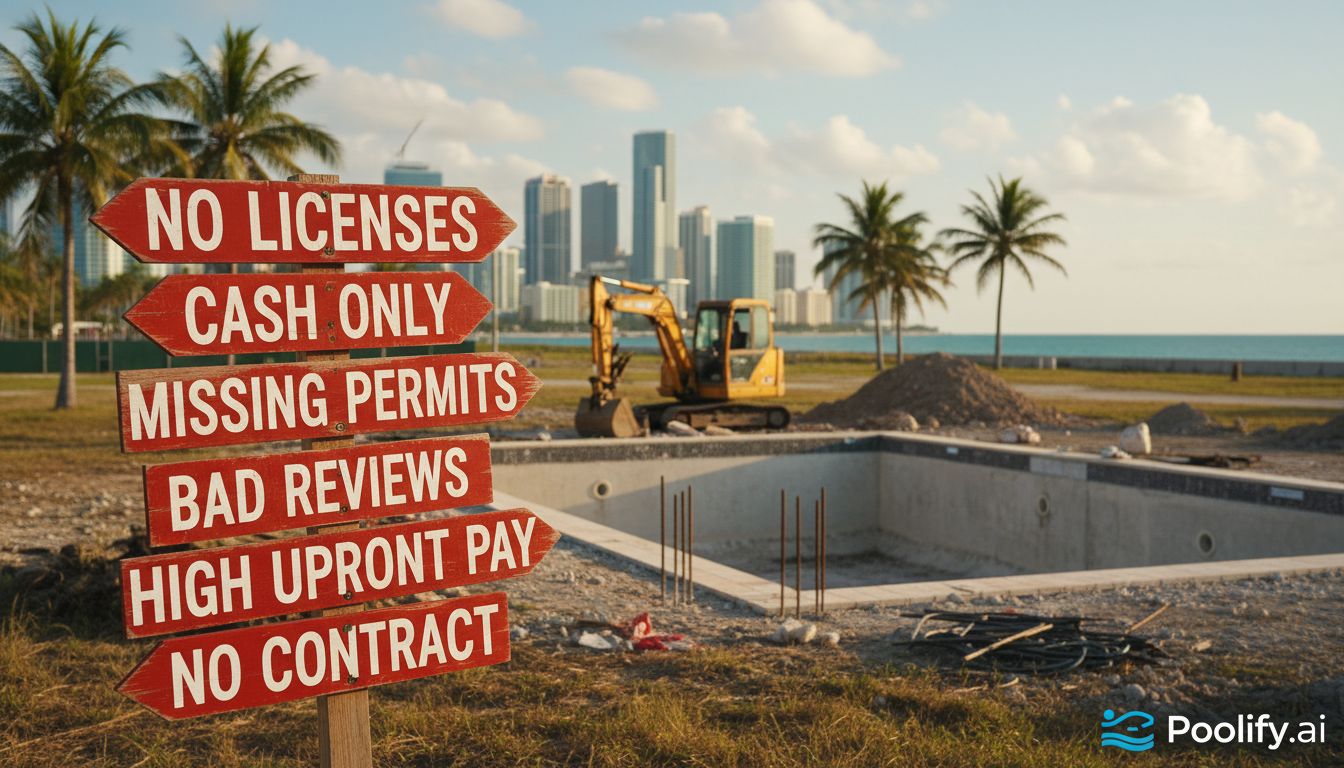
Recognizing warning signs helps you avoid problematic contractors and potential disasters that could cost tens of thousands to remedy.
Pricing Red Flags
Quotes significantly lower than competitors often indicate corner-cutting, unlicensed subcontractors, or plans to add charges later. This pool builders miami guide warns that legitimate pool construction involves substantial material and labor costs that cannot be drastically reduced without compromising quality. Conversely, dramatically high quotes may indicate inefficiency or attempts to overcharge uninformed homeowners.
Pressure to sign immediately or offers that expire within days suggest manipulative sales tactics rather than confidence in providing value. Vague line items or allowances without specific brands and models create opportunities for substituting inferior products. Requests for large upfront payments before work begins indicate potential cash flow problems or worse.
Communication and Professionalism Issues
Difficulty reaching contractors during the sales process typically worsens once they have your deposit. Reluctance to provide references or show recent completed projects suggests quality concerns. Contractors who cannot clearly explain their process, timeline, or warranty terms lack either expertise or transparency.
Unlicensed contractors represent serious risks including liability exposure, code violations, and no recourse for poor work. Operating without proper insurance puts your property and assets at risk if accidents occur. Always verify credentials independently rather than trusting documentation provided by the contractor.
Contract Warning Signs
Contracts without detailed specifications for materials, brands, and dimensions allow contractors to use cheaper alternatives than discussed. Missing warranty information or vague coverage terms leave you unprotected. Unrealistic timelines suggest inexperience or attempts to secure your business before revealing actual schedules.
Payment schedules heavily weighted toward early stages rather than completion milestones reduce your leverage if problems arise. Contracts without clear change order procedures create disputes when modifications become necessary. Never sign contracts you don’t fully understand or that contain blank sections to be “filled in later.”
Pool Builders Miami Guide: Maintenance and Long-Term Care
Proper maintenance protects your investment and ensures decades of enjoyment from your pool.
Routine Maintenance Requirements
Weekly tasks include testing and adjusting water chemistry, skimming debris, brushing walls and steps, and emptying skimmer baskets. Miami’s warm temperatures accelerate algae growth, making consistent chemical balance crucial. Maintain pH between 7.4-7.6, alkalinity at 80-120 ppm, and appropriate sanitizer levels whether using chlorine or alternative systems.
Monthly maintenance includes checking equipment operation, cleaning filters, and inspecting for leaks or damage. Professional service typically costs $100-$150 monthly in Miami and ensures proper chemical balance while identifying potential problems early. Many homeowners handle routine maintenance themselves while scheduling professional inspections quarterly.
Seasonal Considerations
Unlike northern climates, Miami pools don’t require winterization. However, hurricane season demands preparation including securing loose items, lowering water levels slightly to accommodate rain, and protecting equipment. Summer’s intense heat and UV exposure increases chemical consumption and evaporation, requiring more frequent attention.
Fall and winter offer ideal pool conditions with comfortable temperatures and less rain. These seasons provide opportunities for major maintenance projects like resurfacing or equipment upgrades with minimal impact on pool usage. Regular maintenance throughout the year prevents costly repairs and extends equipment life.
When to Call Professionals
Persistent algae problems despite proper chemical balance indicate underlying issues requiring professional diagnosis. Equipment malfunctions, leaks, or structural cracks need immediate expert attention to prevent escalation. Automation system problems often require specialized technical knowledge beyond typical maintenance skills.
Major renovations including resurfacing, tile replacement, or equipment upgrades should involve licensed professionals. Attempting DIY repairs on complex systems can void warranties and create safety hazards. Establish relationships with reputable service providers before emergencies arise to ensure prompt, quality assistance when needed.
Frequently Asked Questions: Pool Builders Miami Guide
How long does pool construction take in Miami?
Standard pool construction in Miami typically takes 8-12 weeks from excavation to completion. This timeline includes excavation (1-2 days), steel and plumbing installation (2-3 days), shotcrete application and curing (7-10 days), tile and coping (3-5 days), finishing (1-2 days plus 28-day cure), and final equipment installation. Complex designs, difficult site conditions, or permit delays can extend timelines to 14-16 weeks. Weather impacts schedules, particularly during summer rainy season from June through October.
What pool type works best for Miami’s climate?
Concrete (gunite or shotcrete) pools perform best in Miami’s climate due to durability in heat and humidity, resistance to ground movement from water table fluctuations, and ability to withstand hurricane conditions when properly constructed. The customization flexibility allows integration of features like beach entries and infinity edges popular in Miami. While fiberglass pools offer faster installation, concrete’s longevity and design options make it the preferred choice for most Miami homeowners investing in pools as long-term property enhancements.
Do I need special permits for pool construction in Miami?
Yes, all pool construction in Miami-Dade County requires building permits covering structural, electrical, and plumbing work. Applications need engineered drawings, site plans showing setbacks, and equipment specifications. The process typically takes 2-4 weeks. Properties in homeowners associations require separate HOA approval before county permits, adding 30-60 days. Fence permits may be required separately for barrier compliance. Working with experienced pool builders familiar with Miami’s permitting process ensures proper documentation and approvals.
How much does pool construction cost in Miami in 2026?
Basic in-ground pools in Miami range from $40,000-$65,000 for standard designs. Mid-range custom pools with upgraded features cost $65,000-$100,000. Luxury installations with infinity edges, elaborate landscaping, and premium automation exceed $100,000, with some waterfront properties investing $200,000+. Miami costs run 15-20% above national averages due to stricter building codes, hurricane requirements, and higher labor costs. Additional expenses include permits ($1,500-$3,500), landscaping, and potential site-specific challenges like high water tables.
What should I look for when choosing pool builders in Miami?
Verify contractors hold current Florida Certified Pool/Spa Contractor licenses and Miami-Dade County local licenses through state databases. Confirm comprehensive insurance including $1 million+ liability coverage and workers compensation. Review portfolios of 5-10 recent completed projects and contact references. Examine detailed contracts specifying all materials, brands, timelines, payment schedules, and warranty terms. Avoid contractors offering prices significantly below competitors, requesting large upfront payments, or unable to provide verifiable credentials and references from recent Miami projects.
Key Takeaways: Pool Builders Miami Guide
- Verify Credentials Thoroughly: Always confirm pool builders hold current Florida state licenses, Miami-Dade County permits, and comprehensive insurance before signing contracts. Use official state databases rather than relying on contractor-provided documentation to protect yourself from unlicensed operators.
- Understand Miami-Specific Requirements: Miami’s high water table, hurricane building codes, and tropical climate create unique construction considerations. Choose builders with extensive local experience who understand these factors and can design pools that thrive in South Florida’s environment.
- Budget Realistically: Quality pool construction in Miami ranges from $40,000-$100,000+ depending on size and features. Account for permits, unexpected site conditions, and ongoing maintenance costs. Extremely low bids often indicate corner-cutting that leads to expensive problems later.
- Plan for Permitting Timelines: Miami’s permitting process takes 2-4 weeks for county approval, plus 30-60 days for HOA review in many neighborhoods. Start this process early and ensure your builder handles all documentation properly to avoid construction delays and compliance issues.
- Prioritize Long-Term Value: Focus on quality construction, appropriate warranties, and builders with established Miami reputations rather than lowest prices. A well-built pool lasts 50+ years and increases property value, while poor construction creates ongoing problems and expensive repairs that eliminate any initial savings.
See Your Dream Pool in Your Actual Backyard
Upload a photo and get an AI-designed pool visualization in 10 seconds. 3 free designs, no login required.
Try Poolify Free →Conclusion
This comprehensive pool builders miami guide provides the essential information needed to successfully navigate pool construction in South Florida’s unique market. From understanding Miami’s specific climate considerations and building requirements to selecting qualified contractors and managing the construction process, informed homeowners make better decisions that result in beautiful, durable pools that enhance property value and lifestyle for decades.
Miami’s year-round swimming weather, diverse architectural styles, and competitive pool construction market create both opportunities and challenges. By verifying credentials, understanding local regulations, budgeting appropriately, and choosing experienced builders with proven Miami track records, you protect your investment and ensure your pool project meets expectations. The time invested in proper contractor selection and project planning pays dividends through quality construction, fewer problems, and years of enjoyment.
Whether you’re building a modest family pool in suburban Miami or a luxury infinity-edge masterpiece on Biscayne Bay, the principles outlined in this pool builders miami guide apply. Take time to interview multiple contractors, verify all credentials independently, insist on detailed contracts, and maintain clear communication throughout the process. Your pool represents a significant investment in your home and lifestyle—approach the project with the careful consideration it deserves, and you’ll create an outdoor oasis that serves your family for generations.
References
- U.S. Census Bureau – Miami City QuickFacts: https://www.census.gov/quickfacts/miamicityflorida
- Florida Department of Business and Professional Regulation – License Verification: https://www.myfloridalicense.com/intentions2.asp
