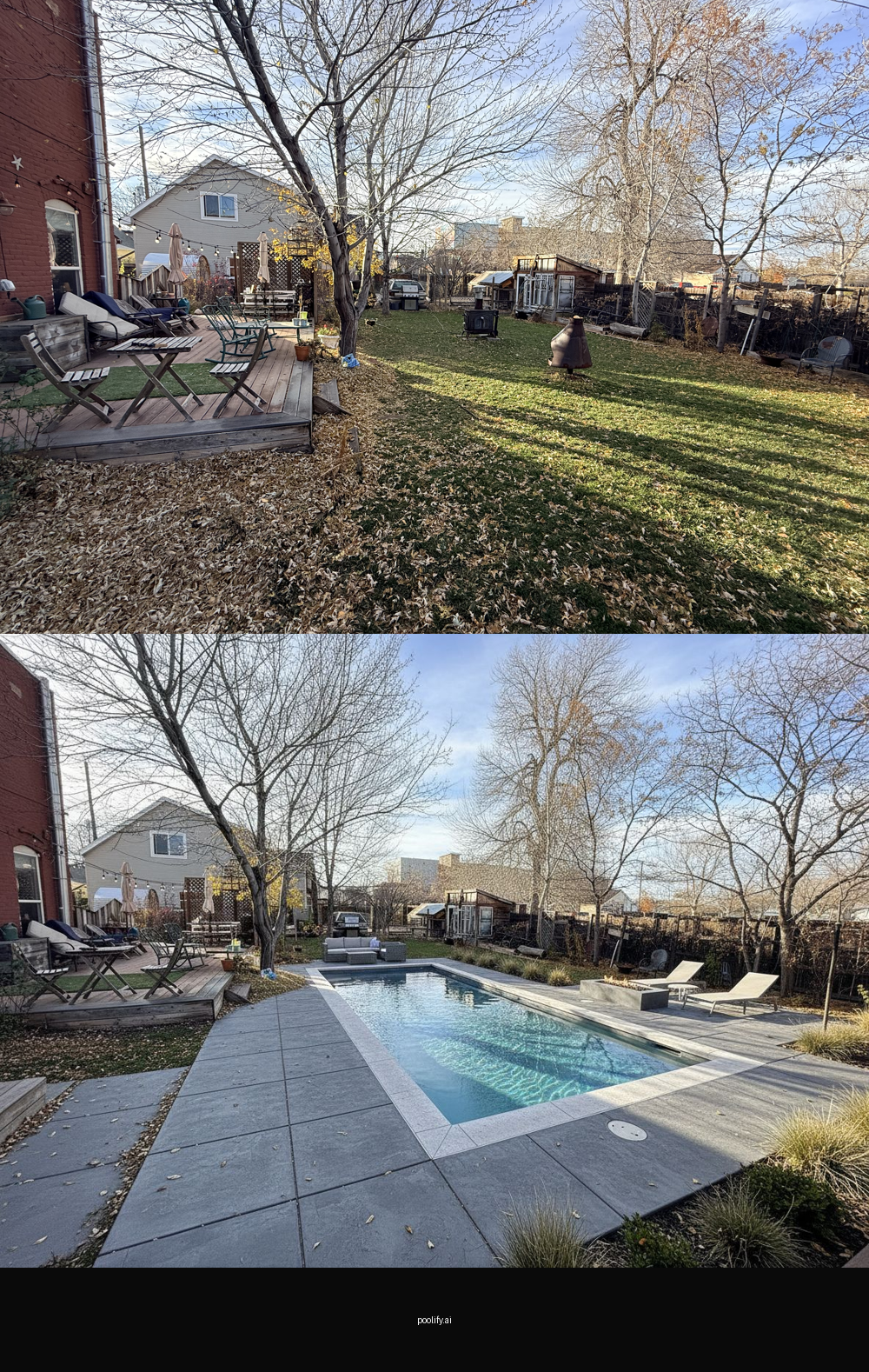
Modern pool design is less a style you buy than a set of decisions you make consistently. Clean geometry, a restrained material palette, and details that stay quiet are what make a pool read as modern rather than merely new.
This guide covers the specific choices that produce that look, and the places where a modern design most often loses its coherence.
What Makes a Pool Read as Modern
The modern look comes from restraint and repetition rather than from any single feature. Straight lines, consistent joint spacing, flush transitions and a limited number of materials do most of the work.
Recurring characteristics
- Rectilinear or simple geometric shapes
- Level, flush transitions between surfaces
- A small number of repeated materials
- Minimal ornament and visible hardware
- Deliberate, uninterrupted sightlines
None of these are expensive in themselves. They are mostly decisions to leave things out, which is why modern designs are unforgiving of inconsistency.
Choose a Geometry and Stay With It
A modern pool usually commits to one geometric idea and repeats it. Mixing a rectangular pool with a curved spa and a freeform planting bed dilutes the effect quickly, even when each element is attractive on its own.
Ways to keep geometry consistent
- Align the pool’s long axis with the house
- Repeat the pool’s angles in decking joints
- Match spa geometry to the pool
- Square up planting beds and borders
- Keep steps within the pool’s outline
Alignment is easier to judge from above, which is one reason plan drawings and overhead visualizations are useful at this stage.
Coping and Waterline Details Carry the Look
The strip of material where the deck meets the water is the single most visible detail in the finished pool. Its thickness, overhang and colour will be noticed constantly, from every angle, in a way the interior finish is not.
Details worth deciding deliberately
- Coping profile and how far it overhangs
- Whether the edge sits flush with decking
- Waterline tile colour and format
- How corners are mitred or returned
- Where visible fittings are positioned
Getting this one element right does more for a modern pool than almost any other single decision.
Keep the Material Palette Tight
Modern designs generally use two or three materials and repeat them. The temptation is to introduce a feature material for interest, but interest usually comes better from texture and scale within the same family.
A workable starting palette
- One decking material and format
- One coping material, ideally related
- One waterline tile
- One accent, used sparingly
- A consistent metal finish throughout
If a material appears only once in the whole design, it is worth asking whether the design needs it at all.
Design Water Features as Architecture
Sheer descents, spillways and raised walls read as modern when they are integrated into the built form. They read as add-ons when they are applied to a design that was finished without them.
Integration cues
- Wall heights that relate to the deck
- Feature widths that match a structural bay
- Spillways aligned to pool edges
- Consistent material with the surrounding wall
- Concealed plumbing and clean returns
Deciding on features during layout, rather than after, is what separates a feature that belongs from one that is stuck on.
Plan Lighting as Part of the Design
A modern pool spends much of its visible life after dark, seen from inside the house. Lighting decided at the end tends to produce hot spots and visible fittings; lighting decided during design becomes part of the geometry.
Lighting decisions to make early
- Where fixtures sit relative to sightlines
- Whether steps and edges are lit separately
- How the deck perimeter reads at night
- Colour temperature consistency across fixtures
- Control zones for different uses
Even a simple scheme looks composed when the fixture positions follow the same lines as everything else.
See Your Dream Pool in Your Actual Backyard
Upload a photo and get an AI-designed pool visualization in 10 seconds. 3 free designs, no login required.
Try Poolify Free →Pick one geometry, keep the palette short, resolve the coping detail early, and the modern look follows from consistency rather than from spending.
