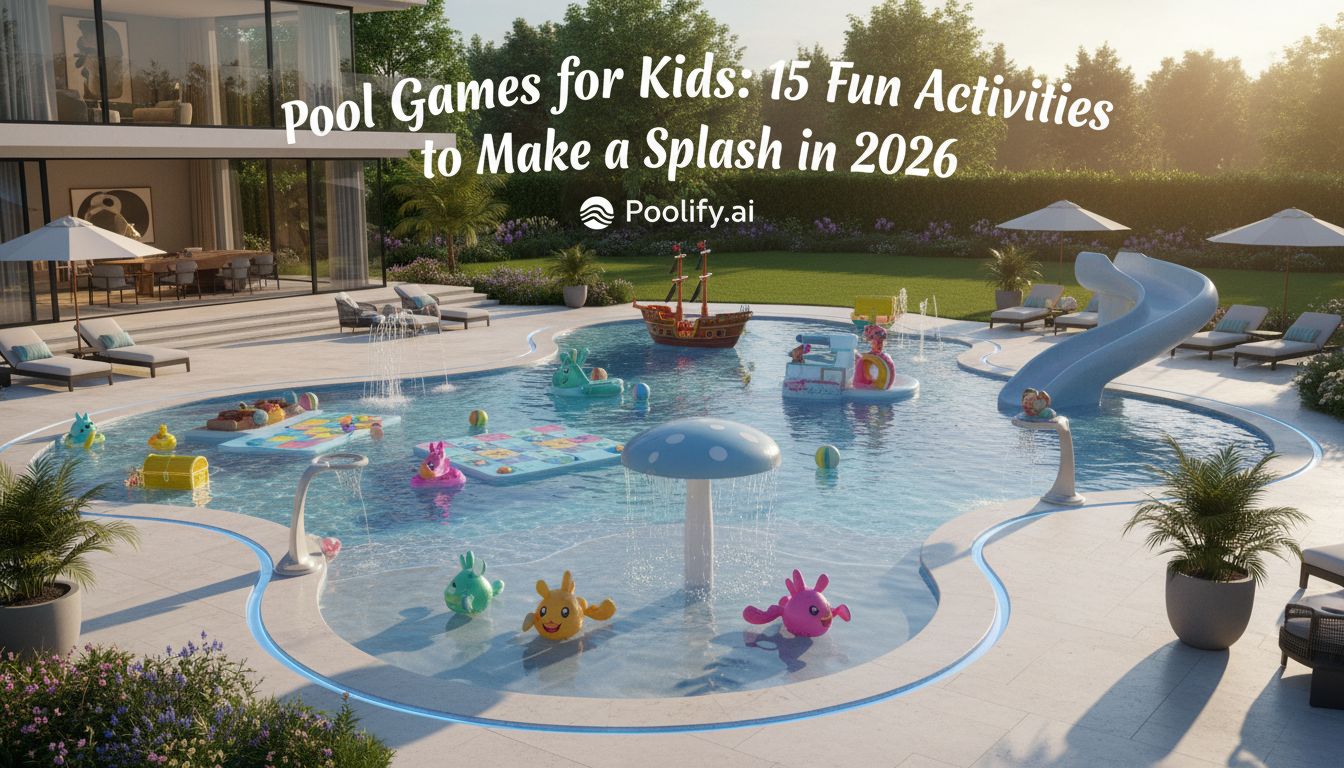
Keeping children entertained during pool time doesn’t have to be challenging. Pool games for kids transform ordinary swim sessions into memorable experiences while building water confidence and social skills. Whether you’re planning a birthday party, organizing summer activities, or simply looking to enhance daily pool time, the right games make all the difference. This comprehensive guide explores fifteen engaging pool games for kids that combine fun, safety, and developmental benefits for children of all ages in 2026.
Why Pool Games for Kids Matter in 2026
Pool games for kids serve multiple purposes beyond simple entertainment. In an era where screen time dominates childhood activities, water-based play offers crucial physical exercise and social interaction. Research from the CDC highlights the health benefits of swimming, showing that aquatic activities improve cardiovascular health, build muscle strength, and enhance coordination in developing children.
Modern pool games for kids also address important safety concerns. When children engage in structured water activities, they naturally develop comfort and competence in aquatic environments. This familiarity reduces anxiety and builds essential water safety skills that protect them throughout their lives. Parents and caregivers who incorporate regular pool games for kids into summer routines report increased confidence levels and improved swimming abilities among participants.
The social benefits of pool games for kids cannot be overstated. Group activities in water settings teach cooperation, turn-taking, and friendly competition. Children learn to communicate effectively, follow rules, and support teammates while enjoying refreshing summer fun. These interpersonal skills transfer to other areas of life, making pool games for kids valuable developmental tools.
Classic Pool Games for Kids That Never Get Old
Some pool games for kids have stood the test of time for good reason. Marco Polo remains the quintessential water game, combining listening skills with spatial awareness. One player closes their eyes and calls “Marco” while others respond with “Polo,” creating an auditory treasure hunt. This game works perfectly for mixed age groups and requires no equipment, making it ideal for spontaneous play sessions.
Sharks and Minnows ranks among the most popular pool games for kids for its simple rules and exciting gameplay. One player becomes the shark stationed in the middle while minnows attempt to swim from one side to the other without being tagged. Tagged minnows become sharks, increasing difficulty with each round. This game naturally encourages swimming practice while maintaining high energy levels.
Diving for treasure transforms pool games for kids into adventure quests. Toss weighted rings, sticks, or waterproof toys into the pool and challenge children to retrieve them. This activity builds breath control, diving skills, and underwater comfort. Vary difficulty by adjusting water depth or using objects of different colors to test visual acuity underwater.
Safety Considerations for Traditional Games
When organizing pool games for kids, adult supervision remains non-negotiable. Designate a responsible adult as the dedicated water watcher, free from distractions like phones or conversations. Establish clear boundaries about pool depth restrictions based on swimming ability rather than age alone. Children should understand that pool games for kids pause immediately when someone needs help or rest.
Create visible signals for emergencies that work during noisy pool games for kids. A whistle blast or raised hand can indicate when everyone must stop and look at the supervisor. Practice these signals before starting activities to ensure comprehension. Review basic water safety rules before each session, reinforcing that pool games for kids are fun because everyone follows guidelines.
Creative Pool Games for Kids Using Simple Equipment
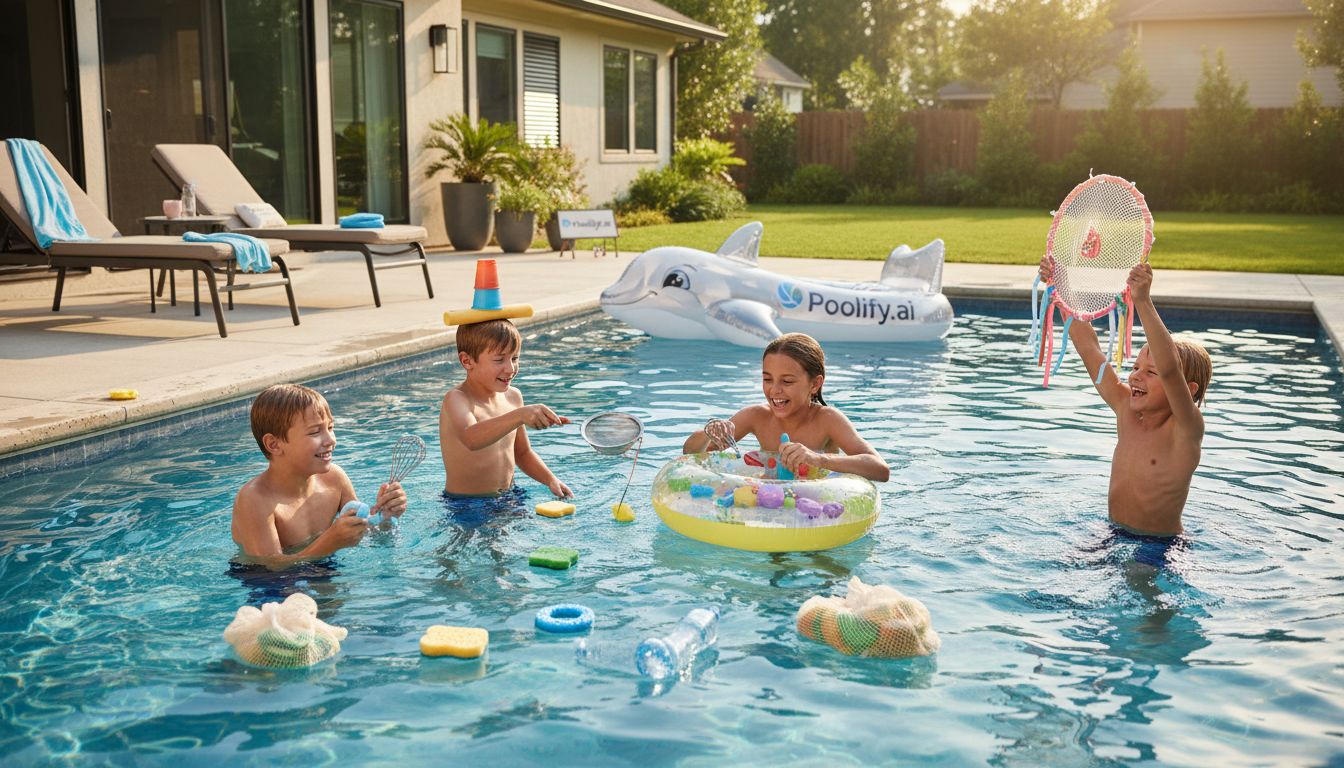
Pool noodles unlock countless possibilities for pool games for kids. Noodle jousting places two players on inflatable rafts, each armed with a pool noodle, attempting to knock their opponent into the water. This game develops balance, core strength, and strategic thinking. Alternatively, create noodle obstacle courses by anchoring noodles vertically or horizontally for children to navigate around or under.
Beach balls elevate standard pool games for kids into dynamic group activities. Volleyball adaptations work well with a rope strung across the pool as a net. For younger children, keep-it-up challenges encourage cooperation as everyone works together to prevent the ball from touching the water. Multiple beach balls increase difficulty and laughter simultaneously.
Water balloon activities add excitement to pool games for kids during special occasions. Fill balloons partially for easier catching, and organize relay races where teams transport balloons without using hands. Water balloon toss games teach gentle handling and hand-eye coordination. Always collect and properly dispose of balloon fragments to protect the environment and prevent choking hazards.
DIY Equipment Ideas
Budget-friendly pool games for kids often use household items creatively. Plastic cups become targets for water gun accuracy contests. Hula hoops float at the surface for ring toss variations or serve as bases for aquatic tag games. Waterproof playing cards enable adapted versions of memory or matching games poolside. Check out our pool accessories guide for more creative equipment ideas.
Age-Appropriate Pool Games for Kids
Pool games for kids aged 3-5 require shallow water and constant supervision. Simple activities like red light-green light teach impulse control while building water comfort. Singing songs with accompanying movements helps toddlers associate water with positive experiences. Floating toy collection games develop reaching and grasping skills in safe environments.
Elementary-aged children between 6-10 years old enjoy more complex pool games for kids. Relay races incorporating different swimming strokes challenge developing skills. Underwater tea parties with weighted plastic tea sets encourage breath holding in playful contexts. Synchronized swimming routines let children express creativity while practicing coordination.
Tweens and teens appreciate competitive pool games for kids that test athletic abilities. Water polo adaptations, diving contests with judged performances, and timed swimming challenges appeal to this age group. Obstacle course competitions combining swimming, climbing, and problem-solving elements maintain engagement for older children who might otherwise find basic games boring.
Adapting Games for Mixed Age Groups
When hosting pool games for kids with varied ages, create team-based activities that leverage different strengths. Pair older children with younger ones, assigning age-appropriate roles within each game. Implement handicap systems where older players face additional challenges like using only one arm or swimming backwards. This approach keeps pool games for kids inclusive and enjoyable for everyone.
Educational Pool Games for Kids
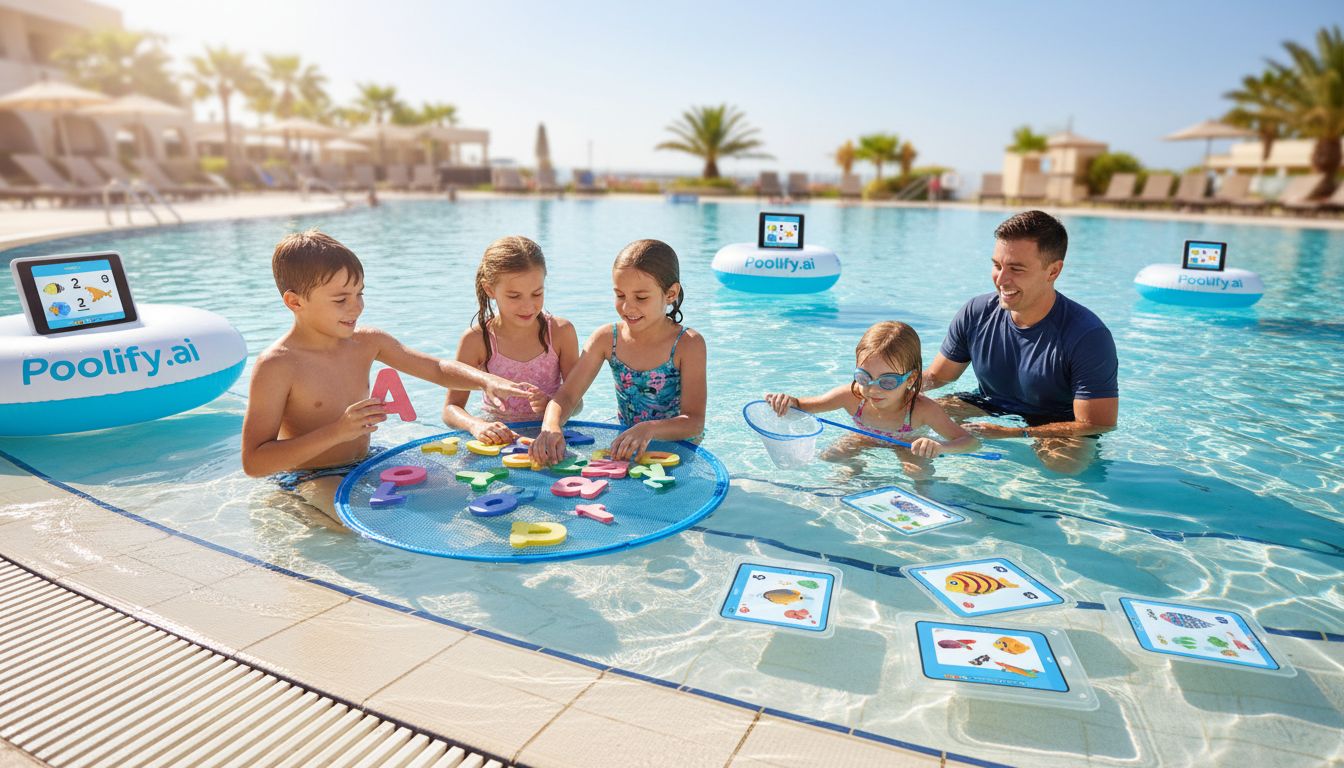
Pool games for kids can reinforce academic concepts while children play. Math treasure hunts assign point values to different diving objects, requiring addition to calculate scores. Spell words by collecting floating letters in correct sequence, combining literacy practice with swimming. Geography games challenge players to swim to different pool areas representing continents or countries when called.
Science concepts come alive through pool games for kids focused on experimentation. Test which objects sink or float, predicting outcomes before dropping items in water. Explore water displacement by having children observe water level changes when they enter the pool. Discuss buoyancy principles using different flotation devices during structured play sessions.
Color recognition and counting exercises integrate naturally into pool games for kids for preschoolers. Ask children to collect only red toys or count how many times they can jump in the pool. Simon Says adaptations in water teach listening skills and body awareness. These educational pool games for kids prove that learning and fun coexist seamlessly.
Pool Party Games for Kids
Birthday celebrations and gatherings benefit from organized pool games for kids that accommodate larger groups. Musical pool floats mirrors musical chairs with inflatable rafts—when music stops, everyone scrambles to claim a float. Remove one float each round until a winner emerges. This game keeps all guests engaged and active throughout the party.
Scavenger hunts rank among the most versatile pool games for kids for parties. Create lists of items to find or tasks to complete, adjusting difficulty based on guest ages. Include challenges like “perform a cannonball” or “swim underwater for five seconds” alongside physical object collection. Divide guests into teams to encourage cooperation and new friendships.
Pool Olympics transform standard pool games for kids into competitive events with medals and ceremonies. Organize stations featuring different activities: freestyle races, diving accuracy, breath-holding contests, and synchronized swimming performances. Rotate teams through each station, tallying points for final rankings. This structure works beautifully for parties with 10-20 children, maintaining organization while maximizing fun.
Prize and Reward Ideas
Pool games for kids at parties feel more special with small prizes. Waterproof toys, diving sticks, goggles, or pool-themed stickers make excellent rewards. Consider participation prizes ensuring every child receives something regardless of competitive outcomes. For more party planning tips, visit our pool party planning guide.
Safety Guidelines for Pool Games for Kids
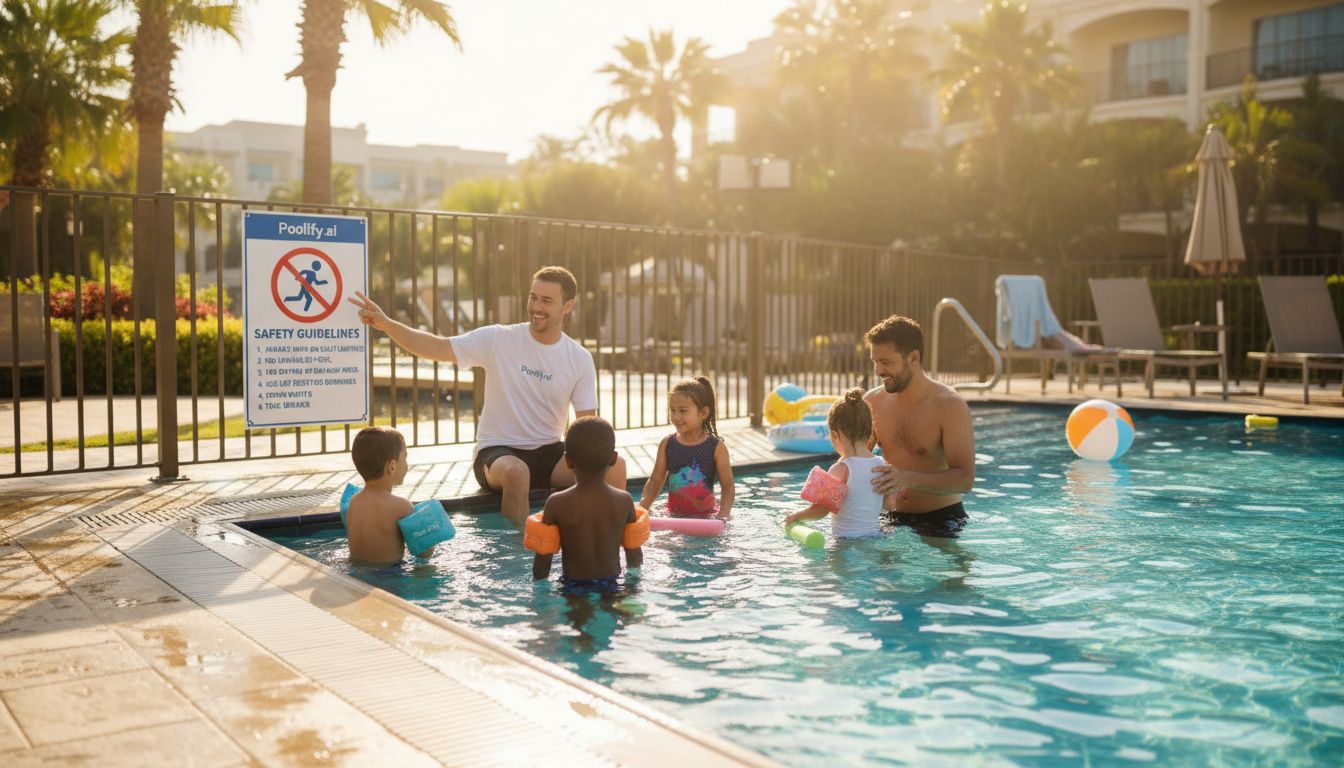
Establishing rules before starting pool games for kids prevents accidents and confusion. No running on pool decks, no diving in shallow areas, and no dunking unwilling participants are non-negotiable guidelines. Children should understand that pool games for kids pause for rest breaks every 20-30 minutes, preventing exhaustion and allowing rehydration.
Swimming ability assessment ensures appropriate participation in pool games for kids. Children who cannot swim independently should wear Coast Guard-approved flotation devices during all activities. Designate shallow and deep zones clearly, restricting non-swimmers to appropriate areas. Never assume all children possess the same water competency regardless of age or confidence levels.
Weather monitoring matters when planning pool games for kids. Thunder and lightning require immediate pool evacuation, with activities resuming only 30 minutes after the last thunder clap. Excessive sun exposure risks sunburn and heat exhaustion, so provide shaded rest areas and encourage regular sunscreen application. For comprehensive pool safety information, consult resources from the Consumer Product Safety Commission’s Pool Safely campaign.
Emergency Preparedness
Before organizing pool games for kids, ensure someone present holds current CPR and first aid certification. Keep a well-stocked first aid kit poolside, including bandages, antiseptic, and emergency contact information. Post emergency numbers visibly near the pool area. Practice emergency scenarios periodically so children know how to respond if someone needs help during pool games for kids.
Seasonal Variations for Pool Games for Kids
Early summer pool games for kids focus on reacquainting children with water after winter breaks. Start with low-key activities that rebuild confidence and assess current swimming abilities. Gradually introduce more challenging pool games for kids as comfort levels increase throughout June and July.
Peak summer heat calls for pool games for kids that maximize water time while minimizing sun exposure. Schedule activities during early morning or late afternoon hours when UV rays are less intense. Incorporate more underwater games that keep children submerged and protected from direct sunlight. Frozen treat breaks between pool games for kids provide cooling relief during extreme temperatures.
Late summer pool games for kids can celebrate the season’s end with tournaments or championships. Review favorite games from throughout summer, allowing children to vote on their preferences. Host final pool parties that combine the most popular pool games for kids into memorable closing celebrations before school resumes.
Therapeutic Benefits of Pool Games for Kids
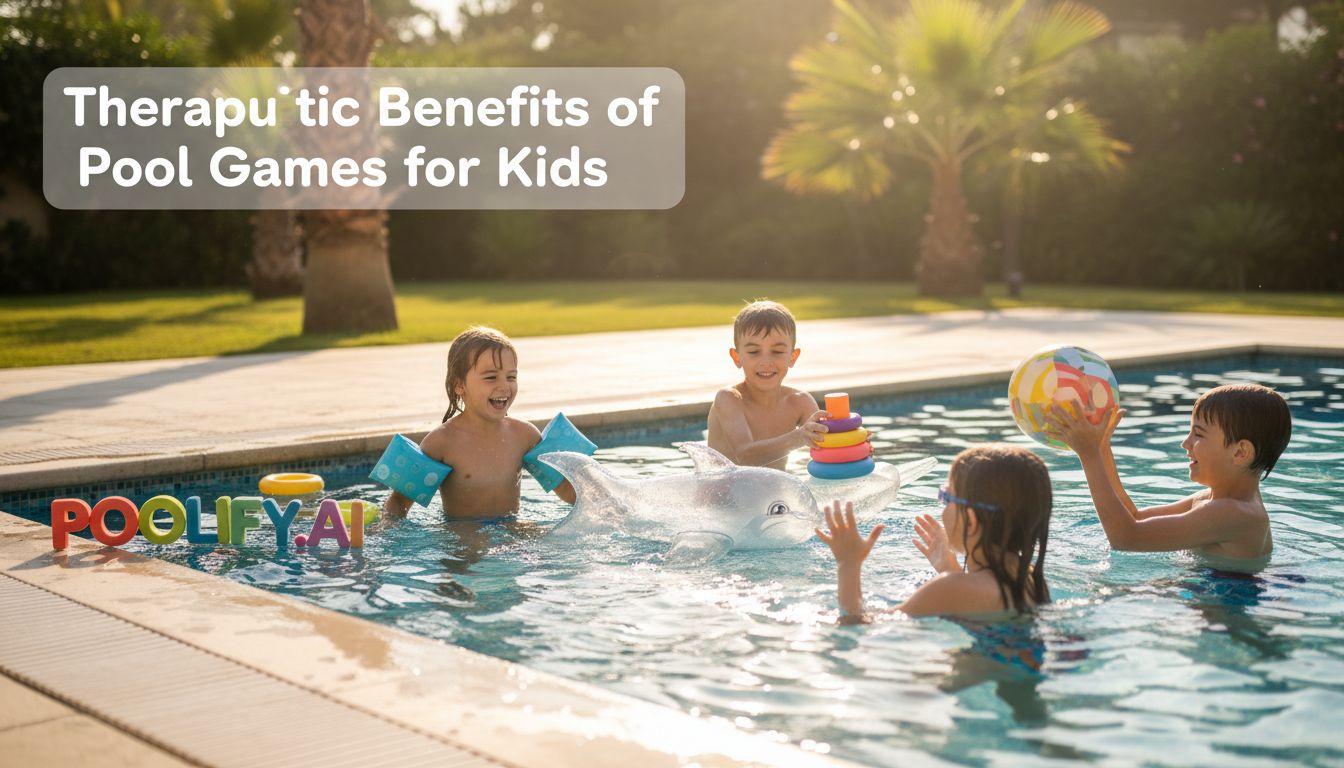
Pool games for kids offer unique advantages for children with special needs. Water’s buoyancy reduces joint stress, enabling movement that might be difficult on land. Sensory-friendly pool games for kids can be adapted with quieter activities, visual cues instead of verbal instructions, and predictable routines that reduce anxiety.
Children with autism spectrum disorders often respond positively to structured pool games for kids. Water provides calming sensory input while games teach social skills in controlled environments. One-on-one activities before introducing group pool games for kids helps build confidence gradually. Consult with occupational therapists to design pool games for kids that address specific therapeutic goals.
Physical therapy objectives integrate naturally into pool games for kids for children recovering from injuries or managing chronic conditions. Kicking contests strengthen legs, underwater reaching improves range of motion, and swimming races build cardiovascular endurance. The playful nature of pool games for kids motivates children to complete exercises they might resist in clinical settings.
Frequently Asked Questions About Pool Games for Kids
What are the safest pool games for kids who are learning to swim?
The safest pool games for kids for beginners occur in shallow water with constant adult supervision. Red light-green light, toy collection in waist-deep areas, and assisted floating activities build water confidence without overwhelming new swimmers. Always ensure children wear properly fitted Coast Guard-approved flotation devices during pool games for kids until they demonstrate independent swimming ability. Avoid games requiring breath-holding or underwater swimming until children complete basic swimming lessons.
How can I keep pool games for kids engaging throughout the entire summer?
Rotate pool games for kids regularly to maintain interest and excitement. Introduce new games every two weeks while keeping a few favorites in regular rotation. Allow children to suggest modifications or invent their own pool games for kids, fostering creativity and ownership. Theme days like “Pirate Pool Day” or “Olympic Swimming Day” add novelty to familiar pool games for kids. Track personal bests in timed or scored activities, encouraging self-improvement rather than only peer competition.
What equipment is essential for pool games for kids?
Basic equipment for pool games for kids includes diving rings or sticks, pool noodles, beach balls, and floating toys. These versatile items enable dozens of different activities without significant investment. Add waterproof storage containers to keep equipment organized and prevent clutter around the pool area. While specialized items like water basketball hoops or volleyball nets enhance options, they’re not necessary for engaging pool games for kids. Most successful activities use simple, multi-purpose equipment creatively.
How do I manage competitive behavior during pool games for kids?
Balance competitive and cooperative pool games for kids to teach both skills. Emphasize personal improvement and effort rather than only winning outcomes. Rotate team compositions frequently so children play with different partners during pool games for kids. Implement “good sport” awards recognizing encouragement and fair play alongside competitive achievements. When conflicts arise, pause pool games for kids immediately to address behavior and reinforce positive interaction expectations before resuming activities.
Can pool games for kids help children overcome water fear?
Yes, carefully selected pool games for kids gradually reduce water anxiety when introduced properly. Start with games in very shallow water or even on pool steps. Focus on fun rather than swimming skills initially, allowing positive associations to develop naturally. Never force fearful children into pool games for kids they resist—patience and gentle encouragement work better than pressure. Consider professional swimming lessons alongside recreational pool games for kids to build competence that supports confidence. Celebrate small victories like putting faces in water or floating independently during pool games for kids.
Key Takeaways
- Safety First: Pool games for kids require constant adult supervision, clear rules, and age-appropriate activities matched to swimming abilities. Never compromise safety for entertainment value.
- Variety Maintains Interest: Rotate between classic, creative, educational, and competitive pool games for kids throughout the season to prevent boredom and encourage continued participation.
- Developmental Benefits: Pool games for kids build physical fitness, social skills, water safety competence, and confidence while providing entertainment that reduces screen time.
- Minimal Equipment Needed: The best pool games for kids often use simple, versatile items like pool noodles, beach balls, and diving toys that enable multiple activity variations.
- Inclusive Adaptations: Modify pool games for kids to accommodate different ages, abilities, and special needs, ensuring every child can participate safely and enjoyably.
See Your Dream Pool in Your Actual Backyard
Upload a photo and get an AI-designed pool visualization in 10 seconds. 3 free designs, no login required.
Try Poolify Free →Conclusion
Pool games for kids transform ordinary swimming sessions into opportunities for growth, learning, and lasting memories. The fifteen activities outlined in this guide provide starting points for endless variations limited only by imagination. Whether you’re supervising daily pool time, planning special celebrations, or helping children overcome water fears, pool games for kids offer solutions that entertain while teaching valuable life skills.
Success with pool games for kids depends on balancing fun with safety, competition with cooperation, and structure with spontaneity. The most effective approach combines classic favorites that children request repeatedly with new activities that challenge developing abilities. As summer 2026 unfolds, these pool games for kids will keep children active, engaged, and eagerly anticipating their next swim session. Remember that the best pool games for kids are those that match your specific group’s interests, abilities, and safety requirements—adapt freely to create perfect experiences for the children in your care.
References
- Centers for Disease Control and Prevention – Health Benefits of Water-Based Exercise: https://www.cdc.gov/healthywater/swimming/swimmers/health_benefits_water_exercise.html
- Consumer Product Safety Commission – Pool Safely Campaign: https://www.cpsc.gov/Safety-Education/Safety-Education-Centers/Pool-Safely
