Introduction to Energy Efficient Pool Equipment
Pool ownership in 2026 comes with significant energy costs, but the right energy efficient pool equipment can transform your backyard oasis from an expense liability into a smart investment. Modern energy efficient pool equipment leverages cutting-edge technology to reduce electricity consumption by 50-90% compared to traditional systems, translating to thousands of dollars in annual savings. Whether you’re building a new pool or upgrading existing equipment, understanding which energy efficient pool equipment delivers the best return on investment is essential for homeowners committed to reducing both utility bills and environmental impact.
The pool equipment industry has evolved dramatically over the past decade, with manufacturers prioritizing efficiency alongside performance. Today’s energy efficient pool equipment includes variable-speed pumps that adjust power consumption based on real-time needs, solar heating systems that harness free energy from the sun, LED lighting that uses 75% less electricity than traditional bulbs, and intelligent automation systems that optimize every aspect of pool operation. This comprehensive guide explores the most effective energy efficient pool equipment options available in 2026, helping you make informed decisions that benefit your wallet and the planet.
Variable-Speed Pumps: The Foundation of Energy Efficient Pool Equipment
Variable-speed pumps represent the single most impactful upgrade you can make when transitioning to energy efficient pool equipment. Unlike traditional single-speed pumps that run at full power regardless of actual needs, variable-speed models adjust motor speed to match specific tasks like filtration, heating, or water feature operation. This intelligent approach to energy efficient pool equipment can reduce pump-related electricity consumption by 70-90%, with typical savings ranging from $600 to $1,500 annually depending on pool size and usage patterns.
The technology behind variable-speed pumps as energy efficient pool equipment relies on permanent magnet motors similar to those found in electric vehicles. These motors operate at variable RPMs controlled by integrated digital drives, allowing the pump to run at lower speeds for routine filtration while ramping up only when necessary for tasks like vacuuming or operating water features. According to the U.S. Department of Energy, pool pumps are typically the second-largest energy consumer in homes with pools, making variable-speed models essential energy efficient pool equipment.
When selecting variable-speed pumps as part of your energy efficient pool equipment strategy, prioritize models with ENERGY STAR certification and total dynamic head (TDH) ratings appropriate for your pool’s plumbing system. Leading manufacturers now offer energy efficient pool equipment with built-in automation capabilities, smartphone connectivity, and predictive maintenance alerts. Installation costs for this energy efficient pool equipment typically range from $1,200 to $2,500, with payback periods of 12-24 months based on energy savings alone.
Optimizing Variable-Speed Pump Performance
Maximizing the efficiency of your variable-speed pump requires proper programming and integration with other energy efficient pool equipment. Most modern pumps include multiple programmable speed settings that allow you to customize operation schedules. For optimal performance from this energy efficient pool equipment, run filtration cycles at the lowest speed that maintains water clarity, typically 1,200-1,800 RPM for residential pools. Reserve higher speeds for specific tasks, and consider installing a pool automation system to coordinate all your energy efficient pool equipment seamlessly.
Solar Pool Heating: Harnessing Free Energy
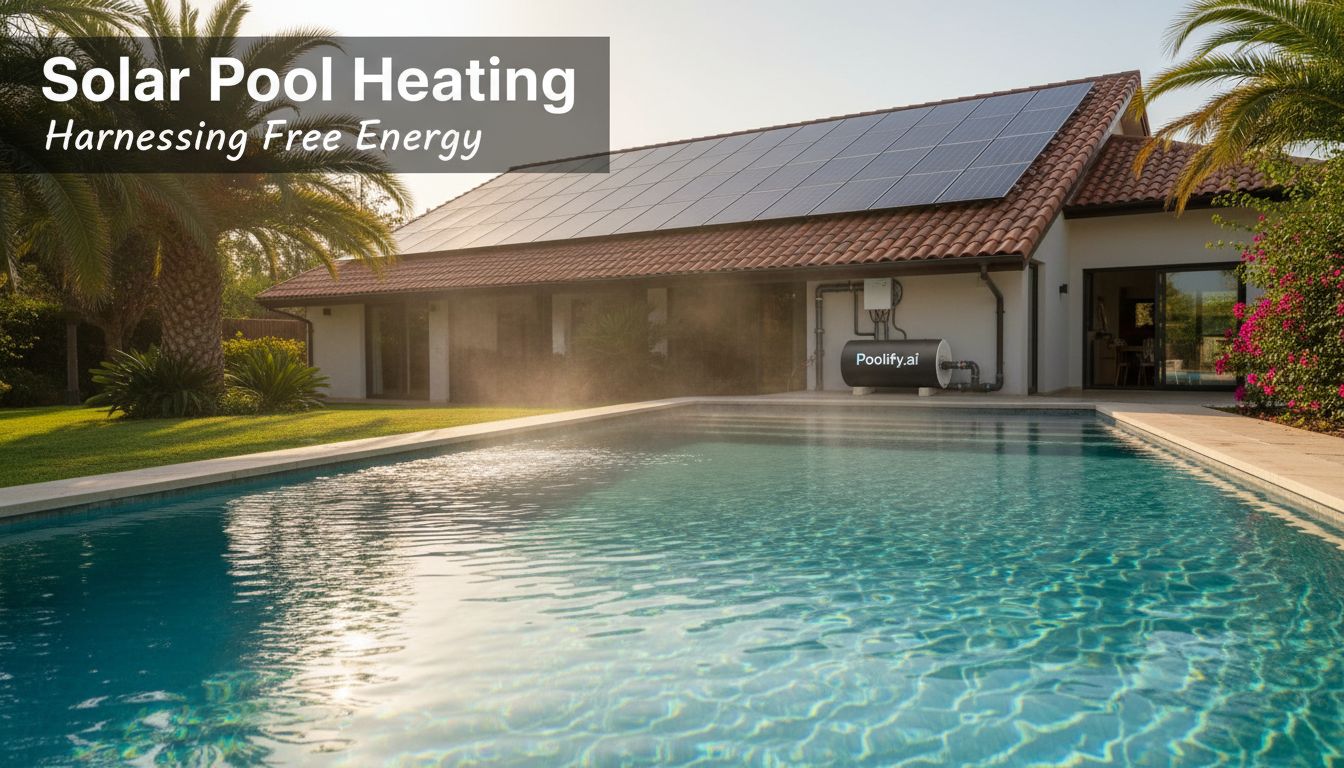
Solar heating systems rank among the most cost-effective energy efficient pool equipment options for extending your swimming season without astronomical utility bills. These systems circulate pool water through solar collectors mounted on roofs or ground racks, where sunlight heats the water before returning it to the pool. As energy efficient pool equipment, solar heaters eliminate ongoing fuel costs entirely after initial installation, delivering free heating for 15-20 years with minimal maintenance requirements.
The effectiveness of solar heating as energy efficient pool equipment depends on collector surface area, orientation, and local climate conditions. Generally, solar collectors should equal 50-100% of your pool’s surface area to provide adequate heating capacity. In sunny climates throughout 2026, properly sized solar heating systems can maintain comfortable water temperatures from spring through fall, representing some of the most reliable energy efficient pool equipment available. Combined with a pool cover to minimize heat loss, solar systems can reduce or eliminate the need for gas or electric backup heating.
Modern solar heating qualifies as advanced energy efficient pool equipment through improved collector materials and intelligent control systems. Glazed collectors offer superior performance in cooler climates, while unglazed polypropylene collectors provide excellent value for warmer regions. Installation costs for solar heating as energy efficient pool equipment range from $3,000 to $7,000 depending on system size and complexity, with typical payback periods of 3-7 years compared to gas heating. Many states and municipalities offer rebates or tax incentives for installing this renewable energy efficient pool equipment.
Heat Pump Technology as Energy Efficient Pool Equipment
For pools requiring consistent heating beyond what solar can provide, heat pumps represent highly effective energy efficient pool equipment. These systems extract ambient heat from surrounding air and transfer it to pool water, using electricity only to power the heat transfer process rather than generating heat directly. As energy efficient pool equipment, heat pumps deliver 3-6 units of heating for every unit of electricity consumed, achieving efficiency ratings of 300-600% compared to traditional electric resistance heaters at just 100% efficiency.
When evaluating heat pumps as energy efficient pool equipment, examine the Coefficient of Performance (COP) rating, which indicates efficiency under specific conditions. Premium models of this energy efficient pool equipment feature COP ratings of 5.0 or higher, titanium heat exchangers for saltwater compatibility, and quiet operation suitable for residential settings. Heat pumps work best as energy efficient pool equipment in climates where air temperatures remain above 50°F, making them ideal for southern regions or seasonal use in moderate climates. Learn more about different pool heating options to determine which energy efficient pool equipment suits your needs.
LED Lighting: Illuminating Efficiency
LED lighting systems have revolutionized pool illumination as essential energy efficient pool equipment, consuming 75-85% less electricity than traditional incandescent bulbs while lasting 10-15 times longer. Modern LED fixtures designed as energy efficient pool equipment deliver superior color options, dimming capabilities, and programmable light shows that were impossible with older technology. For pools with extensive lighting, upgrading to LED represents one of the quickest-payback investments in energy efficient pool equipment available in 2026.
The advantages of LED technology as energy efficient pool equipment extend beyond energy savings to include reduced maintenance costs and enhanced safety. LED bulbs generate minimal heat compared to incandescent alternatives, reducing cooling loads and burn risks. As energy efficient pool equipment, LED systems integrate seamlessly with automation platforms, enabling scheduled operation, color-changing effects, and remote control via smartphone apps. A typical pool with four LED lights uses approximately 120 watts compared to 1,200 watts for equivalent incandescent fixtures, demonstrating the dramatic impact of this energy efficient pool equipment.
When retrofitting existing pools with LED energy efficient pool equipment, verify compatibility between new LED bulbs and existing fixtures, or consider complete fixture replacement for optimal performance. Premium LED energy efficient pool equipment features include RGBW color mixing for pure white light, corrosion-resistant housings for saltwater pools, and UL listing for safety compliance. Installation costs for LED energy efficient pool equipment range from $200 to $800 per fixture depending on specifications, with typical payback periods of 1-3 years based on energy and maintenance savings.
Pool Automation Systems: Optimizing All Energy Efficient Pool Equipment
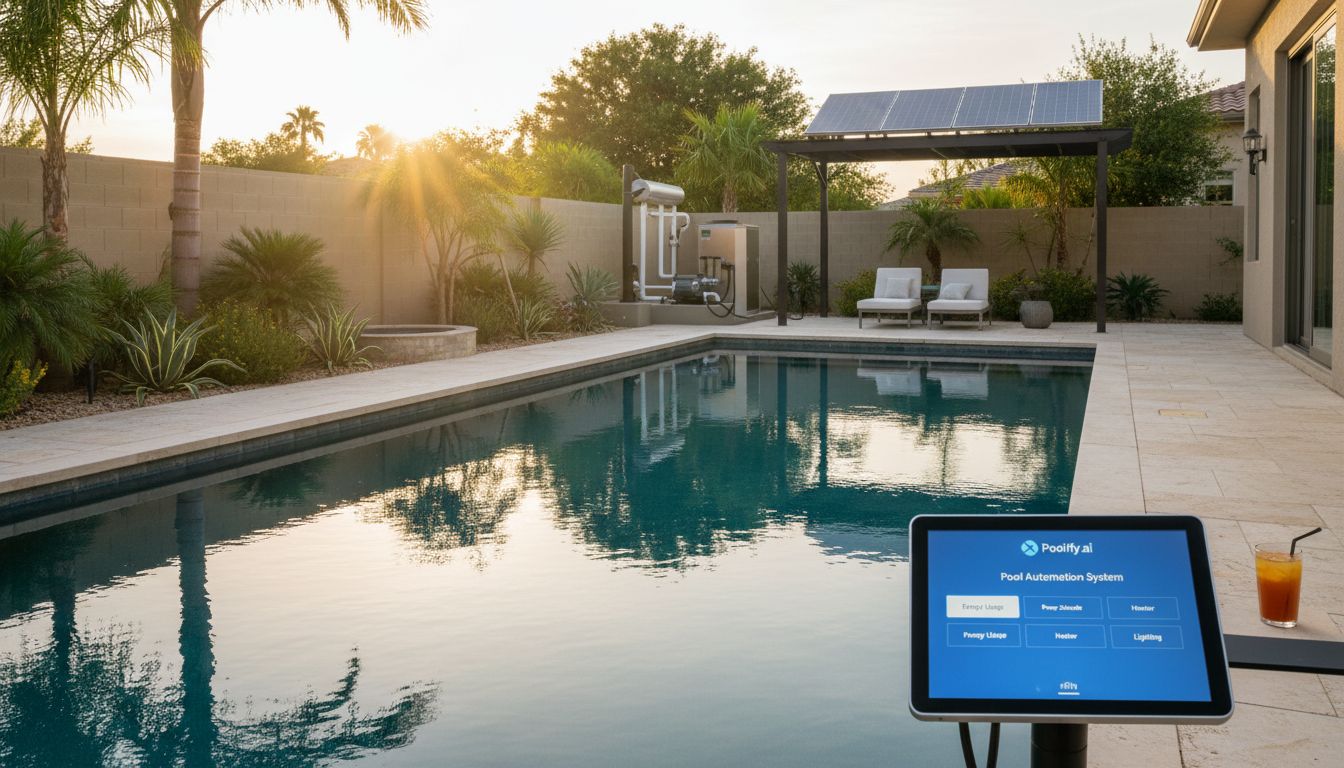
Automation systems serve as the command center for coordinating all your energy efficient pool equipment, maximizing performance while minimizing energy waste. These intelligent controllers manage pumps, heaters, lighting, sanitization systems, and water features based on programmed schedules, real-time conditions, and user preferences. As the orchestrator of energy efficient pool equipment, automation systems ensure each component operates only when needed and at optimal efficiency levels, typically reducing overall energy consumption by an additional 10-30% beyond individual equipment upgrades.
Modern automation platforms designed for energy efficient pool equipment offer smartphone and tablet connectivity, voice control integration, and machine learning algorithms that optimize operation based on usage patterns. These systems monitor energy efficient pool equipment performance, alert owners to maintenance needs before failures occur, and provide detailed energy consumption reports. Premium automation controllers for energy efficient pool equipment include weather station integration that adjusts heating and filtration based on temperature, wind, and precipitation forecasts, preventing unnecessary equipment operation.
The investment in automation as part of your energy efficient pool equipment strategy ranges from $1,500 for basic systems to $5,000+ for comprehensive whole-pool control. When selecting automation for energy efficient pool equipment, prioritize systems with open architecture that supports equipment from multiple manufacturers, intuitive user interfaces, and robust warranty coverage. The convenience and energy savings delivered by automation make it essential energy efficient pool equipment for any modern pool, with typical payback periods of 2-4 years through reduced energy consumption and maintenance costs.
Smart Sensors and Monitoring
Advanced sensors complement automation systems as valuable energy efficient pool equipment by providing real-time data on water chemistry, temperature, flow rates, and equipment performance. These monitoring tools enable precise control of all energy efficient pool equipment, preventing over-treatment, unnecessary heating, and inefficient pump operation. Chemical sensors integrated with your energy efficient pool equipment can reduce sanitizer consumption by 30-50% through precise dosing, while flow sensors detect clogs or leaks that compromise efficiency.
Pool Covers: The Most Cost-Effective Energy Efficient Pool Equipment
Pool covers represent the most affordable and effective energy efficient pool equipment for reducing heat loss, evaporation, and chemical consumption. A quality pool cover retains 70-95% of heat that would otherwise escape overnight, dramatically reducing heating costs regardless of whether you use solar, gas, or heat pump systems. As fundamental energy efficient pool equipment, covers also prevent 90-95% of water evaporation, conserving thousands of gallons annually while reducing the need for makeup water and chemical additions.
Multiple cover types serve as energy efficient pool equipment, each suited to different applications and budgets. Solar covers combine insulation with passive solar heating, warming pool water during the day while preventing heat loss at night. Automatic covers provide superior convenience as energy efficient pool equipment, deploying at the touch of a button to encourage consistent use. Safety covers offer both efficiency and protection as dual-purpose energy efficient pool equipment. According to research, pools with covers require 50-70% less heating energy than uncovered pools, making covers the highest-ROI energy efficient pool equipment investment.
When selecting covers as energy efficient pool equipment, consider material durability, UV resistance, and ease of use. Manual solar covers as budget energy efficient pool equipment cost $50-$300 and deliver immediate savings, while automatic cover systems as premium energy efficient pool equipment range from $5,000 to $15,000 installed. Regardless of type, consistent cover use maximizes the benefits of all other energy efficient pool equipment by reducing the workload on pumps, heaters, and sanitization systems. Explore additional pool maintenance strategies that complement your energy efficient pool equipment.
Sanitization Systems: Efficient Water Quality Management
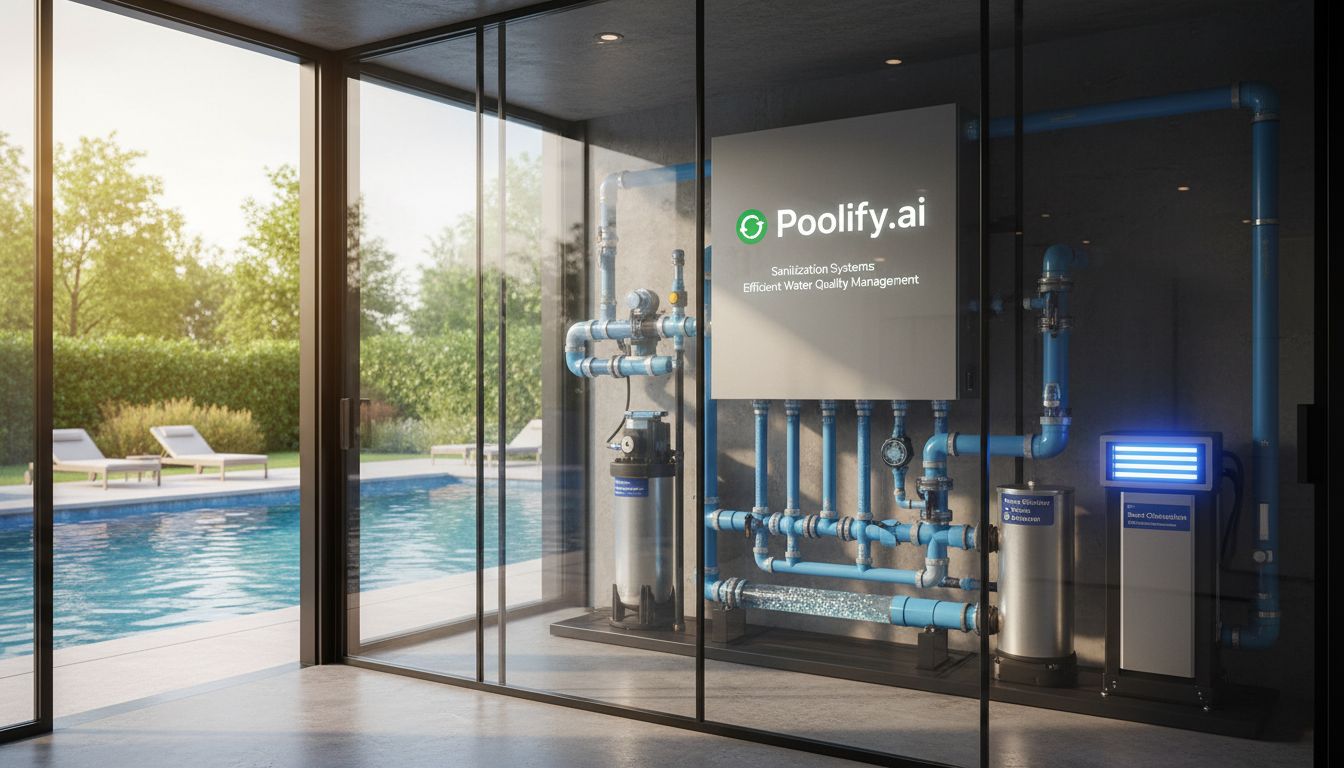
Modern sanitization systems qualify as energy efficient pool equipment through reduced chemical consumption, lower pump run times, and decreased environmental impact. Salt chlorine generators, UV systems, and ozone generators represent advanced energy efficient pool equipment that maintains water quality with less energy and fewer chemicals than traditional chlorination. Salt systems as popular energy efficient pool equipment produce chlorine on-demand through electrolysis, eliminating the need to purchase, transport, and store chlorine while providing gentler water quality.
UV and ozone systems work as supplementary energy efficient pool equipment that destroys contaminants and reduces chlorine demand by 50-90%. These technologies use ultraviolet light or ozone gas to oxidize organic matter and neutralize pathogens, allowing primary sanitizers to work more efficiently. As energy efficient pool equipment, UV systems consume just 50-200 watts while processing pool water, delivering powerful sanitization with minimal energy input. Combined with variable-speed pumps and automation, these systems create a highly efficient water quality management platform.
Investment in advanced sanitization as energy efficient pool equipment ranges from $500 for basic salt systems to $2,500+ for integrated UV/ozone platforms. When evaluating these options as energy efficient pool equipment, consider ongoing operational costs, maintenance requirements, and compatibility with existing equipment. The reduced chemical costs and improved water quality delivered by modern sanitization systems make them valuable energy efficient pool equipment components, with typical payback periods of 2-5 years depending on pool size and usage intensity.
Selecting and Installing Energy Efficient Pool Equipment
Successfully transitioning to energy efficient pool equipment requires careful planning, professional installation, and ongoing optimization. Begin by conducting an energy audit of your current pool operation to identify the biggest opportunities for improvement through energy efficient pool equipment upgrades. In most cases, variable-speed pumps deliver the highest immediate return, followed by LED lighting, pool covers, and heating system upgrades. Prioritize energy efficient pool equipment investments based on your specific usage patterns, climate, and budget constraints.
Professional installation ensures your energy efficient pool equipment performs as designed and complies with local electrical and building codes. Qualified pool technicians can properly size energy efficient pool equipment, integrate components for optimal performance, and configure automation systems to maximize savings. Many utilities and government agencies offer rebates for energy efficient pool equipment installations in 2026, potentially covering 10-30% of upgrade costs. Research available incentives before purchasing energy efficient pool equipment to maximize financial benefits.
After installing energy efficient pool equipment, monitor performance through automation system reports or utility bill tracking to verify expected savings. Fine-tune operation schedules, temperature setpoints, and filtration cycles to optimize your energy efficient pool equipment configuration. Most homeowners achieve 40-70% reductions in pool-related energy consumption through comprehensive energy efficient pool equipment upgrades, with annual savings of $800-$2,500 depending on pool size, climate, and previous equipment efficiency.
Maintenance of Energy Efficient Pool Equipment
Proper maintenance preserves the performance and longevity of your energy efficient pool equipment investment. Clean pump baskets and filters regularly to maintain optimal flow rates through your energy efficient pool equipment. Inspect solar collectors annually for debris or damage that could compromise heating efficiency. Test automation system sensors quarterly to ensure accurate readings that inform energy efficient pool equipment operation decisions. Schedule professional service for complex energy efficient pool equipment like heat pumps and sanitization systems according to manufacturer recommendations.
Frequently Asked Questions About Energy Efficient Pool Equipment
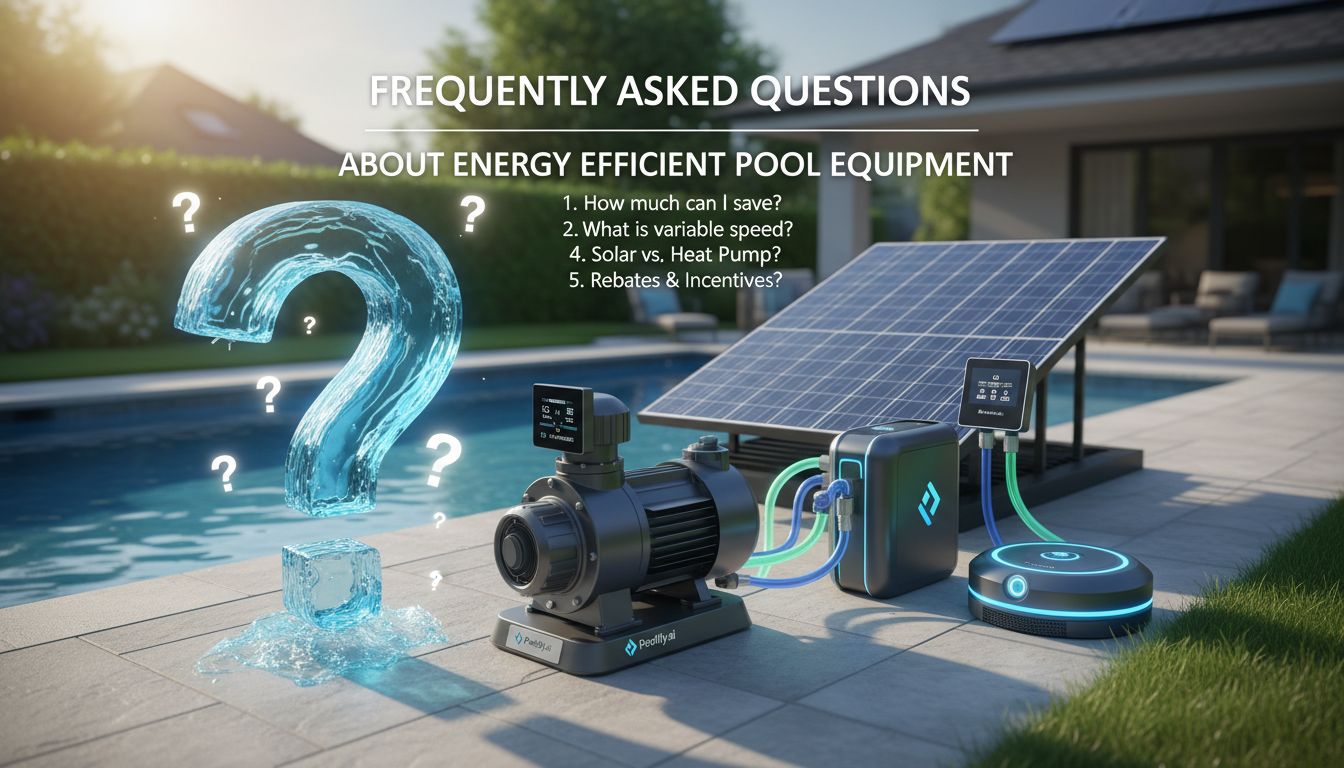
How much can I save by upgrading to energy efficient pool equipment?
Most homeowners save 40-70% on pool-related energy costs after upgrading to comprehensive energy efficient pool equipment, translating to $800-$2,500 annually depending on pool size, climate, and previous equipment efficiency. Variable-speed pumps alone typically save $600-$1,500 per year, while LED lighting, efficient heating, and pool covers contribute additional savings. Total energy efficient pool equipment upgrades often pay for themselves within 2-5 years through reduced utility bills.
What is the most important piece of energy efficient pool equipment to upgrade first?
Variable-speed pumps deliver the highest return on investment as the foundational energy efficient pool equipment upgrade, typically reducing pump energy consumption by 70-90%. Since pool pumps represent the largest energy consumer in most pool systems, upgrading to a variable-speed model provides immediate, substantial savings. Follow pump upgrades with LED lighting and pool covers as cost-effective energy efficient pool equipment additions that further reduce operating costs.
Are solar heaters reliable energy efficient pool equipment for all climates?
Solar heaters work effectively as energy efficient pool equipment in most climates but perform best in sunny regions with long swimming seasons. In northern climates, solar systems serve as excellent supplementary energy efficient pool equipment that reduces reliance on gas or electric backup heating. Properly sized solar collectors can provide 50-80% of annual heating needs in moderate climates, while delivering nearly 100% of heating requirements in sunny southern regions, making them highly versatile energy efficient pool equipment.
How do automation systems improve energy efficient pool equipment performance?
Automation systems optimize energy efficient pool equipment by coordinating operation schedules, adjusting settings based on real-time conditions, and preventing unnecessary equipment runtime. These controllers ensure your energy efficient pool equipment operates only when needed and at optimal efficiency levels, typically reducing overall energy consumption by an additional 10-30% beyond individual equipment upgrades. Automation also extends the lifespan of energy efficient pool equipment through better maintenance scheduling and early problem detection.
Can I install energy efficient pool equipment myself or should I hire a professional?
While some energy efficient pool equipment like pool covers and LED bulb replacements suit DIY installation, complex systems including variable-speed pumps, heaters, and automation require professional installation. Licensed technicians ensure energy efficient pool equipment is properly sized, safely wired, correctly plumbed, and optimally configured for your specific pool. Professional installation also maintains warranty coverage on energy efficient pool equipment and ensures compliance with local electrical and building codes.
Key Takeaways About Energy Efficient Pool Equipment
- Variable-speed pumps are essential energy efficient pool equipment that reduce pump energy consumption by 70-90%, delivering the highest return on investment with typical savings of $600-$1,500 annually and payback periods of 12-24 months.
- Comprehensive energy efficient pool equipment upgrades including pumps, LED lighting, efficient heating, automation, and covers typically reduce total pool energy consumption by 40-70%, saving homeowners $800-$2,500 per year depending on pool size and climate.
- Pool covers represent the most cost-effective energy efficient pool equipment for reducing heat loss and evaporation, retaining 70-95% of pool heat and preventing 90-95% of water evaporation with minimal investment starting at just $50 for manual solar covers.
- Automation systems maximize all energy efficient pool equipment performance by coordinating operation schedules, adjusting settings based on real-time conditions, and providing an additional 10-30% energy reduction beyond individual equipment upgrades through intelligent control.
- Professional installation and ongoing maintenance preserve energy efficient pool equipment performance while ensuring safety compliance, warranty coverage, and optimal configuration for your specific pool requirements, making expert service a worthwhile investment for complex system upgrades.
See Your Dream Pool in Your Actual Backyard
Upload a photo and get an AI-designed pool visualization in 10 seconds. 3 free designs, no login required.
Try Poolify Free →Conclusion: Investing in Energy Efficient Pool Equipment for 2026
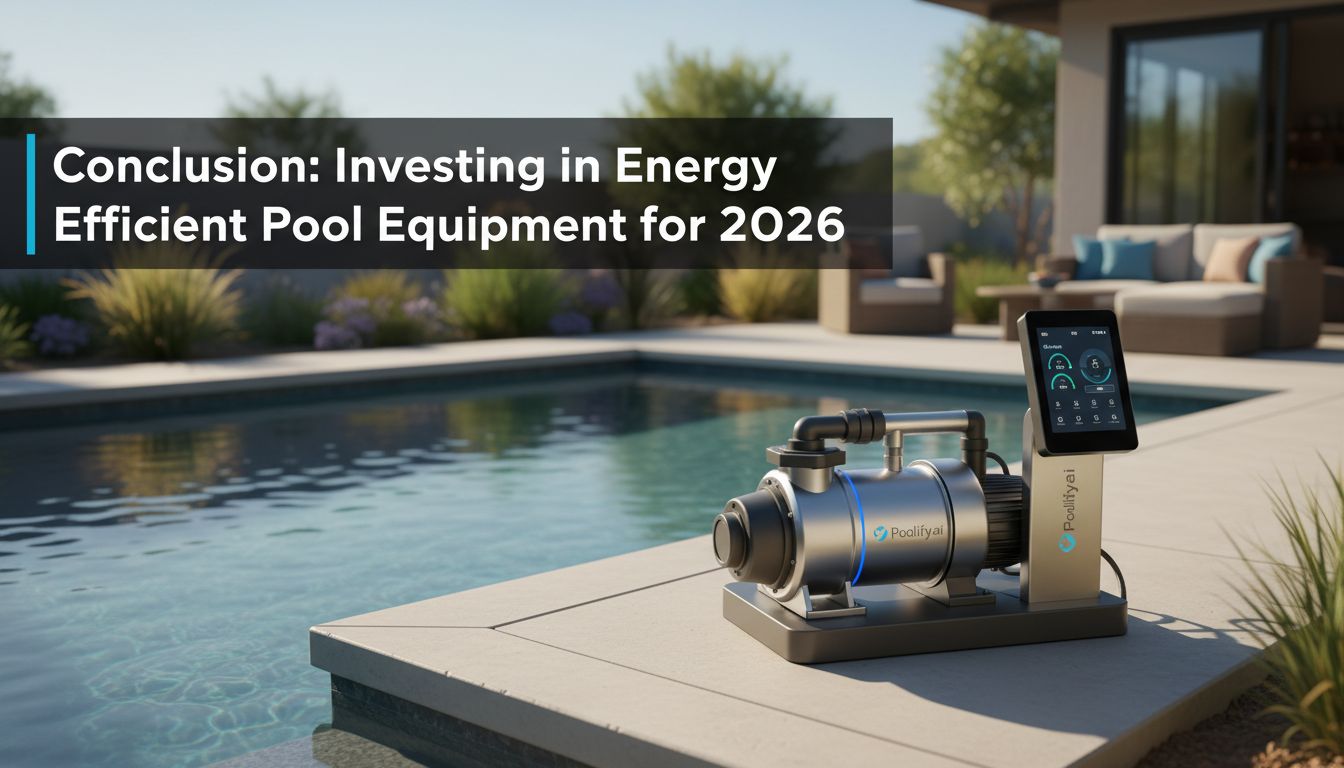
Upgrading to energy efficient pool equipment represents one of the smartest investments pool owners can make in 2026, delivering substantial utility savings, reduced environmental impact, and enhanced convenience through modern automation. From variable-speed pumps that slash electricity consumption to solar heaters that provide free warmth and LED lighting that illuminates pools for pennies, today’s energy efficient pool equipment offers proven technologies with rapid payback periods and decades of reliable service.
The key to maximizing benefits from energy efficient pool equipment lies in taking a comprehensive approach that addresses all major energy consumers in your pool system. Start with high-impact energy efficient pool equipment like variable-speed pumps and pool covers, then expand to heating, lighting, and automation systems as budget allows. Monitor performance after installing energy efficient pool equipment to verify savings and fine-tune operation for optimal efficiency.
As energy costs continue rising and environmental concerns grow more pressing, energy efficient pool equipment transitions from optional luxury to essential requirement for responsible pool ownership. The technologies available in 2026 make it easier than ever to enjoy your pool while minimizing both operating costs and ecological footprint. By investing in quality energy efficient pool equipment and maintaining it properly, you’ll enjoy years of comfortable swimming, lower utility bills, and the satisfaction of knowing your backyard oasis operates as sustainably as possible.
References
- U.S. Department of Energy – Swimming Pool Covers and Energy Efficiency: https://betterbuildingssolutioncenter.energy.gov/sites/default/files/attachments/Pool%20efficiency_.pdf
- Centers for Disease Control and Prevention – Healthy Swimming: https://www.cdc.gov/healthywater/swimming/
