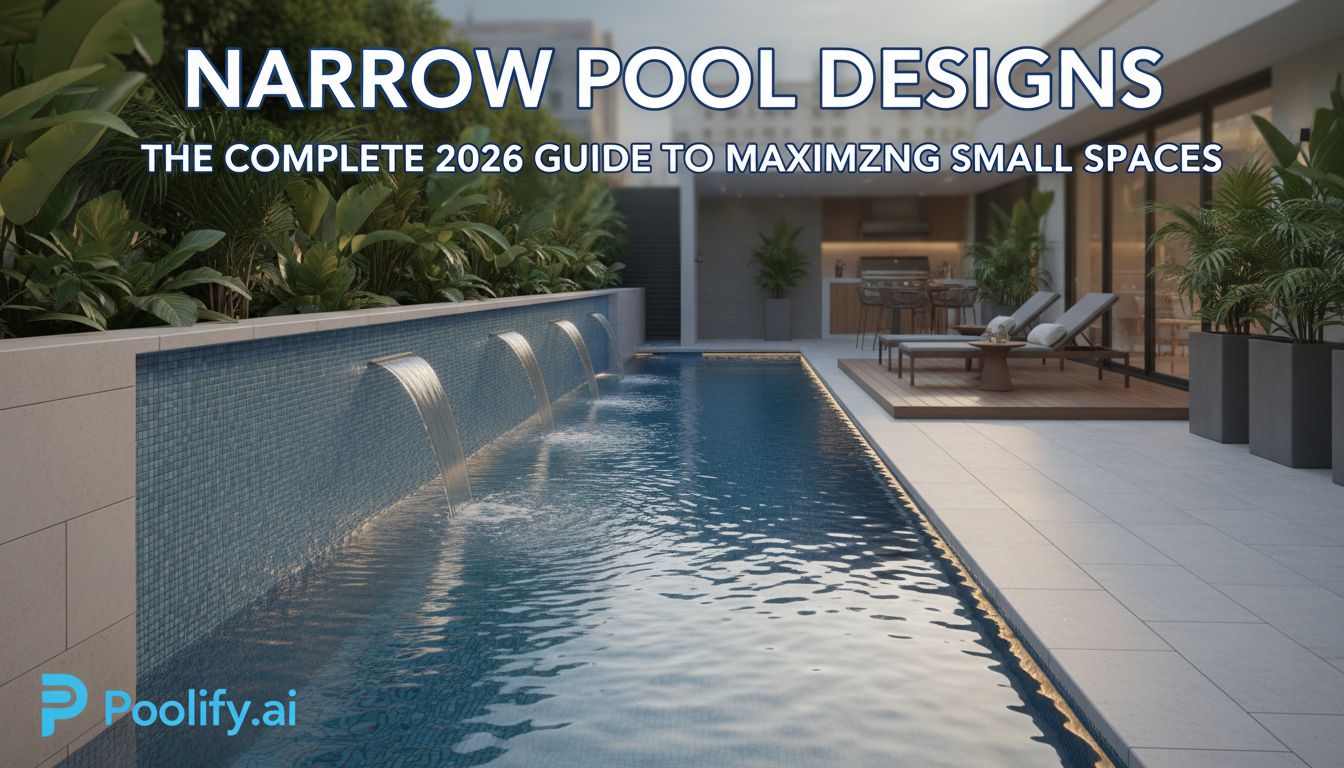
Narrow pool designs have become one of the most sought-after solutions for homeowners facing space limitations in 2026. Whether you’re working with a tight side yard, a compact urban lot, or simply want to preserve more lawn space, narrow pool designs offer the perfect balance between functionality and aesthetics. These sleek, space-efficient pools prove that you don’t need a sprawling backyard to enjoy the luxury of a personal swimming oasis.
The beauty of narrow pool designs lies in their versatility and creative potential. Modern engineering and innovative design approaches have transformed what was once considered a limitation into an opportunity for unique, personalized aquatic spaces. From lap pools to plunge pools, today’s narrow pool designs cater to diverse needs while maximizing every square foot of available space.
Understanding Narrow Pool Designs and Their Benefits
Narrow pool designs typically range from 8 to 12 feet in width, though some can be as slim as 6 feet while extending 25 to 50 feet in length. This elongated configuration creates a striking visual element that can actually make your outdoor space appear larger and more sophisticated. The streamlined shape naturally guides the eye along its length, creating an illusion of expanded dimensions.
The advantages of narrow pool designs extend far beyond space efficiency. These pools require less water volume, which translates to reduced chemical costs and lower heating expenses. Maintenance becomes more manageable with a smaller surface area to clean and fewer gallons to treat. According to the U.S. Department of Energy, smaller pool volumes can reduce heating costs by up to 70% when combined with proper covers and efficient heating systems.
Narrow pool designs also offer faster construction timelines and often require less extensive excavation work. This means reduced labor costs and minimal disruption to your property. The smaller footprint leaves more yard space for landscaping, outdoor furniture, or play areas, creating a more balanced outdoor living environment.
Popular Styles of Narrow Pool Designs
Lap pools represent the most common type of narrow pool designs, perfect for fitness enthusiasts who want to incorporate swimming into their daily exercise routine. These pools typically measure 40 to 50 feet long and 8 to 10 feet wide, providing ample space for uninterrupted swimming strokes. The consistent depth and straight lines make lap pools ideal for serious swimmers.
Cocktail pools and plunge pools offer another approach to narrow pool designs, focusing on relaxation rather than exercise. These compact options usually range from 10 to 20 feet in length and 6 to 8 feet in width, creating intimate spaces perfect for cooling off on hot days or enjoying evening soaks with friends.
Corridor-style narrow pool designs blend the best of both worlds, incorporating shallow lounging areas alongside deeper swimming sections. This versatile layout accommodates various activities within a single narrow footprint, making them excellent choices for families with diverse needs.
Essential Planning Considerations for Narrow Pool Designs
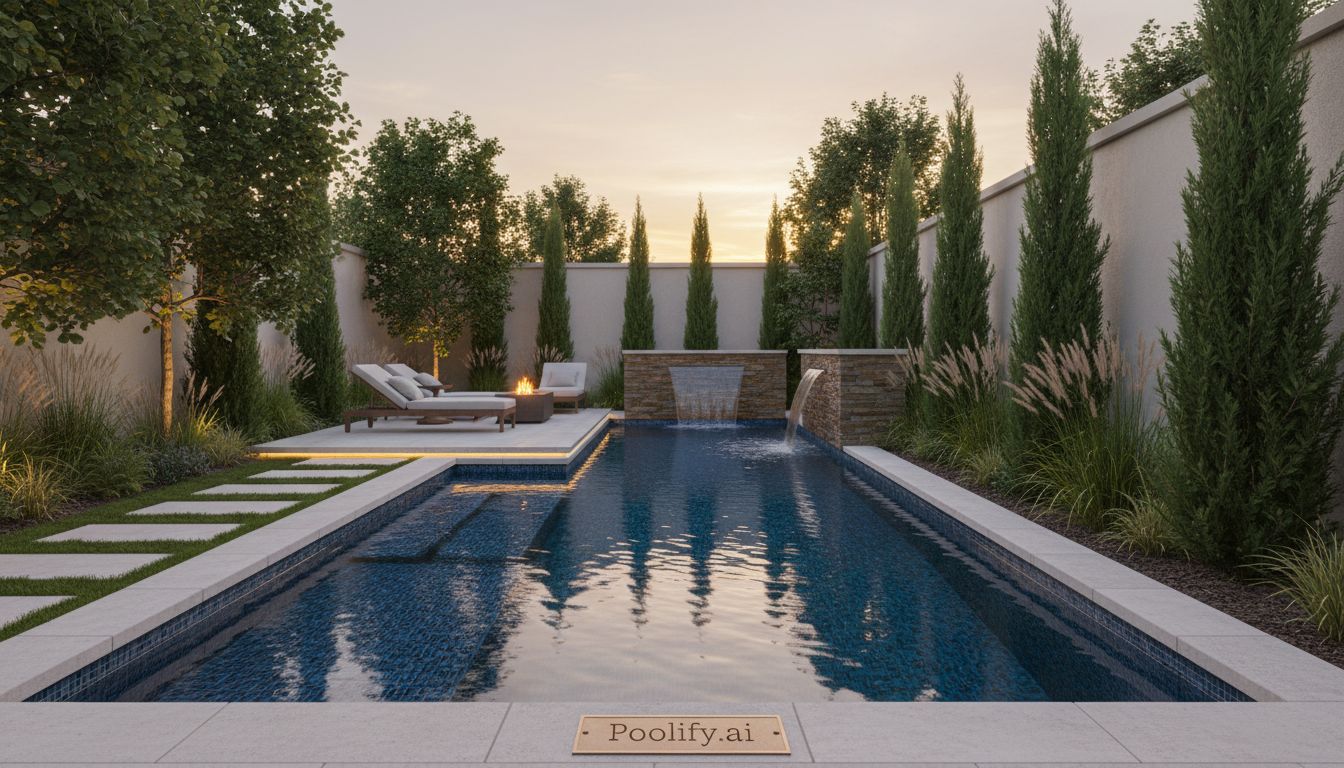
Before committing to narrow pool designs, careful site assessment proves crucial for success. Evaluate your available space by measuring not just the pool footprint but also the surrounding area needed for decking, equipment access, and safety clearances. Most municipalities require at least 3 to 5 feet of clearance from property lines, which can significantly impact your usable space.
Soil conditions and drainage patterns play vital roles in narrow pool designs. Clay-heavy soils may require additional structural support, while high water tables can complicate installation. Professional soil testing identifies potential challenges before excavation begins, preventing costly surprises during construction. Consider consulting resources on pool installation best practices to understand the full scope of site preparation.
Access points for construction equipment deserve special attention with narrow pool designs. The elongated shape often means positioning the pool along side yards or tight spaces where excavators and concrete trucks may struggle to maneuver. Discuss access logistics with contractors early in the planning phase to avoid complications.
Maximizing Functionality in Limited Width
Smart design choices transform narrow pool designs from simple water features into multifunctional outdoor spaces. Swim jets or resistance systems convert even modest-length pools into effective training environments, allowing swimmers to exercise in place against adjustable currents. These systems have become increasingly popular in narrow pool designs throughout 2026.
Built-in seating and tanning ledges add versatility without increasing width requirements. Strategically placed benches along one side create relaxation zones while maintaining clear swimming lanes. Tanning ledges positioned at pool ends provide shallow areas for lounging without compromising the narrow profile.
Integrated lighting systems enhance narrow pool designs by creating ambiance and extending usability into evening hours. LED strip lighting along pool edges emphasizes the sleek lines while providing safety illumination. Underwater lights positioned strategically can make narrow pool designs appear wider and more inviting after dark.
Design Elements That Enhance Narrow Pool Aesthetics
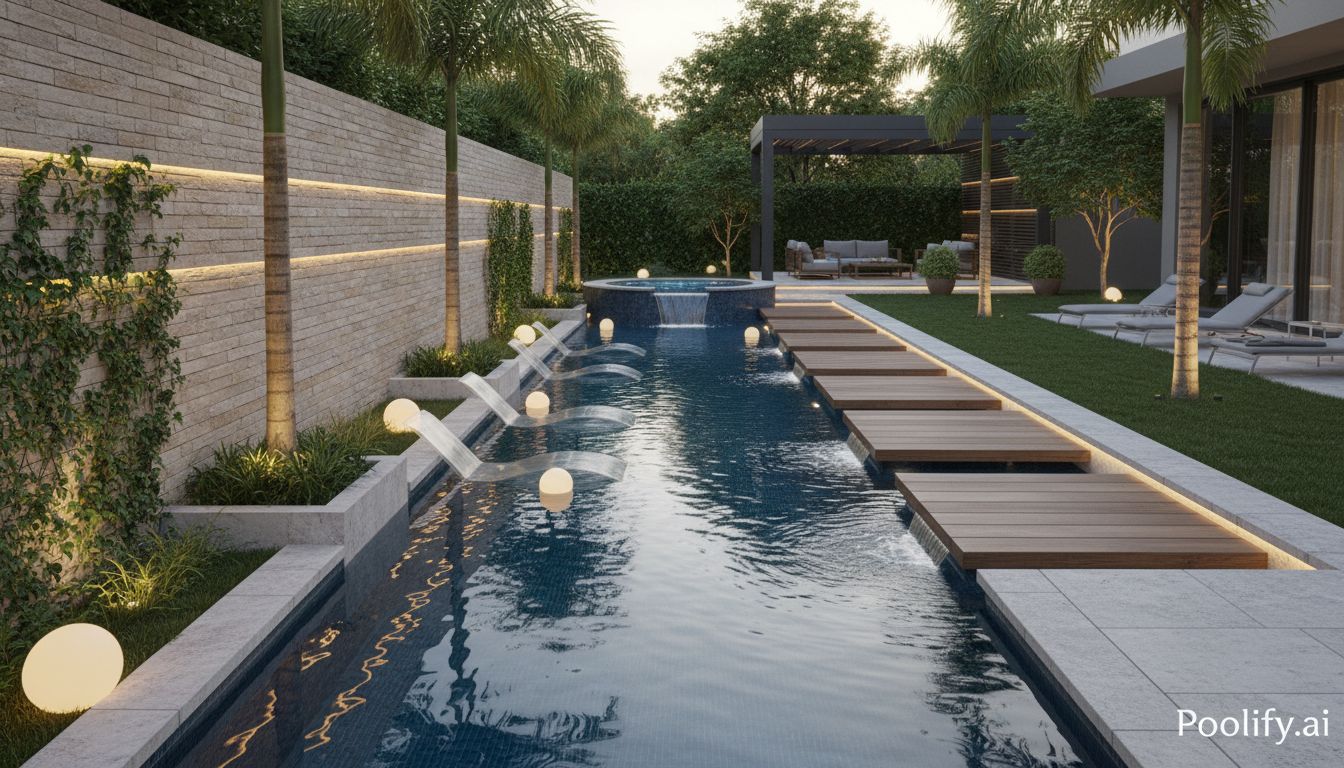
The visual impact of narrow pool designs depends heavily on thoughtful aesthetic choices. Material selection sets the tone for your entire outdoor space. Light-colored finishes in white, cream, or pale blue create an expansive feel, reflecting sunlight and making narrow pool designs appear more spacious. Darker finishes like graphite or black create dramatic, modern aesthetics that work particularly well in contemporary settings.
Coping and decking materials frame narrow pool designs and influence the overall visual flow. Continuous materials that extend from pool edge to surrounding hardscape create seamless transitions that minimize the perception of width limitations. Natural stone, travertine, or wood-look porcelain tiles complement narrow pool designs while providing slip-resistant surfaces.
Water features add dimension and interest to narrow pool designs without requiring additional width. Deck jets create graceful arcs of water that catch light and add movement. Sheer descent waterfalls mounted on end walls provide soothing sounds while emphasizing the pool’s length. These features transform simple narrow pool designs into dynamic focal points.
Landscaping Strategies for Narrow Pool Designs
Strategic landscaping amplifies the beauty of narrow pool designs while addressing practical concerns. Vertical gardening maximizes greenery without encroaching on limited horizontal space. Tall ornamental grasses, bamboo screens, or climbing vines on trellises create privacy and soften hard edges along narrow pool designs.
Container gardens offer flexibility for narrow pool designs, allowing you to adjust plantings seasonally and relocate pots as needed. Large planters positioned at pool ends create natural boundaries while adding pops of color and texture. Choose plants that complement your climate and don’t shed excessive leaves into the water.
Lighting extends beyond the pool itself in successful narrow pool designs. Path lighting along the pool’s length guides movement and highlights the linear aesthetic. Uplighting on nearby trees or architectural features draws the eye upward, creating vertical interest that balances the horizontal emphasis of narrow pool designs.
Cost Considerations for Narrow Pool Designs in 2026
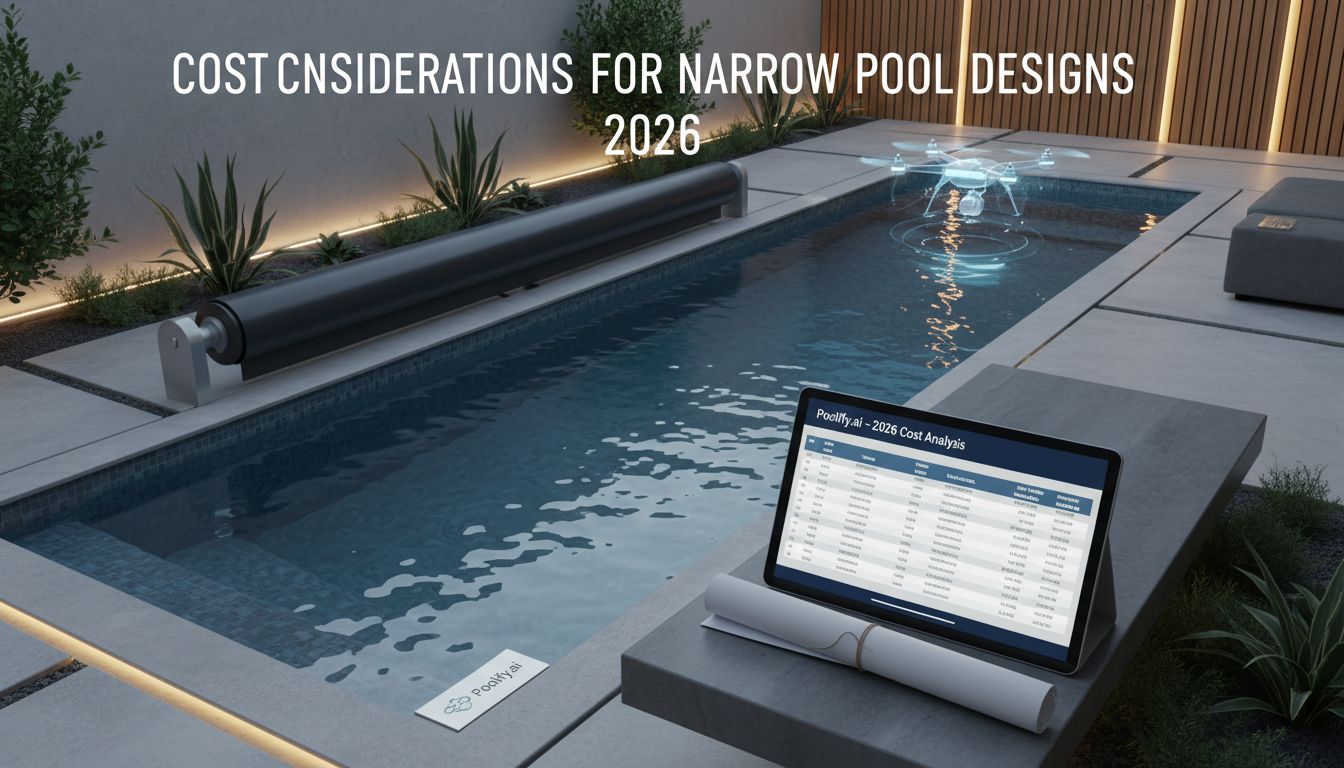
Budget planning for narrow pool designs requires understanding both initial construction costs and long-term operational expenses. In 2026, narrow pool designs typically cost between $30,000 and $75,000 for basic installations, with luxury features pushing prices higher. The reduced size compared to traditional pools generally results in 20% to 40% cost savings on materials and labor.
Excavation costs for narrow pool designs vary based on soil conditions and access challenges. Tight spaces may require smaller equipment or manual labor, potentially increasing per-foot costs despite the smaller overall volume. However, the reduced amount of dirt removal and disposal often balances these factors, keeping narrow pool designs competitively priced.
Equipment and systems for narrow pool designs benefit from downsizing opportunities. Smaller pumps, filters, and heaters handle the reduced water volume efficiently, lowering both purchase prices and operating costs. Energy-efficient variable-speed pumps have become standard in narrow pool designs throughout 2026, reducing electricity consumption by up to 80% compared to older single-speed models.
Long-Term Value and Maintenance Savings
The ongoing expenses associated with narrow pool designs typically run 30% to 50% lower than standard-sized pools. Reduced water volume means fewer chemicals, less frequent water replacement, and lower heating costs. A typical narrow pool design might require only 10,000 to 15,000 gallons compared to 20,000 to 30,000 gallons for conventional pools.
Maintenance time decreases proportionally with narrow pool designs. Less surface area means faster cleaning, whether you’re using manual tools or automated systems. Robotic pool cleaners designed specifically for narrow pool designs navigate efficiently, completing cleaning cycles in 60 to 90 minutes compared to 2 to 3 hours for larger pools.
Property value impacts vary by market, but narrow pool designs generally appeal to buyers seeking low-maintenance amenities. The preserved yard space proves attractive to families, while fitness-focused buyers appreciate lap pool functionality. For more insights on maximizing your pool investment, explore comprehensive pool maintenance strategies.
Technical Specifications and Installation Best Practices
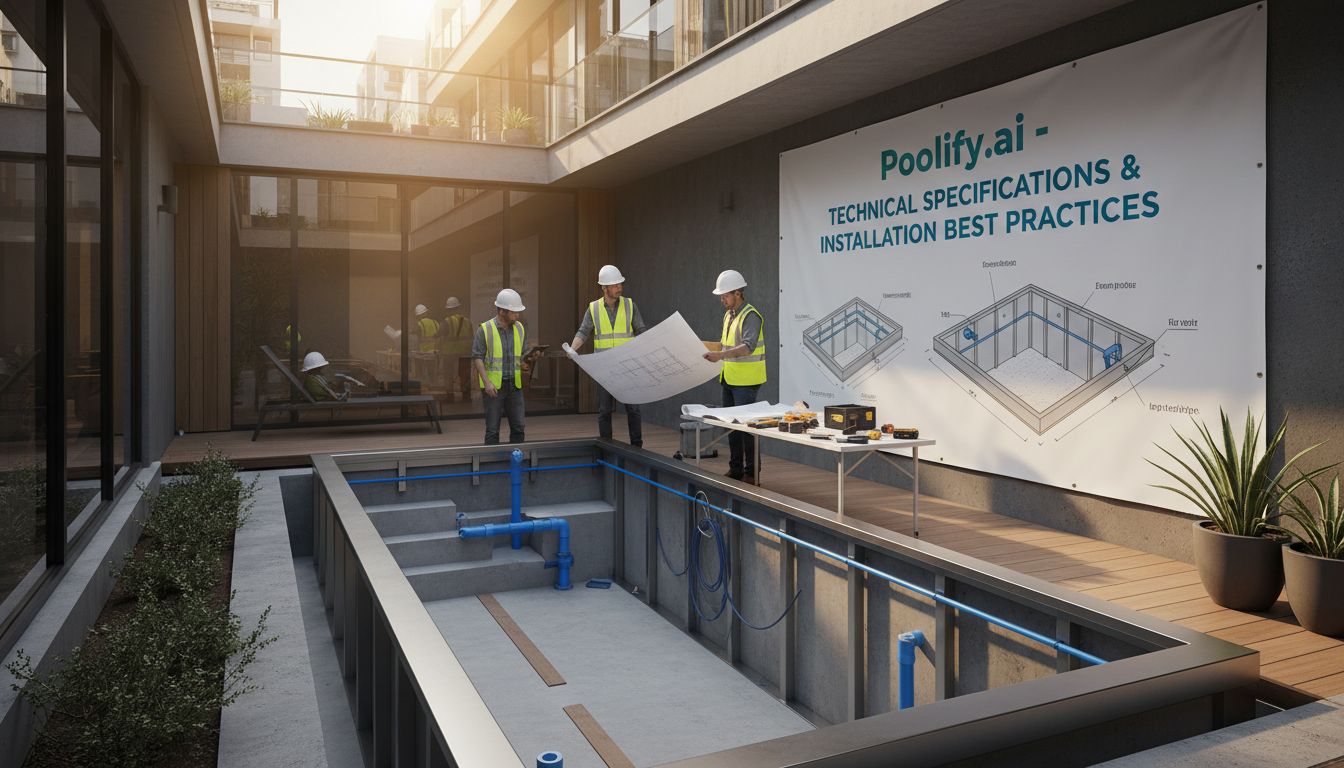
Successful narrow pool designs require precise engineering to ensure structural integrity despite unconventional proportions. The length-to-width ratio creates unique hydraulic considerations that affect circulation and filtration. Professional designers calculate proper flow rates and equipment sizing to maintain water quality throughout the elongated shape.
Wall reinforcement becomes particularly important in narrow pool designs. The increased length relative to width creates greater lateral pressure points that require additional structural support. Steel reinforcement bars placed at closer intervals and thicker concrete walls ensure long-term stability. Quality construction prevents cracks and shifting that could compromise narrow pool designs over time.
Plumbing layout for narrow pool designs demands strategic planning to maintain consistent water circulation. Multiple return jets positioned along the pool’s length prevent dead zones where debris accumulates. Skimmers placed at opposite ends create cross-flow patterns that keep water moving efficiently through narrow pool designs.
Heating and Circulation Systems
Heating narrow pool designs efficiently requires matching system capacity to water volume and usage patterns. Solar heating systems work exceptionally well with narrow pool designs, as the elongated shape provides ample surface area for heat absorption. Solar panels mounted on nearby roofs or ground arrays can extend swimming seasons by several months in moderate climates.
Heat pumps offer another energy-efficient option for narrow pool designs, extracting warmth from ambient air to heat pool water. The reduced water volume allows heat pumps to maintain comfortable temperatures with minimal energy consumption. In 2026, advanced heat pump technology has made these systems increasingly affordable and reliable for narrow pool designs.
Circulation systems in narrow pool designs benefit from variable-speed pumps that adjust flow rates based on demand. Lower speeds during filtration cycles reduce energy consumption while maintaining water clarity. Higher speeds during swimming or water feature operation provide the necessary flow for optimal performance in narrow pool designs.
Creative Solutions for Common Narrow Pool Design Challenges
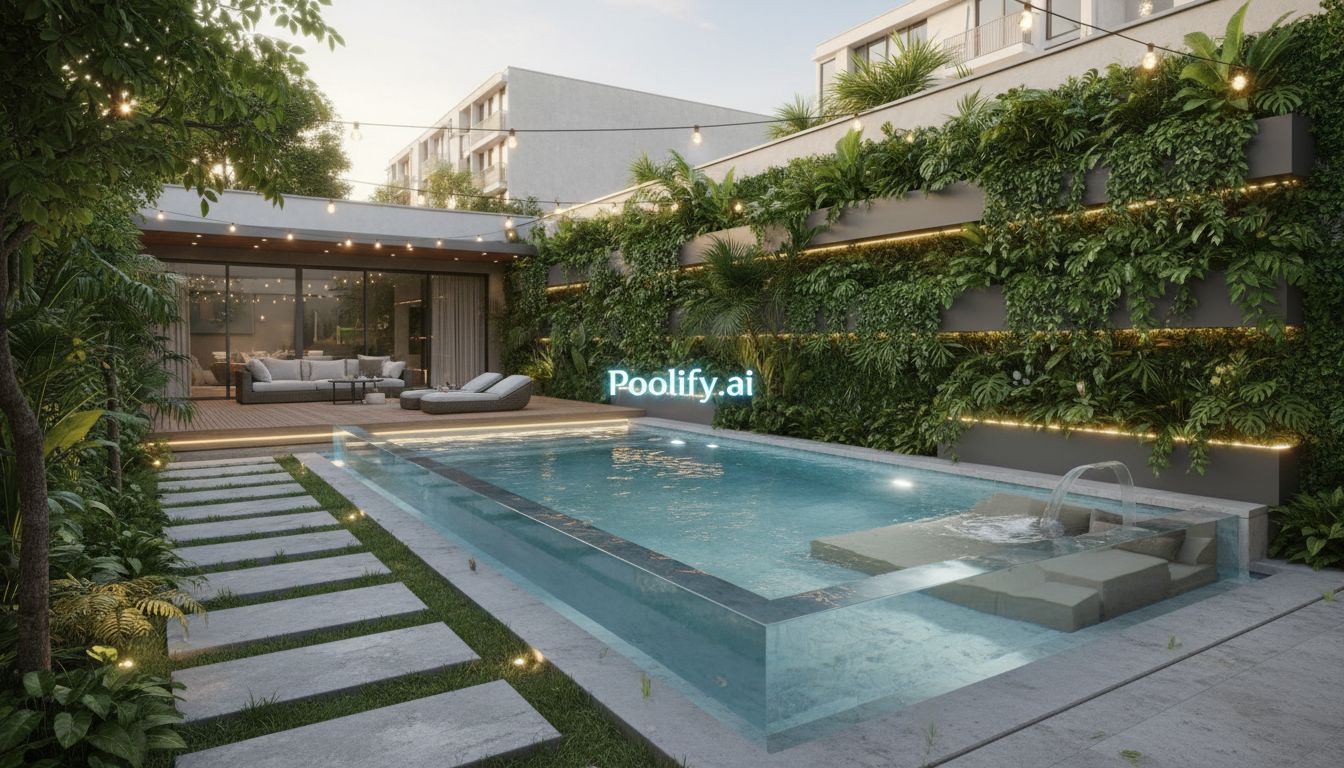
Space constraints inherent to narrow pool designs require innovative problem-solving. Equipment placement often poses the first challenge, as traditional equipment pads may not fit alongside narrow pool designs. Underground equipment vaults or compact equipment closets integrated into retaining walls provide discreet solutions that preserve aesthetic appeal.
Entry and exit points require careful consideration in narrow pool designs. Traditional wide staircases consume precious width, making them impractical. Instead, consider ladder systems, compact corner steps, or integrated bench steps that provide access without compromising swimming space. Some narrow pool designs incorporate removable step systems that can be lifted out when not in use.
Privacy concerns arise frequently with narrow pool designs positioned along side yards or property lines. Creative screening solutions include horizontal slat fencing, frosted glass panels, or living walls that provide seclusion without creating a boxed-in feeling. Staggered heights and strategic gaps maintain airflow while blocking sightlines in narrow pool designs.
Adapting Narrow Pool Designs for Various Activities
Exercise functionality tops the priority list for many narrow pool designs. Resistance training equipment like aquatic treadmills or stationary bikes can be positioned at one end, creating dedicated fitness zones. Underwater mirrors mounted on side walls allow swimmers to monitor form during laps, enhancing the training value of narrow pool designs.
Family-friendly narrow pool designs incorporate graduated depths that accommodate different age groups and skill levels. A shallow entry zone transitions gradually to deeper swimming areas, allowing children to play safely while adults swim laps. Safety features like non-slip surfaces and handrails integrate seamlessly into narrow pool designs.
Entertainment potential shouldn’t be overlooked in narrow pool designs. Swim-up bars or integrated seating areas at one end create social gathering spots. Underwater speakers and lighting systems transform narrow pool designs into evening entertainment venues perfect for small gatherings.
Sustainable and Eco-Friendly Narrow Pool Design Options
Environmental consciousness drives many 2026 narrow pool design decisions. Natural filtration systems using plants and beneficial bacteria reduce chemical dependency while creating beautiful aquatic gardens. Regeneration zones integrated into narrow pool designs filter water through gravel beds and plant roots, maintaining clarity through biological processes.
Rainwater harvesting systems complement narrow pool designs by capturing roof runoff for pool filling and topping off. Storage tanks positioned strategically around the property collect precipitation that would otherwise drain away. This sustainable approach reduces municipal water consumption and lowers operating costs for narrow pool designs.
Solar covers have become standard equipment for narrow pool designs in 2026, preventing evaporation and retaining heat overnight. The narrow width makes covers easier to deploy and remove compared to wider pools. Automated cover systems integrate seamlessly into narrow pool designs, encouraging consistent use that maximizes energy savings.
Material Selection for Sustainability
Eco-friendly materials enhance the sustainability profile of narrow pool designs. Recycled glass tiles create stunning finishes while diverting waste from landfills. Reclaimed wood decking adds character and reduces demand for virgin timber. These choices align narrow pool designs with broader environmental values without compromising aesthetics or durability.
Low-VOC sealants and finishes protect water quality in narrow pool designs while minimizing chemical off-gassing. Modern formulations provide excellent durability and weather resistance without the environmental concerns of traditional products. Choosing certified sustainable materials demonstrates commitment to responsible narrow pool designs.
Native landscaping around narrow pool designs reduces water consumption and maintenance requirements. Drought-tolerant plants adapted to local conditions thrive with minimal irrigation, creating lush surroundings that complement narrow pool designs sustainably. This approach supports local ecosystems while reducing the environmental footprint of your outdoor space.
Frequently Asked Questions About Narrow Pool Designs
How narrow can a pool be and still function effectively?
Narrow pool designs can function effectively at widths as slim as 6 feet, though 8 to 10 feet provides more comfortable swimming space. The minimum functional width depends on intended use—lap swimming requires at least 8 feet for proper stroke mechanics, while plunge pools and cocktail pools work well at 6 to 7 feet. Professional designers can optimize narrow pool designs for specific activities within your available space.
Do narrow pool designs cost less than traditional pools?
Yes, narrow pool designs typically cost 20% to 40% less than comparably appointed traditional pools due to reduced materials, smaller equipment, and less excavation. However, site-specific factors like access challenges or soil conditions can affect pricing. The long-term operational savings of narrow pool designs often prove even more significant, with reduced heating, chemical, and maintenance costs throughout the pool’s lifetime.
Can you add a spa or hot tub to narrow pool designs?
Absolutely. Many narrow pool designs incorporate attached spas positioned at one end, creating a cohesive aquatic environment. The spa can share filtration and heating systems with the main pool, reducing equipment costs. Alternatively, separate standalone spas positioned near narrow pool designs provide therapeutic benefits without affecting the pool’s streamlined profile. Design professionals can integrate these features seamlessly into narrow pool designs.
What’s the ideal length for narrow pool designs?
The ideal length for narrow pool designs depends on intended use and available space. Lap pools benefit from 40 to 50 feet of uninterrupted length for effective swimming. Recreational narrow pool designs function well at 20 to 30 feet, providing ample space for cooling off and casual swimming. Compact plunge pool versions of narrow pool designs can be as short as 10 to 15 feet while still delivering enjoyment and functionality.
How do narrow pool designs affect property value?
Narrow pool designs generally enhance property value, particularly in markets where outdoor amenities are prized. The preserved yard space appeals to buyers who want pool access without sacrificing entire backyards. Well-designed narrow pool designs demonstrate efficient use of space and modern design sensibility, characteristics that resonate with contemporary buyers. Return on investment typically ranges from 50% to 75% of installation costs, varying by location and market conditions.
Key Takeaways: Mastering Narrow Pool Designs in 2026
- Space efficiency meets functionality: Narrow pool designs deliver full swimming and recreation experiences in compact footprints, making pool ownership accessible for properties with limited space while preserving valuable yard areas for other uses.
- Significant cost advantages: Both initial construction and ongoing operational expenses run 20% to 50% lower with narrow pool designs compared to traditional pools, from reduced materials and equipment to lower chemical and heating costs throughout ownership.
- Design flexibility creates unique aesthetics: The elongated proportions of narrow pool designs offer distinctive visual appeal that can actually make outdoor spaces appear larger, with countless customization options for finishes, features, and landscaping integration.
- Technical precision ensures success: Proper engineering, reinforcement, and circulation planning prove essential for narrow pool designs, requiring professional expertise to optimize hydraulics, structural integrity, and long-term performance within unconventional dimensions.
- Sustainable options reduce environmental impact: Narrow pool designs naturally consume less water and energy, with opportunities to enhance sustainability through solar heating, natural filtration, rainwater harvesting, and eco-friendly materials that align with 2026 environmental priorities.
See Your Dream Pool in Your Actual Backyard
Upload a photo and get an AI-designed pool visualization in 10 seconds. 3 free designs, no login required.
Try Poolify Free →Conclusion: Embracing the Future of Narrow Pool Designs
Narrow pool designs represent the evolution of backyard aquatic spaces, proving that thoughtful design overcomes spatial limitations. As we progress through 2026, these efficient, elegant pools continue gaining popularity among homeowners who refuse to compromise on quality despite working with compact properties. The combination of reduced costs, lower maintenance demands, and striking aesthetics makes narrow pool designs an increasingly attractive option for diverse lifestyles and budgets.
Success with narrow pool designs hinges on careful planning, professional execution, and creative problem-solving. From initial site assessment through material selection and feature integration, each decision shapes the final result. The investment in quality design and construction pays dividends through years of enjoyment, enhanced property value, and the satisfaction of maximizing your available space.
Whether you’re drawn to lap swimming, casual recreation, or simply want a cooling retreat during hot months, narrow pool designs deliver personalized solutions tailored to your specific needs. The possibilities continue expanding as innovative technologies and design approaches emerge, ensuring that narrow pool designs remain at the forefront of residential aquatic architecture. Your perfect narrow pool awaits—start planning today to transform your limited space into an extraordinary outdoor oasis.
References
- U.S. Department of Energy – Swimming Pool Covers and Energy Efficiency
- Poolify.ai – Pool Installation Guide
- Poolify.ai – Pool Maintenance Tips
