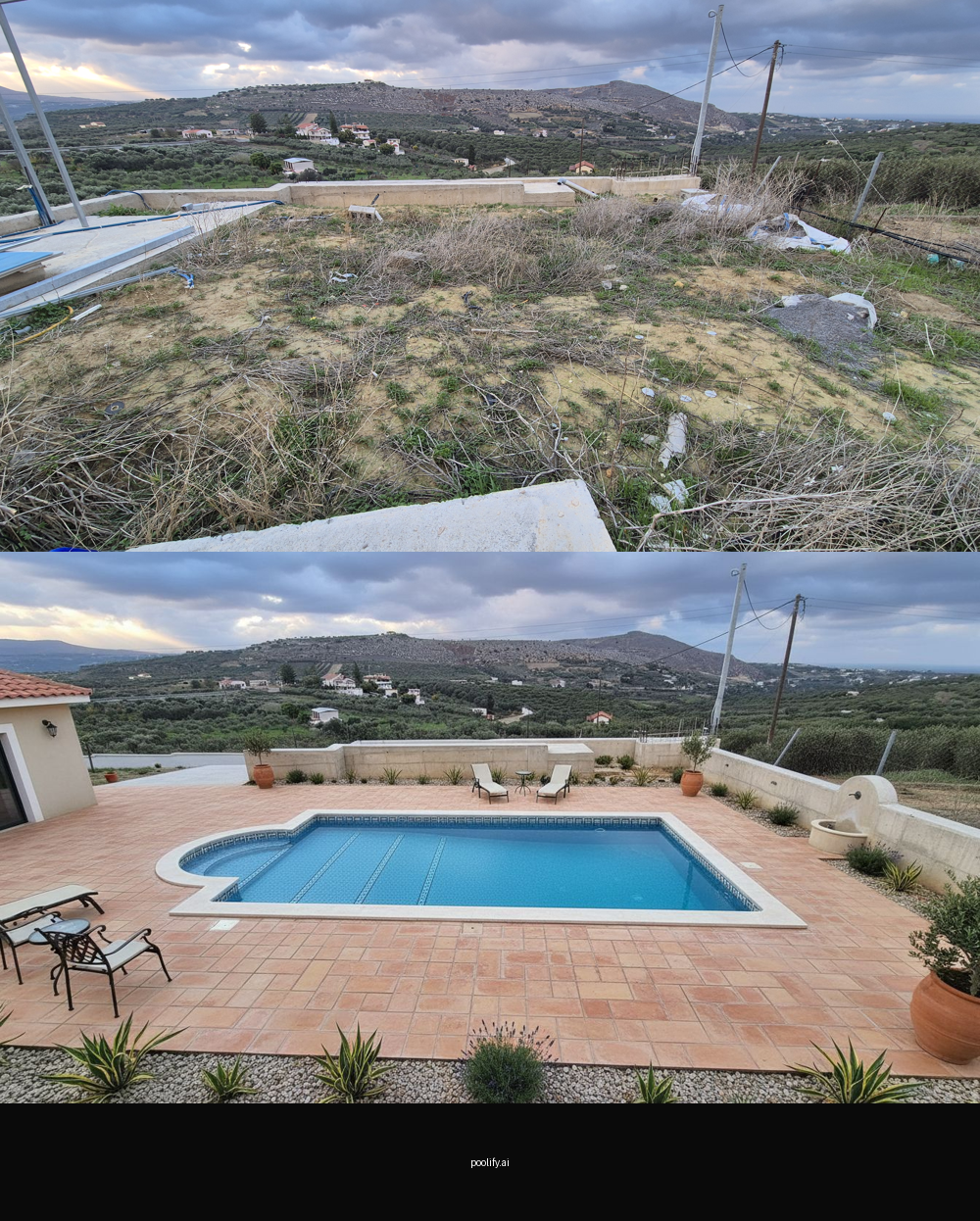
Where summers are hot and humid, comfort around the pool matters as much as the pool itself. Shade, air movement, surface temperature and evening use determine how often the space is actually occupied.
This guide covers the layout decisions that make a pool comfortable in a demanding summer climate.
Design for the Hours You Will Actually Use It
In a hot climate the usable hours cluster at the ends of the day. A layout optimised for midday sun can be largely unused, while one designed around morning and evening gets occupied constantly.
Identify before fixing the layout
- When the yard is comfortable in summer
- Which areas are shaded at those times
- Where the household naturally gathers
- Whether evening use is likely
- How the space is reached from indoors
Observing this over a few days is more reliable than reasoning about orientation from a plan.
Shade Structures Worth Planning For
Shade needs to be part of the layout rather than furniture placed on it. A structure sized and positioned during design will be used; an umbrella added later usually will not be enough.
Options to consider early
- A pergola over the main seating area
- Fixed shade over a shallow zone
- Shade trees positioned deliberately
- A covered link from the house
- Screening that also shades
Where the shade falls at four in the afternoon matters more than how the structure looks at noon.
Let Air Move Through the Space
Air movement makes a substantial difference to comfort in humid conditions. Layouts that enclose the pool on all sides can trap still air, while ones that leave a path open feel noticeably better.
Support air movement
- Keep at least one side open
- Avoid solid barriers on the windward side
- Use planting that filters rather than blocks
- Position seating where air moves
- Consider fans in covered areas
This is easy to design in and difficult to add once boundaries and structures are built.
Decking Materials and Surface Temperature
Surface temperature determines whether the deck can be crossed barefoot in the afternoon. It varies substantially with material and colour, and it is worth testing physically.
Test and ask about
- Temperature of samples in direct sun
- How colour choice affects it
- Slip resistance when wet
- Durability in humidity
- Maintenance each option needs
A minute standing on a sample in full sun is a better test than any product claim.
Plan for Insects and Evenings
Evening use in a humid climate is affected by insects and lighting. Both are more effective when planned into the design than when addressed reactively.
Worth planning
- Lighting placement and intensity
- Whether covered seating is screened
- Avoiding standing water in the design
- Planting choices near seating
- Where people will gather after dark
The aim is a space people choose to stay in during the pleasant hours rather than retreat from.
Keep Maintenance Realistic
Heat, humidity and heavy seasonal use all increase maintenance demand. Design complexity multiplies that, so it is worth being honest about how much upkeep the household will sustain.
Complexity that adds upkeep
- Multiple separate water features
- Large amounts of planting near the water
- Intricate shapes and edges
- Extensive lighting systems
- Numerous different surface materials
A simpler design that stays well maintained is more enjoyable than an elaborate one that does not.
See Your Dream Pool in Your Actual Backyard
Upload a photo and get an AI-designed pool visualization in 10 seconds. 3 free designs, no login required.
Try Poolify Free →Design around the hours you will actually use, build shade into the layout, keep air moving, and test decking temperature before choosing it.
