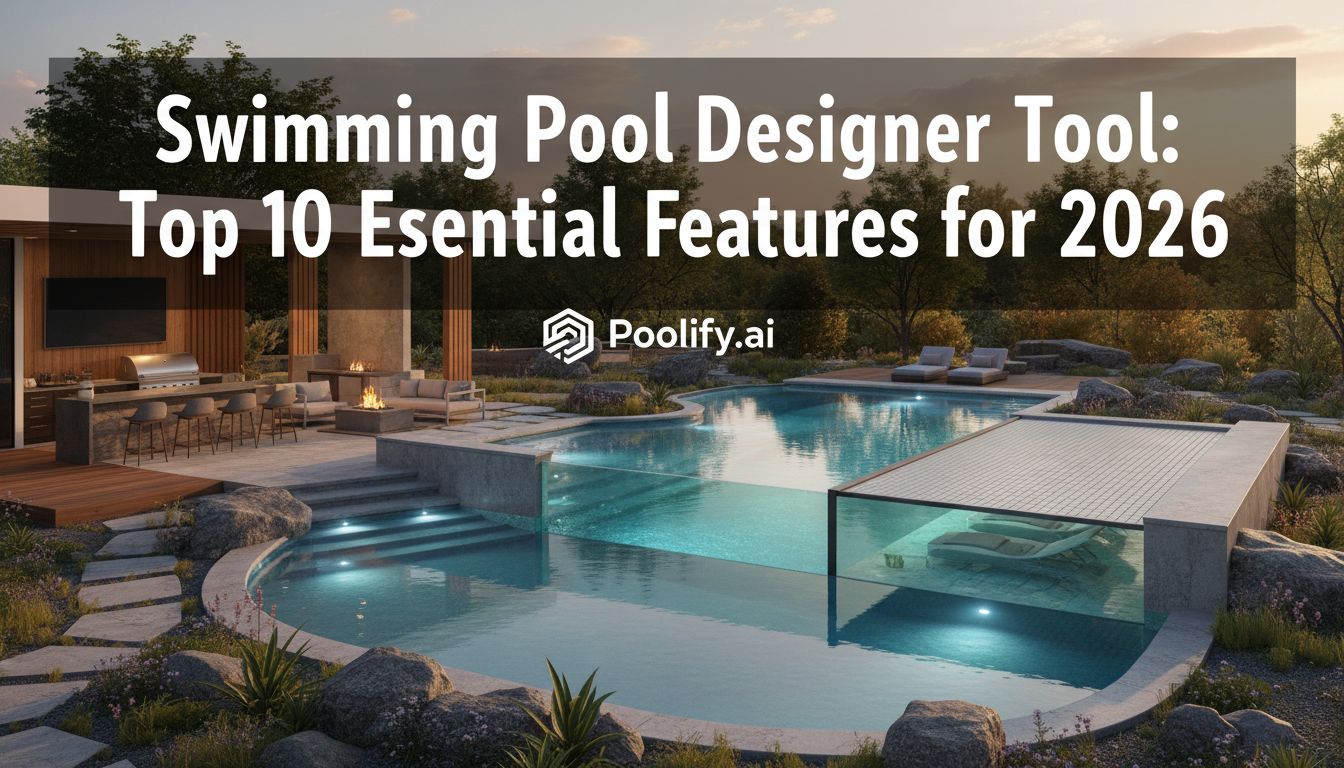
Introduction to Swimming Pool Designer Tools
Planning your dream swimming pool has never been easier thanks to modern technology. A swimming pool designer tool empowers homeowners, contractors, and landscape architects to visualize, customize, and perfect pool designs before breaking ground. In 2026, these digital platforms have evolved beyond simple sketching programs into sophisticated visualization systems that incorporate augmented reality, real-time cost estimation, and environmental impact analysis. Whether you’re considering an infinity edge masterpiece or a family-friendly recreational pool, understanding how to leverage these tools can save thousands of dollars and prevent costly design mistakes.
The right swimming pool designer tool transforms abstract ideas into concrete plans. These platforms allow you to experiment with different shapes, depths, materials, and features while seeing immediate visual feedback. You can test various tile patterns, water features, lighting configurations, and surrounding landscape elements without committing to expensive physical mockups. This technology democratizes professional-grade design capabilities, making them accessible to anyone with a vision for their backyard oasis.
What Makes a Swimming Pool Designer Tool Essential in 2026
The pool design industry has undergone a digital transformation. Traditional hand-drawn sketches and static blueprints have given way to interactive 3D modeling that provides unprecedented clarity and precision. Modern swimming pool designer tools integrate multiple functions that previously required separate software packages or professional consultants. These unified platforms streamline the entire design process from initial concept through final construction documentation.
According to the U.S. Census Bureau’s construction data, residential pool installations have increased significantly, with homeowners investing more in outdoor living spaces. This trend has driven demand for accessible design tools that help visualize return on investment. Today’s platforms incorporate budget tracking, material cost databases, and energy efficiency calculators that align with 2026 building standards and environmental regulations.
The competitive landscape has pushed software developers to create increasingly user-friendly interfaces. You no longer need architectural training or CAD expertise to generate professional-quality pool designs. Intuitive drag-and-drop functionality, pre-built templates, and guided design wizards make these tools approachable for first-time users while maintaining the depth and customization options that professionals demand.
The Technology Behind Modern Pool Design Software
Contemporary swimming pool designer tools leverage cloud computing, artificial intelligence, and advanced rendering engines. Cloud-based platforms enable real-time collaboration between homeowners, designers, and contractors, with all stakeholders accessing the same updated design files. AI-powered suggestion engines analyze your property dimensions, local climate data, and design preferences to recommend optimal pool configurations that maximize space utilization and aesthetic appeal.
Photorealistic rendering technology has reached new heights in 2026. These tools can generate images virtually indistinguishable from photographs, showing exactly how your completed pool will look at different times of day, in various weather conditions, and across seasons. Some advanced platforms even simulate water movement, lighting effects, and reflections with stunning accuracy.
Top 10 Essential Features of a Swimming Pool Designer Tool
1. 3D Visualization and Virtual Reality Integration
The cornerstone of any quality swimming pool designer tool is robust three-dimensional visualization. This feature allows you to view your design from any angle, walk around the virtual space, and experience the pool as if it already exists. Virtual reality compatibility takes this further by immersing you in the design using VR headsets, providing an authentic sense of scale and spatial relationships that flat screens cannot convey.
Advanced visualization includes realistic water simulation showing wave patterns, surface reflections, and depth perception. You can preview how sunlight interacts with your pool throughout the day, helping you optimize positioning for maximum sun exposure or strategic shade placement. This capability eliminates guesswork and builds confidence in your design decisions before construction begins.
2. Customizable Shape and Size Templates
Flexibility in pool dimensions and configurations is essential. Quality designer tools offer extensive libraries of pre-designed shapes including rectangles, kidneys, freeform designs, geometric patterns, and naturalistic lagoon styles. These templates serve as starting points that you can modify to fit your specific property constraints and aesthetic preferences.
The best platforms allow custom shape creation using intuitive drawing tools. You can trace property boundaries, work around existing structures like patios or gardens, and design pools that complement your home’s architecture. Parametric design features automatically adjust dimensions while maintaining proportional relationships, ensuring your custom shapes remain structurally sound and visually balanced.
3. Material and Finish Selection Libraries
Surface materials dramatically impact both appearance and maintenance requirements. Comprehensive swimming pool designer tools include extensive catalogs of finishes including plaster, aggregate, tile, fiberglass, and vinyl options. Each material appears in the 3D visualization with accurate texture, color, and reflective properties, helping you understand exactly how your selections will look in the finished product.
These libraries typically feature products from major manufacturers with current pricing information. You can compare premium glass tile against standard ceramic, evaluate pebble finishes in various colors, and see how different coping materials coordinate with your chosen pool surface. This visual comparison prevents costly material regrets and ensures cohesive design aesthetics.
4. Integrated Cost Estimation Tools
Budget management is critical for pool projects. Advanced designer tools include real-time cost calculators that update automatically as you modify your design. These systems draw from current material pricing databases, regional labor rates, and equipment costs to provide accurate project estimates. You can instantly see how adding a waterfall or upgrading to premium tile affects your total investment.
Detailed cost breakdowns separate excavation, plumbing, electrical, decking, and finishing expenses. This transparency helps identify areas where you might reduce costs without compromising essential features. Some platforms offer value engineering suggestions, recommending alternative materials or configurations that achieve similar aesthetic results at lower price points.
5. Landscape and Hardscape Integration
Your pool exists within a broader landscape context. Quality designer tools allow you to incorporate surrounding elements including decking, patios, outdoor kitchens, fire features, and plantings. This holistic approach ensures your pool design harmonizes with existing or planned landscape features, creating a unified outdoor living environment.
Plant libraries with species-specific growth characteristics help you visualize mature landscaping around your pool. You can test different deck materials, experiment with furniture arrangements, and plan lighting schemes that enhance evening ambiance. Integration with landscape design ensures proper drainage planning, prevents root system conflicts with pool infrastructure, and optimizes traffic flow patterns.
6. Equipment and Feature Placement Tools
Technical components require careful positioning for optimal performance and aesthetics. Swimming pool designer tools should include equipment libraries featuring pumps, filters, heaters, sanitization systems, and automation controls. You can place these components in your design, ensuring adequate access for maintenance while concealing them from primary viewing areas.
Water feature placement tools help you position fountains, waterfalls, bubblers, deck jets, and spillways. The software calculates hydraulic requirements and suggests appropriate pump sizes based on your selected features. Lighting design modules allow precise placement of underwater lights, perimeter lighting, and landscape illumination with preview rendering showing nighttime effects.
7. Compliance and Safety Features
Building codes and safety regulations vary by jurisdiction but remain non-negotiable. Professional-grade designer tools incorporate code compliance checking that flags potential violations related to setbacks, barrier requirements, depth markings, and drainage specifications. This proactive identification prevents costly redesigns during the permitting process.
Safety feature libraries include compliant fencing options, gate systems, pool covers, and alarm placements. The software can verify that your design meets local requirements for barrier heights, gate self-closing mechanisms, and emergency equipment access. Some platforms update automatically as regulations change, ensuring your design remains current with 2026 safety standards.
8. Climate and Energy Efficiency Analysis
Environmental considerations have become increasingly important in pool design. Modern tools analyze your geographic location and provide climate-specific recommendations for heating systems, covers, and energy-efficient equipment. Solar exposure mapping identifies optimal positioning for passive heating and suggests solar panel configurations for active heating systems.
Energy consumption calculators estimate annual operating costs based on your equipment selections, pool size, and local utility rates. You can compare conventional gas heaters against heat pumps or solar systems, evaluating payback periods for higher-efficiency options. Water conservation features help you design systems that minimize evaporation and optimize filtration cycles, reducing both environmental impact and operating expenses.
9. Collaboration and Sharing Capabilities
Pool design is rarely a solo endeavor. Cloud-based platforms enable seamless collaboration between family members, designers, and contractors. You can share design links, grant editing permissions to specific collaborators, and track revision histories showing how the design evolved. Comment functions allow stakeholders to provide feedback directly on the 3D model, eliminating communication ambiguities.
Export capabilities should include multiple formats for different purposes. High-resolution images work well for presentations and social media sharing. PDF documentation packages compile dimensioned plans, material specifications, and equipment schedules for contractor bidding. Some platforms generate augmented reality files that let you view the design overlaid on your actual property using smartphone cameras.
10. Mobile Accessibility and Cross-Platform Support
Design inspiration strikes at unexpected moments. Mobile-optimized swimming pool designer tools let you work on your project from smartphones and tablets, not just desktop computers. Responsive interfaces adapt to smaller screens while maintaining full functionality, allowing you to make quick adjustments or show designs to friends and family wherever you are.
Cross-platform synchronization ensures your project remains accessible across all devices. Changes made on your tablet automatically update in the desktop version and vice versa. Offline capabilities allow continued work without internet connectivity, with automatic synchronization when connection resumes. This flexibility accommodates modern workflows and busy schedules.
How to Choose the Right Swimming Pool Designer Tool
Selecting appropriate design software depends on your specific needs, technical comfort level, and project complexity. Begin by assessing whether you need a simple visualization tool for personal planning or a comprehensive platform capable of generating construction-ready documentation. Homeowners planning straightforward rectangular pools may find basic free tools sufficient, while complex custom designs benefit from professional-grade software.
Consider the learning curve associated with different platforms. Some tools prioritize ease of use with simplified interfaces and limited options, making them accessible to complete beginners but potentially restrictive for advanced users. Professional software offers extensive capabilities but requires time investment to master. Many platforms offer free trials, allowing you to test functionality before committing to paid subscriptions.
Evaluate the quality and breadth of included content libraries. Extensive material catalogs, equipment databases, and feature options provide more design flexibility. Check whether the software includes products from manufacturers you prefer or allows importing custom elements. For those interested in comprehensive outdoor design, explore our guide on backyard pool landscaping ideas to complement your pool design planning.
Free vs. Paid Designer Tools
The market offers both free and subscription-based swimming pool designer tools. Free platforms typically provide basic 2D planning with limited 3D visualization, smaller material libraries, and watermarked exports. These work well for preliminary concept development and rough budgeting but may lack the precision and professional presentation quality needed for contractor communication or permitting.
Paid platforms justify their cost through advanced features, regular updates, technical support, and commercial-use licensing. Subscription models typically range from basic tiers suitable for homeowners to professional packages with unlimited projects, high-resolution exports, and priority support. Some companies offer one-time purchase options, though cloud-based subscription models have become industry standard due to their continuous improvement and cross-device accessibility.
Integration with Professional Services
Many swimming pool designer tools connect with professional design and construction services. Some software companies maintain networks of certified pool builders who can interpret designs created in their platforms and provide accurate installation quotes. This integration streamlines the transition from digital design to physical construction, reducing miscommunication and ensuring your vision translates accurately to the finished product.
Certain platforms offer hybrid services where you create an initial design, then professional designers refine it for a fee. This approach combines the cost savings of DIY design with the expertise of professionals who ensure structural feasibility, code compliance, and construction optimization. For comprehensive maintenance planning after installation, check out our pool maintenance schedule resources.
Common Mistakes to Avoid When Using Pool Design Software
Even powerful design tools cannot compensate for fundamental planning oversights. One frequent mistake involves neglecting accurate property measurements. Designing a stunning pool that doesn’t fit your actual yard dimensions wastes time and creates frustration. Always begin with precise site measurements including property boundaries, existing structures, utility locations, and elevation changes. Many tools allow importing surveyor documents or property plans as underlays to ensure dimensional accuracy.
Another common error is ignoring sun exposure and prevailing wind patterns. A pool positioned without considering these factors may remain uncomfortably cold, suffer excessive debris accumulation, or create glare problems during peak usage times. Quality designer tools include sun path simulation features that show how shadows move across your property throughout the day and across seasons. Use these capabilities to optimize pool orientation for maximum comfort and usability.
Underestimating the importance of circulation space around the pool leads to cramped, unsafe designs. Building codes typically require minimum distances between pool edges and property lines, but functional design demands additional space for lounging, entertaining, and safe movement. Leave adequate room for deck furniture, walkways, and equipment access. Your 3D visualization should include these elements at actual scale to verify sufficient space allocation.
Overlooking Long-Term Maintenance Considerations
Aesthetic appeal often overshadows practical maintenance requirements during the design phase. Complex shapes with tight curves and multiple angles look impressive but create cleaning challenges and dead spots where debris accumulates. Intricate tile patterns require more grouting and present greater long-term maintenance. Consider how your design choices affect routine cleaning, chemical distribution, and equipment servicing before finalizing plans.
Material selections should balance appearance with durability and maintenance requirements. Light-colored plaster shows stains more readily than darker finishes. Certain tile types require more frequent cleaning to prevent calcium buildup. Natural stone coping may need regular sealing. Research maintenance implications of your material choices and factor ongoing care requirements into your decision-making process.
Maximizing Your Swimming Pool Designer Tool Experience
Approach your design project systematically rather than randomly experimenting with features. Start by establishing clear priorities and must-have elements. Create a list of essential features like specific dimensions, depths, or equipment requirements that are non-negotiable. Identify nice-to-have additions that enhance the design but could be eliminated if budget constraints require. This prioritization framework guides decision-making throughout the design process.
Take advantage of tutorial resources and learning materials provided by software developers. Most platforms offer video walkthroughs, documentation libraries, and example projects demonstrating proper tool usage. Investing time in these educational resources accelerates your proficiency and helps you discover powerful features you might otherwise overlook. Many companies maintain user communities where experienced designers share tips, templates, and troubleshooting advice.
Save multiple design iterations rather than continuously modifying a single file. Creating version snapshots at key decision points allows you to explore alternative directions without losing previous work. You might design three variations featuring different shapes, then compare them side-by-side to evaluate which best suits your property and preferences. This iterative approach often reveals superior solutions that wouldn’t emerge from linear design progression.
Gathering Inspiration and Reference Materials
Before diving into software, compile inspiration images showing pools, features, and styles you find appealing. Create a digital folder or mood board with examples of shapes, materials, water features, and landscaping that resonate with your aesthetic preferences. These references provide clear direction when making design decisions and help communicate your vision to collaborators or contractors.
Study pools in your neighborhood or similar climate zones. Pay attention to which designs have aged well, which materials show wear, and how different features are actually used by owners. This real-world research informs practical decisions that software alone cannot address. Talk to pool owners about their experiences, asking what they love about their pools and what they would change if rebuilding.
The Future of Swimming Pool Design Technology
Artificial intelligence integration will continue expanding in swimming pool designer tools throughout 2026 and beyond. Machine learning algorithms will analyze thousands of successful pool installations to suggest optimal designs based on your specific property characteristics, climate, budget, and stated preferences. These AI assistants will identify potential problems early, recommend solutions, and even predict long-term satisfaction based on how similar homeowners rate their completed pools.
Augmented reality capabilities are becoming more sophisticated and accessible. Future tools will leverage smartphone cameras to overlay full-scale pool designs directly onto your yard in real-time. You’ll walk around your property seeing exactly where the pool edge falls, how deep the water appears, and how surrounding features integrate with existing structures. This technology bridges the gap between abstract digital models and physical reality, building confidence in design decisions.
Sustainability features will gain prominence as environmental consciousness and energy costs drive demand for efficient designs. Future software will automatically calculate carbon footprints, recommend renewable energy systems, and suggest native plantings that reduce water consumption. Integration with smart home systems will enable pools to optimize heating and filtration schedules based on weather forecasts, usage patterns, and utility rate fluctuations.
Frequently Asked Questions
Do I need professional design experience to use a swimming pool designer tool?
No professional experience is necessary for most consumer-oriented swimming pool designer tools. Modern platforms are specifically developed for homeowners with no technical background. Intuitive interfaces, guided wizards, and pre-built templates make it easy to create attractive, functional designs. However, professional-grade software with advanced features may require more learning investment. Start with beginner-friendly options and progress to more sophisticated tools as your skills develop.
How accurate are the cost estimates provided by pool design software?
Cost estimates from swimming pool designer tools provide useful ballpark figures but should not replace formal contractor quotes. Software calculations are based on average material costs and regional labor rates, which vary significantly by location and market conditions. Accuracy improves when tools access current pricing databases and account for your specific geographic area. Use software estimates for preliminary budgeting and design comparison, then obtain detailed quotes from licensed contractors for accurate project costs.
Can I use my pool design to get construction bids from contractors?
Yes, designs created with quality swimming pool designer tools can serve as the basis for contractor bidding. Export detailed plans including dimensions, material specifications, and equipment lists. Professional contractors can interpret these documents and provide accurate installation quotes. Some contractors prefer working from software designs because they clearly communicate client expectations and reduce misunderstandings. However, contractors may suggest modifications based on site conditions, code requirements, or construction best practices that weren’t apparent in the digital design.
What’s the difference between 2D and 3D pool design tools?
Two-dimensional tools create overhead blueprint-style views showing pool shape, dimensions, and feature locations. These are useful for spatial planning and basic layout but don’t convey how the finished pool will actually look. Three-dimensional tools generate realistic visualizations from any viewing angle, showing depth, materials, water appearance, and surrounding context. 3D tools provide much better understanding of the final result and help identify design issues that aren’t obvious in flat plans. Most modern platforms offer both 2D planning views and 3D visualization.
How long does it typically take to create a pool design using these tools?
Design time varies based on project complexity and your familiarity with the software. Simple rectangular pools with standard features might take just a few hours to design, including material selection and basic landscaping. Complex custom shapes with multiple water features, detailed hardscaping, and extensive equipment specifications could require several days of work. Plan to spend additional time experimenting with alternatives, refining details, and gathering feedback from family members or professionals. The iterative design process is valuable and shouldn’t be rushed, as thorough planning prevents expensive construction changes.
Key Takeaways
- Modern swimming pool designer tools democratize professional-grade design capabilities, making sophisticated visualization and planning accessible to homeowners without technical expertise or architectural training.
- Essential features include 3D visualization, customizable templates, material libraries, cost estimation, and compliance checking that together provide comprehensive design and planning capabilities from concept through construction documentation.
- Choosing the right tool depends on project complexity, technical comfort level, and budget, with options ranging from free basic platforms to professional subscription services offering advanced features and support.
- Avoid common mistakes including inaccurate measurements, ignoring sun exposure, insufficient circulation space, and overlooking long-term maintenance implications that can compromise functionality and increase ownership costs.
- Future developments in AI integration, augmented reality, and sustainability features will continue making pool design more intuitive, accurate, and environmentally responsible throughout 2026 and beyond.
See Your Dream Pool in Your Actual Backyard
Upload a photo and get an AI-designed pool visualization in 10 seconds. 3 free designs, no login required.
Try Poolify Free →Conclusion
A swimming pool designer tool represents an invaluable resource for anyone planning a pool project in 2026. These sophisticated yet accessible platforms transform abstract ideas into concrete visual plans, enabling confident decision-making before committing to expensive construction. By leveraging 3D visualization, comprehensive material libraries, real-time cost estimation, and collaborative features, you can design a pool that perfectly balances aesthetic appeal, functional requirements, and budget constraints.
The key to success lies in selecting appropriate software for your needs, investing time to learn its capabilities, and approaching design systematically with clear priorities. Avoid common pitfalls by ensuring accurate measurements, considering long-term maintenance, and consulting with professionals when appropriate. As technology continues advancing, these tools will become even more powerful and intuitive, further simplifying the path from initial inspiration to completed backyard oasis.
Whether you’re a homeowner embarking on your first pool project or a professional designer seeking efficient workflow tools, swimming pool designer software provides the visualization, planning, and communication capabilities essential for successful outcomes. Take advantage of free trials to explore different platforms, gather inspiration from existing pools, and embrace the iterative design process that leads to truly exceptional results. Your dream pool awaits, and the right designer tool is your first step toward making it reality. For additional guidance on keeping your pool in pristine condition once installed, explore our comprehensive pool cleaning tips to ensure years of enjoyment.
References
- U.S. Census Bureau – Construction Characteristics: https://www.census.gov/construction/chars/index.html
- Centers for Disease Control and Prevention – Healthy Swimming: https://www.cdc.gov/healthywater/swimming/
