Introduction: Finding the Best Pool Type for Backyard Spaces
Selecting the best pool type for backyard installation represents one of the most significant investments homeowners make in their property. With pool installation costs ranging from $10,000 to over $100,000 in 2026, understanding your options is essential before breaking ground. Whether you’re dreaming of leisurely summer afternoons or seeking to increase your property value, the right pool choice depends on your budget, available space, maintenance preferences, and long-term goals.
The pool industry has evolved dramatically, offering homeowners more choices than ever before. From traditional in-ground concrete pools to innovative plunge pools and natural swimming ponds, each option presents unique advantages and considerations. This comprehensive guide examines ten pool types to help you make an informed decision that aligns with your lifestyle, budget, and backyard dimensions.
Understanding Your Backyard Pool Options
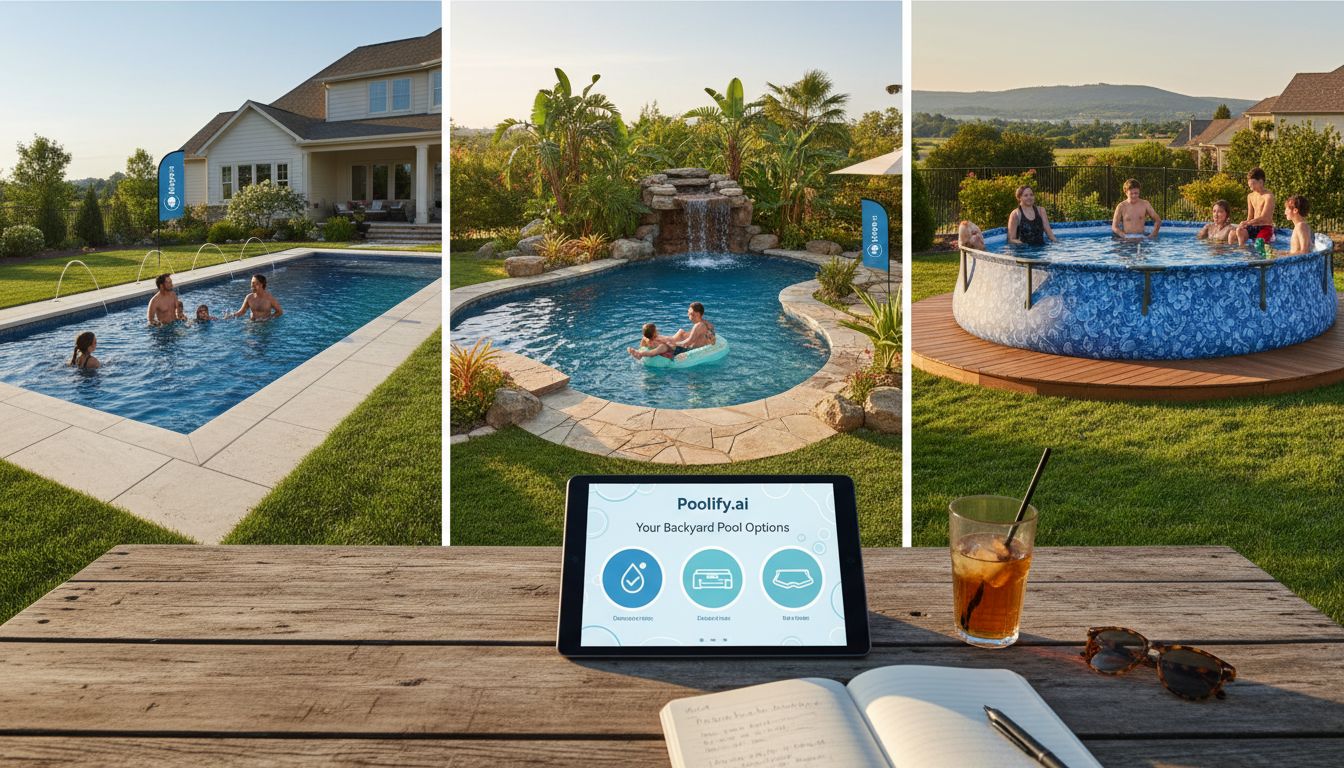
Before diving into specific pool types, it’s important to understand the fundamental categories that define modern backyard pools. The best pool type for backyard installation depends on several factors including construction method, materials, size requirements, and intended use. Pools generally fall into three main categories: in-ground, above-ground, and semi-inground options.
In-ground pools offer permanence and typically provide the highest return on investment, while above-ground pools deliver affordability and flexibility. Semi-inground pools bridge the gap, offering aesthetic appeal at moderate costs. Beyond these basic categories, material choices—concrete, fiberglass, vinyl, or natural systems—further differentiate your options and impact long-term maintenance requirements.
Key Factors in Pool Selection
When evaluating the best pool type for backyard installation, consider these critical factors. First, assess your available space and how the pool will integrate with existing landscaping. Second, establish a realistic budget that includes not just installation but ongoing maintenance, utilities, and potential repairs. Third, consider your climate and how weather patterns affect different pool materials and systems.
Finally, think about your intended use. Will this be a lap pool for exercise, a family recreation area, or an aesthetic water feature? According to the CDC’s residential pool guidelines, safety considerations should also factor prominently into your decision, especially for households with children.
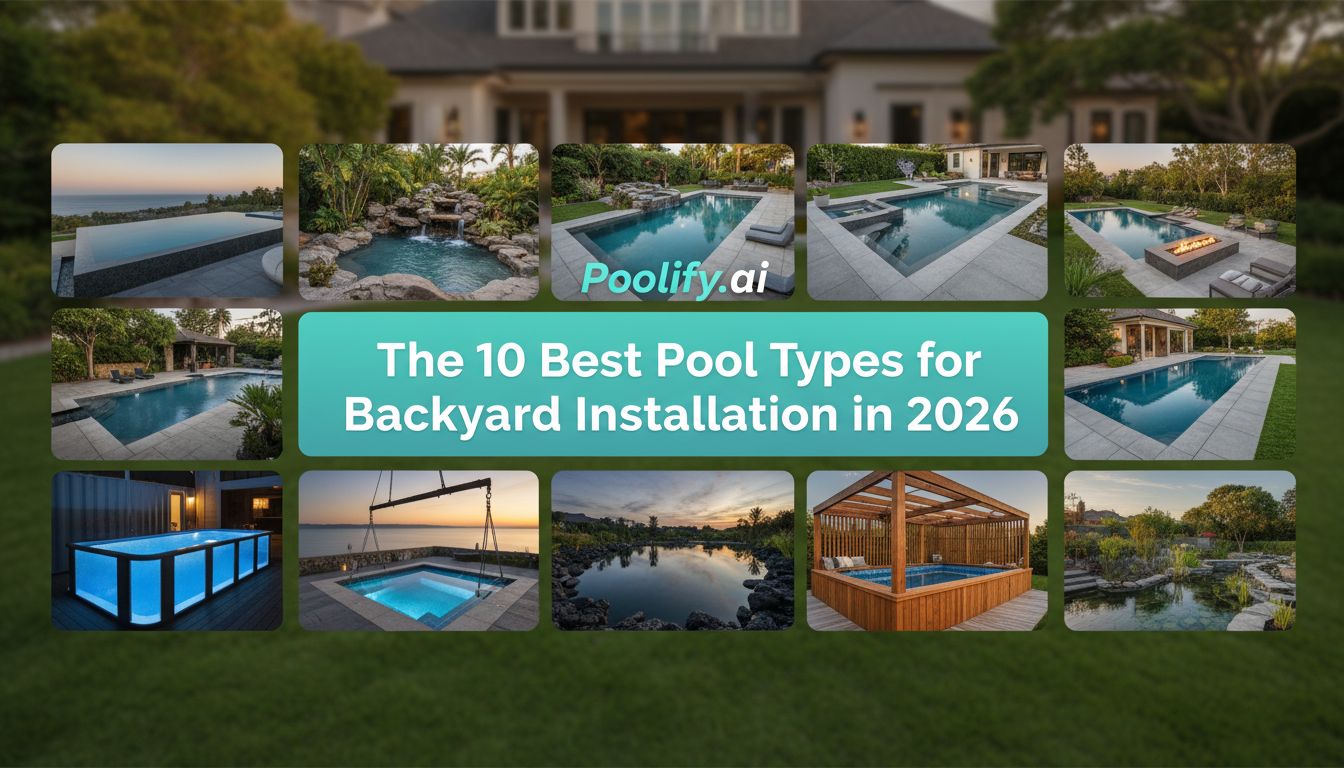
The 10 Best Pool Types for Backyard Installation in 2026
1. Concrete (Gunite or Shotcrete) Pools
Concrete pools remain the gold standard for customization and durability. These pools are constructed by spraying concrete over a rebar framework, allowing virtually unlimited shape and size options. Gunite pools represent the best pool type for backyard spaces where unique designs, custom depths, or integrated features like tanning ledges and swim-up bars are desired.
Installation typically takes 8-12 weeks with costs ranging from $50,000 to $100,000 or more depending on size and features. Concrete pools require resurfacing every 10-15 years and demand consistent chemical maintenance due to their porous surface. However, their longevity often exceeds 50 years with proper care, making them excellent long-term investments for permanent residences.
2. Fiberglass Pools
Fiberglass pools have surged in popularity due to their quick installation and low maintenance requirements. These one-piece shells arrive pre-manufactured and can be installed in as little as 3-5 days. The non-porous gel-coat surface resists algae growth better than concrete, reducing chemical usage by approximately 50% compared to traditional pools.
While shape options are limited to manufacturer molds, fiberglass represents the best pool type for backyard installations prioritizing speed and minimal maintenance. Costs range from $45,000 to $85,000 installed. The smooth surface feels pleasant underfoot and eliminates concerns about rough concrete abrading skin. Modern fiberglass pools come in sizes up to 16×40 feet, accommodating most residential needs.
3. Vinyl Liner Pools
Vinyl liner pools offer the most budget-friendly in-ground option, with installation costs between $35,000 and $65,000. These pools feature walls constructed from steel, aluminum, or polymer panels with a custom-fitted vinyl liner creating the waterproof barrier. The smooth vinyl surface provides comfortable swimming and comes in numerous patterns and colors.
The primary consideration with vinyl pools involves liner replacement every 7-10 years at $4,000-$6,000 per replacement. However, for homeowners seeking the best pool type for backyard use on a moderate budget, vinyl pools deliver in-ground aesthetics without concrete’s premium price. They’re particularly suitable for regions with stable soil conditions and moderate climates.
4. Above-Ground Pools
Above-ground pools provide the most accessible entry point to pool ownership, with complete packages starting around $3,000 for basic models and ranging to $15,000 for premium versions. Modern above-ground pools have evolved far beyond the simple circular designs of previous decades, now offering oval shapes, resin construction, and attractive finishes that complement backyard aesthetics.
These pools excel as temporary or starter options and work particularly well for renters or those uncertain about long-term pool ownership. Installation typically takes 1-3 days, and the pools can be disassembled and relocated if needed. While they don’t add property value like in-ground options, above-ground pools represent the best pool type for backyard situations with budget constraints or temporary housing arrangements.
5. Plunge Pools
Plunge pools have emerged as the premier solution for compact urban yards and modern minimalist designs. These small pools, typically 8-12 feet in length, prioritize cooling off and relaxation over swimming laps. Despite their compact footprint, plunge pools deliver full in-ground construction quality and can include heating, jets, and lighting systems.
Installation costs range from $20,000 to $35,000, making plunge pools the best pool type for backyard spaces under 500 square feet. They consume less water, require fewer chemicals, and cost less to heat than full-sized pools. Many homeowners pair plunge pools with adjacent spa features or integrate them into comprehensive outdoor living spaces with fire features and seating areas.
6. Lap Pools
Lap pools cater specifically to fitness enthusiasts, featuring long, narrow designs optimized for swimming exercise. Standard dimensions run 8-10 feet wide by 40-50 feet long, though shorter versions with swim jets allow effective swimming in just 12-15 feet. These pools maximize swimming space while minimizing yard footprint and water volume.
Costs typically range from $40,000 to $70,000 depending on length and features. Lap pools represent the best pool type for backyard fitness applications, offering year-round exercise opportunities when paired with heating systems. The narrow design also suits side yards and other challenging spaces where traditional pool shapes won’t fit. For serious swimmers, the focused design eliminates wasted space devoted to shallow areas.
7. Natural Swimming Pools
Natural swimming pools use biological filtration through plants and beneficial bacteria rather than traditional chemical systems. These eco-friendly pools feature two zones: a swimming area and a regeneration zone containing aquatic plants that filter and purify the water. The result is a chemical-free swimming experience that resembles a pristine natural pond.
Installation costs run $50,000 to $100,000, reflecting the complexity of creating balanced ecosystems. Natural pools represent the best pool type for backyard environments prioritizing sustainability and wildlife integration. They require different maintenance approaches, focusing on ecosystem balance rather than chemical adjustment. The aesthetic appeal of natural pools creates stunning backyard focal points that blend seamlessly with landscaping.
8. Cocktail Pools
Cocktail pools, also called spools (spa-pools), combine features of hot tubs and small pools in compact 10-16 foot designs. These versatile water features accommodate both cooling off in summer and heated relaxation in cooler months. Built using the same construction methods as full-sized pools, cocktail pools offer in-ground quality in space-efficient packages.
With costs between $20,000 and $35,000, cocktail pools provide the best pool type for backyard entertaining spaces where social gathering outweighs lap swimming. They integrate beautifully into outdoor kitchens and living areas, serving as sophisticated water features. Many models include built-in seating, jets, and lighting systems that enhance the entertainment value.
9. Infinity Edge Pools
Infinity edge pools, also called vanishing edge or negative edge pools, create dramatic visual effects by allowing water to flow over one or more edges into a catch basin. This design produces the illusion that the pool extends infinitely, particularly effective on sloped properties with views. The cascading water also creates pleasant ambient sound.
These premium installations cost $65,000 to $150,000 or more, requiring additional pumping systems and careful engineering. Infinity pools represent the best pool type for backyard settings with elevation changes and scenic views. The engineering complexity demands experienced contractors, but the resulting visual impact often becomes the property’s signature feature. Learn more about luxury pool design concepts to maximize your infinity edge investment.
10. Stock Tank Pools
Stock tank pools have gained popularity as ultra-budget alternatives, repurposing galvanized steel livestock watering tanks into backyard pools. These circular tanks, typically 6-8 feet in diameter, cost $500-$1,500 for the tank plus minimal additional equipment. While lacking filtration sophistication, they provide genuine cooling relief and quirky aesthetic appeal.
Installation is remarkably simple, often completed in a single afternoon. Stock tanks work best as temporary or seasonal pools, though some homeowners integrate them permanently with surrounding decking. They represent the best pool type for backyard situations with extreme budget limitations or bohemian design preferences. The industrial aesthetic pairs surprisingly well with modern farmhouse and rustic design themes.
Comparing Costs and Maintenance Requirements
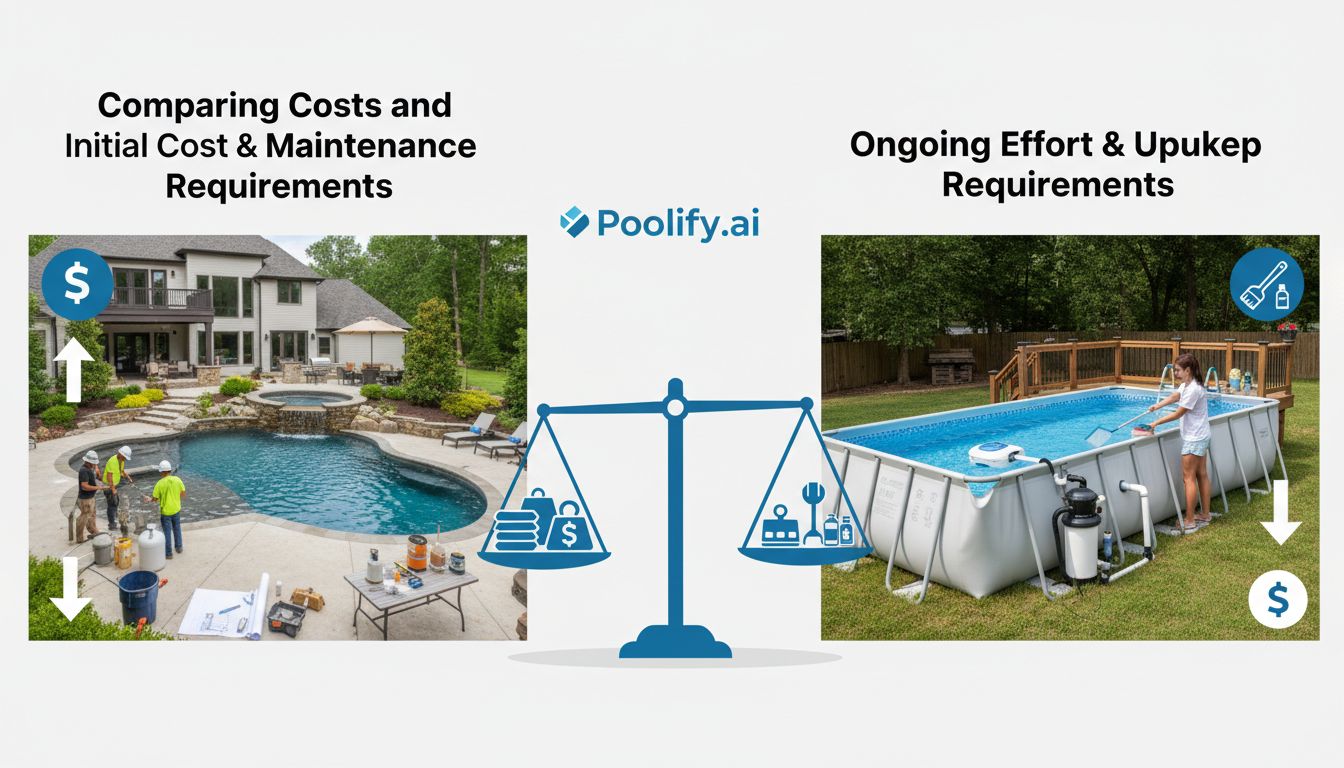
Understanding total ownership costs helps identify the best pool type for backyard budgets. Initial installation represents just the beginning—ongoing expenses for chemicals, utilities, repairs, and eventual resurfacing or replacement significantly impact long-term affordability. A comprehensive cost analysis should project expenses over 10-20 years rather than focusing solely on installation prices.
Concrete pools typically incur the highest maintenance costs due to chemical demands and periodic resurfacing, while fiberglass pools offer the lowest ongoing expenses. Energy costs vary dramatically based on heating choices, with heat pumps offering efficiency advantages over gas heaters. According to Department of Energy guidelines, pool covers can reduce heating costs by 50-70% regardless of pool type.
Annual Maintenance Cost Comparison
Concrete pools average $2,500-$4,000 annually for chemicals, cleaning, utilities, and routine maintenance. Fiberglass pools reduce this to $1,500-$2,500 due to lower chemical requirements and easier cleaning. Vinyl liner pools fall in the middle at $2,000-$3,000 annually, though liner replacement costs must be budgeted every decade.
Above-ground pools offer the lowest operating costs at $500-$1,200 annually, though they lack the longevity of in-ground options. Natural swimming pools eliminate chemical costs but require specialized plant maintenance and ecosystem management. When determining the best pool type for backyard installation, factor these recurring expenses alongside initial construction costs for accurate financial planning. Check out our comprehensive pool maintenance cost breakdown for detailed budget planning.
Space Requirements and Yard Considerations
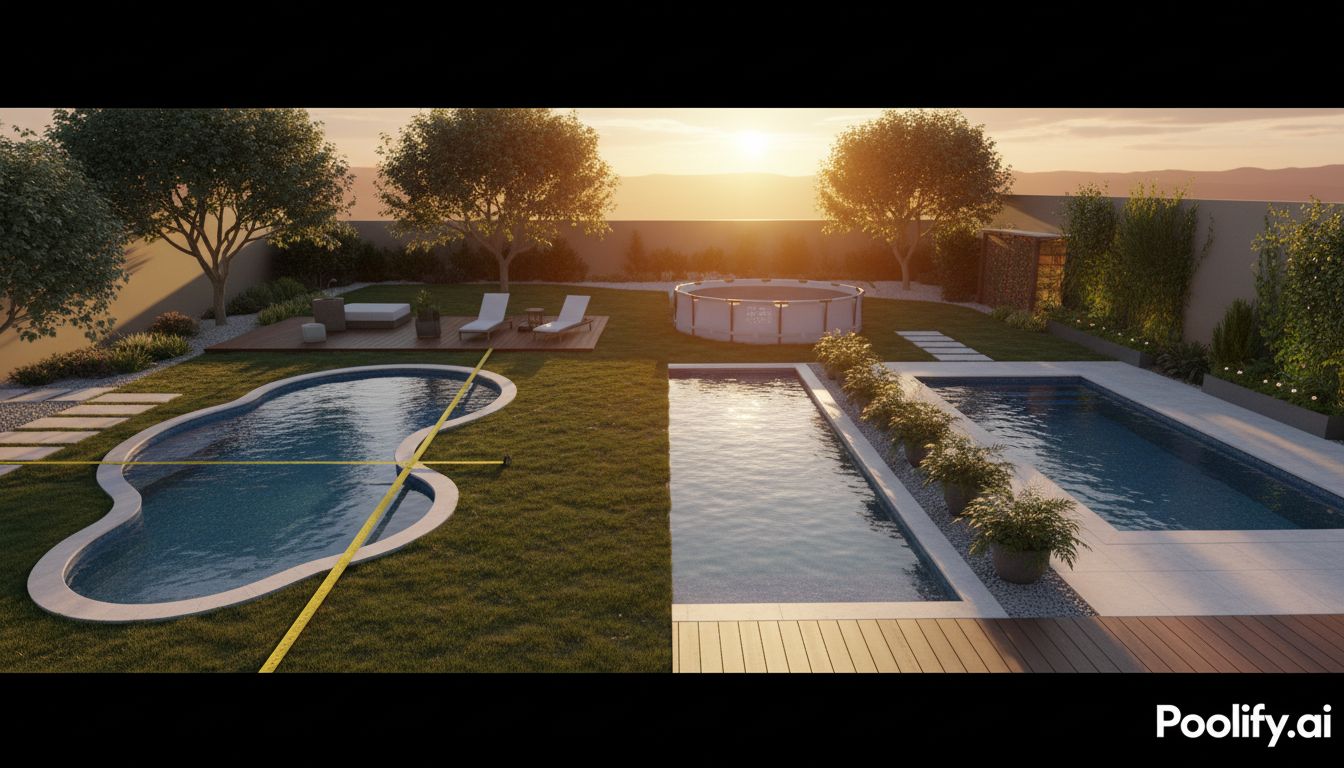
Available space fundamentally determines the best pool type for backyard installation. While a 20×40 foot pool requires at least 1,200 square feet including decking and safety clearances, compact options like plunge pools function beautifully in spaces as small as 200 square feet. Beyond the pool footprint, consider access for construction equipment, setback requirements from property lines, and integration with existing features.
Most municipalities require pools to sit at least 5-10 feet from property boundaries and maintain specific distances from septic systems, utility lines, and structures. Sloped yards present both challenges and opportunities—while excavation becomes more complex, elevation changes enable dramatic infinity edge designs. Soil conditions also matter, with rocky terrain increasing excavation costs while unstable soils may require additional structural support.
Maximizing Small Yards
Small yard owners should focus on plunge pools, cocktail pools, or lap pools as the best pool types for backyard spaces under 1,000 square feet. These compact designs deliver full swimming experiences without overwhelming limited outdoor areas. Vertical design elements like raised walls or water features can add visual interest without consuming precious square footage.
Consider multi-functional designs that serve several purposes—a plunge pool with jets functions for both cooling off and hydrotherapy, while a lap pool’s narrow profile might run along a property line, creating a water feature visible from indoor living spaces. Strategic landscaping and decking choices can make small pools feel more expansive and integrated into the overall yard design.
Climate Impact on Pool Selection
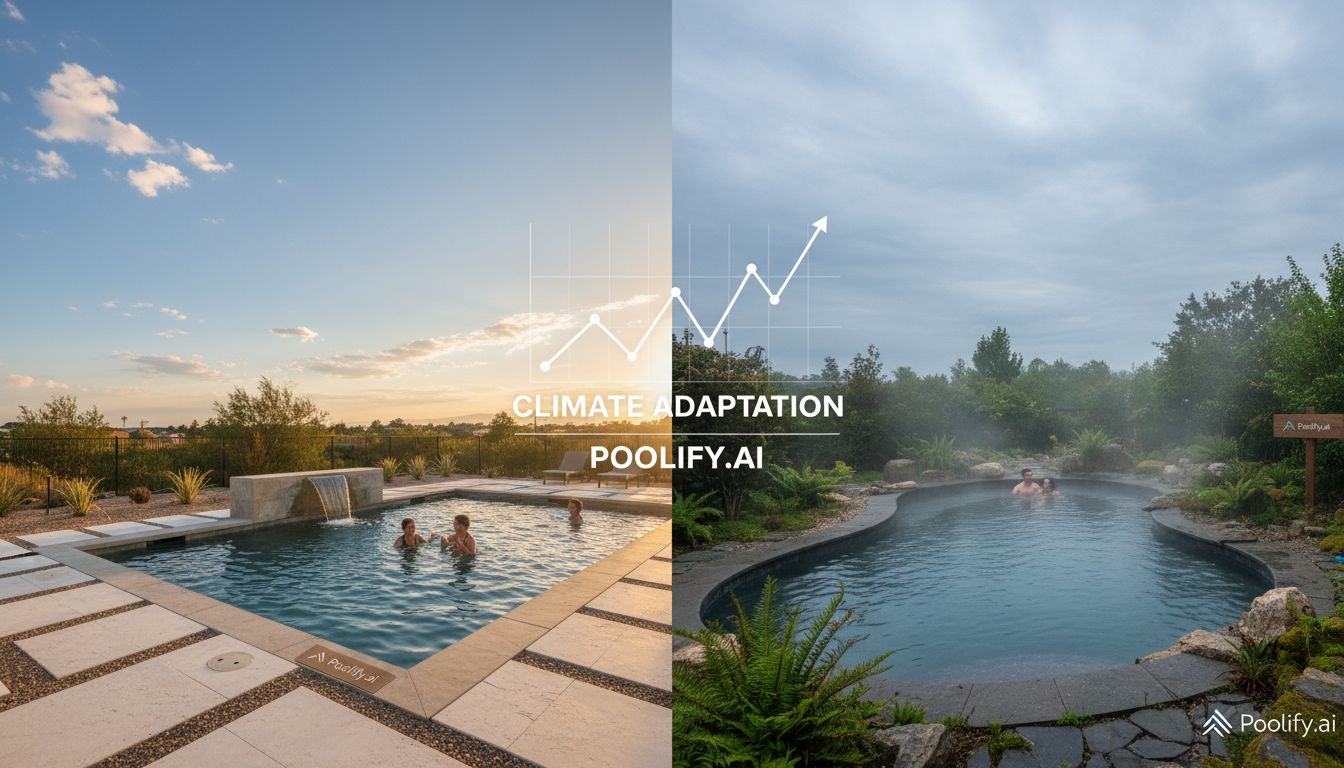
Regional climate significantly influences the best pool type for backyard installation and ongoing usability. In warm climates like the southern United States, pools see year-round use, justifying premium installations with extensive features. Conversely, northern climates with short swimming seasons may favor more modest investments or pools with heating systems that extend usability into shoulder seasons.
Freeze-thaw cycles in cold climates stress pool structures, making fiberglass pools particularly attractive due to their flexibility and resistance to cracking. Concrete pools in freezing climates require proper winterization and may experience surface damage over time. Above-ground pools in northern regions should be disassembled or extremely well-protected during winter months to prevent structural damage from ice formation.
Heating and Season Extension
Pool heating systems dramatically extend swimming seasons, particularly in moderate climates. Heat pumps offer the most efficient heating, operating at 300-600% efficiency by transferring ambient heat into pool water. Gas heaters provide rapid heating but cost more to operate, while solar heating delivers free operation after installation but depends on adequate sun exposure.
For year-round swimming in temperate climates, budget an additional $3,000-$8,000 for heating equipment plus $100-$300 monthly in operating costs during cooler months. When evaluating the best pool type for backyard use in variable climates, factor heating costs into your decision. Smaller pools like plunge pools and cocktail pools cost significantly less to heat, making year-round use more affordable.
Installation Timeline and Process
Installation timelines vary dramatically among pool types, affecting project planning and landscape disruption. Fiberglass pools offer the fastest installation at 3-5 days from excavation to swimming, while concrete pools require 8-12 weeks for complete construction and curing. Understanding these timelines helps homeowners plan around weather windows and seasonal considerations.
The installation process begins with permits and site preparation, followed by excavation and utility connections. In-ground pools require plumbing for filtration systems, electrical work for pumps and lighting, and often gas lines for heaters. The construction phase creates significant yard disruption, with heavy equipment accessing the site and excavated soil requiring removal or redistribution.
Permitting and Regulations
Nearly all permanent pools require building permits and inspections, with fees typically ranging from $500 to $2,000. Permit processes take 2-6 weeks in most jurisdictions, so factor this into project timelines. Many areas also require pool fencing meeting specific height and gate requirements, adding $3,000-$8,000 to project costs.
Homeowners association rules may impose additional restrictions on pool types, locations, or features. Before determining the best pool type for backyard installation, review all applicable regulations and HOA covenants. Some neighborhoods restrict above-ground pools or mandate specific aesthetic standards that influence material and design choices. Early regulatory research prevents costly redesigns and project delays.
Frequently Asked Questions
What is the most affordable pool type for small backyards?
Above-ground pools and stock tank pools represent the most budget-friendly options, with complete installations possible for under $5,000. For in-ground options, plunge pools and cocktail pools offer the best value in compact spaces, typically costing $20,000-$35,000. These smaller pools reduce not just installation costs but also ongoing expenses for water, chemicals, heating, and maintenance.
How long do different pool types last?
Concrete pools typically last 50+ years with proper maintenance and periodic resurfacing every 10-15 years. Fiberglass pools also deliver 50+ year lifespans with minimal maintenance beyond equipment replacement. Vinyl liner pools last indefinitely structurally, though liners require replacement every 7-10 years. Above-ground pools generally last 7-15 years depending on quality and climate exposure before requiring replacement.
Which pool type requires the least maintenance?
Fiberglass pools require the least maintenance due to their non-porous gel-coat surface that resists algae growth and requires fewer chemicals. The smooth surface also facilitates easier cleaning and eliminates concerns about surface degradation. Among in-ground options, fiberglass represents the best pool type for backyard owners seeking minimal ongoing maintenance demands.
Can I install a pool myself to save money?
Above-ground pools and stock tank pools are suitable for DIY installation by reasonably handy homeowners, potentially saving $1,000-$3,000 in labor costs. However, in-ground pools require professional installation due to excavation requirements, plumbing and electrical work, and structural considerations. Attempting DIY in-ground installation risks costly mistakes, code violations, and safety hazards that far exceed any potential savings.
Do pools increase home value?
In-ground pools typically return 50-70% of installation costs in added home value, with higher returns in warm climates where pools are expected amenities. Above-ground pools generally add minimal resale value. The best pool type for backyard value addition is a well-maintained in-ground pool appropriately sized for the property and neighborhood. Pools can also extend time-on-market, as they appeal to some buyers while deterring others concerned about maintenance and safety.
Key Takeaways
- Budget drives decisions: Pool costs range from $3,000 for above-ground options to $100,000+ for custom concrete installations, with ongoing maintenance adding $500-$4,000 annually depending on pool type.
- Space determines options: Compact yards under 1,000 square feet benefit from plunge pools, cocktail pools, or lap pools, while larger properties can accommodate traditional pool designs with extensive decking and features.
- Maintenance varies significantly: Fiberglass pools require the least ongoing maintenance, while concrete pools demand more chemical management and periodic resurfacing, affecting long-term ownership costs.
- Climate impacts usability: Northern climates benefit from smaller pools with heating systems to extend seasons, while southern regions can justify larger investments that see year-round use.
- Installation timelines differ: Fiberglass pools install in days while concrete pools require months, affecting project planning and how quickly you can enjoy your investment.
See Your Dream Pool in Your Actual Backyard
Upload a photo and get an AI-designed pool visualization in 10 seconds. 3 free designs, no login required.
Try Poolify Free →Conclusion: Selecting Your Perfect Pool
Determining the best pool type for backyard installation requires balancing multiple factors including budget, space, climate, intended use, and maintenance preferences. No single pool type suits every situation—the optimal choice depends on your unique circumstances and priorities. Concrete pools offer unmatched customization for those with generous budgets and permanent residence plans, while fiberglass delivers low-maintenance convenience for busy homeowners.
Budget-conscious buyers find excellent value in vinyl liner pools or above-ground options, while space-constrained properties benefit from compact plunge pools and cocktail pools. Take time to evaluate your specific needs, obtain multiple contractor quotes, and consider total ownership costs over 10-20 years rather than focusing solely on installation prices. The right pool transforms your backyard into a personal oasis that delivers decades of enjoyment and creates lasting family memories.
As you move forward with your pool project, prioritize quality contractors with proven track records, secure proper permits, and plan for adequate budgets that include not just installation but ongoing maintenance and eventual repairs. The best pool type for backyard installation is ultimately the one that fits your lifestyle, enhances your property, and provides years of reliable enjoyment without financial strain. For more guidance on maintaining your investment, explore our seasonal pool care strategies to keep your pool in pristine condition year-round.
References
- Centers for Disease Control and Prevention – Residential Pool Safety Guidelines
- U.S. Department of Energy – Swimming Pool Heating Efficiency
- National Association of Realtors – Pool Impact on Home Values (2026 Data)
- Association of Pool & Spa Professionals – Industry Standards and Best Practices
