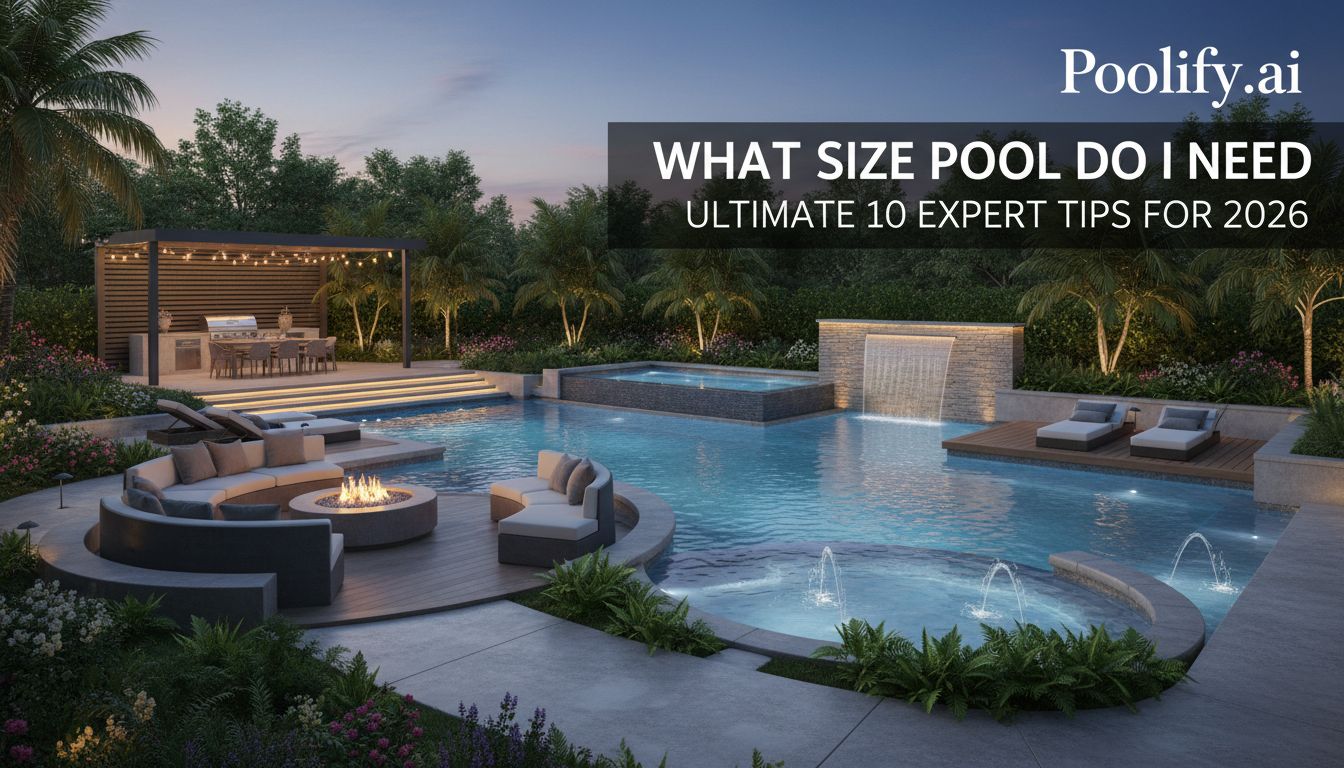
Introduction: Finding the Perfect Pool Size for Your Home
When planning your backyard oasis, the most critical question you’ll face is: what size pool do I need? This decision impacts everything from your initial investment to ongoing maintenance costs, and getting it right ensures years of enjoyment for your family. In 2026, homeowners have more options than ever, but choosing the appropriate pool dimensions requires careful consideration of multiple factors including available space, household size, intended use, and budget constraints.
The right pool size balances functionality with practicality. Too small, and your pool becomes cramped and underutilized. Too large, and you’re facing unnecessary expenses and maintenance headaches. This comprehensive guide walks you through the essential considerations to determine exactly what size pool you need for your unique situation, helping you make an informed decision that maximizes both enjoyment and value.
Understanding Standard Pool Sizes and Dimensions
Before diving into personal requirements, it’s helpful to understand the standard pool sizes available in 2026. Residential pools typically fall into three main categories: small, medium, and large. Small pools range from 10×20 feet to 12×24 feet, offering approximately 200-300 square feet of surface area. These compact options work well for limited spaces and provide adequate room for cooling off and light recreation.
Medium-sized pools measure between 14×28 feet and 16×32 feet, providing 400-500 square feet of swimming area. This size accommodates most family activities including games, exercise, and entertaining guests. Large pools exceed 18×36 feet and can reach 20×40 feet or more, offering 650-800+ square feet. These expansive designs suit serious swimmers, large families, and frequent entertainers who want maximum versatility.
According to the U.S. Census Bureau’s housing characteristics data, the average residential swimming pool in America measures approximately 14×28 feet. However, what size pool you need depends far less on averages and much more on your specific circumstances and priorities.
What Size Pool Do I Need Based on Family Size?
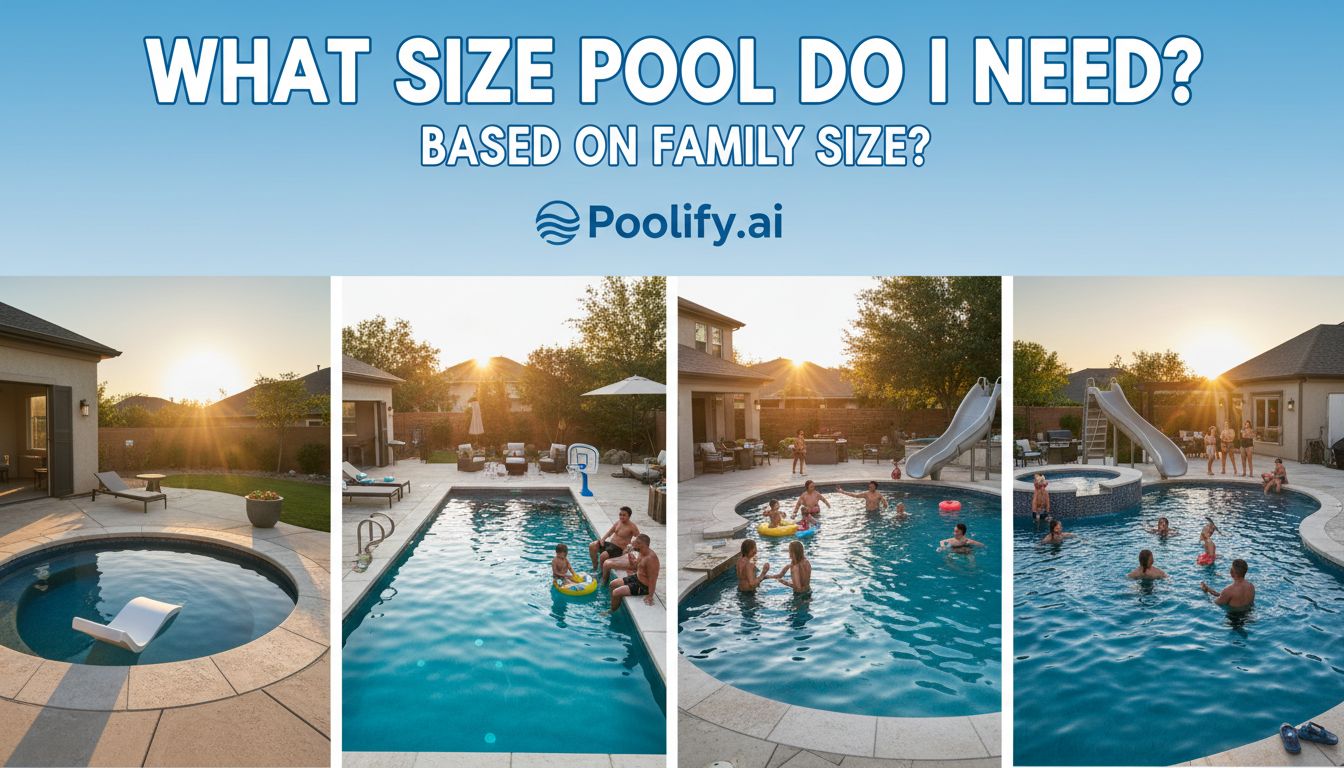
Your household composition significantly influences the ideal pool dimensions. For couples or small families with 1-2 children, a pool measuring 12×24 feet to 14×28 feet typically provides sufficient space. This size allows everyone to swim comfortably without feeling crowded, with enough room for pool toys and casual games.
Families with 3-4 children should consider pools ranging from 15×30 feet to 16×32 feet. This additional space accommodates multiple activities simultaneously—some kids can play while others swim laps, and parents can relax without constant collisions. The extra square footage becomes especially valuable during pool parties when neighborhood friends join the fun.
Large families with five or more members, or those who frequently host gatherings, benefit from pools measuring 18×36 feet or larger. These expansive designs prevent overcrowding and allow for designated zones: a shallow area for younger children, a deeper section for diving or swimming, and open space for water volleyball or basketball.
Consider future growth when determining what size pool you need. Children grow quickly, and their pool usage patterns change dramatically. A pool that seems spacious for toddlers may feel cramped when those same children become teenagers who want to bring friends over regularly.
Yard Space and Lot Considerations
Available property space represents perhaps the most concrete limitation when deciding what size pool you need. Most municipalities require specific setbacks from property lines, typically 5-10 feet, and you’ll need additional space for pool decking, equipment, and safe circulation around the pool perimeter.
A general rule suggests your pool should occupy no more than 25-30% of your total backyard space. This proportion maintains aesthetic balance and preserves functional outdoor living areas. For a 1,000 square foot backyard, this translates to a pool of approximately 250-300 square feet, which corresponds to dimensions around 12×24 feet or 14×20 feet.
Don’t forget to account for the pool deck or patio area surrounding your pool. Most designs include 3-5 feet of decking on all sides, which adds significantly to the total footprint. A 16×32 foot pool with a 4-foot deck on all sides actually requires a space of approximately 24×40 feet—960 square feet total.
Irregularly shaped lots or properties with significant slope may further constrain your options. Work with a professional pool designer who can assess your specific site conditions and recommend configurations that maximize usable pool space while respecting natural features and drainage requirements. You can explore more about creative pool design solutions for challenging lot configurations.
Budget Impact: How Pool Size Affects Cost
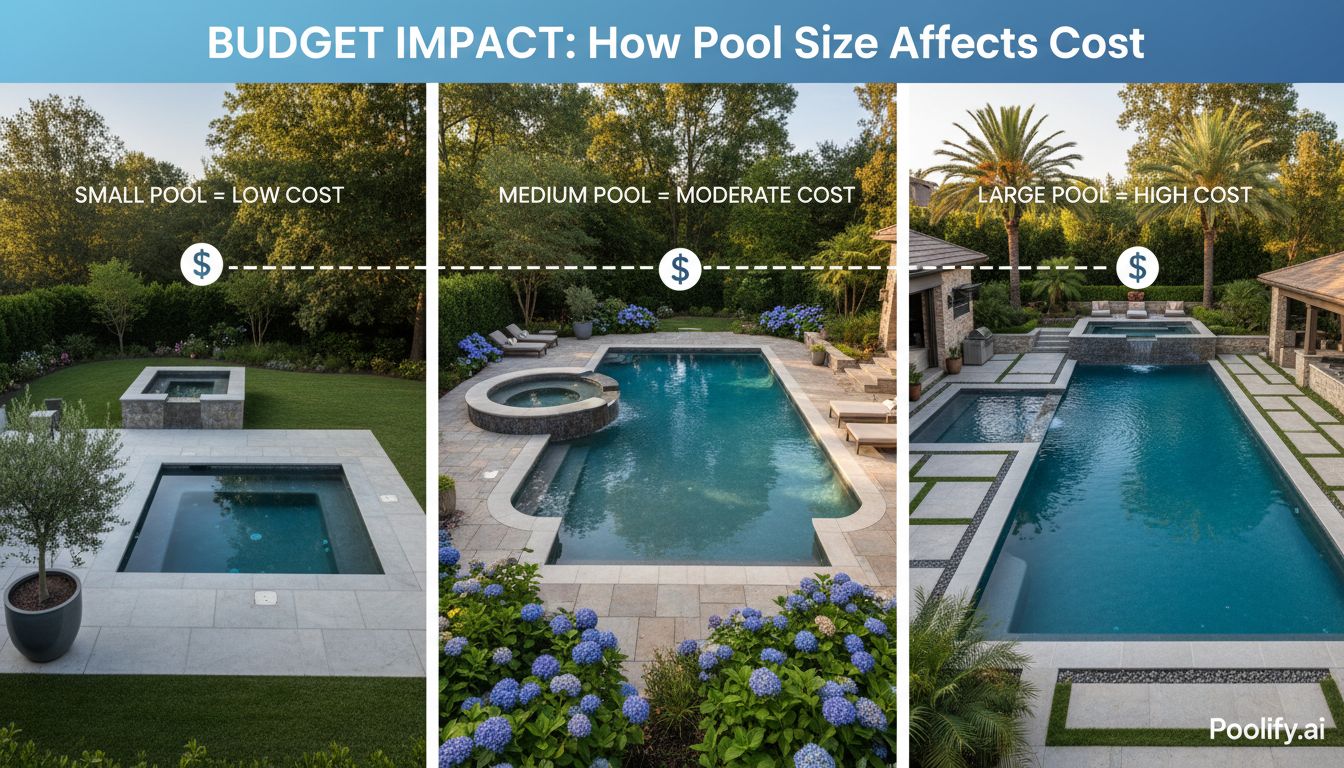
Understanding the financial implications helps you determine what size pool you need within your budget constraints. In 2026, inground pool costs typically range from $40,000 to $100,000+, with size being a primary cost driver. Smaller pools (10×20 to 12×24 feet) generally cost $35,000-$55,000 for basic vinyl or fiberglass installations.
Medium-sized pools (14×28 to 16×32 feet) typically run $50,000-$75,000, while large pools (18×36 feet and above) start around $70,000 and can easily exceed $100,000 for premium materials and features. These figures include excavation, materials, installation, and basic finishing but don’t account for upgrades like heating, lighting, waterfalls, or premium tile work.
Beyond initial construction, ongoing costs scale with pool size. Larger pools require more chemicals, increased heating expenses, longer filtration run times, and more extensive cleaning. A 12×24 foot pool might cost $1,200-$1,800 annually to maintain, while a 20×40 foot pool could require $2,500-$4,000 yearly for the same level of care.
Consider your long-term financial commitment when deciding what size pool you need. Sometimes a slightly smaller pool with premium features provides better value and enjoyment than a larger basic pool that strains your budget. Remember that you’ll be paying for maintenance, repairs, and utilities for decades, not just the initial installation.
Intended Use: Matching Pool Size to Activities
How you plan to use your pool should heavily influence what size pool you need. Different activities demand different dimensions and depths. If your primary goal is exercise and lap swimming, you’ll need length more than width. A lap pool typically measures at least 30-40 feet long but can be relatively narrow at 8-10 feet wide.
For recreational swimming and family play, width becomes more important than extreme length. A pool measuring 14×28 feet or 16×32 feet provides excellent versatility for games, lounging on floats, and general splashing around. These proportions allow multiple activities to occur simultaneously without interference.
Serious entertainers who host frequent pool parties should consider larger dimensions. A 16×36 foot or 18×40 foot pool accommodates 15-20 people comfortably, with room for pool volleyball nets, basketball hoops, and floating loungers. The additional space prevents that overcrowded public pool feeling and keeps guests comfortable.
If diving is important to your family, you’ll need both adequate depth and sufficient approach distance. Most diving boards require a pool at least 16 feet wide and 34 feet long, with a deep end of 8-9 feet. This significantly impacts what size pool you need and may not be feasible for smaller lots or tighter budgets. For comprehensive guidance on pool features and equipment, check out our complete pool equipment guide.
Pool Shape and Configuration Options
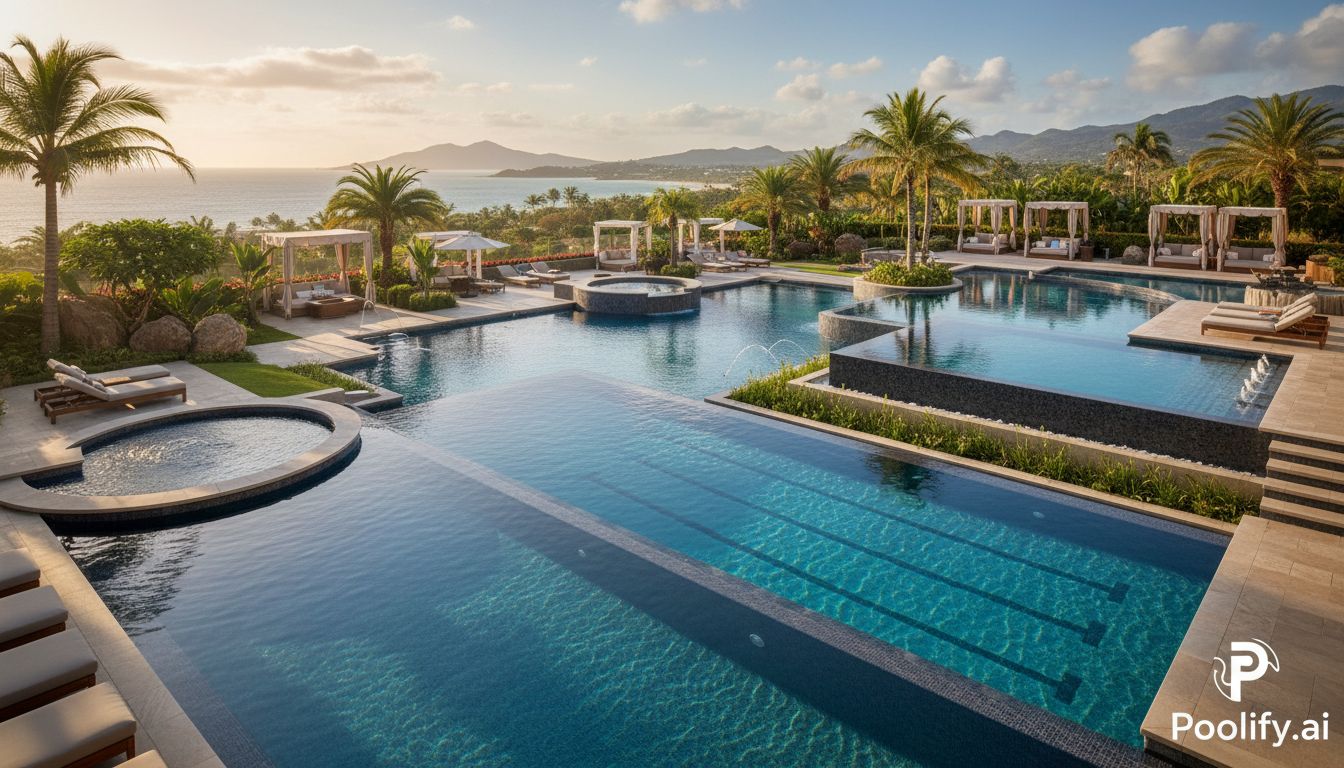
When determining what size pool you need, shape matters as much as square footage. Rectangular pools maximize swimming space and work best for laps and exercise. Their efficient design typically provides more usable area per square foot than curved or kidney-shaped alternatives, making them ideal when space is limited.
Kidney-shaped and freeform pools offer aesthetic appeal and can fit awkwardly shaped yards more gracefully than rectangles. However, these designs sacrifice some functional swimming space for visual interest. A kidney-shaped pool with 400 square feet of surface area may feel smaller than a 350 square foot rectangular pool due to the irregular contours.
L-shaped pools provide excellent zoning capabilities, with one leg serving as a shallow play area and the other offering deeper water for swimming or diving. This configuration works particularly well for families with children of varying ages and abilities. The total footprint may be larger, but the functional separation adds value.
Modern designs in 2026 increasingly incorporate geometric shapes like squares, circles, and even triangular elements. These contemporary styles can be space-efficient while making bold architectural statements. When evaluating what size pool you need, consider how different shapes utilize your available space and complement your home’s aesthetic.
Depth Requirements and Safety Considerations
Pool depth directly impacts safety, usability, and the overall size requirements for your project. Most residential pools feature varied depths, with shallow ends ranging from 3-4 feet and deep ends extending to 5-8 feet. Understanding depth requirements helps clarify what size pool you need for safe, enjoyable use.
Families with young children should prioritize generous shallow areas. A beach entry or gradually sloping floor allows toddlers and non-swimmers to enjoy the water safely under supervision. These features require additional length, potentially adding 6-10 feet to your pool’s dimensions but providing invaluable safety benefits.
For general recreation without diving, a maximum depth of 5-6 feet suffices for most families and significantly reduces construction costs compared to deeper pools. This depth allows adults to stand comfortably in most areas while providing enough water for swimming and games. It also reduces the total volume of water, lowering heating and chemical costs.
According to the Consumer Product Safety Commission’s Pool Safely campaign, proper depth design contributes significantly to drowning prevention. When deciding what size pool you need, factor in safety barriers, proper depth transitions, and adequate shallow areas for all family members to enjoy the water safely.
Climate and Seasonal Use Factors
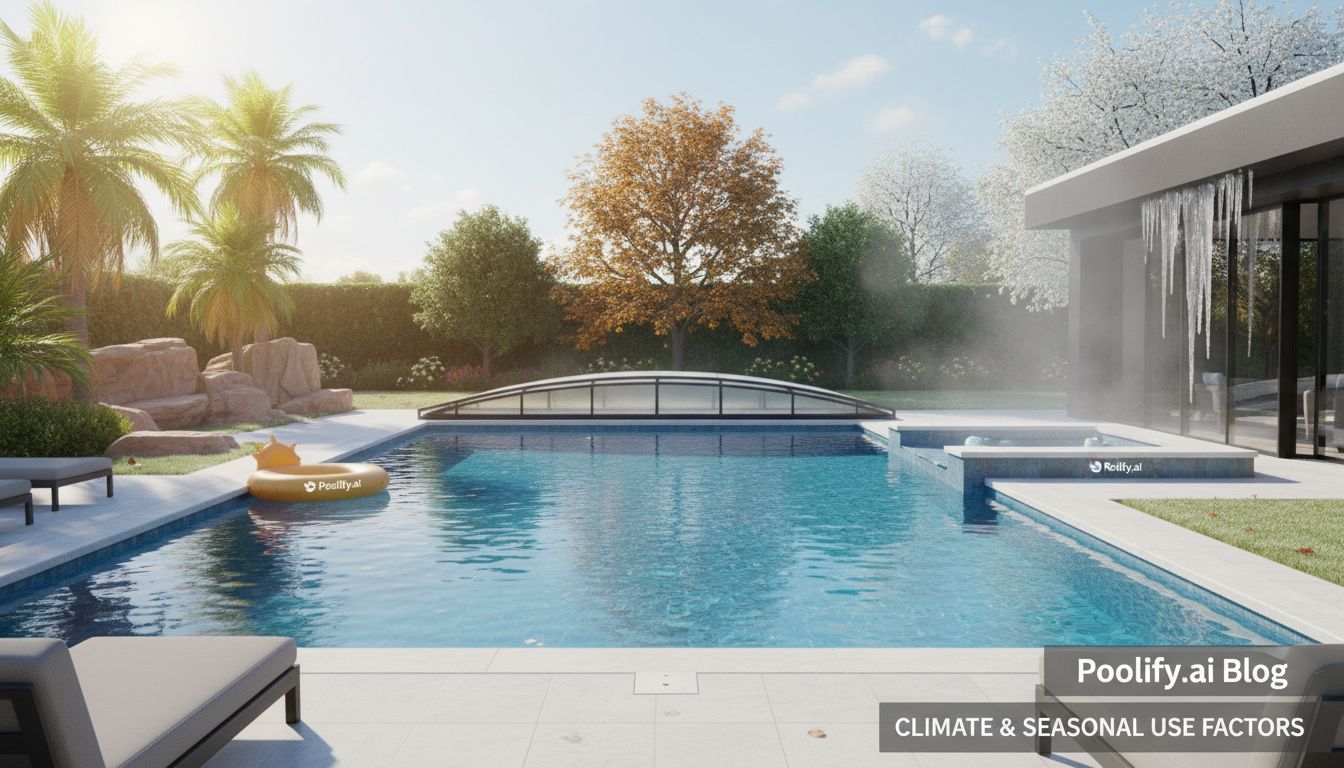
Your geographic location and intended usage season influence what size pool you need. In warmer climates where pools see year-round use, investing in a larger pool makes economic sense since you’ll maximize the return on your investment through extended swimming seasons. The cost per swim decreases dramatically when you can use your pool 10-12 months annually.
In regions with shorter swimming seasons, typically 3-5 months, a more modest pool size may be appropriate. The reduced usage period means less opportunity to justify the expense of a large pool, and smaller pools are easier and less expensive to open, maintain, and close each season.
Climate also affects heating costs, which scale with pool volume. A larger pool in a cooler climate requires substantially more energy to maintain comfortable temperatures. If you plan to heat your pool, carefully calculate ongoing costs based on your local climate and energy prices. Sometimes a smaller, heated pool provides more actual swimming days than a larger unheated one.
Consider wind exposure and sun patterns when determining what size pool you need. A pool positioned in full sun may require less heating but more chemical treatment due to UV degradation. Partially shaded pools stay cooler naturally but may accumulate more debris. These factors affect both the ideal size and the optimal placement on your property.
Future-Proofing Your Pool Investment
When deciding what size pool you need, think beyond your immediate circumstances. Life changes—children grow, families expand, and lifestyle priorities evolve. A pool that perfectly suits your needs today may feel inadequate in five years or excessive in ten.
Consider your long-term property plans. If you intend to stay in your home for decades, invest in a pool size that accommodates future needs, including potential grandchildren or aging-in-place considerations. Conversely, if you may relocate within 5-7 years, consider how pool size affects resale value in your market.
In many markets, a well-proportioned medium-sized pool (14×28 to 16×32 feet) appeals to the broadest range of buyers and provides the best return on investment. Oversized pools can actually deter buyers who worry about maintenance costs, while very small pools may disappoint those seeking a true backyard resort experience.
Technology advances in 2026 make pool ownership easier than ever, with automated cleaning systems, smart chemical monitoring, and energy-efficient equipment. These innovations somewhat offset the maintenance burden of larger pools, making it more feasible to choose a generous size without overwhelming ongoing responsibilities. Learn more about modern pool automation systems that simplify maintenance.
Common Pool Size Mistakes to Avoid
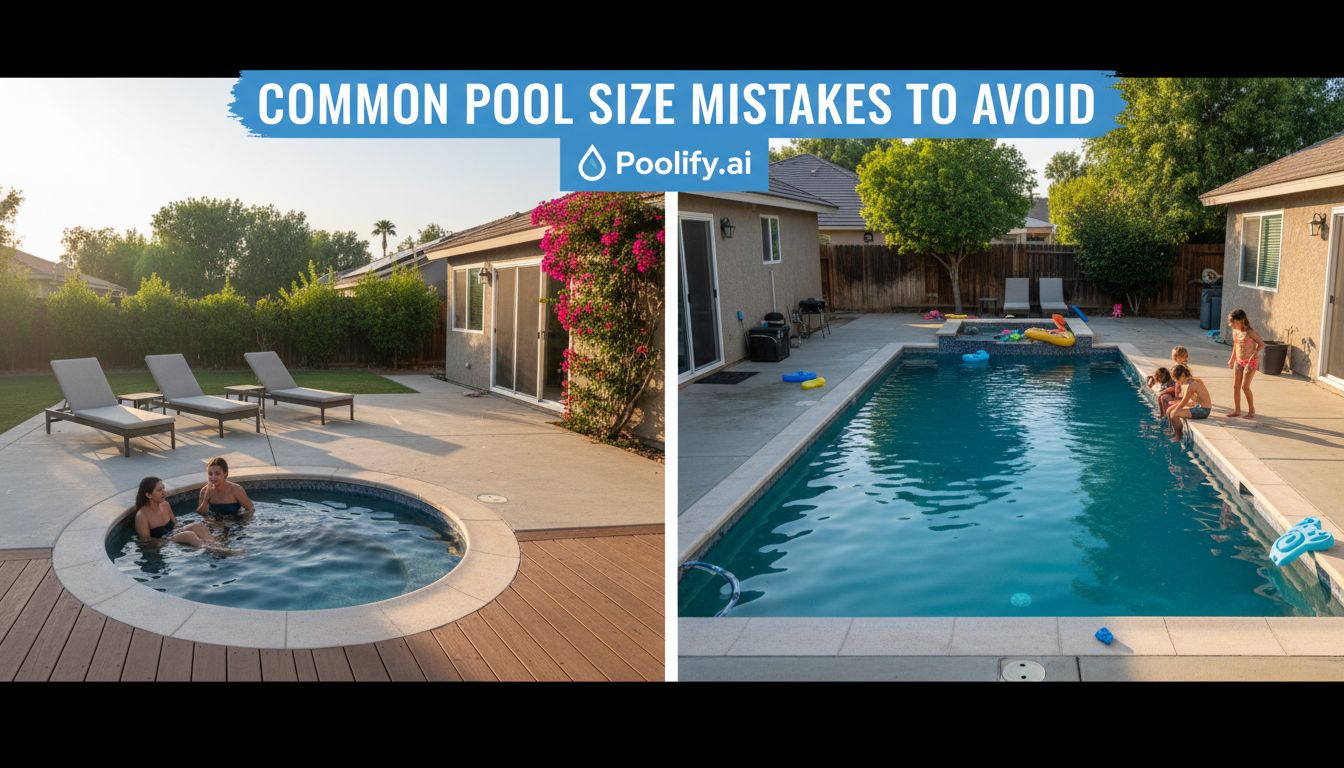
Many homeowners make predictable errors when determining what size pool they need. The most common mistake is building too large for the available space, leaving insufficient yard area for other outdoor activities. Remember that you’ll want space for grilling, dining, lawn games, and gardens—not just swimming.
Another frequent error involves underestimating the total footprint. Homeowners focus on the pool dimensions but forget to account for required decking, equipment pads, and safety fencing. A 16×32 foot pool actually requires roughly 24×40 feet of space when you include necessary surrounding elements.
Some people overestimate how much they’ll use a large pool. While a resort-sized pool sounds appealing, the reality of heating, cleaning, and maintaining 800+ square feet of water can become burdensome. Be honest about your commitment level and choose a size you’ll actually maintain properly rather than one that becomes a chore.
Conversely, building too small to save money often leads to regret. A pool that’s cramped from day one won’t suddenly feel larger with time. If budget constraints force you toward a smaller size, consider phasing your project—install a modest pool now with plans to add features like a spa, sun shelf, or expanded deck later.
Working with Pool Professionals
While this guide helps you understand what size pool you need, working with experienced pool professionals ensures optimal results. Qualified pool designers and builders bring expertise in site evaluation, engineering requirements, and local regulations that DIY planning can’t replicate.
A professional assessment typically includes soil testing, drainage evaluation, utility line location, and setback verification. These technical factors often constrain pool size in ways that aren’t immediately obvious to homeowners. Professionals can also suggest creative solutions to maximize your usable pool space within site limitations.
Request multiple quotes and design proposals from reputable builders. Each professional may suggest different dimensions or configurations based on their experience and interpretation of your needs. Comparing several professional opinions helps you understand the range of possibilities and make a more informed decision about what size pool you need.
Don’t hesitate to ask builders for references and to view completed projects similar in size and scope to your planned pool. Seeing real installations helps you visualize how different dimensions feel in actual use, which is far more valuable than studying plans on paper.
Key Takeaways
- Family size matters significantly: Small families (1-3 people) typically need 200-400 square feet, while larger families (4+ people) benefit from 450-650+ square feet to avoid overcrowding and maximize enjoyment.
- The 25-30% rule guides proportions: Your pool should occupy no more than one-quarter to one-third of your total backyard space to maintain aesthetic balance and preserve functional outdoor living areas.
- Budget impacts extend beyond construction: Larger pools cost more initially and require substantially higher ongoing expenses for chemicals, heating, cleaning, and repairs—factor in lifetime costs when determining what size pool you need.
- Intended use drives optimal dimensions: Lap swimmers need length (30-40 feet minimum), recreational users prioritize width and versatility (14-16 feet), while entertainers benefit from maximum surface area (500+ square feet).
- Future-proof your investment: Consider life changes, property plans, and resale value—medium-sized pools (14×28 to 16×32 feet) typically offer the best balance of functionality, maintenance, and market appeal for 2026 and beyond.
Frequently Asked Questions
What is the most popular pool size for residential homes in 2026?
The most popular residential pool size in 2026 measures approximately 14×28 feet to 16×32 feet, providing 400-500 square feet of surface area. This medium size accommodates most family activities, fits typical suburban lots, and balances initial costs with ongoing maintenance expenses. These dimensions work well for families of 3-5 people and provide enough space for recreation, exercise, and entertaining without becoming overwhelming to maintain.
How much yard space do I need for a pool?
For a medium-sized pool (16×32 feet), you’ll need approximately 24×40 feet (960 square feet) of total yard space to accommodate the pool itself plus required decking and setbacks. Most municipalities require 5-10 feet of clearance from property lines, and you should include 3-5 feet of decking around the pool perimeter. As a general guideline, your pool should occupy no more than 25-30% of your total backyard area to maintain functional outdoor space.
Is a smaller pool significantly cheaper to maintain than a larger one?
Yes, smaller pools cost substantially less to maintain. A 12×24 foot pool typically requires $1,200-$1,800 annually in chemicals, cleaning, and utilities, while a 20×40 foot pool can cost $2,500-$4,000 yearly. Heating costs increase dramatically with size—larger volumes require more energy to maintain comfortable temperatures. However, modern automation and energy-efficient equipment in 2026 help narrow this gap somewhat compared to older pool technology.
Can I add onto my pool later if I build too small?
Expanding an existing pool is technically possible but rarely cost-effective. The process requires breaking through existing pool walls, matching materials, and essentially rebuilding portions of the pool structure. This renovation typically costs 60-80% as much as installing a new pool of the desired size initially. If you’re uncertain about what size pool you need, it’s better to build slightly larger from the start or add complementary features like a spa rather than planning to expand the pool itself.
What size pool do I need for lap swimming?
For effective lap swimming, you need a minimum length of 30-40 feet, though serious swimmers prefer 40-50 feet to reduce the number of turns. Width can be modest at 8-10 feet for a dedicated lap pool. If you want a multi-purpose pool that accommodates both lap swimming and recreation, consider an L-shaped design or rectangular pool measuring at least 16×40 feet, which provides adequate length for swimming while offering width for other activities.
See Your Dream Pool in Your Actual Backyard
Upload a photo and get an AI-designed pool visualization in 10 seconds. 3 free designs, no login required.
Try Poolify Free →Conclusion
Determining what size pool you need requires balancing multiple factors: your family size and composition, available yard space, budget constraints, intended activities, and long-term plans. There’s no universal “right” answer, but understanding how each consideration influences optimal dimensions empowers you to make an informed decision that maximizes value and enjoyment.
For most families in 2026, a medium-sized pool ranging from 14×28 feet to 16×32 feet offers the best combination of functionality, affordability, and long-term satisfaction. This size accommodates typical family activities, fits standard suburban lots, and maintains manageable maintenance requirements without feeling cramped or excessive.
Remember that the perfect pool size for your neighbor may not suit your needs. Take time to honestly assess your priorities, consult with experienced professionals, and choose dimensions that align with your lifestyle and property characteristics. A well-planned pool becomes the centerpiece of your outdoor living space and provides decades of memories—making the effort to determine exactly what size pool you need an investment that pays dividends for years to come.
References
- U.S. Census Bureau – Housing Characteristics and Construction Data: https://www.census.gov/construction/chars/index.html
- Consumer Product Safety Commission – Pool Safely Campaign: https://www.cpsc.gov/Safety-Education/Safety-Education-Centers/Pool-Safely
