Choosing the right pool builder is one of the most critical decisions you’ll make when investing in a backyard swimming pool. With projects typically ranging from $35,000 to over $100,000, understanding how to choose a pool builder properly can save you thousands of dollars and countless headaches. The wrong contractor can lead to structural issues, budget overruns, and years of maintenance problems. This comprehensive guide walks you through everything you need to know to select a qualified, trustworthy pool builder who will transform your backyard dreams into reality.
Why Choosing the Right Pool Builder Matters
The pool construction industry sees significant variation in quality, professionalism, and expertise among contractors. A skilled pool builder brings more than just construction knowledge—they understand soil conditions, drainage systems, local building codes, and long-term maintenance considerations. According to the Pool & Hot Tub Alliance, nearly 30% of pool-related complaints stem from poor installation practices that could have been avoided with proper contractor selection.
When you understand how to choose a pool builder effectively, you protect your investment and ensure your pool remains a source of enjoyment rather than frustration. The right builder will complete your project on time, within budget, and to specifications that exceed local code requirements. They’ll also provide valuable guidance on design choices, equipment selection, and maintenance practices that extend your pool’s lifespan.
Poor contractor selection often results in cracked shells, inadequate filtration systems, improper grading that causes drainage issues, and substandard finishes that deteriorate prematurely. These problems aren’t just cosmetic—they represent structural failures that can cost tens of thousands to repair and may never function as intended.
Start With Proper Licensing and Insurance Verification
Before evaluating any other aspect of a pool builder, verify their licensing and insurance status. Every reputable pool contractor should carry a valid contractor’s license specific to pool construction in your state. License requirements vary by location, but most states mandate specialized credentials for pool builders due to the technical complexity of these projects.
Request copies of the builder’s general liability insurance and workers’ compensation coverage. General liability should provide at least $1 million in coverage to protect you from property damage claims, while workers’ compensation protects you from liability if a worker is injured on your property. Don’t simply take their word for it—call the insurance company directly to confirm active coverage with effective dates that will span your entire project timeline.
Check with your state’s contractor licensing board to verify the license is current and investigate any complaints or disciplinary actions. Many states maintain online databases where you can search by contractor name or license number. This simple step in learning how to choose a pool builder can reveal red flags like revoked licenses, unpaid judgments, or patterns of customer complaints.
Additional Certifications to Look For
Beyond basic licensing, look for builders with certifications from recognized industry organizations. Certified Building Professional (CBP) credentials from the Pool & Hot Tub Alliance demonstrate advanced knowledge and commitment to professional standards. These certifications require ongoing education and adherence to ethical business practices, indicating a builder who invests in their craft.
Evaluate Experience and Specialization
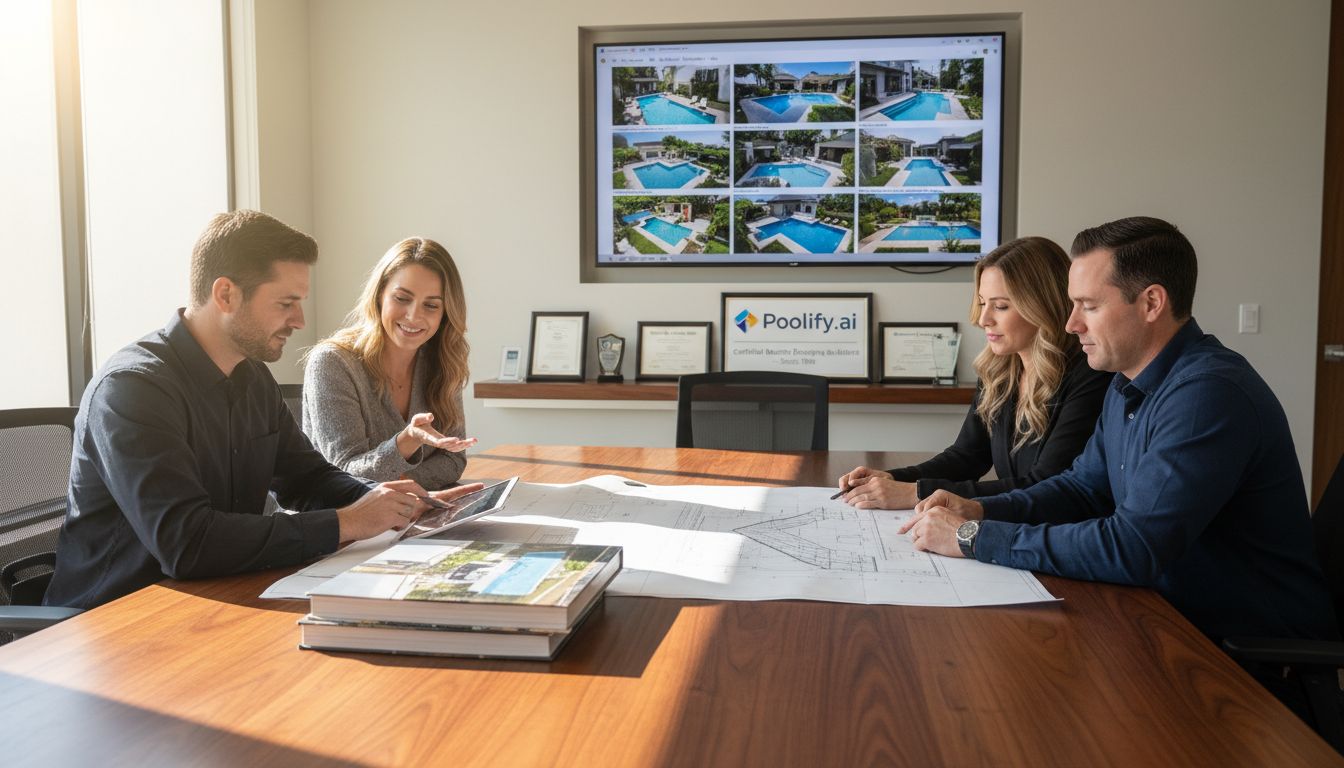
Experience matters significantly in pool construction. A builder who has completed hundreds of pools has encountered and solved problems that less experienced contractors haven’t faced yet. When learning how to choose a pool builder, ask specifically about their experience with the type of pool you want—gunite, fiberglass, or vinyl liner pools each require different expertise.
Request to see a portfolio of completed projects similar to your vision. A builder specializing in basic rectangular pools may lack the expertise for complex infinity edges, vanishing edges, or integrated spa features. Look for diversity in their portfolio that demonstrates adaptability, but also consistency in quality across different project types.
Ask how many projects they complete annually and how many are currently in progress. Builders who take on too many simultaneous projects may struggle to provide adequate supervision and attention to your installation. Conversely, very low project numbers might indicate a struggling business or limited demand for their services.
Understanding Construction Methods
Different pool types require specialized knowledge. Gunite pools offer maximum design flexibility but demand expertise in shotcrete application and steel reinforcement. Fiberglass pools require precision in excavation and backfilling to prevent shell movement. Vinyl liner pools need perfect wall alignment to avoid wrinkles and premature liner failure. Ensure your chosen builder has extensive experience with your preferred construction method.
How to Choose a Pool Builder Through Reference Checks
References provide invaluable insights into a builder’s work quality, communication style, and problem-solving abilities. Request at least five recent references, ideally from projects completed within the past two years. Recent references reflect the builder’s current practices, crew quality, and business stability.
When contacting references, ask specific questions beyond general satisfaction. Inquire about timeline adherence, budget accuracy, communication responsiveness, site cleanliness, and how the builder handled unexpected issues. Ask if they would hire the same builder again—this simple question often reveals the most honest assessment of their experience.
Visit completed pools in person whenever possible. Photos can hide imperfections that become obvious during site visits. Examine tile work for consistent grout lines, inspect coping for level installation, and look at deck surfaces for proper drainage slopes. These details reveal the builder’s attention to quality and craftsmanship standards.
Warning Signs in Reference Responses
Be cautious if a builder hesitates to provide references or only offers one or two contacts. Limited references may indicate few satisfied customers or a new business without an established track record. If references mention communication problems, unexplained delays, or significant budget overruns, consider these serious red flags worth investigating further.
Compare Detailed Written Estimates
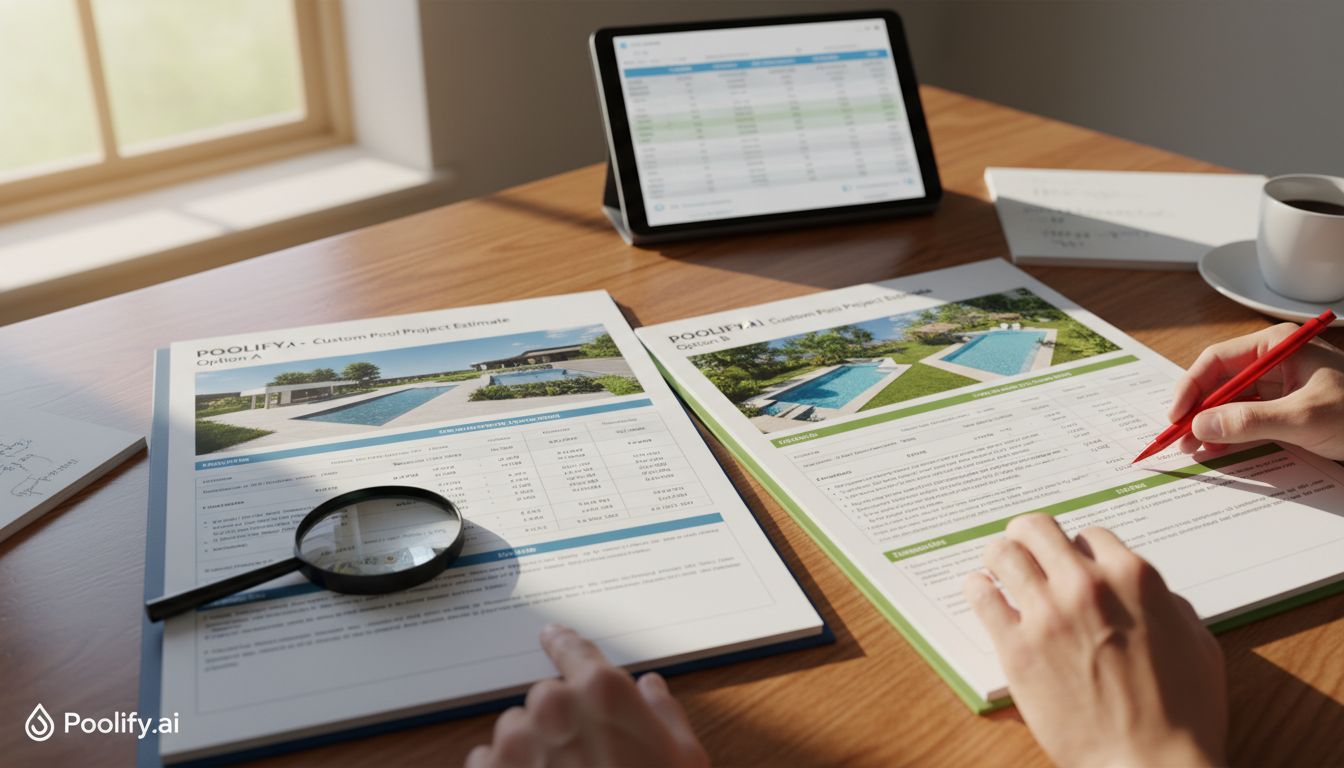
Understanding how to choose a pool builder requires comparing detailed, itemized estimates from multiple contractors. Vague estimates with single lump-sum prices make it impossible to evaluate value or identify what’s included versus excluded. Request breakdowns showing costs for excavation, steel and shotcrete, plumbing, electrical, equipment, finishes, decking, and other major components.
Detailed estimates help you compare apples to apples across different builders. A seemingly lower price may exclude essential items like permits, equipment startup, or initial chemical balancing. Conversely, a higher estimate might include superior equipment, extended warranties, or additional features that justify the premium.
Pay attention to equipment specifications in estimates. Quality varies dramatically among pumps, filters, heaters, and automation systems. A builder offering a significantly lower price may be specifying economy-grade equipment that will require earlier replacement. For guidance on maintaining your investment, explore our comprehensive pool maintenance guide.
Understanding Allowances and Exclusions
Many estimates include “allowances” for items like tile, coping, or decking materials. These placeholder amounts let you select specific products later, but verify the allowance is realistic for the quality you expect. Unrealistically low allowances set up inevitable budget overruns when you discover your preferred materials cost significantly more.
Carefully review exclusions—items specifically not included in the estimate. Common exclusions include landscaping restoration, fence installation, permit fees, utility relocations, and rock removal. Understanding exclusions prevents surprise costs and helps you budget accurately for the complete project.
Review Contract Terms and Warranties Carefully
The contract protects both you and your builder, establishing clear expectations for scope, timeline, payment, and responsibilities. Never sign a contract without reading every clause and understanding all terms. When learning how to choose a pool builder, contract quality often reflects business professionalism and integrity.
A comprehensive contract should specify exact dimensions, materials, equipment brands and models, finish types, and all included features. Vague language like “standard pool equipment” or “builder’s choice of materials” gives the contractor excessive discretion that rarely benefits you. Insist on specificity for every major component.
Payment schedules should align with project milestones, not arbitrary percentages of the total cost. Typical schedules include deposits at contract signing, payments at excavation completion, steel and plumbing installation, shotcrete application, and final payment at project completion. Never pay the full amount until you’ve verified all work is complete and functioning properly.
Warranty Coverage Details
Quality builders stand behind their work with comprehensive warranties. Structural warranties for gunite pools should cover the shell for at least two years, though many reputable builders offer longer coverage. Equipment warranties typically match manufacturer terms, but verify the builder will facilitate warranty claims rather than leaving you to navigate manufacturer bureaucracy.
Understand what warranties cover and exclude. Most structural warranties cover defects in workmanship but exclude damage from ground movement, freezing, or improper maintenance. Finish warranties may have specific requirements about water chemistry that, if not followed, void coverage. Get all warranty terms in writing as part of your contract.
Assess Communication and Professionalism
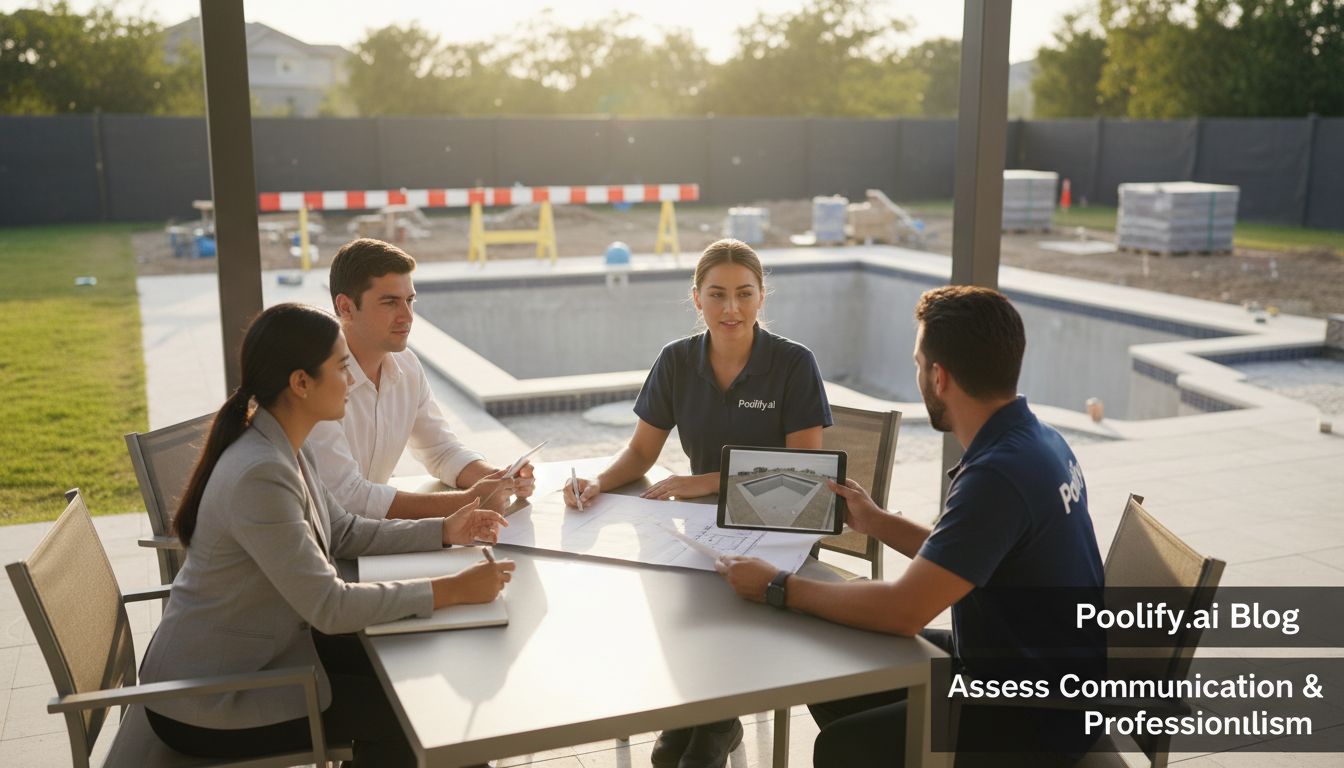
How a builder communicates during the sales process predicts how they’ll communicate during construction. When evaluating how to choose a pool builder, pay attention to responsiveness, clarity, and professionalism in all interactions. Builders who return calls promptly, answer questions thoroughly, and provide information proactively typically maintain this standard throughout the project.
Professional builders educate rather than pressure. They should explain different options, discuss pros and cons of various approaches, and help you make informed decisions aligned with your goals and budget. High-pressure sales tactics, unrealistic promises, or dismissive responses to your questions indicate potential problems ahead.
Evaluate their design process and willingness to refine plans until you’re completely satisfied. Quality builders use design software to create accurate renderings showing how your pool will look in your specific yard. They accommodate reasonable revision requests and work collaboratively to achieve your vision within budget constraints.
Project Management Capabilities
Ask about the builder’s project management approach. Who will supervise your installation daily? How often will the owner or project manager visit your site? What’s the process for addressing questions or concerns during construction? Clear answers to these questions indicate organized, professional operations. For additional insights on pool project planning, check out our pool design ideas and inspiration guide.
Understand Timeline Expectations and Scheduling
Realistic timeline expectations are essential when considering how to choose a pool builder. Typical pool construction takes 8-12 weeks from excavation to completion, though complex projects or weather delays can extend this timeframe. Be skeptical of builders promising unusually fast completion—rushing often compromises quality.
Discuss the builder’s current workload and when they can start your project. Reputable builders often book several months in advance, especially during peak spring and summer seasons. Immediate availability might indicate a struggling business or quality issues that keep them from maintaining a steady project pipeline.
Ask about their process for handling delays. Weather, permit issues, utility conflicts, and material shortages can affect timelines despite careful planning. Quality builders communicate proactively about delays, explain causes, and provide updated completion estimates. They also build reasonable buffers into initial timelines rather than promising aggressive schedules they can’t maintain.
Seasonal Considerations
Construction season affects both pricing and scheduling. Building during off-peak months (fall and winter in most regions) may offer pricing advantages and more flexible scheduling, though weather-related delays become more likely. Discuss seasonal factors with your builder and plan accordingly based on when you want your pool operational.
Verify Local Code Knowledge and Permit Handling
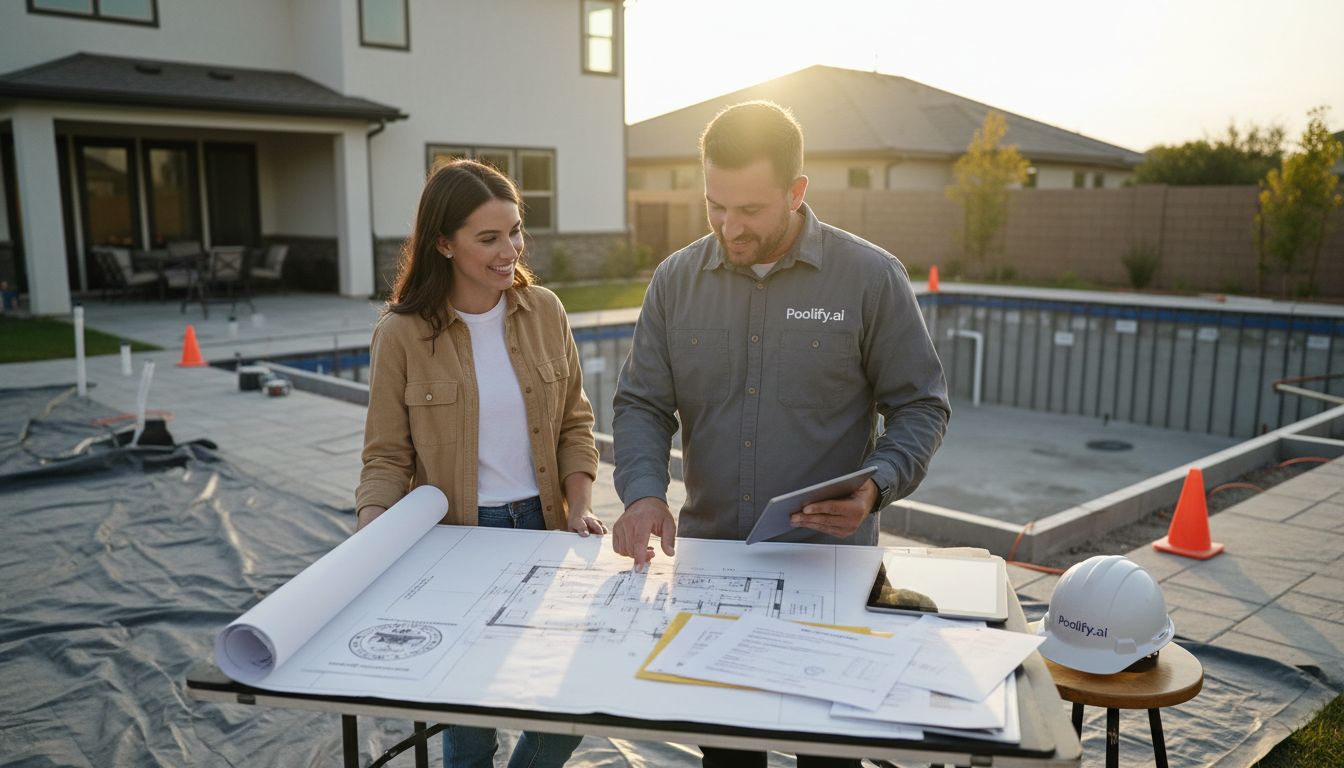
Building codes and permit requirements vary significantly by municipality. Experienced local builders understand specific requirements for setbacks, fencing, drainage, electrical installation, and structural specifications in your area. This knowledge prevents costly corrections when inspectors identify code violations.
Ask how the builder handles permit applications and inspections. Reputable contractors typically include permit acquisition in their services, managing applications, fee payments, and scheduling required inspections. They should be able to explain what inspections your project requires and at what stages they occur.
Verify the builder’s relationship with local building officials. Contractors with positive reputations often experience smoother inspection processes because officials trust their work quality. Conversely, builders with histories of code violations may face additional scrutiny that delays your project.
HOA and Deed Restriction Considerations
If you live in a community with a homeowners association or deed restrictions, verify your builder understands these requirements. Many HOAs have specific rules about pool placement, fencing styles, equipment screening, and aesthetic standards. Experienced builders familiar with local HOAs can help navigate approval processes and ensure compliance.
Evaluate Financial Stability and Business Practices
Financial stability matters when learning how to choose a pool builder because construction spans several months. Builders facing financial difficulties may cut corners, delay projects while prioritizing other jobs, or even abandon projects entirely. Several indicators help assess financial health and business stability.
Check how long the company has been in business. While longevity doesn’t guarantee quality, businesses surviving 10+ years demonstrate some level of customer satisfaction and financial management. Very new companies lack track records but may offer competitive pricing—weigh the risk-reward accordingly.
Research the company’s reputation through online reviews, Better Business Bureau ratings, and local business associations. Look for patterns in feedback rather than isolated complaints. Every builder encounters occasional problems, but consistent complaints about similar issues indicate systemic problems.
Payment Protection Strategies
Protect yourself by never paying large upfront deposits. Initial deposits should cover permits and initial materials only—typically 10-15% of the total project cost. Avoid builders demanding 50% or more upfront, as this creates risk if they fail to complete your project. Consider using credit cards for deposits when possible, as they offer dispute resolution protections.
Some states offer contractor bond programs or recovery funds that provide limited protection if a licensed contractor fails to complete work or correct defects. Research what protections exist in your jurisdiction and verify your chosen builder participates in applicable programs.
Compare Value Beyond Price Alone
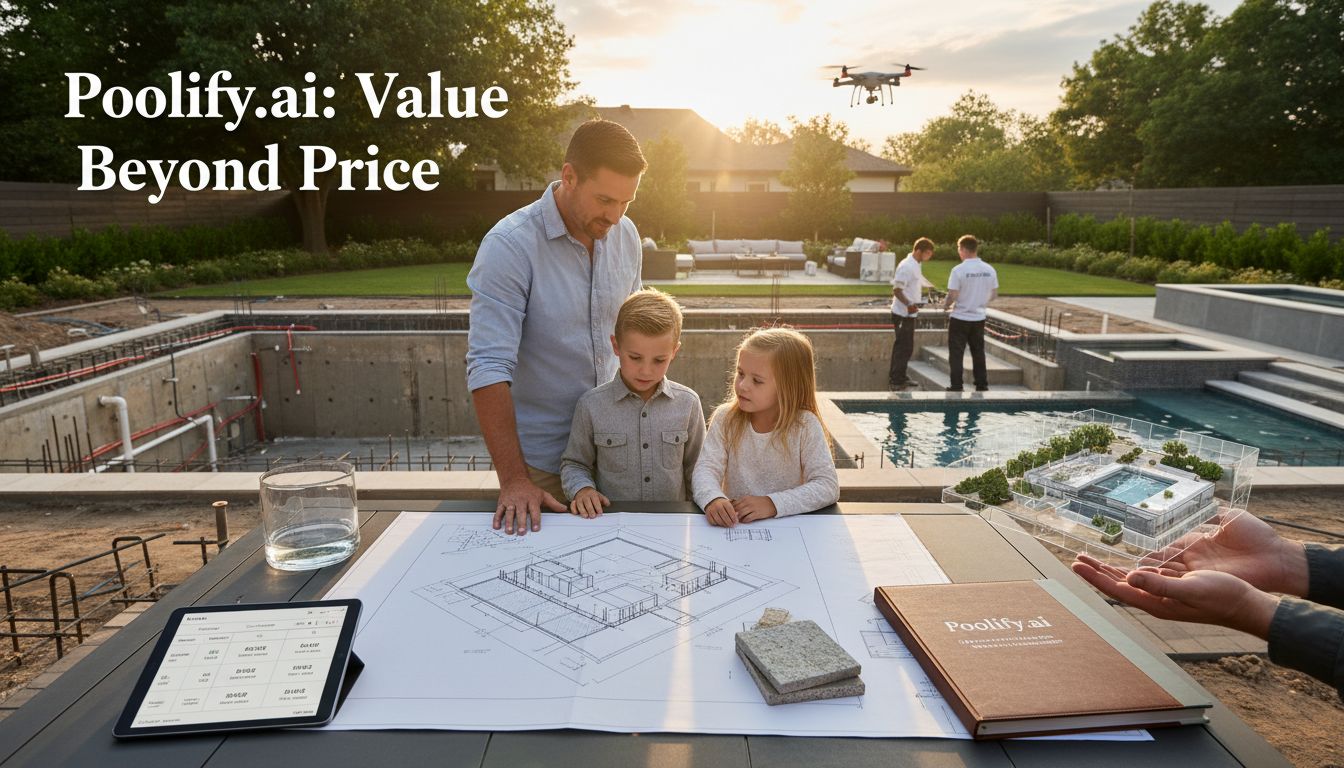
Price matters, but understanding how to choose a pool builder requires evaluating total value rather than selecting the lowest bid. The cheapest option often becomes the most expensive when you factor in inferior materials, poor workmanship, and premature equipment failures requiring early replacement.
Consider what each builder includes in their base price. Does it cover essential features like adequate lighting, proper sanitization systems, and quality finishes? Or does the low price reflect bare-minimum specifications that you’ll want to upgrade? Sometimes mid-range bids offer the best value by including features that lower-priced competitors charge extra for.
Evaluate the quality of proposed equipment and materials. Premium pumps with variable-speed motors cost more initially but save hundreds annually in energy costs while lasting longer. Quality finishes resist staining and surface degradation better than economy options, reducing long-term maintenance costs. For more information on keeping your pool in top condition, visit our expert pool cleaning tips.
Long-Term Cost Considerations
Factor long-term costs into your decision. Energy-efficient equipment, durable finishes, and quality construction reduce lifetime ownership costs despite higher initial investment. Ask builders to explain the long-term implications of their equipment and material choices, including expected lifespans, maintenance requirements, and operating costs.
Trust Your Instincts and Gut Feelings
After evaluating all objective factors in how to choose a pool builder, trust your instincts about which contractor feels right. You’ll work closely with this builder for several months, and communication comfort matters. If something feels off during initial interactions—whether it’s evasive answers, pressure tactics, or personality conflicts—these concerns rarely improve once construction begins.
The best builder for your project combines technical expertise, quality craftsmanship, clear communication, and a collaborative approach that respects your vision and budget. They should make you feel confident and excited about your project rather than anxious or pressured.
Don’t rush this decision. Take time to interview multiple builders, compare proposals thoroughly, check references carefully, and evaluate all factors comprehensively. The few extra weeks spent on due diligence can prevent years of problems and ensure your pool investment delivers the enjoyment and value you expect.
Frequently Asked Questions
How many pool builders should I get estimates from?
Request detailed estimates from at least three to five pool builders. This range provides adequate comparison points without becoming overwhelming. Focus on quality builders with strong reputations rather than simply collecting as many bids as possible. More estimates don’t necessarily lead to better decisions if they’re from unqualified contractors.
What’s a reasonable deposit for a pool construction project?
Reasonable deposits typically range from 10-15% of the total project cost, covering permit fees and initial material purchases. Be cautious of builders demanding 30% or more upfront, as this creates unnecessary financial risk. Payment schedules should align with construction milestones, with the majority of payment occurring as work progresses rather than upfront.
How long does pool construction typically take?
Standard pool construction takes 8-12 weeks from excavation to completion for most residential projects. Complex designs with custom features, extensive hardscaping, or integrated water features may require 12-16 weeks. Weather, permit delays, and material availability can extend timelines, so build buffer time into your expectations, especially for projects scheduled around specific events.
Should I hire a pool builder who also does the landscaping?
Some pool builders offer comprehensive services including landscaping, while others focus exclusively on pool construction. Either approach can work well. Builders offering complete services provide convenience and single-point accountability, while separate contractors may offer specialized expertise. Evaluate based on the builder’s demonstrated capabilities in each area rather than assuming one approach is inherently better.
What should I do if problems arise during construction?
Address concerns immediately and directly with your builder or project manager. Document issues with photos and written descriptions. Most problems resolve quickly when caught early and communicated clearly. If the builder is unresponsive or dismissive, escalate to the company owner. For serious disputes, consult your contract’s dispute resolution provisions and consider involving your state’s contractor licensing board.
Key Takeaways
- Verify credentials thoroughly: Confirm licensing, insurance, and certifications before considering any other factors. This fundamental step in how to choose a pool builder protects you legally and financially throughout the project.
- Prioritize experience and specialization: Select builders with extensive experience in your specific pool type and design complexity. Review portfolios, check references, and visit completed projects to verify quality standards.
- Compare detailed estimates carefully: Request itemized proposals specifying materials, equipment brands, and inclusions. Understand allowances and exclusions to make accurate cost comparisons beyond bottom-line prices.
- Evaluate communication and professionalism: How builders interact during the sales process predicts their behavior during construction. Choose contractors who communicate clearly, respond promptly, and demonstrate collaborative problem-solving approaches.
- Consider total value over lowest price: Quality materials, efficient equipment, and superior craftsmanship provide better long-term value despite higher initial costs. Factor in energy efficiency, durability, and maintenance requirements when comparing proposals.
See Your Dream Pool in Your Actual Backyard
Upload a photo and get an AI-designed pool visualization in 10 seconds. 3 free designs, no login required.
Try Poolify Free →Conclusion
Learning how to choose a pool builder effectively requires thorough research, careful evaluation, and patience. The right builder transforms your backyard into a beautiful, functional outdoor living space that provides decades of enjoyment. The wrong choice leads to frustration, unexpected costs, and potentially serious structural problems.
Start with licensing and insurance verification, then evaluate experience, references, and detailed proposals. Pay attention to communication quality, contract terms, and warranty coverage. Consider total value rather than focusing exclusively on price, and trust your instincts about which builder feels like the right partner for your project.
The time you invest in contractor selection pays dividends throughout construction and for years afterward. A quality pool builder delivers on promises, completes work to high standards, and stands behind their craftsmanship. By following the guidance in this comprehensive guide, you’ll make an informed decision that protects your investment and ensures your pool project succeeds.
Remember that your pool represents a significant investment in your home and lifestyle. Approach the selection process with the diligence this investment deserves, and you’ll enjoy the rewards of a beautiful, well-constructed pool that enhances your property value and quality of life for many years to come.
References
- Pool & Hot Tub Alliance – https://www.phta.org/
- Centers for Disease Control and Prevention – Swimming Pool Guidelines
- State Contractor Licensing Boards – Various jurisdictions
- Better Business Bureau – Contractor ratings and reviews
