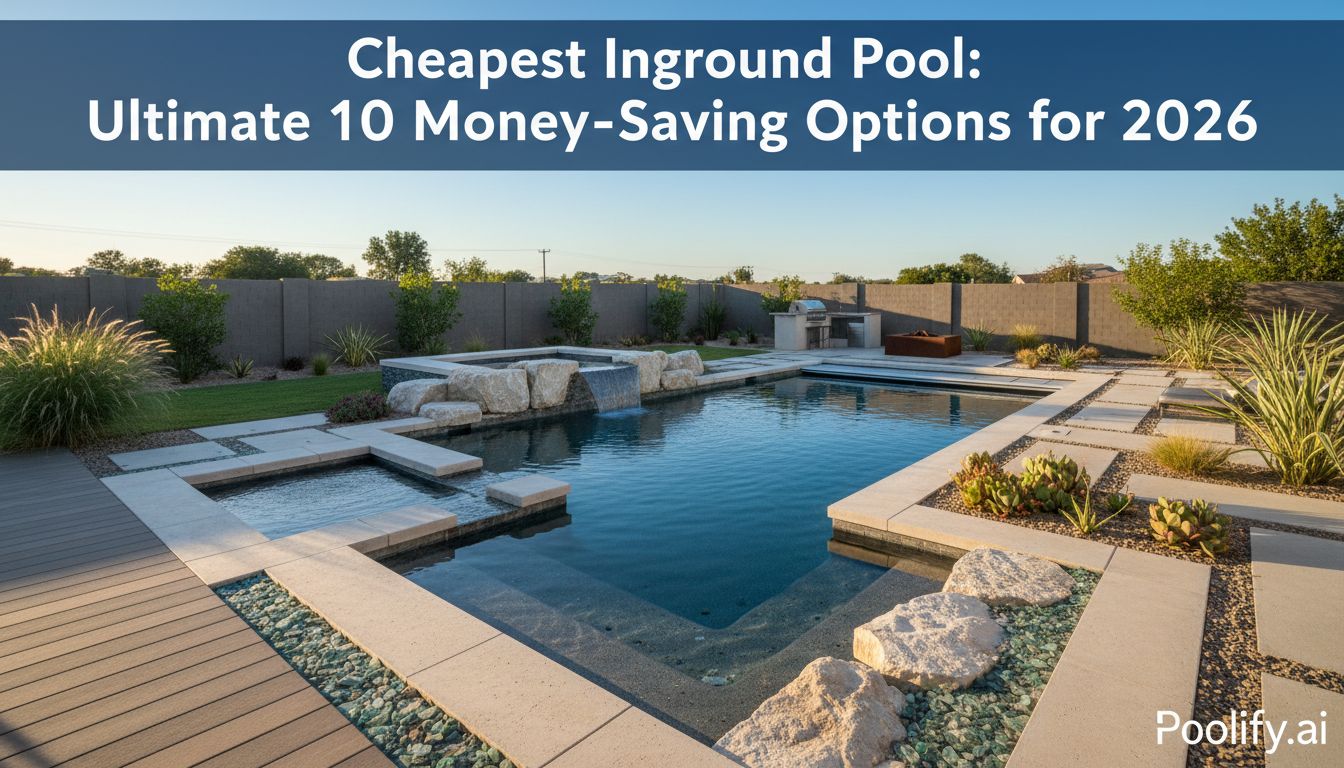
Understanding what is the cheapest inground pool starts with recognizing that affordability doesn’t mean sacrificing quality or enjoyment. In 2026, homeowners have more budget-friendly options than ever before, with prices ranging from $15,000 to $35,000 for the most economical installations. The key to finding the cheapest inground pool lies in selecting the right materials, installation methods, and smart planning strategies that align with your budget while delivering lasting value. This comprehensive guide explores the most affordable inground pool types, cost-saving techniques, and practical considerations to help you make an informed decision without breaking the bank.
What is the Cheapest Inground Pool Type Available in 2026
When determining what is the cheapest inground pool, vinyl liner pools consistently rank as the most affordable option. These pools typically cost between $15,000 and $30,000 for a basic installation, making them approximately 30-50% less expensive than concrete or fiberglass alternatives. Vinyl liner pools feature a custom-fabricated sheet that creates a waterproof barrier within a structural framework, usually made from polymer panels, steel, or aluminum walls.
The affordability of vinyl liner pools stems from their streamlined installation process and lower material costs. Unlike concrete pools that require extensive excavation, gunite application, and curing time, vinyl pools can be installed in as little as two to four weeks. The structural walls arrive prefabricated, reducing labor hours significantly. Additionally, vinyl liners themselves cost between $1,500 and $4,500 to replace every seven to ten years, which remains manageable compared to resurfacing concrete pools.
Fiberglass pools represent the second most affordable option when considering what is the cheapest inground pool. These one-piece shells typically range from $20,000 to $40,000 installed. While initially more expensive than vinyl, fiberglass pools offer long-term cost advantages through reduced maintenance and chemical usage. The non-porous gel coat surface resists algae growth better than other materials, potentially saving hundreds annually on cleaning supplies and professional services.
DIY Pool Kits: The Most Budget-Conscious Choice
For homeowners asking what is the cheapest inground pool with hands-on installation, DIY pool kits provide the answer. These comprehensive packages include all necessary materials and instructions, allowing capable individuals to complete much of the work themselves. DIY vinyl liner pool kits start around $8,000 to $15,000 for materials only, though total costs typically reach $15,000 to $25,000 when factoring in equipment rentals and subcontracted work like electrical connections.
Several reputable manufacturers offer DIY inground pool kits designed for homeowner installation. These packages include polymer or steel wall panels, vinyl liner, coping, plumbing components, and detailed assembly instructions. The installation process requires basic construction skills, proper equipment access, and considerable time commitment—typically 40 to 80 hours of labor spread across several weeks. Most DIY installers hire professionals for specialized tasks like electrical work, plumbing connections, and final grading.
The cost savings from DIY installation can be substantial. Professional labor typically accounts for 40-60% of total pool installation costs. By handling excavation, panel assembly, and finishing work yourself, you can reduce total expenses by $10,000 to $20,000 compared to turnkey installations. However, this approach requires careful consideration of local building codes, permit requirements, and your personal skill level. According to OSHA construction safety guidelines, proper safety equipment and procedures are essential when undertaking excavation projects.
Size and Shape Considerations for Affordable Pools
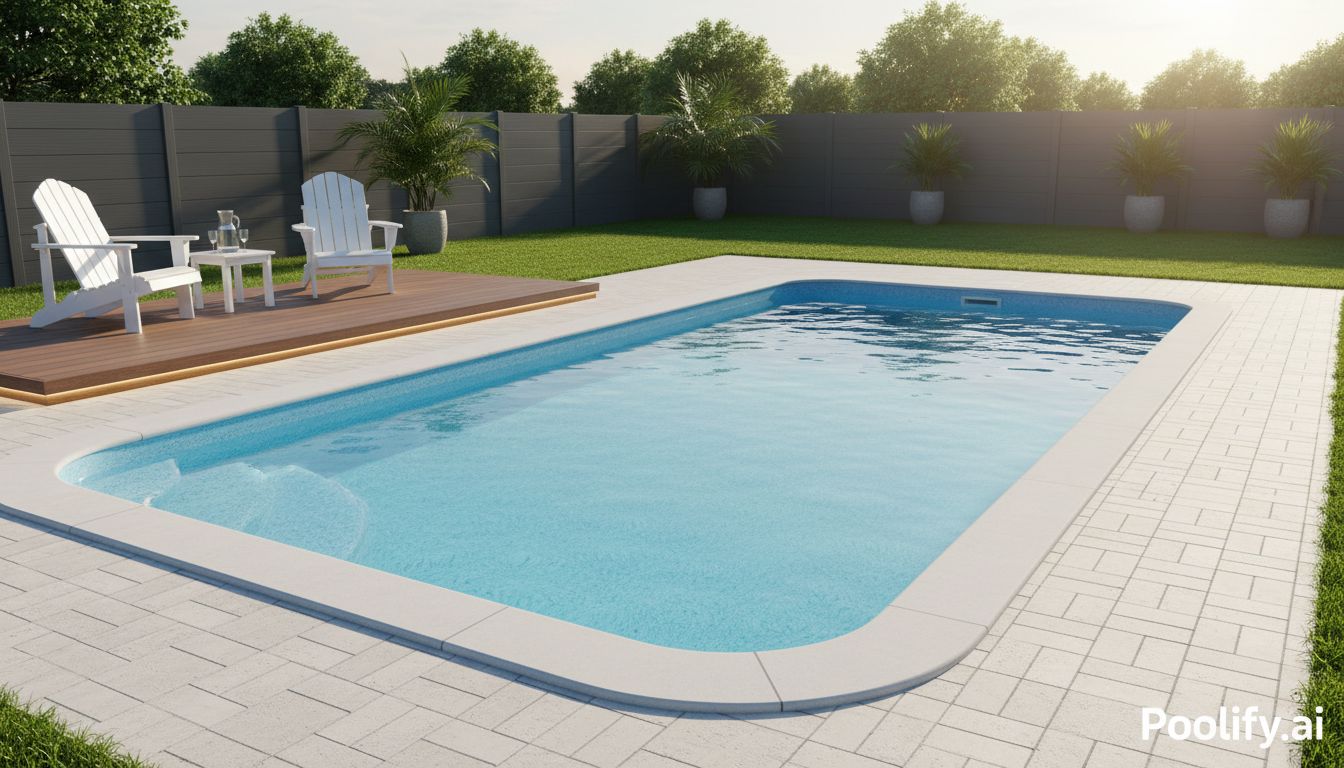
Pool dimensions significantly impact the answer to what is the cheapest inground pool. Smaller pools naturally cost less due to reduced material requirements, excavation volume, and installation labor. A compact 10×20 foot pool (200 square feet) can cost 40-50% less than a standard 16×32 foot pool (512 square feet). In 2026, cocktail pools and plunge pools have gained popularity as cost-effective alternatives that still provide refreshing swimming experiences.
Simple rectangular designs consistently prove most affordable when determining what is the cheapest inground pool configuration. Geometric shapes require fewer custom components and less complex excavation compared to kidney-shaped, freeform, or L-shaped designs. Each curve or angle adds labor time and potentially requires custom-fabricated components. A basic rectangle with square corners minimizes waste and allows for standardized materials, reducing costs by 15-25% compared to curved designs.
Depth also affects overall expenses. Pools with uniform shallow depths (3.5 to 4.5 feet throughout) cost less than those with deep ends designed for diving. Shallow pools require less excavation, fewer materials, and reduced structural reinforcement. For families primarily interested in recreation and cooling off rather than diving, maintaining consistent shallow depths can save $3,000 to $6,000 on installation costs while also reducing ongoing heating and chemical expenses.
Strategic Cost-Cutting Installation Methods
Understanding what is the cheapest inground pool installation approach involves strategic planning and flexible scheduling. Timing your project during off-season months (late fall through early spring in most regions) can yield 10-20% discounts from contractors seeking to maintain steady work. Pool companies often offer promotional pricing during slower periods, and you’ll receive more personalized attention when crews aren’t stretched thin with multiple projects.
Simplifying site preparation dramatically reduces costs when determining what is the cheapest inground pool installation. Choosing a location with level ground, good drainage, and easy equipment access minimizes excavation complexity. Avoiding areas with large trees, underground utilities, or rocky soil prevents expensive removal or drilling work. Sites requiring minimal grading, no tree removal, and straightforward access can save $2,000 to $5,000 compared to challenging locations.
Phased installation represents another cost-management strategy. Installing the basic pool structure first, then adding features like heating, lighting, or decking in subsequent years spreads expenses across multiple budgets. This approach allows you to enjoy your pool sooner while avoiding large upfront costs. Starting with essential components—the pool shell, basic filtration, and simple coping—keeps initial investment minimal while maintaining flexibility for future upgrades.
Equipment Selection for Budget Installations
Choosing cost-effective equipment helps answer what is the cheapest inground pool without compromising functionality. Single-speed pumps cost $300 to $600 less than variable-speed models initially, though variable-speed pumps save significantly on electricity over time. Sand filters represent the most affordable filtration option at $300 to $600, compared to $600 to $1,200 for cartridge filters. Basic pool heaters start around $1,500 for gas models, while solar heating systems offer long-term savings despite higher upfront costs.
Standard chlorine sanitization systems remain the most economical choice for water treatment. Manual chlorination requires minimal equipment investment—just $50 to $150 for a basic test kit and chemical feeder. Salt water systems add $1,500 to $2,500 to installation costs, while advanced UV or ozone systems can increase expenses by $2,000 to $4,000. For budget-conscious installations, traditional chlorine treatment provides reliable sanitation at the lowest initial investment.
Material Alternatives and Cost Comparisons
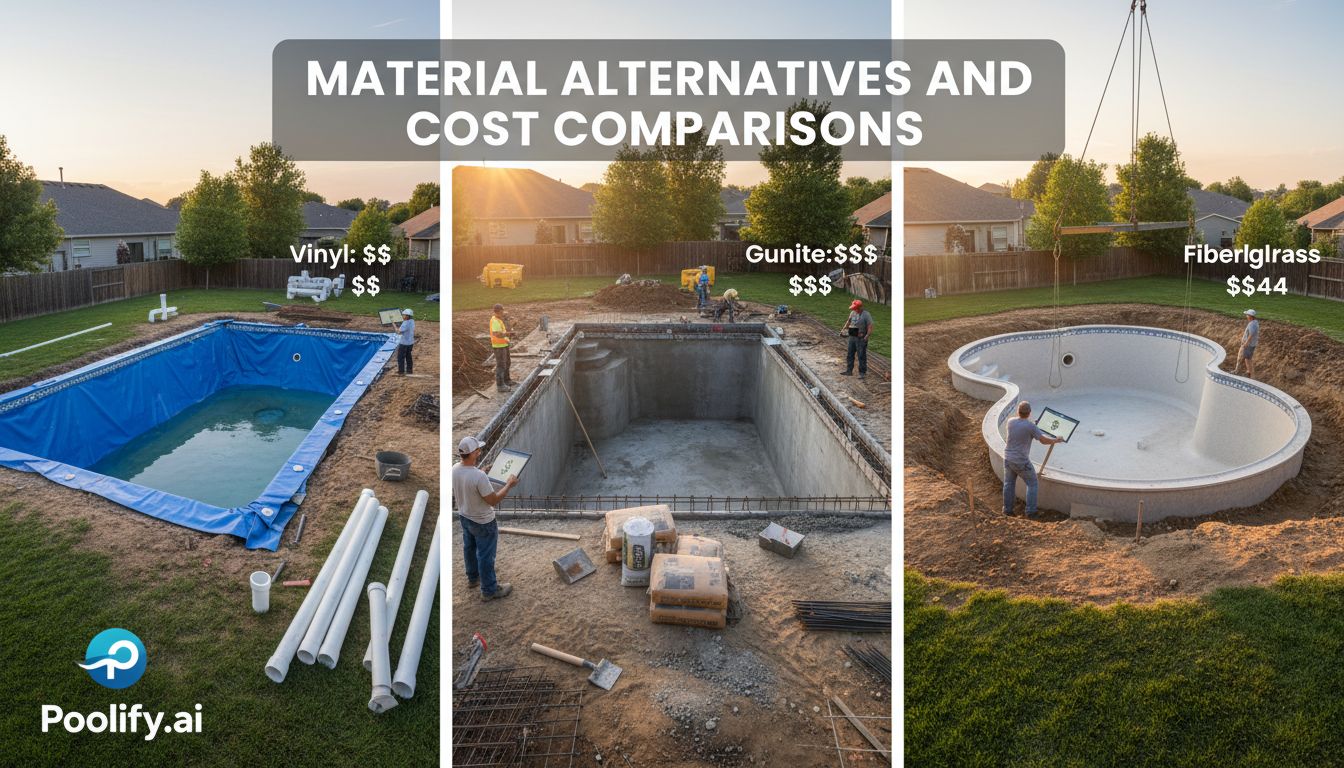
When evaluating what is the cheapest inground pool material, vinyl liner pools cost approximately $35 to $65 per square foot installed. A typical 16×32 foot vinyl pool totals $20,000 to $35,000 including basic equipment and simple decking. Fiberglass pools range from $45 to $85 per square foot, resulting in $25,000 to $45,000 for similar dimensions. Concrete pools represent the premium option at $80 to $200 per square foot, with total costs reaching $45,000 to $100,000 or more for comparable sizes.
Each material offers distinct advantages beyond initial cost. Vinyl liners provide smooth surfaces and customizable patterns, though they require replacement every seven to ten years at $3,000 to $5,000 per liner. Fiberglass shells offer superior durability and low maintenance but come in predetermined sizes and shapes. Concrete pools allow unlimited customization and permanent finishes but demand the highest initial investment and ongoing maintenance expenses.
For homeowners prioritizing upfront affordability when asking what is the cheapest inground pool, vinyl remains the clear winner. However, total cost of ownership over 20 years presents a more nuanced picture. Vinyl pools require two to three liner replacements ($6,000 to $15,000 total), while fiberglass pools typically need only surface refinishing once ($3,000 to $5,000). Concrete pools may require replastering every 10-15 years ($5,000 to $10,000). When considering long-term expenses, the initial price difference narrows considerably.
Regional Cost Variations and Local Factors
Geographic location significantly influences what is the cheapest inground pool in your area. Regional labor rates, material availability, and local building codes create price variations of 20-40% across different markets. Sunbelt states like Texas, Arizona, and Florida typically offer more competitive pricing due to high market competition and year-round installation seasons. Northern states often see higher costs due to shorter construction windows, frost-depth requirements, and limited contractor availability.
Local permit fees and inspection requirements add $500 to $2,000 to total costs depending on jurisdiction. Some municipalities require engineering certifications, soil tests, or setback variances that increase expenses. Researching local regulations early helps budget accurately and avoid surprises. Many building departments provide detailed permit requirement information online, or you can consult with local government offices to understand specific obligations in your area.
Soil conditions vary regionally and impact excavation costs substantially. Rocky terrain, high water tables, or expansive clay soils require specialized equipment or additional structural reinforcement. Areas with favorable sandy or loamy soil allow straightforward excavation at standard rates, while challenging conditions can add $3,000 to $8,000 to project costs. Professional soil testing before committing to installation helps avoid unexpected expenses and ensures proper pool design for local conditions.
Smart Financing and Payment Strategies
Understanding what is the cheapest inground pool includes exploring affordable financing options. Home equity loans and lines of credit typically offer the lowest interest rates (6-9% in 2026) for pool installations, allowing you to leverage existing home value. Personal loans provide faster approval but carry higher rates (9-15%), while specialized pool financing through contractors may include promotional periods with deferred interest. Comparing multiple financing sources can save thousands in interest over typical five to ten year repayment periods.
Many pool contractors offer seasonal promotions, package discounts, or referral incentives that reduce overall costs. Bundling multiple features—pool installation, decking, and fencing—often yields 10-15% savings compared to contracting services separately. Some companies provide discounts for cash payments, early-season bookings, or simplified designs. Don’t hesitate to negotiate or request price matching if you’ve received competitive quotes from other reputable installers.
Tax incentives and rebates occasionally apply to energy-efficient pool equipment. Variable-speed pumps, solar heaters, and LED lighting may qualify for utility rebates or federal energy tax credits. While these incentives don’t directly reduce pool installation costs, they offset equipment expenses and lower long-term operating costs. Research available programs through your utility provider and consult tax professionals about potential deductions for energy-efficient home improvements.
Budget-Friendly Landscaping and Decking
Surrounding features significantly impact total project costs when determining what is the cheapest inground pool installation. Basic concrete decking costs $6 to $12 per square foot, providing durable, affordable surfaces around your pool. Stamped or decorative concrete increases costs to $12 to $20 per square foot, while premium materials like natural stone or pavers range from $15 to $40 per square foot. Starting with minimal concrete decking and expanding later helps control initial expenses.
Simple landscaping with native plants, mulch beds, and basic grading costs substantially less than elaborate designs with mature trees, extensive hardscaping, or custom water features. Budget-conscious landscaping focusing on functionality rather than aesthetics can save $3,000 to $10,000 while still providing attractive, practical surroundings. Gradually enhancing landscaping over several years spreads costs and allows you to learn which features truly enhance your pool experience.
Long-Term Cost Considerations and Maintenance
Evaluating what is the cheapest inground pool requires understanding ongoing expenses beyond installation. Annual maintenance costs typically range from $1,200 to $2,500, including chemicals ($300 to $600), electricity for pumps and heating ($400 to $1,200), water ($100 to $300), and routine service ($400 to $800 if professionally maintained). Vinyl liner pools generally incur lower chemical costs due to smooth surfaces that resist algae, while concrete pools may require more frequent chemical balancing and cleaning.
Energy efficiency significantly impacts long-term costs. Variable-speed pumps consume 50-75% less electricity than single-speed models, saving $300 to $800 annually despite higher initial costs. Pool covers reduce heating expenses by 50-70% and minimize water evaporation, saving $200 to $600 yearly on heating and refilling. Solar heating systems eliminate ongoing fuel costs after installation, providing free heating for 15-20 years. These efficiency investments often pay for themselves within three to five years through reduced operating expenses.
Planning for major maintenance helps budget accurately over your pool’s lifespan. Vinyl liners require replacement every seven to ten years ($3,000 to $5,000), pump motors last eight to twelve years ($400 to $800 for replacement), and heaters typically need replacement after ten to fifteen years ($1,500 to $4,000). Setting aside $500 to $800 annually for eventual replacements prevents financial stress when equipment inevitably reaches end-of-life. For more guidance on maintaining your investment, explore our comprehensive pool maintenance strategies that help extend equipment lifespan.
Avoiding Common Budget Pitfalls
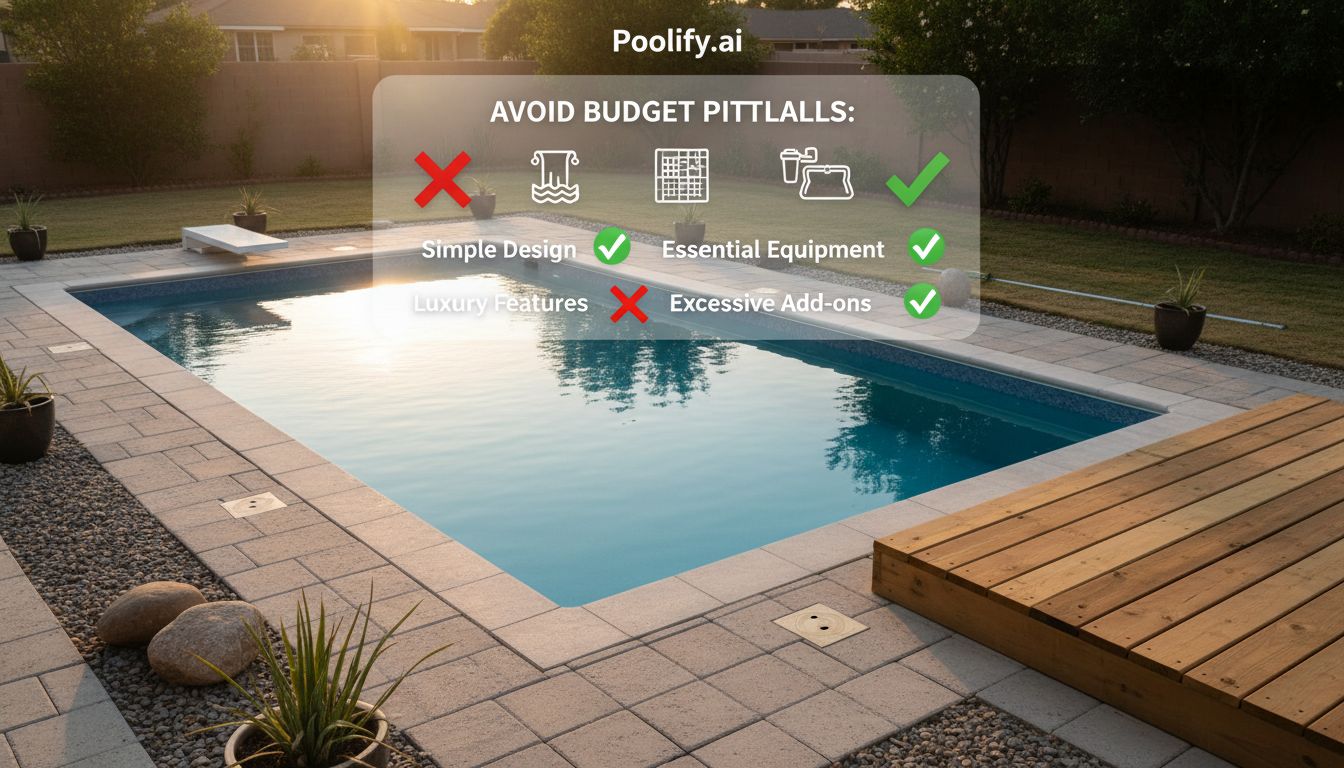
Many homeowners underestimate total costs when researching what is the cheapest inground pool. Advertised base prices rarely include essential components like decking, fencing, electrical work, permits, or landscaping restoration. A pool advertised at $20,000 often totals $28,000 to $35,000 after necessary additions. Request detailed written estimates itemizing all components, labor, permits, and potential additional charges to avoid surprises and budget accurately.
Choosing the absolute lowest bid frequently leads to problems and additional expenses. Extremely low quotes may indicate inexperienced contractors, substandard materials, or incomplete scope understanding. Contractors cutting corners on excavation depth, structural reinforcement, or proper plumbing create long-term problems requiring expensive corrections. Selecting moderately priced bids from licensed, insured contractors with strong references typically provides better value than choosing the cheapest option regardless of qualifications.
Skipping proper planning and rushing installation decisions often increases costs. Inadequate site evaluation, poor equipment placement, or design changes mid-project generate additional charges and delays. Investing time in thorough planning—measuring accurately, researching options, obtaining multiple quotes, and understanding local requirements—prevents costly mistakes. A well-planned project completed correctly the first time costs less than rushed installations requiring subsequent corrections or modifications.
Insurance and Safety Requirements
Pool safety features and insurance considerations affect total costs when determining what is the cheapest inground pool. Most jurisdictions require barrier fencing (typically $1,500 to $4,000 for basic installations) to prevent unsupervised access. Safety covers add $1,200 to $3,000 but may reduce insurance premiums. Homeowners insurance typically increases $50 to $200 annually after pool installation due to increased liability exposure. Discussing pool additions with your insurance agent before installation helps budget for premium increases and understand coverage requirements.
Required safety equipment includes life-saving devices, proper signage, and often pool alarms or covers depending on local codes. These essential items add $300 to $800 to total costs but provide crucial protection. Skimping on safety features to reduce expenses creates liability risks and potential code violations. Building comprehensive safety measures into your initial budget ensures compliance and protects your family and guests. Check out our detailed guide on essential pool safety equipment for more information.
Frequently Asked Questions
What is the cheapest inground pool I can install myself?
The cheapest inground pool for DIY installation is a vinyl liner pool kit, with material costs starting around $8,000 to $15,000. Total expenses including equipment rentals and subcontracted specialized work typically reach $15,000 to $25,000. These kits include all structural components, liner, and instructions, though you’ll need basic construction skills and considerable time commitment. Most DIY installers hire professionals for electrical connections, plumbing, and final grading to ensure code compliance and proper functionality.
How much can I save by choosing the smallest inground pool size?
Compact inground pools (10×20 feet or 200 square feet) cost 40-50% less than standard sizes (16×32 feet or 512 square feet). A small vinyl liner pool might cost $15,000 to $22,000 installed, compared to $25,000 to $35,000 for standard dimensions. Smaller pools also reduce ongoing expenses for heating, chemicals, and water, saving $300 to $600 annually. Cocktail pools and plunge pools provide refreshing swimming experiences while maximizing budget efficiency.
Are vinyl liner pools really cheaper than fiberglass long-term?
Vinyl liner pools cost less initially ($20,000 to $35,000) compared to fiberglass ($25,000 to $45,000), but require liner replacement every seven to ten years at $3,000 to $5,000 per replacement. Over 20 years, vinyl pools typically need two to three liner replacements ($6,000 to $15,000 total), while fiberglass pools may only require surface refinishing once ($3,000 to $5,000). The long-term cost difference narrows, though vinyl maintains an advantage for homeowners prioritizing minimal upfront investment.
What time of year offers the cheapest pool installation prices?
Late fall through early spring typically offers the most affordable installation pricing, with contractors providing 10-20% discounts during off-season months. Pool companies seek to maintain steady work during slower periods and can offer more competitive rates and personalized attention. However, weather limitations in northern climates may restrict installation windows, so consult local contractors about optimal timing in your region for both cost savings and practical installation conditions.
Can I finance a cheap inground pool with bad credit?
Financing options exist for various credit situations, though interest rates increase with lower credit scores. Home equity loans offer the best rates (6-9%) but require sufficient home equity and decent credit. Personal loans through online lenders may approve lower credit scores with rates of 12-25%. Some pool contractors offer in-house financing with flexible approval criteria but higher costs. Improving credit scores before applying, providing larger down payments, or considering co-signers can improve financing terms and reduce total borrowing costs.
Key Takeaways
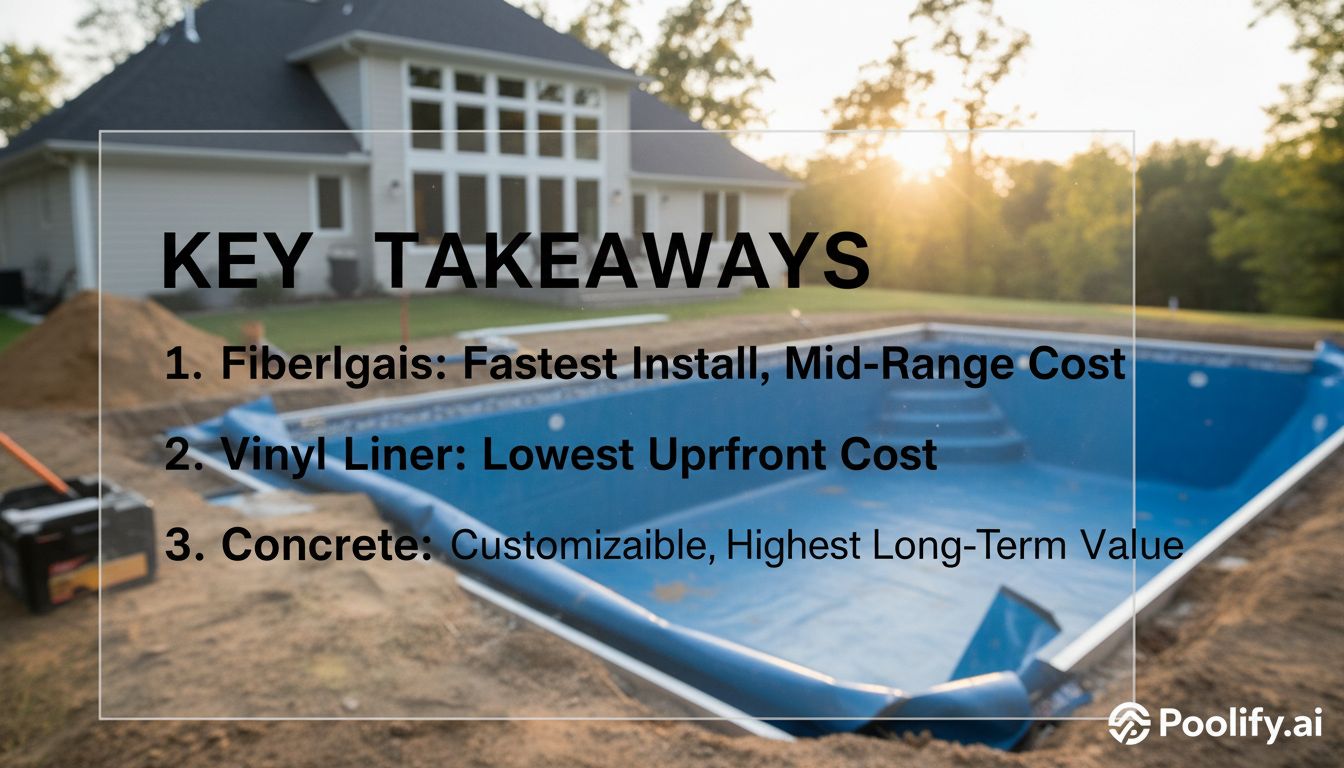
- Vinyl liner pools represent the cheapest inground pool option, with installation costs ranging from $15,000 to $30,000, approximately 30-50% less expensive than fiberglass or concrete alternatives in 2026.
- DIY pool kits offer maximum savings for capable homeowners, reducing total costs to $15,000 to $25,000 by eliminating 40-60% of professional labor expenses, though specialized work like electrical and plumbing still requires professional contractors.
- Pool size and shape dramatically impact costs, with compact rectangular designs (10×20 feet) costing 40-50% less than standard sizes while simple geometric shapes save 15-25% compared to curved or custom configurations.
- Strategic timing and site selection reduce expenses through off-season discounts (10-20% savings), choosing level locations with easy access, and phasing installation to spread costs across multiple budget periods.
- Long-term costs require careful consideration beyond initial installation, including liner replacements ($3,000 to $5,000 every 7-10 years), annual maintenance ($1,200 to $2,500), and energy-efficient equipment that reduces operating expenses by 50-75% over time.
See Your Dream Pool in Your Actual Backyard
Upload a photo and get an AI-designed pool visualization in 10 seconds. 3 free designs, no login required.
Try Poolify Free →Conclusion
Determining what is the cheapest inground pool in 2026 involves balancing initial costs, long-term expenses, and personal priorities. Vinyl liner pools consistently offer the most affordable entry point at $15,000 to $30,000 installed, while DIY kits provide additional savings for capable homeowners willing to invest significant time and effort. Strategic decisions regarding size, shape, timing, and equipment selection can reduce costs by thousands without sacrificing quality or enjoyment.
The cheapest inground pool isn’t simply the option with the lowest price tag—it’s the solution that delivers the best value for your specific situation. Consider your budget, timeline, skill level, and long-term plans when evaluating options. Smaller pools with simple designs, basic equipment, and phased installations allow you to enjoy swimming while maintaining financial flexibility. Investing in quality materials and professional installation for critical components prevents expensive corrections and ensures years of trouble-free enjoyment.
Success with budget-friendly pool installation requires thorough research, careful planning, and realistic expectations. Obtain multiple detailed quotes, verify contractor credentials, understand all costs including permits and ancillary features, and avoid rushing decisions. The most affordable inground pool is one that fits comfortably within your budget while providing the functionality and enjoyment your family desires. With proper planning and smart choices, you can create a backyard oasis without financial stress, transforming your home into a summer destination for years to come.
References
- OSHA Construction Safety Guidelines – https://www.osha.gov/construction
- U.S. Local Government Resources – https://www.usa.gov/local-governments
