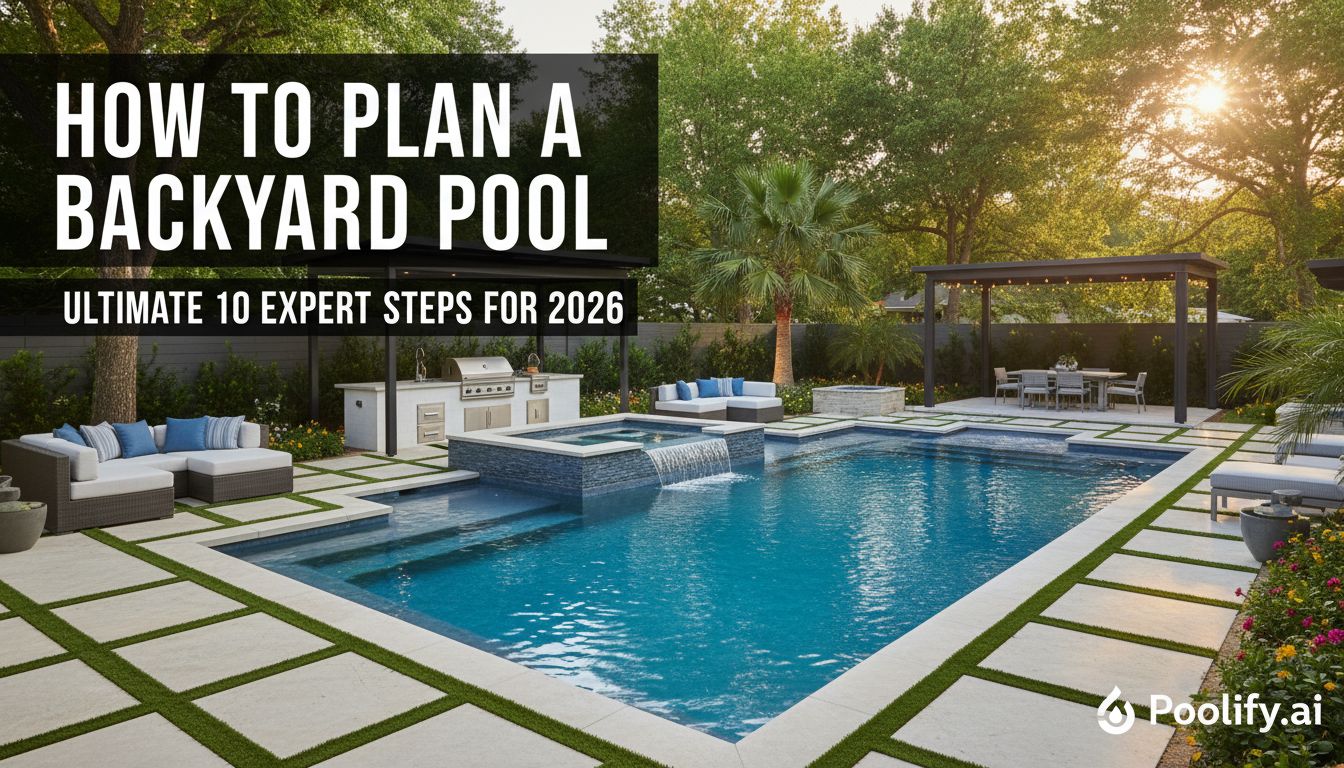
Introduction: Creating Your Dream Backyard Pool
Learning how to plan a backyard pool represents one of the most exciting home improvement projects you can undertake in 2026. A well-designed pool transforms your outdoor space into a personal retreat, increases property value, and provides endless entertainment for family and friends. However, successful pool installation requires thorough planning, realistic budgeting, and understanding the complexities of design, permits, and construction processes.
This comprehensive guide walks you through every critical step of how to plan a backyard pool, from initial concept to final construction. Whether you’re dreaming of a simple plunge pool or an elaborate resort-style oasis, proper planning ensures your investment delivers maximum enjoyment and value. By following these expert strategies, you’ll avoid costly mistakes and create a backyard pool that perfectly matches your lifestyle, budget, and property characteristics.
Step 1: Establish Your Budget and Financing Options
The first essential step in how to plan a backyard pool involves establishing a realistic budget. In 2026, inground pool costs typically range from $35,000 to $100,000 or more, depending on size, materials, and features. Basic vinyl liner pools start around $35,000, while concrete gunite pools with custom features easily exceed $80,000. Above-ground pools offer budget-friendly alternatives starting at $3,000 to $15,000.
Your budget should account for more than just construction costs. Include expenses for permits ($500-$2,000), landscaping ($3,000-$10,000), fencing ($2,000-$8,000), and initial equipment. According to the Department of Energy’s pool efficiency guidelines, energy-efficient equipment may cost more upfront but saves significantly on long-term operating costs.
Consider financing options carefully. Home equity loans, home equity lines of credit (HELOCs), and specialized pool loans each offer different advantages. Cash-out refinancing works well when interest rates are favorable. Many pool contractors partner with financing companies offering promotional rates, but always compare terms carefully before committing.
Hidden Costs to Include in Your Budget
When planning how to plan a backyard pool, many homeowners underestimate ongoing expenses. Annual maintenance costs typically run $1,200-$2,500, including chemicals, cleaning, repairs, and increased utility bills. Water heating alone can add $300-$1,000 annually. Insurance premiums may increase by $50-$200 yearly, and property taxes often rise following pool installation.
Step 2: Assess Your Property and Space Requirements
Understanding your property’s characteristics is crucial when learning how to plan a backyard pool. Start by measuring your available space, accounting for setback requirements that typically mandate pools sit at least 5-10 feet from property lines. Most municipalities require pools to be positioned away from septic systems, utility lines, and easements.
Evaluate your yard’s topography and drainage patterns. Sloped yards require extensive grading and may need retaining walls, significantly increasing costs. Poor drainage areas create ongoing maintenance challenges. Professional soil testing reveals ground stability and identifies potential issues like high water tables or rocky conditions that complicate excavation.
Consider sun exposure throughout the day. South-facing pools receive maximum sunlight, naturally warming water and reducing heating costs. However, excessive sun exposure may require additional shade structures. Trees provide natural shade but create maintenance challenges with falling leaves and debris. Root systems can also damage pool structures over time.
Access and Construction Logistics
Evaluate equipment access to your backyard. Excavation equipment, concrete trucks, and material deliveries require adequate clearance. Standard access gates need at least 8-10 feet of width. Limited access may necessitate smaller equipment or manual labor, increasing construction costs and timelines. Some properties require crane services to lift materials over houses, adding substantial expenses.
Step 3: Choose Your Pool Type and Materials
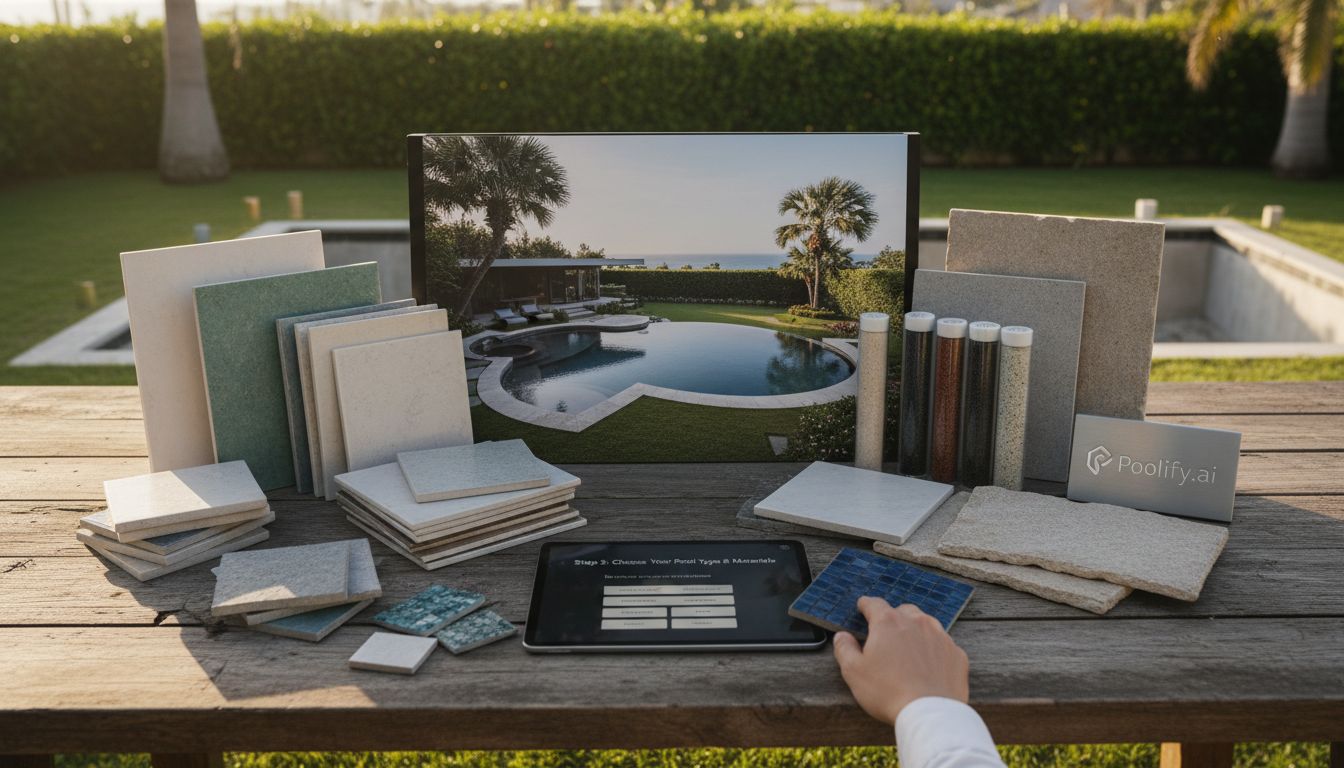
Selecting the right pool type represents a critical decision in how to plan a backyard pool. Each material offers distinct advantages, maintenance requirements, and cost considerations. Understanding these differences helps you make informed choices aligned with your budget and lifestyle preferences.
Concrete (gunite or shotcrete) pools offer maximum customization and durability. These pools accommodate any shape, size, or depth, with lifespans exceeding 50 years when properly maintained. Installation takes 8-12 weeks, and surfaces require resurfacing every 10-15 years at costs of $5,000-$15,000. Concrete pools provide the highest resale value but represent the most significant initial investment.
Vinyl liner pools cost significantly less upfront and install faster, typically completing within 4-6 weeks. Smooth vinyl surfaces feel pleasant and require fewer chemicals than concrete. However, liners need replacement every 7-10 years at costs of $3,000-$5,000. Sharp objects easily puncture liners, and customization options are more limited than concrete alternatives.
Fiberglass Pool Considerations
Fiberglass pools have gained popularity in 2026 for their quick installation and low maintenance requirements. Pre-manufactured shells install in just 3-5 days once the site is prepared. Smooth, non-porous surfaces resist algae growth and require fewer chemicals. However, size and shape options are limited to manufacturer molds, and wide loads may face transportation challenges to some properties.
Step 4: Design Your Pool Layout and Features
Thoughtful design transforms how to plan a backyard pool from a simple construction project into creating a complete outdoor living space. Start with pool size appropriate for your property and intended use. Lap pools require at least 40 feet of length, while family recreation pools typically measure 12×24 to 16×32 feet. Plunge pools offer luxury in compact spaces, starting at 8×12 feet.
Depth considerations depend on your family’s needs. Shallow play areas (3-4 feet) work well for young children, while diving requires minimum depths of 8-9 feet. Many families opt for graduated depths, transitioning from 3 feet to 6 feet, accommodating various activities and ages safely.
Consider features that enhance functionality and aesthetics. Tanning ledges (baja shelves) create shallow lounging areas perfect for relaxation. Beach entries provide gradual, accessible entry points ideal for children and those with mobility concerns. Infinity edges deliver dramatic visual effects but require precise engineering and higher budgets. For more design inspiration, explore our modern pool design ideas for 2026 trends.
Water Features and Lighting
Water features add ambiance and sound to your pool environment. Waterfalls range from simple spillovers ($1,500-$5,000) to elaborate rock formations ($10,000-$50,000). Deck jets shoot graceful water arcs, while bubblers create playful fountain effects in shallow areas. Sheer descent waterfalls provide contemporary elegance with sheets of falling water.
LED lighting has revolutionized pool illumination in 2026, offering energy efficiency and programmable color options. Perimeter lighting enhances safety and extends usability into evening hours. Underwater lights create magical nighttime atmospheres, while landscape lighting integrates the pool with surrounding outdoor spaces.
Step 5: Navigate Permits and Regulations
Understanding permit requirements is essential when learning how to plan a backyard pool. Nearly all municipalities require building permits for inground pools, with applications costing $500-$2,000. Permit processes typically take 2-6 weeks, though complex projects or busy seasons may extend timelines.
Building codes specify safety requirements including fence height (typically 4-6 feet), gate specifications with self-closing and self-latching mechanisms, and electrical installations meeting National Electrical Code standards. Many jurisdictions now mandate pool alarms or safety covers. The Consumer Product Safety Commission’s Pool Safely campaign provides comprehensive safety guidelines that often influence local regulations.
Homeowner association (HOA) rules may impose additional restrictions on pool placement, size, fencing style, and operating hours. Review HOA covenants before finalizing plans, as violations can result in fines or mandated modifications. Some HOAs require architectural review committee approval, adding weeks to your timeline.
Utility Line Considerations
Before excavation begins, contact your local utility locating service (811 in the United States) to mark underground lines. Gas, electric, water, sewer, and communication lines must be identified and protected. Relocating utility lines adds significant costs and delays. Professional surveys ensure your pool design avoids conflicts with existing infrastructure.
Step 6: Select a Qualified Pool Contractor
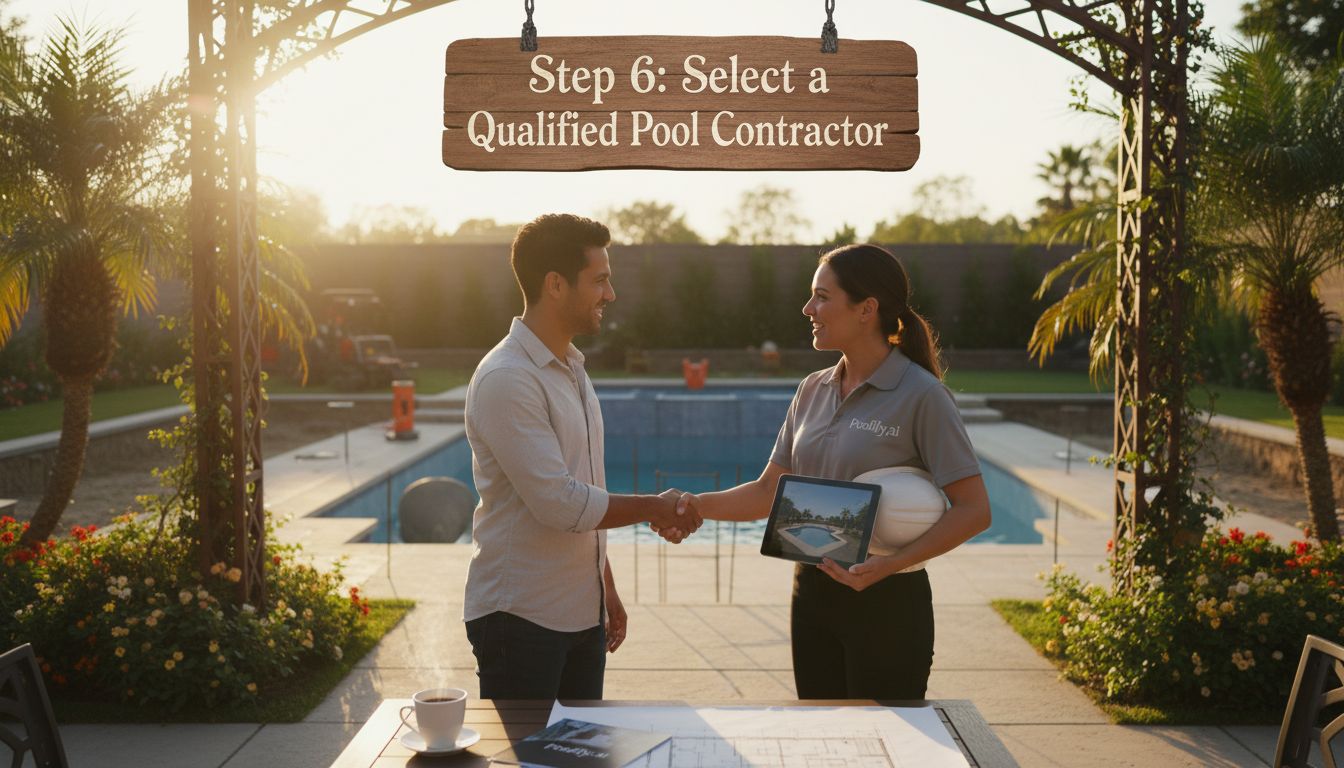
Choosing the right contractor significantly impacts your experience of how to plan a backyard pool. Start by researching licensed, insured contractors with established reputations in your area. Request references and visit completed projects when possible. Online reviews provide insights, but verify information through multiple sources.
Obtain at least three detailed written estimates for comparison. Quality bids itemize materials, labor, permits, and timeline expectations. Be wary of quotes significantly lower than competitors, as they often indicate substandard materials or hidden costs emerging later. Verify each contractor’s license status, insurance coverage, and Better Business Bureau rating.
Ask potential contractors about their experience with your chosen pool type and any special features you desire. Inquire about their subcontractor relationships, as quality electrical, plumbing, and landscaping work requires skilled specialists. Understand their warranty offerings, both for construction quality and equipment installations.
Contract Essentials
A comprehensive contract protects both parties throughout construction. Ensure your agreement specifies exact materials, equipment brands and models, construction timeline with milestones, payment schedule tied to completion stages, and warranty terms. Include provisions for change orders, weather delays, and dispute resolution. Never pay the full amount upfront; typical payment schedules involve deposits of 10-20% with subsequent payments at completion milestones.
Step 7: Plan for Equipment and Automation
Modern pool equipment has advanced significantly in 2026, offering efficiency and convenience unimaginable a decade ago. Understanding equipment options is crucial when learning how to plan a backyard pool. Your filtration system represents the heart of pool operations, with three main types available.
Sand filters offer affordability and reliability, requiring media replacement every 5-7 years. Cartridge filters provide superior filtration and eliminate backwashing water waste, though cartridges need replacement every 2-3 years. Diatomaceous earth (DE) filters deliver the finest filtration but require more maintenance and periodic DE powder additions.
Pump selection dramatically affects energy costs. Variable-speed pumps cost more initially but reduce energy consumption by 50-75% compared to single-speed models, paying for themselves within 2-3 years. Many regions now mandate variable-speed pumps for new installations due to their efficiency advantages.
Heating and Automation Systems
Pool heaters extend swimming seasons significantly. Gas heaters heat water quickly but cost more to operate. Heat pumps offer energy efficiency in moderate climates but work less effectively in cold weather. Solar heating systems provide free operation after installation but require adequate roof space and southern exposure. For comprehensive maintenance guidance, check our pool equipment maintenance tips.
Automation systems have become increasingly sophisticated and affordable in 2026. Basic systems control filtration schedules and lighting, while advanced platforms manage heating, cleaning, water chemistry, and features through smartphone apps. Remote monitoring alerts you to equipment issues before they become expensive problems.
Step 8: Design Complementary Landscaping and Hardscaping
Integrating your pool with surrounding landscaping completes the vision of how to plan a backyard pool. Decking material selection balances aesthetics, safety, and budget. Concrete offers affordability and versatility with various finishes including brushed, stamped, or stained options. Pavers provide elegant appearances and easy repair but cost more initially.
Natural stone delivers premium aesthetics with excellent heat resistance but represents the highest investment. Composite decking suits modern designs with low maintenance requirements. Consider slip resistance, heat absorption, and maintenance needs when selecting materials. Adequate drainage prevents water accumulation and extends material lifespan.
Plant selection requires careful consideration of maintenance and compatibility with pool environments. Avoid trees with aggressive root systems, excessive leaf drop, or attractive to bees. Palm trees, ornamental grasses, and succulents offer low-maintenance options that complement pool areas. Create privacy with strategic hedge placement or decorative screening.
Outdoor Living Spaces
Extend your pool’s functionality with integrated outdoor living areas. Covered patios provide shade and weather protection, while outdoor kitchens enable poolside entertaining. Fire features create ambiance and extend usability into cooler months. Pergolas define spaces and support climbing plants or shade fabric. Plan electrical outlets, lighting, and water access during construction to avoid expensive retrofitting.
Step 9: Understand Construction Timeline and Process
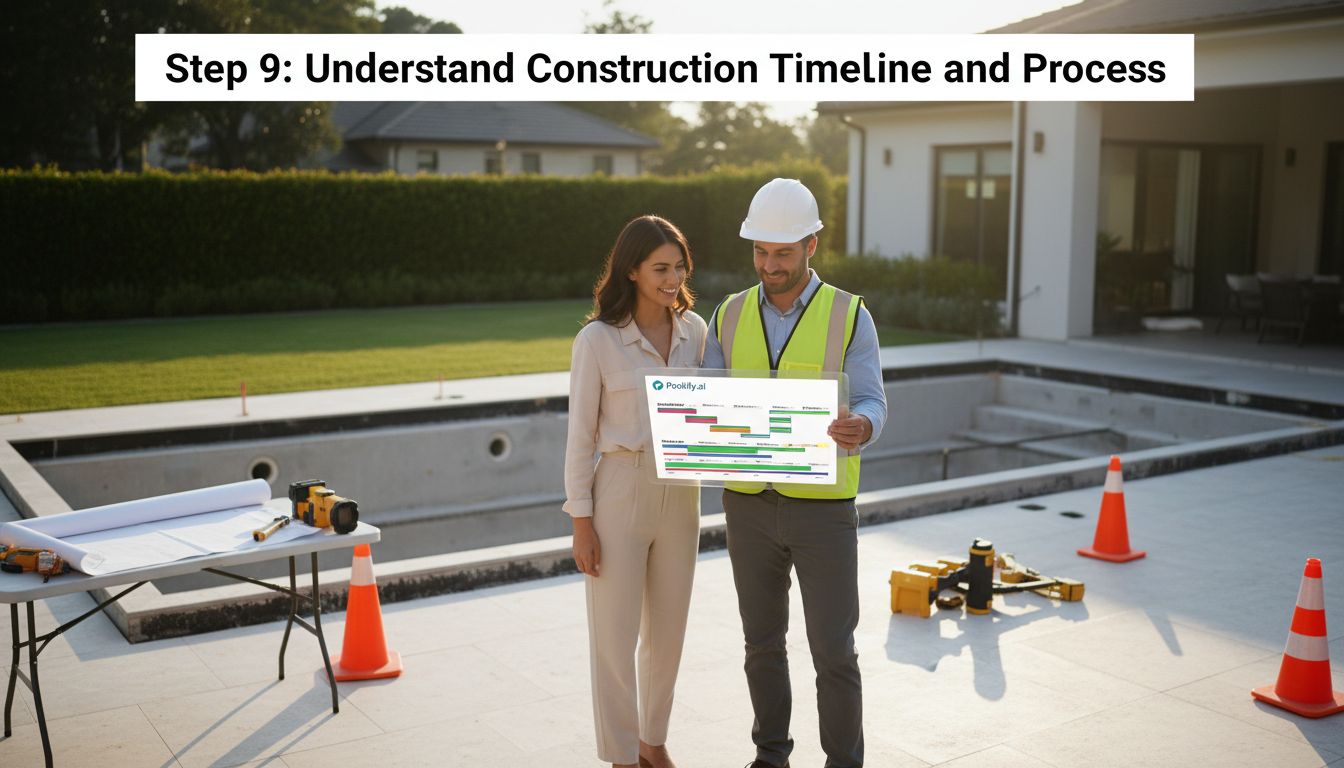
Realistic timeline expectations are essential when learning how to plan a backyard pool. Typical inground pool construction takes 8-12 weeks from excavation to completion, though timelines vary based on pool type, complexity, weather, and contractor schedules. Spring and early summer represent peak construction seasons with longer wait times.
Construction follows a predictable sequence. Excavation typically completes in 1-2 days for standard installations. Steel reinforcement installation and plumbing rough-ins take 3-5 days. Concrete gunite application occurs in one day but requires 28 days curing time. Tile, coping, and decking installation spans 1-2 weeks. Equipment installation and startup procedures complete the process.
Expect significant disruption during construction. Heavy equipment creates noise and traffic. Excavated soil requires disposal or redistribution. Protect existing landscaping and structures from damage. Establish clear communication protocols with your contractor, including daily progress updates and prompt notification of any issues or changes.
Weather and Seasonal Considerations
Weather significantly impacts construction timelines. Rain delays concrete work and excavation. Freezing temperatures prevent proper curing. Many contractors reduce or suspend operations during winter months in cold climates. Plan your project timeline accounting for seasonal weather patterns in your region. Starting construction in late winter or early spring positions you for summer completion.
Step 10: Prepare for Ongoing Maintenance and Operation
The final aspect of how to plan a backyard pool involves understanding long-term maintenance requirements. Successful pool ownership requires consistent attention to water chemistry, cleaning, and equipment care. Balanced water chemistry prevents equipment damage, surface deterioration, and health hazards.
Test water chemistry 2-3 times weekly during swimming season, adjusting pH (7.2-7.6), alkalinity (80-120 ppm), and chlorine levels (1-3 ppm) as needed. Calcium hardness and cyanuric acid require less frequent monitoring. Consider saltwater chlorination systems that generate chlorine automatically, reducing chemical handling and costs.
Regular cleaning prevents algae growth and maintains water clarity. Skim surface debris daily, brush walls and floors weekly, and vacuum as needed. Automatic pool cleaners handle routine cleaning, with robotic models offering the most thorough and efficient operation. Empty skimmer and pump baskets weekly to maintain proper water flow.
Seasonal Maintenance Tasks
Opening and closing procedures protect your investment in seasonal climates. Spring opening involves removing covers, cleaning surfaces, filling to proper levels, starting equipment, and balancing chemistry. Fall closing requires thorough cleaning, lowering water levels, blowing out plumbing lines, adding winterizing chemicals, and installing covers. Professional services handle these tasks for homeowners preferring expert assistance.
Frequently Asked Questions
How long does it take to plan and build a backyard pool in 2026?
The complete process of how to plan a backyard pool typically takes 4-6 months from initial planning to swimming. Planning, design, and permitting require 6-10 weeks, while construction spans 8-12 weeks. Complex designs, permit delays, or peak season scheduling may extend timelines. Starting your planning process in winter positions you for summer completion.
What is the most cost-effective pool type for residential installation?
Above-ground pools offer the lowest initial investment at $3,000-$15,000, while vinyl liner inground pools provide the most affordable permanent option starting around $35,000. However, consider lifetime costs including maintenance, repairs, and eventual replacement when evaluating true cost-effectiveness. Fiberglass pools often deliver the best value when accounting for low maintenance and longevity.
Do I need a fence around my backyard pool?
Most jurisdictions require safety barriers around residential pools, typically 4-6 feet high with self-closing, self-latching gates. Specific requirements vary by location, so verify local codes during the planning phase. Proper fencing dramatically reduces drowning risks, particularly for households with young children or neighboring properties with children.
How much does pool maintenance cost annually?
Annual pool maintenance costs typically range from $1,200-$2,500, including chemicals ($300-$600), increased utilities ($400-$1,000), equipment repairs ($200-$500), and professional services if used ($300-$800). Energy-efficient equipment and proper water chemistry management reduce long-term costs significantly. DIY maintenance saves on service fees but requires time investment and knowledge.
Will a pool increase my property value?
Pools typically increase property value by 5-8% in warm climates where they’re highly desirable, though returns vary significantly by location and market conditions. In cold climates or markets with limited swimming seasons, pools may not recoup full investment costs. Consider pools primarily as lifestyle amenities rather than financial investments, with value appreciation as a secondary benefit.
Key Takeaways
- Budget comprehensively for all costs including construction, permits, landscaping, and ongoing maintenance. Plan for $35,000-$100,000+ for inground pools, with annual operating costs of $1,200-$2,500.
- Assess your property thoroughly before finalizing designs, considering space, topography, drainage, sun exposure, and equipment access. Professional site evaluation prevents costly surprises during construction.
- Choose pool type and materials based on budget, maintenance preferences, and customization desires. Concrete offers maximum flexibility, vinyl provides affordability, and fiberglass delivers low maintenance.
- Navigate permits and regulations early in the planning process, accounting for building codes, HOA requirements, and safety mandates. Permit approval typically takes 2-6 weeks.
- Select qualified contractors carefully by verifying licenses, insurance, references, and detailed written estimates. Quality contractors deliver superior results and fewer headaches throughout construction.
See Your Dream Pool in Your Actual Backyard
Upload a photo and get an AI-designed pool visualization in 10 seconds. 3 free designs, no login required.
Try Poolify Free →Conclusion: Making Your Backyard Pool Dreams Reality
Understanding how to plan a backyard pool empowers you to create an outdoor oasis that enhances your lifestyle and property value for decades. Success requires thorough planning, realistic budgeting, and attention to details from initial concept through ongoing maintenance. By following these ten expert steps, you avoid common pitfalls and make informed decisions aligned with your goals.
Start your planning process early, allowing adequate time for design refinement, contractor selection, and permit approval. Invest in quality materials and equipment that deliver long-term value rather than choosing the cheapest options. Consider your pool as a complete outdoor living environment, integrating landscaping, lighting, and complementary features that maximize enjoyment.
The investment of time and resources in properly planning your backyard pool pays dividends through years of family memories, entertainment, and relaxation. Whether you envision morning laps, afternoon pool parties, or evening relaxation, thoughtful planning transforms your vision into reality. Begin your journey today, and by summer 2026, you’ll be enjoying your personal backyard paradise.
References
- U.S. Department of Energy – Swimming Pool Covers and Energy Efficiency: https://betterbuildingssolutioncenter.energy.gov/sites/default/files/attachments/Pool%20efficiency_.pdf
- Consumer Product Safety Commission – Pool Safely Campaign: https://www.cpsc.gov/Safety-Education/Safety-Education-Centers/Pool-Safely
