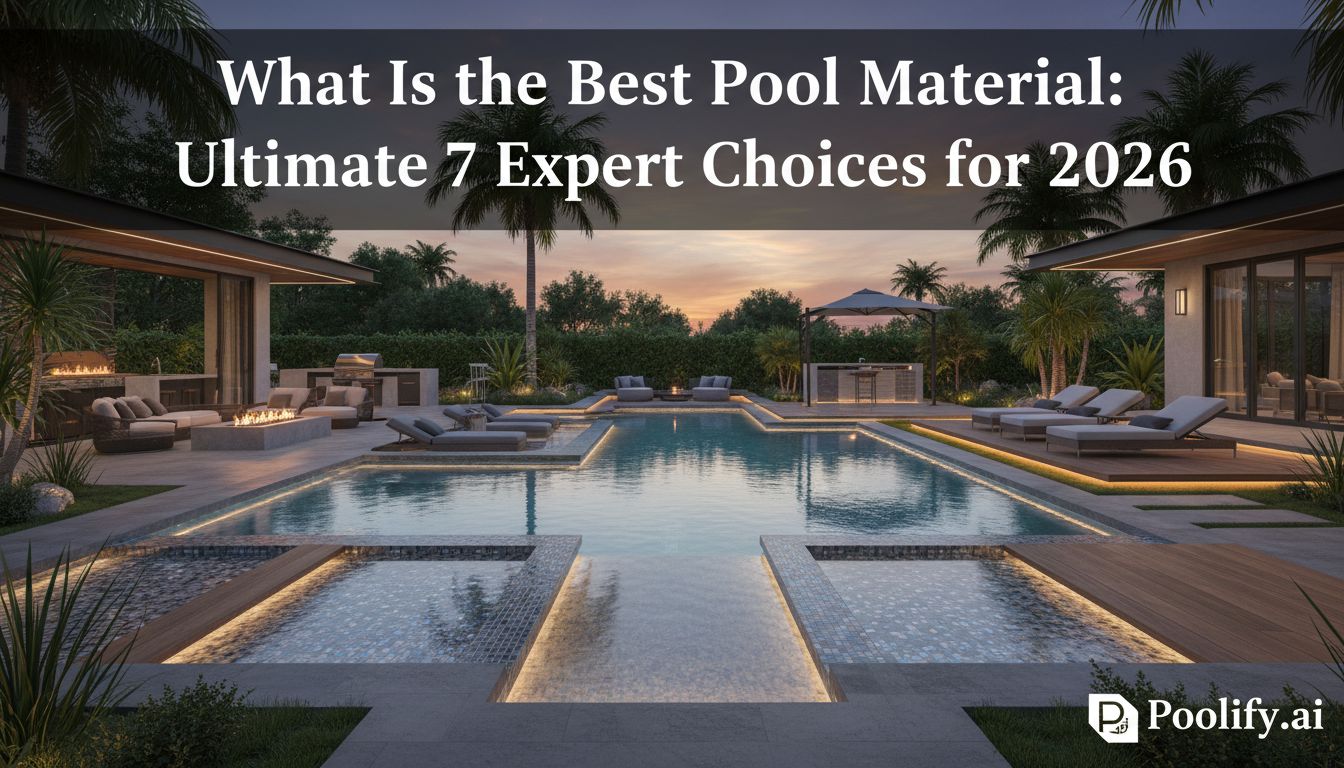
When planning a backyard oasis, one question dominates the decision-making process: what is the best pool material for your home? This choice affects everything from initial construction costs to long-term maintenance, durability, and aesthetic appeal. With advancements in pool technology throughout 2026, homeowners now have more material options than ever before, each offering distinct advantages and trade-offs. Understanding these differences helps you make an informed investment that aligns with your budget, lifestyle, and long-term goals.
The pool material you select determines not only how your pool looks but also how it performs over its 20 to 50-year lifespan. From traditional concrete to modern composite materials, each option presents unique characteristics in terms of installation time, customization potential, surface texture, and ongoing care requirements. This comprehensive guide examines the seven leading pool materials available in 2026, providing the expert insights you need to choose wisely.
Understanding What Is the Best Pool Material: Key Considerations
Before diving into specific materials, it’s essential to establish the criteria that define an ideal pool material. The best choice depends on multiple factors that vary by homeowner. Budget constraints often top the list, as pool materials range from $25,000 for basic vinyl installations to $100,000 or more for premium concrete designs. However, initial cost represents only part of the financial equation.
Long-term maintenance expenses significantly impact total ownership costs. Some materials require frequent resurfacing, chemical balancing, or liner replacements, while others demand minimal upkeep beyond standard cleaning. According to the CDC’s residential pool guidelines, proper material selection contributes to safer swimming environments and reduced chemical usage over time.
Durability and lifespan vary dramatically across pool materials. Climate conditions in your region play a crucial role—freeze-thaw cycles, intense UV exposure, and soil composition all affect material performance. Installation timeframes range from a few days to several months, which matters if you’re planning for a specific season. Aesthetic flexibility allows some materials to accommodate virtually any shape or design, while others limit customization options.
The surface texture affects swimmer comfort and safety. Rough surfaces provide better traction but can be abrasive, while smooth finishes feel luxurious but may become slippery. Energy efficiency considerations include how well the material retains heat and works with modern pool heating systems. Environmental impact has become increasingly important in 2026, with many homeowners seeking sustainable, eco-friendly options.
Concrete Pools: The Traditional Choice for Custom Designs
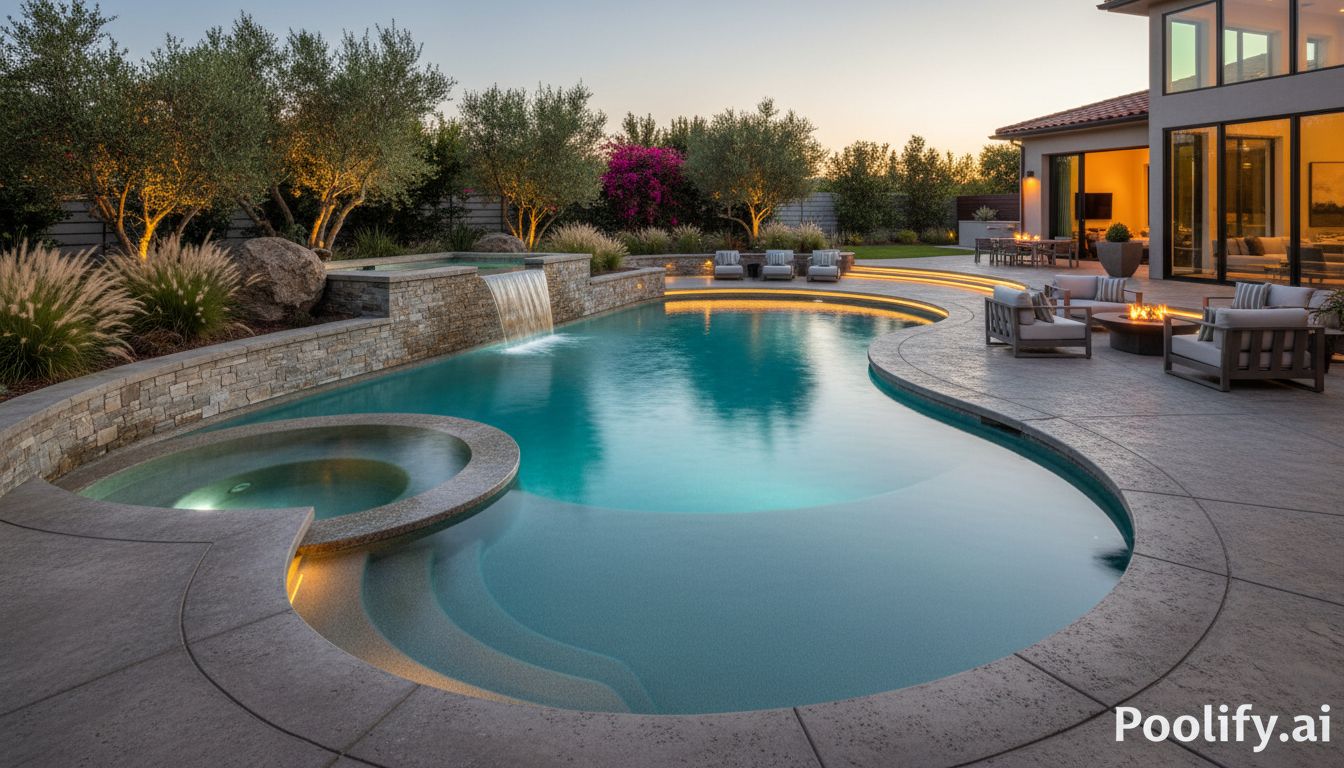
Concrete remains the most popular material when asking what is the best pool material for complete design freedom. Also known as gunite or shotcrete pools, concrete installations allow virtually unlimited shape, size, and depth configurations. This flexibility makes concrete ideal for properties with challenging terrain, unique architectural requirements, or homeowners seeking truly distinctive water features.
The construction process involves spraying concrete onto a steel-reinforced framework, creating an incredibly strong structure that can last 50 years or more with proper maintenance. Concrete pools accommodate integrated features like beach entries, swim-up bars, infinity edges, and custom tanning ledges that other materials struggle to replicate. The structural integrity supports heavy decorative elements like waterfalls, grottos, and elevated spas.
However, concrete pools require the longest installation time—typically 12 to 16 weeks from excavation to completion. Initial costs range from $50,000 to $100,000 or higher for elaborate designs. The porous nature of concrete necessitates a finishing surface, with options including plaster, aggregate, or tile. Standard plaster requires resurfacing every 10 to 15 years at costs between $5,000 and $10,000.
Maintenance demands are higher than other materials. The rough surface texture provides algae with more places to anchor, requiring diligent brushing and chemical management. Concrete pools typically consume more chemicals to maintain proper pH balance, as the alkaline material continuously affects water chemistry. For those wondering what is the best pool material for customization, concrete delivers unmatched versatility despite higher maintenance requirements.
Concrete Pool Advantages
- Unlimited design possibilities and custom shapes
- Exceptional durability with 50+ year lifespan
- Supports complex features and heavy decorative elements
- Adds significant property value
- Can be refinished with upgraded materials
Concrete Pool Disadvantages
- Highest initial construction costs
- Longest installation timeline (3-4 months)
- Regular resurfacing required every 10-15 years
- Higher chemical usage and maintenance demands
- Rough surface texture can be abrasive
Fiberglass Pools: Low-Maintenance Modern Solution
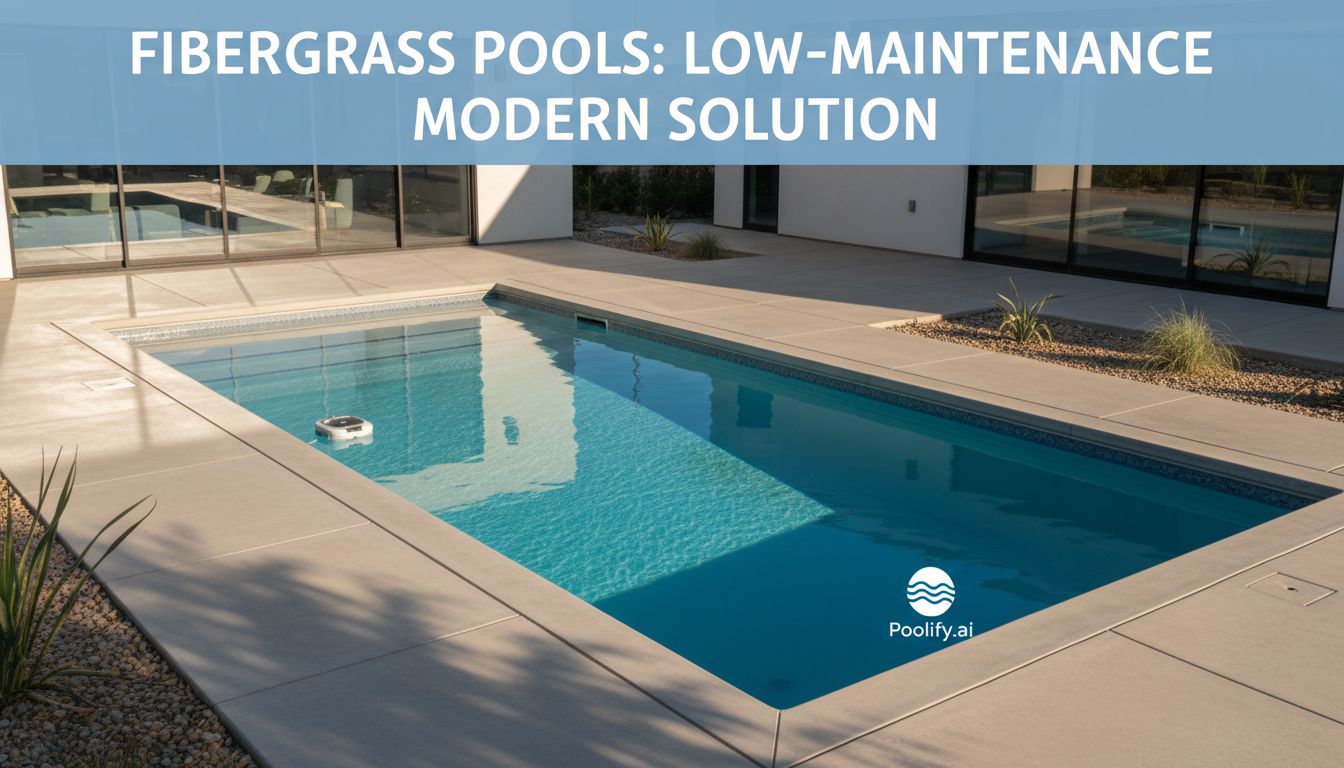
Fiberglass has emerged as a leading answer to what is the best pool material for busy homeowners prioritizing convenience. These pools arrive as pre-manufactured shells, constructed in controlled factory environments using molded fiberglass-reinforced plastic. The non-porous gel coat surface resists algae growth far better than concrete, dramatically reducing maintenance time and chemical costs.
Installation speed represents a major advantage. Once site preparation is complete, the fiberglass shell can be set in place within one to three days, with the entire project typically finished in two to four weeks. This rapid timeline appeals to homeowners eager to enjoy their pool quickly. The smooth, durable surface feels comfortable underfoot and maintains its appearance for decades without resurfacing.
Fiberglass pools excel in chemical efficiency. The non-porous surface doesn’t affect water chemistry like concrete, resulting in 50% to 75% lower chemical usage according to industry studies. This translates to reduced ongoing costs and less time spent balancing water parameters. The gel coat surface is also gentle on swimwear and skin, making it family-friendly. Learn more about maintaining your pool year-round with minimal effort.
Design limitations represent the primary drawback. Fiberglass pools come in pre-manufactured sizes and shapes, typically maxing out at 16 feet wide and 40 feet long due to transportation constraints. While manufacturers offer numerous models—from simple rectangles to freeform designs with built-in features—customization remains limited compared to concrete. Color choices are restricted to available gel coat options, though modern selections include attractive blues, grays, and even darker tones.
Initial costs for fiberglass pools range from $45,000 to $85,000, positioning them between vinyl and concrete in price. The long-term value proposition is compelling, as minimal maintenance requirements and the elimination of resurfacing costs offset the higher upfront investment. For those evaluating what is the best pool material based on total ownership costs, fiberglass frequently wins over 20 to 30-year periods.
Fiberglass Pool Benefits
- Quick installation (2-4 weeks total)
- Lowest maintenance requirements
- Non-porous surface resists algae and staining
- Reduced chemical usage (50-75% less than concrete)
- Smooth, comfortable surface texture
- No resurfacing needed for decades
Fiberglass Pool Limitations
- Limited size and shape options
- Cannot be customized beyond available models
- Transportation restrictions limit dimensions
- Higher initial cost than vinyl
- Difficult to repair if shell cracks (rare but possible)
Vinyl Liner Pools: Budget-Friendly Entry Point
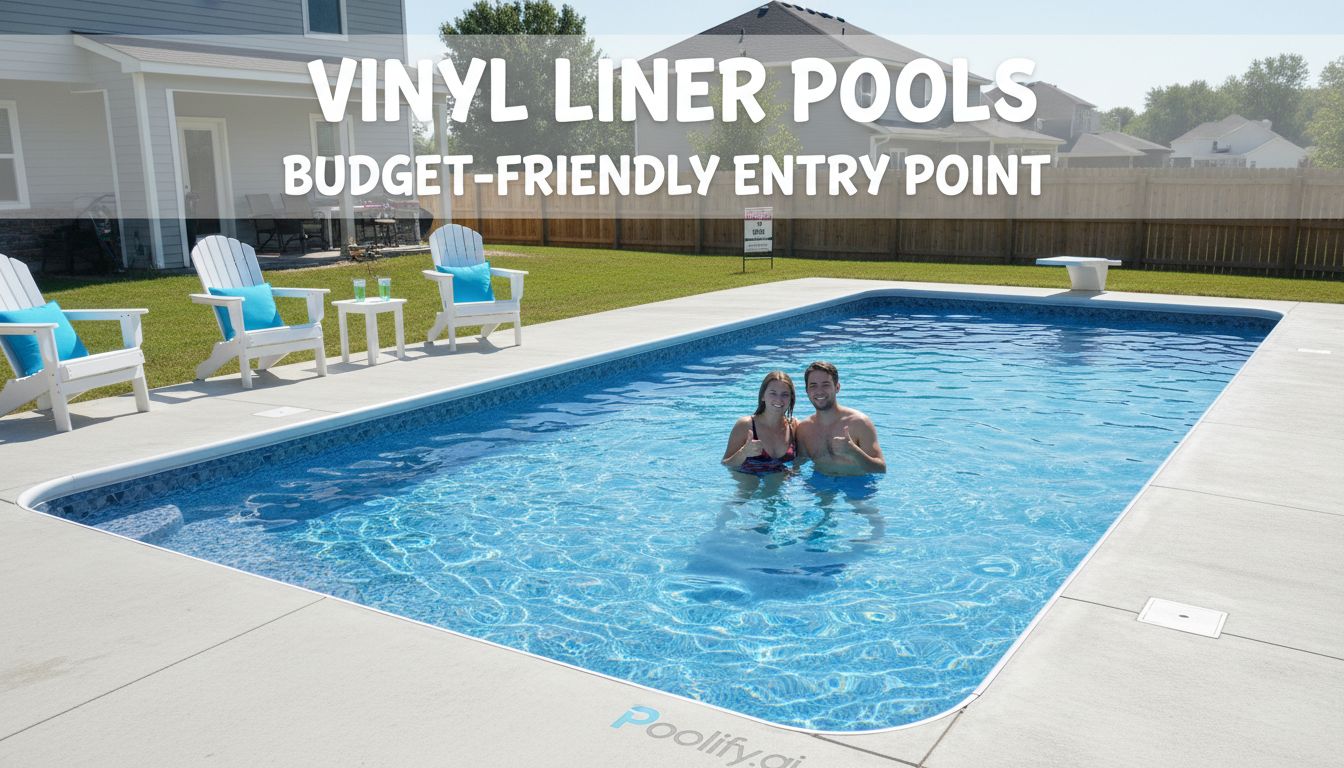
For homeowners seeking the most affordable answer to what is the best pool material, vinyl liner pools provide an accessible entry point. These pools feature walls constructed from steel, aluminum, or polymer panels, with a custom-fitted vinyl liner creating the waterproof barrier. Initial installation costs typically range from $25,000 to $45,000, making vinyl the least expensive option for inground pools.
The vinyl liner offers a smooth, comfortable surface that’s gentle on feet and swimwear. Modern liners come in numerous patterns, colors, and designs, including options that mimic tile, stone, or custom graphics. Liner thickness ranges from 20 to 30 mil, with thicker options providing better durability and puncture resistance. Installation is relatively quick, usually completed within four to eight weeks.
However, vinyl liners require replacement every 7 to 12 years, depending on sun exposure, chemical maintenance, and usage patterns. Replacement costs range from $4,000 to $7,000, representing a significant ongoing expense that must be factored into total ownership calculations. The liner is also vulnerable to punctures from sharp objects, pet claws, and improper maintenance tools, though repairs are generally straightforward and inexpensive.
Design flexibility falls between concrete and fiberglass. While vinyl pools can be built in various shapes and sizes, sharp corners and complex features are challenging. The liner must fit precisely, limiting certain design elements. Depth is typically restricted to eight feet or less, making vinyl less suitable for diving pools. Check out our pool cleaning tips to extend liner lifespan.
When considering what is the best pool material for initial affordability, vinyl delivers. The lower entry cost allows more homeowners to enjoy inground pools, though long-term expenses narrow the gap with other materials. Vinyl pools work well for families prioritizing immediate affordability or those uncertain about long-term property plans.
Vinyl Pool Advantages
- Lowest initial installation cost
- Smooth, comfortable surface
- Wide variety of patterns and colors
- Moderate installation timeline (4-8 weeks)
- Easy to repair minor punctures
Vinyl Pool Drawbacks
- Liner replacement needed every 7-12 years
- Vulnerable to punctures and tears
- Limited design complexity
- Seams visible in larger pools
- Can fade or stain over time
- Less durable than concrete or fiberglass
Emerging Pool Materials: Innovation in 2026
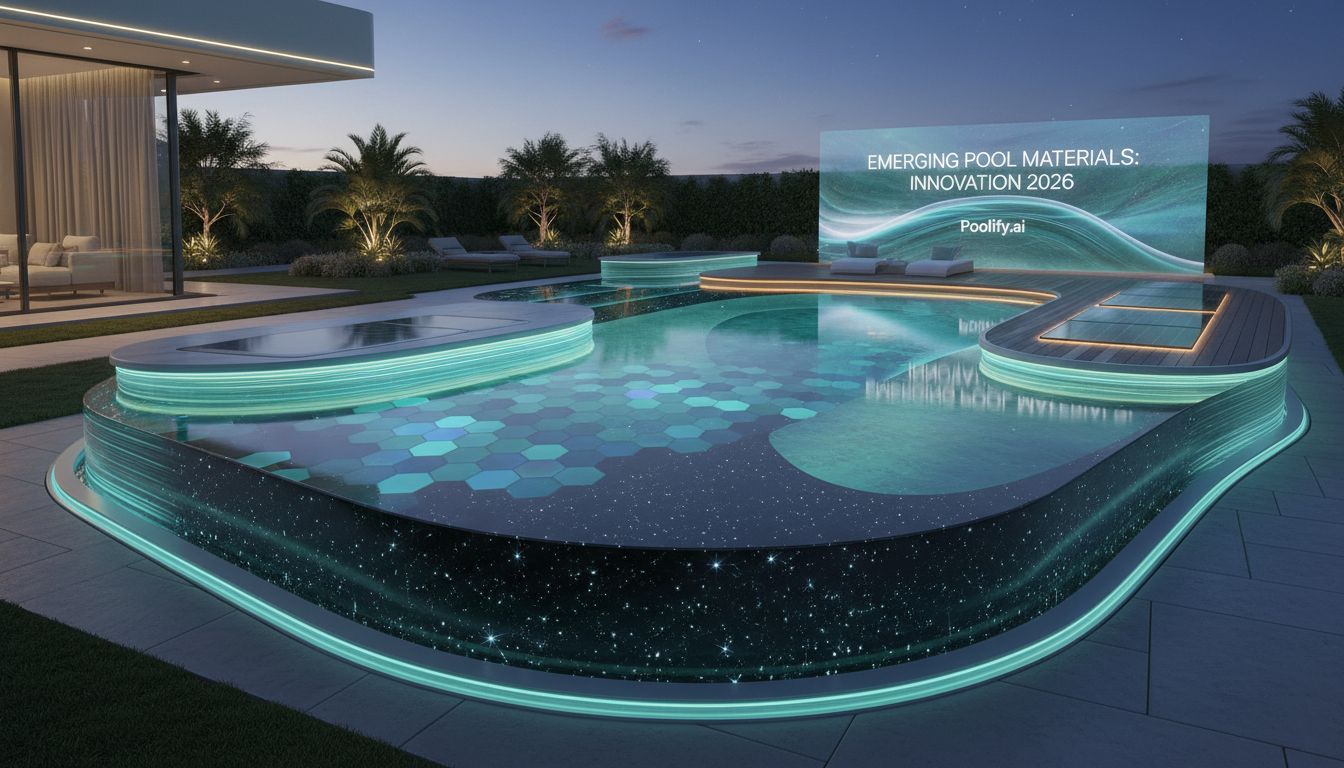
The pool industry continues evolving, introducing innovative materials that address traditional limitations. When exploring what is the best pool material in 2026, several emerging options deserve consideration, though they remain less common than the established trio of concrete, fiberglass, and vinyl.
Composite Polymer Pools
Advanced composite materials combine the structural benefits of concrete with the smooth finish of fiberglass. These pools use carbon fiber-reinforced polymers and advanced resins to create lightweight yet incredibly strong shells. The manufacturing process allows for more customization than traditional fiberglass while maintaining non-porous surfaces that resist algae. Costs currently exceed standard fiberglass by 20% to 30%, but early adopters report exceptional durability and minimal maintenance.
Natural Swimming Pools
Natural pools use biological filtration systems and aquatic plants instead of chemicals, creating swimming environments that mimic natural bodies of water. The pool divides into swimming and regeneration zones, with plants and beneficial bacteria maintaining water quality. Construction typically involves concrete or synthetic liners with specialized filtration areas. While initial costs match or exceed traditional concrete pools, ongoing chemical expenses disappear entirely. Natural pools appeal to environmentally conscious homeowners asking what is the best pool material for sustainability.
Ceramic and Porcelain Tile Pools
Some luxury installations now feature entirely tiled interiors, eliminating traditional plaster or gel coat finishes. High-quality porcelain tiles provide stunning aesthetics, exceptional durability, and easy maintenance. The non-porous surface resists staining and algae while offering unlimited design possibilities through tile selection. However, costs are substantial—often 40% to 60% higher than standard concrete pools—and installation requires specialized expertise. For those wondering what is the best pool material for ultimate luxury and longevity, full tile installations represent the premium choice.
Stainless Steel Pools
Stainless steel pools, popular in commercial settings, are gaining traction in high-end residential markets. The material offers unmatched durability, a sleek modern aesthetic, and virtually maintenance-free surfaces. Stainless steel doesn’t react with pool chemicals, never requires resurfacing, and can be formed into contemporary geometric shapes. The primary barriers are cost—typically 50% to 100% higher than concrete—and the industrial appearance that doesn’t suit all architectural styles.
Climate Considerations: Matching Materials to Your Environment

Geographic location significantly influences what is the best pool material for your specific situation. Climate factors affect material performance, maintenance requirements, and long-term durability. Understanding these regional considerations helps you select materials optimized for local conditions.
In regions with freeze-thaw cycles, structural integrity becomes paramount. Concrete pools handle freezing temperatures well when properly winterized, as the thick, reinforced structure resists ground movement. Fiberglass pools also perform excellently in cold climates—the flexible shell accommodates minor ground shifts without cracking. Vinyl liners are more vulnerable to cold damage, particularly if water isn’t maintained at proper levels during winter months.
Hot, sunny climates accelerate vinyl liner degradation through UV exposure. Liners in desert regions may require replacement every 6 to 8 years rather than the typical 10 to 12. Fiberglass gel coats are UV-stable and maintain color integrity for decades, even under intense sunlight. Concrete pools with quality aggregate or tile finishes also withstand sun exposure well, though lighter plaster colors may fade over time.
Areas with high groundwater or unstable soil require careful material selection. Concrete pools provide the most structural rigidity, resisting hydrostatic pressure and ground movement. Fiberglass shells can “float” if groundwater pressure exceeds the weight of the empty pool, requiring specialized installation techniques or hydrostatic relief valves. Vinyl pools with steel walls may corrode in high-moisture environments, making aluminum or polymer panels preferable.
Coastal environments present unique challenges. Salt air accelerates corrosion of metal components in vinyl pools, favoring polymer construction. Concrete pools perform well but may require more frequent resurfacing in harsh coastal conditions. Fiberglass excels in saltwater environments, as the gel coat resists salt damage and the shell contains no metal components to corrode. For coastal homeowners asking what is the best pool material, fiberglass often provides the best long-term value.
Cost Analysis: Total Ownership Comparison
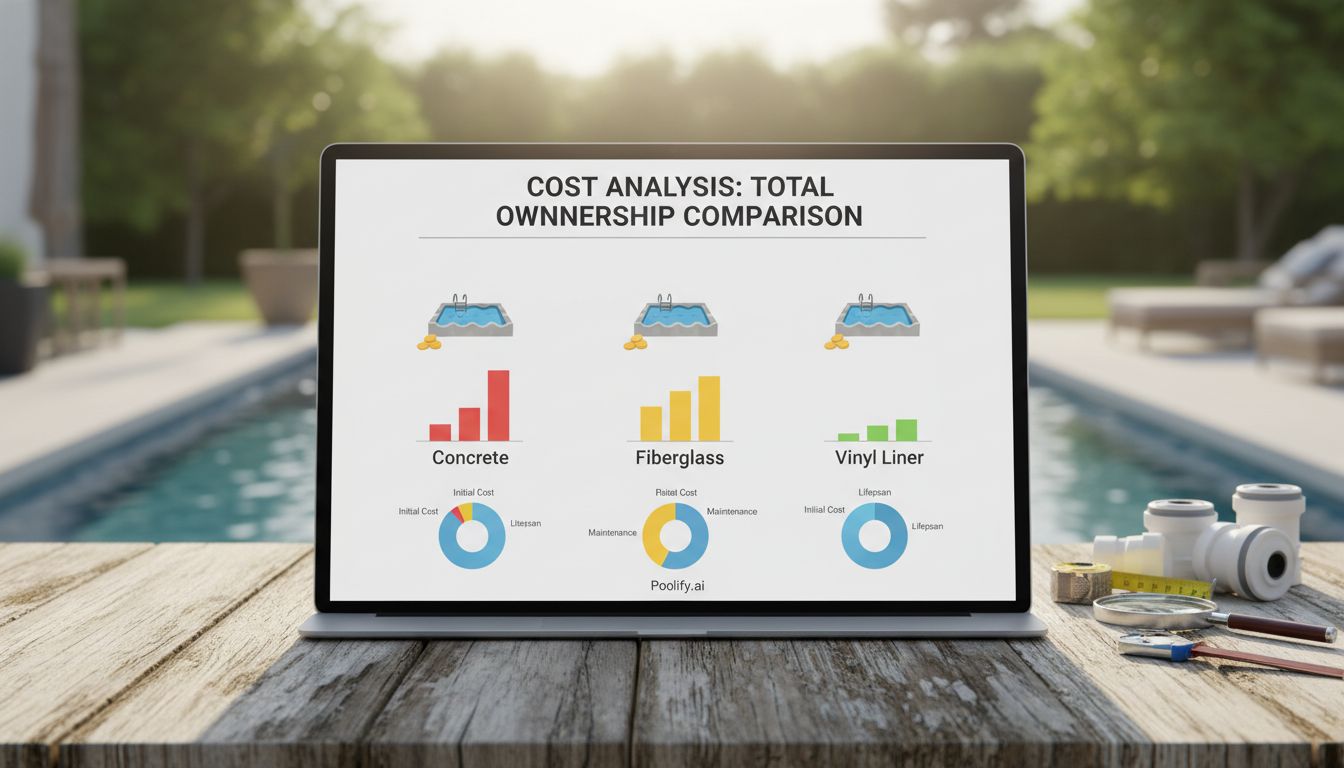
Understanding the complete financial picture helps determine what is the best pool material for your budget. Initial installation costs represent only the starting point—maintenance expenses, repairs, and eventual resurfacing or replacement dramatically affect total ownership costs over a pool’s lifespan.
Vinyl pools offer the lowest entry point at $25,000 to $45,000, but liner replacements every 7 to 12 years add $4,000 to $7,000 per occurrence. Over 30 years, expect three to four liner replacements totaling $12,000 to $28,000. Annual maintenance costs run $1,200 to $1,800 for chemicals, cleaning, and minor repairs. Total 30-year ownership: approximately $60,000 to $100,000.
Fiberglass pools cost $45,000 to $85,000 initially, with minimal ongoing expenses. The non-porous surface reduces chemical costs by 50% to 75%, averaging $600 to $900 annually. No resurfacing is required, and repairs are rare. Total 30-year ownership: approximately $65,000 to $110,000. The higher initial investment is offset by dramatically lower maintenance costs, often making fiberglass the most economical choice long-term.
Concrete pools range from $50,000 to $100,000+ for installation, with resurfacing required every 10 to 15 years at $5,000 to $10,000 per occurrence. Over 30 years, expect two to three resurfacing projects totaling $10,000 to $30,000. Higher chemical usage and maintenance demands add $1,800 to $2,500 annually. Total 30-year ownership: approximately $105,000 to $175,000. While most expensive overall, concrete delivers unmatched customization and property value enhancement.
When evaluating what is the best pool material financially, consider your time horizon. If planning to sell within 10 years, vinyl’s lower initial cost may be optimal. For long-term homeownership, fiberglass typically provides the best value proposition. Those prioritizing customization and property value may find concrete’s premium costs justified despite higher total expenses.
Making Your Decision: What Is the Best Pool Material for You?
After examining all options, the answer to what is the best pool material depends on your unique priorities, budget, and circumstances. No single material suits every situation—the optimal choice balances multiple factors specific to your needs.
Choose concrete if you prioritize design flexibility and customization. Homeowners with challenging lot configurations, specific architectural visions, or desires for complex features find concrete’s versatility worth the premium cost and maintenance requirements. Concrete also maximizes property value appreciation, particularly in luxury markets where custom pools are expected.
Select fiberglass if low maintenance and long-term value matter most. Busy families, vacation property owners, or anyone wanting to minimize pool-related tasks benefit from fiberglass’s set-it-and-forget-it nature. The rapid installation timeline appeals to those eager to start swimming, while reduced chemical usage benefits both budgets and the environment. Fiberglass represents the sweet spot for many homeowners balancing cost, convenience, and quality.
Opt for vinyl when initial affordability is paramount. First-time pool owners, young families managing tight budgets, or homeowners uncertain about long-term property plans find vinyl’s accessible entry point attractive. The smooth surface and variety of aesthetic options provide satisfaction despite the ongoing liner replacement requirement. Vinyl makes pool ownership possible for many who couldn’t otherwise afford inground installations.
Consider emerging materials if you value innovation and sustainability. Natural pools suit environmentally conscious homeowners willing to embrace alternative aesthetics. Composite polymers appeal to early adopters seeking cutting-edge technology. Full tile installations attract luxury buyers wanting the absolute best regardless of cost. These options remain niche but offer compelling benefits for specific audiences.
Consult with multiple pool builders to get site-specific recommendations. Soil conditions, local climate, property layout, and municipal regulations all influence material suitability. Reputable contractors assess your situation and provide honest guidance on what is the best pool material for your property. Request itemized quotes that include long-term maintenance projections to compare total ownership costs accurately.
Frequently Asked Questions
What is the best pool material for cold climates?
Both concrete and fiberglass perform excellently in cold climates with freeze-thaw cycles. Concrete’s thick, reinforced structure resists ground movement, while fiberglass’s flexible shell accommodates minor shifts without cracking. Both materials handle proper winterization well. Vinyl liners are more vulnerable to cold damage and may crack if water levels aren’t maintained correctly during winter. For cold-climate homeowners asking what is the best pool material, fiberglass offers the best combination of cold-weather durability and low maintenance.
How long does each pool material last?
Concrete pools last 50+ years with proper maintenance and periodic resurfacing every 10 to 15 years. Fiberglass pools also last 50+ years, with the gel coat surface maintaining integrity for 30 to 40 years before potentially needing refinishing. Vinyl liners require replacement every 7 to 12 years, though the underlying structure lasts 25 to 30 years. When considering what is the best pool material for longevity, concrete and fiberglass tie for durability, while vinyl requires more frequent component replacement.
Which pool material requires the least maintenance?
Fiberglass requires significantly less maintenance than other materials. The non-porous gel coat surface resists algae growth, reducing brushing requirements and chemical usage by 50% to 75%. No resurfacing is needed for decades, eliminating a major maintenance expense and disruption. Concrete demands the most maintenance due to its porous nature and regular resurfacing requirements. Vinyl falls in the middle, with moderate maintenance needs but periodic liner replacement. For those asking what is the best pool material for convenience, fiberglass is the clear winner.
Can I install a saltwater system with any pool material?
Yes, all three primary pool materials accommodate saltwater chlorination systems, though some considerations apply. Fiberglass handles saltwater beautifully, as the gel coat doesn’t react with salt. Concrete pools work well with saltwater but may experience slightly faster deterioration of certain plaster finishes—aggregate or tile surfaces perform better. Vinyl liners tolerate saltwater, but metal components in the pool structure (if steel) may corrode faster; aluminum or polymer walls are preferable. According to the EPA’s water efficiency guidelines, saltwater systems can reduce chemical handling while maintaining water quality across all pool types.
What is the best pool material for resale value?
Concrete pools typically add the most resale value, particularly in luxury markets where custom features and design flexibility are expected. The permanent, high-end nature of concrete installations appeals to buyers seeking premium properties. Fiberglass pools also enhance property value, with the low-maintenance appeal attracting buyers who want convenience. Vinyl pools add less value due to potential liner replacement needs and perceived lower quality. However, any well-maintained pool increases property desirability. When considering what is the best pool material for investment return, concrete leads in high-end markets while fiberglass offers the best value-to-maintenance ratio for most properties.
Key Takeaways
- Material choice impacts everything: What is the best pool material for your home affects initial costs, maintenance requirements, durability, and long-term satisfaction over decades of ownership.
- Concrete offers unlimited customization: With the highest initial costs ($50,000-$100,000+) and maintenance demands, concrete delivers unmatched design flexibility and 50+ year durability for homeowners prioritizing unique features.
- Fiberglass provides optimal convenience: Mid-range pricing ($45,000-$85,000) combined with minimal maintenance, rapid installation, and 50% to 75% lower chemical costs makes fiberglass ideal for busy homeowners seeking long-term value.
- Vinyl delivers affordability: The lowest initial investment ($25,000-$45,000) makes pool ownership accessible, though liner replacements every 7 to 12 years add ongoing costs that narrow the long-term financial gap.
- Climate and lifestyle matter: Regional weather patterns, soil conditions, maintenance willingness, and aesthetic preferences should guide your decision on what is the best pool material for your specific situation.
See Your Dream Pool in Your Actual Backyard
Upload a photo and get an AI-designed pool visualization in 10 seconds. 3 free designs, no login required.
Try Poolify Free →Conclusion
Determining what is the best pool material requires careful evaluation of your priorities, budget, and long-term plans. Concrete excels in customization and durability, fiberglass leads in convenience and total ownership value, and vinyl provides accessible entry into pool ownership. Emerging materials offer innovative solutions for specific needs, from environmental sustainability to luxury aesthetics.
The significant investment in an inground pool deserves thorough research and professional consultation. Consider not just initial costs but the complete ownership experience over 20 to 30 years. Factor in your climate, property characteristics, maintenance willingness, and aesthetic vision. Visit pools constructed from different materials, speak with owners about their experiences, and request detailed proposals from multiple reputable builders.
In 2026, pool material technology continues advancing, offering better performance, sustainability, and value than ever before. Whether you choose traditional concrete, low-maintenance fiberglass, budget-friendly vinyl, or an innovative alternative, selecting the right material ensures decades of enjoyment from your backyard investment. The best pool material is ultimately the one that aligns with your specific needs, providing the perfect balance of cost, convenience, and satisfaction for your unique situation.
References
- Centers for Disease Control and Prevention (CDC) – Residential Pool Safety and Maintenance Guidelines
- Environmental Protection Agency (EPA) – WaterSense Pool and Spa Efficiency Standards
- Association of Pool & Spa Professionals (APSP) – Industry Standards and Best Practices
- National Swimming Pool Foundation – Pool Material Performance Studies
