
Can You Build a Pool in Winter? The Complete 2026 Guide
Can you build a pool in winter? This question has puzzled homeowners for decades, but the answer might surprise you. Yes, you absolutely can build a pool in winter, and in many cases, it’s actually advantageous to do so. Winter pool construction has become increasingly popular in 2026, with advanced techniques and equipment making cold-weather installations more efficient than ever. This comprehensive guide explores everything you need to know about winter pool construction, from the benefits and challenges to expert tips that ensure your project’s success.
Building a pool during winter months offers unique opportunities that summer construction simply cannot match. Contractor availability increases dramatically, material costs often decrease, and you’ll have your pool ready for enjoyment as soon as warm weather arrives. However, winter construction does require special considerations, planning, and expertise to navigate successfully.
Why Winter Is Actually an Ideal Time for Pool Construction
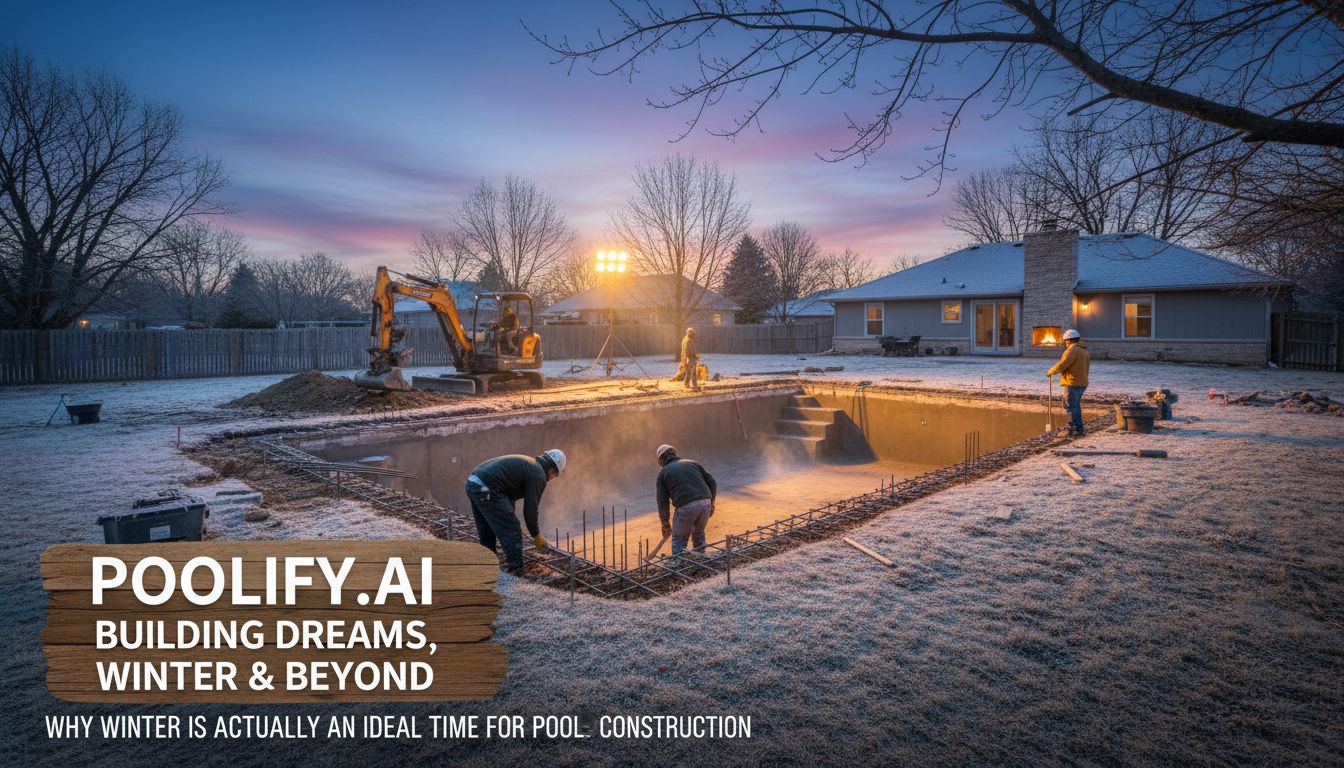
Many homeowners assume that pool construction must wait until spring or summer, but winter offers several compelling advantages. Understanding these benefits can help you make an informed decision about timing your pool project.
Contractor Availability and Scheduling Flexibility
The pool construction industry experiences significant seasonal fluctuations. During peak summer months, reputable contractors often book out weeks or months in advance. Winter represents the off-season, which means contractors have more availability and can dedicate focused attention to your project. This increased availability translates to better communication, more flexible scheduling, and often faster project completion times.
When you ask “can you build a pool in winter,” contractors in 2026 are increasingly answering with enthusiasm. The reduced workload during colder months allows them to allocate their best crews to winter projects, ensuring quality workmanship without the rushed timelines common during peak season.
Cost Savings and Budget Advantages
Winter pool construction typically offers significant cost advantages. Contractors often provide discounted rates during their slower season to maintain steady business and keep crews employed. Material suppliers may also offer better pricing on concrete, steel, and other construction materials when demand decreases.
According to industry data, homeowners can save between 10-20% on total project costs by building during winter months. These savings can be substantial on projects ranging from $30,000 to $100,000 or more. Additionally, financing options may be more favorable as lenders compete for business during slower economic periods.
Spring-Ready Completion
Perhaps the most practical advantage of winter construction is timing. If you build a pool in winter, your project will be complete and ready for use when swimming season arrives. Starting construction in January or February means you could be enjoying your new pool by May or June, rather than waiting until late summer or fall if you start during peak season.
Understanding the Challenges: Can You Build a Pool in Winter Successfully?
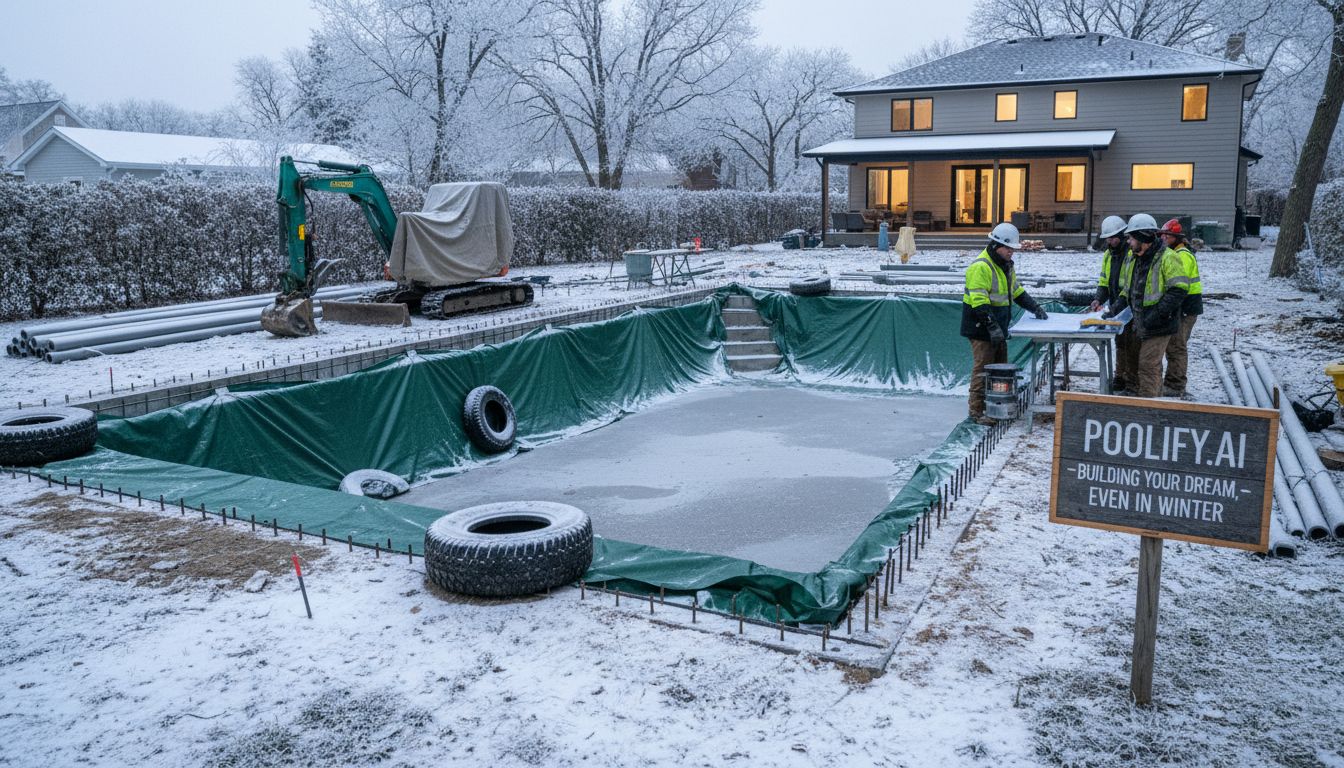
While winter pool construction offers numerous benefits, it’s essential to understand the challenges and how professional contractors address them. The question “can you build a pool in winter” requires acknowledging both opportunities and obstacles.
Weather-Related Considerations
Temperature plays a critical role in pool construction, particularly during concrete pouring and curing. Concrete requires specific temperature ranges to cure properly and achieve maximum strength. In 2026, contractors use advanced admixtures and heating techniques to ensure proper curing even in freezing conditions.
Ground conditions present another challenge. Frozen or saturated soil can complicate excavation and may require additional equipment or techniques. However, experienced contractors plan for these conditions and adjust their methods accordingly. Modern excavation equipment handles frozen ground effectively, though it may require more time than summer excavation.
Extended Timeline Factors
Winter construction may take slightly longer than summer projects due to weather delays and shorter working days. Snow, ice, and extreme cold can temporarily halt construction, extending overall timelines. However, this extended timeline rarely affects the final completion date since winter projects start earlier in the calendar year.
Professional contractors build buffer time into winter project schedules, accounting for weather-related delays. When planning winter construction, expect the project to take 10-20% longer than equivalent summer construction, though you’ll still have your pool ready for swimming season.
Material and Equipment Adaptations
Can you build a pool in winter using standard materials and methods? The answer involves some adaptation. Concrete mixes require special additives called accelerators and antifreeze agents that allow proper curing in cold temperatures. These admixtures don’t compromise the concrete’s final strength or durability; they simply enable the chemical reactions necessary for curing to occur in colder conditions.
Equipment also requires winterization. Contractors use heated enclosures, ground thawing equipment, and specialized tools designed for cold-weather operation. According to the Portland Cement Association’s cold weather concreting guidelines, proper techniques ensure winter-poured concrete achieves the same quality as summer construction.
The Winter Pool Construction Process: Step-by-Step
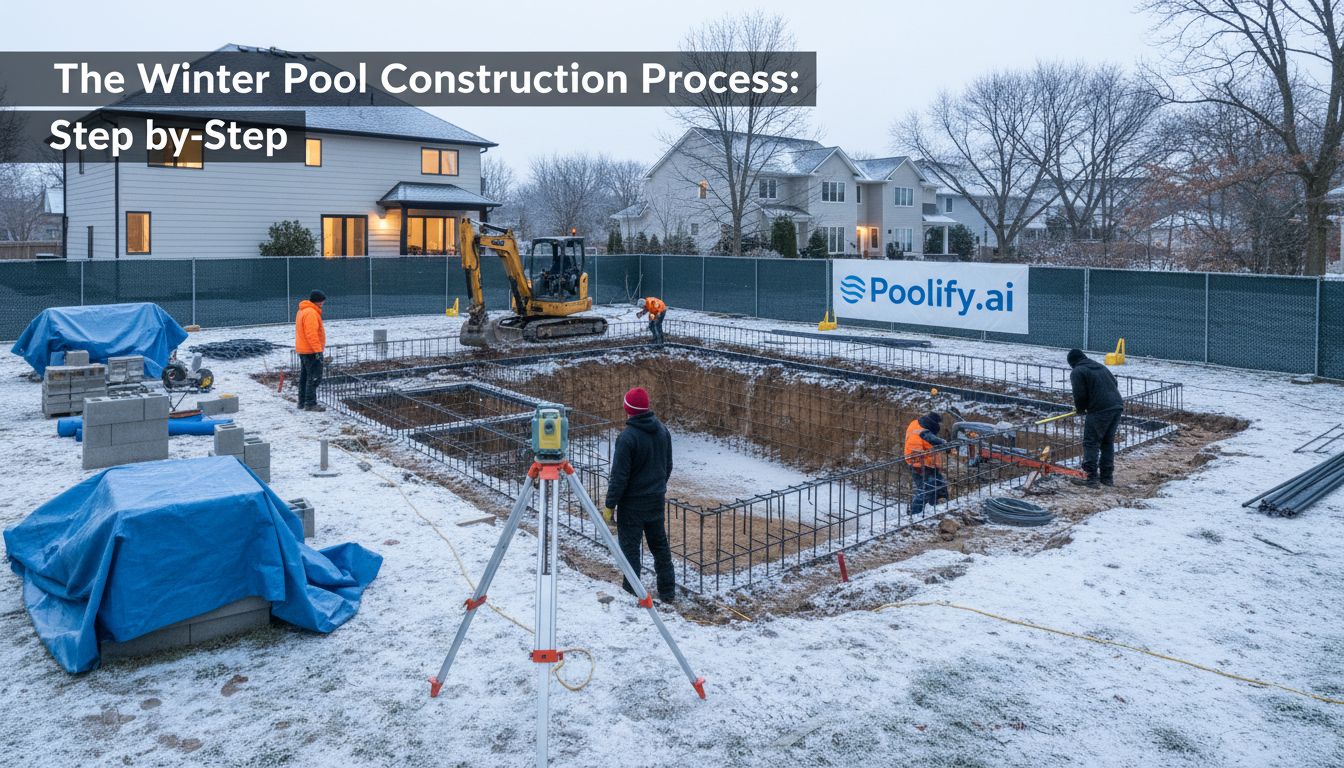
Understanding how contractors approach winter pool construction helps answer the question “can you build a pool in winter” with confidence. The process involves careful planning and specialized techniques at each stage.
Design and Permitting Phase
Winter provides an excellent opportunity for the design and permitting phase. While contractors have more availability, you can work closely with designers to create your ideal pool layout. This phase typically takes 2-4 weeks and involves finalizing dimensions, features, materials, and obtaining necessary permits.
Many municipalities process permits more quickly during winter months when application volumes decrease. This expedited approval process can significantly reduce overall project timelines. Your contractor should handle all permitting requirements, ensuring compliance with local building codes and regulations.
Excavation in Cold Weather
Excavation represents the first major construction phase. Modern excavation equipment handles frozen or cold ground effectively, though contractors may need to employ ground-thawing techniques in extremely cold conditions. Hydraulic breakers and specialized bucket teeth allow excavators to penetrate frozen soil layers.
The excavation process for winter construction follows the same basic steps as summer projects: marking the pool outline, removing soil, creating proper depth and contours, and establishing plumbing trenches. The primary difference involves additional time for frozen ground and careful attention to drainage to prevent water accumulation in the excavation.
Steel Installation and Structural Work
After excavation, contractors install the steel reinforcement framework that provides structural integrity. This phase proceeds similarly in winter and summer, though workers must take precautions against cold-related injuries and ensure equipment operates properly in low temperatures.
Steel installation typically takes 1-2 days for residential pools. Contractors position rebar according to engineering specifications, creating a cage that will be encased in concrete. This structural framework must meet specific spacing and coverage requirements to ensure the pool’s long-term durability.
Concrete Application and Curing
The concrete phase represents the most critical stage when you build a pool in winter. Contractors use specialized concrete mixes formulated for cold-weather application. These mixes contain accelerators that speed up the curing process and antifreeze admixtures that prevent water in the concrete from freezing before it cures.
Temperature monitoring becomes essential during this phase. Contractors often use heated enclosures or insulated blankets to maintain proper curing temperatures. The concrete must remain above 50°F for at least three days to achieve adequate strength. Professional contractors in 2026 use digital temperature monitoring systems that alert them to any temperature drops requiring intervention.
Proper curing produces concrete that’s just as strong and durable as summer-poured concrete. The key lies in maintaining appropriate temperatures and following established cold-weather concreting protocols. For more information on pool construction techniques, explore our comprehensive pool construction guide.
Plumbing, Electrical, and Equipment Installation
Once the shell cures, contractors install plumbing lines, electrical systems, and equipment. This phase proceeds similarly regardless of season, though contractors must protect exposed pipes from freezing and ensure equipment storage in climate-controlled environments.
Modern pool systems include sophisticated filtration, heating, and automation components. Winter installation allows contractors to work methodically without the pressure of summer scheduling demands, often resulting in more meticulous installations.
Finishing Touches and Startup
The final phase includes applying interior finishes like plaster, tile, or aggregate surfaces, installing coping and decking, and completing landscaping. Some finishing materials have temperature requirements that may necessitate waiting for warmer weather, though many modern materials can be applied in cool conditions.
Pool startup typically waits until temperatures consistently remain above freezing. However, all construction can be complete, leaving only the filling and chemical balancing for early spring. This timing ensures your pool is ready immediately when swimming weather arrives.
Expert Tips for Successful Winter Pool Construction in 2026
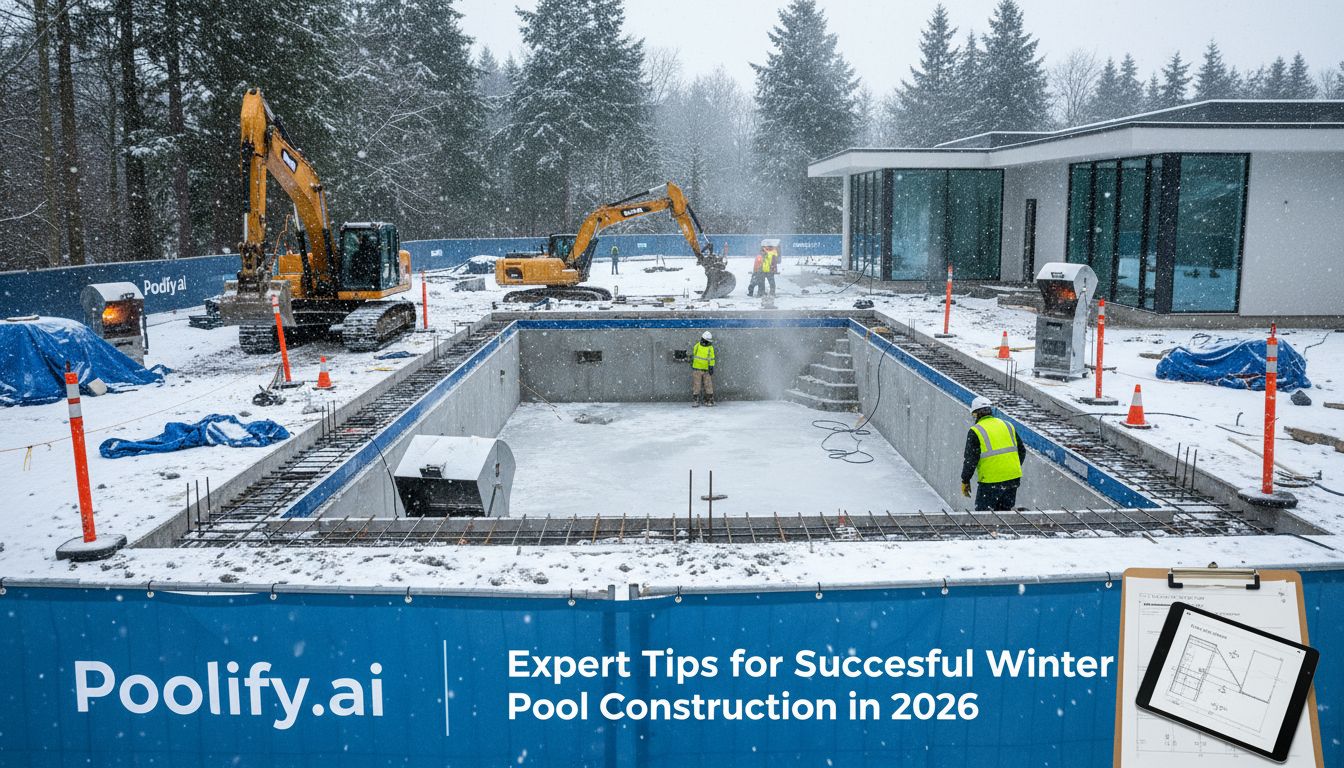
Can you build a pool in winter successfully? Absolutely, when you follow expert recommendations and work with experienced contractors. These tips ensure your winter pool project proceeds smoothly.
Choose an Experienced Winter Construction Contractor
Not all pool contractors have experience with winter construction. When selecting a contractor, specifically ask about their cold-weather construction experience. Request references from previous winter projects and verify they understand cold-weather concreting protocols.
Experienced contractors know how to adapt their methods for winter conditions. They maintain relationships with concrete suppliers who can provide appropriate cold-weather mixes and have the equipment necessary for winter construction. This expertise makes the difference between a successful project and a problematic one.
Plan for Weather Contingencies
Weather delays are inevitable during winter construction. Build flexibility into your timeline and expectations. A project that might take 8 weeks in summer could take 10-12 weeks in winter, depending on your climate and weather patterns.
Discuss contingency plans with your contractor upfront. Understand what weather conditions will halt work and how the contractor will protect the work site during delays. Clear communication about weather-related expectations prevents frustration and misunderstandings.
Consider Climate-Specific Factors
The feasibility of winter pool construction varies significantly by region. In mild climates where temperatures rarely drop below freezing, winter construction proceeds much like summer projects. In colder regions, contractors must employ more extensive cold-weather techniques.
Southern states and coastal regions often experience ideal winter construction conditions, with moderate temperatures and lower humidity. Northern regions can still accommodate winter construction, but require more specialized approaches and may experience more weather delays.
Protect Your Investment with Proper Site Preparation
Site preparation becomes even more important during winter construction. Ensure adequate drainage around the construction area to prevent water accumulation and freezing. Contractors should establish clear access routes that remain passable during rain or snow.
Discuss site protection measures with your contractor. Temporary fencing, equipment storage, and material protection all require additional attention during winter months. Proper site management prevents damage to your property and keeps the project on schedule.
Understand Material Lead Times
Some pool materials and equipment may have longer lead times during winter months as manufacturers reduce production. Order custom items like tile, coping, and specialized equipment early in the project to avoid delays during the finishing phase.
Your contractor should provide a detailed material schedule outlining when various items need to be ordered and delivered. This proactive approach prevents construction delays due to material unavailability.
Plan for Equipment Winterization
If your pool construction completes before swimming season, discuss winterization procedures with your contractor. The empty pool and equipment must be protected from freezing temperatures until you’re ready to fill and start up the system.
Professional winterization typically includes draining all plumbing lines, protecting equipment from moisture and cold, and covering the empty pool to prevent debris accumulation. These measures ensure your new pool remains in perfect condition until warm weather arrives. Learn more about proper pool winterization techniques for long-term protection.
Leverage Off-Season Availability for Customization
Winter construction timelines often allow more flexibility for customization and changes. With less pressure from multiple projects, contractors can accommodate design modifications and special requests more easily than during peak season.
Use this opportunity to add features or make adjustments that might be rushed during summer construction. Water features, lighting systems, and automation upgrades can be implemented more thoughtfully when contractors aren’t juggling multiple projects simultaneously.
Regional Considerations: Can You Build a Pool in Winter in Your Area?
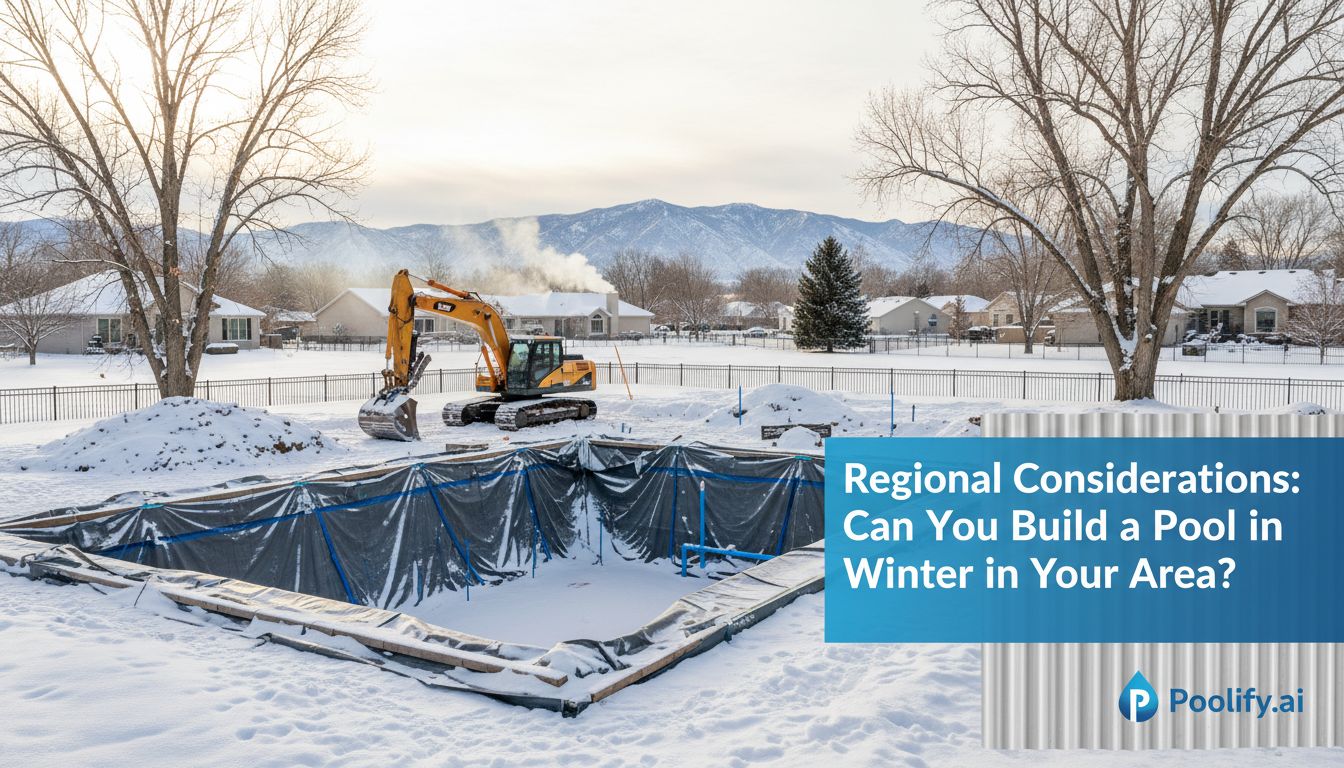
The answer to “can you build a pool in winter” depends significantly on your geographic location and local climate patterns. Understanding regional differences helps set realistic expectations for winter construction.
Southern and Coastal Regions
Southern states and coastal areas experience the most favorable winter construction conditions. Temperatures rarely drop below freezing, and mild, dry weather often makes winter the preferred construction season. States like Florida, Texas, Arizona, and California see robust winter construction activity.
In these regions, winter construction may actually be easier than summer projects, avoiding extreme heat that can complicate concrete work and make physical labor more challenging. Contractors in warm climates often prefer winter construction and may not offer significant off-season discounts since demand remains high year-round.
Moderate Climate Zones
Regions with moderate winters—where freezing temperatures occur but aren’t sustained for long periods—can successfully accommodate winter pool construction with proper planning. These areas include the mid-Atlantic states, Pacific Northwest, and southern portions of the Midwest.
In moderate climates, timing becomes crucial. Starting construction in late winter (February-March) often provides the best balance, avoiding the coldest periods while still completing before peak season. Contractors in these regions typically have extensive cold-weather construction experience and appropriate equipment.
Cold Climate Regions
Northern states with harsh winters can still build pools during cold months, though the process requires more specialized techniques and equipment. Contractors in these regions often use heated enclosures for concrete work and may schedule projects to avoid the coldest months (December-January).
The primary consideration in cold climates involves ground freezing. Once soil freezes deeply, excavation becomes extremely difficult and expensive. However, starting projects in late fall or early winter, before deep freezing occurs, allows contractors to complete excavation and structural work before the coldest period.
Cost Analysis: Winter vs. Summer Pool Construction
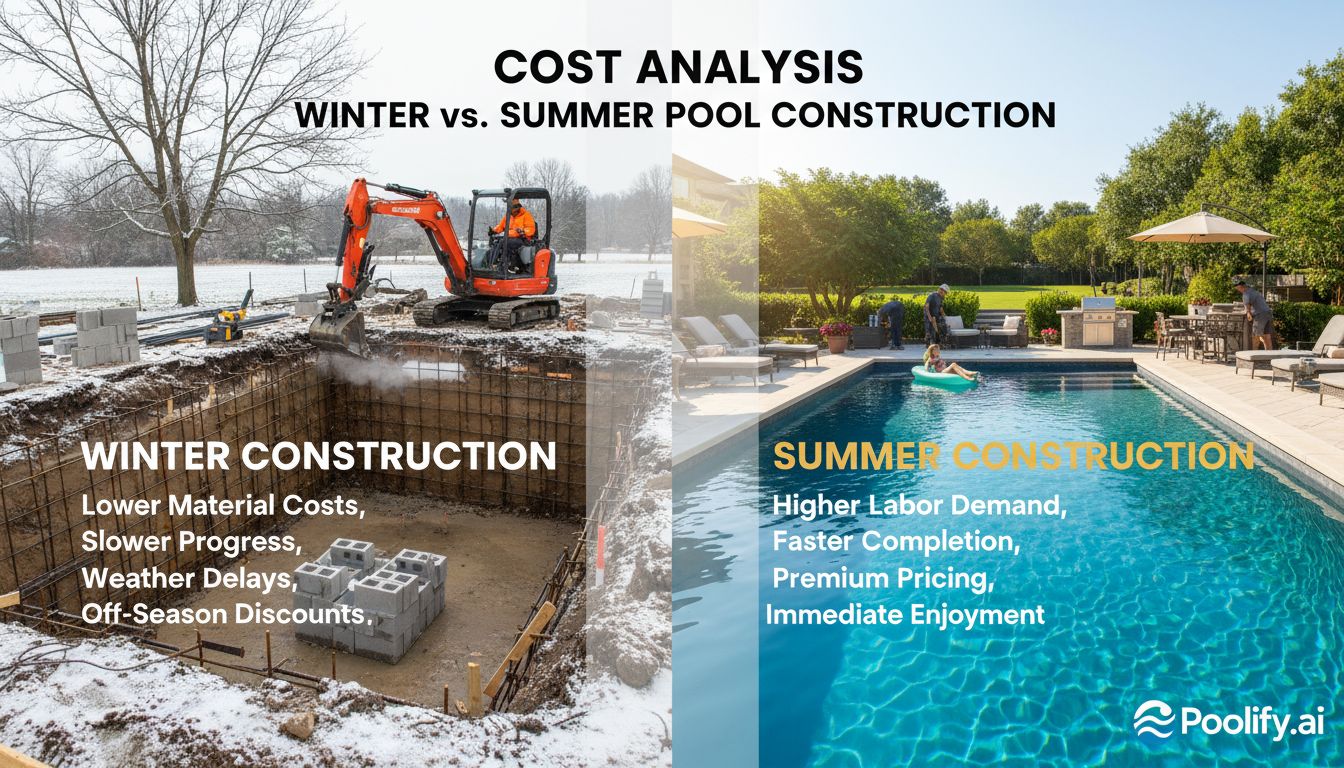
Understanding the financial implications helps answer whether you should build a pool in winter. Cost differences extend beyond simple contractor discounts to include various project aspects.
Direct Construction Cost Savings
Contractor labor rates typically decrease 10-15% during winter months as companies compete for limited projects. This reduction applies to the entire labor portion of your project, which usually represents 40-50% of total costs. On a $50,000 pool project, labor savings alone could amount to $2,000-$3,750.
Material costs may also decrease during winter, though less dramatically than labor. Concrete suppliers, steel manufacturers, and equipment providers sometimes offer seasonal discounts to maintain production during slower periods. These savings vary by region and supplier but can add another 5-10% reduction on material costs.
Indirect Cost Considerations
Winter construction may involve some additional costs that partially offset direct savings. Cold-weather concrete admixtures cost slightly more than standard mixes. Heated enclosures, ground thawing, and extended equipment rental periods can add expenses. However, these additional costs rarely exceed the savings from reduced labor rates and material discounts.
Financing considerations also play a role. Some lenders offer better rates during winter months when loan demand decreases. Shopping for financing during off-peak periods may secure lower interest rates that save thousands over the loan term.
Value of Time and Convenience
Beyond direct costs, consider the value of having your pool ready for swimming season. Starting construction in winter means enjoying your pool throughout the entire summer, rather than waiting until late season if you start construction in spring or early summer. This additional usage time represents significant value that’s difficult to quantify but important to consider.
Common Concerns About Winter Pool Construction
When homeowners ask “can you build a pool in winter,” several common concerns arise. Addressing these concerns helps make informed decisions about project timing.
Will Cold Weather Affect Pool Quality?
Properly executed winter construction produces pools identical in quality to summer construction. The key word is “properly executed.” Working with experienced contractors who follow established cold-weather protocols ensures your pool meets all structural and quality standards.
Modern concrete admixtures and construction techniques have evolved specifically to address cold-weather challenges. When contractors maintain proper temperatures during curing and follow manufacturer specifications, the resulting concrete achieves full design strength and durability. Independent testing has confirmed that cold-weather concrete, when properly placed and cured, performs identically to warm-weather concrete over decades of use.
What Happens If It Snows During Construction?
Snow and winter precipitation cause temporary delays but don’t prevent successful pool construction. Contractors protect work areas with tarps and temporary covers. If snow accumulates in an excavation, it must be removed before work continues, causing delays but not permanent problems.
Professional contractors monitor weather forecasts closely and schedule critical phases like concrete pouring during predicted clear periods. They maintain flexibility to adjust schedules based on weather conditions, ensuring work proceeds only when conditions allow quality results.
Can All Pool Types Be Built in Winter?
Most pool types can be constructed during winter months, including concrete (gunite/shotcrete), fiberglass, and vinyl liner pools. Concrete pools require the most attention to cold-weather techniques, but these methods are well-established and reliable. Fiberglass pools actually install quite easily in winter since the shell arrives pre-manufactured and simply needs to be set in place.
Vinyl liner pools fall somewhere in between, with the structural walls tolerating cold weather well, though liner installation itself may need to wait for warmer temperatures when the vinyl becomes more pliable. Contractors can complete all structural work during winter and install the liner in early spring.
Preparing Your Property for Winter Pool Construction
Proper preparation maximizes the success of winter pool construction. Homeowners play an important role in ensuring their property is ready for cold-weather construction activities.
Access and Site Considerations
Ensure clear access routes for heavy equipment and material deliveries. Winter conditions can make driveways and yards muddy or icy, complicating equipment access. Discuss access routes with your contractor and consider laying temporary gravel or mats to protect landscaping and provide stable surfaces for equipment.
Remove any obstacles that might complicate construction or become damaged during the project. This includes outdoor furniture, decorations, and temporary structures. Trim overhanging branches that might interfere with equipment operation or material deliveries.
Utility Location and Protection
Winter construction requires the same utility location procedures as summer projects, but frozen ground can make utility lines harder to identify. Ensure all underground utilities are properly marked before excavation begins. Contact your local utility location service well in advance of the construction start date.
Protect above-ground utilities and structures from construction activities. HVAC units, electrical panels, and gas meters should be clearly marked and protected from equipment operation and material storage.
Neighbor Communication
Winter construction may be more noticeable to neighbors since outdoor activities typically decrease during cold months. Inform neighbors about your project timeline and expected construction activities. This courtesy prevents complaints and maintains good relationships during the construction period.
Discuss noise restrictions and working hours with your contractor, ensuring compliance with local ordinances. Many municipalities have stricter noise regulations during winter months or limit construction hours, particularly during holidays.
Key Takeaways
- Winter pool construction is absolutely feasible and often advantageous, offering significant cost savings, better contractor availability, and spring-ready completion when you work with experienced professionals who understand cold-weather techniques.
- Cost savings of 10-20% are typical for winter projects due to reduced labor rates, material discounts, and off-season contractor availability, making winter an economically smart choice for pool construction.
- Success depends on proper cold-weather techniques including specialized concrete admixtures, temperature monitoring, and weather-appropriate construction methods that ensure quality equal to summer construction.
- Regional climate significantly impacts feasibility, with southern and coastal areas experiencing ideal winter construction conditions while northern regions require more specialized approaches and careful timing.
- Choosing an experienced contractor is critical for winter projects, as cold-weather construction demands specific knowledge, equipment, and techniques that not all pool builders possess or regularly practice.
Frequently Asked Questions
Can you build a pool in winter if temperatures drop below freezing?
Yes, pools can be built even when temperatures drop below freezing, provided contractors use appropriate cold-weather construction techniques. Specialized concrete admixtures, heated enclosures, and insulated blankets allow proper concrete curing in freezing conditions. Experienced contractors monitor temperatures continuously and take protective measures to ensure quality results. The concrete must maintain temperatures above 50°F during initial curing, which contractors achieve through various heating methods even when ambient temperatures fall well below freezing.
How much longer does winter pool construction take compared to summer?
Winter pool construction typically takes 10-20% longer than equivalent summer projects due to shorter working days, weather delays, and additional time for cold-weather procedures. A project that might complete in 8 weeks during summer could take 10-12 weeks in winter. However, since winter projects start earlier in the calendar year, the extended timeline rarely affects your ability to use the pool during swimming season. Most winter construction projects complete by April or May, providing full summer enjoyment.
Will my pool warranty be affected if built during winter?
No, properly constructed winter pools carry the same warranties as summer construction. Reputable contractors and manufacturers stand behind their work regardless of construction season, provided proper cold-weather techniques were followed. Always verify warranty terms with your contractor before signing contracts, ensuring coverage includes structural components, equipment, and finishes. Request documentation that cold-weather construction protocols were followed according to industry standards, which supports warranty claims if issues ever arise.
What is the coldest temperature at which you can pour pool concrete?
According to industry standards established by the American Concrete Institute, concrete can be placed when temperatures are above 40°F and expected to remain above freezing during the critical curing period. However, with proper cold-weather admixtures and protection methods, contractors can successfully pour concrete in much colder conditions. The concrete itself must be maintained above 50°F for at least 72 hours after placement. Professional contractors use heated water, accelerators, and insulated blankets to achieve these temperatures even when ambient air temperatures fall to 20°F or lower.
Should I wait until spring or start pool construction in winter?
Starting construction in winter offers several advantages over waiting for spring. You’ll benefit from cost savings, better contractor availability, and have your pool ready when swimming season begins. Spring represents the busiest time for pool contractors, with limited availability and higher prices. If you’re considering a pool project, winter construction allows you to avoid peak-season delays and enjoy your pool throughout the entire summer. The decision ultimately depends on your timeline, budget, and local climate, but winter construction provides compelling benefits for most homeowners.
See Your Dream Pool in Your Actual Backyard
Upload a photo and get an AI-designed pool visualization in 10 seconds. 3 free designs, no login required.
Try Poolify Free →Conclusion
Can you build a pool in winter? The answer is a resounding yes, and for many homeowners in 2026, winter construction represents the smart choice. With proper planning, experienced contractors, and appropriate cold-weather techniques, winter pool construction delivers quality results while offering significant cost savings and scheduling advantages.
The key to success lies in understanding the unique requirements of cold-weather construction and working with contractors who have proven experience with winter projects. Modern construction techniques, specialized materials, and sophisticated equipment have made winter pool construction not just possible, but often preferable to summer construction.
Whether you live in a mild southern climate or a region with harsh winters, pool construction during cold months can proceed successfully with the right approach. The combination of reduced costs, better contractor availability, and spring-ready completion makes winter an ideal time to begin your pool project.
As you plan your pool construction, consider the advantages of winter building. The off-season offers opportunities that simply don’t exist during peak construction periods. With the insights and expert tips provided in this guide, you’re equipped to make an informed decision about timing your pool project for maximum benefit and enjoyment.
Ready to start planning your winter pool construction? Contact experienced local contractors who specialize in cold-weather construction, discuss your vision and timeline, and take advantage of the unique benefits that winter building offers. Your dream pool can become a reality, regardless of the season, when you work with the right professionals and follow proven construction practices.
References
- Portland Cement Association – Cold Weather Concreting Guidelines: https://www.cement.org/learn/concrete-technology/concrete-construction/cold-weather-concreting
- American Concrete Institute – Cold Weather Concrete Standards
- National Association of Pool Contractors – Seasonal Construction Best Practices
- Poolify.ai – Pool Construction Guide: https://content.poolify.ai/pool-construction-guide/
- Poolify.ai – Pool Winterization Tips: https://content.poolify.ai/pool-winterization-tips/
