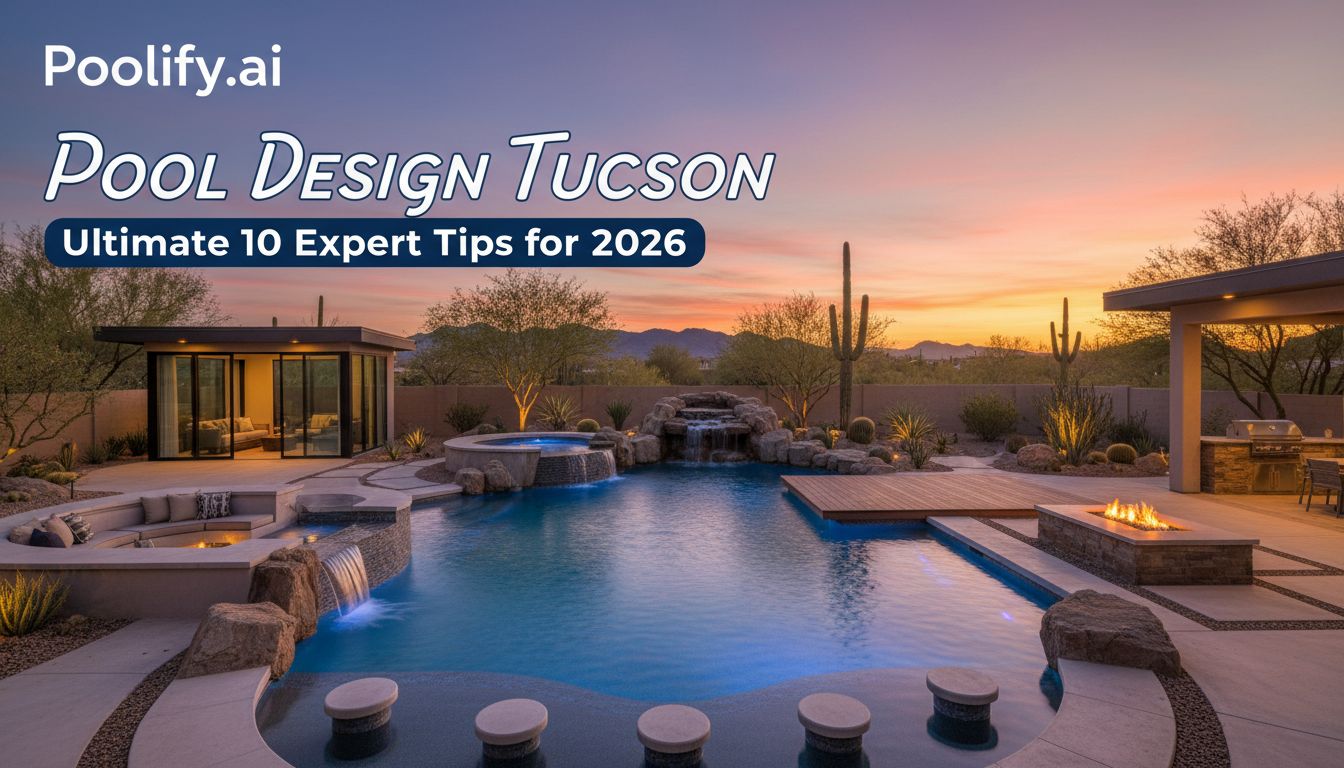
Creating Your Dream Pool in the Sonoran Desert
When it comes to pool design Tucson homeowners face unique challenges and opportunities that set them apart from other regions. The combination of intense summer heat, minimal rainfall, and stunning desert landscapes creates specific requirements for successful pool projects. In 2026, Tucson’s pool design industry continues to evolve with innovative solutions that balance aesthetic appeal, functionality, and environmental responsibility. Whether you’re building your first pool or renovating an existing one, understanding the local climate, regulations, and design trends will help you create a backyard oasis that enhances your property value while providing years of enjoyment.
This comprehensive guide explores the essential elements of pool design Tucson residents need to consider, from selecting the right materials to navigating local building codes. You’ll discover how to maximize water efficiency, incorporate desert-friendly landscaping, and choose features that withstand the harsh Arizona sun while complementing your home’s architecture.
Understanding Tucson’s Unique Pool Design Requirements
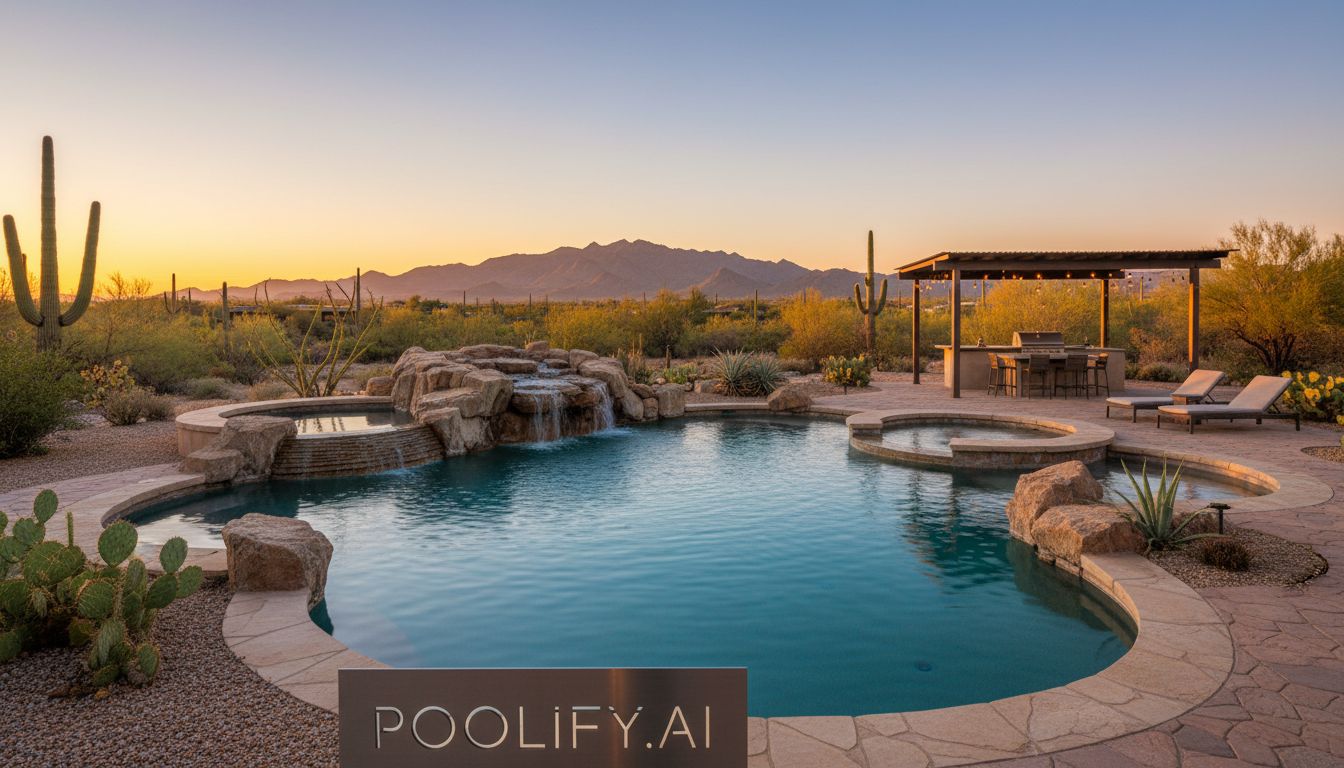
Pool design Tucson projects require special consideration due to the city’s distinctive desert environment. Located in the Sonoran Desert at approximately 2,400 feet elevation, Tucson experiences extreme temperature variations and unique geological conditions that directly impact pool construction and maintenance. The city receives only 11 inches of annual rainfall, while summer temperatures regularly exceed 100°F from June through September.
The desert soil composition in Tucson presents specific challenges for pool installation. Caliche, a calcium carbonate hardpan layer common throughout Southern Arizona, often requires specialized excavation equipment and techniques. This naturally occurring cement-like layer can add $2,000 to $5,000 to your project costs depending on thickness and depth. Understanding these geological factors early in your planning process prevents budget surprises and construction delays.
Tucson’s climate also demands superior water conservation strategies. According to Tucson Water, the city has implemented progressive water management policies that affect pool ownership. Modern pool design Tucson approaches incorporate variable-speed pumps, automatic covers, and efficient filtration systems that reduce water consumption by up to 50% compared to traditional designs. These features not only comply with local conservation efforts but also significantly lower operating costs.
Why Pool Design Matters in Tucson’s Growing Market
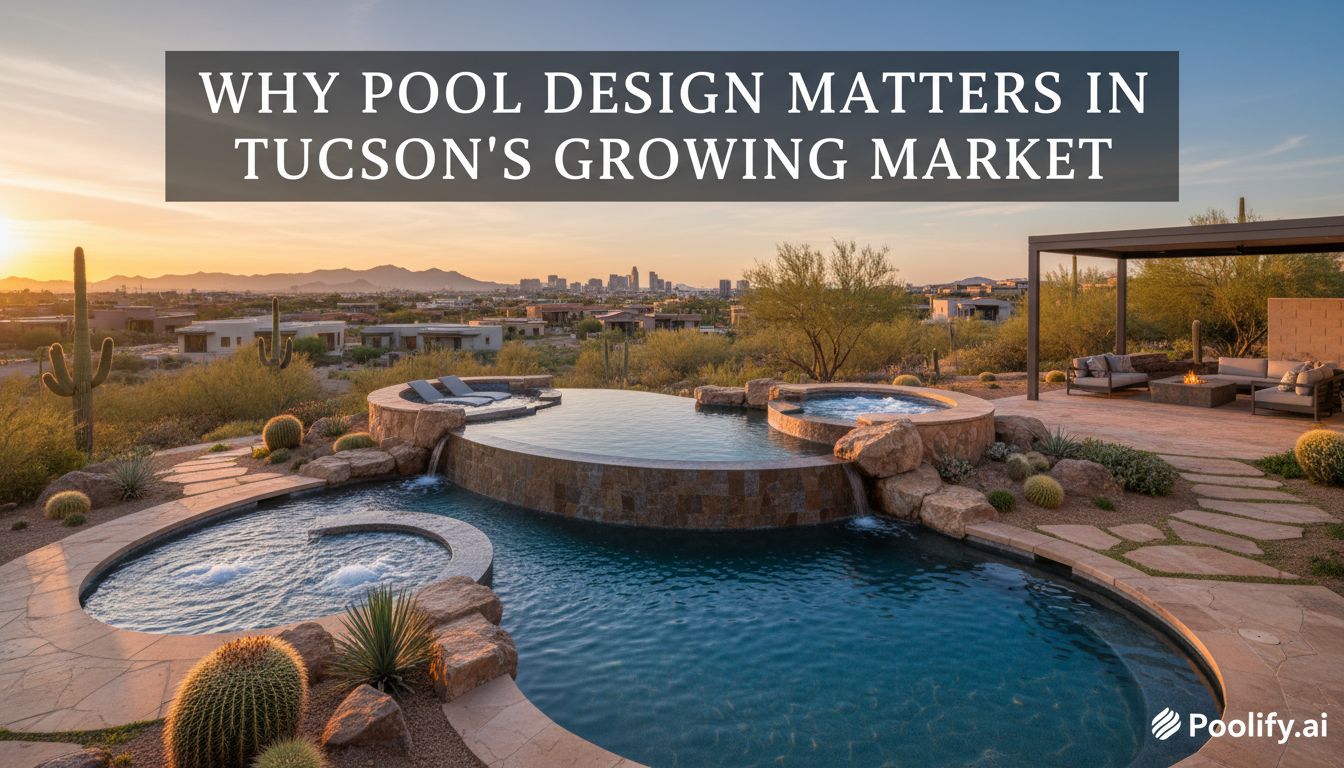
Tucson’s real estate market has experienced substantial growth in recent years, making pool design Tucson an increasingly important consideration for homeowners. With a metropolitan population exceeding 1.1 million residents, Tucson ranks as Arizona’s second-largest city and continues attracting new residents seeking affordable living with exceptional weather. The median home price in Tucson reached approximately $385,000 in 2026, with properties featuring well-designed pools commanding premiums of 15-20% over comparable homes without pools.
The city’s economy has diversified beyond traditional industries, with major employers including the University of Arizona, Raytheon Technologies, and a growing technology sector. This economic expansion has increased demand for luxury home amenities, particularly pools that serve as outdoor living spaces during Tucson’s extended warm season. With over 350 days of sunshine annually and comfortable outdoor temperatures from October through May, pools provide nearly year-round entertainment value.
Tucson’s unique neighborhoods each offer distinct characteristics that influence pool design choices. The Catalina Foothills area, with median home values exceeding $600,000, favors infinity-edge pools and natural rock features that complement mountain views. Downtown and midtown historic districts require designs that respect architectural heritage while incorporating modern amenities. Suburban areas like Oro Valley and Marana typically feature family-friendly designs with play areas and safety features.
Local climate data reveals why pool design Tucson specifications differ from other regions. Summer temperatures average 100°F, with record highs reaching 115°F. Winter lows rarely drop below freezing, eliminating concerns about freeze damage common in northern climates. However, the intense UV radiation at Tucson’s elevation accelerates material degradation, requiring careful selection of fade-resistant finishes and durable equipment. Annual evaporation rates can exceed 90 inches, making water conservation features essential rather than optional.
Top 10 Pool Design Tucson Tips for 2026
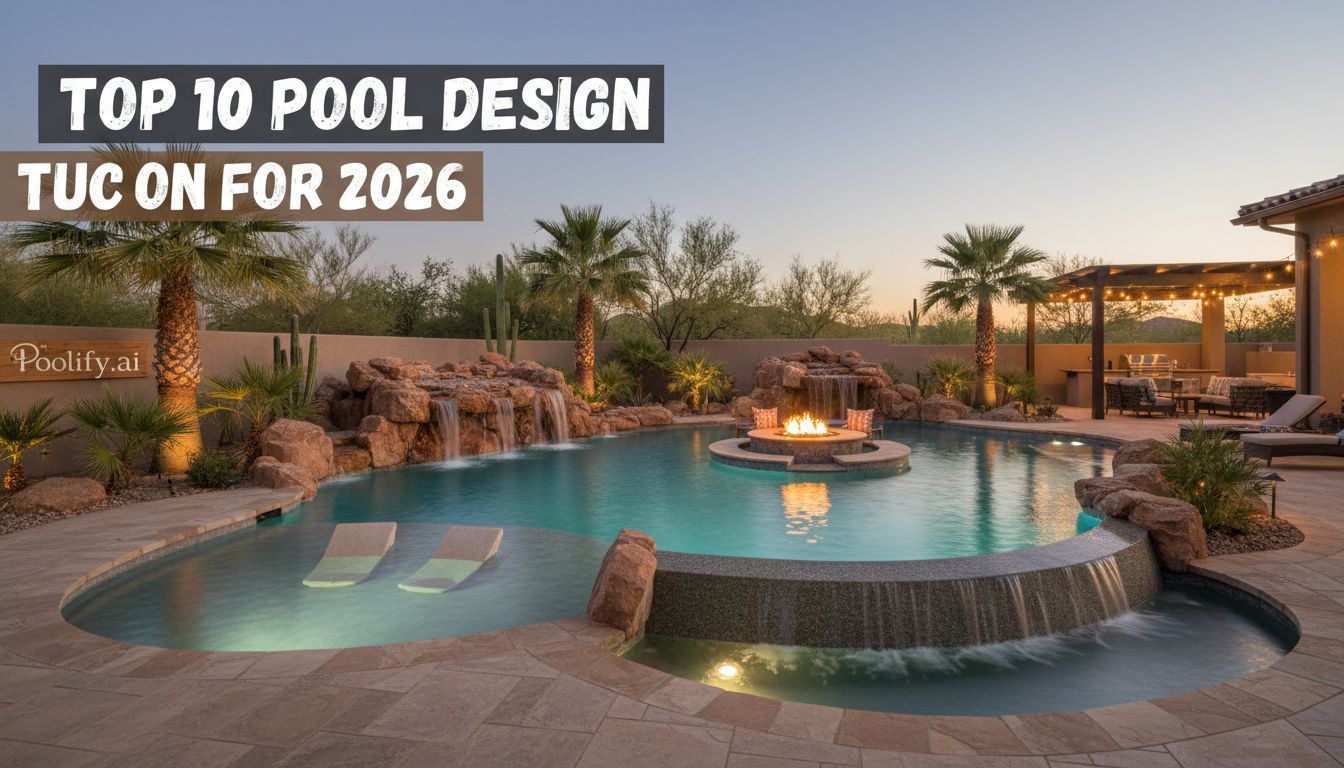
1. Prioritize Water Conservation Technology
Modern pool design Tucson projects must incorporate water-saving technologies to align with municipal conservation goals and reduce operating costs. Variable-speed pumps reduce energy consumption by 65-75% compared to single-speed models while maintaining optimal circulation. Automatic pool covers minimize evaporation, which accounts for the largest water loss in desert climates. These covers can reduce water loss by 30-50%, saving thousands of gallons annually while keeping debris out and maintaining temperature.
Consider installing a pool water leveler with leak detection capabilities. These smart systems automatically maintain proper water levels while alerting you to unusual consumption patterns that might indicate leaks. Saltwater chlorination systems reduce chemical usage and create softer water that’s gentler on skin and swimwear. For comprehensive guidance on maintaining water quality, explore our pool maintenance guide for year-round strategies.
2. Select Heat-Resistant Materials and Finishes
The intense Tucson sun demands careful material selection for pool design Tucson projects. Pool decking materials must withstand temperatures that can exceed 140°F on summer afternoons. Cool-deck coatings, textured concrete, and light-colored pavers reflect rather than absorb heat, keeping surfaces comfortable for bare feet. Avoid dark-colored materials that become dangerously hot and can warp or crack under extreme temperature fluctuations.
Interior pool finishes should resist UV degradation and chemical bleaching. Pebble finishes offer superior durability and come in light colors that keep water temperatures lower. Quartz aggregates provide smooth surfaces with excellent color retention. Glass tile accents add visual interest while maintaining their brilliance despite constant sun exposure. Standard plaster finishes require resurfacing every 7-10 years in Tucson’s climate, while premium finishes can last 15-20 years with proper maintenance.
3. Design for Optimal Shade Integration
Strategic shade elements transform pool design Tucson spaces into comfortable retreats during peak summer months. Ramadas, pergolas, and shade sails provide relief from direct sun while creating distinct entertainment zones around your pool. Position shade structures on the west side of your pool to block afternoon sun, which produces the most intense heat. Retractable awnings offer flexibility, allowing full sun exposure during cooler months and protection during summer.
Incorporate shade into your landscape design with fast-growing desert-adapted trees like Palo Verde or Mesquite planted at strategic locations. These native species provide dappled shade without excessive leaf drop that clogs filtration systems. Consider the sun’s path throughout the year when planning shade placement, as winter sun angles differ significantly from summer patterns in Tucson’s latitude.
4. Incorporate Desert-Appropriate Landscaping
Pool design Tucson excellence requires harmonious integration with desert landscaping principles. Xeriscaping techniques reduce water consumption while creating stunning visual appeal. Select native and adapted plants that thrive in Tucson’s climate without excessive irrigation. Agave, ocotillo, and various cacti species provide dramatic architectural elements that complement modern pool designs.
Create distinct planting zones around your pool area. Keep water-hungry plants in contained areas with separate irrigation, while surrounding spaces feature drought-tolerant species. Use decomposed granite, river rock, or flagstone pathways to minimize turf areas that require constant watering. Native grasses like Mexican feathergrass add softness and movement without demanding resources. Avoid plants with invasive root systems near pool structures, and choose species that don’t drop excessive leaves or flowers into the water.
5. Plan for Year-Round Comfort with Heating Options
While Tucson enjoys warm weather most of the year, pool design Tucson projects benefit from heating systems that extend swimming season into cooler months. Solar heating represents the most cost-effective option in Tucson’s sunny climate, with systems paying for themselves within 3-5 years through reduced energy costs. Solar panels mounted on south-facing roof areas or ground-mounted racks heat water as it circulates through the system.
Heat pumps offer efficient heating for occasional use during October through April when nighttime temperatures drop. These systems work best when ambient temperatures remain above 50°F, making them ideal for Tucson’s mild winters. Gas heaters provide rapid heating for spa features or quick temperature boosts before pool parties. Combining multiple heating methods gives you flexibility while optimizing energy efficiency throughout the year.
6. Navigate Local Building Codes and Permits
Successful pool design Tucson projects require compliance with city and county regulations. The City of Tucson and Pima County enforce specific codes regarding pool barriers, setbacks, and safety features. All pools must have barriers at least 5 feet high with self-closing, self-latching gates that open outward. Pool equipment must be set back at least 5 feet from property lines, and structures cannot encroach on utility easements.
Obtain necessary permits before beginning construction to avoid costly violations and potential removal orders. The permit process typically takes 2-4 weeks and requires detailed plans showing pool location, dimensions, equipment placement, and drainage solutions. Work with licensed contractors familiar with local requirements, as they navigate the approval process efficiently. Homeowners associations may impose additional restrictions on pool size, style, and features, so review CC&Rs before finalizing your design.
7. Optimize Pool Shape and Size for Your Lot
Effective pool design Tucson strategies maximize available space while maintaining proper proportions. Standard rectangular pools work well for lap swimming and fit efficiently into typical suburban lots. Freeform designs create natural, organic appearances that complement desert landscapes and work around existing trees or landscape features. Consider your lot’s dimensions, slope, and orientation when determining pool shape.
Pool size should balance your entertainment needs with maintenance realities and budget constraints. A 400-600 square foot pool accommodates most family activities without overwhelming smaller lots or requiring excessive water and chemical usage. Deeper areas for diving require additional excavation through caliche layers, significantly increasing costs. Many Tucson homeowners opt for consistent 4-5 foot depths that allow comfortable standing while reducing construction expenses.
8. Integrate Smart Technology and Automation
Contemporary pool design Tucson projects embrace automation systems that simplify maintenance and optimize efficiency. Smart pool controllers manage filtration schedules, chemical dosing, heating, and lighting from smartphone apps. These systems learn your usage patterns and adjust operations to minimize energy consumption while maintaining perfect water conditions. Automated chemical feeders maintain consistent sanitizer and pH levels, preventing algae growth and equipment damage.
LED lighting systems with color-changing capabilities create ambiance while consuming 75% less energy than traditional pool lights. Program lighting schedules to enhance evening entertainment or provide security illumination. Smart leak detection systems monitor water levels and flow rates, alerting you immediately to potential problems before they cause significant damage or water waste. For additional tips on keeping your pool in optimal condition, visit our pool cleaning tips resource.
9. Design Multi-Functional Outdoor Living Spaces
Modern pool design Tucson approaches view pools as centerpieces of comprehensive outdoor living areas rather than isolated features. Integrate your pool with outdoor kitchens, fire features, and comfortable seating areas to create resort-style environments. Built-in barbecue islands with refrigeration and storage extend your living space outdoors, perfect for Tucson’s comfortable evening temperatures.
Fire bowls or fireplaces provide warmth and ambiance during cooler months while creating stunning visual contrast with water features. Sunken seating areas with weather-resistant furniture establish conversation zones separate from active swimming areas. Outdoor sound systems, misting fans, and WiFi coverage transform pool areas into functional extensions of your home where families spend significant time throughout the year.
10. Consider Long-Term Maintenance and Operating Costs
Thoughtful pool design Tucson planning accounts for ongoing expenses beyond initial construction. Monthly operating costs for properly designed pools typically range from $80-150, covering chemicals, electricity, and water. Energy-efficient equipment reduces these costs substantially, with variable-speed pumps alone saving $50-75 monthly compared to older single-speed models. Factor in annual maintenance tasks like filter cleaning, equipment servicing, and occasional repairs when budgeting.
Resurfacing represents the largest periodic expense, required every 10-15 years depending on finish materials and water chemistry maintenance. Budget $5,000-10,000 for this inevitable renovation. Equipment replacement follows predictable schedules, with pumps lasting 8-12 years and heaters 10-15 years. Establishing a maintenance reserve fund of $100 monthly prepares you for these expenses without financial stress. Professional maintenance services cost $100-200 monthly but ensure optimal water quality and equipment longevity.
Popular Pool Features for Tucson’s Desert Climate
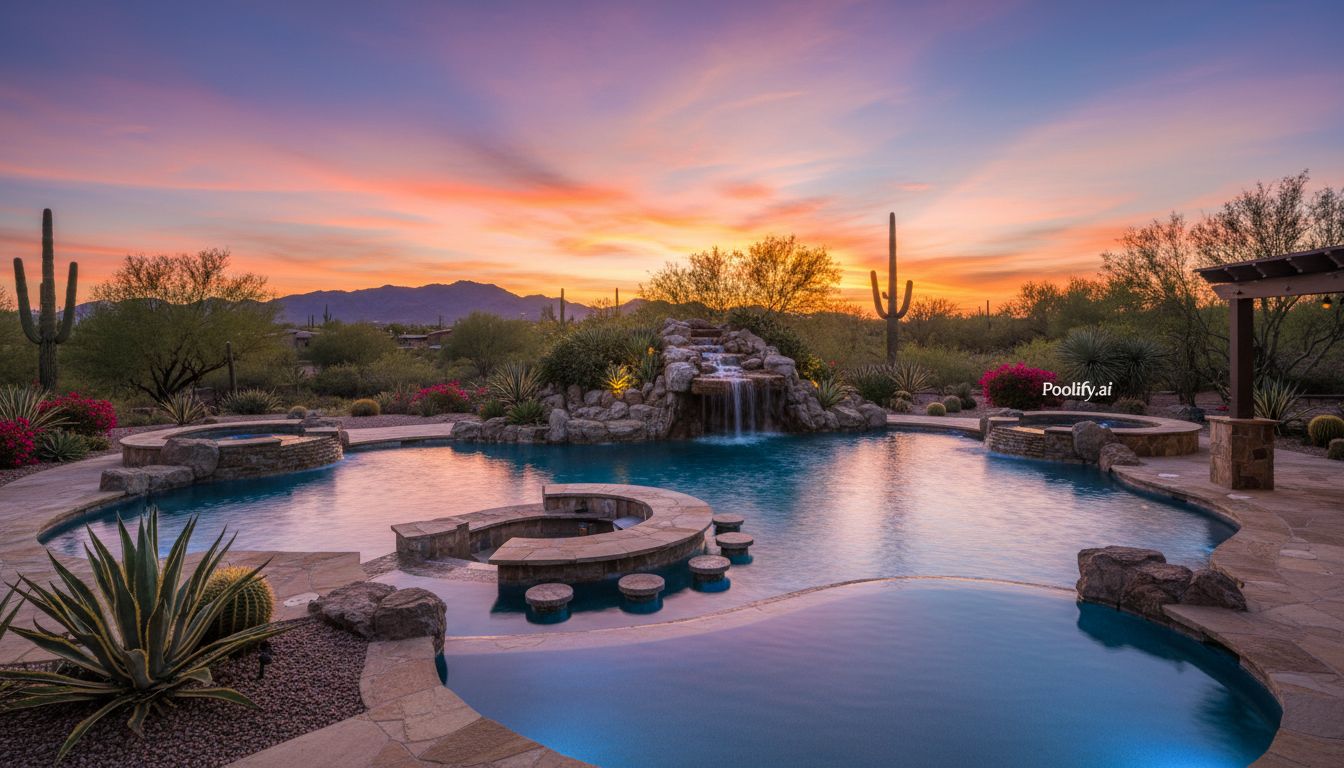
Pool design Tucson trends in 2026 emphasize features that enhance comfort and visual appeal while respecting environmental constraints. Tanning ledges or baja shelves provide shallow areas perfect for lounging and supervising young children. These 6-12 inch deep platforms allow you to cool off without full submersion, ideal during Tucson’s intense summer heat. Position tanning ledges on the north or east side of pools to maximize morning sun exposure while avoiding afternoon intensity.
Water features add visual interest and soothing sounds while serving practical purposes. Sheer descent waterfalls create elegant sheets of water that cool through evaporation and aeration. Bubblers and deck jets entertain children while adding movement to the water surface. Rock waterfalls integrate naturally with desert landscaping, creating focal points that disguise equipment areas. However, be mindful that water features increase evaporation rates, so incorporate automatic covers or reduce feature operation during peak heat.
Spas attached to main pools extend usability throughout the year. Raised spas with spillover edges create stunning visual effects while providing therapeutic benefits. Independent spa heating allows you to enjoy warm water during winter months without heating the entire pool. Position spas in areas with mountain or sunset views to maximize the relaxation experience. Tucson’s clear night skies make evening spa sessions particularly appealing, especially during cooler months.
Budgeting for Your Tucson Pool Project
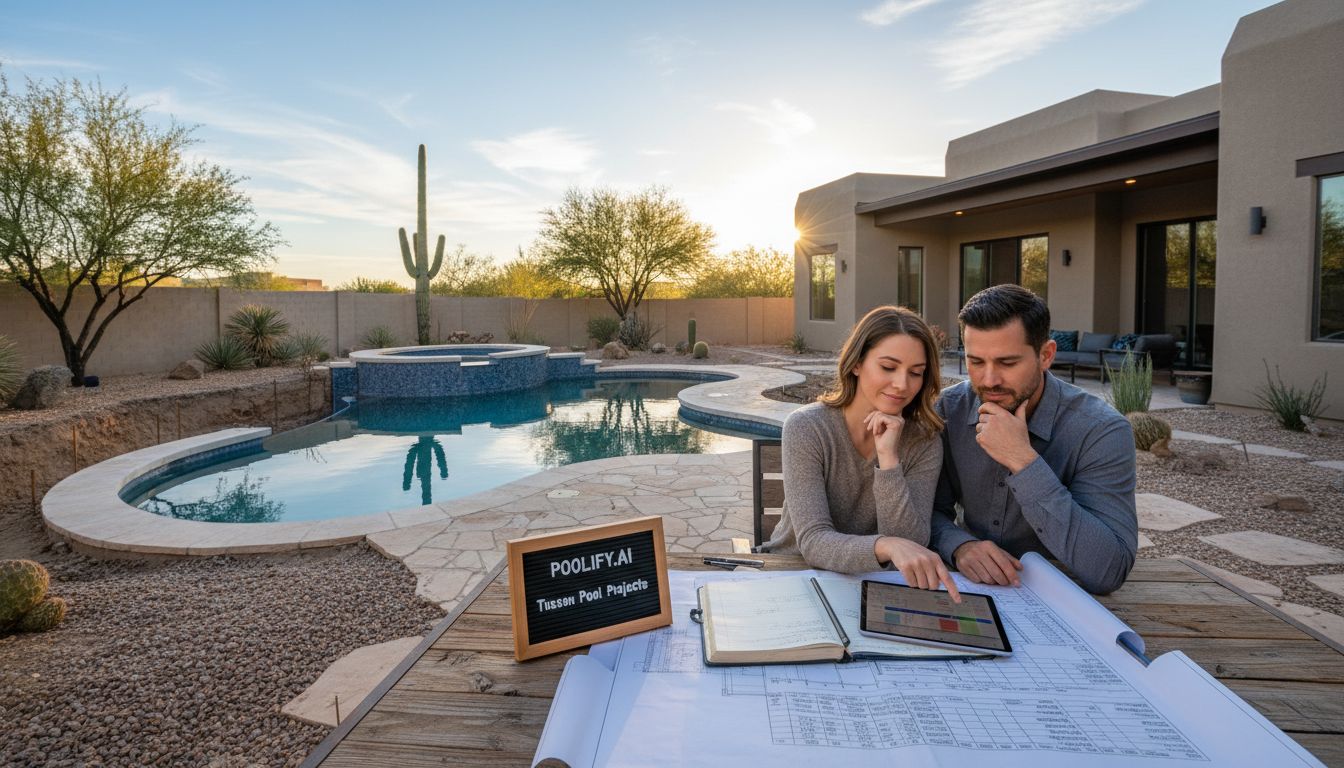
Understanding costs helps you plan realistic pool design Tucson projects that meet your needs without financial strain. Basic in-ground pools in Tucson start around $35,000-45,000 for standard rectangular designs with minimal features. Mid-range projects incorporating custom shapes, upgraded finishes, and standard automation typically cost $50,000-75,000. Luxury installations with extensive landscaping, outdoor kitchens, and premium materials can exceed $100,000.
Caliche removal adds significant costs to Tucson pool projects. Expect to pay $50-75 per cubic yard for caliche excavation and disposal, with typical pools requiring removal of 100-200 cubic yards. This geological challenge makes Tucson pool construction 15-20% more expensive than similar projects in areas with softer soil. However, investing in proper excavation prevents future structural problems and ensures long-term stability.
Financing options make pool ownership accessible to more Tucson homeowners. Home equity loans offer lower interest rates and tax-deductible interest for qualifying borrowers. Personal loans provide faster approval without using home equity as collateral. Many pool contractors partner with financing companies offering promotional rates or deferred payment plans. Calculate total ownership costs including financing, insurance increases, and operating expenses to ensure your project fits comfortably within your budget.
Choosing the Right Pool Design Professional
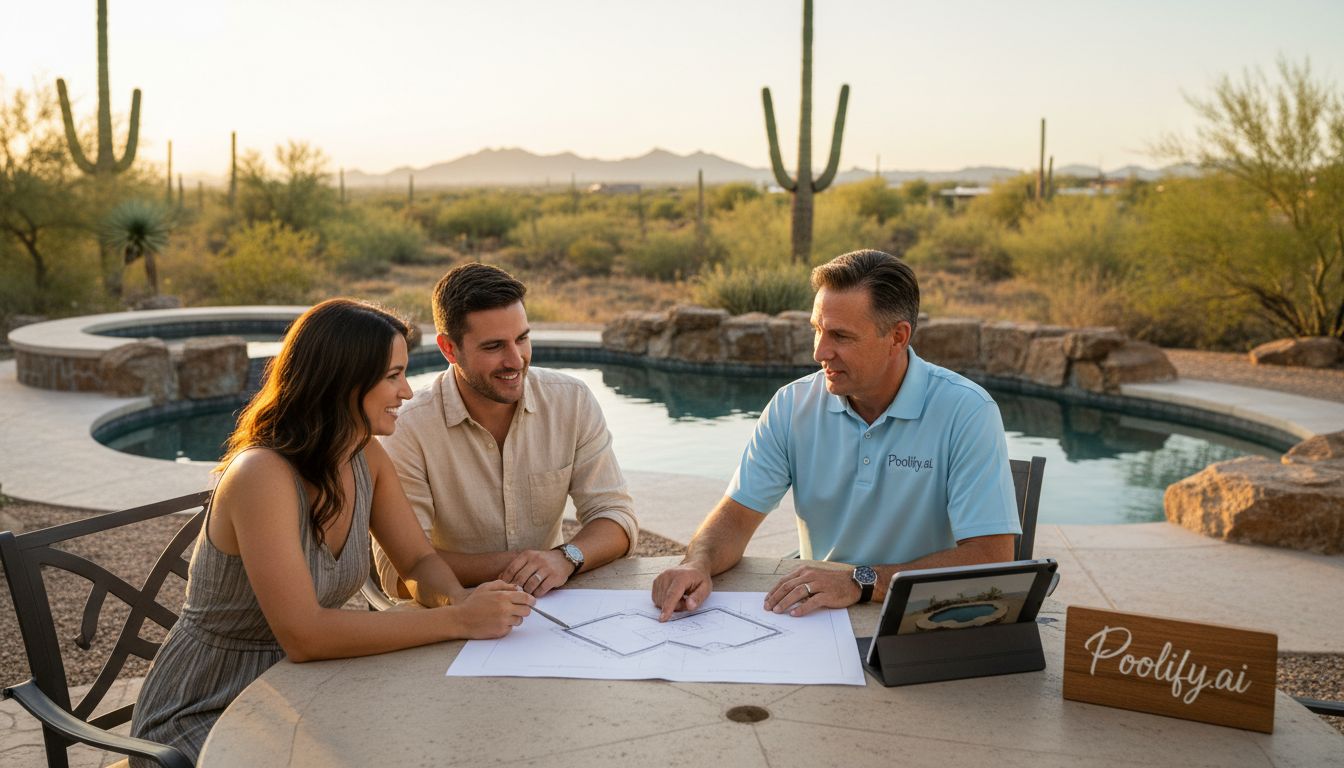
Selecting experienced pool design Tucson contractors ensures successful project outcomes and long-term satisfaction. Look for licensed contractors with at least five years of local experience who understand Tucson’s unique challenges. Verify licenses through the Arizona Registrar of Contractors and check complaint histories. Request references from recent projects and visit completed pools to assess quality and design aesthetic.
Quality contractors provide detailed written proposals specifying materials, timelines, and payment schedules. Avoid contractors requiring large upfront deposits or offering prices significantly below competitors, as these red flags often indicate financial instability or substandard work. Reputable professionals carry adequate liability insurance and workers’ compensation coverage protecting you from potential claims.
Review portfolios showing diverse design styles to ensure contractors can execute your vision. The best pool designers listen carefully to your needs, ask detailed questions about your lifestyle and preferences, and offer creative solutions to site challenges. They should explain technical aspects clearly and help you understand trade-offs between design options, costs, and maintenance requirements. Strong communication throughout the project prevents misunderstandings and ensures your expectations are met.
Interesting Facts About Tucson’s Pool Culture
Tucson’s pool design Tucson industry has evolved significantly since the city’s residential expansion began in the 1950s. The metropolitan area now contains an estimated 75,000 residential pools, representing approximately 20% of single-family homes. This concentration reflects the desert lifestyle where pools serve as essential outdoor amenities rather than luxury additions.
The city’s unique position as a UNESCO City of Gastronomy extends to pool entertaining culture, with many homeowners incorporating sophisticated outdoor kitchens and dining areas into their pool designs. Tucson’s blend of Mexican, Native American, and contemporary Southwestern influences appears in pool aesthetics, from colorful tile work to natural stone features that echo the surrounding Sonoran Desert landscape.
Tucson’s elevation and low humidity create ideal conditions for evaporative cooling, making poolside misting systems particularly effective. The temperature drop from misting can reach 20-30 degrees, transforming uncomfortable summer afternoons into pleasant outdoor experiences. This climate advantage has made Tucson a testing ground for innovative cooling technologies now used throughout the desert Southwest.
The city’s commitment to water conservation has positioned it as a national leader in sustainable pool design. Tucson was the first major U.S. city to meet all its water needs through renewable supplies, and this environmental consciousness influences pool design Tucson standards. Local contractors have pioneered techniques for reducing pool water consumption while maintaining aesthetic and functional quality, innovations now adopted in water-scarce regions worldwide.
Frequently Asked Questions About Pool Design Tucson
How much does a typical pool cost in Tucson?
Pool design Tucson costs typically range from $35,000 for basic installations to $100,000+ for luxury projects. The median cost falls around $55,000-65,000 for a well-equipped pool with standard automation and quality finishes. Caliche excavation adds $2,000-5,000 to most projects. Factors affecting cost include pool size, shape complexity, finish materials, equipment quality, and landscaping integration. Obtain multiple detailed quotes to understand pricing for your specific design preferences and site conditions.
What permits are required for pool construction in Tucson?
All pool construction in Tucson requires building permits from either the City of Tucson or Pima County depending on your location. Permits cover structural, plumbing, and electrical work associated with pool installation. The application process requires detailed plans showing pool dimensions, equipment locations, barrier specifications, and drainage solutions. Permit fees typically range from $500-1,500 based on project scope. Licensed contractors typically handle permit applications as part of their services, ensuring compliance with current codes.
How can I minimize water usage with my Tucson pool?
Pool design Tucson water conservation strategies include installing automatic covers that reduce evaporation by 30-50%, using variable-speed pumps that optimize circulation efficiency, and maintaining proper water chemistry to prevent unnecessary draining. Cartridge filters require less backwashing than sand filters, saving thousands of gallons annually. Regular leak detection prevents hidden water loss, while windbreaks reduce evaporation from wind exposure. Smart water levelers add only necessary amounts rather than overfilling, and proper landscaping design prevents runoff waste.
What is the best time of year to build a pool in Tucson?
Fall through early spring represents the optimal period for pool design Tucson construction. Building during October through March avoids extreme summer heat that complicates concrete curing and worker comfort. Cooler weather also allows better scheduling flexibility, as this represents the slower season for pool contractors. Starting construction in fall means your pool is ready for swimming season by late spring. However, quality contractors work year-round, so don’t delay your project solely based on season if you’ve found the right professional.
Do pools increase home value in Tucson?
Well-designed pools typically increase Tucson home values by 10-20% depending on neighborhood and overall property quality. In higher-end areas like Catalina Foothills, pools are expected amenities that significantly impact marketability. However, pools appeal to specific buyer segments, potentially reducing your buyer pool while increasing appeal to families and lifestyle-focused purchasers. The return on investment improves when pool design Tucson projects integrate seamlessly with home architecture and include quality landscaping and outdoor living features that create resort-style environments.
Key Takeaways
- Climate-Specific Design: Pool design Tucson requires specialized approaches addressing intense heat, minimal rainfall, and unique geological challenges like caliche layers that increase excavation costs and complexity.
- Water Conservation Priority: Modern Tucson pools must incorporate water-saving technologies including automatic covers, variable-speed pumps, and smart monitoring systems that reduce consumption by 30-50% while maintaining optimal conditions.
- Material Selection Matters: Choose heat-resistant, UV-stable materials for decking and finishes that withstand temperatures exceeding 140°F and intense sun exposure without degrading or becoming dangerously hot.
- Integrated Outdoor Living: Successful pool design Tucson projects create comprehensive outdoor entertainment spaces with shade structures, outdoor kitchens, and comfortable seating that maximize year-round usability.
- Professional Planning Essential: Work with experienced local contractors who understand Tucson’s building codes, geological challenges, and climate requirements to ensure projects meet regulations and perform optimally for decades.
See Your Dream Pool in Your Actual Backyard
Upload a photo and get an AI-designed pool visualization in 10 seconds. 3 free designs, no login required.
Try Poolify Free →Conclusion
Creating the perfect pool design Tucson homeowners will enjoy for decades requires careful planning that addresses the unique challenges and opportunities of desert living. From selecting water-efficient equipment to choosing materials that withstand intense UV exposure, every decision impacts both immediate enjoyment and long-term satisfaction. Tucson’s growing population and strong real estate market make well-designed pools valuable investments that enhance lifestyle while increasing property values.
The key to success lies in balancing aesthetic vision with practical considerations like water conservation, maintenance requirements, and budget realities. By incorporating the expert tips outlined in this guide, you’ll create an outdoor oasis that provides refreshing relief from summer heat, extends your living space, and serves as the centerpiece for family memories and social gatherings. Whether you’re drawn to modern geometric designs or natural freeform pools that echo the surrounding Sonoran Desert, thoughtful planning ensures your pool design Tucson project exceeds expectations.
As you move forward with your pool plans, remember that the most successful projects result from collaboration between homeowners with clear visions and experienced professionals who understand local conditions. Take time to research contractors, visit completed projects, and carefully consider how your pool will integrate with your home’s architecture and your family’s lifestyle. With proper planning and execution, your Tucson pool will provide decades of enjoyment while standing as a testament to thoughtful desert design.
References
- Tucson Water – City of Tucson Official Water Department
- Arizona Registrar of Contractors – Licensing and Compliance Information
- Pima County Development Services – Building Codes and Permits
- U.S. Census Bureau – Tucson Metropolitan Statistical Area Demographics
- National Weather Service – Tucson Climate Data
