
Introduction to Heated Pool Options
Extending your swimming season beyond the summer months requires choosing the right heated pool options for your specific needs. In 2026, pool owners have more choices than ever when it comes to maintaining comfortable water temperatures year-round. Whether you’re looking to swim in early spring, late fall, or even during winter months, understanding the available heated pool options helps you make an informed investment that balances comfort, efficiency, and cost.
This comprehensive guide explores the most effective heated pool options available in 2026, examining everything from traditional gas heaters to modern solar systems and energy-efficient heat pumps. You’ll discover how each heating method works, what it costs to install and operate, and which option best suits your climate, pool size, and budget. By the end of this article, you’ll have the knowledge needed to select the perfect heating solution for your backyard oasis.
Understanding the Main Heated Pool Options
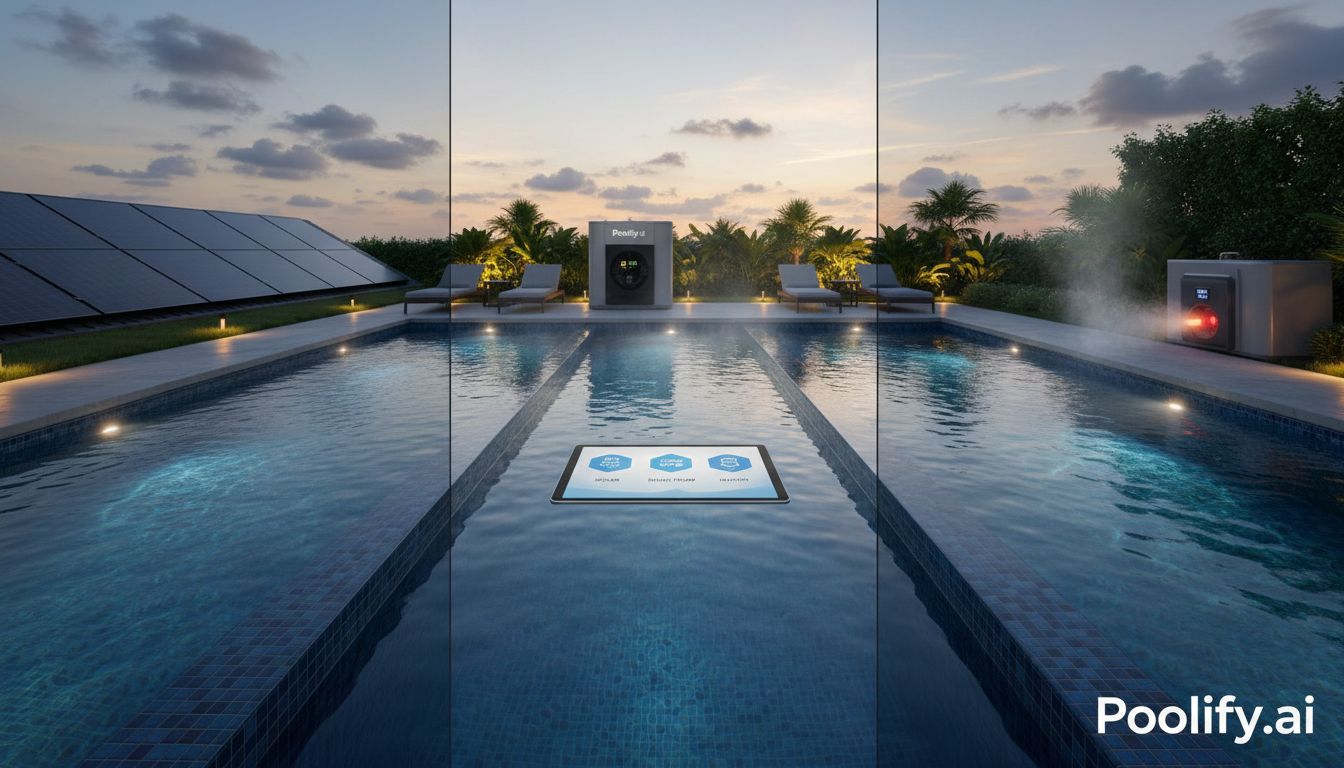
The landscape of heated pool options has evolved significantly, with technological advances making pool heating more efficient and accessible. Today’s pool owners can choose from four primary heating systems, each with distinct advantages and considerations. Understanding these fundamental heated pool options forms the foundation for making the right choice for your situation.
Gas Pool Heaters
Gas heaters remain one of the most popular heated pool options, particularly for pool owners who need rapid temperature increases. These systems burn natural gas or propane to generate heat, which transfers to your pool water through a heat exchanger. Gas heaters excel at quickly raising water temperature, making them ideal for pools that aren’t used daily or for spa heating where immediate warmth is desired.
The primary advantage of gas heaters is their heating speed and reliability regardless of outdoor temperature. Unlike some heated pool options that depend on ambient air or sunlight, gas heaters perform consistently in any weather condition. Modern gas heaters achieve efficiency ratings between 82% and 95%, with condensing models at the higher end of that spectrum. Installation costs typically range from $1,500 to $4,000, depending on the unit size and whether you’re using natural gas or propane.
However, gas heaters have higher operating costs compared to other heated pool options. According to the U.S. Department of Energy, gas heaters can cost $300 to $500 monthly during peak usage, making them better suited for occasional use rather than continuous heating. Their lifespan averages 5 to 10 years with proper maintenance, which is shorter than some alternative heated pool options.
Electric Heat Pumps
Electric heat pumps represent one of the most energy-efficient heated pool options available in 2026. Rather than generating heat directly, these systems extract warmth from the surrounding air and transfer it to your pool water. Heat pumps work similarly to air conditioners in reverse, using refrigerant to capture and concentrate ambient heat energy.
The efficiency of heat pumps makes them attractive heated pool options for moderate climates. These systems typically achieve coefficient of performance (COP) ratings between 3.0 and 7.0, meaning they produce three to seven units of heat for every unit of electricity consumed. This efficiency translates to operating costs that are 50% to 75% lower than gas heaters over a full season.
Heat pumps work best when air temperatures remain above 50°F, with optimal performance occurring between 50°F and 70°F. Initial investment ranges from $2,500 to $5,000 for quality units, but their 10 to 20-year lifespan and lower operating costs make them cost-effective heated pool options over time. The main limitation is slower heating speed compared to gas systems, typically raising water temperature by 1 to 3 degrees per day depending on conditions.
Solar Pool Heaters
Solar heating systems rank among the most environmentally friendly and economical heated pool options for long-term use. These systems circulate pool water through solar collectors, typically mounted on rooftops or ground racks, where sunlight warms the water before returning it to the pool. Solar heaters harness free energy from the sun, eliminating ongoing fuel costs entirely.
Among heated pool options, solar systems offer the lowest operating costs since they use only a small circulation pump. Installation costs range from $3,000 to $7,000 depending on system size and complexity, but with minimal operating expenses and 15 to 20-year lifespans, solar heaters often provide the best return on investment. The system size needed typically equals 50% to 100% of your pool’s surface area for optimal performance.
Solar heated pool options work best in sunny climates with long swimming seasons. They effectively maintain comfortable temperatures when properly sized but may struggle to heat pools in cloudy conditions or during cooler months. Many pool owners combine solar systems with backup heated pool options like gas heaters or heat pumps for comprehensive coverage throughout the year.
Electric Resistance Heaters
Electric resistance heaters represent a less common category among heated pool options but serve specific applications effectively. These units heat water by passing it over electric heating elements, similar to how an electric water heater works. They’re compact, easy to install, and require minimal maintenance compared to other heated pool options.
These heated pool options work best for small pools, spas, or above-ground pools where heating demands are modest. They provide reliable, consistent heating without requiring gas lines or adequate solar exposure. Installation costs are relatively low, typically $500 to $2,000, making them accessible entry-level heated pool options.
The significant drawback is high operating cost. Electric resistance heaters convert electricity to heat at a 1:1 ratio, making them expensive to run compared to heat pumps that achieve 3:1 to 7:1 efficiency. Monthly operating costs can exceed those of gas heaters in many regions, limiting their practicality for larger pools or extended use.
Comparing Costs of Different Heated Pool Options
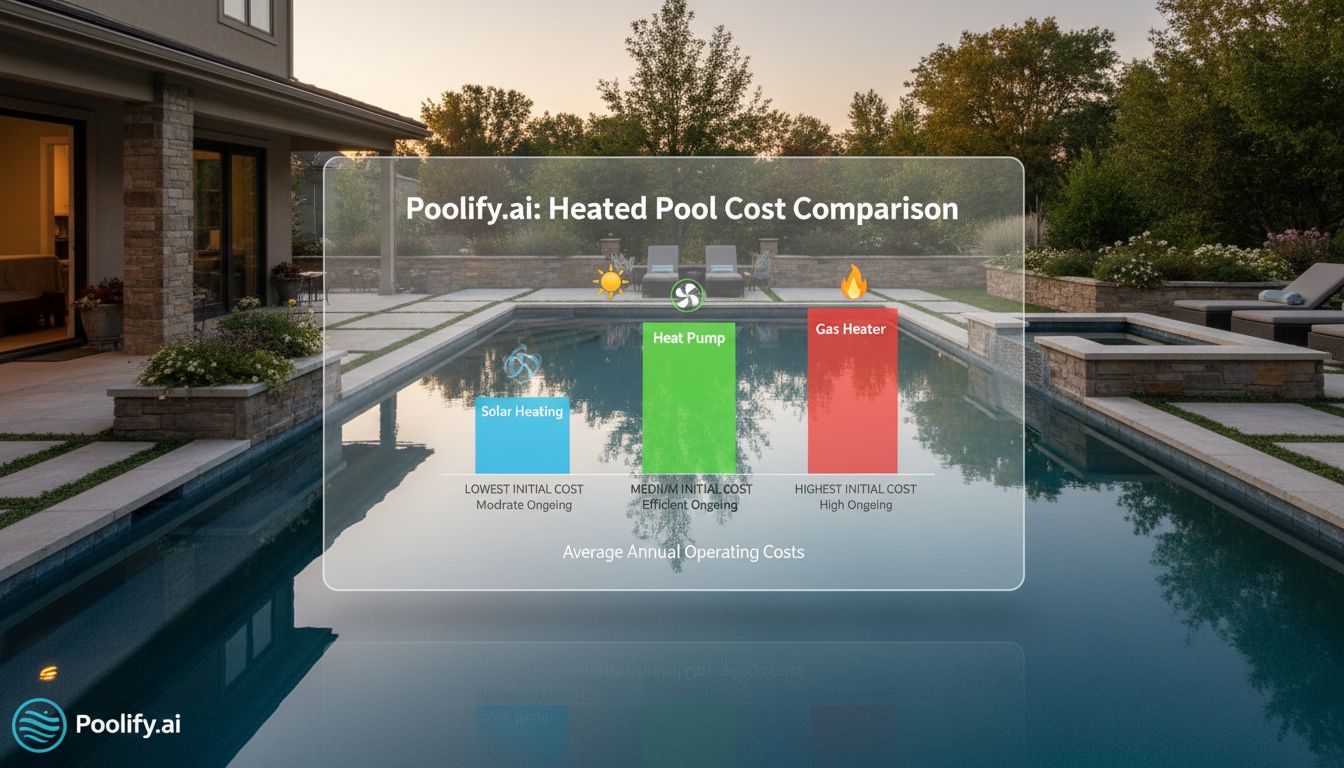
Understanding the full cost picture helps you evaluate heated pool options effectively. The total expense includes initial purchase and installation, ongoing operating costs, and long-term maintenance requirements. Each category of heated pool options presents a different cost profile that affects your overall investment.
Initial Investment and Installation
Installation costs vary significantly among heated pool options. Gas heaters typically require $1,500 to $4,000 for equipment and installation, with additional costs if gas lines need extension. Heat pumps range from $2,500 to $5,000 installed, while solar systems represent the highest upfront investment at $3,000 to $7,000 due to collector panels and mounting hardware.
When comparing heated pool options, consider that professional installation is essential for optimal performance and warranty protection. Labor costs account for 30% to 50% of total installation expenses. Some heated pool options like heat pumps and solar systems may qualify for federal tax credits or local utility rebates, potentially reducing your net investment by 10% to 30%.
Operating Costs and Efficiency
Monthly operating costs distinguish heated pool options dramatically. Gas heaters typically cost $300 to $500 monthly during active use, depending on local gas prices and pool size. Heat pumps reduce operating costs to $100 to $200 monthly due to their superior efficiency. Solar systems cost virtually nothing to operate beyond minimal pump electricity, usually under $30 monthly.
The Department of Energy’s pool heating calculator helps estimate operating costs for different heated pool options based on your location and usage patterns. Climate significantly impacts efficiency, with heat pumps and solar systems performing better in warmer regions while gas heaters maintain consistent performance regardless of location.
Maintenance and Longevity
Long-term maintenance costs affect the total ownership expense of heated pool options. Gas heaters require annual professional service costing $150 to $300, with component replacements needed every few years. Their 5 to 10-year lifespan means you’ll likely replace the unit at least once during your pool’s lifetime.
Heat pumps need less frequent maintenance, typically every 2 to 3 years, with costs around $200 per service. Their 10 to 20-year lifespan makes them durable heated pool options. Solar systems require minimal maintenance beyond occasional panel cleaning and pump service, with 15 to 20-year operational lives making them among the most reliable heated pool options available.
Selecting Heated Pool Options Based on Climate

Your geographic location and local climate conditions heavily influence which heated pool options perform best. Temperature patterns, sunlight availability, and seasonal variations determine the effectiveness and efficiency of different heating systems. Matching heated pool options to your climate ensures optimal performance and value.
Warm and Sunny Climates
In regions with abundant sunshine and mild winters, solar systems rank among the best heated pool options. Areas with average temperatures above 60°F for most of the year allow solar heaters to maintain comfortable pool temperatures efficiently. These climates maximize solar system performance while minimizing the need for supplemental heating.
Heat pumps also excel as heated pool options in warm climates, operating efficiently whenever temperatures exceed 50°F. The combination of solar heating for primary temperature maintenance with a heat pump backup creates an energy-efficient system for year-round swimming. Many pool owners in southern regions find this combination among the most cost-effective heated pool options available.
Moderate and Variable Climates
Regions with distinct seasons and variable weather require versatile heated pool options. Heat pumps perform well during spring, summer, and fall when temperatures support efficient operation. For cooler periods, a backup gas heater provides rapid heating capability when needed, creating a flexible dual-system approach.
This climate zone benefits from hybrid heated pool options that combine multiple technologies. Installing a heat pump for primary heating with a gas heater for cold snaps or rapid temperature recovery offers the best balance of efficiency and reliability. You can also explore our guide on pool heating costs for detailed regional comparisons.
Cold Climates and Short Seasons
In areas with long winters and short swimming seasons, gas heaters often prove most practical among heated pool options. Their ability to heat quickly regardless of outdoor temperature makes them ideal for pools used intermittently or for extending the season by several weeks on either end of summer.
Cold climate pool owners seeking year-round swimming need robust heated pool options, often requiring enclosed pool structures combined with powerful heating systems. Heat pumps designed for cold climates, which operate efficiently down to 40°F or lower, have emerged as viable heated pool options even in northern regions. These specialized units cost more initially but provide better efficiency than traditional gas heaters throughout most of the season.
Energy Efficiency and Environmental Considerations
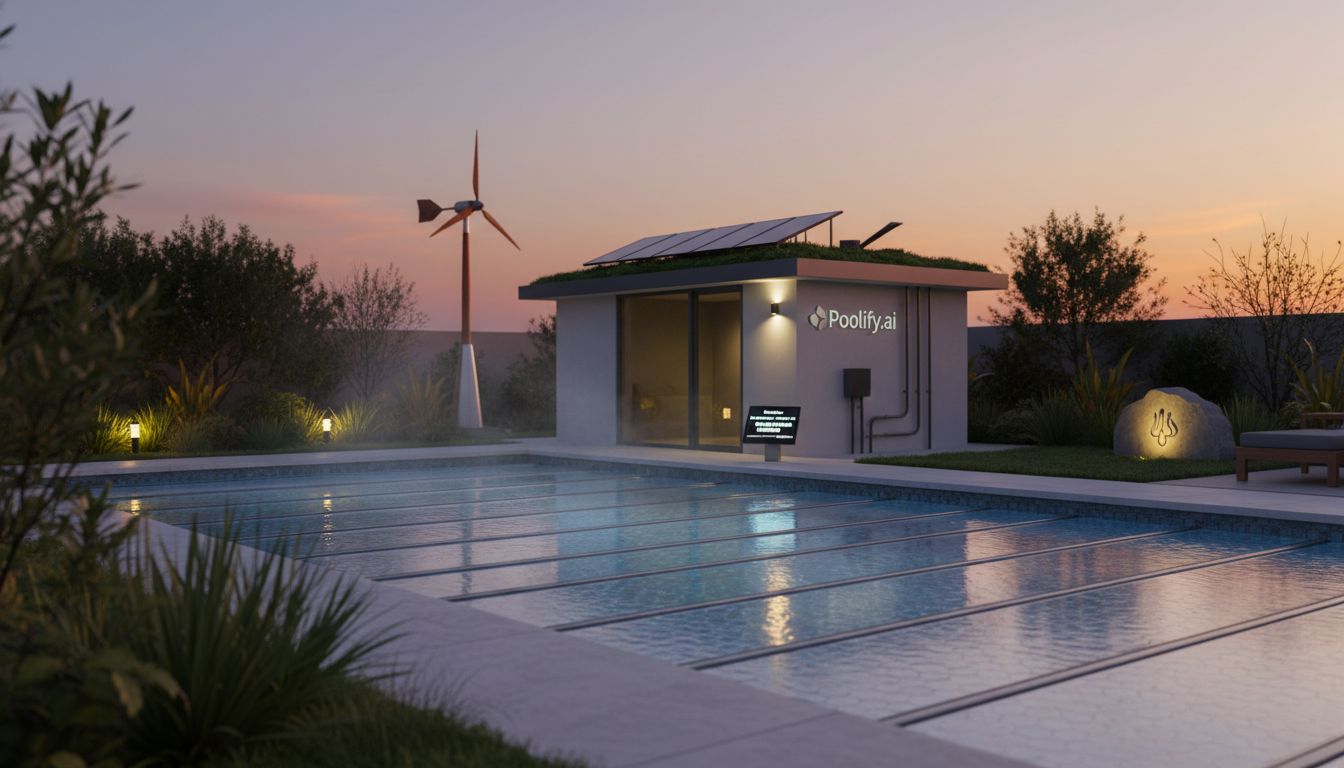
Environmental impact and energy consumption increasingly influence decisions about heated pool options. As energy costs rise and environmental awareness grows, pool owners prioritize sustainable heated pool options that reduce carbon footprints while maintaining comfortable swimming conditions.
Carbon Footprint of Different Systems
Among heated pool options, solar systems produce zero direct emissions during operation, making them the most environmentally friendly choice. Heat pumps generate minimal emissions since they move heat rather than create it, with their environmental impact depending on the electricity source. In regions with renewable energy grids, heat pumps become nearly as clean as solar heated pool options.
Gas heaters produce the highest direct emissions among common heated pool options. Natural gas heaters emit approximately 12 pounds of CO2 per therm consumed, while propane produces about 15 pounds per gallon. A typical gas heater might generate 3 to 5 tons of CO2 annually, equivalent to driving a car 7,500 to 12,500 miles. Pool owners concerned about environmental impact should consider this when evaluating heated pool options.
Renewable Energy Integration
Modern heated pool options increasingly integrate with renewable energy systems. Solar pool heaters naturally align with solar photovoltaic installations, creating comprehensive solar energy utilization. Heat pumps powered by rooftop solar panels essentially provide free pool heating after system payback, combining two of the most efficient heated pool options available.
Battery storage systems further enhance renewable heated pool options by allowing heat pumps to operate on stored solar energy during evening hours or cloudy days. This integration maximizes the use of clean energy while maintaining flexible heating schedules. For more information on sustainable pool management, check our eco-friendly pool maintenance resource.
Efficiency Standards and Certifications
When comparing heated pool options, look for efficiency certifications and ratings. Heat pumps should display COP ratings of 5.0 or higher for optimal efficiency. Gas heaters with thermal efficiency ratings above 84% represent better choices among gas-powered heated pool options. Solar systems certified by organizations like the Solar Rating and Certification Corporation ensure quality and performance standards.
Energy Star certification, while not currently available for pool heaters, provides guidance on selecting efficient heated pool options through their pool heating recommendations. Following these standards helps ensure your chosen system delivers promised efficiency and environmental benefits.
Installation Considerations for Heated Pool Options
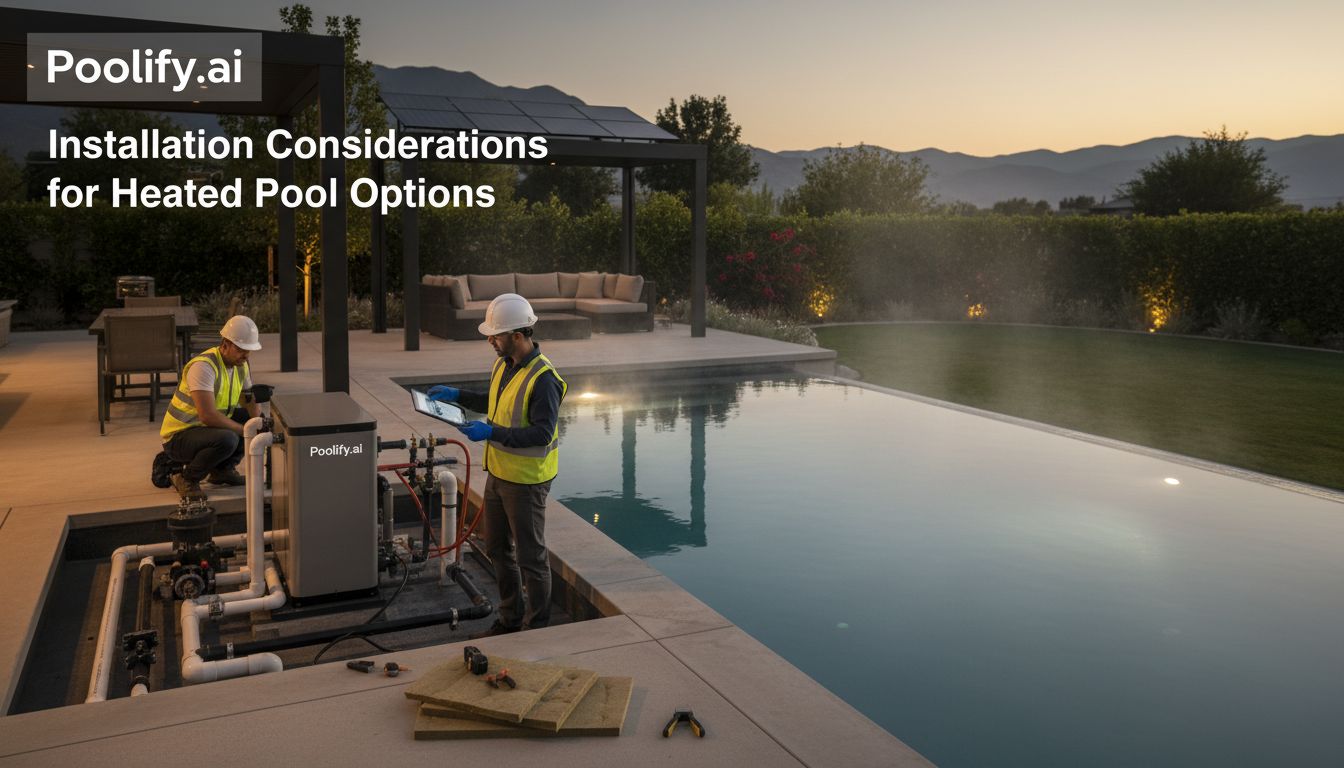
Proper installation determines the performance and longevity of heated pool options. Each heating system type requires specific site conditions, equipment placement, and professional expertise. Understanding installation requirements helps you prepare adequately and avoid costly mistakes when implementing heated pool options.
Site Requirements and Space Planning
Different heated pool options demand varying space and site conditions. Gas heaters need adequate clearance for combustion air and venting, typically requiring 2 to 3 feet of clearance on all sides. They must be positioned away from windows and air intakes to prevent exhaust gas entry into buildings. Natural gas heaters require connection to gas lines, while propane units need tank placement and regular refilling.
Heat pumps among heated pool options need sufficient airflow around the unit, typically requiring 3 to 5 feet of clearance. Positioning them away from buildings prevents noise issues, as heat pumps generate 50 to 65 decibels during operation. They should face south or southeast when possible to maximize exposure to warmer afternoon air.
Solar heated pool options require the most extensive space planning. Collector panels need unshaded roof or ground space equal to 50% to 100% of pool surface area. Roof installations must account for structural load capacity, typically adding 3 to 5 pounds per square foot. Ground-mounted systems need accessible locations with proper drainage and secure mounting foundations.
Plumbing and Electrical Requirements
All heated pool options integrate with existing pool circulation systems, but requirements vary. Gas heaters and heat pumps install inline with pool plumbing, requiring proper flow rates for optimal performance. Undersized plumbing reduces efficiency, while oversized pumps can damage heat exchangers. Professional assessment ensures compatibility between heated pool options and existing equipment.
Electrical requirements differ significantly among heated pool options. Gas heaters need minimal electricity, typically 120V circuits for controls and ignition. Heat pumps require dedicated 220V to 240V circuits with 30 to 50-amp capacity depending on unit size. Solar systems need only standard 120V power for circulation pumps. Upgrading electrical service may add $500 to $2,000 to installation costs for some heated pool options.
Professional Installation vs. DIY
While some pool owners consider self-installation to reduce costs, most heated pool options require professional installation for safety, efficiency, and warranty protection. Gas heaters involve combustible fuel handling and precise venting requirements that demand licensed technicians. Improper installation creates carbon monoxide risks and voids manufacturer warranties.
Heat pumps and solar systems also benefit from professional installation despite appearing more straightforward. Proper refrigerant charging, electrical connections, and system balancing require specialized knowledge and equipment. Professional installers ensure heated pool options operate at rated efficiency and comply with local building codes. Most manufacturers require professional installation to honor warranty terms on heated pool options.
Maximizing Efficiency of Your Heated Pool Options
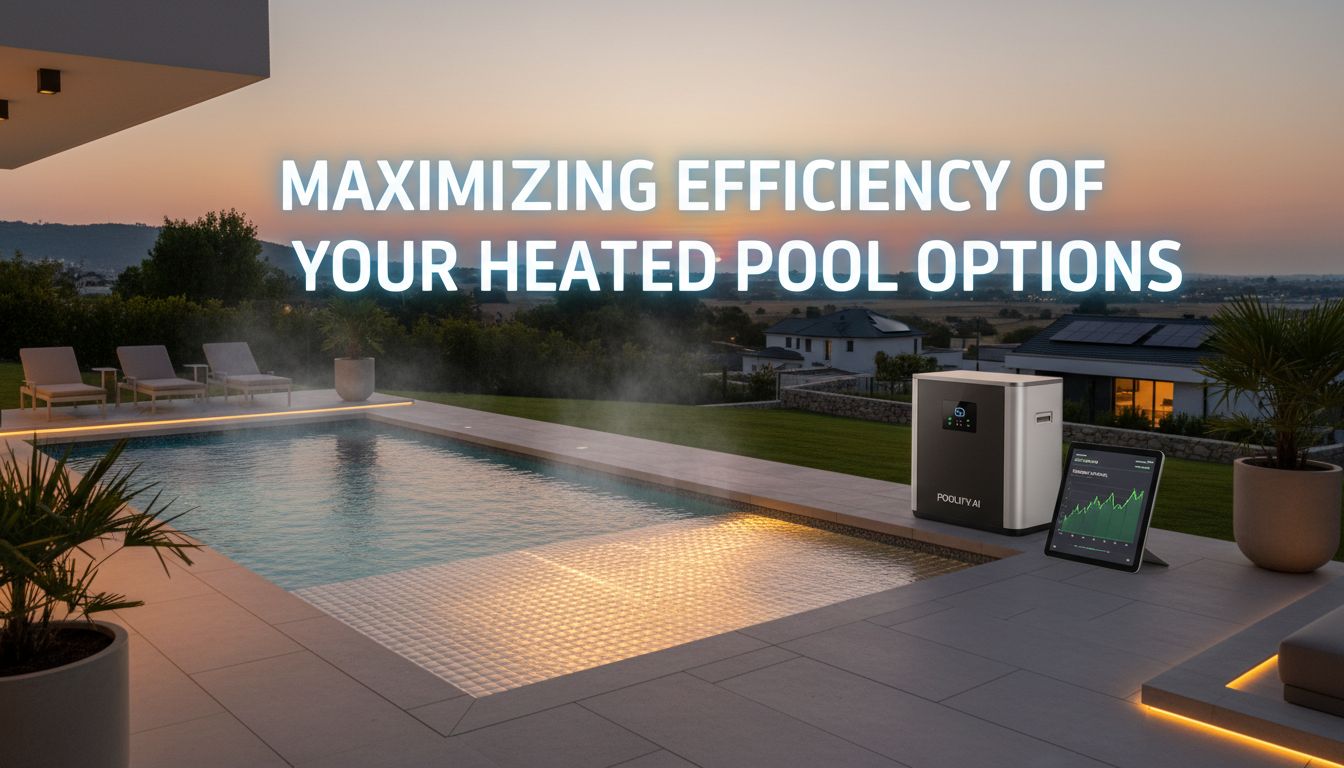
Selecting the right heated pool options represents only the first step toward comfortable, affordable pool heating. Optimizing system performance and implementing complementary efficiency measures significantly reduce operating costs while improving heating effectiveness. These strategies apply across all heated pool options, multiplying your investment value.
Pool Covers and Blankets
Pool covers rank as the single most effective complement to any heated pool options. Evaporation accounts for 70% of pool heat loss, and quality covers reduce evaporation by 95% or more. Using a pool cover reduces heating costs by 50% to 70% regardless of which heated pool options you choose. This simple addition can save $500 to $1,200 annually on heating expenses.
Solar blankets provide dual benefits by reducing heat loss while adding solar heat gain. These covers can raise pool temperature 5 to 10 degrees independently, supplementing your primary heated pool options. Automatic pool covers offer convenience and superior insulation, though they cost $5,000 to $15,000 installed. For any heated pool options, consistent cover use dramatically improves efficiency and reduces environmental impact.
Optimal Temperature Settings
Temperature management significantly affects the operating costs of heated pool options. Each degree of temperature increase adds approximately 10% to 30% to heating costs depending on climate and system type. Most swimmers find 78°F to 82°F comfortable, with 80°F representing an ideal balance for most applications.
Lowering your target temperature by just 2 degrees can reduce heating costs by 20% to 40% across all heated pool options. During periods of non-use, reducing temperature settings by 5 to 10 degrees saves substantial energy without requiring full reheating later. Programmable thermostats help automate temperature management, optimizing efficiency for your specific heated pool options.
Windbreaks and Landscaping
Wind significantly increases heat loss from pools, reducing the effectiveness of heated pool options. Wind speeds of just 5 mph can increase evaporation rates by 300% or more. Strategic landscaping with hedges, fences, or screens reduces wind exposure, improving the performance of all heated pool options by 20% to 40%.
Positioning windbreaks 10 to 20 feet from the pool provides optimal protection without creating excessive shade. Deciduous trees offer summer shade to reduce cooling needs while allowing winter sun exposure that benefits solar heated pool options. Thoughtful landscaping creates microclimates that enhance heated pool options performance while adding aesthetic value to your outdoor space.
Common Mistakes When Choosing Heated Pool Options
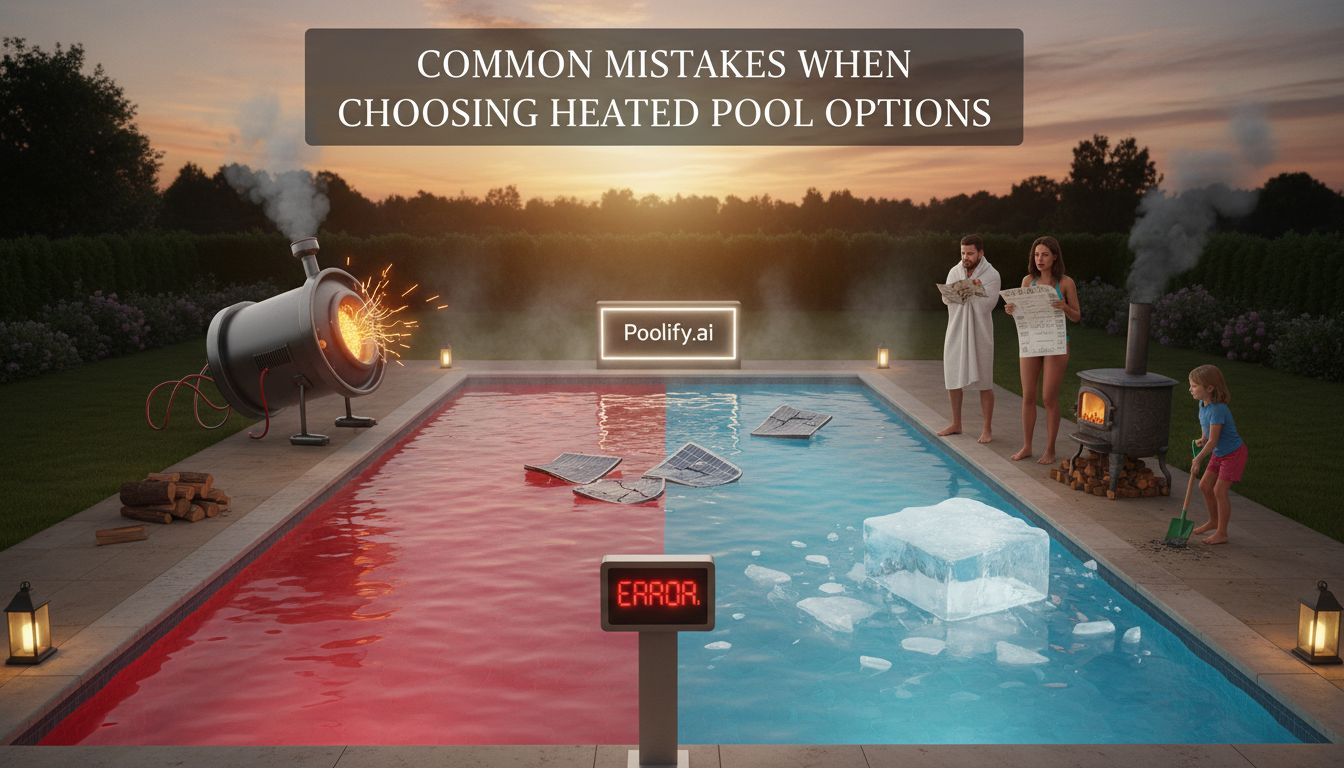
Pool owners frequently make avoidable errors when selecting and implementing heated pool options. Understanding these common pitfalls helps you make better decisions and avoid costly mistakes that reduce system performance or increase long-term expenses.
Undersizing or Oversizing Equipment
Improper sizing represents the most common error with heated pool options. Undersized heaters struggle to maintain comfortable temperatures, running continuously at high cost without achieving desired results. Oversized units cycle on and off frequently, reducing efficiency and accelerating wear on components.
Proper sizing for heated pool options depends on pool volume, desired temperature rise, and climate conditions. Professional heat loss calculations account for surface area, average temperatures, wind exposure, and desired heating speed. These calculations ensure heated pool options match your specific requirements, optimizing both performance and efficiency.
Ignoring Long-Term Operating Costs
Many pool owners focus exclusively on initial purchase price when comparing heated pool options, overlooking lifetime operating costs that often exceed equipment expenses. A gas heater costing $2,500 installed might consume $3,000 to $5,000 annually in fuel, while a $4,500 heat pump might cost only $1,200 yearly to operate.
Calculating total cost of ownership over 10 to 15 years reveals the true expense of different heated pool options. Solar systems with $6,000 initial costs and minimal operating expenses often prove most economical despite higher upfront investment. Always consider both purchase price and projected operating costs when evaluating heated pool options.
Neglecting Maintenance Requirements
All heated pool options require regular maintenance for optimal performance and longevity, yet many owners neglect these essential tasks. Gas heaters need annual professional service including combustion analysis and heat exchanger inspection. Skipping maintenance reduces efficiency by 10% to 30% and shortens equipment life significantly.
Heat pumps require periodic coil cleaning, refrigerant checks, and fan motor maintenance. Solar systems need occasional panel cleaning and valve inspection. Following manufacturer maintenance schedules ensures heated pool options deliver rated performance throughout their expected lifespan. Budget $150 to $400 annually for professional maintenance regardless of which heated pool options you choose.
Frequently Asked Questions About Heated Pool Options
What are the most cost-effective heated pool options for year-round use?
For year-round swimming, heat pumps typically offer the best balance of performance and operating costs in moderate to warm climates. Their high efficiency reduces monthly expenses to $100 to $200 compared to $300 to $500 for gas heaters. In sunny regions, solar systems combined with heat pump backup provide the most economical heated pool options, with solar handling most heating needs and the heat pump covering cloudy periods or rapid temperature recovery.
How long does it take different heated pool options to warm a pool?
Heating speed varies dramatically among heated pool options. Gas heaters warm pools fastest, typically raising temperature 1 to 3 degrees per hour depending on heater size and pool volume. Heat pumps heat more slowly at 1 to 3 degrees per day, making them better for maintaining temperature than rapid heating. Solar systems provide gradual warming, typically adding 5 to 15 degrees over several sunny days. For occasional use requiring rapid heating, gas heaters remain the fastest heated pool options available.
Can I combine multiple heated pool options for better efficiency?
Yes, combining heated pool options often provides optimal performance and economy. Solar heating paired with gas or heat pump backup creates versatile systems that maximize free solar energy while ensuring reliable heating during unfavorable conditions. Heat pumps for primary heating with gas heater backup offers efficiency during mild weather and rapid heating capability when needed. These hybrid approaches leverage the strengths of different heated pool options while minimizing individual system limitations.
Do heated pool options work with saltwater pools?
All major heated pool options function effectively with saltwater pools, though some considerations apply. Heat exchangers in gas heaters and heat pumps should feature corrosion-resistant materials like cupro-nickel or titanium for saltwater applications. Solar systems work identically with saltwater and chlorine pools. When selecting heated pool options for saltwater pools, verify the manufacturer rates the equipment for salt system compatibility to ensure longevity and warranty coverage.
What heated pool options qualify for tax credits or rebates?
Solar pool heating systems may qualify for the federal Solar Investment Tax Credit, currently offering 30% back on installation costs through 2032. Many utility companies provide rebates for energy-efficient heated pool options, particularly high-efficiency heat pumps. Rebate amounts vary by location and utility provider, typically ranging from $200 to $1,500. Check the Database of State Incentives for Renewables & Efficiency (DSIRE) and your local utility websites for available incentives on heated pool options in your area.
Key Takeaways: Choosing the Best Heated Pool Options
- Match heating systems to climate: Solar and heat pumps excel in warm, sunny regions, while gas heaters perform reliably in any climate. Consider your local temperature patterns and sunshine availability when evaluating heated pool options for optimal efficiency and performance.
- Calculate total ownership costs: Initial equipment price represents only part of the expense. Operating costs over 10 to 15 years often exceed purchase price, making efficient heated pool options like heat pumps and solar systems more economical despite higher upfront investment.
- Combine systems for optimal results: Hybrid approaches using multiple heated pool options provide the best balance of efficiency and reliability. Solar primary heating with gas or heat pump backup maximizes free energy while ensuring consistent comfort regardless of weather conditions.
- Implement efficiency measures: Pool covers reduce heating costs by 50% to 70% regardless of which heated pool options you choose. Combined with proper temperature settings and wind protection, these measures dramatically improve system performance and reduce operating expenses.
- Prioritize professional installation: Proper sizing and installation determine the performance of heated pool options. Professional assessment ensures equipment matches your specific needs while meeting safety standards and warranty requirements for long-term reliability and efficiency.
See Your Dream Pool in Your Actual Backyard
Upload a photo and get an AI-designed pool visualization in 10 seconds. 3 free designs, no login required.
Try Poolify Free →Conclusion: Making the Right Choice Among Heated Pool Options
Selecting from the available heated pool options requires balancing multiple factors including climate, budget, usage patterns, and environmental priorities. In 2026, pool owners benefit from mature technologies that offer reliable performance across diverse applications. Gas heaters provide rapid, dependable heating for occasional use or cold climates. Heat pumps deliver efficient, economical operation for regular swimming in moderate to warm regions. Solar systems offer the lowest operating costs and environmental impact where sunshine is abundant.
The best heated pool options for your situation depend on your specific circumstances and priorities. Calculate total ownership costs including installation, operation, and maintenance over 10 to 15 years rather than focusing solely on purchase price. Consider hybrid systems that combine multiple heated pool options to maximize efficiency while ensuring reliable performance year-round. Implement complementary efficiency measures like pool covers and proper temperature management to optimize any heating system’s performance.
By understanding the strengths and limitations of different heated pool options, you can make an informed decision that provides comfortable swimming temperatures while managing costs effectively. Whether you prioritize rapid heating, operational economy, or environmental sustainability, the right combination of heated pool options exists to meet your needs. Invest time in proper system selection and professional installation to ensure years of comfortable, affordable pool enjoyment regardless of the season.
References
- U.S. Department of Energy – Swimming Pool Heating: https://betterbuildingssolutioncenter.energy.gov/sites/default/files/attachments/Pool%20efficiency_.pdf
- U.S. Department of Energy – Estimating Cost and Energy Efficiency of Swimming Pool Heaters: https://betterbuildingssolutioncenter.energy.gov/sites/default/files/attachments/Pool%20efficiency_.pdf
