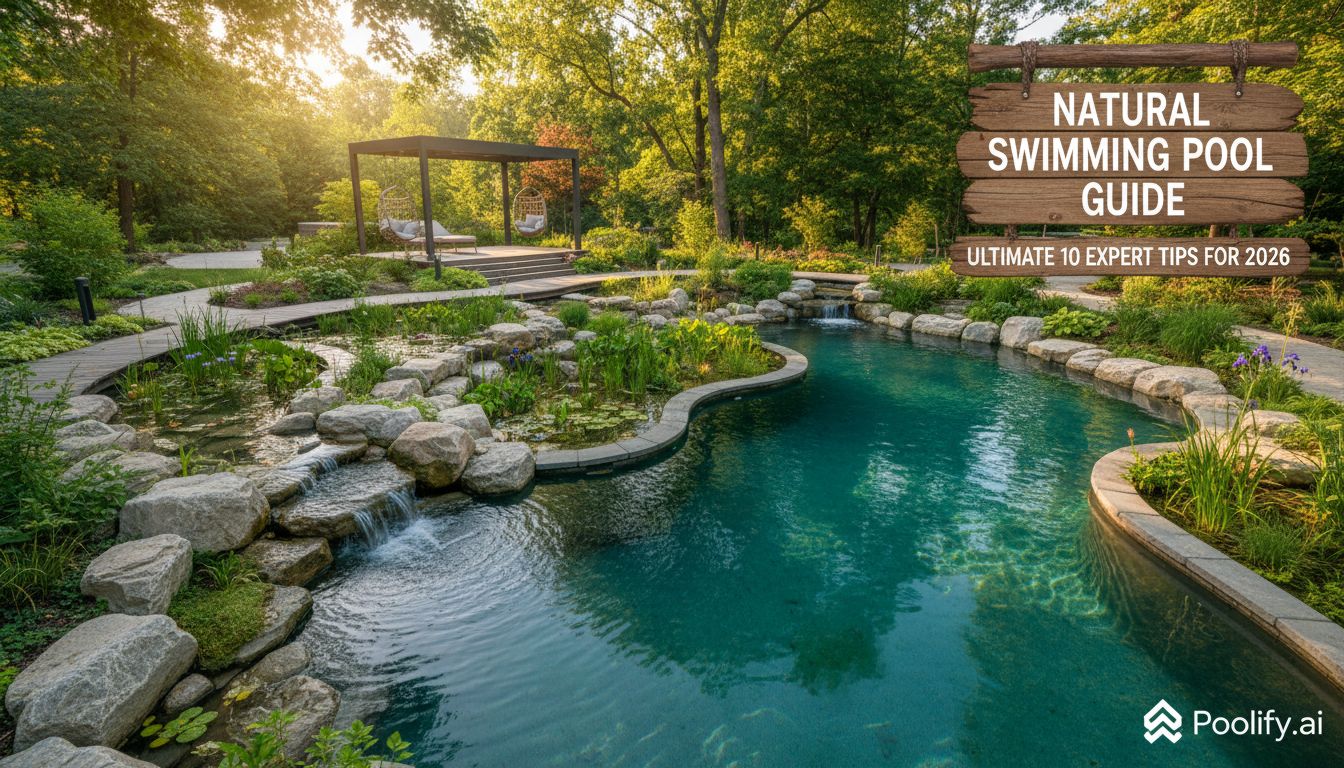
Creating a natural swimming pool represents one of the most rewarding investments you can make in your property. This comprehensive natural swimming pool guide provides everything you need to know about designing, building, and maintaining a chemical-free swimming oasis in 2026. Whether you’re considering converting your traditional pool or starting from scratch, understanding the principles behind natural swimming pools will help you make informed decisions that align with your lifestyle and budget.
What Is a Natural Swimming Pool?
A natural swimming pool, also called a swimming pond or organic pool, uses biological filtration instead of chemical treatments to keep water clean and safe. Unlike conventional pools that rely on chlorine and other harsh chemicals, natural pools incorporate a regeneration zone filled with aquatic plants that filter contaminants and maintain water quality. This natural swimming pool guide emphasizes that these systems create a balanced ecosystem where beneficial bacteria, plants, and microorganisms work together to purify water continuously.
The concept originated in Austria and Germany during the 1980s and has gained significant popularity across North America throughout the 2020s. According to the EPA’s sustainable water infrastructure research, natural pools reduce chemical usage by 100% while providing comparable water quality to traditional pools. The design typically divides the pool into two distinct areas: a swimming zone for recreation and a regeneration zone where plants perform biological filtration.
Natural pools blend seamlessly with landscape design, creating an aesthetic that resembles a pristine mountain lake rather than a conventional backyard pool. The water maintains clarity through natural processes, and the surrounding plants attract beneficial wildlife like dragonflies and birds, enhancing your outdoor living experience. This approach to pool ownership reflects growing environmental consciousness among homeowners in 2026.
Natural Swimming Pool Design Principles
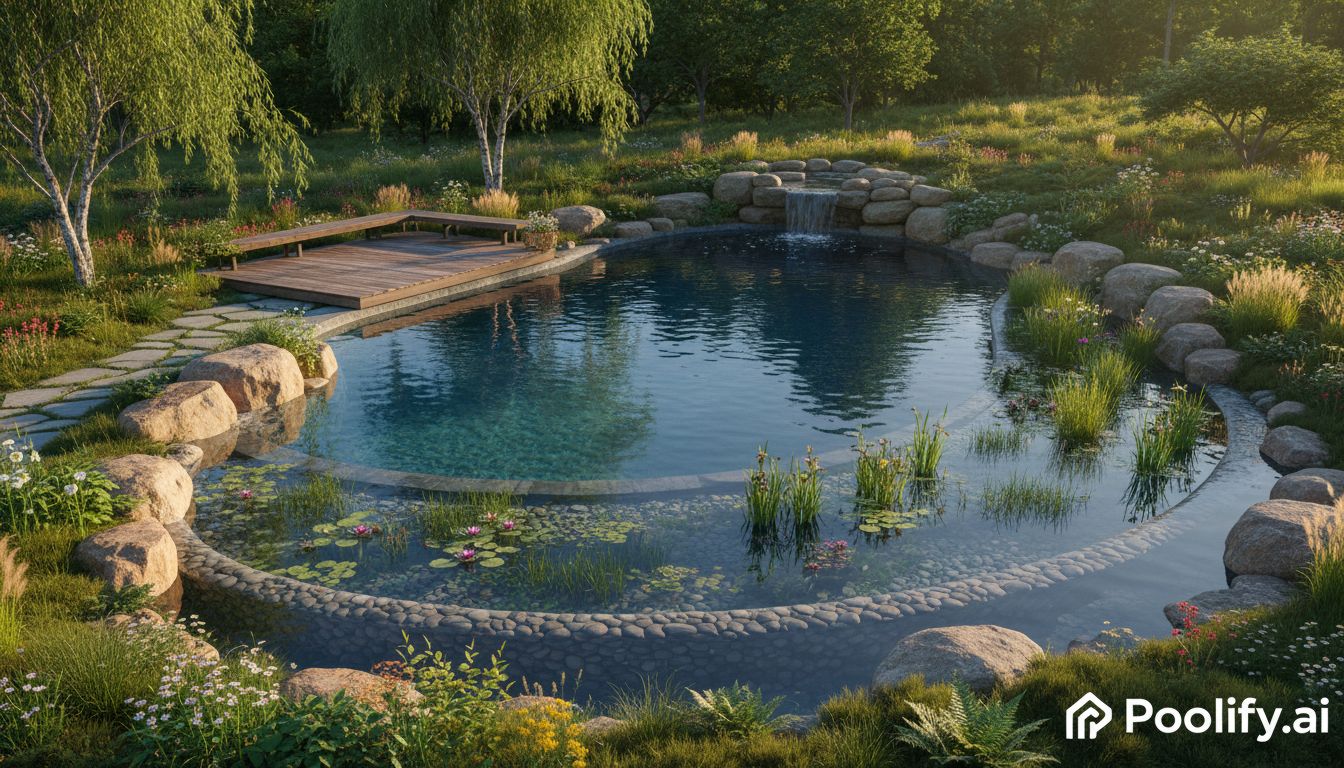
Successful natural pool design requires careful planning and understanding of ecological balance. This natural swimming pool guide section explores the fundamental design elements that determine your pool’s functionality and appearance. The regeneration zone typically occupies 50-70% of the total water surface area, though compact designs can reduce this to 30-40% with enhanced filtration systems.
Zoning and Layout Configuration
The swimming zone should be deep enough for comfortable swimming, typically 6-8 feet at the deepest point. The regeneration zone features shallow shelves at varying depths to accommodate different plant species. Gravel beds within the regeneration zone provide surface area for beneficial bacteria colonization. Water circulation between zones occurs through skimmers, pumps, and strategically placed returns that ensure complete turnover every 24-48 hours.
Design flexibility allows for formal geometric shapes or naturalistic free-form configurations. Formal designs work well in contemporary landscapes with clean architectural lines, while organic shapes complement traditional gardens and rural properties. The transition between swimming and regeneration zones can be marked by underwater walls, floating barriers, or simply depth changes depending on your aesthetic preferences.
Plant Selection and Placement
Choosing appropriate aquatic plants is critical for effective biological filtration. Submerged oxygenating plants like hornwort and waterweed produce oxygen while consuming nutrients. Emergent plants such as cattails, rushes, and sedges grow in shallow areas and remove nitrogen and phosphorus. Floating plants like water lilies provide shade, reducing algae growth while adding visual interest.
Plant selection should consider your climate zone, seasonal temperature variations, and maintenance preferences. Native species typically perform best and require less intervention. This natural swimming pool guide recommends consulting with aquatic plant specialists to develop a planting plan that balances filtration capacity with aesthetic goals. For more insights on maintaining water features, explore our pool water chemistry guide.
Construction Process and Timeline
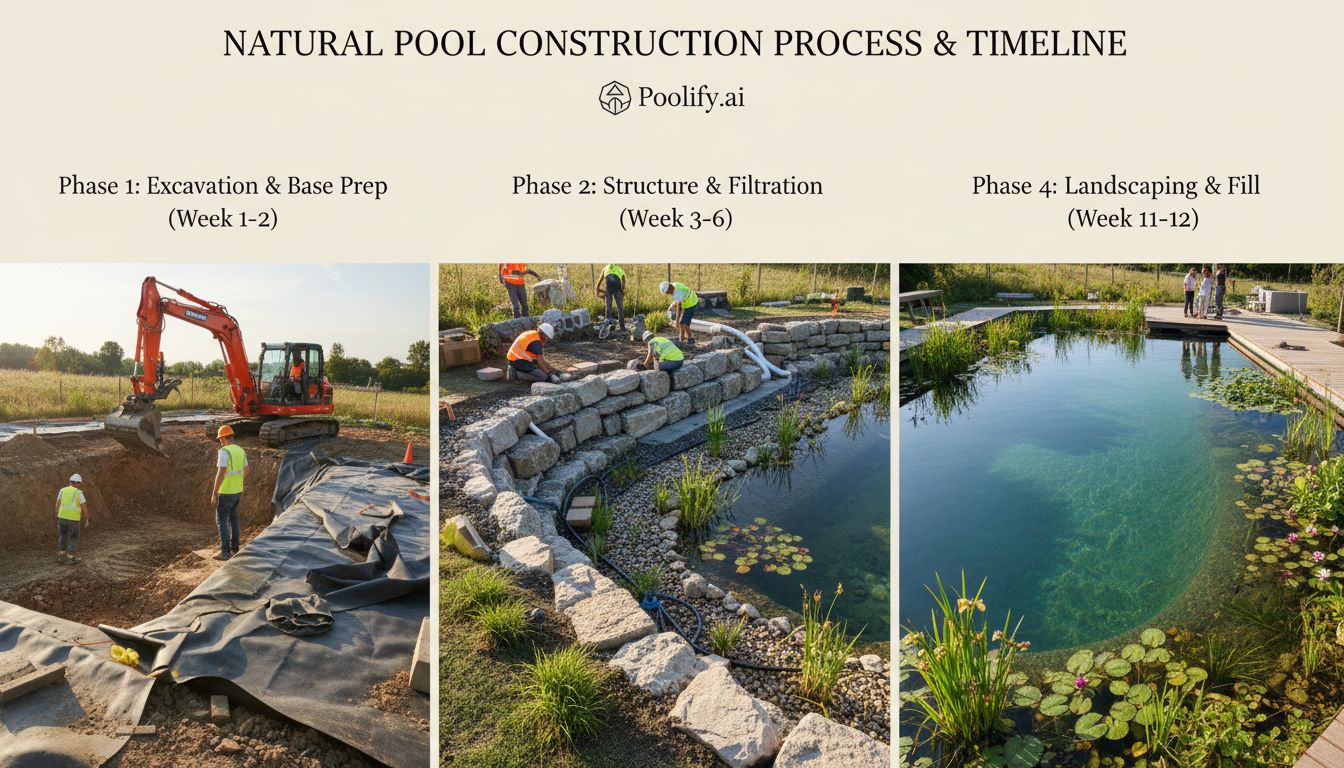
Building a natural swimming pool involves several distinct phases spanning 8-16 weeks depending on size, complexity, and weather conditions. Understanding the construction timeline helps you plan accordingly and set realistic expectations. This natural swimming pool guide breaks down the major construction milestones you’ll encounter during your project.
Excavation and Structural Work
Excavation typically requires 3-5 days for residential-sized pools. Contractors remove soil to create both swimming and regeneration zones, ensuring proper depth gradations and shelf areas for plant placement. The excavated material can often be repurposed for landscaping berms or grading adjustments elsewhere on your property, reducing disposal costs.
Structural options include concrete, reinforced shotcrete, or flexible EPDM liners. Concrete construction offers maximum durability and design flexibility but costs more and requires longer curing times. EPDM liners provide a cost-effective alternative with faster installation, though they may need replacement after 20-30 years. The liner approach works particularly well for naturalistic designs with irregular shapes.
Filtration System Installation
Installing the biological filtration system involves creating gravel substrate beds, typically 12-18 inches deep, using various aggregate sizes. Coarse gravel at the bottom promotes water flow, while finer materials near the surface provide optimal bacterial colonization. Perforated pipes embedded within the gravel distribute water evenly throughout the regeneration zone.
Mechanical components include circulation pumps, skimmers, and optional UV clarifiers for additional water polishing. Energy-efficient variable-speed pumps reduce operating costs while maintaining adequate flow rates. The system should turn over the entire water volume at least once every 48 hours. Proper plumbing design prevents dead zones where circulation stagnates, which could compromise water quality.
Planting and Ecosystem Establishment
Once structural work completes, aquatic plants are installed according to your planting plan. Initial establishment requires 4-8 weeks as plants acclimate and beneficial bacterial colonies develop. During this period, water quality may fluctuate as the ecosystem balances. Patience during this phase is essential—resist the temptation to intervene too quickly with chemical treatments.
Most natural pools become swimmable within 6-12 weeks of planting, though optimal water clarity may take a full growing season to achieve. The ecosystem continues maturing over the first 2-3 years as plant root systems expand and microbial populations stabilize. This natural swimming pool guide emphasizes that long-term success depends on allowing natural processes to establish without excessive interference.
Maintenance Requirements Throughout the Year
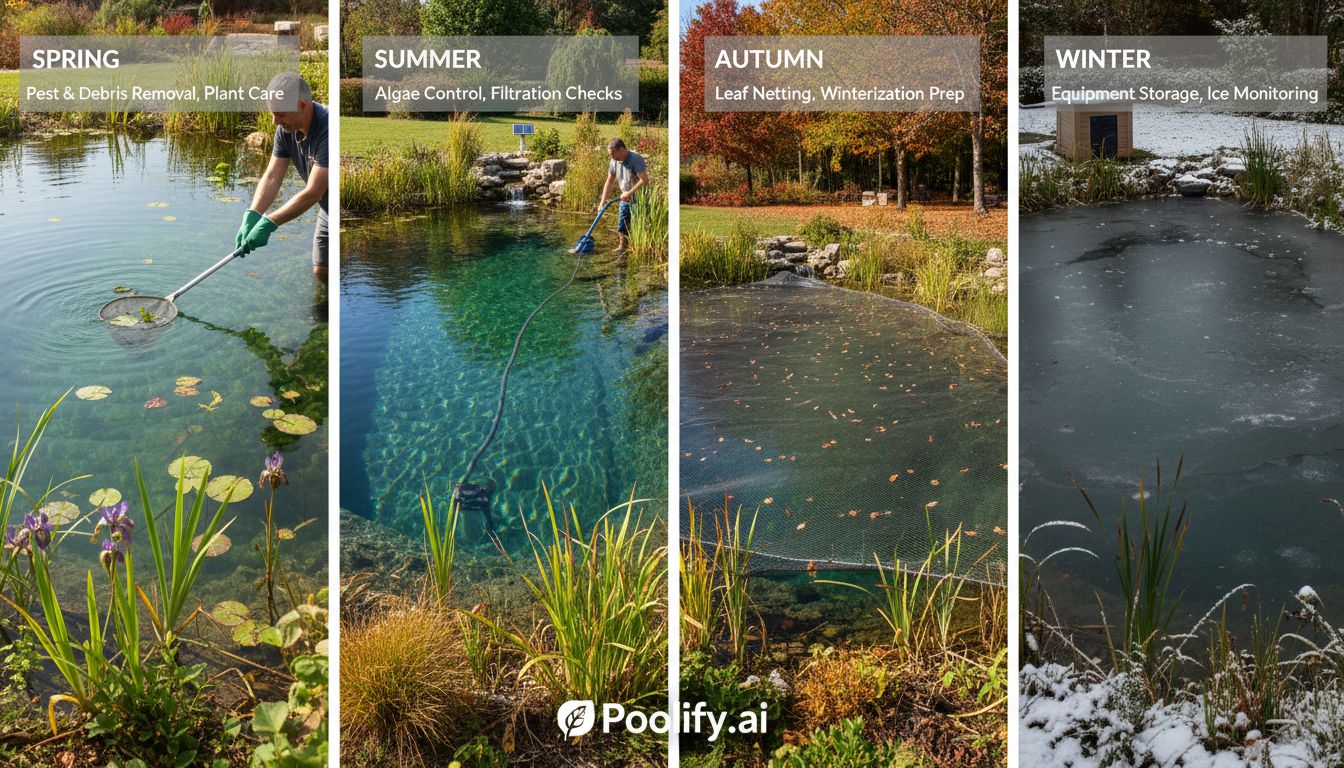
Natural pools require different maintenance than conventional pools but aren’t necessarily more time-consuming. This natural swimming pool guide section outlines seasonal tasks that keep your pool functioning optimally. Regular maintenance focuses on supporting the biological filtration system rather than fighting against natural processes with chemicals.
Spring Startup and Preparation
Spring maintenance begins with removing accumulated debris from the pool bottom and regeneration zone. Trim dead plant material from the previous season and divide overgrown plants as needed. Check all mechanical components including pumps, skimmers, and plumbing connections for winter damage. Test water chemistry parameters including pH, alkalinity, and nutrient levels to establish baseline measurements.
As water temperatures rise above 50°F, beneficial bacteria become more active and filtration efficiency improves. You may notice temporary cloudiness during spring as the ecosystem reactivates—this typically clears within 2-3 weeks. Avoid swimming until water temperature reaches at least 65°F and clarity returns to normal levels.
Summer Operation and Monitoring
Summer represents peak swimming season and requires the most attention. Weekly tasks include skimming surface debris, emptying skimmer baskets, and monitoring water levels. Check plant health regularly, removing any diseased or dying vegetation promptly. Thin aggressive plant species that threaten to overtake the regeneration zone, maintaining the planned balance between different species.
Monitor water clarity and address any cloudiness quickly. Temporary turbidity often indicates nutrient imbalances or insufficient circulation. Increase pump run times if needed to improve water turnover. Most natural pool owners run circulation pumps 8-12 hours daily during summer, though this varies based on bather load and local climate conditions. Learn more about ongoing care in our pool maintenance schedule resource.
Fall Preparation and Winterization
Fall maintenance focuses on preparing your pool for winter dormancy. Remove fallen leaves promptly before they sink and decompose, which adds nutrients that could trigger algae blooms. Install leaf netting over the pool if you have deciduous trees nearby. Cut back hardy perennial plants to 2-3 inches above water level, removing all trimmed material from the pool.
In cold climates, winterization involves draining equipment below the freeze line and adding pool antifreeze to plumbing lines. Some owners partially drain their pools to protect against ice expansion damage, while others maintain full water levels and use pool heaters or aerators to prevent complete freezing. Your specific approach depends on your climate zone and pool construction method.
Winter Monitoring
Natural pools in temperate climates require minimal winter maintenance. Monthly visual inspections ensure ice hasn’t damaged structural components or plumbing. In warmer regions where pools remain operational year-round, continue regular maintenance routines with reduced frequency. Plants enter dormancy and filtration slows considerably, but the ecosystem remains functional at reduced capacity.
Cost Analysis and Budget Planning for 2026
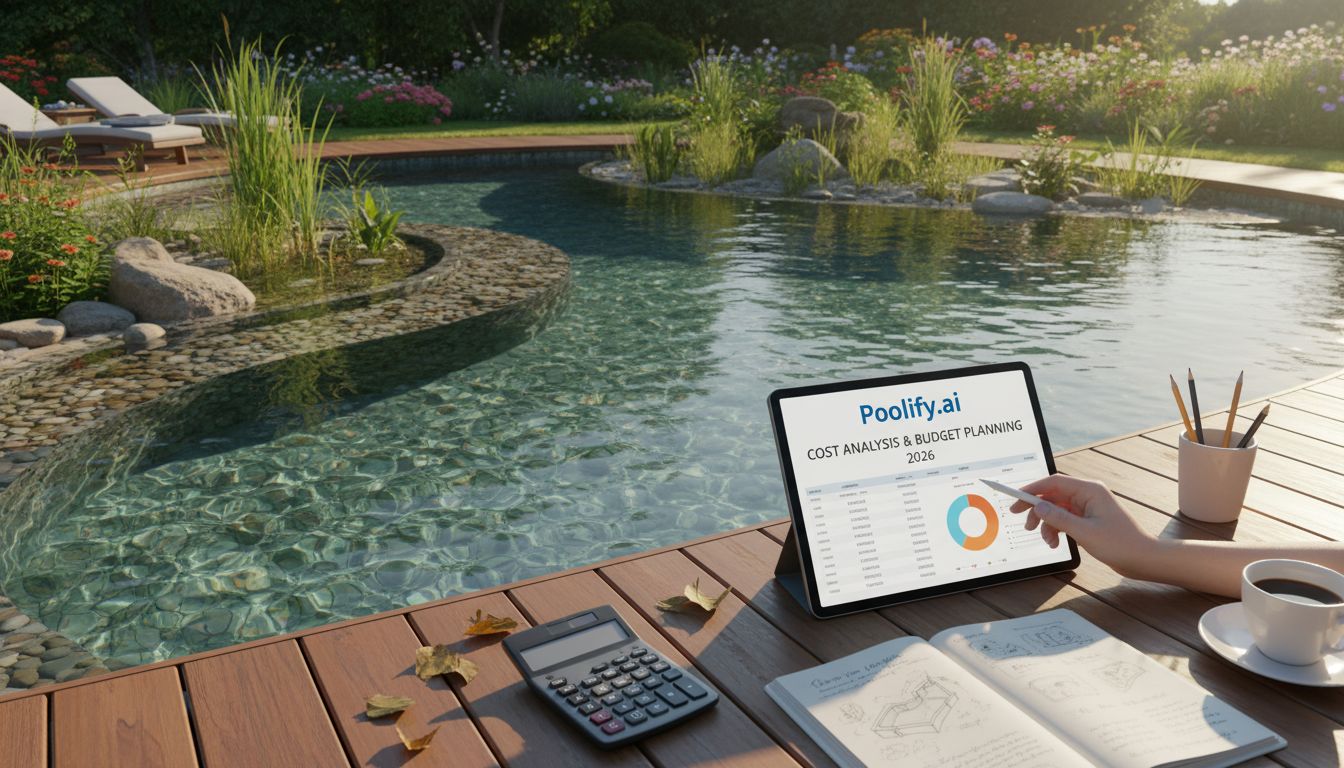
Understanding the financial investment required for a natural swimming pool helps you budget appropriately. This natural swimming pool guide provides current 2026 pricing for various project scales and configurations. While initial costs often exceed conventional pool construction, long-term operating expenses are significantly lower due to eliminated chemical costs and reduced energy consumption.
Initial Construction Costs
Small natural pools (400-800 square feet) typically cost $40,000-$70,000 for complete installation. Medium-sized pools (800-1,200 square feet) range from $70,000-$100,000. Large custom installations exceeding 1,200 square feet can cost $100,000-$200,000 or more depending on features and site conditions. These figures include excavation, structural work, filtration systems, plants, and basic landscaping integration.
Several factors influence final costs within these ranges. Site accessibility affects equipment mobilization expenses. Soil conditions impact excavation difficulty—rocky terrain or high water tables increase costs. Custom features like waterfalls, beach entries, or integrated hot tubs add $10,000-$50,000 depending on complexity. High-end finishes and premium plant selections also increase budgets.
Operating and Maintenance Expenses
Annual operating costs for natural pools average $500-$1,500, significantly less than the $1,500-$3,000 typical for conventional pools. Energy expenses represent the largest operating cost, primarily for circulation pumps. Modern variable-speed pumps consume 50-70% less electricity than older single-speed models, reducing annual energy costs to $200-$500 for most installations.
Plant replacement and maintenance costs $100-$300 annually as you replace winter-killed specimens and divide overgrown plants. Occasional gravel substrate replenishment every 5-10 years costs $500-$1,500. Professional water testing and seasonal maintenance visits add $200-$600 annually if you prefer expert oversight rather than self-maintenance.
Long-Term Value Considerations
Natural pools typically add 5-10% to property values, comparable to conventional pools but with additional appeal to environmentally conscious buyers. The unique aesthetic and chemical-free swimming experience differentiate properties in competitive real estate markets. Lifespan exceeds conventional pools when properly maintained—concrete natural pools can last 50+ years with minimal structural intervention.
This natural swimming pool guide emphasizes that total cost of ownership over 20 years typically runs 30-40% less than conventional pools when factoring in eliminated chemical costs, reduced energy consumption, and less frequent equipment replacement. The investment pays dividends through decades of low-maintenance, sustainable swimming enjoyment.
Water Quality Management Without Chemicals
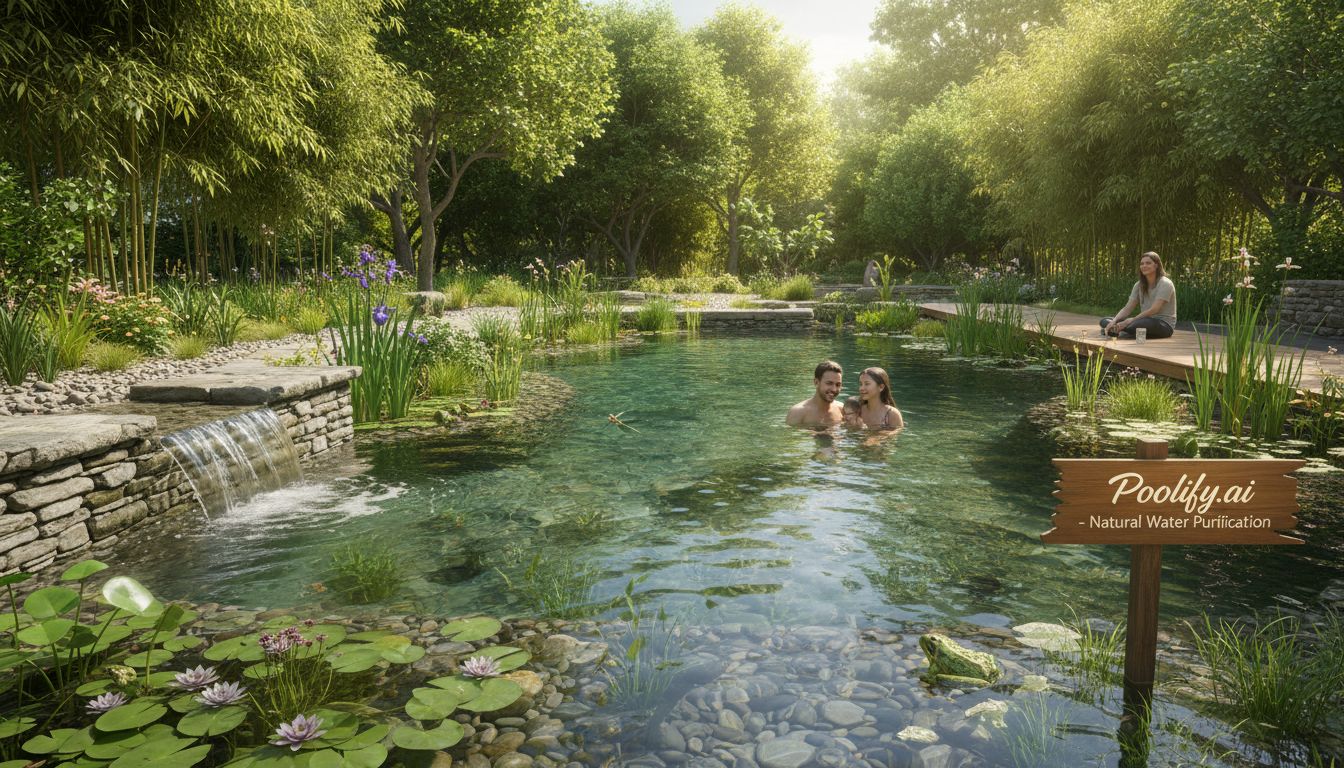
Maintaining pristine water quality without chemical sanitizers represents the core challenge and achievement of natural pool ownership. This natural swimming pool guide section explains how biological filtration maintains safe, clear water through ecological balance rather than chemical intervention.
Understanding Biological Filtration
Natural pools rely on three filtration mechanisms working synergistically. Mechanical filtration removes suspended particles through skimmers and settlement zones. Biological filtration occurs as beneficial bacteria colonizing gravel substrates consume organic waste and convert harmful compounds into plant nutrients. Botanical filtration happens when aquatic plants absorb dissolved nutrients, starving potential algae of resources.
The nitrogen cycle is central to biological filtration. Bacteria convert toxic ammonia from bather waste into nitrites, then into nitrates that plants readily absorb. This process mirrors natural lake ecosystems and requires no chemical intervention once established. Population balance between bacteria, plants, and organic load determines water quality outcomes.
Preventing and Managing Algae
Algae control in natural pools focuses on nutrient competition rather than chemical elimination. Healthy plant populations consume available nitrogen and phosphorus, preventing algae blooms. Adequate circulation prevents stagnant zones where algae can establish. Proper depth in swimming zones (6+ feet) limits light penetration that fuels algae growth.
If algae appears despite preventive measures, manual removal is the first response. Brush affected surfaces and vacuum debris. Increase circulation and verify that plant populations remain healthy. Add additional floating plants to provide more shade. Temporary cloudiness often resolves within a week as the ecosystem rebalances. Persistent algae issues usually indicate underlying problems with nutrient loading or inadequate plant coverage requiring system adjustments.
Monitoring Water Parameters
Regular testing helps you understand your pool’s ecological status. Test pH weekly during swimming season, maintaining levels between 6.5-7.5. Monitor total alkalinity monthly, targeting 80-120 ppm. Check nitrate and phosphate levels monthly—elevated readings indicate potential algae risk. Temperature monitoring helps predict seasonal changes in biological activity.
Unlike conventional pools requiring daily chemical testing and adjustment, natural pools need less frequent intervention once established. This natural swimming pool guide recommends maintaining a simple log of test results to identify trends over time. Gradual changes are normal as seasons shift, but sudden fluctuations warrant investigation and possible corrective action.
Common Challenges and Solutions
Even well-designed natural pools occasionally face challenges. This natural swimming pool guide addresses frequent issues and proven solutions that help maintain optimal performance throughout the swimming season and beyond.
Cloudy Water Issues
Temporary cloudiness often occurs during spring startup, after heavy rain, or following periods of intensive use. This typically resolves naturally within days as biological filtration processes increased organic load. If cloudiness persists beyond a week, verify adequate circulation and check for dead plant material or accumulated debris. Increase pump run times temporarily to accelerate clearing.
Persistent turbidity may indicate insufficient regeneration zone capacity for your bather load. Consider expanding plant coverage, adding supplemental mechanical filtration, or installing a UV clarifier. These additions support the biological system without introducing chemicals, maintaining the natural pool philosophy while improving water clarity.
Plant Management Difficulties
Aggressive plant species sometimes outcompete others, disrupting planned ecosystem balance. Regular thinning and division maintain appropriate species ratios. Remove invasive plants promptly before they dominate the regeneration zone. Some plants perform poorly in specific conditions—replace underperforming species with alternatives better suited to your climate and water chemistry.
Winter damage in cold climates can reduce plant populations significantly. Plan for spring replacement costs and maintain backup plants in containers. Hardy native species generally survive better than exotic varieties. This natural swimming pool guide recommends working with local aquatic nurseries familiar with regional growing conditions.
Wildlife and Pest Concerns
Natural pools attract wildlife, which is generally beneficial but occasionally problematic. Frogs and dragonflies help control mosquitoes and add ecological interest. However, geese and ducks can overload the system with waste. Install deterrents like floating lines or motion-activated sprinklers if waterfowl become problematic.
Mosquito concerns are largely unfounded—properly functioning natural pools don’t support mosquito breeding. Moving water, fish, and predatory insects eliminate larvae before they mature. Stagnant areas in poorly designed systems might harbor mosquitoes, emphasizing the importance of adequate circulation throughout all pool zones.
Natural Swimming Pool Guide: Frequently Asked Questions
Can natural swimming pools be heated?
Yes, natural pools can incorporate heating systems, though this affects ecosystem dynamics. Solar heating represents the most compatible option, gradually raising water temperature without shocking the biological system. Heat pumps work well but increase operating costs. Maintain water temperatures below 85°F to prevent stress on aquatic plants and beneficial bacteria. Heating primarily benefits shoulder season use in spring and fall rather than summer swimming.
Are natural pools safe for children?
Natural pools are safe for children when properly designed and maintained. The absence of harsh chemicals eliminates skin and eye irritation common in conventional pools. However, the same drowning risks apply—appropriate fencing, supervision, and safety equipment remain essential. The regeneration zone’s shallow shelves provide interesting exploration areas for older children under supervision. Consider installing clear barriers between swimming and regeneration zones if you have very young children.
How long does a natural swimming pool last?
Properly constructed natural pools last 50+ years with appropriate maintenance. Concrete and shotcrete structures provide maximum longevity, while liner-based systems require replacement every 20-30 years. The biological filtration system improves over time as plant root systems mature and beneficial bacterial populations stabilize. Unlike conventional pools requiring frequent resurfacing and equipment replacement, natural pools become more effective and lower maintenance as they age.
Can I convert my existing pool to a natural pool?
Existing conventional pools can be converted to natural systems, though this involves significant modification. The project requires adding a regeneration zone, either by subdividing the existing pool or constructing an adjacent planted area. Remove chemical treatment systems and install biological filtration components. Conversions typically cost 60-80% of new construction but allow you to repurpose existing infrastructure. This natural swimming pool guide suggests consulting specialists to assess your specific pool’s conversion feasibility.
What maintenance skills do I need?
Natural pool maintenance requires basic gardening knowledge rather than chemistry expertise. If you can maintain a garden pond or planted landscape, you can manage a natural pool. Essential skills include plant identification and care, basic water testing, and equipment troubleshooting. Most owners handle routine maintenance themselves, consulting professionals only for major issues or seasonal services. The learning curve spans one full season as you observe how your specific ecosystem responds to different conditions.
Key Takeaways
- Natural swimming pools use biological filtration through plants and beneficial bacteria instead of chemicals, creating a sustainable ecosystem that maintains water quality naturally while eliminating harsh sanitizer exposure.
- Construction costs range from $40,000-$200,000 depending on size and features, with initial investment offset by 30-40% lower operating costs over the pool’s 50+ year lifespan compared to conventional pools.
- Design requires balancing swimming and regeneration zones, with planted areas occupying 30-70% of total surface area to provide adequate biological filtration capacity for your anticipated bather load.
- Maintenance focuses on supporting ecosystem health rather than fighting natural processes, involving plant care, debris removal, and circulation monitoring rather than daily chemical testing and adjustment.
- Water quality depends on ecological balance between plants, bacteria, and organic load, requiring patience during initial establishment but delivering clear, safe swimming water without chemical intervention once the system matures.
See Your Dream Pool in Your Actual Backyard
Upload a photo and get an AI-designed pool visualization in 10 seconds. 3 free designs, no login required.
Try Poolify Free →Conclusion
This comprehensive natural swimming pool guide has explored every aspect of creating and maintaining your own chemical-free swimming oasis in 2026. From understanding biological filtration principles to navigating construction timelines and managing seasonal maintenance, you now have the knowledge needed to make informed decisions about natural pool ownership. The investment in a natural swimming pool extends beyond financial considerations—it represents a commitment to sustainable living, environmental stewardship, and creating a unique outdoor space that harmonizes with nature rather than dominating it.
Natural pools offer distinct advantages over conventional alternatives, including eliminated chemical exposure, reduced operating costs, enhanced aesthetic integration with landscape design, and increased property value. While the initial learning curve requires patience as you understand your pool’s specific ecosystem dynamics, the long-term rewards include decades of low-maintenance swimming enjoyment in water quality that rivals pristine mountain lakes. Whether you’re planning new construction or considering converting an existing pool, the natural swimming pool approach provides a viable, sustainable alternative that aligns with growing environmental consciousness among homeowners.
As you move forward with your natural pool project, remember that success depends on working with natural processes rather than against them. Allow adequate time for ecosystem establishment, choose appropriate plants for your climate, and maintain consistent circulation and monitoring routines. Consult with experienced natural pool designers and builders who understand regional conditions and can customize solutions for your specific site. For additional guidance on pool-related topics, visit our pool design ideas collection. With proper planning and realistic expectations, your natural swimming pool will provide enjoyment for generations while serving as a testament to sustainable design principles and ecological responsibility.
References
- EPA Sustainable Water Infrastructure Research – https://www.epa.gov/water-research
- CDC Healthy Swimming Guidelines – https://www.cdc.gov/healthywater/swimming/
- Poolify.ai Pool Water Chemistry Guide – https://content.poolify.ai/pool-water-chemistry-basics/
- Poolify.ai Pool Maintenance Schedule – https://content.poolify.ai/pool-cleaning-schedule/
- Poolify.ai Pool Design Ideas – https://content.poolify.ai/pool-design-ideas/
