Introduction to Geometric Pool Designs
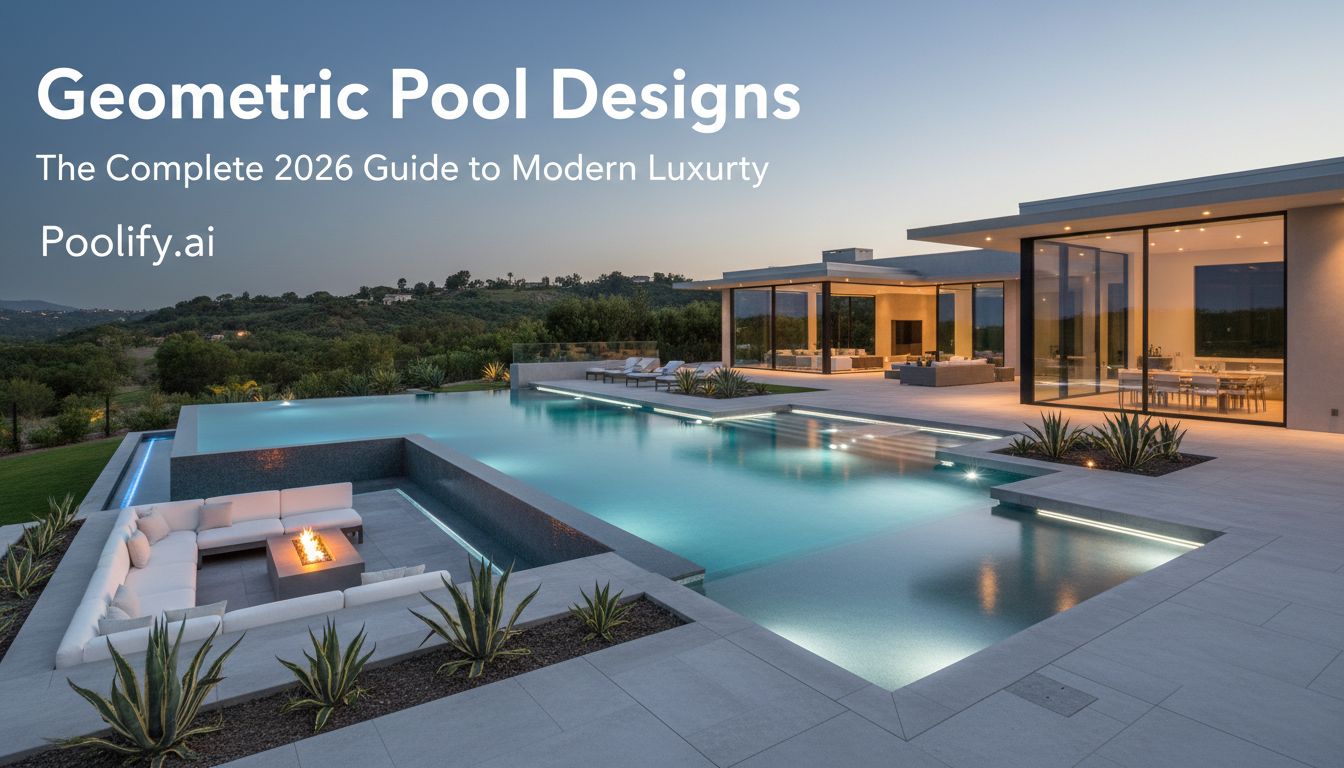
Geometric pool designs have revolutionized residential outdoor spaces, offering clean lines, modern aesthetics, and timeless appeal that elevates any property. These structured, mathematically precise pools feature shapes like rectangles, squares, circles, and hexagons that create visual harmony and architectural sophistication. In 2026, geometric pool designs continue to dominate the luxury pool market, with homeowners seeking sleek, contemporary spaces that blend seamlessly with modern home architecture. Whether you’re planning a complete backyard transformation or upgrading an existing pool area, understanding the principles and possibilities of geometric pool designs will help you create an outdoor oasis that combines beauty, functionality, and lasting value.
Understanding the Appeal of Geometric Pool Designs
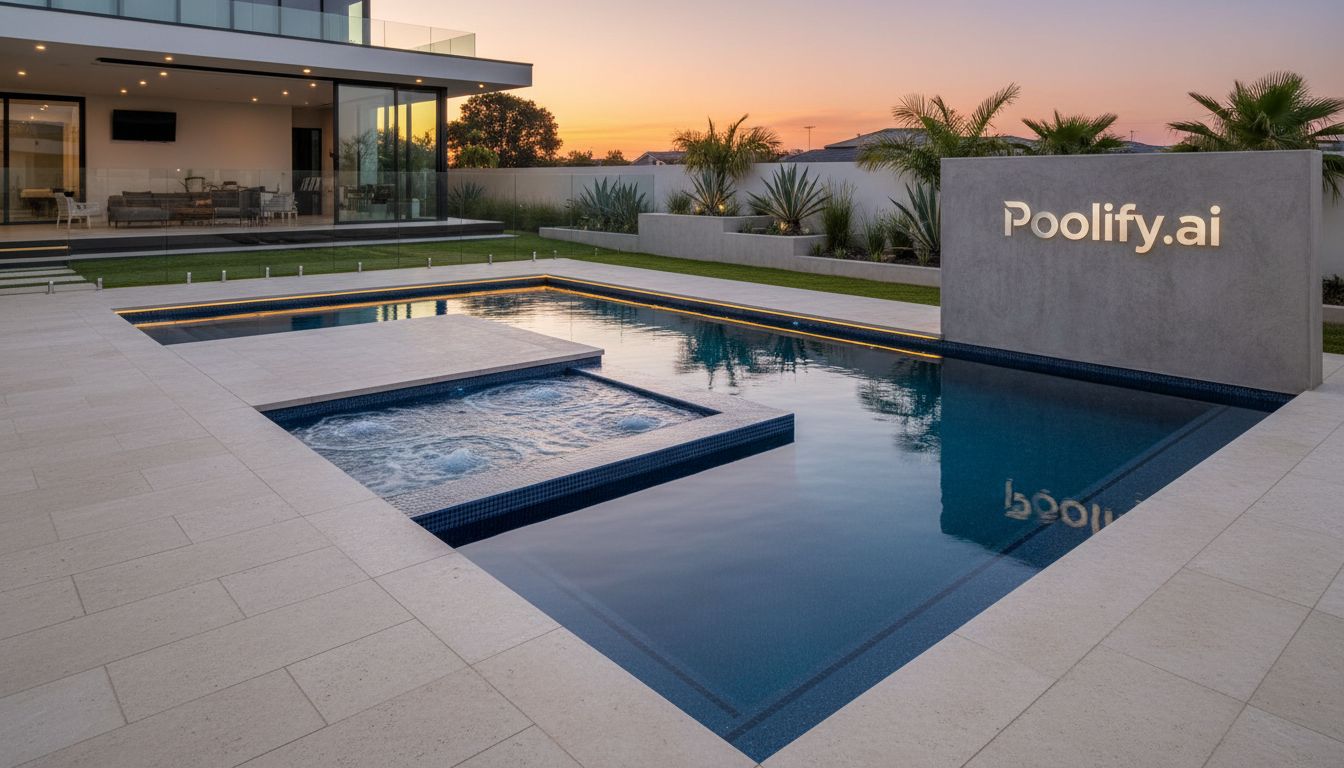
The popularity of geometric pool designs stems from their ability to create order and elegance in outdoor spaces. Unlike freeform or naturalistic pools that mimic organic shapes, geometric pools embrace mathematical precision and architectural harmony. These designs work exceptionally well with contemporary, modern, and minimalist home styles, creating a cohesive visual language between indoor and outdoor living spaces.
Geometric pool designs offer several distinct advantages over other pool styles. Their straight edges and defined corners maximize swimming space, making them ideal for lap swimming and water sports. The predictable shapes also simplify pool maintenance, as automated cleaning systems navigate rectangular and square pools more efficiently than irregular shapes. Additionally, geometric pools typically require less square footage to achieve the same functional swimming area, making them perfect for urban properties with limited yard space.
The aesthetic appeal of geometric pool designs lies in their timeless quality. While organic pool shapes can feel dated as design trends evolve, geometric forms maintain their visual relevance across decades. This longevity makes geometric pool designs a smart investment for homeowners concerned about resale value and long-term property appeal.
Architectural Integration
Successful geometric pool designs consider the surrounding architecture and landscape. The pool should complement your home’s exterior lines, window placements, and overall structural geometry. Modern homes with flat roofs, large windows, and clean facades pair beautifully with rectangular pools that echo these horizontal and vertical elements. Mid-century modern properties benefit from geometric pool designs incorporating circular or oval elements that reflect the era’s love of curves within structured frameworks.
According to the Association of Pool & Spa Professionals, geometric pool designs account for approximately 65% of new residential pool installations in 2026, reflecting their enduring popularity and versatility across different architectural styles and property types.
Popular Geometric Pool Design Shapes and Configurations
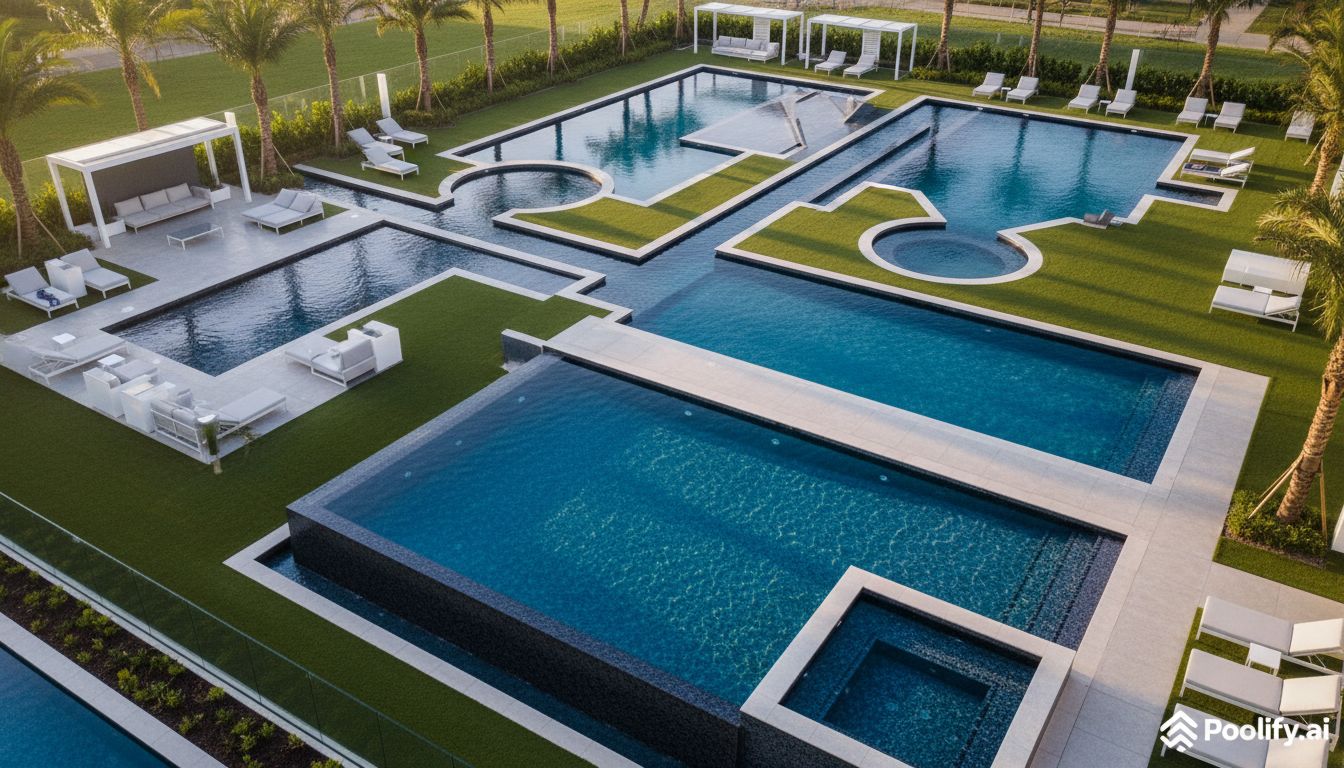
The world of geometric pool designs offers numerous shape options, each bringing unique characteristics and benefits to your outdoor space. Understanding these configurations helps you select the perfect design for your property, lifestyle, and aesthetic preferences.
Rectangular Pools
Rectangular pools represent the most classic geometric pool design, offering maximum swimming length and versatility. These pools work beautifully for lap swimming, water volleyball, and family activities. The straight edges create natural zones for different uses—shallow areas for children, deeper sections for diving, and consistent depths for serious swimmers. Rectangular geometric pool designs also simplify the addition of automatic covers, which follow the straight lines efficiently and provide safety and energy savings.
Modern rectangular pools often incorporate infinity edges, where one or more sides appear to vanish into the horizon. This dramatic effect works particularly well on sloped properties with views, creating a seamless connection between pool water and distant landscapes. The clean geometry of rectangular designs makes them ideal for rooftop installations where space optimization and structural load distribution are critical considerations.
Square and Cubic Pools
Square geometric pool designs create intimate, spa-like environments perfect for smaller yards or as secondary water features complementing larger pools. These compact designs maximize water volume within limited footprints, making them excellent choices for urban properties. Square pools often serve as plunge pools, providing refreshing cooling without requiring extensive yard space. When elevated or integrated with decking at multiple levels, square pools become sculptural focal points that enhance architectural landscapes.
The symmetry of square geometric pool designs creates natural gathering spaces where all sides offer equal access and visibility. This democratic layout works well for social entertaining, allowing guests to interact comfortably from any pool edge. Square pools also simplify the integration of water features, as fountains, jets, and spillways can be positioned symmetrically for balanced visual impact.
L-Shaped and T-Shaped Pools
L-shaped and T-shaped geometric pool designs offer functional zoning within a single water body. The perpendicular sections create distinct areas for different activities—one leg for lap swimming, another for lounging or children’s play. This configuration works exceptionally well for properties with unique lot shapes or where existing structures, trees, or landscape features require creative pool placement.
These geometric pool designs also provide natural opportunities for varied depths and features. The intersection point often houses stairs, benches, or spa jets, creating a transitional zone between different pool sections. The extended arms of L-shaped and T-shaped pools can wrap around patios, creating peninsula-like deck spaces that bring the water closer to outdoor living areas and dining spaces.
Circular and Oval Pools
While less common than rectangular designs, circular and oval geometric pool designs offer softened geometry that maintains structural precision while introducing gentle curves. These shapes create natural circulation patterns as swimmers move around the perimeter, and they work beautifully as focal points in symmetrical landscape designs. Circular pools pair well with radial paving patterns, curved decking, and surrounding plantings that echo the pool’s geometry.
Oval geometric pool designs combine the swimming length of rectangular pools with the softened aesthetics of circular forms. These pools fit well into transitional landscapes that blend modern and traditional elements, providing enough structure to feel intentional while avoiding the stark linearity some homeowners find too severe.
Hexagonal and Octagonal Pools
For homeowners seeking distinctive geometric pool designs, hexagonal and octagonal shapes offer increased visual interest while maintaining mathematical precision. These multi-sided pools create dynamic reflections and shadow patterns throughout the day, adding movement and depth to the pool area. The angled corners provide natural locations for steps, benches, and water features, creating functional variety within the geometric framework.
These complex geometric pool designs work particularly well in contemporary gardens with angular hardscaping, geometric planters, and modern outdoor furniture. The multiple sides create opportunities for varied deck widths and landscaping approaches, allowing different areas around the pool to serve distinct purposes while maintaining overall design cohesion.
Design Elements That Enhance Geometric Pool Designs
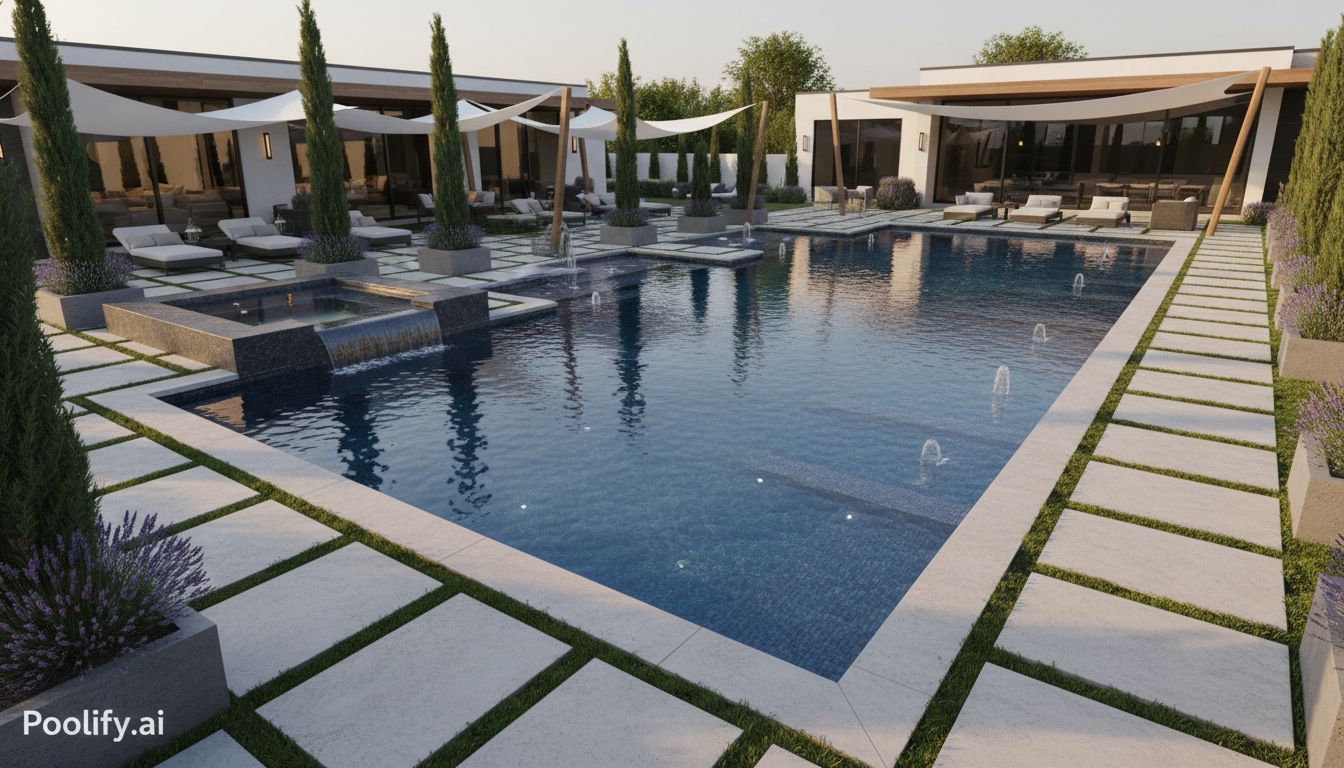
The beauty of geometric pool designs extends beyond basic shape selection. Thoughtful integration of complementary design elements transforms simple geometric forms into sophisticated outdoor environments that reflect your personal style and enhance property value.
Coping and Edge Treatments
The pool edge represents a critical design decision in geometric pool designs. Coping materials and styles dramatically impact the overall aesthetic and functionality. Natural stone coping in limestone, travertine, or granite provides textural contrast against smooth pool surfaces while maintaining the clean lines essential to geometric designs. The material choice should complement your home’s exterior finishes and surrounding hardscaping.
Knife-edge coping creates the sleekest profile in modern geometric pool designs, where the deck surface extends directly to the pool edge without a raised border. This detail produces a seamless, minimalist appearance that emphasizes the pool’s geometric form. Alternatively, raised coping with square or beveled edges adds subtle dimension and provides a comfortable grip for swimmers entering and exiting the pool.
Tile Selection and Patterns
Interior tile finishes significantly influence how geometric pool designs appear and feel. Glass tiles in solid colors create jewel-like water that reflects and refracts light beautifully, enhancing the pool’s geometric clarity. Mosaic patterns can emphasize the pool’s shape—horizontal bands accentuate length in rectangular pools, while radial patterns enhance circular designs. Waterline tiles in contrasting colors define the pool’s perimeter, creating a visual frame that sharpens the geometric form.
Contemporary geometric pool designs increasingly feature large-format tiles that minimize grout lines and create smooth, uninterrupted surfaces. These tiles reinforce the clean aesthetic central to geometric design philosophy. Darker tile colors create dramatic, mirror-like surfaces that reflect surrounding architecture and sky, while lighter shades produce bright, inviting water that feels refreshing and spacious.
Water Features and Movement
Strategic water features enhance geometric pool designs by adding sound, movement, and visual interest without compromising clean lines. Deck jets create graceful arcs of water that cross the pool surface, their parabolic trajectories complementing geometric forms with mathematical elegance. Sheer descent waterfalls produce thin, glass-like sheets of water that emphasize vertical and horizontal planes in the pool design.
Perimeter overflow systems, where water spills over one or more edges into a hidden catch basin, create the ultimate expression of geometric pool designs. These vanishing edges eliminate visual barriers between pool and surroundings, allowing the geometric form to appear as a perfect plane of water. Overflow systems work particularly well on properties with views, where the geometric pool seems to merge with distant horizons.
Lighting Design
Lighting transforms geometric pool designs after dark, emphasizing form and creating dramatic nighttime focal points. LED fixtures installed flush with pool walls illuminate the water from within, making the geometric shape glow. Perimeter lighting positioned beneath coping or in surrounding landscape beds casts light upward, defining the pool’s edges and creating depth through shadow and highlight.
Color-changing LED systems allow geometric pool designs to shift mood and atmosphere for different occasions. Cool blues create calm, meditative environments, while warmer tones generate inviting, social atmospheres. The precision of geometric forms makes them ideal canvases for lighting effects, as the clean lines and angles create predictable, controllable light patterns.
Material Selection for Geometric Pool Designs
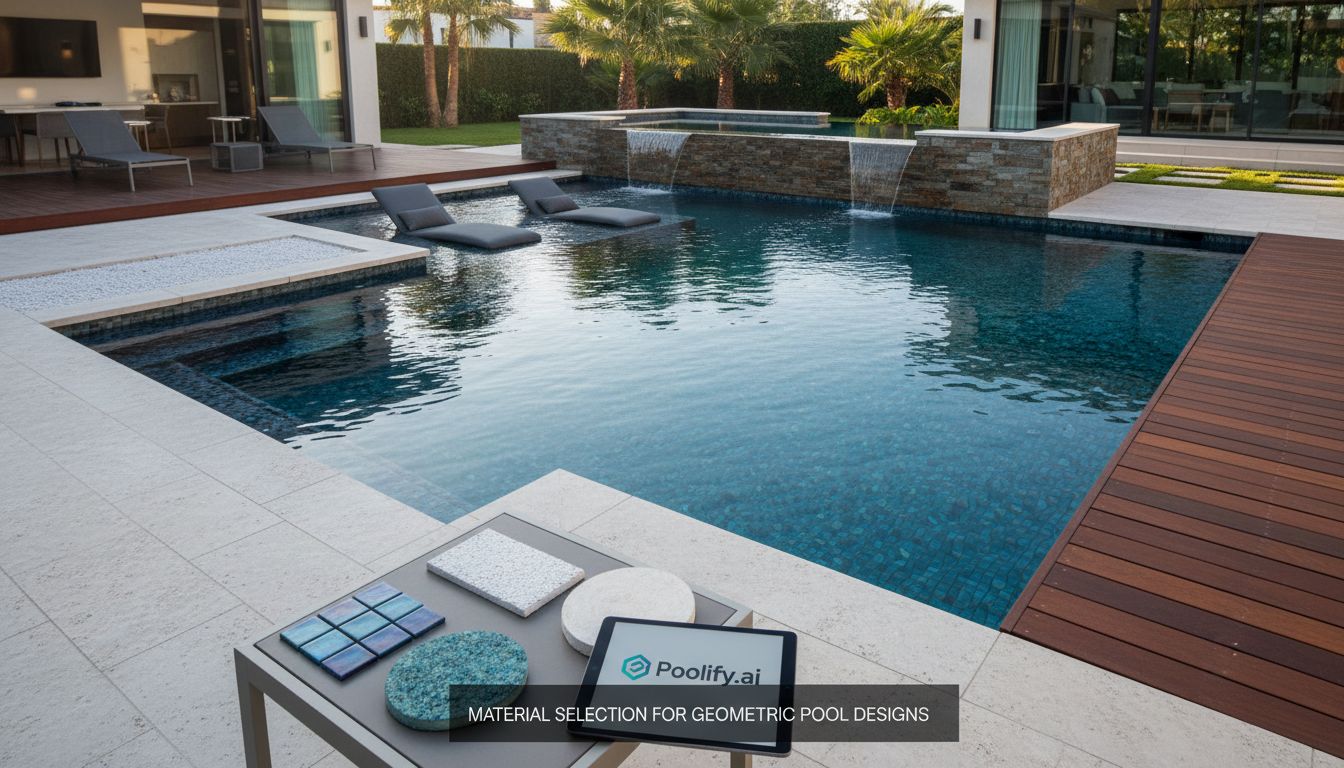
Material choices profoundly impact the appearance, maintenance requirements, and longevity of geometric pool designs. Understanding the characteristics of different construction methods and finish materials helps you make informed decisions that align with your aesthetic goals and practical needs.
Concrete and Gunite Construction
Concrete and gunite represent the gold standard for custom geometric pool designs, offering unlimited shape possibilities and long-term durability. The construction process involves spraying concrete mixture over a steel rebar framework, creating a monolithic structure that can be finished with various surface materials. This method accommodates complex geometric pool designs with multiple levels, integrated spas, and custom features that prefabricated pools cannot achieve.
The flexibility of concrete construction allows precise execution of geometric pool designs with sharp corners, exact angles, and perfectly straight edges. Skilled craftsmen can create pools that match architectural drawings with millimeter precision, ensuring the finished product aligns perfectly with surrounding hardscaping and structures. According to U.S. Census Bureau construction data, concrete pools represent approximately 80% of in-ground pool installations, reflecting their dominance in custom residential applications.
Fiberglass Pool Shells
Fiberglass pools offer geometric pool designs with faster installation and lower maintenance requirements than concrete alternatives. Manufacturers produce shells in various geometric shapes, including rectangles, squares, and L-configurations. The smooth gel-coat surface resists algae growth and requires fewer chemicals than concrete pools, appealing to environmentally conscious homeowners.
While fiberglass limits customization compared to concrete, modern manufacturing techniques produce increasingly sophisticated geometric pool designs. The one-piece construction eliminates seams and joints where leaks might develop, and the flexible material resists cracking in freeze-thaw climates. Installation typically requires only one to two weeks, compared to several months for concrete pools, making fiberglass an attractive option for homeowners seeking faster project completion.
Vinyl Liner Pools
Vinyl liner pools provide the most economical entry into geometric pool designs, with lower initial costs than concrete or fiberglass options. The construction involves building a frame structure—typically steel, aluminum, or polymer—and installing a custom vinyl liner that creates the waterproof barrier. Geometric shapes work particularly well with vinyl construction, as straight walls and corners align with the structural framework naturally.
Modern vinyl liners offer numerous patterns and colors that can enhance geometric pool designs. Solid colors create clean, contemporary appearances, while tile patterns add visual texture without the cost of actual tile installation. The main consideration with vinyl pools involves liner replacement every seven to ten years, which represents an ongoing maintenance expense but also provides opportunities to refresh the pool’s appearance periodically.
Decking and Surrounding Materials
The materials surrounding geometric pool designs significantly influence the overall aesthetic and functionality. Concrete decking offers unlimited design possibilities, from smooth trowel finishes to exposed aggregate textures. Stamped concrete can mimic natural stone or tile at lower costs, though authentic materials typically provide superior longevity and appearance.
Natural stone pavers in travertine, limestone, or bluestone create luxurious surrounds for geometric pool designs. These materials remain cool underfoot in hot weather and develop attractive patinas over time. The installation pattern matters—linear layouts with minimal joint offsets emphasize geometric pool designs, while more varied patterns can soften the overall appearance. Porcelain pavers represent an increasingly popular choice, offering stone-like appearances with superior stain resistance and minimal maintenance requirements.
For comprehensive guidance on maintaining your pool investment, explore our detailed pool maintenance guide that covers seasonal care, equipment upkeep, and troubleshooting common issues.
Cost Considerations for Geometric Pool Designs
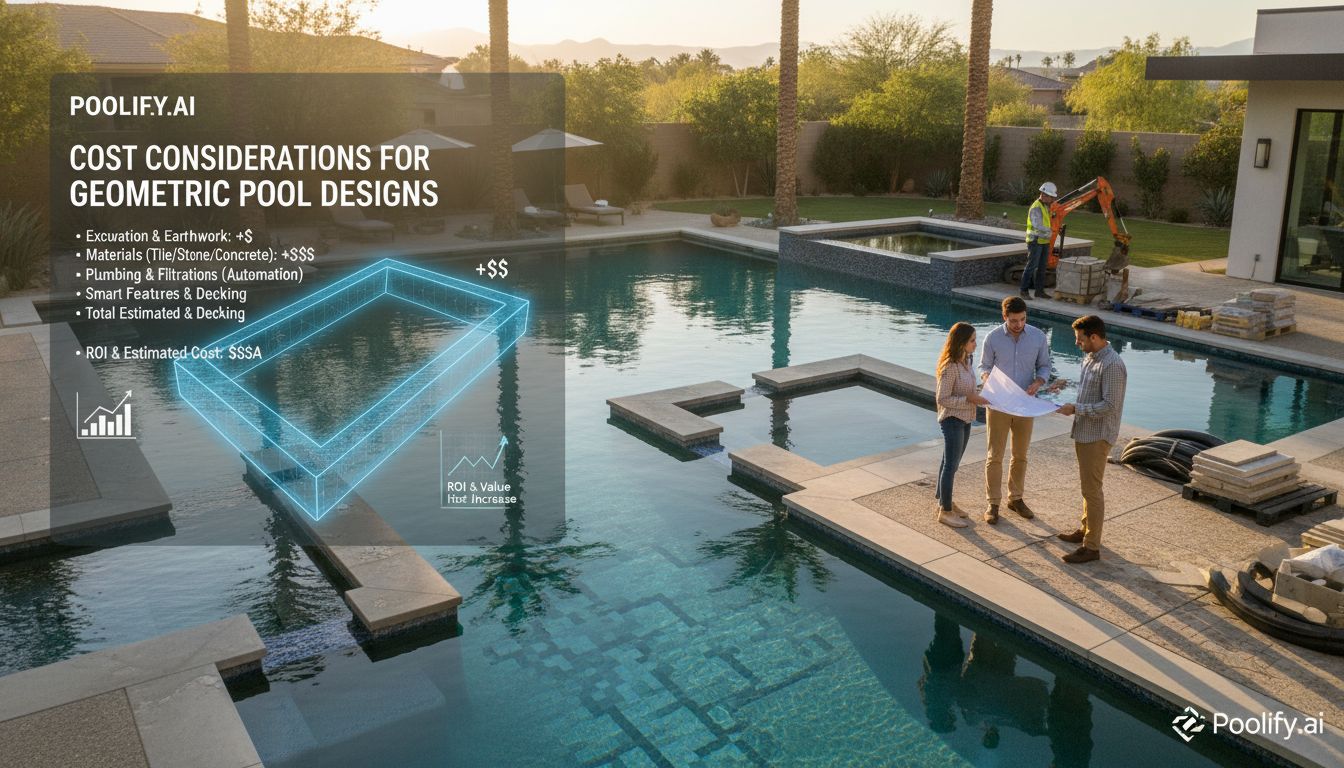
Understanding the financial investment required for geometric pool designs helps you plan effectively and make informed decisions about materials, features, and construction approaches. Pool costs vary significantly based on size, materials, features, and regional labor rates, but geometric designs generally offer cost advantages compared to complex freeform shapes.
Initial Construction Costs
Basic geometric pool designs typically range from $40,000 to $100,000 for concrete construction, depending on size and regional factors. Rectangular pools measuring 12 by 24 feet represent common starter sizes, while larger designs approaching 20 by 40 feet can exceed $150,000 before adding premium features. The geometric simplicity actually reduces costs compared to freeform pools, as straight lines require less complex formwork and finishing labor.
Fiberglass geometric pool designs range from $30,000 to $70,000 installed, including excavation, shell placement, and basic decking. The lower cost reflects faster installation and reduced labor requirements. Vinyl liner geometric pool designs start around $25,000 for basic installations, making them the most accessible option for budget-conscious homeowners. These baseline costs increase substantially with additions like heating systems, automation, water features, and premium finishes.
Feature and Upgrade Costs
Popular enhancements for geometric pool designs add varying amounts to project budgets. Heating systems range from $3,000 to $10,000 depending on technology—gas heaters cost less initially but more to operate, while heat pumps and solar systems require higher upfront investment but lower operating costs. Automation systems controlling filtration, heating, and lighting range from $2,000 to $8,000, offering convenience and energy savings through optimized scheduling.
Water features significantly impact geometric pool design costs. Simple deck jets start around $500 per jet installed, while elaborate sheer descent waterfalls range from $2,000 to $10,000 depending on width and height. Perimeter overflow systems represent premium features, adding $15,000 to $30,000 to project costs but creating the ultimate modern aesthetic. Lighting packages range from $1,500 for basic white LED systems to $5,000 or more for color-changing systems with multiple zones and control options.
Long-Term Operating Costs
Geometric pool designs typically incur annual operating costs between $1,200 and $3,000, covering chemicals, electricity, water, and routine maintenance. Energy-efficient pumps and LED lighting reduce these expenses significantly compared to older equipment. The clean lines and efficient shapes of geometric pool designs allow automated cleaners to work more effectively, potentially reducing professional cleaning service needs.
Resurfacing represents the largest periodic expense for concrete geometric pool designs, required every 10 to 15 years at costs ranging from $5,000 to $15,000 depending on pool size and finish material. Fiberglass pools rarely need refinishing, while vinyl liner pools require replacement every 7 to 10 years at costs between $3,000 and $5,000. Equipment replacement follows predictable schedules—pumps last 8 to 12 years, heaters 10 to 15 years, and automation systems 10 to 20 years.
Planning and Designing Your Geometric Pool
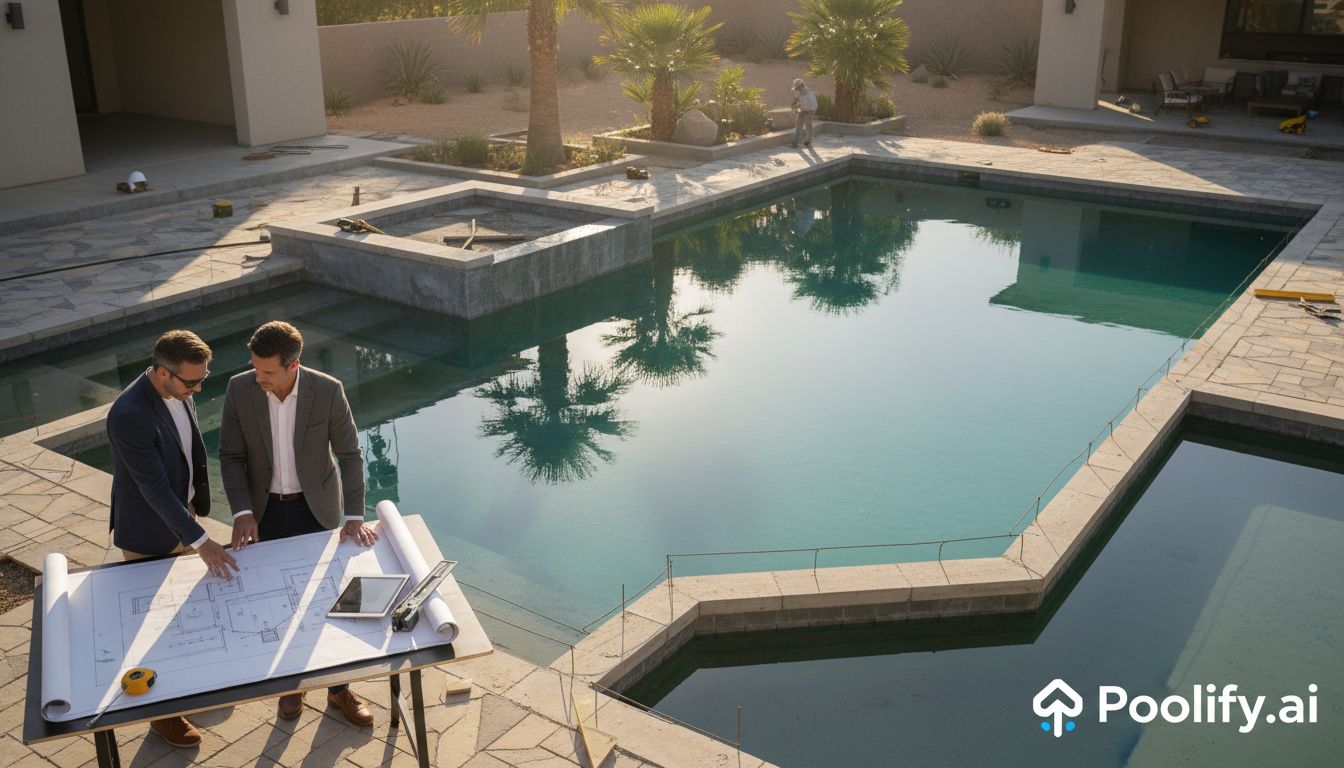
Successful geometric pool designs result from careful planning that considers site conditions, intended uses, aesthetic goals, and budget constraints. A methodical approach ensures your finished pool meets expectations and provides years of enjoyment.
Site Analysis and Preparation
Begin by evaluating your property’s physical characteristics. Geometric pool designs work best on relatively level sites, though sloped properties can accommodate pools with retaining walls or elevated designs that take advantage of elevation changes. Identify underground utilities, septic systems, and easements that might constrain pool placement. Most municipalities require pools to maintain specific distances from property lines, structures, and utility lines.
Sun exposure significantly impacts pool enjoyment and operating costs. Southern exposure maximizes natural heating in northern climates, while western exposure provides afternoon and evening sun for after-work swimming. Consider how surrounding structures and trees cast shadows throughout the day and across seasons. Deciduous trees near pools create maintenance challenges during fall, while evergreens provide year-round privacy but may shade the pool excessively.
Determining Pool Size and Shape
Select geometric pool designs proportional to your yard and home. Pools should occupy approximately 20 to 30 percent of backyard space, leaving adequate room for decking, landscaping, and circulation. Measure your available space carefully, accounting for required setbacks and desired deck widths. Rectangular pools need minimum dimensions around 10 by 20 feet for meaningful swimming, while serious lap swimmers prefer 12 by 40 feet or longer.
Consider how you’ll use the pool when selecting geometric pool designs. Families with young children benefit from large shallow areas and gradual depth transitions. Fitness-focused swimmers prioritize length and consistent depth. Social entertainers might prefer geometric pool designs with wide shallow areas, integrated seating, and space for pool games. Multiple-use pools often incorporate varied depths and zones to accommodate different activities simultaneously.
Working with Pool Designers and Builders
Professional pool designers bring expertise in translating your vision into buildable geometric pool designs. They understand structural requirements, hydraulic engineering, and local building codes that ensure safe, functional pools. Review portfolios focusing on geometric pool designs similar to your preferences. Ask about their experience with specific features you want—infinity edges, perimeter overflow systems, or integrated spas require specialized knowledge.
Obtain detailed proposals from multiple builders, ensuring quotes include identical specifications for accurate comparison. The lowest bid isn’t always the best value—consider reputation, warranty terms, and completion timelines. Request references and visit completed projects to assess quality firsthand. Verify licensing, insurance, and bonding before signing contracts. Many homeowners find that investing in quality construction prevents expensive repairs and disappointments later.
Permitting and Regulations
Nearly all municipalities require permits for pool construction, with requirements varying by location. Your builder typically handles permit applications, but understanding the process helps avoid surprises. Common requirements include site plans showing pool location and setbacks, engineering drawings for structural elements, and safety plans addressing fencing, alarms, and covers. Permit fees range from a few hundred to several thousand dollars depending on local regulations and pool value.
Safety regulations mandate barriers preventing unsupervised child access. Most jurisdictions require fencing at least four feet high with self-closing, self-latching gates. Some allow the home itself to serve as one barrier side if doors have alarms. These requirements influence geometric pool design placement and surrounding landscape plans. Discuss safety features early in the design process to integrate them attractively rather than adding them as afterthoughts.
Landscaping and Geometric Pool Design Integration
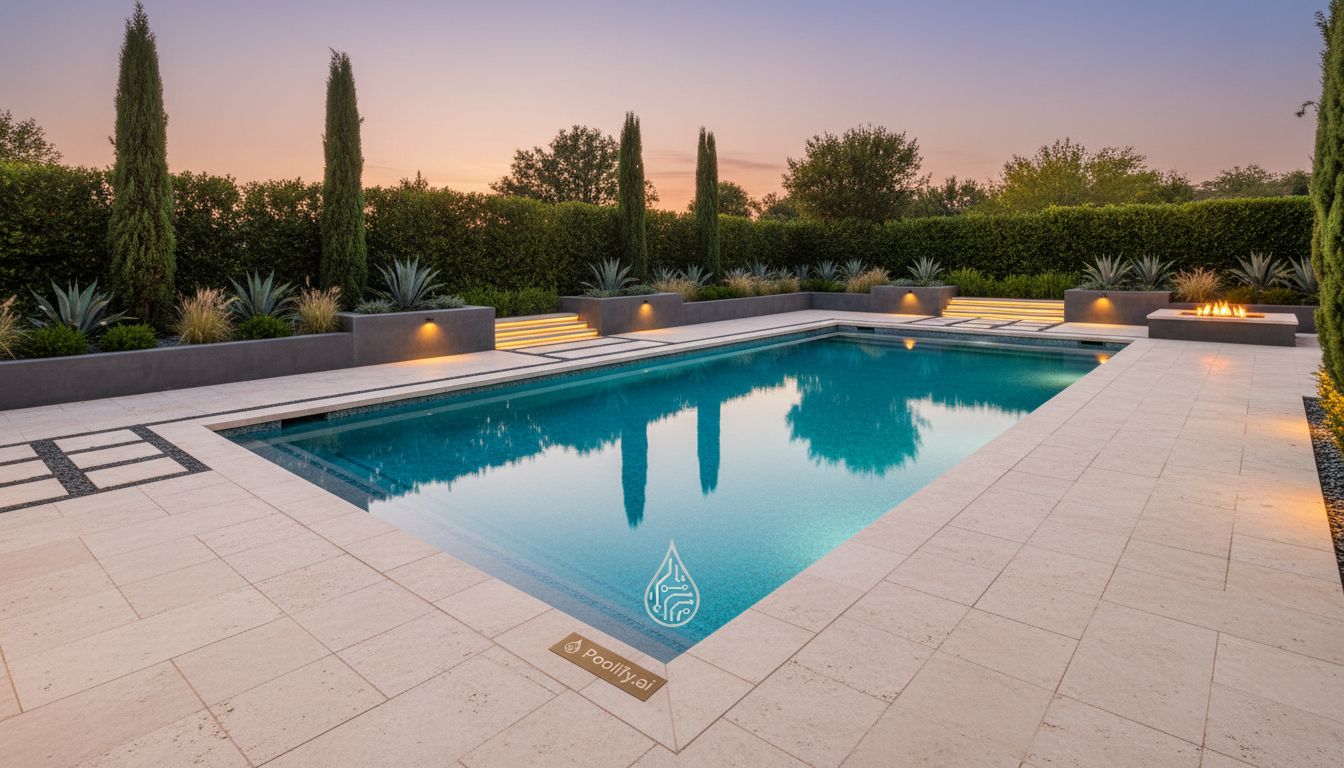
Thoughtful landscaping transforms geometric pool designs from isolated water features into cohesive outdoor environments that enhance your entire property. The structured nature of geometric pools provides opportunities for both complementary and contrasting landscape approaches.
Complementary Geometric Landscaping
Extending geometric principles into surrounding landscapes creates unified, architecturally consistent outdoor spaces. Rectangular planters aligned with pool edges echo the geometry and create visual continuity. Linear hedges and precisely trimmed topiaries reinforce structured aesthetics. Geometric paving patterns in squares, rectangles, or herringbone layouts complement pool shapes and create organized circulation paths.
Hardscaping materials should coordinate with pool finishes and home exteriors. Repeating stone types, colors, or textures throughout the pool area, pathways, and patios creates cohesion. Built-in seating with clean lines, modern fire features, and geometric pergolas or shade structures extend the architectural language established by geometric pool designs. This approach works particularly well for contemporary and modern homes where consistency strengthens the overall design statement.
Contrasting Organic Landscaping
Alternatively, surrounding geometric pool designs with lush, organic landscaping creates dramatic contrast that highlights both elements. Flowing plant beds with curved edges soften hard pool lines while maintaining the pool as a strong focal point. Layered plantings with varied heights, textures, and colors provide visual richness that balances geometric simplicity. This approach suits homeowners who appreciate modern pool design but prefer more traditional or naturalistic gardens.
Select plants that complement pool environments without creating maintenance problems. Avoid deciduous trees that drop leaves directly into pools. Choose species with non-invasive root systems that won’t damage pool structures or plumbing. Salt-tolerant plants work best near pools using saltwater chlorination systems. Consider mature sizes when spacing plants—today’s small shrubs become tomorrow’s large masses that might overwhelm geometric pool designs if planted too close.
Privacy and Screening
Privacy enhances pool enjoyment, and several approaches work well with geometric pool designs. Living screens using evergreen hedges, bamboo, or tall grasses provide natural barriers that soften property edges. These plantings can follow geometric layouts or introduce organic forms depending on your overall design approach. Structural privacy solutions including fences, walls, and screens offer immediate results and work well in urban settings with close neighbors.
Modern privacy screens in materials like metal, composite, or frosted glass complement geometric pool designs beautifully. These elements can incorporate geometric patterns themselves—horizontal slats, vertical panels, or grid designs that echo pool geometry. Position privacy features strategically to block sightlines from neighboring properties and streets while preserving desirable views and breezes. Layering structural and planted screening provides maximum privacy with visual interest.
Maintenance and Care for Geometric Pool Designs
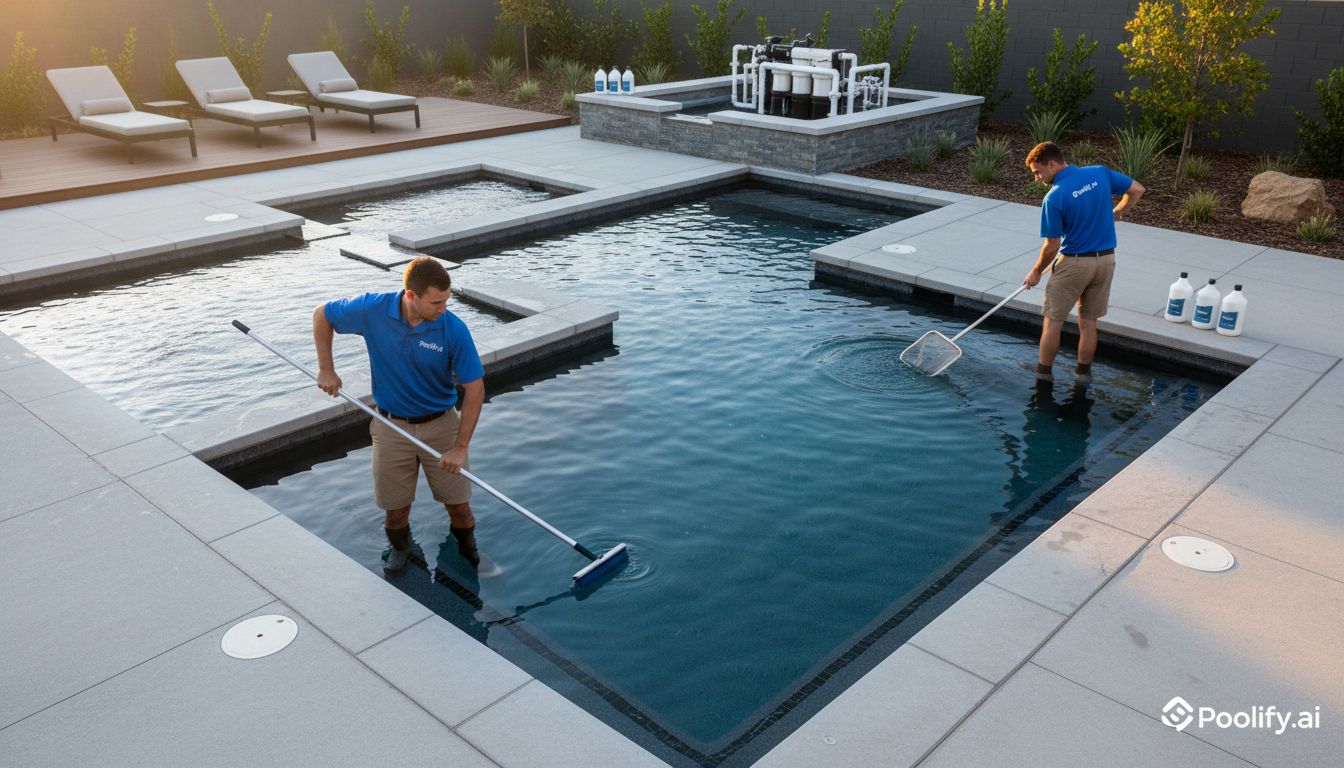
Proper maintenance preserves the beauty and functionality of geometric pool designs while protecting your investment. The clean lines and precise shapes of geometric pools actually simplify many maintenance tasks compared to complex freeform designs.
Routine Cleaning and Circulation
Geometric pool designs benefit from straightforward cleaning patterns. Robotic cleaners navigate rectangular and square pools efficiently, covering the entire surface systematically. Manual cleaning with poles and brushes reaches corners and edges easily in geometric configurations. Establish regular skimming schedules to remove surface debris before it sinks and becomes harder to remove. Brush walls and floors weekly to prevent algae growth and maintain finish appearance.
Proper circulation prevents dead zones where debris accumulates and water quality deteriorates. Return jets should create circular flow patterns that move water throughout the pool. In rectangular geometric pool designs, position returns to push water lengthwise, creating currents that sweep debris toward skimmers. Run circulation systems long enough to turn over the entire pool volume at least once daily—typically 8 to 12 hours depending on pool size and pump capacity.
Water Chemistry and Balance
Maintaining proper water chemistry preserves geometric pool design finishes and ensures safe swimming conditions. Test water at least twice weekly during swimming season, checking pH, alkalinity, calcium hardness, and sanitizer levels. Digital test kits provide accurate readings that help you make precise adjustments. Balanced water prevents scaling, staining, and surface deterioration that can mar the clean appearance essential to geometric pool designs.
Automation systems simplify chemistry management through continuous monitoring and automatic chemical dispensing. These systems maintain consistent sanitizer levels and can control pH automatically, reducing manual testing and adjustment. While representing additional upfront investment, automation prevents chemistry swings that damage pool surfaces and equipment. For detailed seasonal maintenance strategies, visit our pool winterization tips to protect your investment during colder months.
Equipment Maintenance
Pool equipment requires regular attention to maintain efficient operation. Clean pump strainer baskets weekly to maintain flow rates. Backwash or clean filters according to manufacturer recommendations—typically when pressure gauges show 8 to 10 PSI above clean baseline readings. Inspect equipment pads monthly for leaks, unusual noises, or other signs of problems. Address issues promptly to prevent minor problems from becoming expensive repairs.
Winterization protects geometric pool designs in freeze-prone climates. Lower water levels below return fittings, blow out plumbing lines, and add antifreeze to prevent freeze damage. Remove and store automation components, pumps, and other sensitive equipment if possible. Install winter covers to keep debris out and reduce spring cleaning. In warmer climates, continue reduced maintenance schedules year-round, adjusting chemical levels for lower usage and cooler water temperatures.
Frequently Asked Questions About Geometric Pool Designs
What is the most popular geometric pool design shape?
Rectangular pools represent the most popular geometric pool design, accounting for approximately 60% of new installations. Their versatility for lap swimming, efficient use of space, and timeless aesthetic appeal make them the default choice for many homeowners. Rectangles work well with virtually any architectural style and accommodate various features like diving boards, slides, and automatic covers more easily than other shapes.
Are geometric pool designs more expensive than freeform pools?
Geometric pool designs typically cost slightly less than comparable freeform pools due to simpler construction requirements. Straight edges require less complex formwork and finishing labor than curved shapes. However, the cost difference usually represents only 5 to 10 percent of total project expense. Material choices, features, and size impact costs far more significantly than basic shape selection. Premium geometric pool designs with infinity edges or perimeter overflow systems can exceed freeform pool costs substantially.
How do I choose the right size for my geometric pool design?
Select geometric pool designs proportional to your yard, typically occupying 20 to 30 percent of backyard space. Consider intended uses—lap swimming requires minimum 40-foot lengths, while recreational pools can be smaller. Account for required setbacks from property lines and structures, plus adequate deck space around the pool. Most families find pools between 300 and 600 square feet provide sufficient space for various activities without overwhelming typical suburban yards.
Can I add a spa to my geometric pool design?
Spas integrate beautifully with geometric pool designs through several approaches. Attached spas share equipment and create unified water features, with the spa typically elevated slightly above pool level. The spillover edge creates an attractive water feature and allows spa water to help heat the pool. Detached spas positioned near pools offer independent temperature control and can follow complementary geometric shapes. Both approaches work well aesthetically with geometric pool designs.
What maintenance differences exist between geometric and freeform pools?
Geometric pool designs generally require slightly less maintenance than freeform pools. Automated cleaners navigate rectangular and square pools more efficiently, covering surfaces systematically without missing areas. The predictable shapes make manual cleaning faster and more thorough. Straight edges simplify brush work and allow better debris removal from corners. However, basic chemistry and equipment maintenance remain identical regardless of pool shape, so the maintenance difference is modest rather than dramatic.
Key Takeaways
- Timeless Appeal: Geometric pool designs offer enduring aesthetic value that maintains relevance across changing design trends, making them smart long-term investments that enhance property values and provide decades of enjoyment.
- Versatile Functionality: The structured shapes of geometric pool designs maximize swimming space, accommodate various activities from lap swimming to social entertaining, and simplify the integration of features like automatic covers and cleaning systems.
- Design Flexibility: Geometric pool designs work beautifully with numerous architectural styles and can be enhanced through thoughtful material selection, lighting design, water features, and landscape integration that reflects your personal aesthetic preferences.
- Cost Efficiency: Geometric shapes typically cost less to construct than complex freeform designs while offering easier maintenance, more efficient cleaning, and straightforward equipment integration that reduces long-term operating expenses.
- Professional Planning: Successful geometric pool designs result from careful site analysis, appropriate size selection, quality construction, and integration with surrounding landscapes—investments in professional design and building services pay dividends through superior results and fewer problems.
See Your Dream Pool in Your Actual Backyard
Upload a photo and get an AI-designed pool visualization in 10 seconds. 3 free designs, no login required.
Try Poolify Free →Conclusion
Geometric pool designs represent the perfect synthesis of form and function, offering clean aesthetics, practical advantages, and timeless appeal that enhances properties for decades. Whether you choose a classic rectangle, elegant square, or distinctive hexagon, geometric pool designs provide structured beauty that complements modern architecture while accommodating diverse uses from fitness swimming to family recreation. The design flexibility allows personalization through material choices, water features, lighting, and landscape integration that reflect your unique style and needs.
As you plan your geometric pool design project in 2026, focus on quality construction, thoughtful feature selection, and professional installation that ensures long-term satisfaction. The initial investment in proper design and building pays dividends through reduced maintenance, lower operating costs, and enduring beauty that increases property value. With careful planning and attention to the principles outlined in this guide, your geometric pool design will create an outdoor oasis that provides enjoyment, relaxation, and pride of ownership for years to come.
References
- Association of Pool & Spa Professionals – https://www.apsp.org/
- U.S. Census Bureau, Construction Statistics – https://www.census.gov/construction/chars/