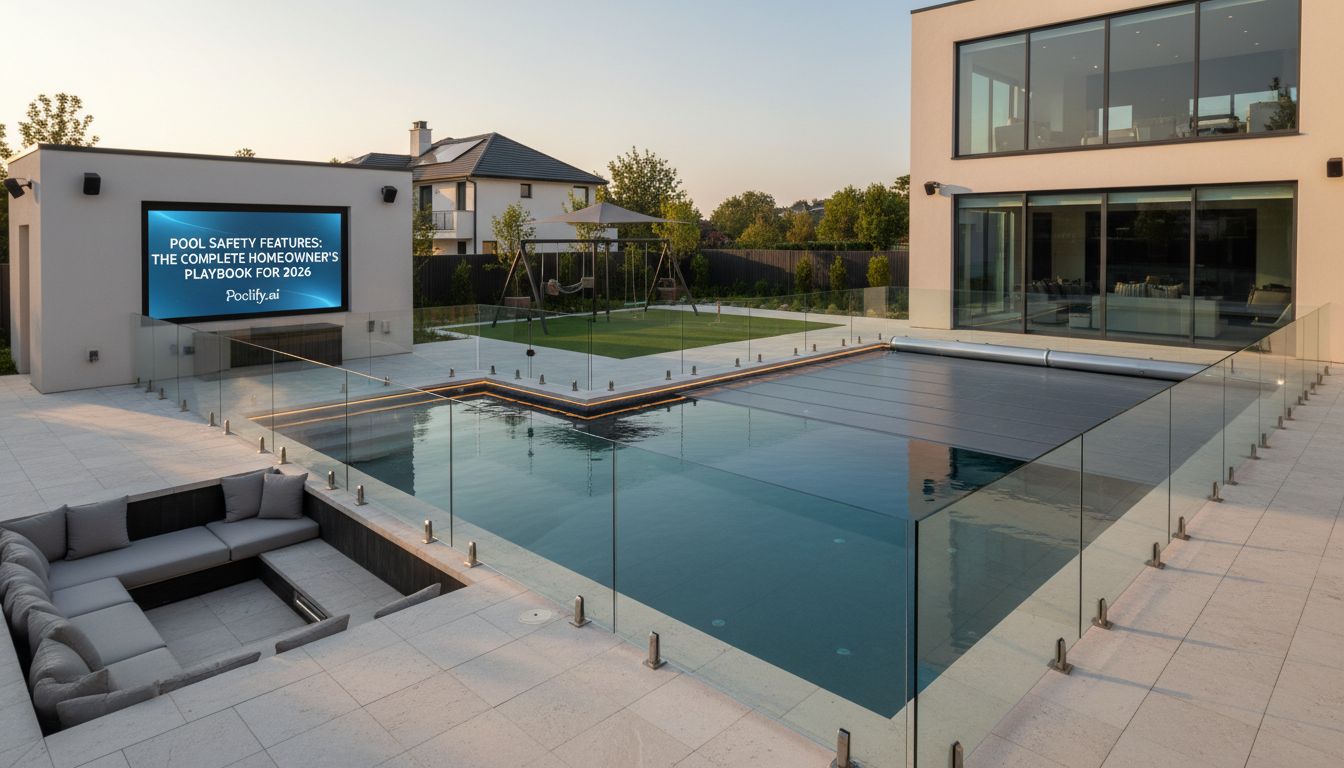
Introduction to Pool Safety Features
Pool safety features are no longer optional accessories—they’re essential investments that protect lives and provide peace of mind. With drowning remaining a leading cause of accidental death, particularly among children under five, implementing comprehensive pool safety features has become a critical responsibility for every pool owner. This guide explores the most effective pool safety features available in 2026, from traditional barriers to cutting-edge smart technology that monitors your pool 24/7.
Whether you’re installing a new pool or upgrading an existing one, understanding which pool safety features deliver the best protection helps you make informed decisions. Modern pool safety features combine multiple layers of defense, creating what safety experts call “layers of protection” that significantly reduce accident risks. Let’s examine the essential pool safety features every homeowner should consider.
Essential Barrier Pool Safety Features
Physical barriers remain the foundation of effective pool safety features. According to the Consumer Product Safety Commission’s Pool Safely campaign, proper fencing and barriers can prevent up to 70% of childhood drowning incidents. The right barrier pool safety features create crucial separation between your home and the water.
Pool Fencing Requirements and Options
Pool fencing represents the most fundamental of all pool safety features. In 2026, most jurisdictions require fences at least four feet high, though five feet has become the recommended standard. The best pool safety features in fencing include self-closing, self-latching gates that open outward from the pool area. Mesh removable fencing has gained popularity as flexible pool safety features because they can be installed and removed seasonally.
Permanent pool safety features like wrought iron, aluminum, or glass panel fencing offer year-round protection with minimal maintenance. When selecting fence-based pool safety features, ensure vertical slats are no more than four inches apart to prevent children from squeezing through. The latch mechanism should be positioned at least 54 inches from ground level, making it difficult for young children to reach.
Safety Gates and Access Control
Gate systems serve as critical pool safety features that control pool access. Modern pool safety features include magnetic latches that engage automatically, eliminating human error. Some advanced pool safety features incorporate keypad or biometric access controls, ensuring only authorized individuals can enter the pool area.
Double-gate systems provide redundant pool safety features for families with young children. These pool safety features require passing through two separate gates, each with independent latching mechanisms. Visual and audible alerts have become standard in premium gate pool safety features, notifying homeowners whenever gates open.
Alarm-Based Pool Safety Features
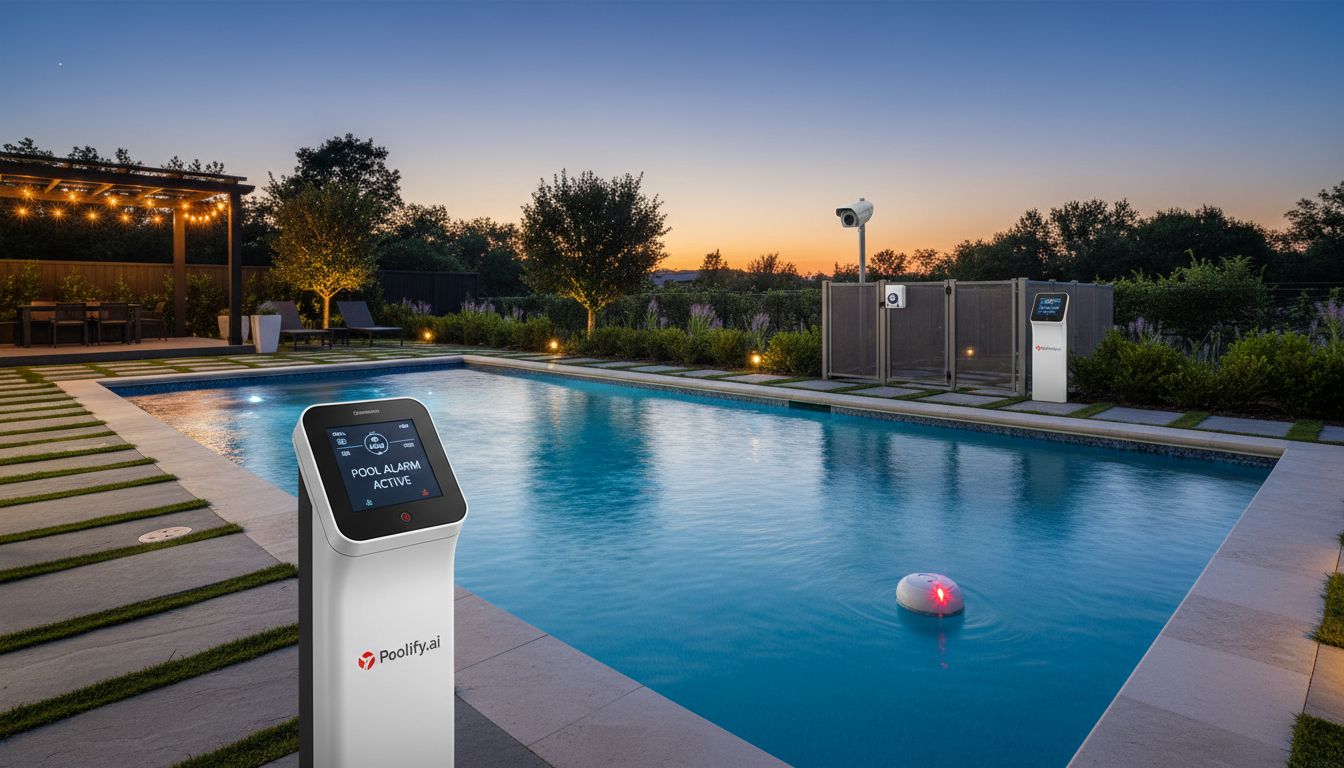
Alarm systems provide active monitoring among pool safety features, alerting you to potential dangers immediately. These pool safety features have evolved significantly, with 2026 models offering unprecedented accuracy and connectivity.
Pool Alarm Technologies
Surface wave detection represents the most common type among alarm pool safety features. These pool safety features float on the water surface and detect disturbances indicating someone has entered the pool. Advanced pool safety features use sophisticated algorithms to distinguish between wind-caused ripples and actual entries, reducing false alarms.
Subsurface pressure sensors offer more reliable pool safety features for serious protection. Installed on pool walls below the waterline, these pool safety features detect pressure changes when objects enter the water. Perimeter infrared beam pool safety features create invisible barriers around the pool deck, triggering alerts when beams are broken.
Door and Gate Alarms
Entry point monitoring provides complementary pool safety features to water-based alarms. Door alarms serve as indoor pool safety features, alerting you when doors leading to the pool area open. These pool safety features typically emit loud sounds—at least 85 decibels—ensuring they’re heard throughout the home.
Smart home integration has transformed these pool safety features in 2026. Modern pool safety features send notifications to smartphones, smartwatches, and home automation systems. Some pool safety features include camera integration, allowing you to visually verify alerts immediately through connected devices.
Pool Cover Pool Safety Features
Pool covers function as both protective and preventive pool safety features. The right cover-based pool safety features provide physical barriers while offering additional benefits like energy conservation and reduced maintenance.
Safety Cover Standards
ASTM F1346 compliance defines legitimate safety pool covers among pool safety features. These pool safety features must support at least 485 pounds across two square feet, preventing children and pets from falling through. Certified pool safety features display clear labeling indicating they meet these stringent standards.
Automatic pool safety features in covers have become increasingly popular. Motorized systems allow deploying these pool safety features with a key switch or smartphone app. Track-mounted pool safety features ensure covers deploy evenly without gaps. The best automatic pool safety features include obstacle detection, stopping operation if resistance is encountered.
Cover Types and Applications
Mesh safety covers rank among the most practical pool safety features for seasonal use. These pool safety features allow water to drain through while supporting substantial weight. Solid safety pool covers provide complete barrier pool safety features while keeping debris out entirely.
Hybrid pool safety features combine mesh centers with solid perimeters, balancing drainage and debris protection. For year-round protection, rigid automatic pool safety features offer superior strength and convenience. These pool safety features consist of connected slats that roll onto a mounted reel, creating a walkable surface over the water.
Advanced Technology Pool Safety Features
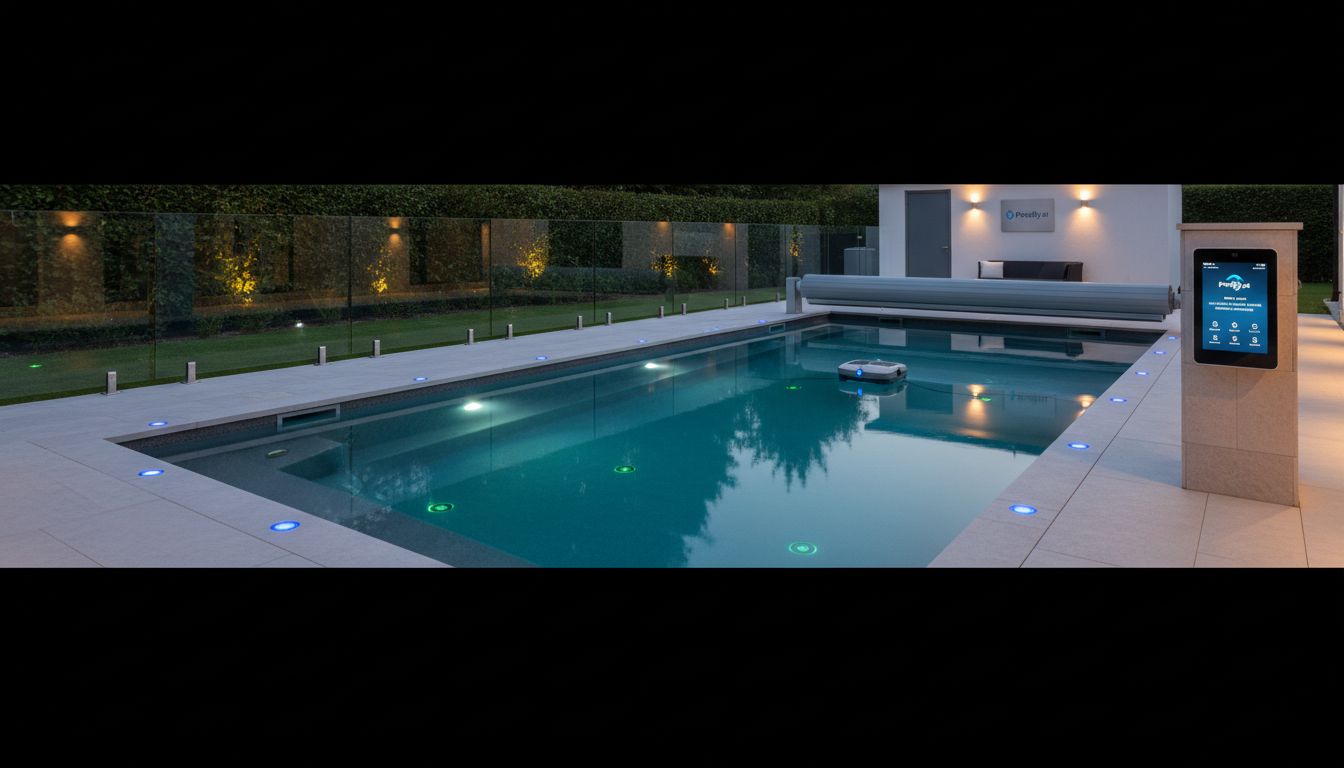
Smart technology has revolutionized pool safety features in recent years. Modern pool safety features leverage artificial intelligence, computer vision, and IoT connectivity to provide unprecedented protection levels.
Underwater Camera Systems
Computer vision represents cutting-edge pool safety features for 2026. These pool safety features use underwater cameras with AI algorithms to detect human forms beneath the surface. When these pool safety features identify someone underwater beyond preset time limits, they trigger immediate alerts.
The latest pool safety features in this category can distinguish between swimmers, floating objects, and actual emergencies. Cloud-connected pool safety features store footage and send real-time alerts to multiple devices. Some premium pool safety features integrate with smart home systems, automatically activating outdoor lighting and unlocking gates for emergency responders.
Wearable Pool Safety Features
Personal immersion alarms provide individual-level pool safety features, especially valuable for children. These wearable pool safety features attach to wrists or clothing and sound alarms when submerged. Parent units receive signals from these pool safety features up to 200 feet away in most systems.
Advanced wearable pool safety features in 2026 include GPS tracking and depth monitoring. These pool safety features distinguish between shallow play and dangerous submersion. Some pool safety features connect to home Wi-Fi, enabling monitoring from anywhere via smartphone apps.
Lighting and Visibility Pool Safety Features
Proper illumination serves as often-overlooked pool safety features that enable supervision and emergency response. Strategic lighting pool safety features transform nighttime safety while enhancing ambiance.
Pool and Deck Lighting
Underwater LED systems provide essential visibility among pool safety features. Modern pool safety features in lighting offer energy-efficient operation with lifespans exceeding 30,000 hours. These pool safety features should illuminate the entire pool bottom clearly, enabling supervisors to see swimmers at any depth.
Deck lighting represents critical pool safety features for preventing trips and falls. Pathway lights, step illumination, and perimeter fixtures serve as navigational pool safety features. Motion-activated pool safety features ensure adequate lighting activates automatically when anyone approaches the pool area after dark.
Emergency Lighting Systems
Backup power capabilities distinguish premium lighting pool safety features. Battery-powered or solar-charged pool safety features maintain illumination during power outages. Some integrated pool safety features include emergency strobes that activate with alarm systems, helping responders locate the pool quickly.
Color-changing pool safety features can signal different conditions—blue for normal operation, red for alarm activation. Smart pool safety features adjust brightness based on ambient light conditions, ensuring optimal visibility without energy waste.
Chemical and Water Quality Pool Safety Features
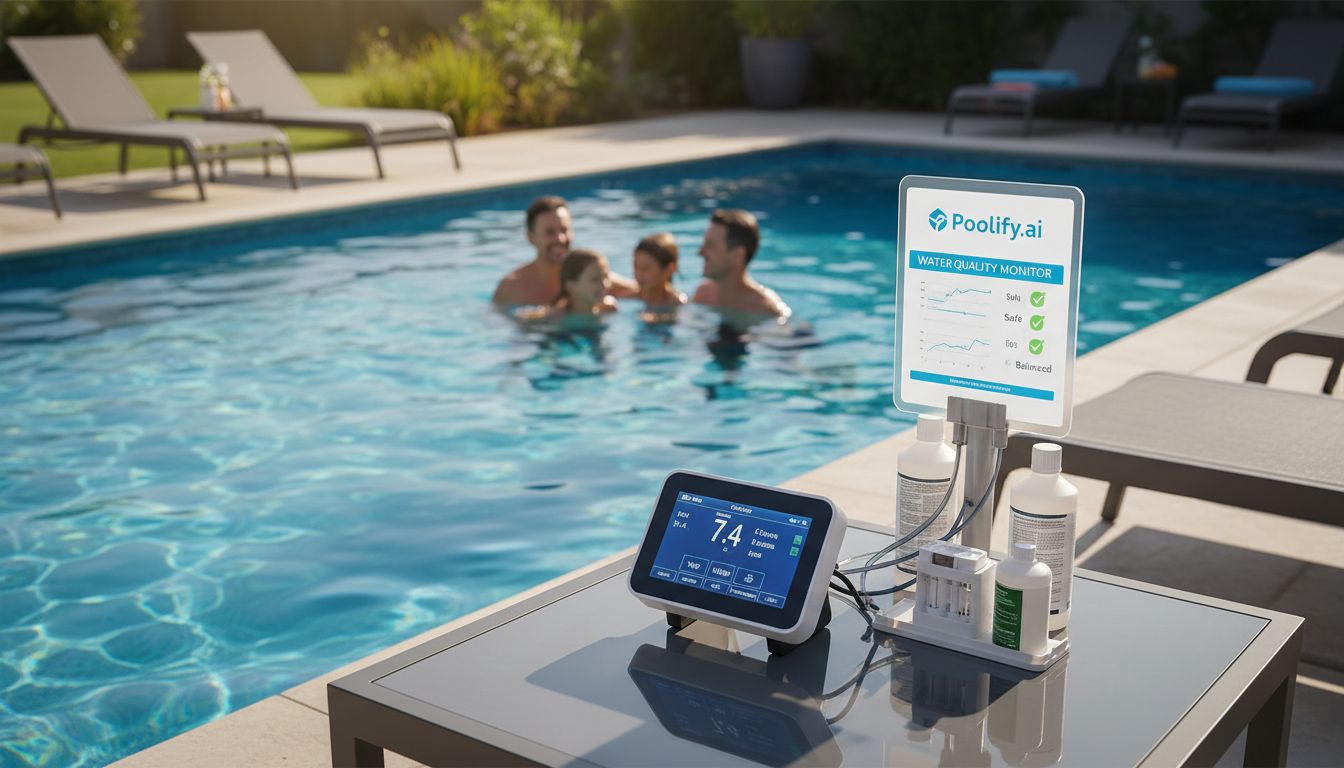
Water chemistry monitoring represents essential health-focused pool safety features. Proper chemical balance prevents recreational water illnesses while maintaining comfortable swimming conditions.
Automated Chemical Systems
Automatic chlorination and pH balancing systems function as maintenance-oriented pool safety features. These pool safety features continuously monitor water chemistry and dispense chemicals as needed. By maintaining proper levels consistently, these pool safety features prevent algae growth, bacteria proliferation, and chemical imbalances that cause skin and eye irritation.
Salt chlorine generators have become popular pool safety features, producing chlorine from salt through electrolysis. These pool safety features reduce manual chemical handling, minimizing exposure risks. UV and ozone sanitation pool safety features provide supplementary disinfection, reducing overall chemical requirements.
Chemical Storage Safety
Proper storage represents crucial behind-the-scenes pool safety features. Lockable chemical storage cabinets serve as preventive pool safety features, keeping hazardous substances away from children and pets. Ventilated storage pool safety features prevent dangerous fume accumulation.
Chemical dispensers that float in pools should be avoided as pool safety features—they pose ingestion hazards. Instead, inline chemical feeders represent safer pool safety features, dispensing substances directly into circulation systems away from swimmers.
Drain Safety and Entrapment Prevention Features
Drain-related pool safety features prevent one of the most serious hazards: suction entrapment. The Virginia Graeme Baker Pool and Spa Safety Act mandates specific pool safety features for all public pools, and these same pool safety features should be standard in residential installations.
Anti-Entrapment Drain Covers
ASME/ANSI A112.19.8 compliant drain covers represent mandatory pool safety features. These pool safety features feature dome shapes and patterns that prevent body parts and hair from creating dangerous seals. Multiple drain pool safety features distribute suction across several outlets, reducing individual drain force.
Drain cover inspection should be part of regular pool safety features maintenance. Cracked, broken, or missing covers eliminate the protective function of these pool safety features. Replacement should occur every five years minimum, even if covers appear intact, as these pool safety features degrade over time.
Safety Vacuum Release Systems
SVRS technology provides backup pool safety features that detect blockages and automatically shut off pumps. These pool safety features sense pressure changes indicating entrapment and deactivate suction within seconds. Modern pool safety features in this category include automatic restart capabilities once blockages clear.
Dual drain systems with properly spaced outlets serve as engineering-based pool safety features. When drains are separated by at least three feet, these pool safety features make it physically impossible for a person to block both simultaneously, preventing dangerous suction scenarios.
Rescue and Emergency Response Pool Safety Features
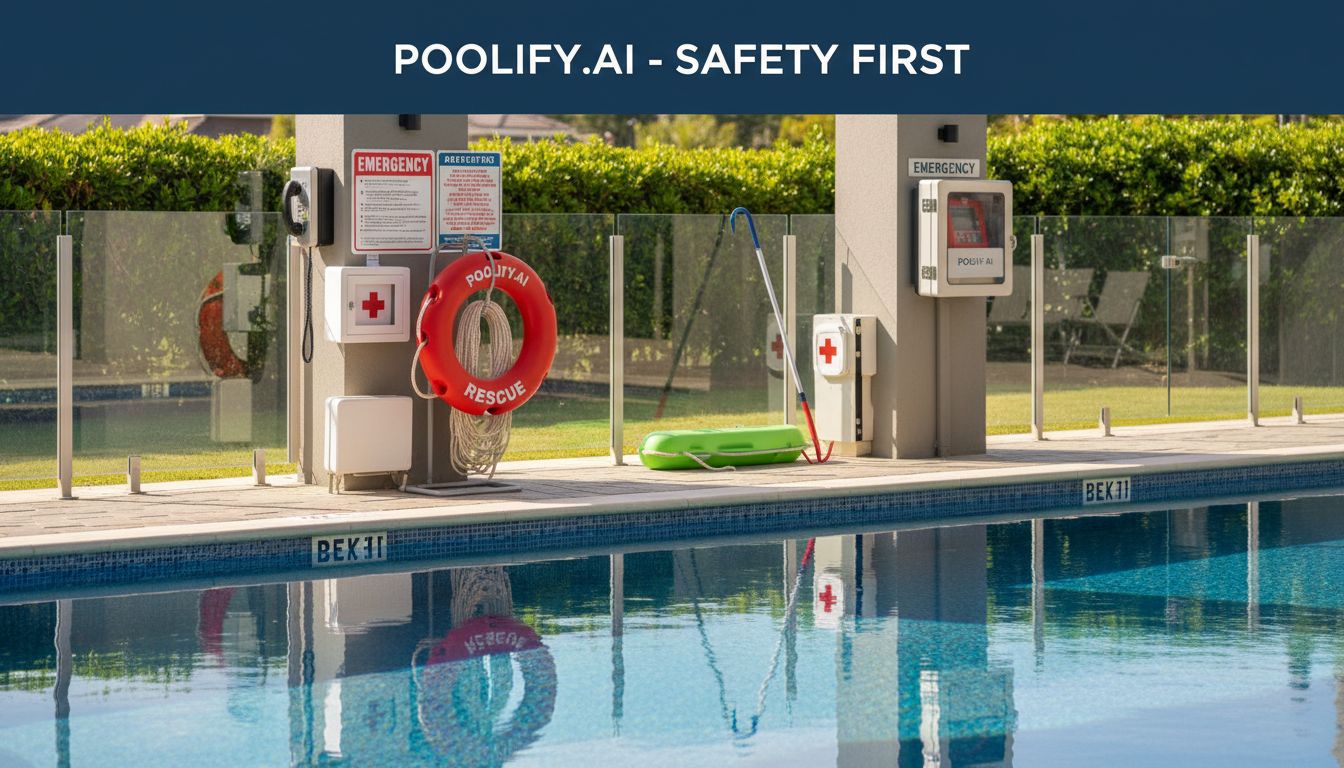
Having rescue equipment readily available represents the final layer among comprehensive pool safety features. These pool safety features enable quick response during emergencies, potentially saving lives.
Essential Rescue Equipment
Reaching poles, life rings, and rescue hooks constitute basic rescue pool safety features. These pool safety features should be mounted in clearly marked, easily accessible locations around the pool perimeter. Shepherd’s crook poles serve as primary reaching pool safety features, allowing rescuers to extend assistance without entering the water.
First aid kits and CPR instruction cards represent preparedness pool safety features. Weatherproof storage boxes protect these pool safety features while keeping them immediately available. Some advanced pool safety features include AED (automated external defibrillator) stations, particularly valuable for larger properties or pools with frequent use.
Communication and Emergency Access
Poolside phones or emergency call buttons function as communication pool safety features. These pool safety features should be programmed with emergency numbers and provide direct access to help. Clear address markers visible from the pool area assist emergency responders, serving as navigational pool safety features.
Gate systems that unlock from inside without keys represent critical egress pool safety features. These pool safety features ensure trapped individuals can exit the pool area quickly during emergencies. Panic hardware on pool gates provides one-motion exit among safety pool features.
Compliance and Regulatory Pool Safety Features
Understanding legal requirements ensures your pool safety features meet minimum standards. Regulatory pool safety features vary by jurisdiction, but certain elements have become nearly universal.
Building Codes and Standards
The International Swimming Pool and Spa Code (ISPSC) establishes baseline pool safety features for new construction. Local amendments often add region-specific pool safety features requirements based on climate and local conditions. Permit applications typically require documentation of planned pool safety features before approval.
Barrier requirements represent the most common mandated pool safety features. Most codes specify fence height, gate hardware, and maximum gap dimensions as required pool safety features. Some jurisdictions mandate multiple pool safety features—for example, both fencing and alarms—creating layered protection.
Insurance Requirements
Homeowners insurance policies increasingly require specific pool safety features. Documented installation of approved pool safety features may reduce premiums or prevent coverage denial. Insurance companies often provide lists of recommended pool safety features that demonstrate reasonable risk mitigation.
Liability protection depends heavily on implementing appropriate pool safety features. In accident litigation, the presence or absence of standard pool safety features significantly influences outcomes. Regular maintenance records for pool safety features demonstrate ongoing diligence and responsibility.
Implementing Comprehensive Pool Safety Features
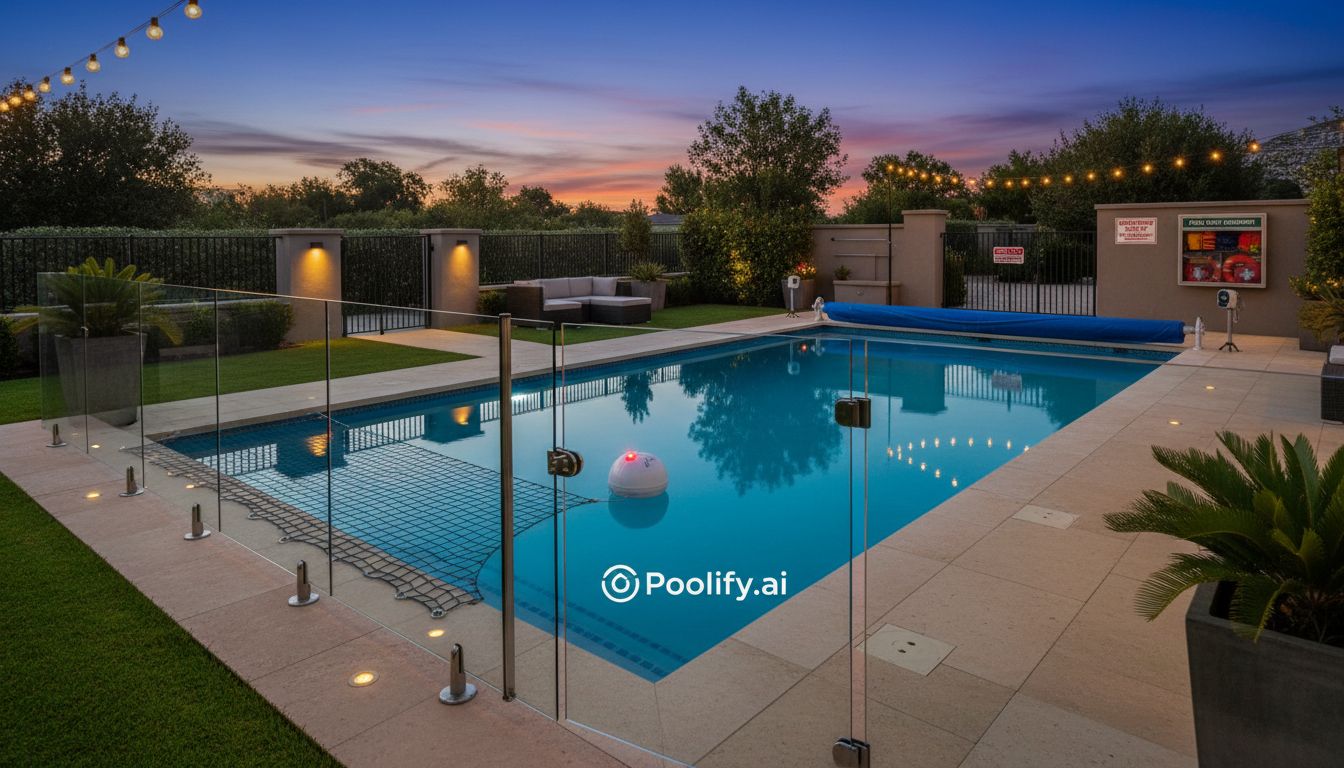
Effective protection requires combining multiple pool safety features into integrated systems. Single pool safety features, while valuable, cannot provide complete protection alone.
Layered Protection Approach
The concept of “layers of protection” guides optimal pool safety features implementation. Primary pool safety features like fencing prevent access entirely. Secondary pool safety features such as alarms provide alerts if primary barriers fail. Tertiary pool safety features including covers add additional physical barriers.
Supervision remains the most important of all pool safety features—technology supplements but never replaces watchful adults. Combining active supervision with passive pool safety features creates the most effective safety environment. Even with extensive pool safety features, designated water watchers should maintain constant visual contact with swimmers.
Maintenance of Pool Safety Features
Regular inspection ensures pool safety features function properly when needed. Monthly testing should verify alarm pool safety features activate correctly. Quarterly inspections should assess fence and gate pool safety features for damage or wear.
Annual professional inspections of all pool safety features provide expert evaluation. Technicians can identify degradation in pool safety features before failures occur. Documentation of maintenance creates records proving your pool safety features receive appropriate care.
Cost Considerations for Pool Safety Features
Investment in pool safety features varies widely based on property size, pool type, and chosen technologies. Understanding costs helps prioritize which pool safety features to implement first.
Budget-Friendly Pool Safety Features
Basic pool safety features like door alarms and life rings cost under $100. Simple pool safety features such as shepherd’s crooks and first aid kits represent minimal investments with significant safety value. Mesh removable fencing provides affordable temporary pool safety features, typically costing $15-25 per linear foot installed.
DIY installation of certain pool safety features can reduce costs substantially. Gate alarms and surface wave detectors serve as accessible pool safety features for self-installation. However, professional installation ensures structural pool safety features like permanent fencing meet code requirements.
Premium Pool Safety Features
High-end pool safety features include automatic covers ($8,000-15,000), underwater camera systems ($2,000-5,000), and comprehensive smart monitoring platforms. These advanced pool safety features offer convenience and enhanced protection but require significant investment.
Long-term value often justifies premium pool safety features costs. Automatic covers serve dual purposes as pool safety features and energy savers, reducing heating costs by 50-70%. Smart monitoring pool safety features provide peace of mind that many families find invaluable, particularly with young children.
Future Trends in Pool Safety Features
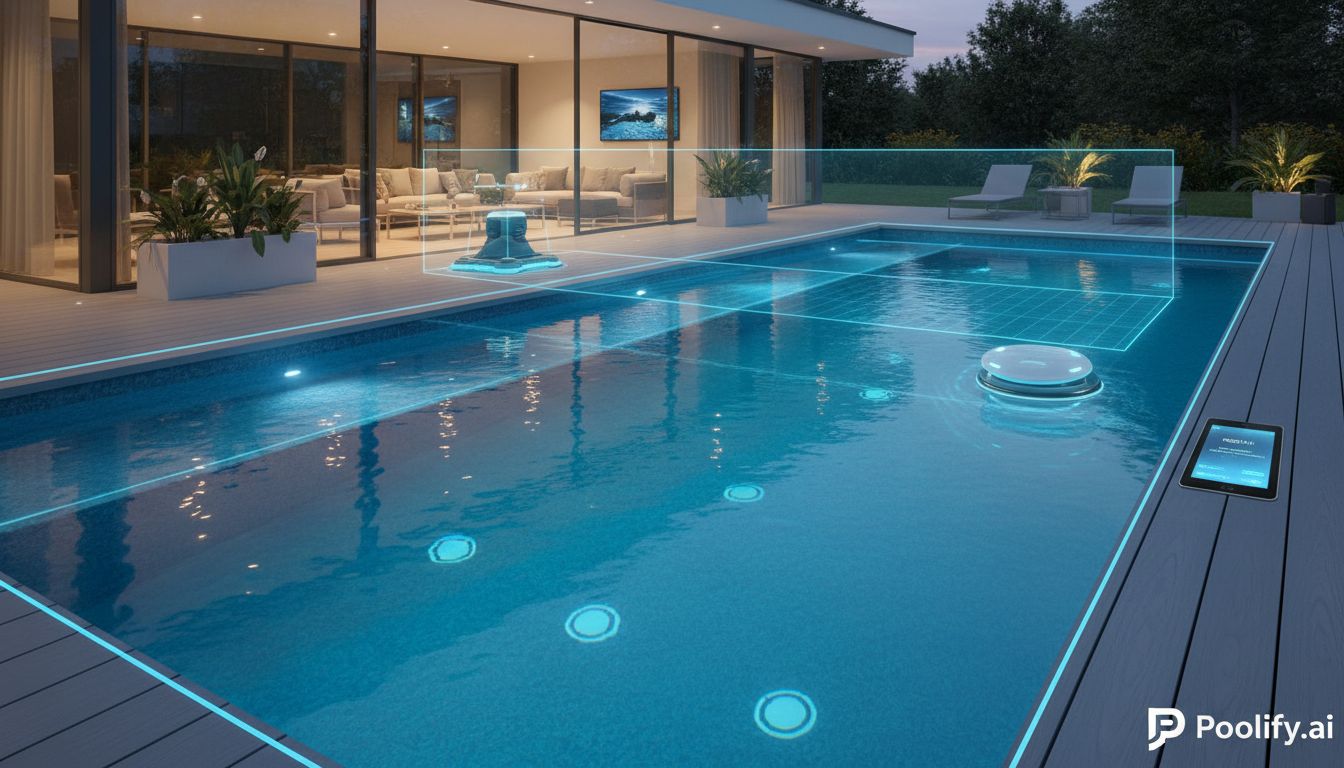
Emerging technologies continue advancing pool safety features capabilities. Understanding upcoming innovations helps plan for future pool safety features upgrades.
Artificial Intelligence Integration
AI-powered pool safety features will become increasingly sophisticated through 2026 and beyond. Machine learning algorithms improve these pool safety features’ ability to distinguish genuine emergencies from false alarms. Predictive pool safety features may soon identify risky behaviors before incidents occur.
Voice-activated pool safety features integrated with home assistants enable hands-free monitoring and control. Imagine asking your smart speaker about pool safety features status or activating covers through voice commands. These intuitive pool safety features will make comprehensive protection more accessible.
Biometric and Advanced Monitoring
Wearable technology evolution will produce more capable personal pool safety features. Future pool safety features may monitor heart rate, blood oxygen, and other vital signs, detecting medical emergencies in addition to drowning risks. Implantable or jewelry-integrated pool safety features could provide continuous monitoring without requiring users to remember devices.
Drone-based pool safety features represent another emerging category. Autonomous aerial monitoring pool safety features could patrol large properties, providing oversight when human supervision isn’t possible. These pool safety features might automatically deploy flotation devices or alert emergency services.
Frequently Asked Questions About Pool Safety Features
What are the most important pool safety features every pool owner needs?
The most critical pool safety features include four-sided fencing with self-closing, self-latching gates, pool alarms (either surface wave or subsurface), and compliant drain covers. These fundamental pool safety features create multiple protection layers. Additionally, rescue equipment, proper lighting, and adult supervision complement physical pool safety features. No single element among pool safety features provides complete protection—comprehensive safety requires combining several pool safety features into an integrated system.
How much do comprehensive pool safety features cost?
Basic pool safety features like alarms and rescue equipment cost $200-500 total. Mid-range pool safety features including mesh fencing and door alarms typically run $2,000-4,000 for average residential pools. Premium pool safety features with automatic covers, smart monitoring, and permanent fencing can exceed $15,000. Most homeowners invest $3,000-6,000 in essential pool safety features. Phased implementation allows spreading costs over time while prioritizing the most critical pool safety features first.
Are pool safety features required by law?
Legal requirements for pool safety features vary by location. Most jurisdictions mandate basic pool safety features like fencing and compliant drain covers for new pool construction. Some areas require multiple pool safety features such as both barriers and alarms. Existing pools may be grandfathered but still benefit from modern pool safety features. Check with local building departments to understand which pool safety features are legally required in your area, then consider exceeding minimum standards for enhanced protection.
Do pool safety features really prevent drowning?
Research demonstrates that proper pool safety features significantly reduce drowning risk. Four-sided isolation fencing—among the most effective pool safety features—prevents 83% of childhood drowning incidents according to safety studies. However, pool safety features work best in combination rather than individually. The most effective approach layers multiple pool safety features while maintaining constant supervision. Pool safety features are tools that dramatically improve safety but cannot guarantee absolute prevention without responsible adult oversight.
How often should pool safety features be inspected and maintained?
Pool safety features require regular inspection to ensure proper function. Test alarm-based pool safety features monthly by triggering them intentionally. Inspect physical pool safety features like fences and gates quarterly for damage, loose hardware, or deterioration. Schedule annual professional evaluations of all pool safety features, particularly complex systems like automatic covers. Replace drain cover pool safety features every five years minimum. Document all maintenance of pool safety features for insurance and liability purposes. Consistent upkeep ensures your pool safety features provide reliable protection.
Key Takeaways: Essential Pool Safety Features
- Layered protection works best: Combine multiple pool safety features including barriers, alarms, covers, and supervision rather than relying on any single safety measure to provide complete protection for your family.
- Compliance is just the starting point: While meeting legal requirements for pool safety features is essential, exceeding minimum standards with additional pool safety features provides superior protection and peace of mind.
- Technology enhances but doesn’t replace supervision: Advanced pool safety features like smart monitors and AI cameras offer valuable assistance, but active adult supervision remains the most critical element of any safety plan.
- Regular maintenance ensures effectiveness: Pool safety features only protect when functioning properly—establish testing schedules and maintenance routines to verify all systems work correctly when needed.
- Investment in pool safety features pays long-term dividends: The cost of comprehensive pool safety features is minimal compared to the value of preventing accidents, reducing liability, and providing peace of mind for your family.
See Your Dream Pool in Your Actual Backyard
Upload a photo and get an AI-designed pool visualization in 10 seconds. 3 free designs, no login required.
Try Poolify Free →Conclusion: Prioritizing Pool Safety Features
Implementing comprehensive pool safety features represents one of the most important responsibilities of pool ownership. The pool safety features discussed throughout this guide—from basic barriers to advanced smart technology—work together to create multiple layers of protection. While no combination of pool safety features can eliminate risk entirely, proper implementation dramatically reduces accident probability.
Start with fundamental pool safety features like compliant fencing, alarms, and rescue equipment, then expand to more advanced pool safety features as budget allows. Remember that the best pool safety features are those that match your specific situation, property layout, and family needs. For more information on maintaining a safe swimming environment year-round, explore our comprehensive pool maintenance guide and essential pool equipment recommendations.
The investment in quality pool safety features provides returns that extend far beyond financial considerations. These pool safety features protect what matters most—the safety and wellbeing of your family and guests. By prioritizing pool safety features in 2026, you create an environment where everyone can enjoy the benefits of pool ownership with confidence and peace of mind.
References
Consumer Product Safety Commission. “Pool Safely: Simple Steps Save Lives.” CPSC.gov. https://www.cpsc.gov/Safety-Education/Safety-Education-Centers/Pool-Safely
Centers for Disease Control and Prevention. “Healthy Swimming: Pool Chemical Safety.” CDC.gov. Referenced for water quality and chemical safety standards.
ASTM International. “ASTM F1346: Standard Performance Specification for Safety Covers and Labeling Requirements for All Covers for Swimming Pools, Spas and Hot Tubs.” Referenced for safety cover standards.
International Code Council. “International Swimming Pool and Spa Code (ISPSC).” Referenced for building code requirements and safety standards.
