Introduction to Pool Alarm Systems
Pool alarm systems represent one of the most critical safety investments any pool owner can make in 2026. With drowning remaining a leading cause of accidental death for children under five, these devices provide an essential layer of protection that can save lives. Pool alarm systems detect unauthorized pool access and alert homeowners immediately, giving them precious seconds to respond to potential emergencies. Whether you’re a new pool owner or looking to upgrade your existing safety measures, understanding how pool alarm systems work and which options best suit your needs is fundamental to maintaining a secure aquatic environment.
This comprehensive guide explores everything you need to know about pool alarm systems, from the various types available to installation requirements, costs, and maintenance considerations. You’ll discover how modern pool alarm systems have evolved with technology, offering smarter detection methods and more reliable alerts than ever before.
Understanding How Pool Alarm Systems Work
Pool alarm systems function through various detection methods designed to identify when someone or something enters the pool area or water. The technology behind pool alarm systems has advanced significantly, incorporating sensors, motion detection, and wireless connectivity to provide comprehensive protection. Most pool alarm systems operate on battery or hardwired power sources, ensuring they remain functional even during power outages.
The fundamental principle behind pool alarm systems involves triggering an alert when specific conditions are met. Surface wave detection systems monitor water disturbances, while perimeter alarms use infrared beams or motion sensors to detect movement around the pool. Subsurface pool alarm systems measure pressure changes underwater, and gate alarms activate when barriers are breached. Each type of pool alarm system offers distinct advantages depending on your pool configuration and safety requirements.
Modern pool alarm systems often include smartphone integration, allowing homeowners to receive instant notifications regardless of their location. This connectivity has transformed pool alarm systems from simple local alerts to comprehensive monitoring solutions. According to the Consumer Product Safety Commission’s Pool Safely campaign, multiple layers of protection, including pool alarm systems, significantly reduce drowning risks.
Types of Pool Alarm Systems Available in 2026
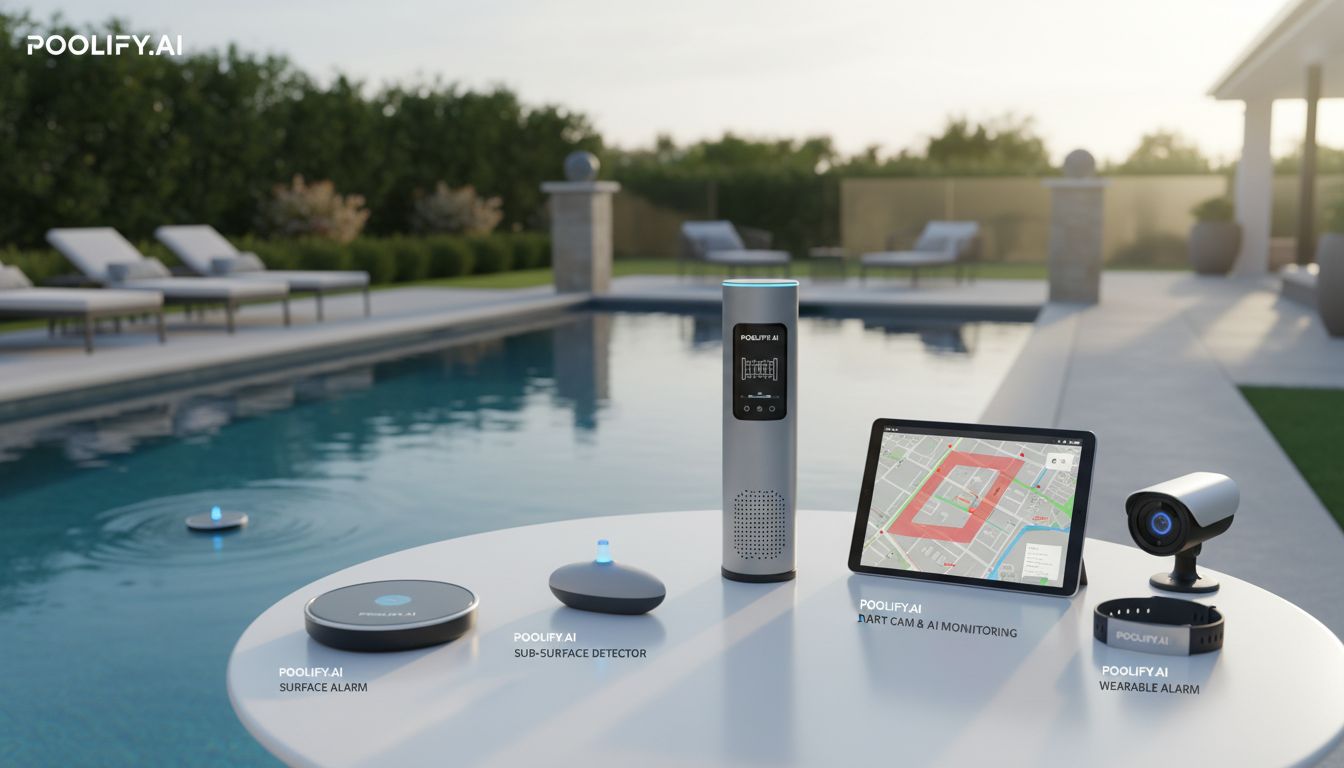
The market for pool alarm systems has expanded considerably, offering homeowners numerous options tailored to different pool types and safety needs. Understanding the distinctions between pool alarm systems helps you select the most effective solution for your specific situation.
Surface Wave Detection Pool Alarm Systems
Surface wave pool alarm systems float on the water and detect disturbances caused by someone falling in or entering the pool. These pool alarm systems are highly sensitive to wave patterns that differ from normal environmental conditions like wind or rain. They’re particularly effective for in-ground and above-ground pools, offering reliable detection without requiring extensive installation. Quality surface wave pool alarm systems can distinguish between a child entering the water and false triggers like leaves or toys.
Subsurface Pressure Pool Alarm Systems
Subsurface pool alarm systems mount beneath the water surface and measure pressure changes when objects enter the pool. These pool alarm systems are less susceptible to weather-related false alarms and provide consistent monitoring. Installation requires professional assistance in most cases, but subsurface pool alarm systems offer superior accuracy compared to surface models. They work exceptionally well for pools with water features or frequent wind exposure that might trigger surface-based systems.
Perimeter and Gate Pool Alarm Systems
Perimeter pool alarm systems create an invisible barrier around your pool area using infrared beams or motion sensors. When someone crosses this boundary, the pool alarm systems activate immediately. Gate alarms represent a subset of perimeter systems, specifically monitoring entry points to fenced pool areas. These pool alarm systems provide the earliest warning possible, alerting you before anyone reaches the water. They’re excellent complements to water-based pool alarm systems, creating multiple protective layers.
Wearable Pool Alarm Systems
Wearable pool alarm systems include devices children wear as wristbands or clips that trigger alerts if submerged. While not traditional pool alarm systems, they add personalized protection for specific individuals. These pool alarm systems work best as supplementary safety measures rather than primary protection, since they require the child to wear the device consistently. Modern wearable pool alarm systems offer improved water resistance and battery life compared to earlier generations.
Key Features to Look for in Pool Alarm Systems
Selecting the right pool alarm systems requires evaluating several critical features that determine effectiveness and reliability. Not all pool alarm systems offer the same capabilities, and understanding these differences ensures you invest in appropriate protection.
Sensitivity and Accuracy
The best pool alarm systems balance sensitivity with accuracy, detecting genuine threats while minimizing false alarms. Pool alarm systems that trigger constantly due to wind, rain, or pool equipment create alarm fatigue, leading homeowners to disable them. Look for pool alarm systems with adjustable sensitivity settings that you can calibrate to your specific environment. Quality pool alarm systems should detect a child weighing as little as 15-18 pounds entering the water.
Alert Methods and Volume
Effective pool alarm systems provide multiple alert methods, including loud sirens, smartphone notifications, and visual indicators. The alarm volume on pool alarm systems should reach at least 85 decibels to ensure you hear it from inside your home. Some advanced pool alarm systems integrate with home automation systems, triggering lights or other alerts throughout your property. Consider pool alarm systems that offer customizable alert preferences based on time of day or household schedules.
Power Source and Battery Life
Pool alarm systems operate on batteries, hardwired electrical connections, or solar power. Battery-powered pool alarm systems offer installation flexibility but require regular battery replacement. The best battery-operated pool alarm systems provide low-battery warnings well in advance of failure. Hardwired pool alarm systems eliminate battery concerns but require professional electrical work. Solar pool alarm systems offer an eco-friendly middle ground with minimal maintenance requirements.
Weather Resistance and Durability
Pool alarm systems must withstand constant exposure to water, chemicals, UV radiation, and temperature extremes. Quality pool alarm systems feature weatherproof housings rated for outdoor use year-round. Check that pool alarm systems carry appropriate IP ratings for water resistance, particularly for surface-mounted models. Durable pool alarm systems should last five to ten years with proper maintenance, making them worthwhile long-term investments.
Installation Requirements for Pool Alarm Systems
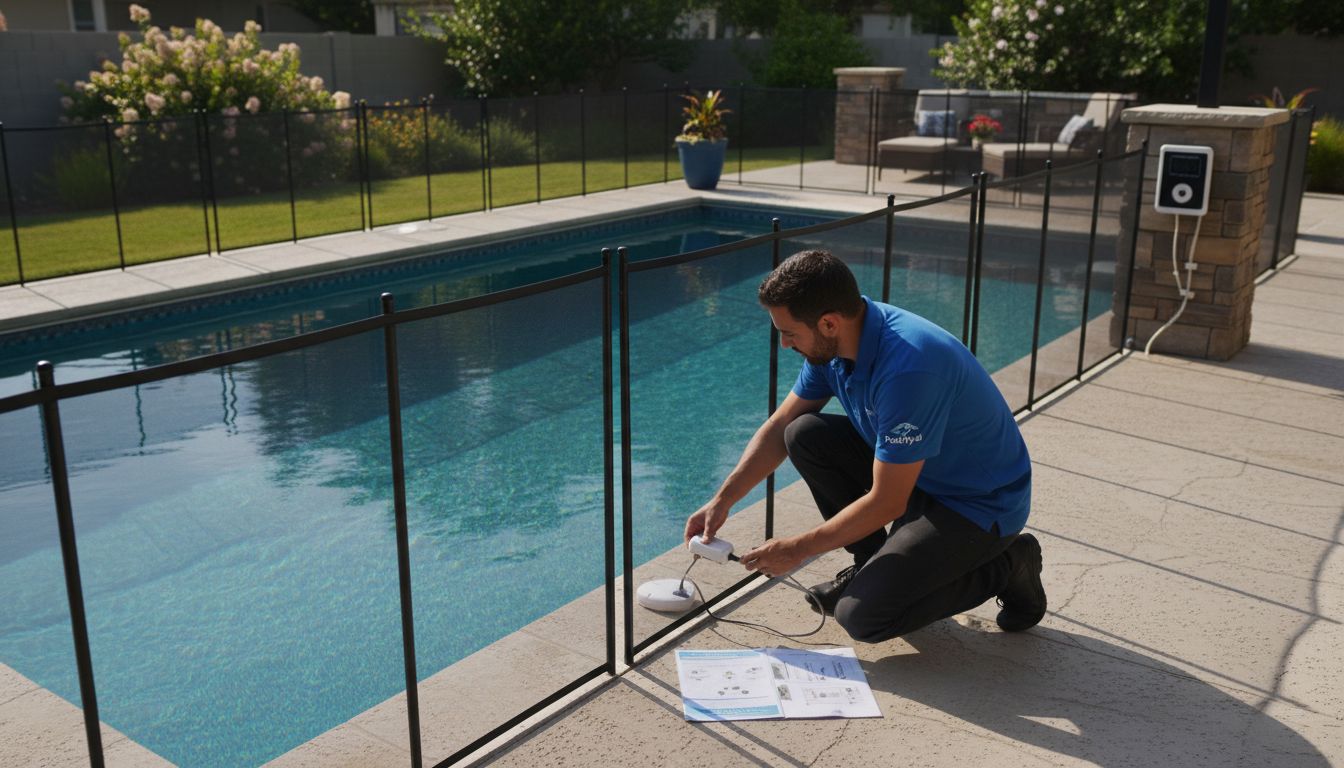
Proper installation determines whether pool alarm systems function as intended. While some pool alarm systems offer simple DIY setup, others require professional installation to ensure optimal performance and code compliance.
Surface wave pool alarm systems typically require minimal installation—simply place them in the pool according to manufacturer specifications. However, positioning matters significantly for these pool alarm systems. They should float in areas with good water circulation but away from return jets that might cause false alarms. Most surface pool alarm systems need removal during swimming and replacement afterward, which requires consistent user compliance.
Subsurface pool alarm systems demand more complex installation, often requiring drilling into pool walls or decks. Professional installation ensures these pool alarm systems are positioned correctly and sealed properly to prevent leaks. The investment in professional installation for subsurface pool alarm systems pays dividends through improved accuracy and longevity.
Perimeter pool alarm systems require careful planning to cover all access points without creating gaps in coverage. Installing these pool alarm systems involves mounting sensors at appropriate heights and angles, ensuring nothing obstructs the detection beams. Gate pool alarm systems need secure mounting that prevents tampering while allowing normal gate operation. Many municipalities have specific requirements for pool alarm systems as part of barrier regulations, so verify local codes before installation.
For comprehensive guidance on pool safety equipment installation, explore our complete pool safety equipment guide for additional insights.
Cost Considerations for Pool Alarm Systems
Understanding the financial investment required for pool alarm systems helps you budget appropriately and select options that deliver the best value. Pool alarm systems range significantly in price based on technology, features, and installation requirements.
Basic surface wave pool alarm systems start around $100-$200, offering affordable entry-level protection. Mid-range pool alarm systems with enhanced features and better accuracy typically cost $200-$400. Premium pool alarm systems with smartphone integration, multiple sensors, and advanced detection capabilities range from $400-$800 or more. These prices reflect the devices themselves, not including installation costs for systems requiring professional setup.
Professional installation for complex pool alarm systems adds $150-$500 depending on system type and your location. Subsurface pool alarm systems generally incur higher installation costs due to the technical expertise required. Perimeter pool alarm systems with multiple sensors may also require professional installation to ensure proper coverage and calibration.
Ongoing costs for pool alarm systems include battery replacements, typically ranging from $10-$30 annually for battery-powered models. Some pool alarm systems require periodic recalibration or sensor replacement, adding to long-term expenses. However, these costs pale in comparison to the value of preventing a single drowning incident. Many insurance companies offer premium discounts for homes with certified pool alarm systems, potentially offsetting purchase and maintenance costs over time.
When budgeting for pool alarm systems, consider investing in multiple types for layered protection. Combining gate alarms with water-based pool alarm systems provides redundant safety measures that significantly enhance overall security. For more information on pool-related expenses, check our pool maintenance costs breakdown to understand comprehensive ownership expenses.
Legal Requirements and Compliance for Pool Alarm Systems
Many jurisdictions have enacted laws requiring pool alarm systems as part of comprehensive pool safety regulations. Understanding these requirements ensures your pool alarm systems meet legal standards while providing maximum protection.
The Virginia Graeme Baker Pool and Spa Safety Act established federal standards for pool safety, though specific pool alarm system requirements vary by state and municipality. Some states mandate pool alarm systems for all residential pools, while others require them only for new construction or when homes with pools are sold. California, Connecticut, and New York have particularly stringent requirements regarding pool alarm systems and barrier protection.
Local building codes often specify technical standards that pool alarm systems must meet, including detection sensitivity, alarm volume, and reset mechanisms. Compliant pool alarm systems typically need UL certification or equivalent third-party testing verification. When purchasing pool alarm systems, verify they meet ASTM F2208 standards for surface wave detection or applicable standards for other alarm types.
Homeowners associations may impose additional requirements beyond municipal codes, sometimes mandating specific types of pool alarm systems or multiple safety layers. Before installing pool alarm systems, review your HOA covenants and local ordinances to ensure full compliance. Non-compliant pool alarm systems may result in fines, insurance complications, or liability issues in the event of an accident.
Maintenance and Testing of Pool Alarm Systems
Regular maintenance ensures pool alarm systems remain functional and reliable over their lifespan. Even the best pool alarm systems fail to protect if not properly maintained and tested.
Weekly testing should be standard practice for all pool alarm systems. Most manufacturers recommend testing pool alarm systems by creating the type of disturbance they’re designed to detect—dropping a weight into the pool for surface wave systems or walking through perimeter beams. Document these tests to establish a maintenance record that demonstrates due diligence in maintaining your pool alarm systems.
Monthly maintenance for pool alarm systems includes cleaning sensors, checking battery levels, and inspecting physical components for damage or wear. Surface wave pool alarm systems need cleaning to remove algae, sunscreen residue, and mineral deposits that might interfere with sensors. Perimeter pool alarm systems require checking alignment and clearing any vegetation or objects that might obstruct detection beams.
Seasonal maintenance becomes important for pool alarm systems in climates with winter pool closures. Some pool alarm systems should be removed and stored indoors during freezing weather, while others can remain in place with appropriate winterization. Follow manufacturer guidelines for seasonal care of your specific pool alarm systems to prevent cold-weather damage.
Battery replacement schedules vary among pool alarm systems, but most require annual battery changes even if the low-battery indicator hasn’t activated. Using fresh, high-quality batteries ensures pool alarm systems maintain full functionality. Some advanced pool alarm systems send smartphone alerts when batteries need replacement, eliminating guesswork from maintenance schedules.
Common Problems with Pool Alarm Systems and Solutions
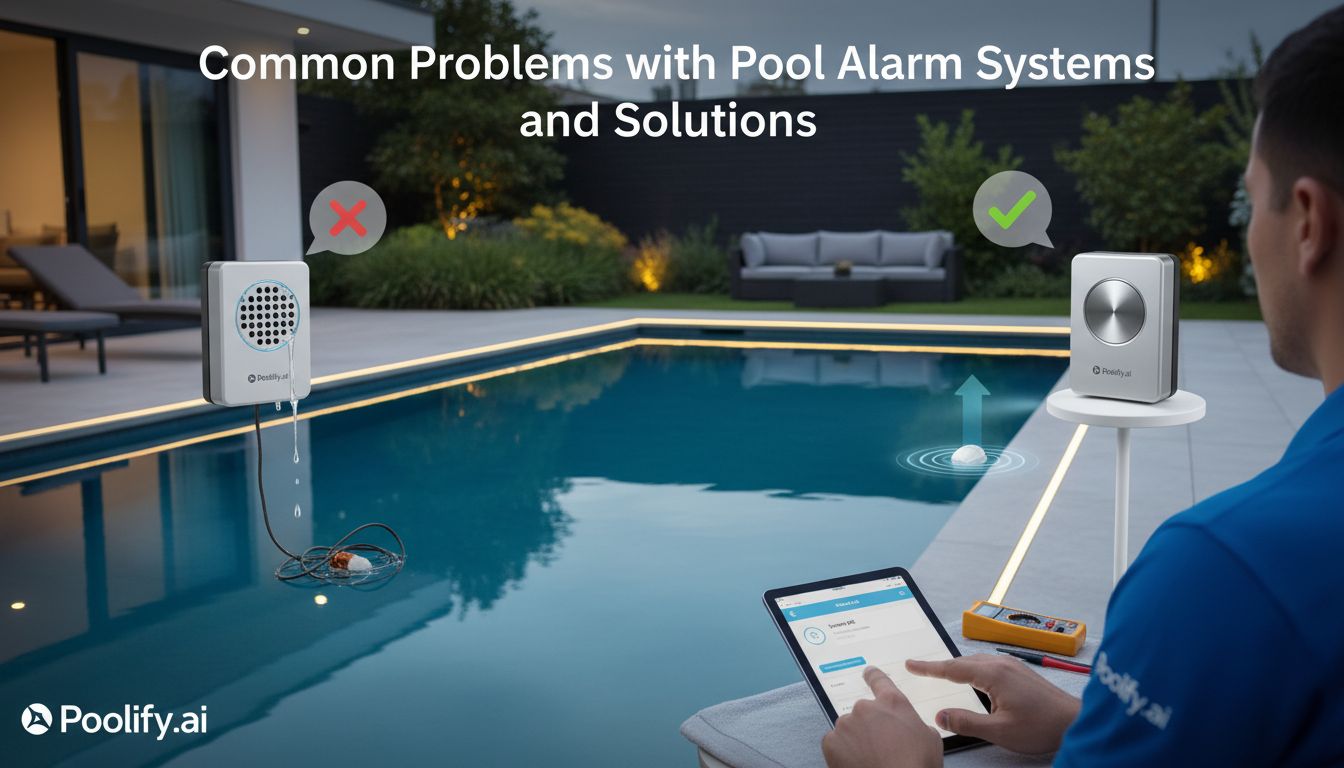
Understanding typical issues that affect pool alarm systems helps you troubleshoot problems quickly and maintain consistent protection. Even quality pool alarm systems occasionally experience difficulties that require attention.
False Alarms
False alarms represent the most common complaint about pool alarm systems. Wind, heavy rain, pool equipment, and even large debris can trigger sensitive pool alarm systems. Adjusting sensitivity settings often resolves this issue, though finding the right balance requires patience. Some pool alarm systems offer “storm mode” settings that reduce sensitivity during severe weather while maintaining basic protection. If false alarms persist despite adjustments, your pool alarm systems may be positioned incorrectly or require recalibration.
Delayed Detection
Pool alarm systems that activate slowly or inconsistently may have sensor problems, low batteries, or calibration issues. Surface wave pool alarm systems sometimes develop sensor fouling from pool chemicals or organic matter, reducing sensitivity. Cleaning sensors and replacing batteries often restores proper function. If pool alarm systems continue showing delayed response after maintenance, they may need professional servicing or replacement.
Connectivity Issues
Smart pool alarm systems with smartphone integration sometimes experience connectivity problems due to Wi-Fi signal strength, app updates, or router changes. Ensuring your pool alarm systems maintain strong wireless signals prevents notification failures. Some pool alarm systems offer both local alarms and smartphone alerts, providing redundancy if connectivity fails. Regularly updating apps and firmware keeps smart pool alarm systems functioning optimally.
Physical Damage
Pool alarm systems endure harsh outdoor conditions that can cause physical deterioration. UV exposure, chemical splashes, and temperature extremes gradually degrade components. Inspecting pool alarm systems regularly for cracks, corrosion, or loose connections helps identify problems before they cause failures. Quality pool alarm systems include weatherproof housings that extend lifespan, but even the best systems eventually require replacement.
Integrating Pool Alarm Systems with Other Safety Measures
Pool alarm systems work most effectively as part of comprehensive safety strategies rather than standalone solutions. Layering multiple protective measures creates redundancy that significantly reduces drowning risk.
Physical barriers remain the primary defense against pool accidents, with pool alarm systems serving as critical backup protection. Four-sided fencing with self-closing, self-latching gates prevents unsupervised pool access, while pool alarm systems alert you if barriers are breached. Combining perimeter pool alarm systems with gate alarms creates two detection points before anyone reaches the water.
Pool covers provide additional protection when pools aren’t in use, though they shouldn’t replace pool alarm systems. Automatic safety covers that support weight prevent accidental falls into the water, while pool alarm systems monitor for any cover removal or failure. Some advanced pool alarm systems integrate with automatic covers, triggering alerts when covers are opened unexpectedly.
Supervision remains the most important safety factor, with pool alarm systems supporting rather than replacing attentive adult oversight. Designating a “water watcher” during pool activities and maintaining constant visual contact with swimmers prevents most accidents. Pool alarm systems provide crucial protection during momentary lapses in supervision or when adults don’t realize a child has accessed the pool area.
Swimming lessons and water safety education complement technological solutions like pool alarm systems. Children who understand water dangers and possess basic swimming skills have better chances of surviving accidental pool entry. However, even strong swimmers benefit from the protection pool alarm systems provide, as accidents can happen to anyone.
Frequently Asked Questions About Pool Alarm Systems
Do pool alarm systems work with all pool types?
Most pool alarm systems work with both in-ground and above-ground pools, though specific models may have limitations. Surface wave pool alarm systems function in virtually any pool, while subsurface pool alarm systems may require modifications for above-ground installations. Perimeter pool alarm systems work regardless of pool type, since they monitor the surrounding area rather than the water itself. When selecting pool alarm systems, verify compatibility with your specific pool configuration and consult manufacturers about any unique installation requirements.
Can pool alarm systems prevent all drowning accidents?
Pool alarm systems significantly reduce drowning risk but cannot guarantee complete prevention. They provide critical early warning that allows rapid response to potential emergencies. However, pool alarm systems depend on proper installation, regular maintenance, and appropriate response to alerts. The most effective approach combines pool alarm systems with barriers, supervision, and swimming education. According to research, layered protection including pool alarm systems reduces drowning incidents by up to 80% compared to pools without safety measures.
How often should I replace pool alarm systems?
Quality pool alarm systems typically last five to ten years with proper maintenance, though manufacturer recommendations vary. Replace pool alarm systems immediately if they fail testing, show physical damage, or no longer meet current safety standards. Technology improvements may warrant earlier replacement even if older pool alarm systems still function. Upgrading to newer pool alarm systems with enhanced features like smartphone connectivity and improved detection algorithms provides better protection and convenience.
Will pool alarm systems work during power outages?
Battery-powered pool alarm systems continue functioning during electrical outages, making them advantageous for areas with unreliable power. Hardwired pool alarm systems may include battery backup that maintains operation when power fails, though backup duration varies by model. Solar pool alarm systems generally continue working unless extended cloudy weather depletes stored power. When comparing pool alarm systems, consider backup power capabilities, especially if your area experiences frequent outages.
Can I install pool alarm systems myself or do I need professionals?
Installation requirements for pool alarm systems vary by type and complexity. Surface wave and basic gate pool alarm systems often allow DIY installation following manufacturer instructions. Subsurface pool alarm systems and comprehensive perimeter systems typically require professional installation to ensure proper function and code compliance. Even with DIY-friendly pool alarm systems, professional installation guarantees optimal placement and calibration. If local codes mandate specific pool alarm system standards, professional installation may be legally required.
Key Takeaways About Pool Alarm Systems
- Pool alarm systems provide essential early warning for unauthorized pool access, giving homeowners critical seconds to respond to potential drowning emergencies and serving as vital backup to physical barriers and supervision.
- Multiple types of pool alarm systems exist, including surface wave detectors, subsurface pressure sensors, perimeter alarms, and gate monitors, each offering distinct advantages depending on pool configuration and specific safety needs.
- Effective pool alarm systems balance sensitivity with accuracy, provide loud alerts of at least 85 decibels, offer reliable power sources, and withstand harsh outdoor conditions while minimizing false alarms that lead to user complacency.
- Regular maintenance and weekly testing ensure pool alarm systems remain functional, including cleaning sensors, replacing batteries annually, checking alignment, and documenting tests to establish proper safety diligence.
- Pool alarm systems work best as part of layered protection strategies that include four-sided fencing, self-closing gates, safety covers, constant supervision, and swimming education rather than as standalone safety solutions.
See Your Dream Pool in Your Actual Backyard
Upload a photo and get an AI-designed pool visualization in 10 seconds. 3 free designs, no login required.
Try Poolify Free →Conclusion: Protecting Your Family with Pool Alarm Systems
Investing in quality pool alarm systems represents one of the most important decisions pool owners make regarding family safety. While no single safety measure guarantees complete protection, pool alarm systems provide crucial early warning that can mean the difference between a close call and a tragedy. The variety of pool alarm systems available in 2026 ensures you can find options that match your pool type, budget, and specific safety requirements.
Selecting appropriate pool alarm systems requires evaluating detection methods, features, installation requirements, and ongoing maintenance needs. Whether you choose surface wave pool alarm systems for their simplicity, subsurface models for accuracy, or perimeter systems for early detection, consistent use and maintenance determine effectiveness. Remember that pool alarm systems complement rather than replace supervision, barriers, and water safety education.
As technology continues advancing, pool alarm systems become increasingly sophisticated, offering improved detection accuracy, smartphone integration, and reduced false alarms. Staying informed about the latest developments in pool alarm systems helps you maintain optimal protection as your family’s needs evolve. The peace of mind that properly installed and maintained pool alarm systems provide makes them invaluable investments in your family’s safety and well-being.
References
Consumer Product Safety Commission. (2026). Pool Safely Campaign. Retrieved from https://www.cpsc.gov/Safety-Education/Safety-Education-Centers/Pool-Safely
ASTM International. (2026). ASTM F2208 Standard Safety Specification for Residential Pool Alarms.
Virginia Graeme Baker Pool and Spa Safety Act. (2007). Public Law 110-140.
