Introduction to Your Essential Pool Pump Guide
Your pool pump serves as the heart of your swimming pool’s circulation system, yet many homeowners struggle to understand how to select, operate, and maintain this critical equipment. This comprehensive pool pump guide provides everything you need to know in 2026 about choosing the right pump, maximizing efficiency, reducing energy costs, and ensuring your pool water stays crystal clear throughout the swimming season. Whether you’re installing a new pool, replacing an aging pump, or simply want to optimize your current system, this pool pump guide delivers actionable insights that save you time and money.
Understanding Pool Pump Basics: How Your System Works
Before diving into specific pump types and selection criteria, this pool pump guide starts with fundamental concepts. Your pool pump creates suction that pulls water from the pool through the skimmer and main drain. The water then flows through the pump basket, which catches large debris, before moving through the impeller—a spinning component that generates the pressure needed to push water through your filtration system.
After passing through the filter, the cleaned water returns to your pool through the return jets. This continuous circulation prevents stagnant water, distributes chemicals evenly, and keeps your pool sanitary. The CDC recommends proper circulation as essential for maintaining safe swimming conditions and preventing waterborne illness.
Understanding this flow pattern helps you appreciate why pump selection matters so significantly. An undersized pump won’t circulate water adequately, leading to cloudy water and algae growth. An oversized pump wastes energy and can damage your plumbing system through excessive pressure. This pool pump guide helps you find the perfect balance for your specific pool configuration.
Types of Pool Pumps: Comparing Your Options in 2026
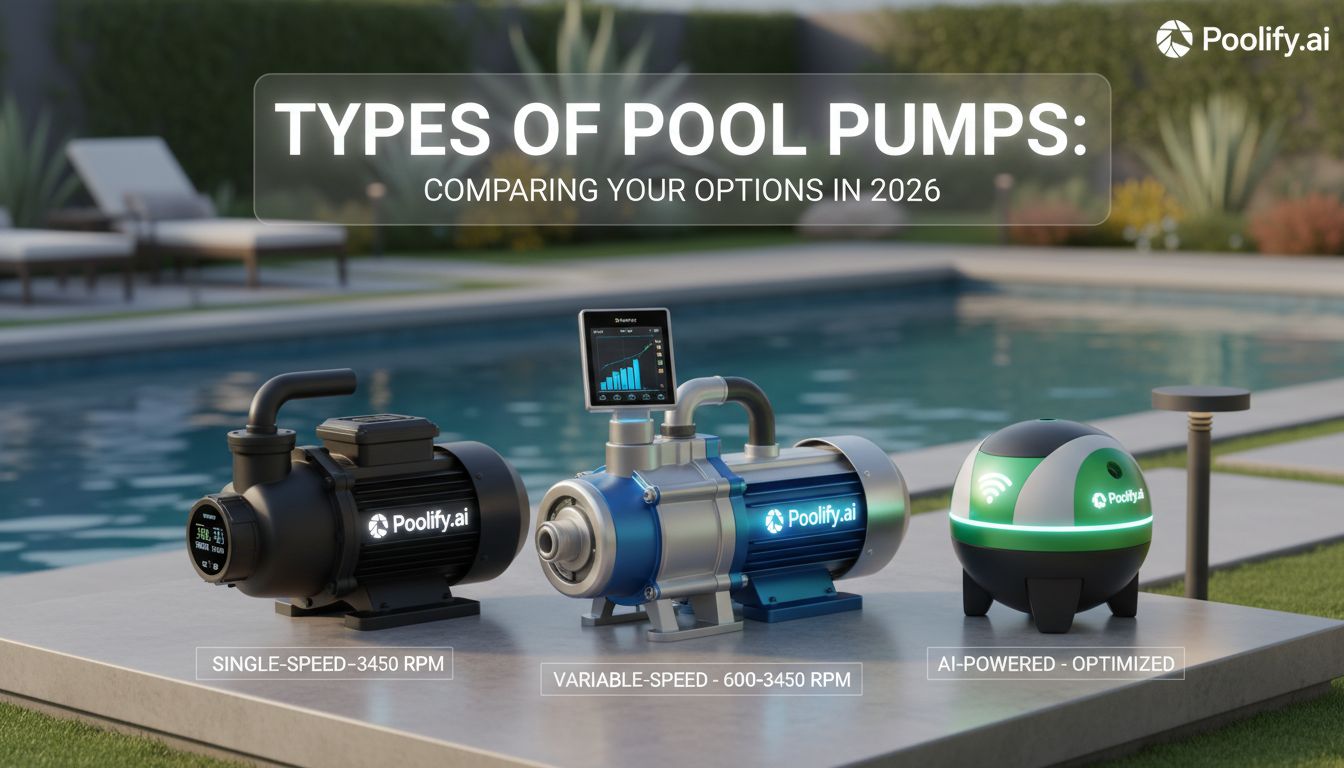
Modern pool pump technology has evolved considerably, and this pool pump guide breaks down the three main categories available to homeowners today. Each type offers distinct advantages depending on your priorities, budget, and pool characteristics.
Single-Speed Pool Pumps
Single-speed pumps represent the traditional technology that dominated the market for decades. These pumps operate at one constant speed—typically 3,450 revolutions per minute. While they’re the most affordable option upfront, ranging from $200 to $500, they consume significant electricity because they run at full power whenever operating. This pool pump guide notes that many regions have phased out single-speed pumps due to energy efficiency regulations, making them increasingly difficult to find in 2026.
Two-Speed and Multi-Speed Pumps
Two-speed pumps offer a high-speed setting for tasks requiring maximum circulation like vacuuming or running water features, plus a low-speed setting for regular filtration. Operating on low speed can reduce energy consumption by 50-70% compared to single-speed models. Multi-speed pumps provide additional speed options, typically three or four settings. These pumps cost between $400 and $800, and this pool pump guide recommends them as a middle-ground option for budget-conscious homeowners seeking improved efficiency.
Variable-Speed Pool Pumps
Variable-speed pumps represent the current gold standard in pool pump technology. Using permanent magnet motors similar to electric vehicles, these pumps allow you to dial in any speed from very low to maximum output. This pool pump guide emphasizes that variable-speed pumps can reduce energy costs by 70-90% compared to single-speed models, often paying for themselves within two to three years through utility savings.
Variable-speed pumps cost between $800 and $2,000 initially, but many utility companies offer rebates that offset this investment. They run quieter, last longer due to reduced wear, and many models include digital controls with programmable timers. According to Department of Energy research, variable-speed pumps qualify for ENERGY STAR certification and represent the most environmentally responsible choice available in 2026.


Sizing Your Pool Pump: The Critical Calculations
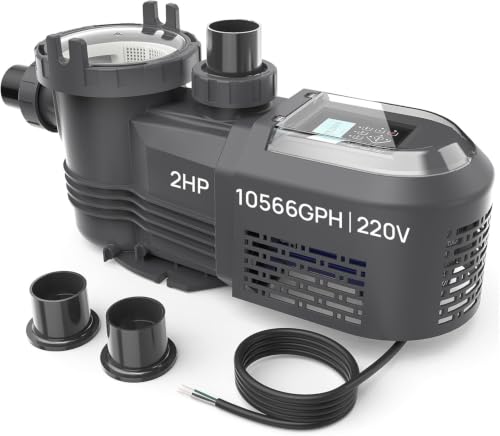
Proper pump sizing determines whether your pool maintains optimal water quality, and this pool pump guide walks you through the essential calculations. The key metric is your pool’s turnover rate—the time required to circulate the entire volume of water through your filtration system.
Calculating Pool Volume
First, determine your pool’s volume in gallons. For rectangular pools, multiply length times width times average depth times 7.5. Oval pools require multiplying length times width times average depth times 5.9. Kidney-shaped or freeform pools need more complex calculations, but most pool professionals can provide accurate measurements. This pool pump guide recommends aiming for a complete turnover every eight hours, which means your pump should circulate the entire pool volume three times daily.
Determining Flow Rate Requirements
Divide your pool volume by eight hours, then divide by 60 to convert to gallons per minute (GPM). For example, a 20,000-gallon pool requires 2,500 gallons per hour, or approximately 42 GPM. This pool pump guide advises adding 10-15% capacity to account for resistance from your plumbing, filter, and any water features. Your target pump should deliver this flow rate at the specific total dynamic head (TDH) of your system.
Understanding Total Dynamic Head
TDH measures the resistance your pump must overcome, combining elevation changes, pipe friction, and equipment resistance. This pool pump guide explains that longer pipe runs, smaller diameter pipes, multiple elbows, and restrictive filters all increase TDH. Most residential pools operate between 25 and 50 feet of TDH. Pump manufacturers provide performance curves showing GPM output at various TDH levels—select a pump that delivers your required flow rate at your system’s specific TDH.
Installation Considerations: Setting Up Your Pool Pump for Success
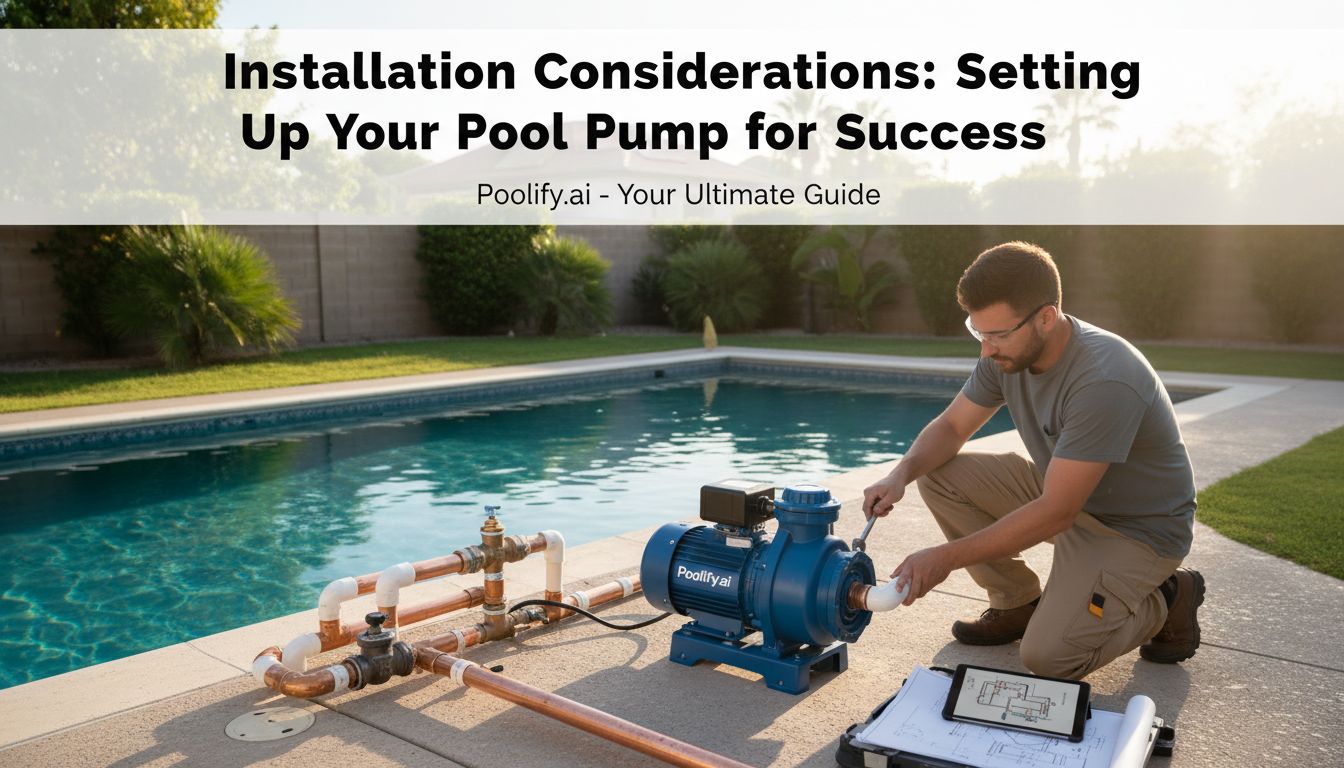
Proper installation maximizes pump performance and longevity, making this section of the pool pump guide particularly valuable for DIY enthusiasts and those overseeing professional installations. Location selection impacts everything from efficiency to maintenance accessibility.
Optimal Pump Placement
Position your pump as close to the pool as practical to minimize friction loss, ideally within 10-20 feet. The pump should sit below water level when possible to maintain prime, though self-priming pumps can operate above water level. This pool pump guide recommends placing pumps in covered, ventilated areas that protect equipment from weather while allowing adequate airflow to prevent overheating.
Electrical Requirements and Safety
Most pool pumps require dedicated 230-volt circuits with Ground Fault Circuit Interrupter (GFCI) protection. Electrical installation must comply with National Electrical Code requirements and local regulations. This pool pump guide strongly advises hiring licensed electricians for all electrical work, as improper wiring creates serious safety hazards. Ensure your electrical panel has adequate capacity for the pump’s amperage requirements, typically 15-30 amps depending on motor size.
Plumbing Connections
Use appropriately sized PVC pipe—typically 1.5 to 2 inches for residential pools—and minimize elbows and fittings that restrict flow. This pool pump guide emphasizes proper union installation on both sides of the pump, allowing easy removal for maintenance without cutting pipes. Apply primer and cement correctly to prevent leaks, and pressure-test all connections before backfilling any buried plumbing.
Energy Efficiency Strategies: Reducing Operating Costs
Pool pumps historically ranked among the largest energy consumers in homes with swimming pools, but this pool pump guide reveals how modern technology and smart practices dramatically reduce costs. Implementing these strategies can cut your pool-related electricity expenses by hundreds of dollars annually.
Optimizing Run Times
Many homeowners run pumps far longer than necessary. This pool pump guide recommends starting with eight hours daily for complete turnover, then adjusting based on water clarity and usage patterns. Variable-speed pumps can run longer at lower speeds, providing superior filtration while consuming less energy than shorter runs at high speed. Program pumps to run during off-peak hours when electricity rates are lowest, typically overnight or early morning.
Right-Sizing Your System
Oversized pumps waste tremendous energy. This pool pump guide has shown that a properly sized variable-speed pump running at optimal speed consumes 75-90% less electricity than an oversized single-speed pump. If replacing an old pump, recalculate your actual requirements rather than simply matching the existing pump’s horsepower. Many older installations used significantly oversized equipment.
Maintenance for Efficiency
Clean pump baskets weekly and backwash or clean filters regularly. Clogged baskets and dirty filters force pumps to work harder, increasing energy consumption. This pool pump guide notes that maintaining proper water chemistry prevents scale buildup inside pump housings and impellers, which reduces efficiency over time. Check for air leaks in suction-side plumbing, as even small leaks force pumps to work harder to maintain flow.
Maintenance and Troubleshooting: Keeping Your Pump Running Smoothly
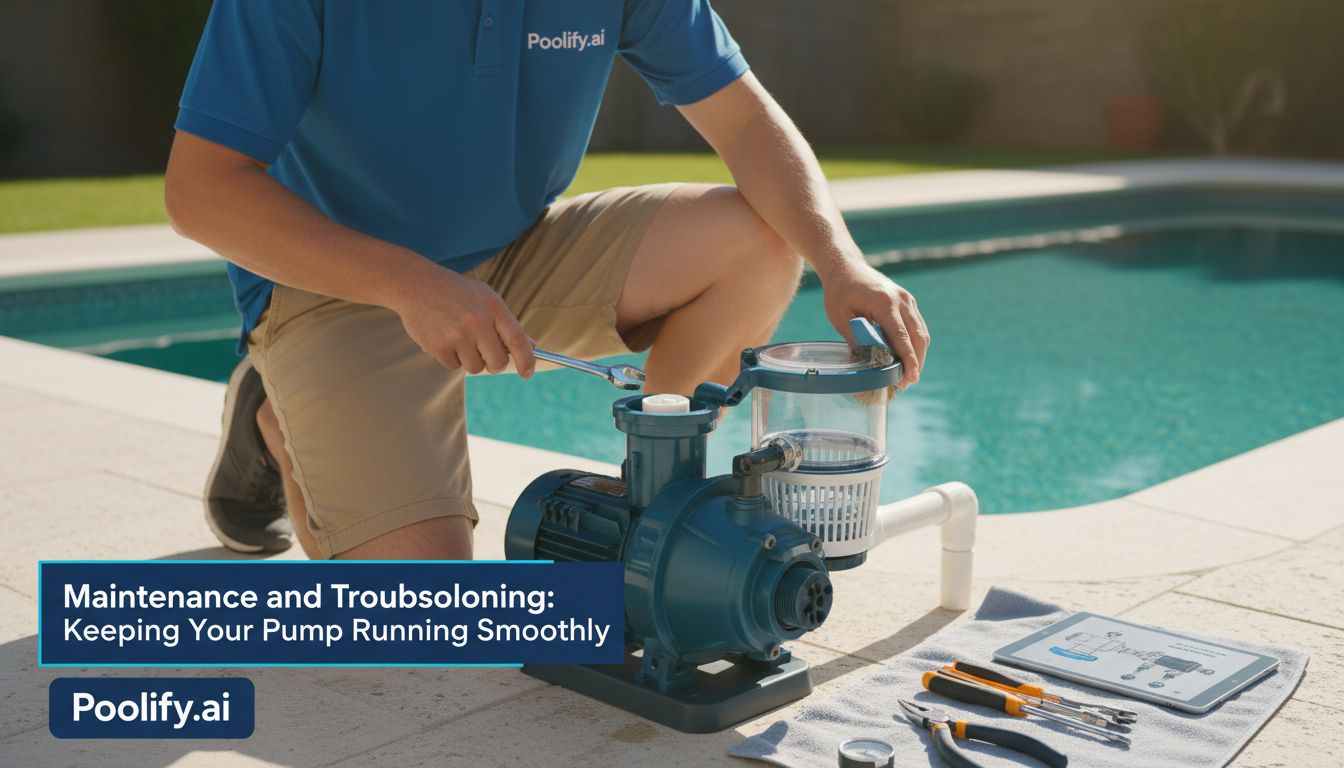
Regular maintenance prevents costly repairs and extends pump lifespan, making this section of the pool pump guide essential reading for all pool owners. Most maintenance tasks require minimal time and no special tools, yet they significantly impact pump performance and longevity.
Weekly Maintenance Tasks
Empty the pump basket at least weekly during swimming season, more frequently if your pool area has many trees. This pool pump guide recommends inspecting the basket for cracks or damage while cleaning it. Check the water level in your pool—if it drops below the skimmer opening, the pump can lose prime and run dry, potentially causing severe damage. Listen for unusual noises that might indicate bearing problems or debris in the impeller.
Monthly Maintenance Checklist
Inspect the pump housing for leaks, cracks, or corrosion. Check all unions and connections for proper sealing. This pool pump guide suggests examining the motor shaft seal for drips or moisture, as seal failure represents one of the most common pump problems. Verify that the pump is receiving proper voltage using a multimeter—low voltage can cause motors to overheat and fail prematurely.
Common Problems and Solutions
If your pump won’t prime, this pool pump guide identifies several potential causes: air leaks in suction plumbing, clogged impeller, low water level, or a failed pump basket o-ring. For pumps that run but produce weak flow, check for clogged baskets, dirty filters, closed valves, or air in the system. Loud grinding noises typically indicate failed bearings, requiring motor replacement. Frequent circuit breaker trips suggest electrical problems, capacitor failure, or a seized motor.
When to Call Professionals
While this pool pump guide empowers you to handle basic maintenance, some situations require professional expertise. Motor replacements, electrical troubleshooting, and major leak repairs typically exceed DIY capabilities. If you’ve checked obvious issues but problems persist, professional pool technicians have specialized diagnostic tools and experience that quickly identify root causes.
Cost Analysis: Budgeting for Pool Pump Ownership
Understanding total ownership costs helps you make informed decisions, and this pool pump guide breaks down both initial and ongoing expenses. The cheapest upfront option rarely proves most economical over time, especially when considering energy consumption.
Purchase and Installation Costs
Budget $200-$500 for single-speed pumps, $400-$800 for two-speed models, and $800-$2,000 for variable-speed pumps in 2026. Professional installation adds $200-$500 depending on complexity and local labor rates. This pool pump guide notes that DIY installation is feasible for mechanically inclined homeowners replacing existing pumps, but new installations typically require professional plumbing and electrical work.
Operating Costs
Energy consumption dominates ongoing expenses. A typical 1.5 horsepower single-speed pump running eight hours daily costs $400-$800 annually in electricity at average U.S. rates. A comparable variable-speed pump costs $100-$200 annually, saving $300-$600 per year. Over a typical 10-year pump lifespan, this pool pump guide calculates that variable-speed pumps save $3,000-$6,000 despite higher initial costs.
Maintenance and Repair Costs
Budget $50-$100 annually for routine maintenance supplies like o-rings, gaskets, and lubricants. Motor seal replacement costs $100-$200 including parts and labor. Complete motor replacement runs $300-$600. This pool pump guide emphasizes that proper maintenance significantly reduces repair frequency, making prevention far more cost-effective than reactive repairs.
Advanced Features and Smart Technology in 2026
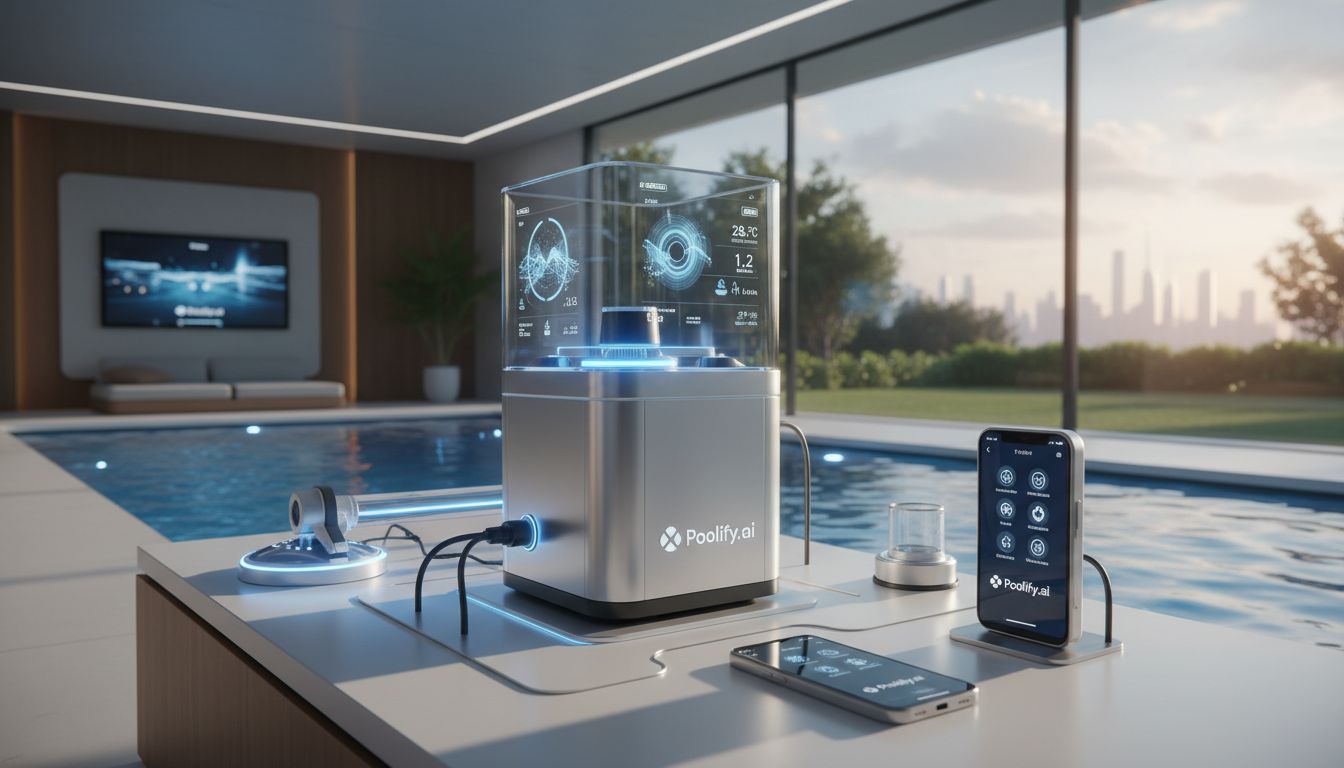
Modern pool pumps incorporate sophisticated technology that enhances convenience and efficiency. This pool pump guide explores features worth considering when selecting your next pump, particularly if you value automation and remote control capabilities.
Digital Controls and Programming
Many variable-speed pumps include digital interfaces allowing precise speed adjustment and complex programming. Set different speeds for different times of day—low speed overnight for basic circulation, medium speed during swimming hours, and high speed for periodic cleaning cycles. This pool pump guide highlights that proper programming maximizes energy savings while ensuring adequate water quality.
Smart Pool Integration
Premium pumps integrate with smart pool systems, enabling control via smartphone apps. Monitor pump status, adjust speeds, and receive alerts about problems from anywhere. Some systems use weather data to automatically adjust run times—reducing circulation during cool weather when algae growth slows, or increasing it during heat waves. This pool pump guide suggests that while these features add cost, they provide genuine convenience for tech-savvy pool owners.
Flow Sensors and Automation
Advanced systems include flow sensors that detect restrictions and adjust pump speed automatically to maintain target flow rates. Some models integrate with automated chemical systems, adjusting circulation based on chemical demand. This pool pump guide notes these features primarily benefit larger or commercial pools, but they’re increasingly available for residential applications.
Environmental Considerations and Sustainability
Pool ownership carries environmental responsibilities, and this pool pump guide addresses how your pump selection impacts your ecological footprint. Making sustainable choices doesn’t require sacrificing pool enjoyment or water quality.
Energy Consumption Impact
Traditional pool pumps consumed 3,000-5,000 kilowatt-hours annually, generating substantial carbon emissions depending on your electrical grid’s energy sources. Variable-speed pumps reduce this to 500-1,500 kWh annually, cutting your pool’s carbon footprint by 70-90%. This pool pump guide emphasizes that these reductions equal removing a car from the road for several months each year.
Solar Compatibility
Pool pumps represent excellent loads for solar power systems due to their daytime operation aligning with peak solar production. If you have or plan to install solar panels, this pool pump guide recommends programming pumps to run primarily during sunny hours when your panels generate maximum power. This approach minimizes grid electricity consumption and maximizes your solar investment’s value.
Water Conservation
While pumps don’t directly consume water, proper circulation reduces chemical usage and prevents algae blooms that require draining and refilling. Efficient pumps with adequate filtration maintain water quality longer, reducing the frequency of partial or complete water changes. This pool pump guide notes that in drought-prone regions, water conservation through proper equipment operation carries increasing importance.
Frequently Asked Questions About Pool Pumps
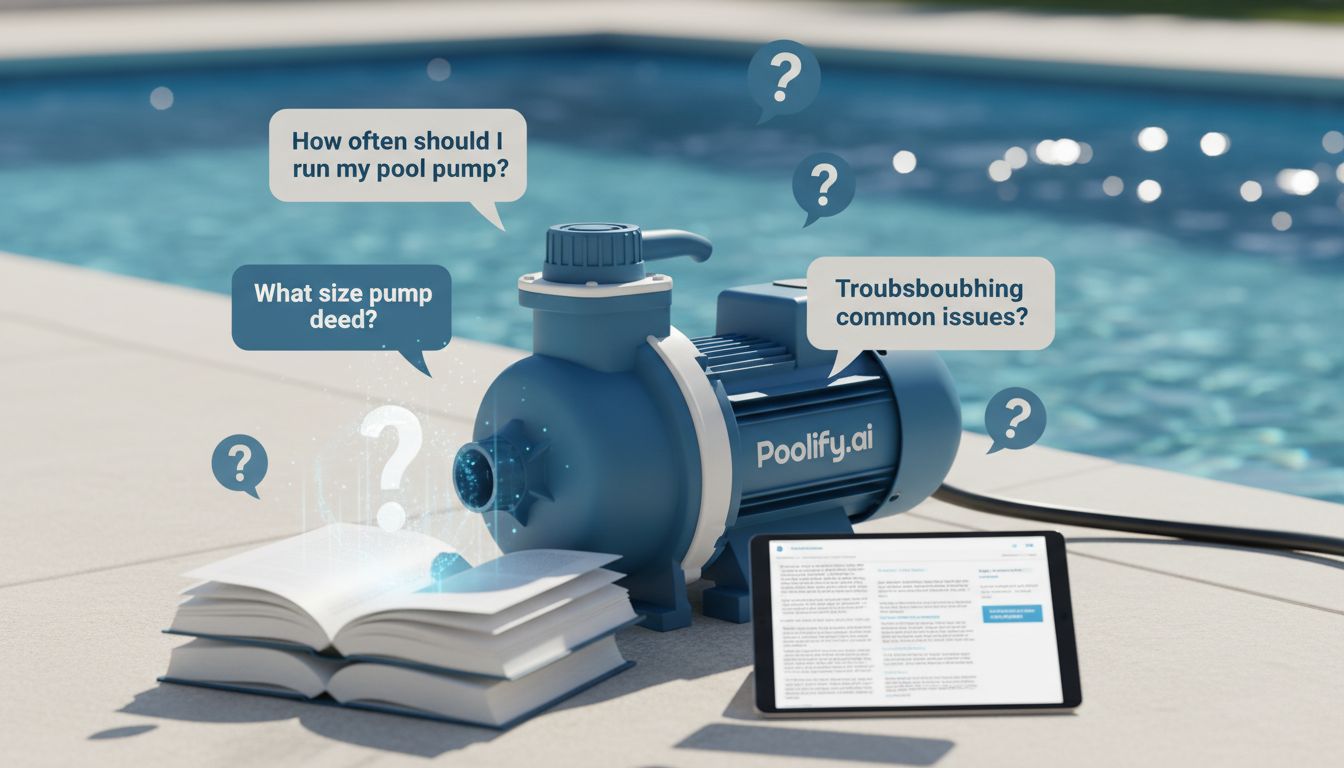
How long should a pool pump run each day?
This pool pump guide recommends running pumps long enough to turn over the entire pool volume at least once, typically 8-12 hours daily. Variable-speed pumps can run longer at lower speeds for superior filtration while using less energy than shorter high-speed runs. Adjust based on bather load, weather, and water clarity—increase run time during heavy use or hot weather, decrease during cooler periods with minimal use.
Can I replace my pool pump myself?
Replacing an existing pump with a similar model represents a manageable DIY project for mechanically inclined homeowners. This pool pump guide notes you’ll need to handle plumbing connections and ensure proper electrical hookup. However, upgrading to different pump types, relocating equipment, or any work involving electrical panel modifications should involve licensed professionals to ensure safety and code compliance.
Why is my pool pump making loud noises?
According to this pool pump guide, common causes include failed bearings, debris in the impeller, cavitation from restricted suction flow, or loose mounting hardware. Grinding or squealing typically indicates bearing failure requiring motor replacement. Rattling suggests loose parts or debris. High-pitched whining often signals cavitation—check for clogged baskets, closed valves, or air leaks in suction plumbing.
How much does it cost to run a pool pump?
Operating costs depend on pump type, motor size, run time, and local electricity rates. This pool pump guide estimates single-speed pumps cost $400-$800 annually, while variable-speed pumps cost $100-$200 annually at average U.S. electricity rates of $0.13 per kWh. Calculate your specific costs by multiplying your pump’s wattage by daily run hours, dividing by 1,000, then multiplying by your electricity rate and 365 days.
What size pool pump do I need?
This pool pump guide explains that proper sizing depends on pool volume, desired turnover rate, and total dynamic head. Calculate required flow rate by dividing pool volume by eight hours, then converting to gallons per minute. Select a pump that delivers this flow rate at your system’s TDH, typically 25-50 feet for residential pools. Avoid oversizing—bigger isn’t better and wastes energy while potentially damaging equipment.
Key Takeaways From This Pool Pump Guide
- Variable-speed pumps deliver the best value despite higher upfront costs, saving $300-$600 annually in energy costs while providing superior control and quieter operation than single-speed models.
- Proper sizing is critical for efficiency and performance—calculate your actual requirements based on pool volume and system resistance rather than simply matching existing equipment or assuming bigger is better.
- Regular maintenance prevents expensive repairs and extends pump lifespan—weekly basket cleaning, monthly inspections, and prompt attention to unusual noises or performance changes save money long-term.
- Strategic run times maximize savings by operating pumps during off-peak electricity hours and adjusting duration based on seasonal needs rather than running the same schedule year-round.
- Professional installation ensures safety and efficiency for new installations or major upgrades, while straightforward replacements often work as DIY projects for mechanically capable homeowners.
See Your Dream Pool in Your Actual Backyard
Upload a photo and get an AI-designed pool visualization in 10 seconds. 3 free designs, no login required.
Try Poolify Free →Conclusion: Making the Right Choice for Your Pool
This comprehensive pool pump guide has covered everything from basic operation principles to advanced efficiency strategies, empowering you to make informed decisions about selecting, installing, and maintaining your pool’s most critical component. The pump technology landscape has transformed dramatically in recent years, with variable-speed models delivering unprecedented efficiency and control that benefit both your wallet and the environment.
Whether you’re building a new pool, replacing aging equipment, or optimizing your current system, the principles outlined in this pool pump guide apply universally. Focus on proper sizing, prioritize energy efficiency, maintain equipment diligently, and don’t hesitate to consult professionals when situations exceed your expertise. Your pool pump represents a significant investment, but choosing wisely and caring for it properly ensures years of reliable performance and crystal-clear water.
For more information on maintaining your pool system, explore our comprehensive pool maintenance tips and learn about selecting the right pool filter to complement your pump. You can also check out our guide on essential pool equipment for a complete understanding of your pool’s circulation system. Remember that this pool pump guide serves as your foundation for pump-related decisions, but every pool presents unique characteristics requiring personalized attention to achieve optimal results.
References
- Centers for Disease Control and Prevention – Pool Operation and Maintenance Guidelines
- U.S. Department of Energy – Swimming Pool Pumps Energy Efficiency Information
