Understanding When to Resurface Pool Surfaces
Every pool owner eventually faces the critical question of when to resurface pool surfaces. Your pool’s finish protects the underlying structure while providing aesthetic appeal and swimmer comfort. Knowing when to resurface pool materials prevents costly structural damage and maintains your backyard oasis. This comprehensive guide reveals the warning signs, optimal timing, material options, and cost considerations that help you make informed decisions about pool resurfacing in 2026.
Pool resurfacing represents a significant investment in your property, typically required every 10-25 years depending on materials and maintenance. Understanding when to resurface pool finishes protects your investment and ensures safe swimming conditions. The decision involves evaluating surface condition, structural integrity, and long-term maintenance costs.
Seven Critical Warning Signs When to Resurface Pool
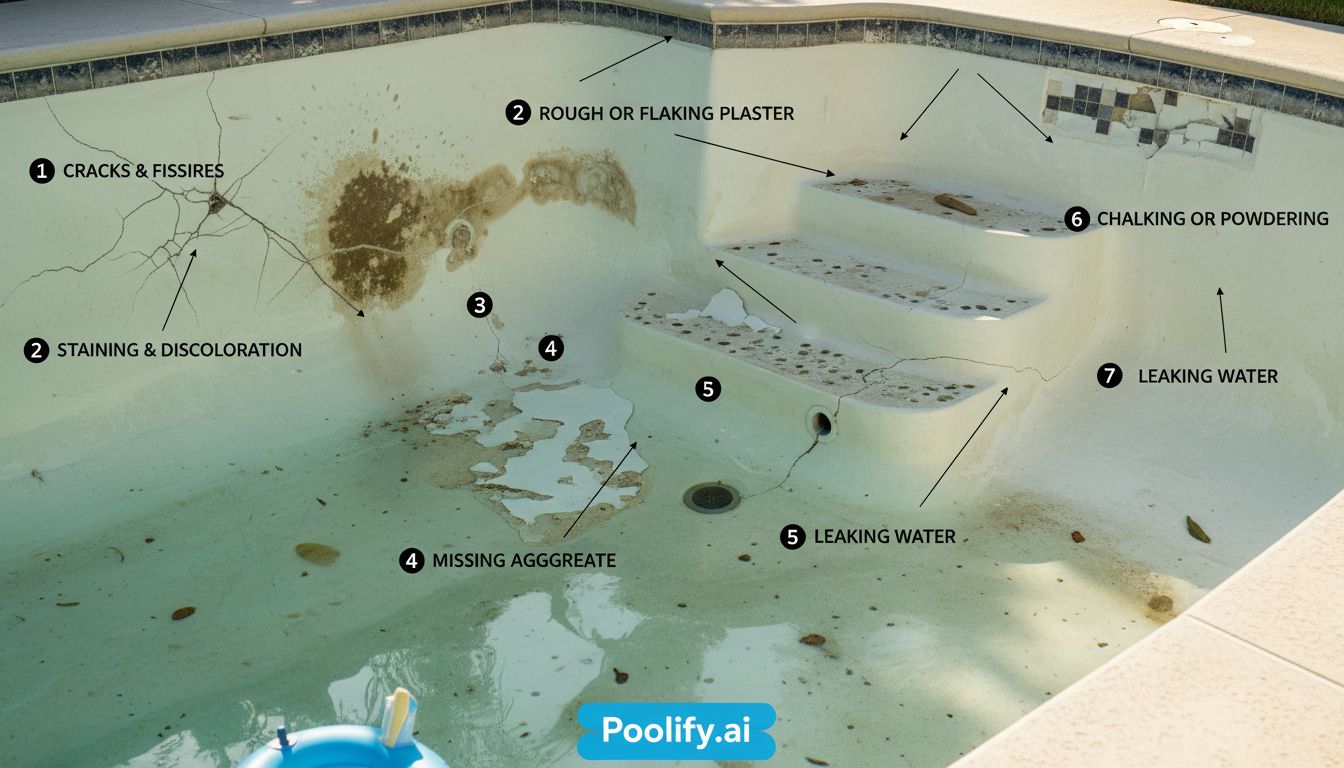
Recognizing deterioration early helps you plan and budget appropriately. These seven indicators clearly signal when to resurface pool finishes before minor issues become major problems.
Surface Roughness and Texture Changes
When pool surfaces feel rough or abrasive against bare feet, resurfacing becomes necessary. Plaster surfaces naturally wear down over time, exposing aggregate materials underneath. This roughness can scratch swimmers and damage swimwear. If you notice increased texture or sharp spots, you’re seeing definitive signs of when to resurface pool finishes. The exposed aggregate also indicates the protective layer has worn thin, leaving underlying structures vulnerable.
Testing surface texture involves running your hand along pool walls and floors. Smooth finishes should feel consistent throughout. Any rough patches, especially in high-traffic areas like steps and benches, indicate wear patterns requiring attention.
Visible Staining and Discoloration
Persistent stains that resist chemical treatment signal when to resurface pool surfaces. While some staining responds to acid washing or stain removal treatments, deeply embedded discoloration indicates the finish has become porous. Mineral deposits, algae penetration, and chemical imbalances create permanent marks in deteriorated surfaces.
Common staining patterns include brown or purple mineral stains, green algae shadows, and gray scale buildup. According to the CDC’s pool water quality guidelines, proper chemical balance prevents many staining issues, but aged surfaces become increasingly difficult to maintain regardless of water chemistry.
Structural Cracks and Spalling
Cracks represent serious indicators of when to resurface pool finishes. Hairline cracks smaller than 1/16 inch may seem cosmetic, but they allow water penetration behind the surface. Larger structural cracks indicate movement or settling that requires immediate attention. Spalling—where surface material flakes or chips away—exposes the underlying gunite or concrete to water damage.
Not all cracks require immediate resurfacing. Settlement cracks stabilize after initial construction, while active cracks continue expanding. Monitoring crack progression over several months helps determine when to resurface pool surfaces versus performing spot repairs.
Chalking and Surface Degradation
Chalking occurs when pool plaster breaks down, leaving a powdery residue on your hand when touched. This degradation indicates the calcium compounds binding the surface have deteriorated. Chalking represents a clear sign of when to resurface pool finishes, as the protective layer no longer maintains structural integrity.
The chalking process accelerates with improper water chemistry, particularly low pH levels that dissolve calcium-based finishes. While balancing water chemistry slows degradation, extensive chalking requires complete resurfacing rather than chemical adjustments.
Persistent Algae Growth
When algae repeatedly returns despite proper chemical treatment, porous surfaces may be the culprit. Deteriorated finishes develop microscopic pores where algae embeds beyond the reach of sanitizers. This situation clearly indicates when to resurface pool materials, as no amount of shocking or scrubbing addresses the underlying porosity.
Algae problems manifest differently than simple maintenance issues. If you maintain proper chlorine levels and pH balance yet still battle recurring algae blooms, especially in the same locations, surface porosity likely requires resurfacing intervention.
Frequent Water Loss Beyond Normal Evaporation
Unexplained water loss exceeding normal evaporation rates suggests when to resurface pool surfaces. While some water loss occurs naturally through evaporation and splash-out, losing more than 1/4 inch daily indicates potential leaks. Deteriorated surfaces with cracks or separation allow water seepage into surrounding soil.
Conducting a bucket test helps distinguish evaporation from leaks. Fill a bucket with pool water, mark water levels inside the bucket and in the pool, and compare after 24 hours. If pool levels drop significantly more than bucket levels, leak investigation becomes necessary before determining when to resurface pool finishes.
Visible Aggregate or Gunite Exposure
When underlying materials become visible through worn finish, you’ve definitively identified when to resurface pool surfaces. Exposed aggregate appears as small stones showing through plaster, while exposed gunite reveals the gray concrete shell. Both situations require immediate attention, as the protective finish no longer shields structural materials from chemical and water damage.
Exposure typically occurs in high-wear areas first—steps, benches, and shallow end floors where foot traffic concentrates. Once exposure begins, deterioration accelerates rapidly, making timely resurfacing essential for preventing costly structural repairs.
Optimal Timing Strategies for When to Resurface Pool
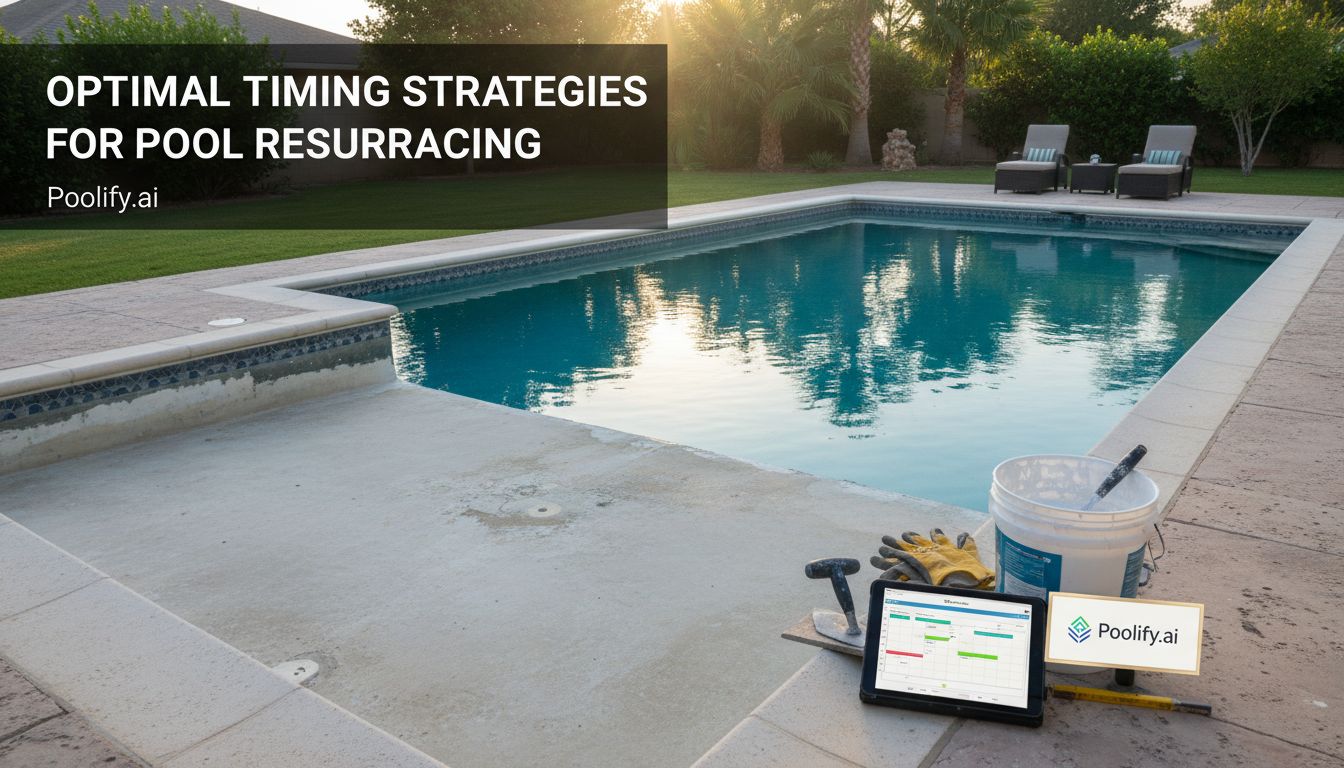
Strategic timing reduces costs and minimizes pool downtime. Understanding seasonal considerations and planning windows helps you schedule resurfacing during optimal conditions.
Seasonal Considerations for Pool Resurfacing
Spring and fall represent ideal seasons for when to resurface pool finishes in most climates. Moderate temperatures between 50-85°F allow proper curing without extreme heat or cold complications. Spring resurfacing prepares pools for summer season, while fall projects complete before winter weather arrives.
Summer resurfacing works in moderate climates but presents challenges in hot regions where temperatures exceed 90°F. High heat causes rapid drying that can compromise finish integrity. Winter projects risk freeze damage during curing in cold climates. Planning when to resurface pool surfaces around weather patterns ensures optimal results.
Age-Based Resurfacing Timelines
Different materials have predictable lifespans that guide when to resurface pool finishes. Standard white plaster lasts 7-10 years with proper maintenance, while colored plaster extends to 10-15 years. Aggregate finishes like pebble or quartz last 15-20 years, and premium finishes such as glass beads or polished aggregate reach 20-25 years.
These timelines assume balanced water chemistry and regular maintenance. Neglected pools require resurfacing sooner, while meticulously maintained pools may exceed typical lifespans. Tracking your pool’s age and finish type helps anticipate when to resurface pool materials and budget accordingly.
Proactive Versus Reactive Resurfacing
Proactive resurfacing at the first signs of deterioration costs less than waiting for severe damage. When you identify early indicators of when to resurface pool finishes and act promptly, you avoid structural repairs that accompany delayed maintenance. Reactive resurfacing after significant damage often requires additional prep work, increasing total project costs by 20-40%.
Planning ahead also provides scheduling flexibility and contractor selection options. Emergency resurfacing during peak season limits choices and may force acceptance of higher prices or less experienced contractors. Learn more about maintaining your pool year-round to extend surface life and plan resurfacing strategically.
Material Options and Selection for When to Resurface Pool
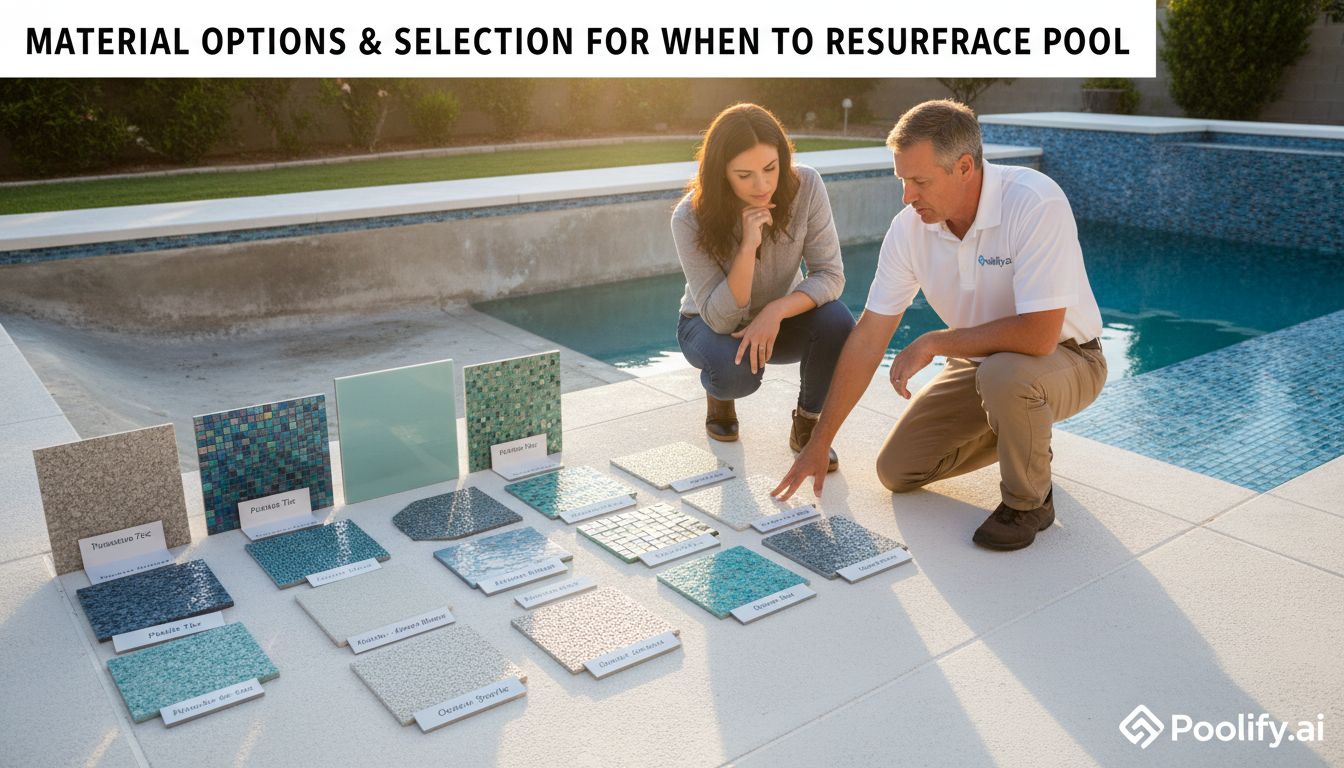
Choosing the right resurfacing material impacts longevity, maintenance requirements, and aesthetic appeal. Understanding options helps you make informed decisions about when to resurface pool surfaces and what materials best suit your needs.
Traditional Plaster Finishes
White plaster remains the most economical option for when to resurface pool finishes, costing $3-5 per square foot. This traditional material provides smooth texture and bright appearance but requires resurfacing every 7-10 years. Plaster works well for budget-conscious homeowners willing to accept more frequent resurfacing cycles.
Colored plaster adds aesthetic variety at $4-6 per square foot with slightly extended longevity of 10-15 years. The added pigments create visual interest while maintaining plaster’s smooth feel. However, color fading occurs over time, particularly in high-UV environments.
Aggregate-Based Finishes
Pebble finishes represent popular upgrades when deciding when to resurface pool materials, costing $8-12 per square foot. These durable surfaces incorporate small stones for texture and visual depth, lasting 15-20 years with proper care. Pebble finishes resist staining better than plaster and hide minor imperfections effectively.
Quartz aggregate combines crushed quartz with plaster for enhanced durability at $6-9 per square foot. This option provides smoother texture than pebble while offering improved stain resistance and longevity compared to standard plaster. Quartz finishes deliver excellent value for homeowners seeking balance between cost and performance.
Premium Finishing Options
Glass bead finishes offer luxury aesthetics when considering when to resurface pool surfaces, costing $10-15 per square foot. These finishes incorporate tiny glass beads that create shimmering effects and incredibly smooth texture. Glass bead surfaces last 20-25 years and resist algae growth exceptionally well due to non-porous characteristics.
Polished aggregate and exposed aggregate finishes provide high-end appearances at $12-18 per square foot. These premium options showcase decorative stones in polished or natural states, creating unique visual effects. The extended 20-25 year lifespan justifies higher initial costs for homeowners planning long-term ownership.
Tile Resurfacing Alternatives
Full tile installations represent the most expensive but longest-lasting option for when to resurface pool finishes, costing $20-40 per square foot. Ceramic or porcelain tiles last 25+ years with minimal maintenance. While initial costs significantly exceed other options, tile’s durability and ease of cleaning appeal to luxury pool owners.
Partial tile applications combined with other finishes offer compromise solutions. Waterline tile borders paired with aggregate or plaster finishes reduce costs while providing enhanced aesthetics and easier cleaning at the waterline where scum accumulates.
Cost Analysis and Budgeting for When to Resurface Pool
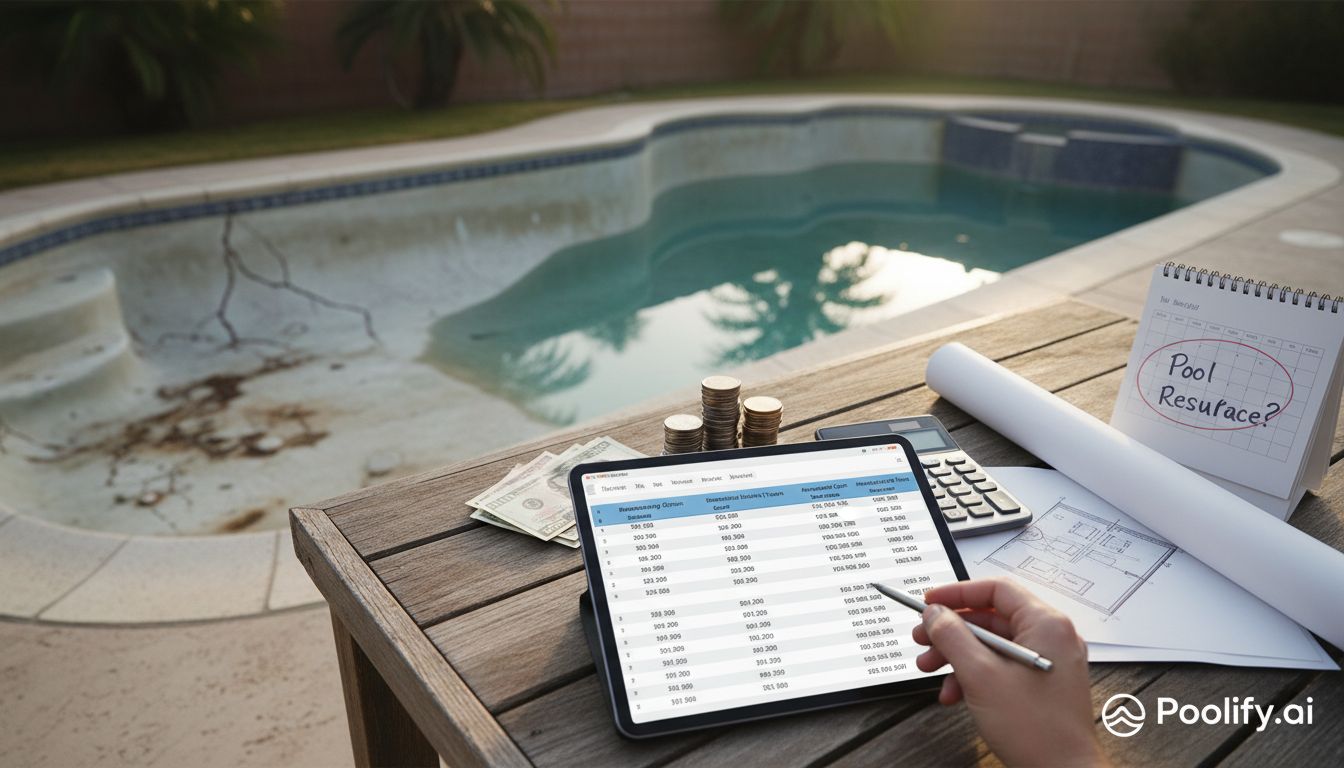
Understanding complete project costs helps you plan financially and avoid surprises. When to resurface pool decisions involve more than surface material costs alone.
Base Resurfacing Costs by Pool Size
Average pool resurfacing costs in 2026 range from $5,000-15,000 for standard residential pools. Small pools under 400 square feet typically cost $3,000-6,000 for basic plaster, while large pools exceeding 800 square feet reach $10,000-20,000 with premium finishes. Calculating when to resurface pool expenses requires measuring your pool’s surface area and multiplying by material costs per square foot.
Additional factors affecting total costs include pool shape complexity, access challenges, and regional labor rates. Geometric pools with straight lines cost less to resurface than freeform designs with curves requiring additional labor. Pools with limited access for equipment may incur surcharges for manual material handling.
Preparation and Repair Costs
Surface preparation adds $1,000-3,000 to base resurfacing costs. This work includes draining, cleaning, removing old finish, and repairing underlying damage. When significant cracks or structural issues exist, repair costs escalate quickly. Major structural repairs can add $2,000-10,000 depending on damage extent.
Determining when to resurface pool surfaces early minimizes preparation costs. Proactive resurfacing at first deterioration signs requires minimal prep work, while delayed projects with extensive damage demand costly repairs before new finish application. According to the Department of Energy’s pool maintenance resources, regular maintenance extends surface life and reduces long-term costs.
Hidden Costs and Additional Expenses
Several often-overlooked expenses impact when to resurface pool budgeting. Water refill costs range from $50-500 depending on local rates and pool size. Chemical startup packages cost $100-300 to properly balance newly filled pools. Tile replacement or cleaning adds $5-15 per linear foot if waterline tiles show damage.
Drain waste disposal may incur fees in some municipalities, adding $100-300 to project costs. Equipment updates like new drain covers to meet current safety codes can add $200-1,000. Planning for these additional expenses prevents budget overruns when executing resurfacing projects.
Financing and Payment Options
Many contractors offer financing for when to resurface pool projects, with payment plans ranging from 12-60 months. Home equity loans or lines of credit typically provide lower interest rates than contractor financing. Some homeowners use cash-out refinancing to fund major pool renovations at mortgage rates.
Timing resurfacing during off-season periods may yield 10-20% cost savings through contractor discounts. Planning when to resurface pool finishes during slower periods benefits both scheduling flexibility and pricing negotiation opportunities.
DIY Versus Professional Resurfacing Considerations
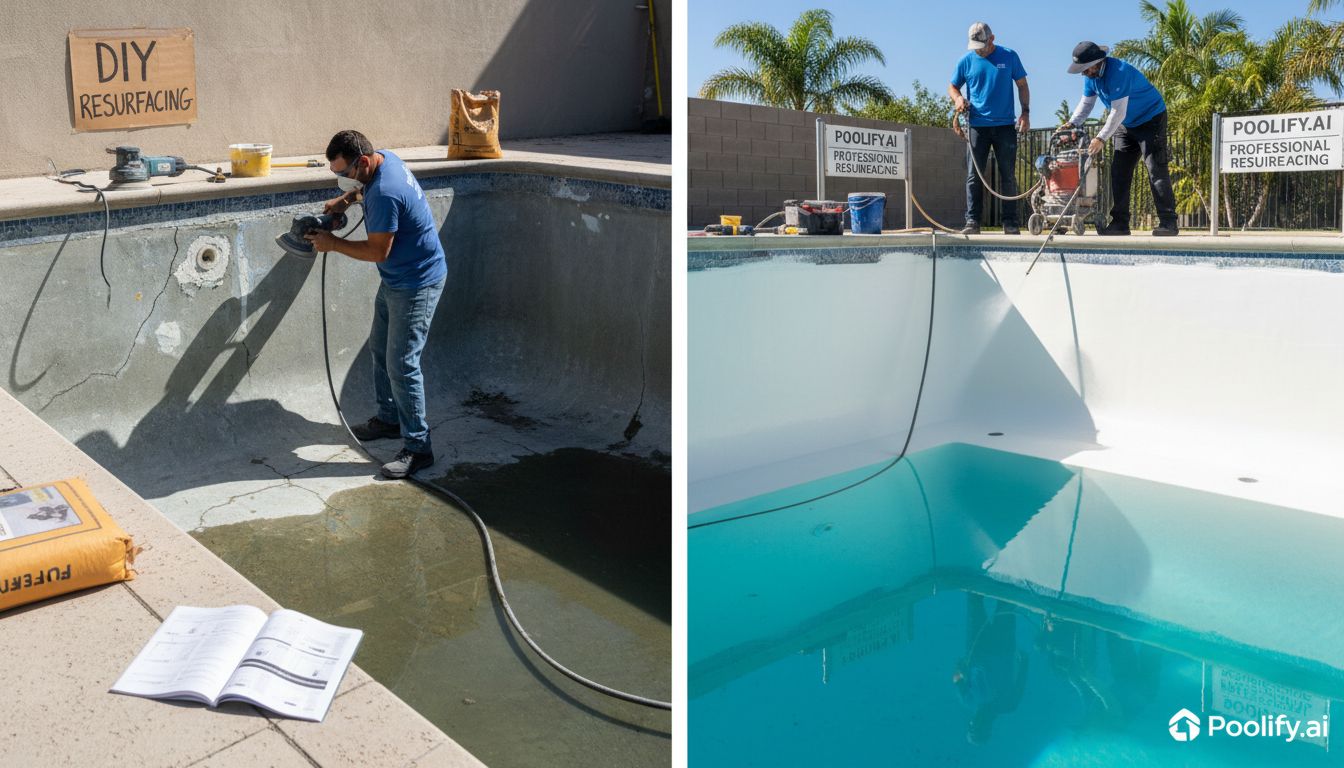
While some homeowners consider DIY resurfacing to reduce costs, understanding complexity and risks helps make informed decisions about when to resurface pool surfaces and who should perform the work.
Complexity and Skill Requirements
Pool resurfacing demands specialized skills, equipment, and materials. Proper surface preparation, material mixing, application technique, and curing management require experience for successful results. DIY attempts without proper training often result in premature failure, ultimately costing more than professional installation.
Professional contractors complete resurfacing in 5-7 days, while DIY projects extend to 2-3 weeks for inexperienced homeowners. The learning curve involves expensive mistakes with materials costing thousands of dollars. Most experts recommend professional installation for when to resurface pool projects unless you possess construction experience and proper equipment.
Warranty and Quality Assurance
Professional resurfacing includes warranties covering materials and workmanship for 1-10 years depending on finish type. These warranties protect your investment and provide recourse for defects or premature failure. DIY resurfacing eliminates warranty protection, leaving homeowners fully liable for any issues.
Licensed contractors carry insurance protecting against property damage and injuries during resurfacing work. DIY projects place all liability on homeowners, potentially affecting homeowner’s insurance coverage. The risk management benefits of professional installation often justify higher costs when deciding when to resurface pool finishes.
Equipment and Material Access
Specialized equipment required for proper resurfacing includes pneumatic chipping hammers, acid washing equipment, trowels, and mixing tools. Renting equipment costs $500-1,500 for project duration, while purchasing tools exceeds $2,000. Professional contractors already own equipment and expertise for efficient use.
Material sourcing presents another DIY challenge. Professional-grade resurfacing materials require contractor accounts with suppliers or arrive in quantities impractical for single-pool projects. Retail alternatives often provide inferior quality compared to professional materials, affecting finish longevity and appearance.
Maintenance Practices Extending Time Between When to Resurface Pool
Proper maintenance significantly extends surface life, delaying when to resurface pool finishes and maximizing your investment. Implementing these practices adds years to any finish type.
Water Chemistry Management
Balanced water chemistry represents the single most important factor determining when to resurface pool surfaces. Maintaining pH between 7.2-7.6, alkalinity at 80-120 ppm, and calcium hardness at 200-400 ppm prevents premature finish deterioration. Low pH particularly damages plaster-based finishes by dissolving calcium compounds.
Weekly water testing and prompt chemical adjustments prevent the gradual damage that shortens surface life. Automated chemical feeders maintain consistent levels more effectively than manual dosing, reducing human error. Investment in quality testing equipment and proper chemical products pays dividends through extended finish longevity. Check out our pool cleaning tips for comprehensive maintenance guidance.
Regular Cleaning and Brushing
Weekly brushing removes debris and prevents algae establishment before it penetrates surface pores. Using appropriate brushes for your finish type—nylon for plaster, stainless steel for aggregate—maintains cleanliness without causing damage. Regular brushing distributes chemicals evenly and identifies developing problems early.
Vacuuming removes settled debris that can stain surfaces if left in place. Automatic pool cleaners provide consistent cleaning between manual maintenance sessions. Keeping surfaces clean reduces chemical demands and prevents the staining that often prompts decisions about when to resurface pool finishes.
Seasonal Maintenance and Winterization
Proper winterization in cold climates protects surfaces from freeze damage. Lowering water levels below skimmers, adding winterizing chemicals, and covering pools prevents deterioration during dormant months. Spring opening procedures should include thorough cleaning and water balancing before regular use resumes.
In warm climates without winterization needs, year-round maintenance consistency remains critical. Neglecting pools during cooler months when use declines allows problems to develop unnoticed. Maintaining regular testing and cleaning schedules regardless of swimming frequency extends time between when to resurface pool projects.
Professional Inspections and Preventive Care
Annual professional inspections identify developing issues before they require resurfacing. Experienced pool technicians spot early warning signs homeowners might miss, allowing timely interventions that extend surface life. Preventive treatments like acid washing remove stains and restore appearance without full resurfacing.
Documenting inspection findings creates maintenance records tracking pool condition over time. These records help predict when to resurface pool finishes based on deterioration patterns specific to your pool. Professional relationships established through regular service provide trusted advice when resurfacing decisions arise.
Frequently Asked Questions About When to Resurface Pool
How often should I resurface my pool?
The frequency of when to resurface pool finishes depends on material type and maintenance quality. Standard plaster requires resurfacing every 7-10 years, aggregate finishes last 15-20 years, and premium options extend to 20-25 years. Proper water chemistry and regular maintenance can extend these timelines by 20-30%, while neglect shortens surface life significantly. Monitor your pool for the warning signs discussed earlier rather than relying solely on age-based schedules.
Can I resurface my pool myself to save money?
While technically possible, DIY resurfacing rarely saves money for homeowners without construction experience. The specialized skills, equipment, and materials required make professional installation the better value. Failed DIY attempts require complete removal and professional re-application, ultimately costing more than hiring contractors initially. Consider DIY only if you possess relevant construction skills and accept the risks of voided warranties and potential property damage.
What’s the best time of year to resurface a pool?
Spring and fall offer optimal conditions for when to resurface pool projects in most regions. Moderate temperatures between 50-85°F allow proper curing without extreme weather complications. Spring resurfacing prepares pools for summer use, while fall projects avoid peak season pricing. Avoid summer resurfacing in hot climates where temperatures exceed 90°F, and winter projects in cold regions where freezing risks damage during curing.
How long does pool resurfacing take?
Professional pool resurfacing typically requires 5-7 days from start to finish. The process includes 1 day for draining and prep, 1-2 days for removing old surface and repairs, 1 day for new surface application, and 3-4 days for curing before refilling. Weather conditions and project complexity can extend timelines. Plan for 7-10 days of pool unavailability when scheduling resurfacing to accommodate potential delays.
Will resurfacing fix pool leaks?
Resurfacing addresses surface-related leaks from cracks or deteriorated finishes but doesn’t fix structural or plumbing leaks. When to resurface pool decisions should follow leak detection and repair of underlying issues. Professional leak detection identifies problems before resurfacing begins, ensuring new finishes aren’t applied over unresolved structural problems. Surface resurfacing combined with necessary structural repairs provides comprehensive solutions for leak issues.
Key Takeaways: When to Resurface Pool Surfaces
- Monitor warning signs consistently: Surface roughness, persistent staining, cracks, chalking, recurring algae, water loss, and exposed aggregate all indicate when to resurface pool finishes. Early detection prevents costly structural damage.
- Choose materials strategically: Balance initial costs against longevity expectations. Plaster offers economy with 7-10 year life, aggregate finishes provide 15-20 years of durability, and premium options last 20-25 years with proper maintenance.
- Time projects for optimal results: Spring and fall resurfacing in moderate temperatures ensures proper curing. Off-season scheduling often reduces costs by 10-20% through contractor discounts and improved availability.
- Invest in professional installation: The specialized skills, equipment, and warranties provided by licensed contractors justify costs over risky DIY attempts. Professional resurfacing protects your investment with quality assurance and liability coverage.
- Extend surface life through maintenance: Balanced water chemistry, regular cleaning, seasonal care, and annual inspections add years to any finish type. Proactive maintenance delays when to resurface pool needs and maximizes return on investment.
See Your Dream Pool in Your Actual Backyard
Upload a photo and get an AI-designed pool visualization in 10 seconds. 3 free designs, no login required.
Try Poolify Free →Conclusion: Making Informed Decisions About When to Resurface Pool
Understanding when to resurface pool finishes protects your investment and ensures safe, attractive swimming conditions. The seven warning signs—surface roughness, staining, cracks, chalking, algae, water loss, and material exposure—provide clear indicators requiring attention. Strategic timing during optimal seasons, selecting appropriate materials for your budget and expectations, and investing in professional installation deliver results lasting decades.
Proper maintenance practices extend time between when to resurface pool projects significantly. Balanced water chemistry, consistent cleaning, and preventive care maximize any finish’s lifespan. While resurfacing represents a substantial investment, proactive planning and informed decision-making ensure optimal value and performance.
The question of when to resurface pool surfaces ultimately depends on your specific pool’s condition, age, and maintenance history. Regular monitoring for deterioration signs, combined with professional inspections, helps you identify the right timing for your situation. By following the guidance in this comprehensive playbook, you’ll make confident decisions that protect your pool investment and provide years of swimming enjoyment. For additional guidance on pool care, explore our pool equipment maintenance resources to keep your entire pool system functioning optimally.
References
- Centers for Disease Control and Prevention – Pool Water Quality and Disinfection
- U.S. Department of Energy – Swimming Pool Maintenance and Energy Efficiency
