Introduction to Pool Equipment Maintenance
Effective pool equipment maintenance stands as the cornerstone of pool ownership, directly impacting both the lifespan of your investment and the quality of your swimming experience. In 2026, pool owners face increasingly sophisticated equipment systems that demand proper care and attention. Without consistent pool equipment maintenance, even the most advanced filtration systems, pumps, and heaters can fail prematurely, leading to costly repairs and disrupted pool seasons. This comprehensive guide provides homeowners with actionable strategies to maintain every component of their pool system, ensuring optimal performance throughout the year while minimizing unexpected breakdowns and maximizing equipment longevity.
Understanding Your Pool Equipment Maintenance Schedule
Establishing a structured pool equipment maintenance schedule forms the foundation of effective system care. Different components require varying frequencies of attention, and understanding these intervals prevents both neglect and unnecessary over-maintenance. Your pool equipment maintenance routine should incorporate daily, weekly, monthly, and seasonal tasks that address specific equipment needs.
Daily Pool Equipment Maintenance Tasks
Daily pool equipment maintenance focuses on quick visual inspections and basic monitoring. Check your pool pump for unusual noises or vibrations that might indicate bearing problems or debris obstruction. Verify that water is flowing properly through return jets and that the skimmer baskets are not overflowing. Monitor your pressure gauge readings on the filter system, as sudden changes can signal developing issues. These simple daily checks take less than five minutes but can prevent major equipment failures.
Weekly Maintenance Protocols
Weekly pool equipment maintenance involves more thorough inspections and cleaning procedures. Clean your skimmer and pump baskets to maintain optimal water flow through your filtration system. Inspect all visible plumbing connections for leaks or moisture accumulation. Test your pool’s chemical levels and adjust as needed, as improper water chemistry accelerates equipment corrosion. Review your automatic pool cleaner’s operation and clean its filter bag or canister. According to the CDC’s guidelines on pool water quality, maintaining proper chemical balance protects both swimmers and equipment from damage.
Monthly Equipment Assessments
Monthly pool equipment maintenance requires deeper system evaluation. Backwash or clean your filter according to manufacturer specifications, typically when pressure rises 8-10 PSI above the clean baseline. Inspect pump seals and O-rings for wear or deterioration, replacing them before they fail completely. Check electrical connections at your equipment pad for corrosion or loose terminals. Lubricate motor bearings if your equipment requires it, and verify that all automation systems are functioning correctly. This monthly attention to pool equipment maintenance prevents small issues from escalating into expensive repairs.
Essential Pool Equipment Maintenance for Pumps and Motors
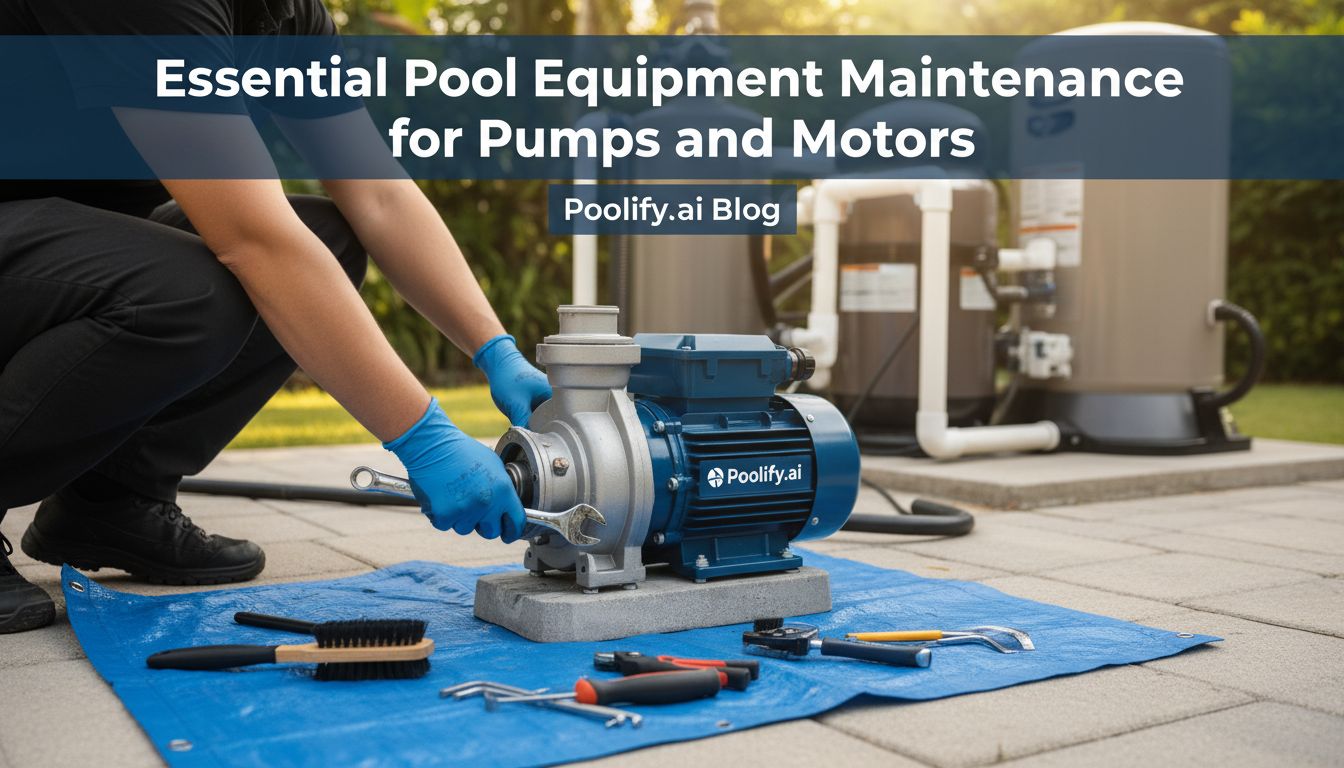
Pool pumps represent the heart of your circulation system, and proper pool equipment maintenance for these components directly affects overall system performance. Modern variable-speed pumps offer energy efficiency but require specific maintenance approaches compared to traditional single-speed models.
Pump Basket and Strainer Maintenance
Regular cleaning of pump baskets constitutes critical pool equipment maintenance that prevents motor strain and premature failure. Remove the pump basket at least weekly during peak season, clearing all debris and rinsing thoroughly. Inspect the basket for cracks or damage that could allow debris to reach the impeller. Check the O-ring seal on the pump lid each time you open it, applying silicone-based lubricant to maintain a proper seal. A well-maintained pump basket ensures optimal water flow and protects expensive motor components from damage.
Motor Ventilation and Cooling
Proper ventilation forms an often-overlooked aspect of pool equipment maintenance for pump motors. Ensure adequate airflow around your motor housing by keeping the equipment area clear of leaves, grass clippings, and debris. Clean motor cooling vents monthly using compressed air or a soft brush. Verify that your equipment pad provides sufficient clearance on all sides for heat dissipation. Overheating represents a leading cause of motor failure, making this simple pool equipment maintenance step essential for longevity.
Bearing and Seal Inspection
Advanced pool equipment maintenance includes monitoring pump bearings and mechanical seals for wear indicators. Listen for grinding, squealing, or humming noises that suggest bearing deterioration. Check for water leakage around the motor shaft seal, which indicates seal failure requiring immediate attention. Address bearing issues promptly, as continued operation with damaged bearings can destroy the motor. Most pump motors last 8-12 years with proper pool equipment maintenance, but neglected bearings can reduce this lifespan significantly.
Filter System Pool Equipment Maintenance Strategies
Your filtration system requires specific pool equipment maintenance approaches depending on whether you have a sand, cartridge, or diatomaceous earth (DE) filter. Each type demands different cleaning frequencies and techniques to maintain peak performance.
Sand Filter Maintenance Procedures
Sand filters need regular backwashing as part of routine pool equipment maintenance. Backwash when the pressure gauge reads 8-10 PSI above the clean operating pressure, typically every 2-4 weeks during swimming season. Run the backwash cycle until water runs clear through the sight glass, usually 2-3 minutes. Follow backwashing with a brief rinse cycle to resettle the sand bed. Every 5-7 years, complete sand replacement becomes necessary pool equipment maintenance, as sand loses its filtering effectiveness over time. Inspect the multiport valve for leaks and ensure smooth operation between settings.
Cartridge Filter Care
Cartridge filters require different pool equipment maintenance than sand systems. Remove and rinse cartridges every 2-4 weeks using a garden hose with a spray nozzle, working from top to bottom to flush debris from the pleats. Deep clean cartridges quarterly by soaking them overnight in a cartridge cleaning solution that removes oils and embedded debris. Inspect cartridge material for tears, holes, or crushed pleats that compromise filtration. Replace cartridges every 2-3 years as part of preventive pool equipment maintenance, even if they appear functional, as filtration efficiency degrades over time.
DE Filter Maintenance Requirements
Diatomaceous earth filters demand the most intensive pool equipment maintenance but provide superior filtration. Backwash DE filters when pressure rises 8-10 PSI above baseline, then add fresh DE powder through the skimmer according to manufacturer specifications. Perform a complete teardown and cleaning annually, removing and hosing off the filter grids to eliminate caked DE and debris. Inspect grids for tears or holes that allow DE to return to the pool. This thorough pool equipment maintenance ensures your DE filter continues delivering crystal-clear water while protecting the pump from excessive backpressure.
Heater Pool Equipment Maintenance for Optimal Performance
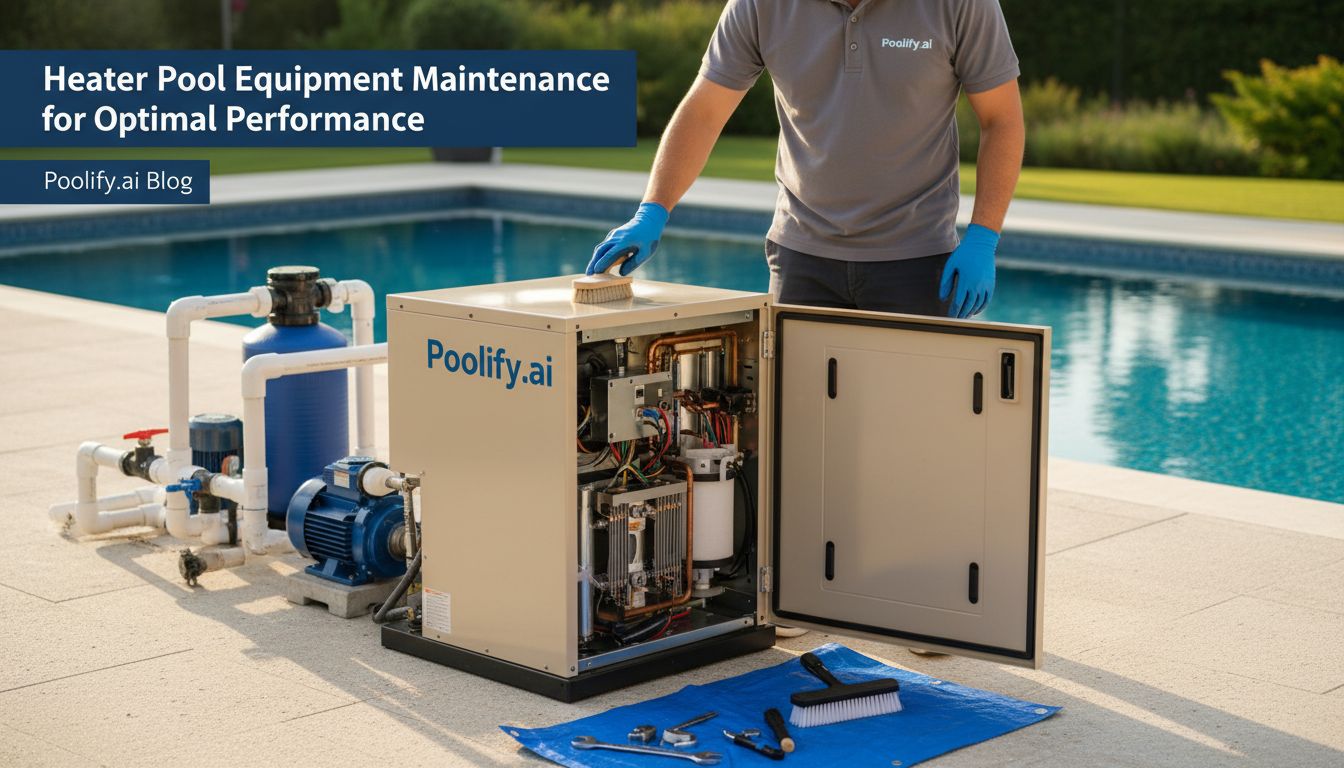
Pool heaters represent significant investments requiring dedicated pool equipment maintenance to ensure efficient operation and extended service life. Whether you have a gas, electric, or heat pump system, proper maintenance prevents costly repairs and maintains heating efficiency.
Gas Heater Maintenance
Gas heaters need annual professional pool equipment maintenance before each heating season. However, homeowners can perform basic maintenance tasks between service calls. Inspect the heater exterior for rust, corrosion, or pest intrusion. Clear debris from around the heater cabinet and ensure proper ventilation clearances. Check for soot accumulation around burner compartments, which indicates incomplete combustion requiring professional attention. Monitor the flame pattern through the sight glass—flames should be blue with yellow tips, not predominantly yellow or orange. Verify that pressure relief valves are functioning and not leaking. Professional pool equipment maintenance for gas heaters includes burner cleaning, heat exchanger inspection, and combustion analysis.
Heat Pump Maintenance
Heat pumps require specific pool equipment maintenance focused on the compressor and evaporator coils. Clean the evaporator coils monthly during operation using a garden hose to remove dirt, pollen, and debris that reduce heat transfer efficiency. Ensure adequate airflow around the unit by maintaining clearance specifications. Check refrigerant lines for frost accumulation or oil residue indicating leaks. Verify that the condensate drain is clear and draining properly. Heat pumps benefit from annual professional pool equipment maintenance including refrigerant level checks, electrical connection inspection, and compressor performance testing. Proper maintenance helps heat pumps achieve their expected 10-15 year lifespan.
Heat Exchanger Protection
Protecting heat exchangers through proper pool equipment maintenance prevents the most expensive heater repairs. Maintain proper water chemistry, as low pH and high chlorine levels accelerate heat exchanger corrosion. Keep calcium hardness within recommended ranges to prevent scale buildup that reduces heating efficiency and damages exchanger tubes. For saltwater pools, monitor salt levels carefully as excessive salinity accelerates corrosion. Consider installing a sacrificial anode as part of your pool equipment maintenance program to protect heat exchangers in corrosive water conditions. Regular water testing and chemical balance represent the most effective heat exchanger maintenance strategy.
Automation and Control System Pool Equipment Maintenance
Modern pool automation systems simplify pool management but require their own pool equipment maintenance protocols. These sophisticated systems control pumps, heaters, lighting, and chemical feeders, making their reliable operation essential for overall pool function.
Control Panel Maintenance
Protect control panels through regular pool equipment maintenance that prevents moisture and corrosion damage. Inspect panel enclosures for proper sealing and weatherproofing, especially after severe weather. Check for signs of moisture intrusion, rust, or insect infestation inside the panel. Clean dust and debris from circuit boards and connections using compressed air. Verify that all indicator lights and displays function correctly. Tighten any loose wire connections and inspect for signs of overheating or arcing. Most automation system failures result from moisture or loose connections rather than component failure, making this preventive pool equipment maintenance highly effective.
Sensor and Probe Care
Chemical monitoring sensors and temperature probes require dedicated pool equipment maintenance for accurate readings. Clean chemical probes monthly according to manufacturer instructions, typically using a mild acid solution to remove scale and buildup. Calibrate pH and ORP sensors quarterly or whenever readings seem inaccurate. Replace probe tips at recommended intervals, usually annually, as they drift out of calibration over time. For flow sensors, verify that paddlewheels or other detection mechanisms move freely without debris obstruction. Accurate sensor readings depend on consistent pool equipment maintenance and timely replacement of worn components.
Saltwater System Pool Equipment Maintenance
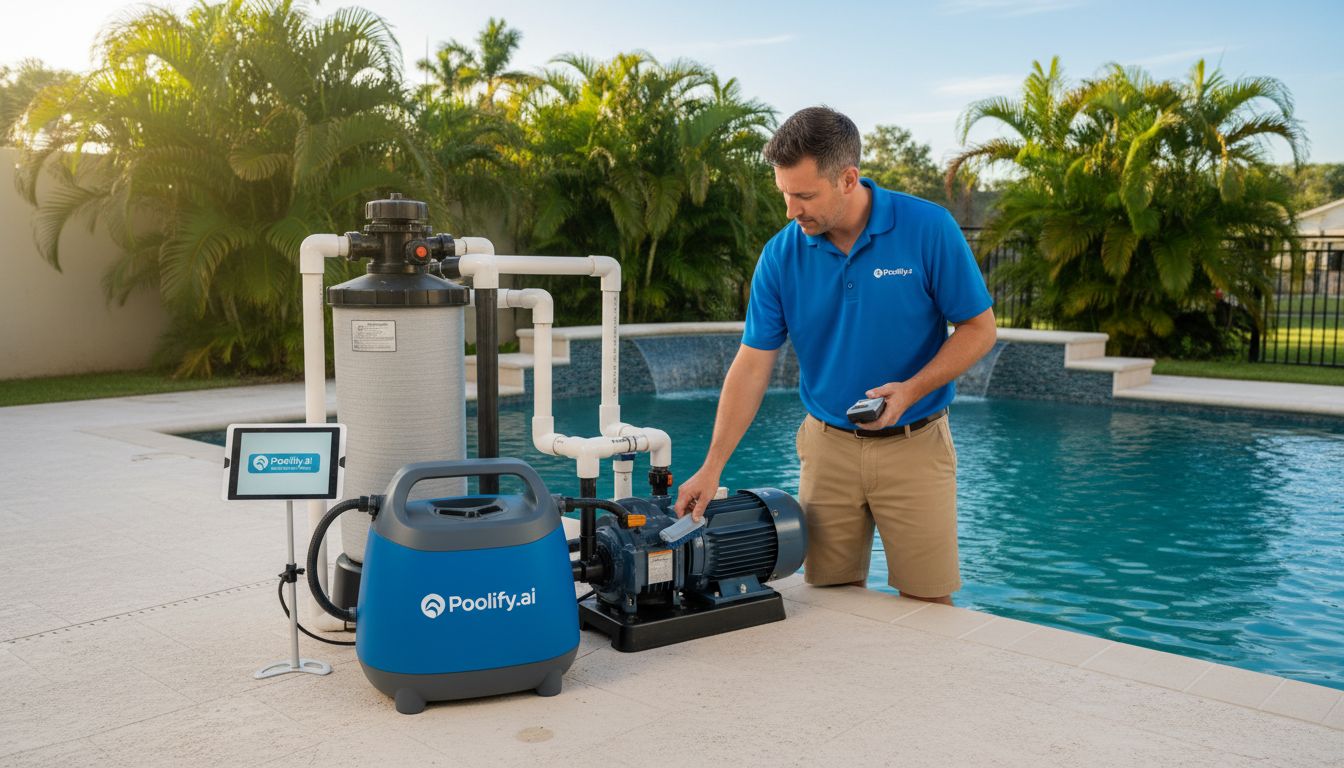
Saltwater chlorine generators have become increasingly popular but demand specific pool equipment maintenance approaches. These systems produce chlorine through electrolysis, requiring attention to salt cells, power supplies, and water chemistry.
Salt Cell Cleaning and Inspection
Salt cell maintenance represents the most critical pool equipment maintenance task for saltwater systems. Inspect cells monthly for scale buildup on the electrode plates, which reduces chlorine production efficiency. Clean cells every 3-4 months or when the system indicates reduced performance. Remove the cell and soak it in a diluted muriatic acid solution (1 part acid to 4 parts water) for 15-20 minutes to dissolve calcium deposits. Rinse thoroughly before reinstalling. Never use metal tools or abrasive materials on electrode plates, as damage voids warranties and reduces cell life. Proper pool equipment maintenance extends salt cell life from 3-5 years to the upper end of that range.
Power Supply and Control Board Maintenance
The power supply unit requires minimal but important pool equipment maintenance. Keep the unit clean and dry, ensuring proper ventilation around the housing. Check electrical connections annually for corrosion or looseness. Monitor the display for error codes or unusual readings that indicate developing problems. Verify that the unit is producing the expected amperage to the cell. Most saltwater system failures occur in the power supply rather than the cell itself, making this pool equipment maintenance attention worthwhile. Professional inspection every 2-3 years helps identify issues before they cause system failure.
Troubleshooting Common Pool Equipment Maintenance Issues
Understanding common equipment problems and their solutions empowers homeowners to address issues quickly, often avoiding service calls. These troubleshooting skills complement your regular pool equipment maintenance routine.
Low Flow and Pressure Problems
Low water flow represents one of the most frequent pool equipment maintenance issues. Start by checking and cleaning skimmer and pump baskets, as debris restriction causes most flow problems. Inspect the impeller for debris by removing the pump housing—string, leaves, and small toys commonly lodge here. Verify that all valves are fully open and in correct positions. Check for clogged filter media requiring cleaning or backwashing. If pressure is low throughout the system, look for suction-side air leaks at pump lid O-rings, valve stems, or pipe connections. Addressing flow issues promptly prevents pump damage and maintains effective filtration.
Equipment Noise Diagnosis
Unusual equipment noises indicate specific pool equipment maintenance needs. Grinding or screeching from pumps suggests bearing failure requiring immediate attention. Rattling or vibration often indicates loose mounting bolts or internal component failure. Humming without water movement suggests a seized impeller or blocked intake. Whistling or hissing sounds point to air leaks in the suction plumbing. Cavitation—a distinctive rumbling sound—indicates insufficient water supply to the pump, possibly from closed valves, clogged baskets, or low water levels. Each noise type requires different pool equipment maintenance responses, making accurate diagnosis important for effective repairs.
Heater Ignition and Operation Issues
Heater problems require systematic pool equipment maintenance troubleshooting. If a gas heater won’t ignite, verify gas supply and that the manual gas valve is open. Check that water flow meets minimum requirements, as low flow prevents ignition for safety reasons. Clean the pilot assembly and verify proper flame sensing. For heat pumps that won’t heat, confirm adequate ambient temperature (most require 50°F or higher). Check for tripped breakers or blown fuses. Verify that the thermostat is set above current water temperature. Many heater issues result from water flow or electrical problems rather than heater component failure, making these pool equipment maintenance checks valuable first steps.
Seasonal Pool Equipment Maintenance Considerations
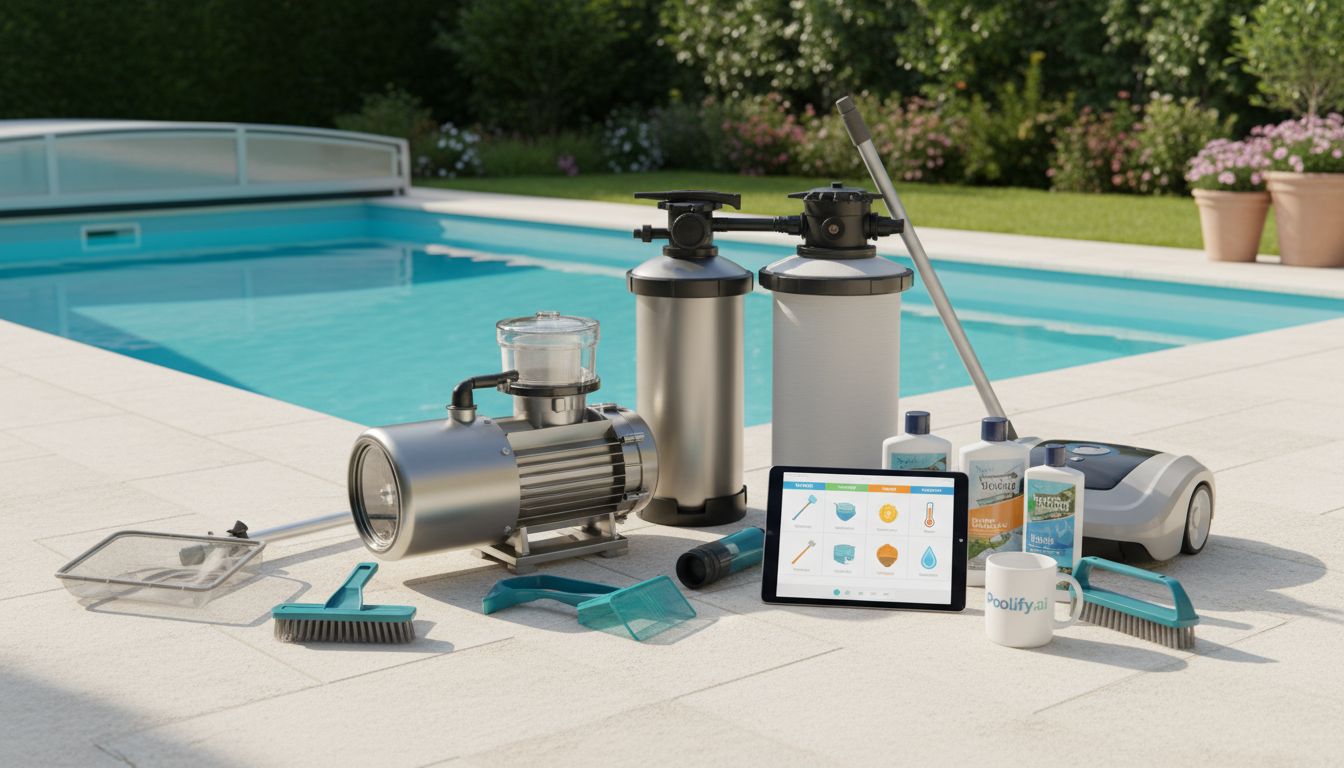
Seasonal transitions require specific pool equipment maintenance protocols to protect equipment during closing and ensure smooth startups. These procedures vary by climate but follow similar principles for equipment protection.
Winterization Pool Equipment Maintenance
Proper winterization represents essential pool equipment maintenance in climates with freezing temperatures. Drain all water from pumps, filters, and heaters to prevent freeze damage. Remove drain plugs and store them in the pump basket so they’re not lost. Blow out plumbing lines using a shop vacuum or air compressor to remove residual water. Add pool antifreeze to lines that cannot be completely drained. Remove and store pressure gauges, which are damaged by freezing. Clean and store removable equipment like ladders, cleaners, and accessories. For pools remaining operational in mild climates, reduce equipment run times but maintain adequate circulation and filtration. Thorough winterization pool equipment maintenance prevents thousands of dollars in freeze damage.
Spring Startup Procedures
Spring opening requires systematic pool equipment maintenance to restore full operation. Reinstall all drain plugs, pressure gauges, and removed components. Lubricate O-rings and gaskets before reassembly. Fill the pump basket with water to prime the system before starting. Check all electrical connections and reset breakers or GFCI outlets. Start equipment and verify proper operation of each component before adding chemicals. Inspect for leaks at all connection points. Test automation systems and verify proper sensor readings. Clean filters thoroughly before beginning regular operation. This comprehensive spring pool equipment maintenance ensures reliable performance throughout the swimming season.
Cost-Effective Pool Equipment Maintenance Strategies
Strategic pool equipment maintenance reduces long-term ownership costs while maintaining reliable operation. Understanding which tasks provide the best return on investment helps homeowners allocate maintenance resources effectively.
Preventive Maintenance Investment
Investing in preventive pool equipment maintenance delivers significant cost savings compared to reactive repairs. Regular cleaning and inspection tasks cost only time and minimal supplies but prevent major failures. Replacing worn O-rings and gaskets costs a few dollars but prevents pump seal failures costing hundreds. Annual professional inspections identify developing issues before they cause breakdowns during peak season. According to industry data, homeowners who follow consistent pool equipment maintenance schedules spend 40-60% less on repairs over a five-year period compared to those who only address failures reactively. The time invested in regular maintenance pays substantial dividends in equipment longevity and reliability.
Equipment Upgrade Considerations
Sometimes, equipment replacement represents better value than continued pool equipment maintenance of aging components. Variable-speed pumps, for example, often pay for themselves within 2-3 years through energy savings while requiring less maintenance than older single-speed models. Modern saltwater systems reduce chemical costs and maintenance time compared to traditional chlorination. Energy-efficient heaters reduce operating costs while providing more reliable performance. When equipment reaches 70-80% of its expected lifespan and requires frequent repairs, replacement often makes financial sense. Learn more about upgrading your pool equipment for improved efficiency and reduced maintenance requirements.
Professional vs. DIY Pool Equipment Maintenance
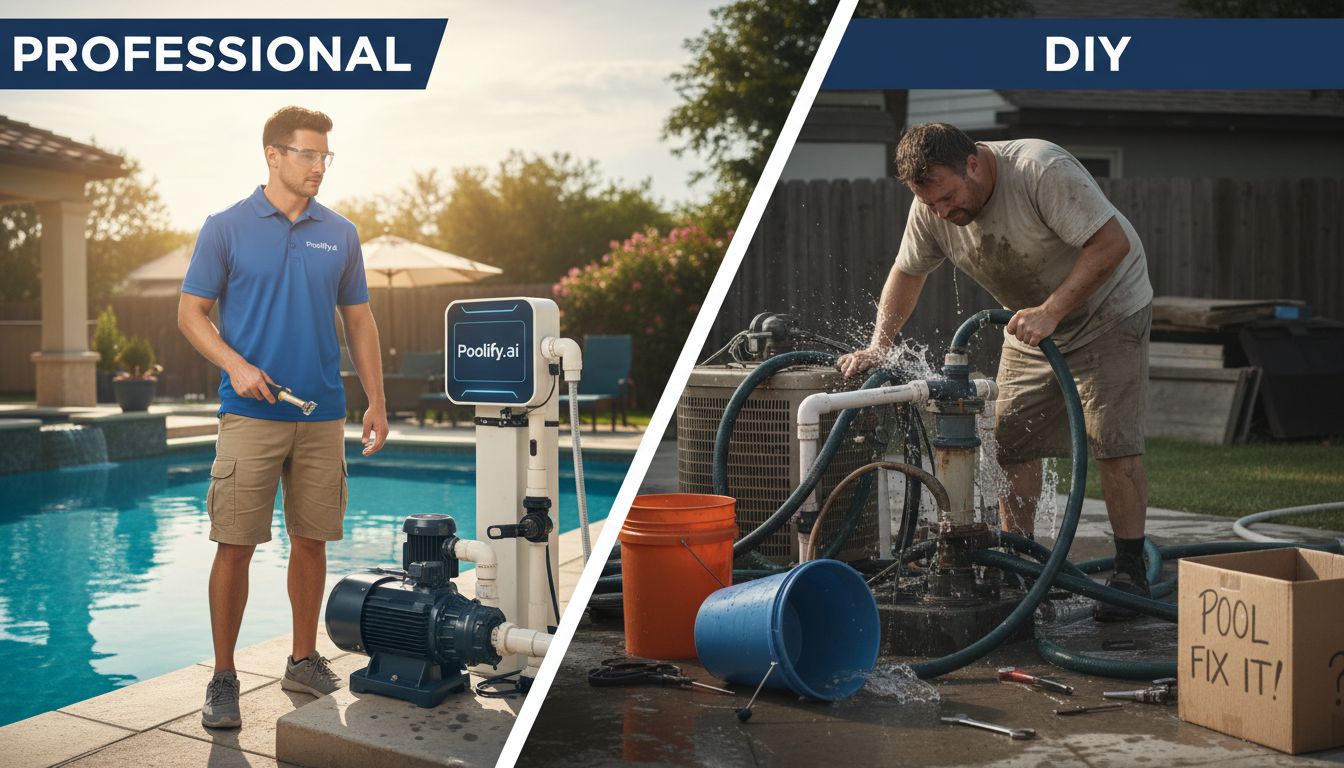
Determining which pool equipment maintenance tasks to handle personally versus hiring professionals optimizes both costs and results. Understanding your skill level and available time helps make these decisions effectively.
DIY-Friendly Maintenance Tasks
Many pool equipment maintenance tasks suit homeowner capabilities with basic tools and knowledge. Cleaning baskets, backwashing filters, and inspecting equipment require no special skills. Replacing pump lid O-rings, cleaning cartridges, and lubricating parts involve simple procedures clearly explained in owner’s manuals. Chemical testing and adjustment become routine with practice. Visual inspections for leaks, unusual noises, or performance changes catch problems early without professional help. These regular pool equipment maintenance activities form the foundation of effective equipment care while keeping costs minimal.
When to Call Professionals
Certain pool equipment maintenance tasks require professional expertise and tools. Gas heater service involves combustion analysis and gas line work best left to licensed technicians. Electrical troubleshooting beyond basic breaker checks requires qualified electricians familiar with pool equipment. Motor replacement and bearing service need specialized tools and knowledge. Leak detection and repair in underground plumbing exceeds most homeowner capabilities. Automation system programming and sensor calibration often require manufacturer training. Annual professional pool equipment maintenance inspections provide expert assessment of equipment condition and identify issues before they become emergencies. For complex systems, consider professional pool maintenance services to ensure comprehensive equipment care.
Advanced Pool Equipment Maintenance Technologies
Technology advances are transforming pool equipment maintenance approaches in 2026. Smart monitoring systems, predictive maintenance tools, and improved equipment designs simplify maintenance while improving reliability.
Smart Monitoring Systems
Modern pool monitoring systems enhance pool equipment maintenance through real-time data and alerts. These systems track equipment runtime, flow rates, pressure readings, and chemical levels continuously. Mobile apps notify owners immediately when parameters fall outside normal ranges, enabling quick responses before problems escalate. Some systems use artificial intelligence to predict maintenance needs based on usage patterns and equipment performance trends. Flow sensors detect restriction developing in filters before pressure gauges show significant changes. Smart pool equipment maintenance systems reduce the need for manual monitoring while improving equipment protection through early problem detection.
Predictive Maintenance Tools
Predictive maintenance represents the cutting edge of pool equipment maintenance in 2026. Vibration sensors on pumps detect bearing wear before audible noise develops. Thermal imaging identifies hot spots in electrical connections before failures occur. Chemical sensors with self-cleaning capabilities maintain accuracy longer between manual maintenance. Equipment manufacturers now offer connected devices that report performance metrics directly to service providers, enabling proactive pool equipment maintenance scheduling. These technologies shift maintenance from reactive or schedule-based approaches to condition-based strategies that optimize equipment life while minimizing unnecessary service.
Environmental Considerations in Pool Equipment Maintenance
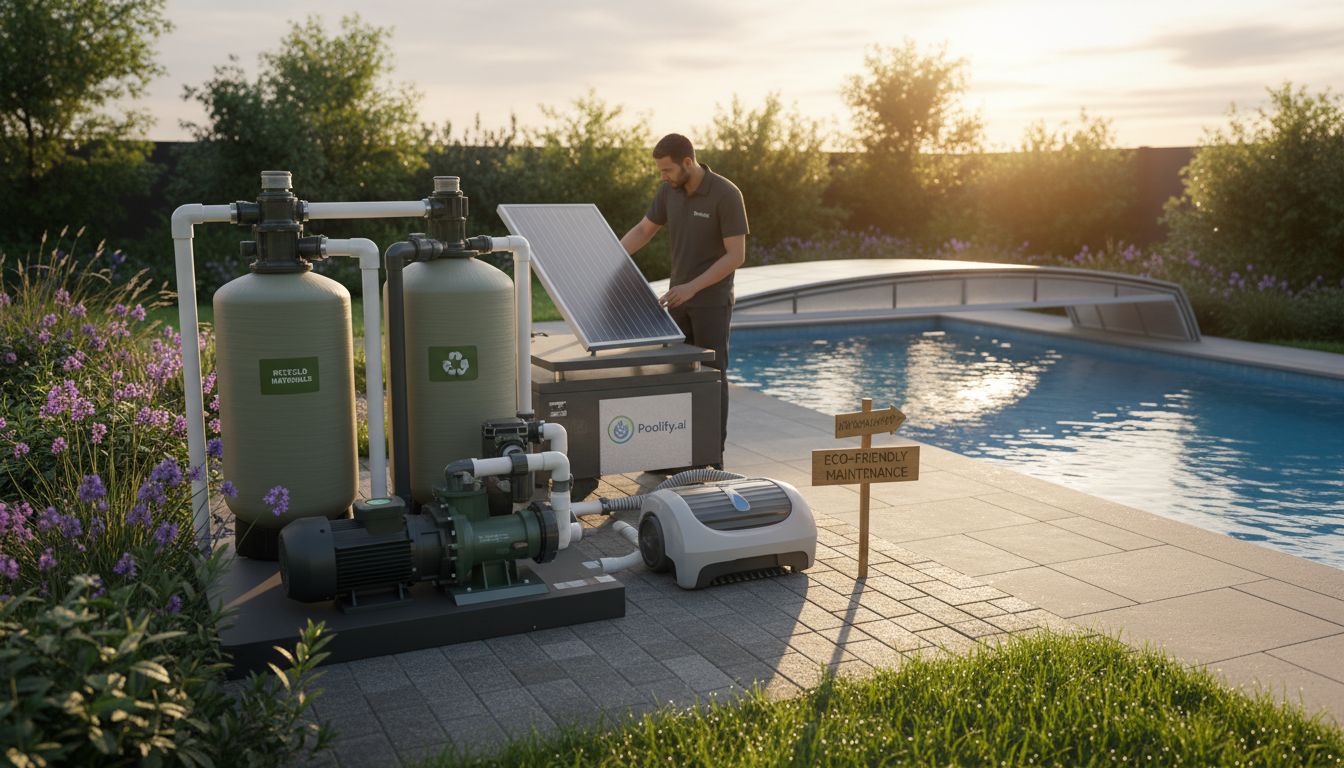
Sustainable pool equipment maintenance practices reduce environmental impact while often improving equipment performance and longevity. These approaches align with growing environmental consciousness among pool owners in 2026.
Water Conservation Through Maintenance
Proper pool equipment maintenance significantly reduces water waste. Fixing leaks promptly prevents thousands of gallons of loss annually—a single dripping backwash valve can waste 50-100 gallons daily. Maintaining proper filter operation reduces the need for excessive backwashing. Well-maintained equipment operates efficiently, reducing the need for dilution to correct chemical imbalances. Regular pool equipment maintenance of automatic covers prevents evaporation loss. These water conservation benefits become increasingly important as water costs rise and environmental awareness grows.
Energy Efficiency Optimization
Energy-conscious pool equipment maintenance reduces both costs and environmental impact. Clean filters and baskets allow pumps to move water efficiently with less energy consumption. Properly maintained heaters operate at peak efficiency, reducing fuel or electricity use. Variable-speed pumps maintained according to manufacturer specifications deliver maximum energy savings. Regular pool equipment maintenance of automation systems ensures optimal scheduling and operation. According to the Department of Energy, proper pool equipment maintenance can reduce pool energy costs by 20-30% compared to neglected systems.
Documentation and Record Keeping for Pool Equipment Maintenance
Maintaining detailed records of pool equipment maintenance activities provides valuable information for troubleshooting, warranty claims, and equipment valuation. Systematic documentation improves maintenance effectiveness over time.
Maintenance Log Benefits
A comprehensive pool equipment maintenance log tracks all service activities, parts replacements, and equipment performance observations. Record dates of filter cleanings, chemical adjustments, and equipment inspections. Note unusual observations like noise changes, pressure variations, or performance issues. Document all repairs with parts replaced and costs incurred. This log helps identify patterns like recurring problems or seasonal variations. When selling a home, detailed pool equipment maintenance records demonstrate responsible ownership and can increase property value. Digital apps and spreadsheets make record-keeping simple and accessible from anywhere.
Warranty and Service Documentation
Organized warranty documentation and service records prove essential for pool equipment maintenance claims and resale value. Store all equipment manuals, warranty cards, and purchase receipts in a dedicated file or digital folder. Keep records of professional service calls with technician notes and recommendations. Photograph equipment installations and repairs for future reference. Many manufacturers require proof of proper pool equipment maintenance to honor warranties, making documentation critical. When equipment fails, having complete service history helps technicians diagnose problems quickly and may reduce diagnostic charges.
Frequently Asked Questions About Pool Equipment Maintenance
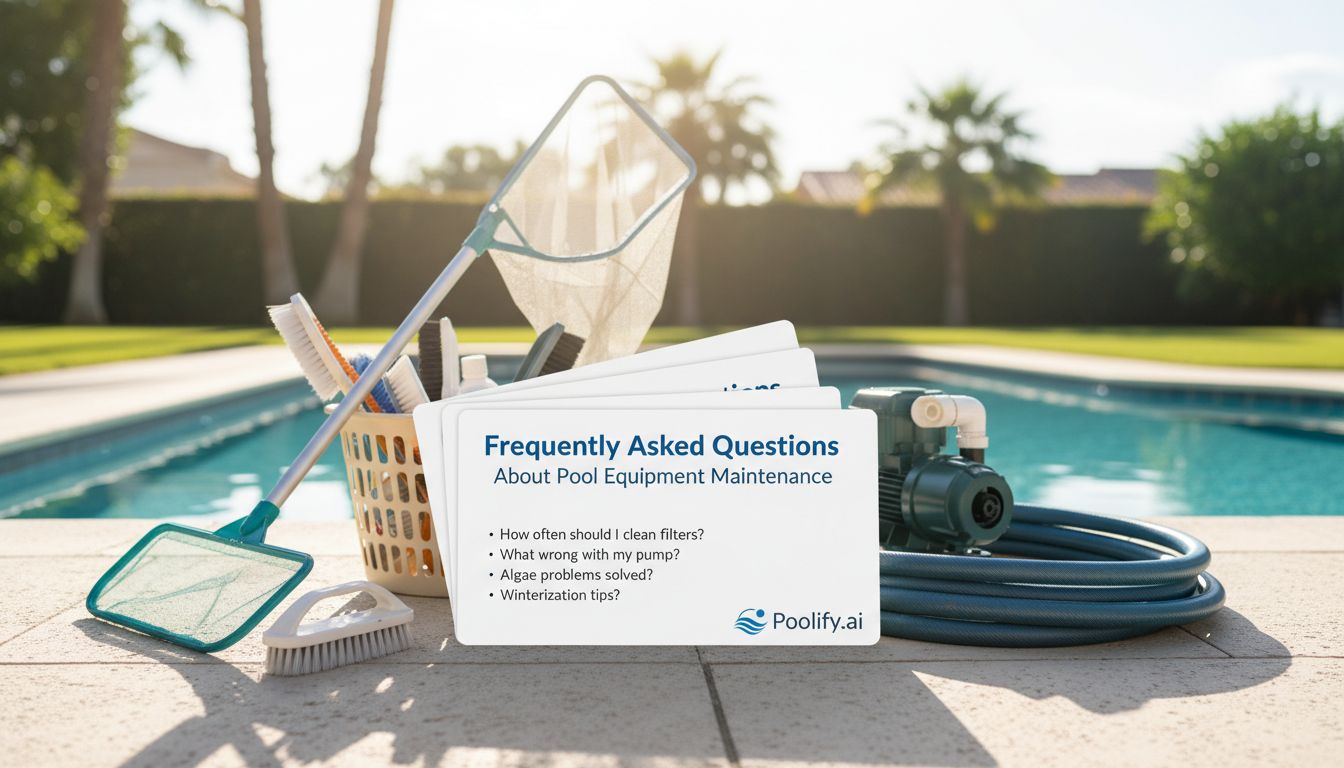
How often should I perform pool equipment maintenance?
Pool equipment maintenance frequency depends on the specific component and usage level. Daily tasks include visual inspections and skimmer checks taking 5 minutes. Weekly pool equipment maintenance involves basket cleaning and chemical testing requiring 15-30 minutes. Monthly tasks like filter cleaning and detailed inspections need 1-2 hours. Seasonal maintenance for opening and closing requires 3-4 hours each. Professional annual inspections provide comprehensive assessment. Consistent attention to these schedules prevents most equipment problems and extends component life significantly.
What are the most important pool equipment maintenance tasks?
The most critical pool equipment maintenance tasks focus on water flow and chemical balance. Keeping baskets and filters clean ensures proper circulation and prevents pump strain. Maintaining proper water chemistry protects all equipment from corrosion and scale damage. Regular inspection for leaks prevents water waste and equipment damage. Monitoring pump operation catches bearing and seal problems early. These fundamental pool equipment maintenance activities prevent the majority of equipment failures and costly repairs while requiring minimal time and expense.
Can I perform pool equipment maintenance myself or should I hire professionals?
Most routine pool equipment maintenance suits DIY capabilities with basic tools and knowledge. Cleaning baskets, backwashing filters, testing water, and visual inspections require no special training. However, gas heater service, electrical repairs, and complex troubleshooting benefit from professional expertise. A balanced approach uses DIY pool equipment maintenance for routine tasks while scheduling annual professional inspections for comprehensive assessment. This strategy optimizes costs while ensuring thorough equipment care and early problem detection.
How much does pool equipment maintenance cost annually?
Annual pool equipment maintenance costs vary by pool size, equipment complexity, and whether you hire professionals. DIY pool equipment maintenance costs $200-400 annually for chemicals, replacement parts, and supplies. Adding professional service typically costs $500-1,200 yearly for regular maintenance visits. However, proper pool equipment maintenance reduces repair costs significantly—homeowners following consistent schedules spend 40-60% less on repairs than those neglecting maintenance. Equipment lasts longer with proper care, reducing replacement costs. The investment in regular pool equipment maintenance delivers substantial returns through lower operating costs and extended equipment life.
What happens if I neglect pool equipment maintenance?
Neglecting pool equipment maintenance leads to accelerated wear, frequent breakdowns, and shortened equipment life. Dirty filters force pumps to work harder, increasing energy costs and causing premature motor failure. Poor water chemistry corrodes heaters, pumps, and plumbing. Ignored small leaks waste water and can cause structural damage. Equipment that could last 10-15 years with proper pool equipment maintenance may fail in 5-7 years when neglected. Emergency repairs cost more than scheduled maintenance, and equipment failures during peak season disrupt pool enjoyment. Consistent pool equipment maintenance represents far better value than reactive repairs.
Key Takeaways
- Establish a structured schedule: Implement daily, weekly, monthly, and seasonal pool equipment maintenance routines that address all system components systematically, preventing neglect and ensuring comprehensive equipment care throughout the year.
- Prioritize water flow and chemistry: Focus pool equipment maintenance efforts on maintaining clean baskets and filters for optimal circulation while keeping water chemistry balanced to protect all equipment from corrosion and scale damage.
- Invest in preventive maintenance: Consistent pool equipment maintenance reduces long-term costs by 40-60% compared to reactive repairs, extends equipment lifespan significantly, and prevents inconvenient breakdowns during swimming season.
- Know when to seek professional help: Handle routine pool equipment maintenance tasks yourself while scheduling annual professional inspections and calling experts for complex repairs, electrical work, and gas heater service.
- Document all maintenance activities: Maintain detailed records of pool equipment maintenance tasks, repairs, and observations to identify patterns, support warranty claims, and demonstrate responsible ownership that increases property value.
See Your Dream Pool in Your Actual Backyard
Upload a photo and get an AI-designed pool visualization in 10 seconds. 3 free designs, no login required.
Try Poolify Free →Conclusion
Mastering pool equipment maintenance transforms pool ownership from a source of frustration into a rewarding experience with reliable, efficient operation. The strategies outlined in this guide provide homeowners with comprehensive knowledge to care for every component of their pool system effectively. By implementing structured maintenance schedules, understanding equipment-specific needs, and knowing when to seek professional assistance, you protect your investment while ensuring years of trouble-free pool enjoyment. The time and resources invested in proper pool equipment maintenance deliver substantial returns through lower operating costs, extended equipment life, and the peace of mind that comes from knowing your pool system operates at peak performance. As pool technology continues advancing in 2026, the fundamental principles of consistent attention, preventive care, and informed decision-making remain the foundation of successful pool equipment maintenance. Start implementing these practices today to experience the benefits of a well-maintained pool system that serves your family reliably for decades to come.


References
- Centers for Disease Control and Prevention – Pool Water Quality and Disinfection: https://www.cdc.gov/healthywater/swimming/residential/disinfection-testing.html
- U.S. Department of Energy – Swimming Pool Heating: https://betterbuildingssolutioncenter.energy.gov/sites/default/files/attachments/Pool%20efficiency_.pdf
- Poolify.ai – Pool Equipment Upgrades: https://content.poolify.ai/pool-equipment-upgrades/
- Poolify.ai – Professional Pool Maintenance Services: https://content.poolify.ai/professional-pool-maintenance/
