
Deciding on the best time to buy a pool can save you thousands of dollars and ensure a smoother installation process. With pool prices fluctuating throughout the year and contractor schedules varying by season, understanding when to make your purchase is crucial for homeowners in 2026. This comprehensive guide breaks down the optimal timing strategies, seasonal considerations, and insider tips to help you secure the best deal on your backyard oasis.
Why Timing Matters When Purchasing a Pool
The best time to buy a pool isn’t just about finding lower prices—it’s about balancing multiple factors that affect your overall experience. Pool contractors experience dramatic seasonal fluctuations in demand, which directly impacts pricing, availability, and installation timelines. During peak summer months, contractors are booked solid, prices reach their highest points, and you’ll likely wait weeks or months for installation to begin.
Understanding market dynamics helps you leverage off-season advantages. When demand drops, contractors become more flexible with pricing, offer better customer service, and can dedicate more attention to your project. Additionally, manufacturers and retailers often run promotions during slower periods to maintain cash flow, creating opportunities for significant savings on equipment and materials.
Weather conditions also play a critical role in determining the best time to buy a pool. While you might secure a great price in winter, ground conditions and temperature limitations can delay installation. The ideal scenario combines favorable pricing with optimal installation conditions, which typically occurs during specific transition periods throughout the year.
Fall: The Prime Season for Pool Purchases
September through November represents the best time to buy a pool for most homeowners. As swimming season winds down, contractors shift from maintenance mode to sales mode, eager to fill their schedules for the coming months. This creates a buyer’s market where negotiation power shifts dramatically in your favor.
During fall, pool companies offer substantial discounts—typically 10-20% below peak season prices—to secure projects before year-end. Sales teams have quotas to meet, making them more willing to negotiate on price, throw in upgrades, or waive certain fees. You’ll also receive more personalized attention during consultations since contractors aren’t juggling dozens of active installations simultaneously.
The fall advantage extends beyond pricing. By purchasing in autumn, you secure a spot in the contractor’s spring installation queue before the rush begins. This ensures your pool will be ready for the following summer, rather than risking delays that push completion into mid-season or beyond. Ground conditions in fall remain workable in most regions, allowing for site preparation and initial excavation before winter arrives.
Fall Buying Strategy
To maximize fall opportunities, start researching contractors in August and schedule consultations for September. Request quotes from at least three reputable companies and mention you’re comparing multiple bids. Ask about end-of-season promotions, financing options, and what upgrades they can include at no additional cost. The best time to buy a pool during fall is typically late September through October, when contractors become most motivated to close deals.
Late Winter: The Budget-Conscious Buyer’s Window
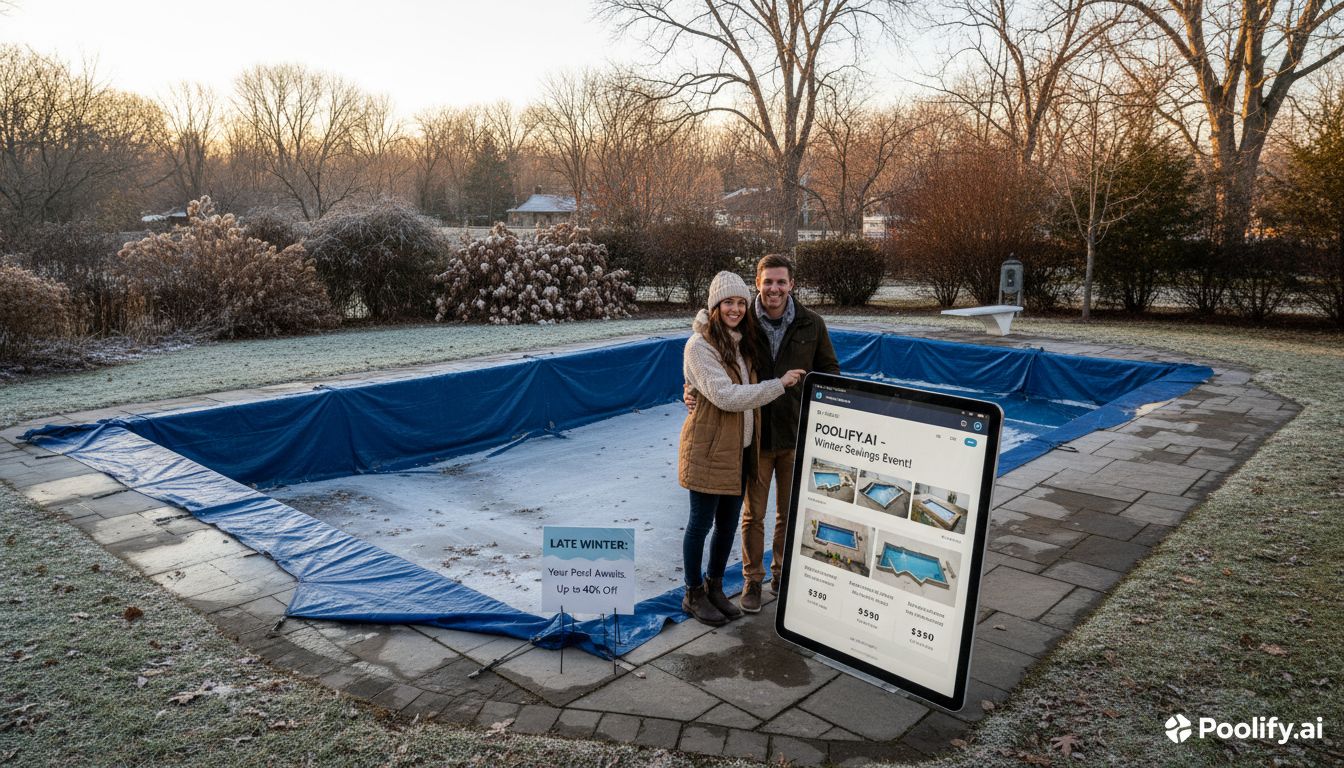
January through March offers another excellent opportunity for finding the best time to buy a pool, particularly for budget-focused homeowners. After the holiday season, pool companies face their slowest period and become extremely competitive on pricing. Manufacturers also introduce new models and clear out previous year’s inventory, creating additional discount opportunities.
Late winter purchases can yield savings of 15-25% compared to peak season, with some contractors offering aggressive promotions to generate early-season revenue. You’ll benefit from unhurried consultations, detailed planning sessions, and contractors who are genuinely eager for your business. This period allows ample time for design refinement and permits processing before spring installation begins.
However, late winter buying requires patience. Depending on your climate zone, actual installation may not begin until weather permits—typically March or April in moderate climates, later in northern regions. Ground frost and excessive moisture can delay excavation, so your contractor will schedule installation based on optimal conditions rather than immediate timelines.
Winter Negotiation Tactics
When shopping during late winter, leverage the slow season to your advantage. Request itemized quotes that break down materials, labor, and equipment costs. Ask contractors what they can do to earn your business, and don’t hesitate to mention competitor pricing. Many companies offer special financing rates during this period, sometimes including deferred payment or zero-interest options for qualified buyers. The best time to buy a pool in winter is when you’re prepared to commit quickly once you find the right deal.
Spring: Balancing Availability and Urgency
April and May represent a transitional period that can still offer good value, though not quite matching fall and winter savings. As weather improves and homeowners start thinking about summer, contractor schedules fill rapidly. The best time to buy a pool during spring is early April, before the seasonal rush intensifies.
Spring purchases typically offer 5-10% discounts compared to peak summer pricing, with better availability than summer months but less negotiating power than off-season periods. You’ll still find contractors willing to compete for your business, especially early in the season. However, by late May, many reputable contractors are fully booked through summer, limiting your options.
The primary advantage of spring purchasing is installation timing. Weather conditions are optimal for excavation and construction, and you can potentially have your pool ready by mid-to-late summer. This works well for homeowners who decided late to add a pool but still want to enjoy it during the current year. According to the U.S. Census Bureau’s construction data, residential pool installations peak between April and July, reflecting this seasonal demand pattern.
Spring Shopping Considerations
If spring is your target season, act decisively. Schedule consultations in March, compare quotes quickly, and be prepared to sign contracts by early April. Ask contractors about their current booking status and realistic installation timelines. The best time to buy a pool in spring requires balancing urgency with due diligence—don’t rush into poor decisions, but recognize that delays cost you negotiating leverage and installation slots.
Summer: When to Avoid Pool Purchases

June through August represents the worst time to buy a pool for most homeowners. Demand peaks, prices reach their highest points, and reputable contractors are typically booked months in advance. Unless you’re facing unique circumstances, summer purchasing rarely makes financial sense.
During peak season, you’ll pay premium prices—often 20-30% above off-season rates—with minimal room for negotiation. Contractors have full schedules and little incentive to discount services or include free upgrades. You’ll also face extended wait times, with installation potentially delayed until fall or the following spring, meaning you’ll pay peak prices for off-season installation anyway.
The only scenario where summer purchasing makes sense is if you’re buying for next year and find an exceptional promotion. Some retailers offer “buy now, install later” deals during summer, allowing you to lock in current prices for spring installation. However, these promotions are rare and require careful contract review to ensure terms remain favorable if circumstances change.
Regional Climate Considerations
The best time to buy a pool varies significantly based on your geographic location and climate zone. Southern states with year-round mild weather offer more flexibility, while northern regions face stricter seasonal constraints. Understanding your local climate helps optimize timing for both purchasing and installation.
In warm climates like Florida, Texas, and Southern California, pool construction can occur almost year-round. The best time to buy a pool in these regions is typically November through February, when demand drops despite favorable weather conditions. You’ll secure off-season pricing while still achieving timely installation, potentially having your pool ready by early spring.
Moderate climate zones—including the Mid-Atlantic, Pacific Northwest, and lower Midwest—experience distinct seasons but manageable winters. Here, the best time to buy a pool is September through November or February through March. Fall purchases allow site preparation before winter, with installation resuming in spring. Late winter purchases take advantage of slow-season pricing with spring installation following shortly after.
Northern states with harsh winters face the most constraints. In these regions, the best time to buy a pool is late winter (February-March) for spring installation, or early fall (September) for next-year installation. Ground frost prevents winter construction, so timing must account for these limitations. However, off-season discounts can be most substantial in these markets, as contractors face extended slow periods.
Financial Timing Strategies
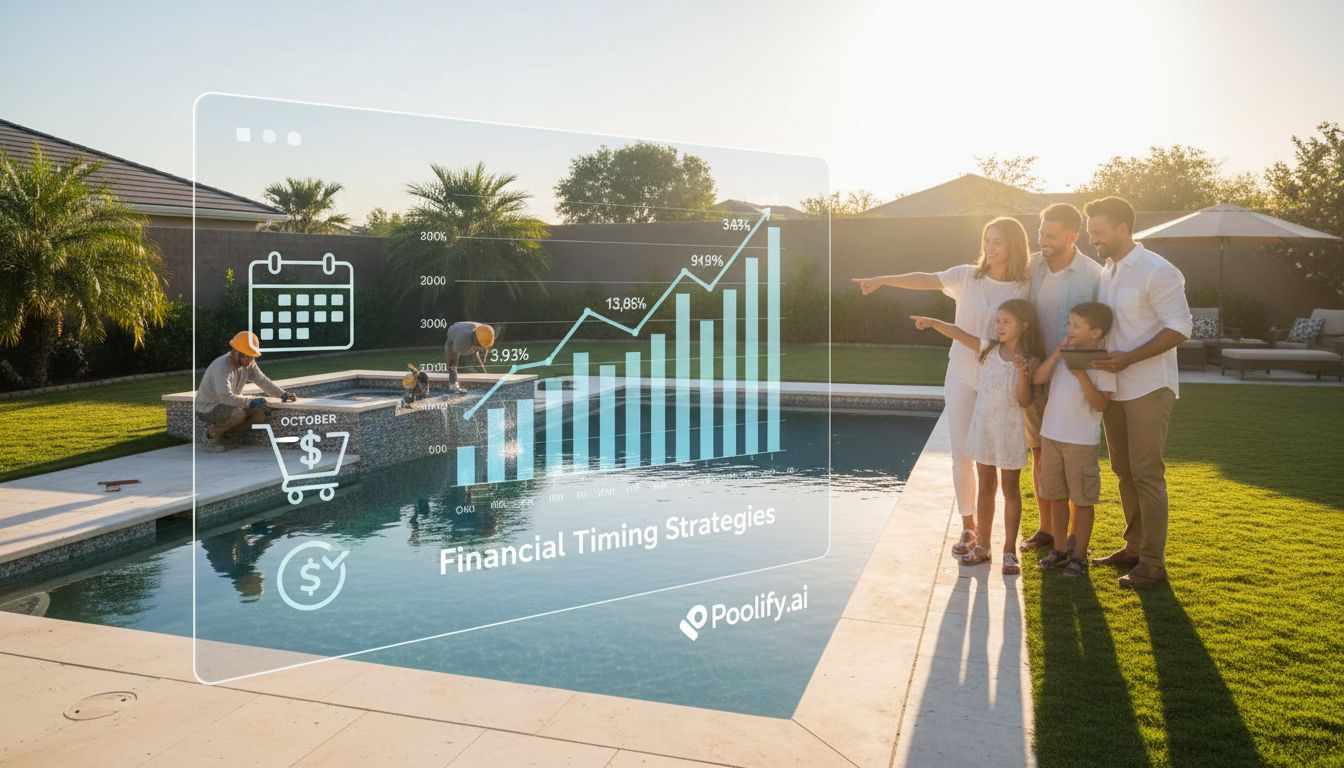
Beyond seasonal considerations, financial timing affects when you should buy a pool. Major purchases require careful budget planning, and several strategies can optimize your financial position while securing favorable pool pricing.
Tax refund season (February-April) provides many homeowners with lump-sum cash for down payments. If you’re expecting a significant refund, late winter represents the best time to buy a pool from both pricing and cash-flow perspectives. You’ll access off-season discounts while having funds available for deposits without disrupting regular budgets.
Home equity considerations also influence timing. If you’re planning to finance through a home equity loan or line of credit, allow 4-6 weeks for approval and funding. Start the financing process before beginning contractor negotiations, ensuring you have firm budget numbers and pre-approval in hand. Many homeowners find that exploring pool financing options early in their planning process helps them make more informed decisions.
End-of-quarter and end-of-year periods create additional opportunities. Sales teams working toward quarterly or annual targets become more flexible in late March, June, September, and December. While June isn’t ideal for pool purchases generally, late September and late December can offer exceptional deals as contractors push to meet revenue goals.
Financing Timing Tips
The best time to buy a pool from a financing perspective is when interest rates are favorable and your credit score is optimized. Monitor rate trends and consider timing your purchase when rates dip. Additionally, some contractors offer special financing promotions during slow seasons—zero-interest periods, deferred payments, or reduced origination fees—making off-season purchases even more attractive financially.
Contractor Availability and Quality Considerations
The best time to buy a pool isn’t just about price—it’s about securing quality contractors who’ll deliver excellent results. Off-season purchasing provides access to top-tier professionals who can dedicate appropriate time and attention to your project.
During peak season, even reputable contractors rush between jobs, potentially cutting corners or delegating work to less-experienced crews. Off-season projects receive more careful attention, with senior staff directly involved in installation and problem-solving. You’ll also get better customer service, with contractors more responsive to questions and concerns.
Vetting contractors thoroughly is easier during slow periods. Schedule multiple consultations, request detailed proposals, and check references without feeling pressured to decide quickly. Ask about their installation schedule, crew experience, and how many projects they manage simultaneously. The best contractors limit concurrent projects to ensure quality, which is more feasible during off-season when demand is lower.
Warranty and follow-up service also benefit from off-season purchases. When issues arise during or after installation, contractors have more bandwidth to address them promptly. Summer-installed pools often face delayed service calls because contractors are juggling numerous active projects. For comprehensive guidance on maintaining your investment, check out our complete pool maintenance guide.
Equipment and Material Availability
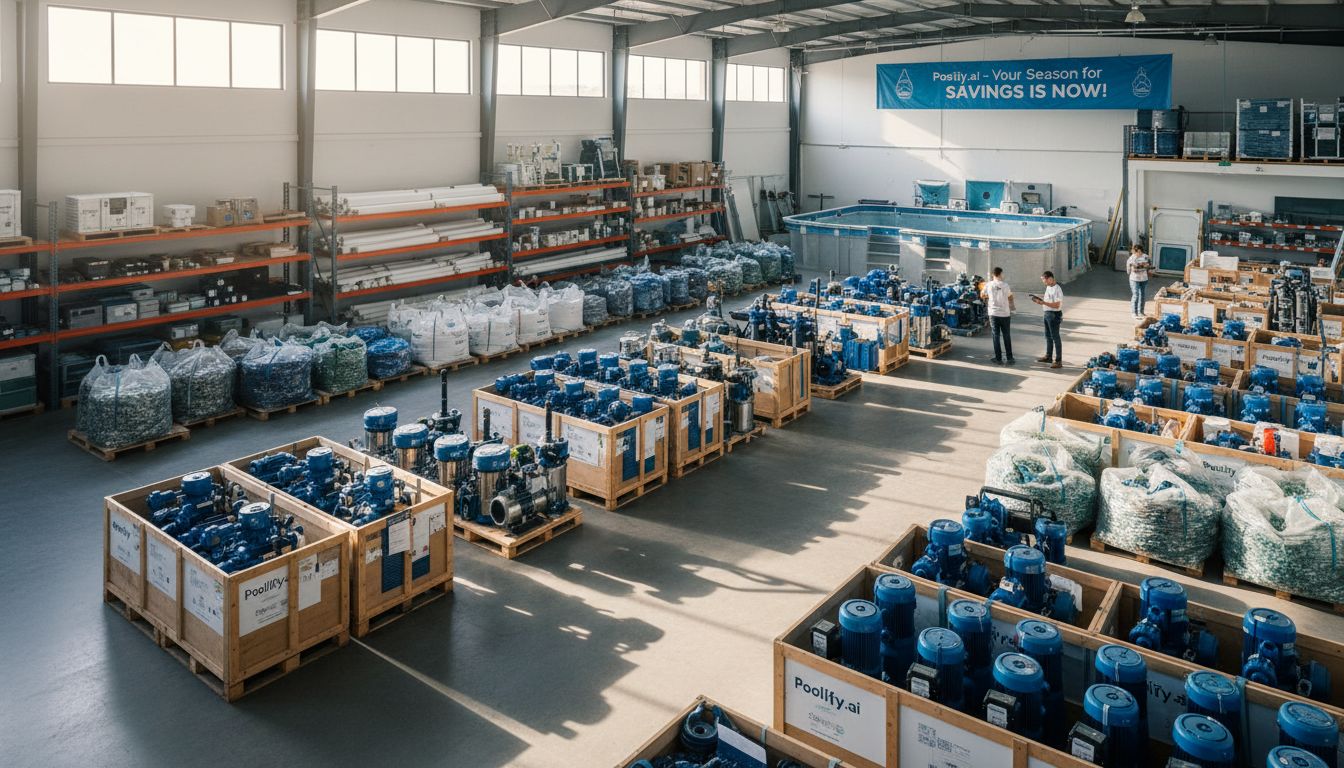
Supply chain considerations affect the best time to buy a pool, particularly for specific equipment or custom features. Pool equipment manufacturers operate on production cycles that can impact availability and pricing throughout the year.
New model releases typically occur in late winter or early spring, making late fall through winter the best time to buy a pool if you’re flexible on equipment specifications. Retailers discount previous year’s models to make room for new inventory, offering identical functionality at reduced prices. Pumps, heaters, filters, and automation systems from the prior year work just as well but cost significantly less.
Custom features and specialty materials require longer lead times. If you’re planning elaborate designs, imported tile, custom lighting systems, or advanced automation, order during off-season to avoid delays. Manufacturers and suppliers experience backlogs during peak construction season, potentially pushing delivery dates by weeks or months. Starting early ensures materials arrive when needed, preventing installation delays.
Supply chain disruptions, which affected many industries in recent years, make early ordering increasingly important. While conditions have improved in 2026, prudent buyers still account for potential delays by purchasing well ahead of desired installation dates. The best time to buy a pool with custom features is 6-8 months before your target installation date, allowing ample time for manufacturing and shipping.
Permit Processing and HOA Approvals
Administrative timelines influence the best time to buy a pool, especially in areas with strict regulations or homeowners associations. Permit processing and HOA approvals can take weeks or months, making early initiation crucial for timely installation.
Municipal building departments experience seasonal fluctuations in workload. Submitting permit applications during slow periods (typically November through February) often results in faster processing. Your contractor typically handles permit applications, but buying during off-season gives them time to navigate bureaucratic processes without delaying installation.
HOA approval processes vary widely but can be unexpectedly time-consuming. Some associations meet monthly or quarterly, meaning your application might wait weeks just to be reviewed. Others require neighbor notifications, architectural committee reviews, or multiple approval stages. The best time to buy a pool in HOA-governed communities is at least 3-4 months before desired installation, allowing time for potential application revisions or appeals.
Zoning regulations, setback requirements, and utility clearances add additional layers of complexity. Properties with septic systems, easements, or unusual lot configurations may require special permits or engineering studies. Starting the process during off-season provides buffer time for unexpected complications without jeopardizing your installation timeline.
Key Takeaways
- Fall (September-November) is the best time to buy a pool for most homeowners, offering 10-20% discounts, better contractor availability, and optimal installation timing for the following summer.
- Late winter (January-March) provides maximum savings of 15-25% off peak prices, though installation must wait for favorable weather conditions in most regions.
- Avoid summer purchases when prices peak, contractors are fully booked, and negotiating power is minimal unless you’re planning for next year’s installation.
- Regional climate significantly impacts optimal timing—southern states offer year-round flexibility while northern regions require careful coordination with ground conditions and weather.
- Financial preparation and contractor vetting are easier during off-season, providing better service quality, more attention to detail, and superior customer support throughout the installation process.
Frequently Asked Questions
How much can I save by buying a pool during the off-season?
Off-season pool purchases typically save 10-25% compared to peak summer pricing. Fall purchases average 10-20% savings, while late winter deals can reach 15-25% discounts. These savings apply to both the pool itself and installation costs, potentially representing $5,000-$15,000 in savings on a typical inground pool project. The best time to buy a pool for maximum savings is January through March, though fall offers an excellent balance of savings and installation timing.
Can I install a pool in winter?
Winter installation feasibility depends entirely on your climate zone. Southern states with mild winters can install pools year-round, making winter an excellent time for both purchasing and installation. Moderate climates may allow limited winter work during dry, unfrozen periods. Northern regions with ground frost cannot excavate or pour concrete during winter, requiring installation to wait until spring thaw. Even when winter installation isn’t possible, winter remains the best time to buy a pool for spring installation at discounted prices.
How far in advance should I start planning my pool purchase?
Begin planning 6-9 months before your desired installation date for optimal results. This timeline allows for contractor research, quote comparisons, financing arrangements, permit processing, and HOA approvals without rushing decisions. For custom designs or specialty features, extend planning to 9-12 months. The best time to buy a pool is after thorough planning but during off-season periods when pricing and contractor availability favor buyers. Early planning combined with strategic timing maximizes both quality and value.
Do pool prices increase every year?
Pool prices generally trend upward over time due to inflation, material costs, and labor expenses. However, year-over-year increases vary based on economic conditions, supply chain factors, and regional demand. Waiting for prices to drop is rarely a successful strategy—instead, focus on buying during seasonal low points within any given year. The best time to buy a pool is when you’re financially ready and can take advantage of off-season discounts, rather than trying to time broader market trends.
Should I wait for holiday sales to buy a pool?
Major holidays rarely produce significant pool discounts compared to seasonal off-peak periods. Memorial Day and July 4th sales occur during peak season when contractors have minimal incentive to discount. Labor Day marks the beginning of fall slowdown and can offer good deals. The best holiday timing is Black Friday through year-end, when some retailers offer promotions to meet annual sales targets. However, standard off-season periods (fall and late winter) typically provide better overall value than holiday-specific sales.
See Your Dream Pool in Your Actual Backyard
Upload a photo and get an AI-designed pool visualization in 10 seconds. 3 free designs, no login required.
Try Poolify Free →Conclusion
Determining the best time to buy a pool requires balancing multiple factors—seasonal pricing, contractor availability, weather conditions, and your personal timeline. For most homeowners, fall emerges as the optimal purchasing window, combining substantial discounts with favorable installation timing. Late winter offers maximum savings for budget-conscious buyers willing to wait for spring installation. Understanding these seasonal dynamics empowers you to make strategic decisions that save thousands of dollars while ensuring quality installation.
The best time to buy a pool ultimately depends on your specific circumstances, but avoiding peak summer months remains universally advisable. By planning ahead, researching contractors thoroughly, and timing your purchase during off-season periods, you’ll maximize value while minimizing stress. Whether you choose fall’s balanced advantages or winter’s deep discounts, strategic timing transforms pool ownership from a premium expense into a smart investment. For additional guidance on maintaining your new pool, explore our expert pool cleaning tips to keep your investment in pristine condition year-round.
References
- U.S. Census Bureau – Construction Data: https://www.census.gov/construction/chars/index.html
