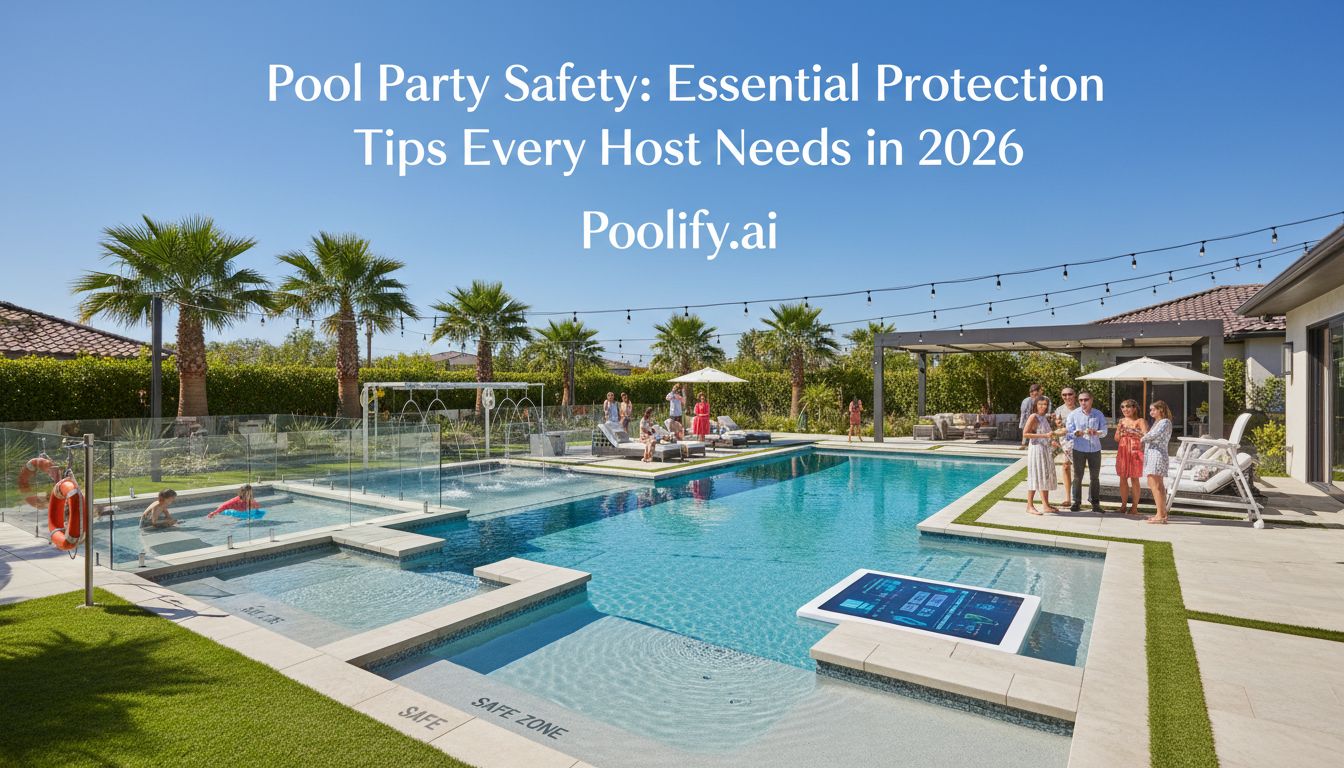
Introduction to Pool Party Safety
Pool party safety should be every host’s top priority when planning summer gatherings in 2026. With drowning remaining one of the leading causes of accidental death, especially among children, understanding and implementing comprehensive pool party safety measures can mean the difference between a memorable celebration and a tragic accident. Whether you’re hosting a small family gathering or a large neighborhood event, proper pool party safety protocols protect your guests, reduce liability, and allow everyone to enjoy the water with peace of mind.
This comprehensive guide covers everything you need to know about pool party safety, from pre-party preparations and supervision strategies to emergency response protocols and legal considerations. By following these evidence-based pool party safety recommendations, you’ll create a secure environment where fun and protection go hand in hand.
Pre-Party Pool Party Safety Preparations
Effective pool party safety begins long before guests arrive. Your preparation phase sets the foundation for a secure event. Start by conducting a thorough inspection of your pool area at least one week before your party. Check all safety equipment, test water chemistry, and identify potential hazards that need addressing.
Essential Equipment Checklist
Proper equipment is fundamental to pool party safety. Ensure you have multiple life rings or rescue tubes positioned around the pool perimeter. According to the Consumer Product Safety Commission’s Pool Safely campaign, having rescue equipment within arm’s reach can save critical seconds during an emergency. Install a first aid kit in a clearly marked, easily accessible location near the pool area.
Your pool party safety equipment should include a shepherd’s hook for reaching distressed swimmers, multiple flotation devices appropriate for different age groups, and a charged phone for emergency calls. Consider investing in a poolside emergency station that consolidates all safety equipment in one visible location.
Physical Barriers and Fencing
Physical barriers are crucial elements of pool party safety infrastructure. Verify that your pool fence meets current 2026 safety standards with self-closing, self-latching gates that open outward. The fence should be at least four feet high with vertical slats no more than four inches apart to prevent children from squeezing through or climbing over.
Remove any furniture, planters, or objects near the fence that could serve as climbing aids. For pool party safety during your event, ensure gates remain closed and latched between swimming sessions, especially when young children are present. Designate a responsible adult to monitor gate access throughout the party.
Supervision Strategies for Pool Party Safety
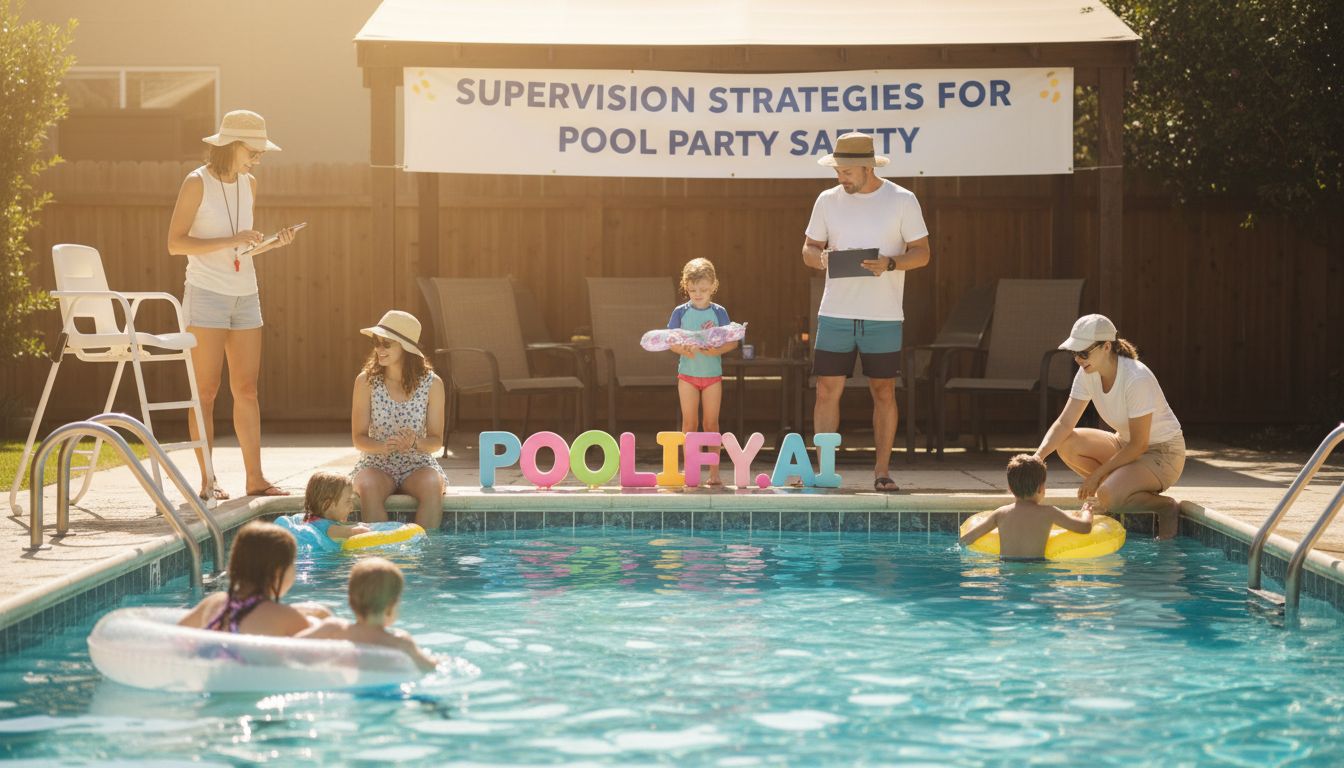
Supervision represents the most critical component of pool party safety. Even with perfect equipment and barriers, accidents happen when attention lapses. Implement a structured supervision system that eliminates gaps in coverage and ensures every swimmer receives appropriate monitoring.
The Water Watcher System
The water watcher rotation system significantly enhances pool party safety by assigning specific adults to dedicated supervision shifts. Designate one adult as the “water watcher” for 15-minute intervals, providing them with a distinctive item like a brightly colored lanyard or hat. This person’s sole responsibility is watching the water—no phone calls, conversations, or distractions.
For optimal pool party safety, the water watcher should remain standing, positioned where they can see the entire pool, and maintain constant visual contact with all swimmers. After their shift, they pass the water watcher designation to the next adult. This rotation prevents supervision fatigue while ensuring accountability.
Age-Appropriate Supervision Ratios
Pool party safety requires different supervision levels based on swimmer ages and abilities. For children under five, maintain touch supervision—an adult must be within arm’s reach at all times. For children ages five to twelve, keep one adult supervisor for every three children, positioned close enough to reach them within seconds.
Teenagers and adults still require supervision for pool party safety, though the ratio can be less intensive. However, never assume strong swimmers are immune to accidents. Fatigue, medical emergencies, and unexpected situations can affect anyone. Learn more about maintaining optimal pool conditions to reduce additional risk factors.
Child-Specific Pool Party Safety Measures
Children face the highest drowning risk, making child-focused pool party safety measures essential. According to the Centers for Disease Control and Prevention, drowning is the leading cause of death for children ages 1-4. Implementing multiple layers of protection creates a comprehensive child safety system.
Swimming Ability Assessment
Before your event, assess each child’s swimming ability to customize pool party safety protocols. Create three categories: non-swimmers who need constant touch supervision, beginners who can paddle but lack endurance, and competent swimmers who demonstrate proper technique and water confidence. Use different colored wristbands to help supervisors quickly identify each child’s ability level.
Pool party safety improves when parents honestly communicate their child’s abilities. Make it clear that wristband assignments aren’t judgments but practical tools for appropriate supervision. Even children who’ve taken lessons may not be pool-safe without adult support.
Life Jacket Requirements
Life jackets provide an additional layer of pool party safety for weak swimmers and young children. Require Coast Guard-approved life jackets for all non-swimmers and consider them mandatory for children under six regardless of claimed ability. Pool toys and inflatable arm floaties don’t substitute for proper flotation devices in a comprehensive pool party safety plan.
Keep several sizes of life jackets available for guests who arrive without them. Ensure proper fit by checking that the jacket doesn’t ride up over the child’s chin when lifted at the shoulders. Explain to children that life jackets enable them to enjoy the water safely, not as punishment or embarrassment.
Pool Party Safety Rules and Communication
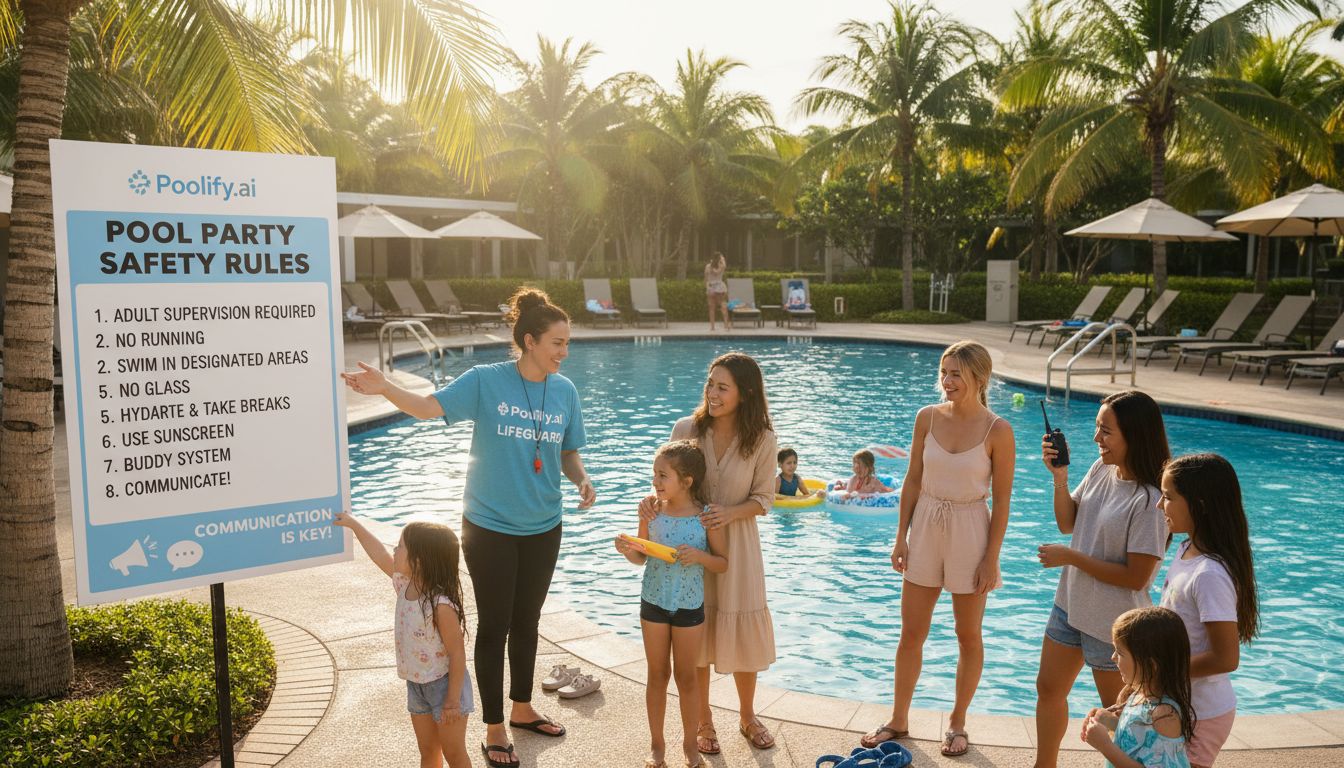
Clear rules form the backbone of effective pool party safety. Establish and communicate expectations before anyone enters the water. Post visible signs listing pool rules in multiple locations around your pool area, and verbally review them with all guests, especially children, at the party’s start.
Essential Pool Rules
Your pool party safety rules should address the most common risk factors. Prohibit running on pool decks, diving in shallow areas, and rough play like dunking or chicken fights that can lead to injuries. Establish a “no swimming alone” rule and require buddy systems for children.
For enhanced pool party safety, create a designated shallow area for young children and non-swimmers. Mark depth changes clearly with visible indicators. Prohibit glass containers in the pool area to prevent cuts from broken shards. Ban alcohol consumption for anyone supervising swimmers or for teenage guests.
Emergency Communication Protocols
Effective emergency communication enhances pool party safety by ensuring rapid response when incidents occur. Establish a clear, loud alarm signal—like three short whistle blasts—that means everyone must exit the water immediately. Practice this signal with guests when explaining rules.
Post emergency numbers, including your address, near the pool phone. During emergencies, stress and panic can make people forget basic information. Your pool party safety plan should designate one person to call 911, another to perform rescue or first aid, and a third to clear the area and direct emergency responders to your location.
Pool Party Safety Equipment and Technology
Modern technology offers innovative solutions for enhanced pool party safety in 2026. While nothing replaces active supervision, these tools provide additional protective layers that can detect problems and alert supervisors to potential dangers.
Pool Alarms and Detection Systems
Pool alarms strengthen pool party safety by alerting you when someone enters the water unexpectedly. Surface wave detection alarms sound when they sense disturbance patterns consistent with a person falling in. Subsurface alarms detect underwater pressure changes. Perimeter alarms notify you when someone crosses an invisible beam around your pool.
For comprehensive pool party safety, combine multiple alarm types to reduce false positives while maintaining sensitivity. Test all alarms before your event and keep fresh batteries in wireless models. Remember that alarms supplement but never replace direct supervision.
Safety Cameras and Monitoring
Underwater and deck-mounted cameras enhance pool party safety by providing additional viewing angles and creating recorded documentation. Position cameras to eliminate blind spots, particularly in areas hidden by pool features or landscaping. Some 2026 systems include AI-powered drowning detection that analyzes swimmer behavior patterns and alerts supervisors to distress signals.
While beneficial for pool party safety, cameras create privacy considerations. Inform guests about recording, and ensure your system complies with local recording laws. Check out our guide on essential pool equipment for more technology options.
Weather-Related Pool Party Safety Considerations
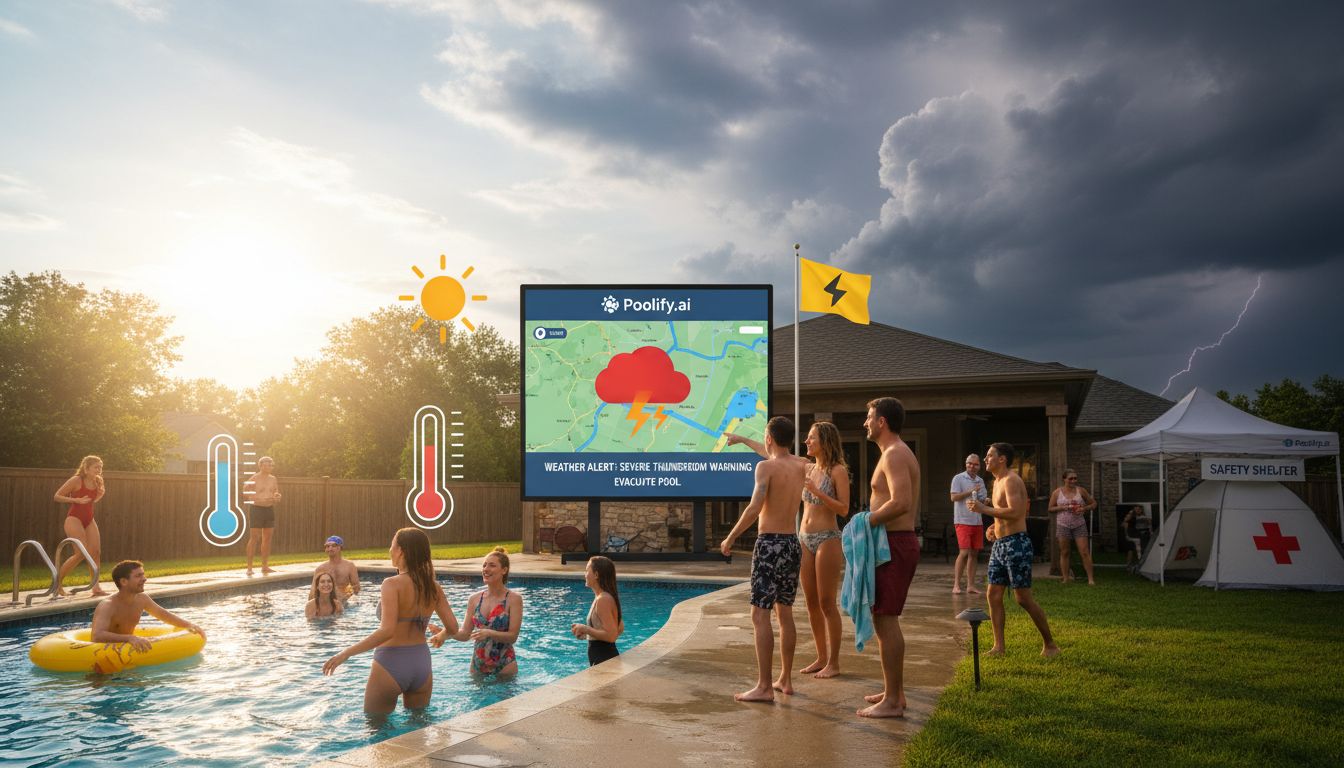
Weather conditions significantly impact pool party safety. Environmental factors can transform a safe situation into a dangerous one within minutes. Monitoring weather and implementing appropriate protocols protects guests from weather-related hazards.
Lightning and Thunderstorm Protocols
Lightning poses severe risks to pool party safety. Implement the 30-30 rule: when you see lightning, count seconds until you hear thunder. If the count is 30 seconds or less, lightning is within six miles—everyone must exit the water immediately and seek shelter indoors. Wait 30 minutes after the last thunder before allowing anyone back in the pool.
Don’t compromise pool party safety by waiting for rain to clear the pool. Lightning can strike up to ten miles from rainfall. Covered patios and pool houses don’t provide adequate protection. Move everyone into a fully enclosed building with plumbing and electrical wiring that can ground lightning strikes.
Sun Exposure and Heat Safety
Excessive sun exposure and heat affect pool party safety beyond just sunburn risk. Provide shaded areas where guests can cool down between swimming sessions. Stock sunscreen with SPF 30 or higher and encourage reapplication every two hours or after swimming.
Heat exhaustion compromises pool party safety by causing dizziness, weakness, and impaired judgment—all dangerous near water. Ensure adequate hydration by offering water stations throughout your pool area. Recognize heat exhaustion symptoms including excessive sweating, rapid pulse, and nausea, and move affected individuals to cool areas immediately.
Emergency Response and First Aid for Pool Party Safety
Despite preventive measures, emergencies can still occur. Your pool party safety preparedness includes knowing how to respond effectively when accidents happen. Quick, confident action during the critical first minutes often determines outcomes.
CPR and Rescue Skills
CPR certification dramatically improves pool party safety outcomes. Every adult host should complete current CPR training that includes rescue breathing and chest compressions for all age groups. Drowning victims need immediate CPR—brain damage begins within four to six minutes of oxygen deprivation.
For optimal pool party safety, ensure at least two adults at your event hold current CPR certification. Skills deteriorate over time, so refresh training every two years. Practice rescue scenarios before your party so responders can act automatically under stress rather than trying to remember steps.
Rescue Techniques
Proper rescue techniques are essential for pool party safety. Never jump in to save a drowning person without flotation support—panicked victims can pull rescuers under. Instead, reach with a shepherd’s hook, throw a flotation device, or wade carefully while maintaining your own safety.
If you must enter the water for pool party safety rescue, bring a flotation device and approach from behind to avoid the victim’s grasp. Use talking rescue when possible—many distressed swimmers can follow verbal instructions to grab a thrown ring or move toward shallow water. Only perform contact rescue as a last resort when other methods fail.
Alcohol, Substances, and Pool Party Safety
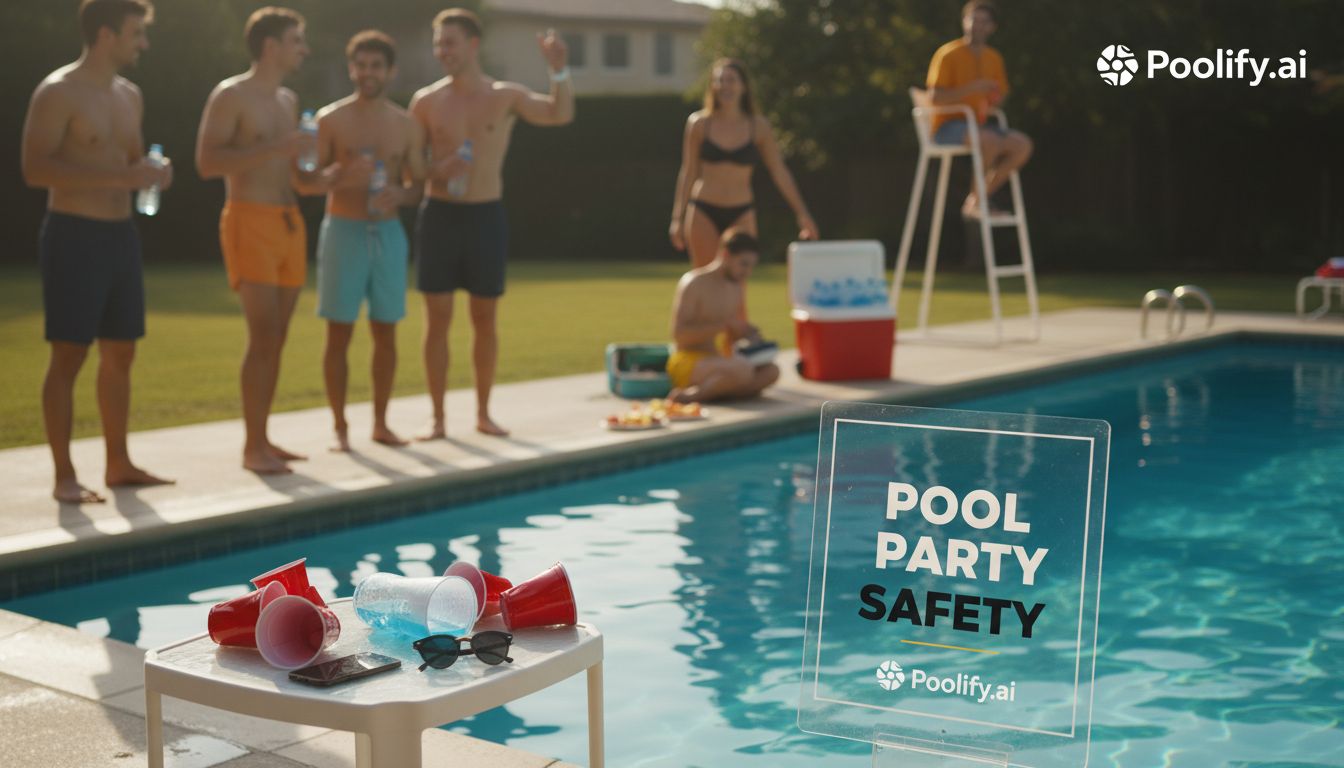
Alcohol consumption significantly compromises pool party safety. Impaired judgment, reduced coordination, and delayed reaction times create dangerous conditions around water. Establishing clear policies regarding alcohol protects your guests and reduces liability.
Adult Supervision and Alcohol
Pool party safety requires that designated supervisors remain completely sober. Adults serving as water watchers or responsible for children must abstain from alcohol entirely during their supervision periods. Impairment affects perception and response time—factors critical during emergencies.
If serving alcohol at your event, implement a strict pool party safety rule: anyone who drinks cannot supervise swimmers. Rotate supervision duties among adults so everyone can participate in the party while maintaining constant sober oversight. Consider designating specific adults as non-drinking supervisors for the entire event.
Teen and Youth Policies
Teen parties present unique pool party safety challenges regarding alcohol and substances. Establish zero-tolerance policies and communicate them clearly to parents and teens before the event. Monitor for signs of intoxication including slurred speech, impaired coordination, or unusual behavior.
Enhance pool party safety by maintaining active adult presence throughout teen events. Check in frequently, and don’t hesitate to contact parents if you suspect substance use. Remember that hosts can face legal liability for underage drinking on their property, especially if it contributes to pool accidents.
Legal Liability and Pool Party Safety Insurance
Understanding legal implications motivates comprehensive pool party safety planning. Pool owners face significant liability exposure when hosting events. Proactive measures protect both your guests and your financial security.
Homeowner’s Insurance Considerations
Review your homeowner’s insurance policy to understand pool party safety coverage. Standard policies typically include liability coverage, but limits may be insufficient for serious pool accidents. Consider increasing liability coverage to at least $500,000, or add an umbrella policy providing additional protection.
Some insurers offer discounts for pool party safety features like fencing, alarms, and safety covers. Document all safety measures with photos and receipts. Inform your insurer before hosting large events—some policies require notification for gatherings exceeding certain guest counts.
Liability Waivers and Documentation
While waivers don’t eliminate liability, they demonstrate your commitment to pool party safety and inform guests of inherent risks. Create a simple waiver acknowledging pool dangers and confirming that parents will supervise their children. Consult a local attorney to ensure your waiver meets state requirements.
Document your pool party safety measures with photos showing posted rules, safety equipment placement, and fence conditions. Keep a log of safety briefings and equipment inspections. This documentation proves your reasonable care if liability questions arise later.
Special Considerations for Pool Party Safety
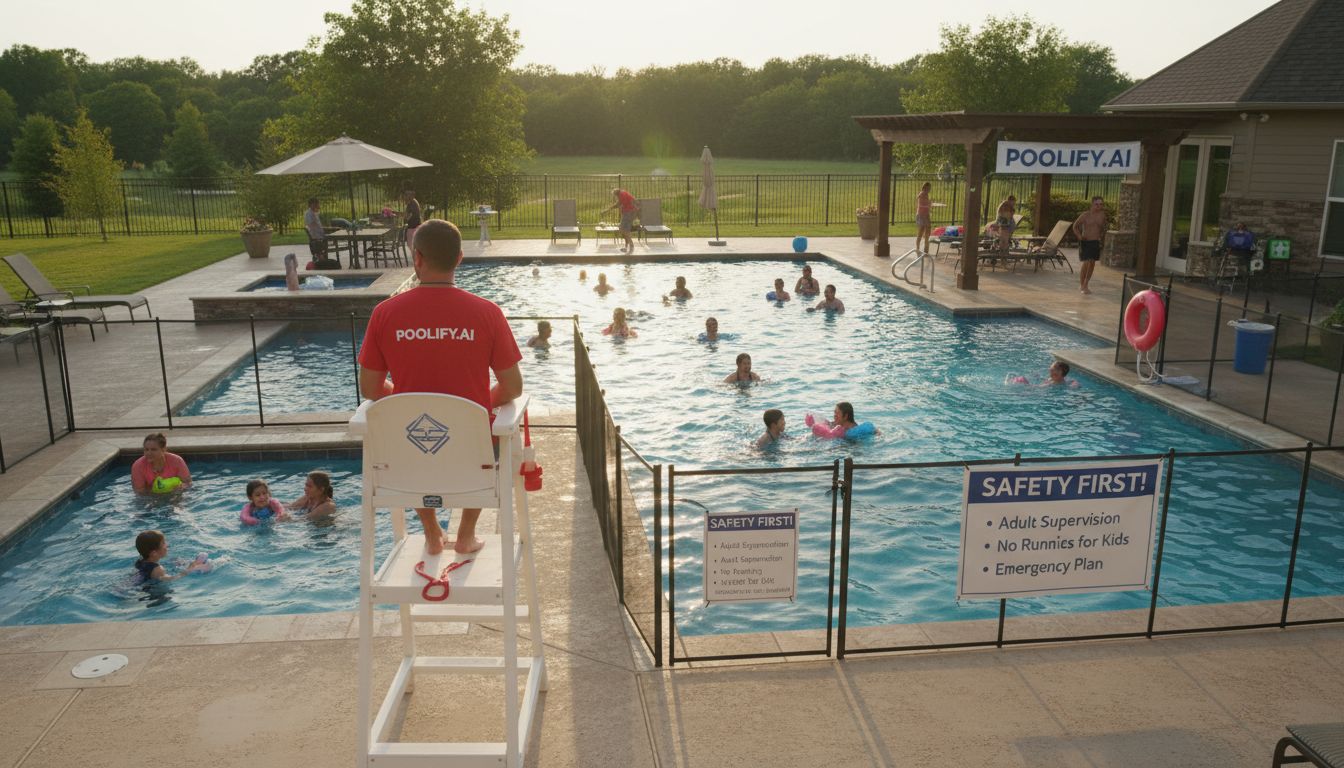
Certain situations require additional pool party safety attention. Recognizing and planning for these scenarios ensures comprehensive protection across various party types and guest needs.
Night Swimming Safety
Evening events present unique pool party safety challenges. Adequate lighting is essential—illuminate the entire pool area, including depth markers, steps, and surrounding deck. Use underwater lights to improve visibility of swimmers below the surface.
Reduced visibility compromises pool party safety by making it harder to monitor swimmers and identify distress. Consider limiting deep-water activities after dark and requiring stronger swimmers only. Increase supervisor ratios and shorten water watcher shifts to maintain alertness as fatigue increases later in the evening.
Guests with Medical Conditions
Medical conditions affect pool party safety planning. Discreetly ask parents about children’s health issues like seizure disorders, heart conditions, or diabetes that could cause emergencies in water. Don’t exclude these children—instead, implement appropriate accommodations like dedicated supervision or modified activities.
For comprehensive pool party safety, maintain a confidential medical information sheet listing guests with conditions, their symptoms, and emergency contacts. Share this only with designated supervisors. Keep rescue medications like inhalers or glucose tablets in your poolside first aid station.
Pool Party Safety Checklist for Hosts
A systematic checklist ensures you address all pool party safety elements. Use this comprehensive list before, during, and after your event to maintain consistent safety standards.
Pre-Party Checklist
One week before your event, inspect all pool party safety equipment and test functionality. Verify that your pool fence and gates meet current standards with proper latching mechanisms. Check water chemistry and adjust as needed—proper chemical balance prevents illness and maintains water clarity for visibility.
Stock your first aid kit with fresh supplies including bandages, antiseptic, instant cold packs, and tweezers for splinter removal. Charge your emergency phone and post emergency numbers. Clean the pool deck to remove slippery algae and debris that could cause falls, compromising pool party safety.
Day-of-Event Checklist
On party day, conduct a final pool party safety inspection. Remove toys and floats from the pool before guests arrive to prevent unsupervised children from entering water to retrieve them. Set up your water watcher station with a timer, whistle, and distinctive identifier.
Brief all adult guests on pool party safety rules, supervision rotation, and emergency procedures. Show them the location of safety equipment, first aid supplies, and the emergency phone. Confirm CPR-certified adults and assign initial water watcher duty before anyone enters the pool.
Key Takeaways
- Active supervision is the cornerstone of pool party safety – implement water watcher rotations with dedicated 15-minute shifts and maintain age-appropriate supervision ratios for all swimmers, especially children under twelve.
- Multiple protective layers create comprehensive pool party safety – combine physical barriers, proper equipment, clear rules, and modern technology like alarms and cameras to establish redundant safety systems.
- Preparation prevents emergencies – conduct thorough pre-party inspections, ensure CPR-certified adults are present, stock emergency equipment, and establish clear communication protocols before guests arrive.
- Child-specific measures are non-negotiable – assess swimming abilities, require life jackets for weak swimmers, implement touch supervision for children under five, and maintain constant vigilance regardless of swimming skill claims.
- Legal liability requires proactive protection – review insurance coverage, document safety measures, consider liability waivers, and maintain sobriety among designated supervisors to protect both guests and your financial security.
Frequently Asked Questions About Pool Party Safety
How many adults do I need for pool party safety at a children’s party?
Pool party safety requires at least one adult supervisor for every three children under twelve, with additional adults for water watcher rotations. For children under five, maintain touch supervision with one adult per child in the water. Always have at least two CPR-certified adults present regardless of party size, and ensure supervisors remain sober and focused exclusively on watching swimmers during their designated shifts.
What pool party safety equipment is absolutely essential?
Essential pool party safety equipment includes multiple rescue devices like shepherd’s hooks and life rings positioned around the pool perimeter, Coast Guard-approved life jackets in various sizes, a fully stocked first aid kit, a charged emergency phone with posted numbers, and proper pool fencing with self-closing gates. Additional beneficial items include pool alarms, safety cameras, and a designated water watcher identification system like a brightly colored lanyard.
Can I serve alcohol while maintaining pool party safety?
You can serve alcohol at pool parties while maintaining pool party safety, but establish strict rules: designated supervisors must remain completely sober, anyone who drinks cannot supervise swimmers, and guests who consume alcohol should limit their own swimming. Implement water watcher rotations among sober adults, and consider having specific adults abstain entirely to ensure constant responsible oversight. Never allow intoxicated individuals to supervise children or swim alone.
What should I do immediately if someone is drowning?
Pool party safety emergency response begins with alerting others—shout for help and have someone call 911 immediately. Use reach-throw-wade rescue techniques before entering the water: extend a shepherd’s hook, throw a flotation device, or wade carefully while maintaining your safety. If you must swim to the victim, bring flotation support and approach from behind. Begin CPR immediately upon removing an unresponsive victim from water, continuing until emergency responders arrive.
How do weather conditions affect pool party safety?
Weather significantly impacts pool party safety protocols. Clear the pool immediately when lightning is within six miles (30 seconds between flash and thunder) and wait 30 minutes after the last thunder before resuming swimming. Provide shade and hydration to prevent heat exhaustion, which impairs judgment near water. Monitor forecasts before your event and communicate weather-related cancellation policies to guests. Never compromise pool party safety by allowing swimming during thunderstorms, even without rain.
See Your Dream Pool in Your Actual Backyard
Upload a photo and get an AI-designed pool visualization in 10 seconds. 3 free designs, no login required.
Try Poolify Free →Conclusion
Pool party safety in 2026 requires comprehensive planning, constant vigilance, and layered protective measures. By implementing the strategies outlined in this guide—from pre-party preparations and structured supervision to emergency response protocols and legal considerations—you create an environment where guests can enjoy water activities with minimized risk. Remember that pool party safety isn’t about eliminating fun; it’s about enabling everyone to celebrate confidently, knowing that responsible adults have taken every reasonable precaution.
The investment you make in pool party safety pays dividends in peace of mind and protection. Whether you’re hosting your first pool party or your fiftieth, consistently applying these principles ensures that your gatherings create positive memories rather than tragic outcomes. Start planning your next event with safety as the foundation, and you’ll establish a reputation as a responsible host who prioritizes guest welfare above all else.
References
Consumer Product Safety Commission – Pool Safely Campaign: https://www.cpsc.gov/Safety-Education/Safety-Education-Centers/Pool-Safely
Centers for Disease Control and Prevention – Drowning Facts: https://www.cdc.gov/drowning/facts/index.html
