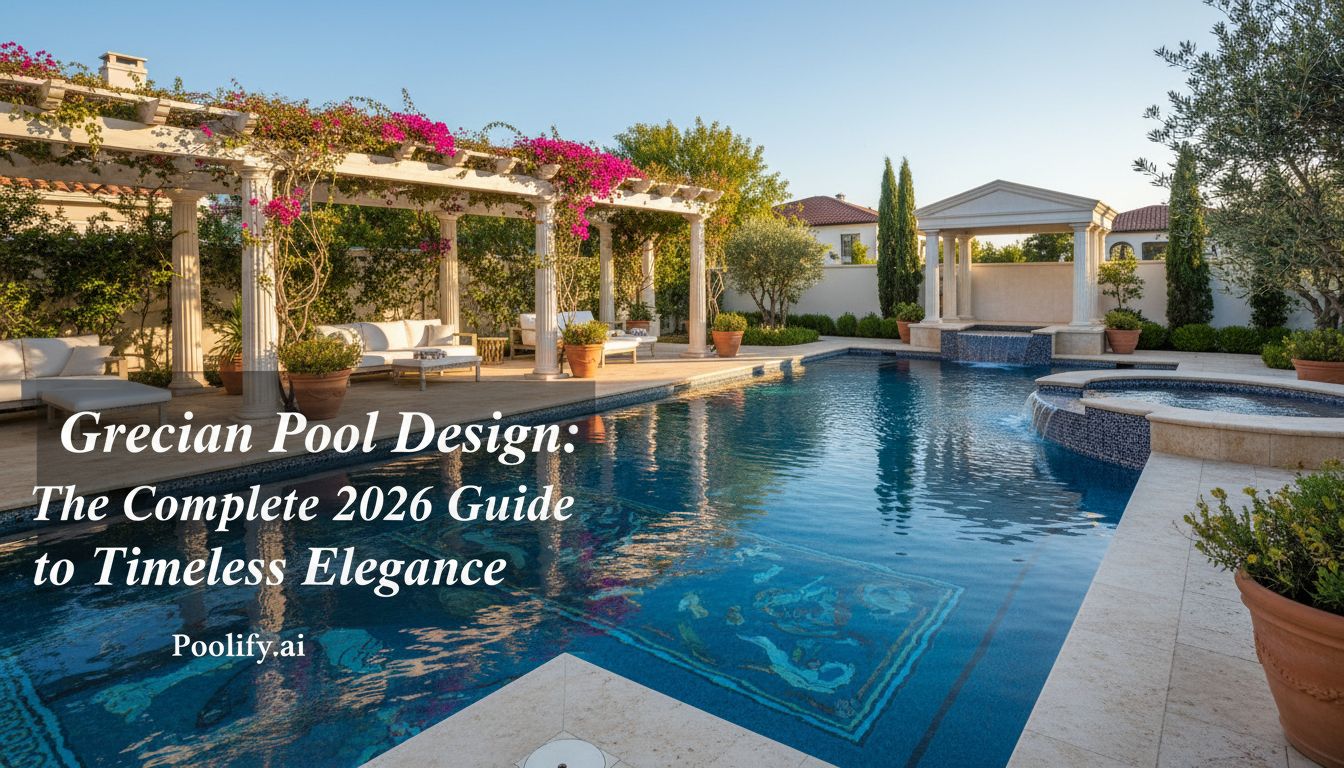
Grecian pool design represents the pinnacle of timeless elegance in outdoor living spaces. Drawing inspiration from ancient Mediterranean architecture, this classic pool style combines geometric precision with luxurious aesthetics to create backyard retreats that feel both sophisticated and inviting. In 2026, homeowners are rediscovering the enduring appeal of grecian pool design, blending traditional elements with modern technology to craft outdoor spaces that stand the test of time.
Whether you’re planning a complete backyard transformation or simply exploring design options, understanding the core principles of grecian pool design helps you make informed decisions. This comprehensive guide walks you through everything from essential design features to budget considerations, ensuring your pool project delivers both beauty and functionality for years to come.
What Defines Authentic Grecian Pool Design
At its heart, grecian pool design emphasizes clean lines, rectangular or geometric shapes, and classical architectural elements borrowed from ancient Greek and Roman structures. Unlike freeform or naturalistic pools, a grecian pool design prioritizes symmetry and order, creating a formal aesthetic that complements traditional and contemporary homes alike.
The most recognizable feature of grecian pool design is the rectangular basin with rounded corners or attached spa areas. These pools typically incorporate raised bond beams, decorative tile work, and columned pergolas or pavilions that echo classical temples. The color palette leans toward whites, creams, and soft blues that mimic the Mediterranean coastline.
Modern interpretations of grecian pool design maintain these classical proportions while integrating contemporary amenities. Today’s homeowners can enjoy the timeless beauty of Greek-inspired architecture alongside energy-efficient equipment, smart pool controls, and advanced heating systems that reduce operational costs.
Key Architectural Elements
Successful grecian pool design incorporates several signature architectural features. Columns, whether functional or decorative, frame the pool area and create visual interest. These can be simple Doric columns for understated elegance or ornate Corinthian styles for dramatic impact. Pergolas with classical detailing provide shade while reinforcing the Mediterranean aesthetic.
Raised spas positioned at one end of the pool serve both functional and design purposes in grecian pool design. The elevated water feature creates visual hierarchy and allows for impressive spillover effects. Decorative urns, statuary, and planters filled with Mediterranean plants like olive trees, lavender, and rosemary complete the authentic atmosphere.
Planning Your Grecian Pool Design Project
Proper planning separates successful grecian pool design projects from disappointing results. Start by assessing your available space, budget, and intended use. Grecian pool design works best with adequate square footage—typically requiring at least 600 square feet for the pool itself, plus surrounding deck area for the full effect.
Your site’s topography influences design decisions significantly. Level yards accommodate traditional rectangular grecian pool design most easily, while sloped properties may require terracing or retaining walls that can be incorporated into the overall classical theme. Consider sun exposure, privacy, and views when positioning your pool within the landscape.
Work with designers who understand authentic grecian pool design principles. Review portfolios specifically looking for projects that demonstrate proper proportions and classical detailing. The best designers balance historical accuracy with modern livability, creating spaces that honor tradition without feeling like museum pieces.
Measuring and Site Preparation
Accurate measurements form the foundation of successful grecian pool design. Standard rectangular pools range from 12×24 feet for compact yards to 20×40 feet or larger for expansive properties. The key is maintaining classical proportions—grecian pool design typically follows a 1:2 or 2:3 length-to-width ratio for visual harmony.
Site preparation costs vary based on soil conditions, accessibility, and existing landscaping. Rocky terrain or high water tables increase excavation expenses, while easily accessible sites with stable soil keep costs manageable. Budget approximately 10-15% of your total project cost for site preparation and permits.
Essential Design Features for Grecian Pools
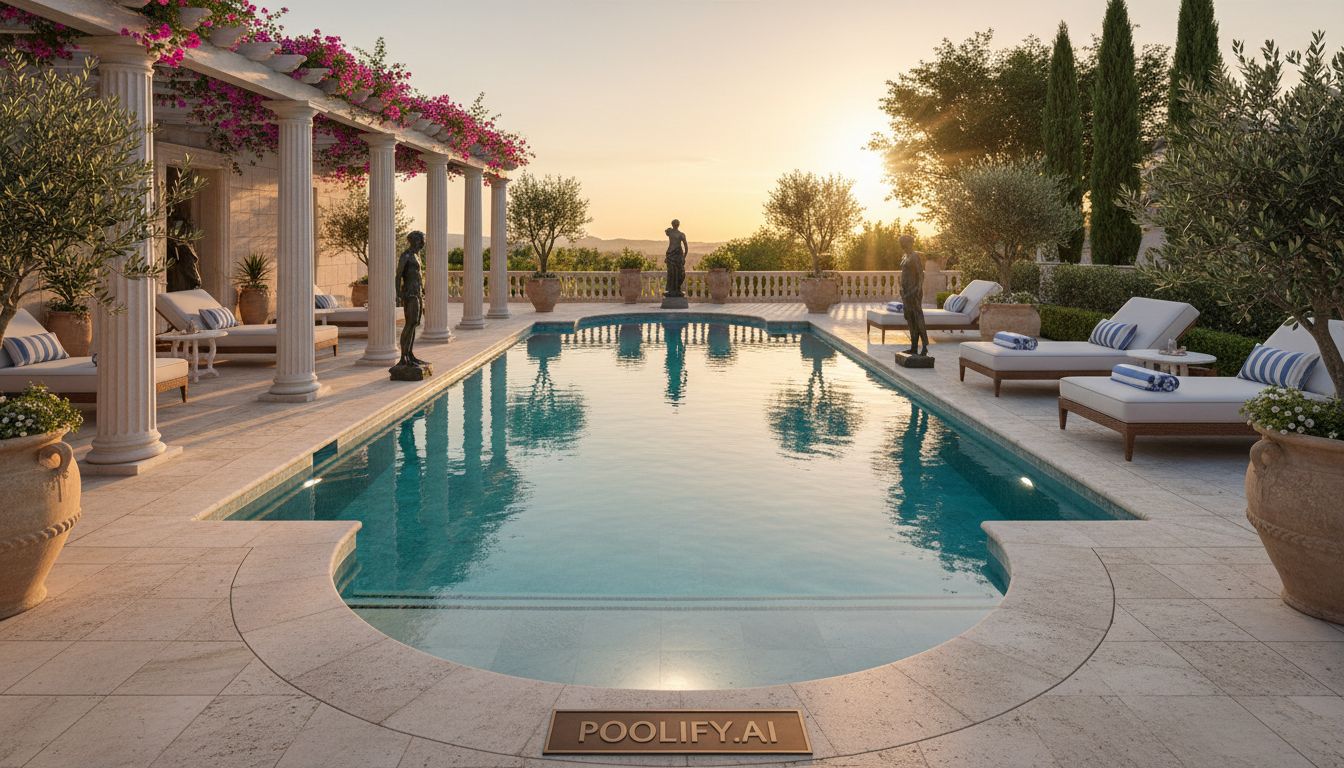
The finishing materials you select define the success of your grecian pool design. Interior surfaces traditionally feature white plaster, light-colored pebble finishes, or glass tile in shades of blue and aqua. These materials reflect light beautifully, creating the luminous water quality characteristic of Mediterranean pools.
Coping and decking materials should complement the classical aesthetic. Travertine, limestone, and marble are authentic choices for grecian pool design, offering both beauty and functionality. These natural stones provide slip-resistant surfaces that stay relatively cool underfoot even in direct sunlight. For budget-conscious projects, high-quality concrete pavers with textured finishes deliver similar visual appeal at lower cost.
Tile accents add personality to grecian pool design without overwhelming the clean lines. Consider incorporating Greek key patterns, mosaic borders, or classical motifs at the waterline. Blue and white tiles create authentic Mediterranean character, while earth tones suit properties with warmer color schemes.
Water Features and Lighting
Water features in grecian pool design should enhance rather than dominate the space. Raised spas with spillover edges, simple scupper fountains, or classical urn fountains maintain the elegant aesthetic. Avoid overly elaborate waterfalls or rock formations that conflict with the formal geometry.
Lighting transforms grecian pool design after sunset. Recessed LED fixtures in whites and blues illuminate the water without visible hardware. Uplighting on columns and architectural features creates dramatic shadows and emphasizes classical details. Path lighting along walkways ensures safety while maintaining the sophisticated ambiance.
Modern Innovations in Grecian Pool Design
Contemporary grecian pool design seamlessly integrates modern technology with classical aesthetics. Smart pool systems allow remote control of temperature, lighting, and water features from your smartphone. Energy-efficient variable-speed pumps and LED lighting reduce operational costs by up to 70% compared to older equipment, making grecian pool design more sustainable in 2026.
Saltwater chlorination systems are increasingly popular in grecian pool design projects. These systems generate chlorine naturally from salt, eliminating harsh chemical handling while creating softer, more pleasant water. The technology operates invisibly, preserving the clean lines and uncluttered appearance essential to authentic grecian pool design.
Automated covers represent another modern addition to grecian pool design. Today’s systems hide completely when retracted, maintaining visual purity while providing safety, heat retention, and reduced evaporation. Some homeowners incorporate the cover mechanism into decorative stone structures that double as seating or planter areas.
Heating and Season Extension
Extending your swimming season makes grecian pool design more practical in varied climates. Heat pumps offer energy-efficient warming for moderate climates, while gas heaters provide rapid temperature increases for occasional use. Solar heating systems align perfectly with the Mediterranean origins of grecian pool design, harnessing natural energy to maintain comfortable water temperatures.
For year-round enjoyment, consider enclosing your grecian pool design with a retractable structure. Modern pool enclosures feature clean lines and minimal framing that complement classical architecture. Retractable walls and roofs allow you to enjoy open-air swimming in summer while protecting the pool during colder months.
Landscaping Around Your Grecian Pool
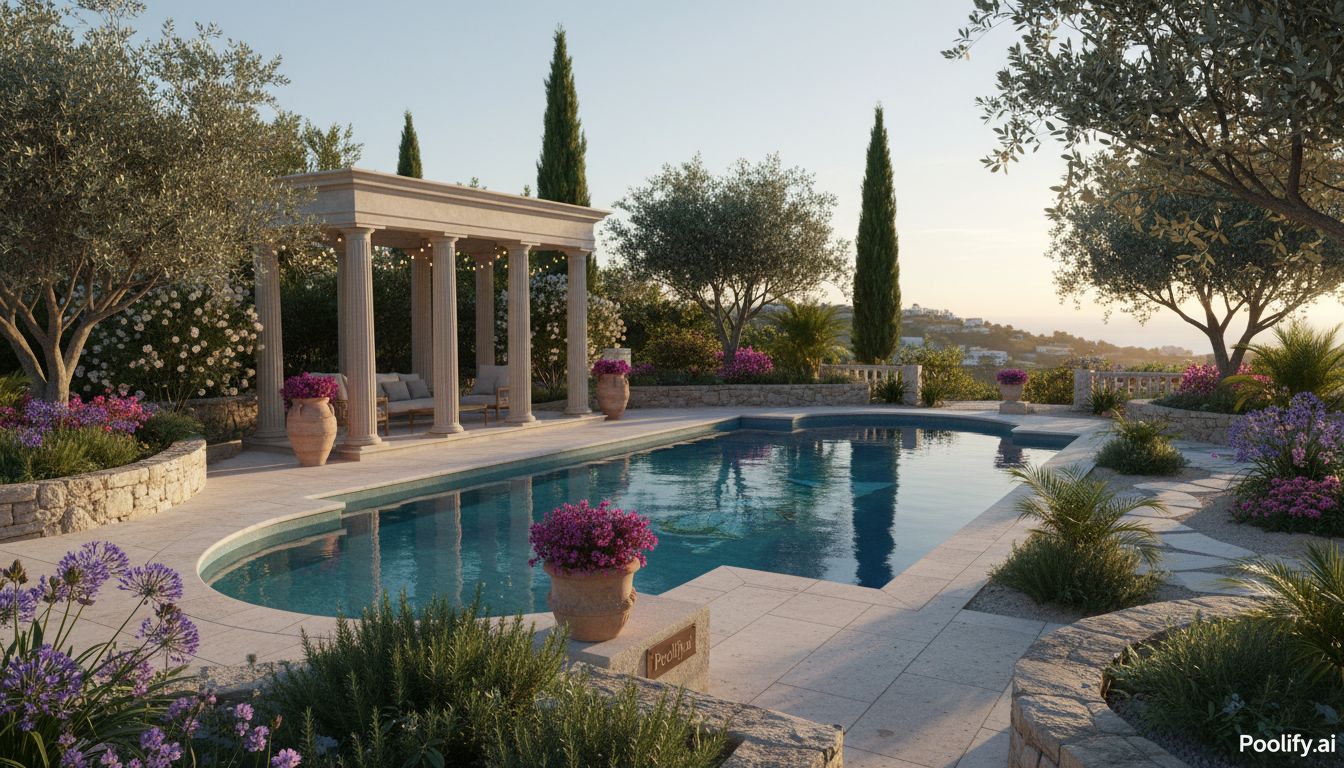
Landscape design completes the Mediterranean atmosphere of grecian pool design. Select plants native to Greece, Italy, and other Mediterranean regions for authentic character and climate-appropriate choices. Olive trees, Italian cypress, and ornamental grasses create vertical interest without excessive maintenance.
Formal hedges and geometric planting beds reinforce the structured aesthetic of grecian pool design. Boxwood, rosemary, and lavender respond well to shaping and provide year-round greenery. Arrange plantings symmetrically to echo the balanced proportions of the pool itself.
Hardscaping elements should extend the classical theme throughout your yard. Stone pathways, raised planters with classical detailing, and seating areas with columned pergolas create cohesive outdoor living spaces. Consider incorporating pool deck design elements that complement your grecian aesthetic.
Creating Outdoor Living Spaces
Grecian pool design naturally extends into surrounding entertainment areas. Position covered loggias or pavilions near the pool for shaded dining and relaxation. These structures should feature classical columns, simple roof lines, and neutral colors that harmonize with the pool architecture.
Outdoor kitchens and fire features work beautifully with grecian pool design when designed with restraint. Choose built-in grills and counters finished in stone or stucco rather than elaborate island configurations. Fire pits with classical surrounds provide warmth and ambiance without competing visually with the pool.
Cost Considerations for Grecian Pool Design
Understanding the financial investment required for grecian pool design helps you plan realistically. Basic rectangular pools with classical features typically start around $50,000 for standard installations, while elaborate projects with extensive hardscaping, raised spas, and premium materials can exceed $150,000.
The rectangular geometry of grecian pool design actually offers cost advantages compared to complex freeform shapes. Straight walls require less specialized formwork and excavation, reducing labor costs. However, premium finishing materials and architectural details can increase expenses significantly.
Break your grecian pool design budget into categories: excavation and structure (40-50%), equipment and plumbing (15-20%), interior finish and tile (10-15%), decking and coping (15-20%), and landscaping and features (10-15%). This framework helps you allocate resources effectively and identify areas where you might economize without compromising the overall design.
Long-Term Value and Maintenance
Grecian pool design typically delivers strong return on investment due to its timeless appeal. Classical designs don’t fall out of fashion like trendy styles, maintaining resale value over decades. Homes with well-executed grecian pool design often command premium prices in competitive real estate markets.
Maintenance costs for grecian pool design remain moderate with proper planning. Rectangular shapes simplify cleaning with automatic pool cleaners, while quality materials reduce long-term repair expenses. Budget approximately $1,200-2,000 annually for chemicals, utilities, and routine maintenance, plus periodic resurfacing every 10-15 years.
Learn more about essential pool maintenance practices to keep your grecian pool design looking pristine year-round.
Common Mistakes in Grecian Pool Design
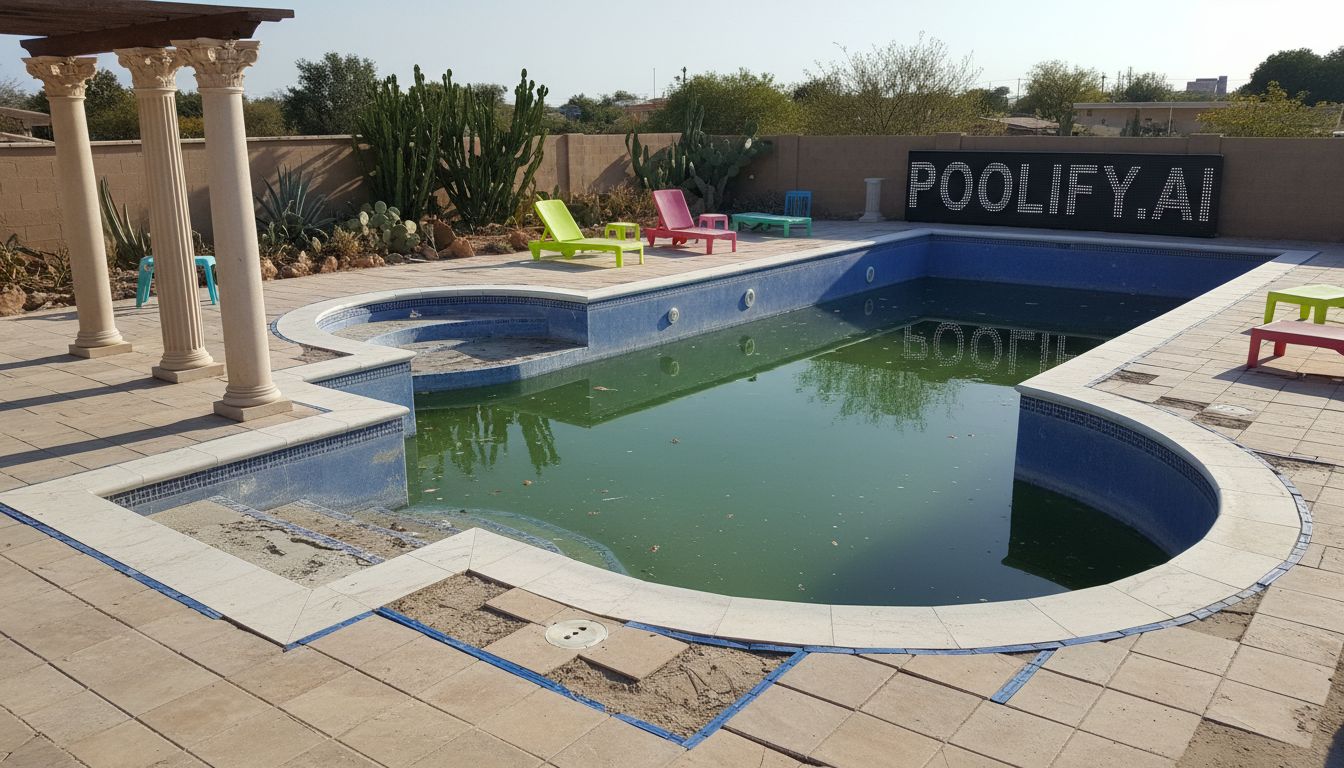
Even experienced homeowners make errors when planning grecian pool design projects. The most common mistake involves mixing too many architectural styles. Grecian pool design requires commitment to classical principles—adding rustic stone walls, tropical waterfalls, or modern geometric tiles creates visual confusion rather than cohesive design.
Proportion errors undermine grecian pool design effectiveness. Oversized columns on small pools look cartoonish, while inadequate decking around large pools feels cramped. Maintain appropriate scale relationships between all elements, ensuring architectural features suit the overall project size.
Neglecting the surrounding landscape represents another frequent mistake. Grecian pool design requires complementary hardscaping and plantings to achieve full impact. A beautiful pool surrounded by mismatched paving, chain-link fencing, or inappropriate plantings never reaches its potential.
Avoiding Design Pitfalls
Resist the temptation to over-decorate your grecian pool design. Classical architecture emphasizes restraint and proportion over excessive ornamentation. A few well-chosen statues or urns create more impact than cluttered collections of decorative objects.
Don’t skimp on professional design services for grecian pool design. While DIY planning might work for simple projects, classical architecture requires understanding of proportion, symmetry, and architectural history. Professional designers prevent costly mistakes and ensure authentic results.
Grecian Pool Design for Different Property Sizes
Grecian pool design adapts successfully to various property sizes with appropriate modifications. Compact urban yards benefit from smaller rectangular pools (12×24 or 14×28 feet) with simplified architectural details. Focus on quality over quantity—a single elegant column pair creates more impact than multiple poorly executed features.
Medium-sized suburban properties accommodate full-featured grecian pool design with attached spas, pergolas, and generous decking. These sites typically support pools ranging from 16×32 to 18×36 feet, providing ample swimming space while maintaining classical proportions.
Large estate properties allow expansive grecian pool design with multiple zones, extensive architectural features, and elaborate landscaping. Consider incorporating separate spa pavilions, columned loggias, and formal gardens that create resort-like atmospheres. Pools of 20×40 feet or larger suit these generous sites.
Adapting to Site Constraints
Challenging sites require creative approaches to grecian pool design. Narrow lots benefit from elongated rectangular pools that maximize swimming length while fitting available width. Position the pool parallel to property lines, using architectural features to create privacy and frame views.
Sloped properties offer opportunities for dramatic multi-level grecian pool design. Raised pools with infinity edges or elevated spas take advantage of elevation changes while maintaining classical aesthetics. Terraced decking and retaining walls with classical detailing integrate the pool naturally into hillside landscapes.
Key Takeaways
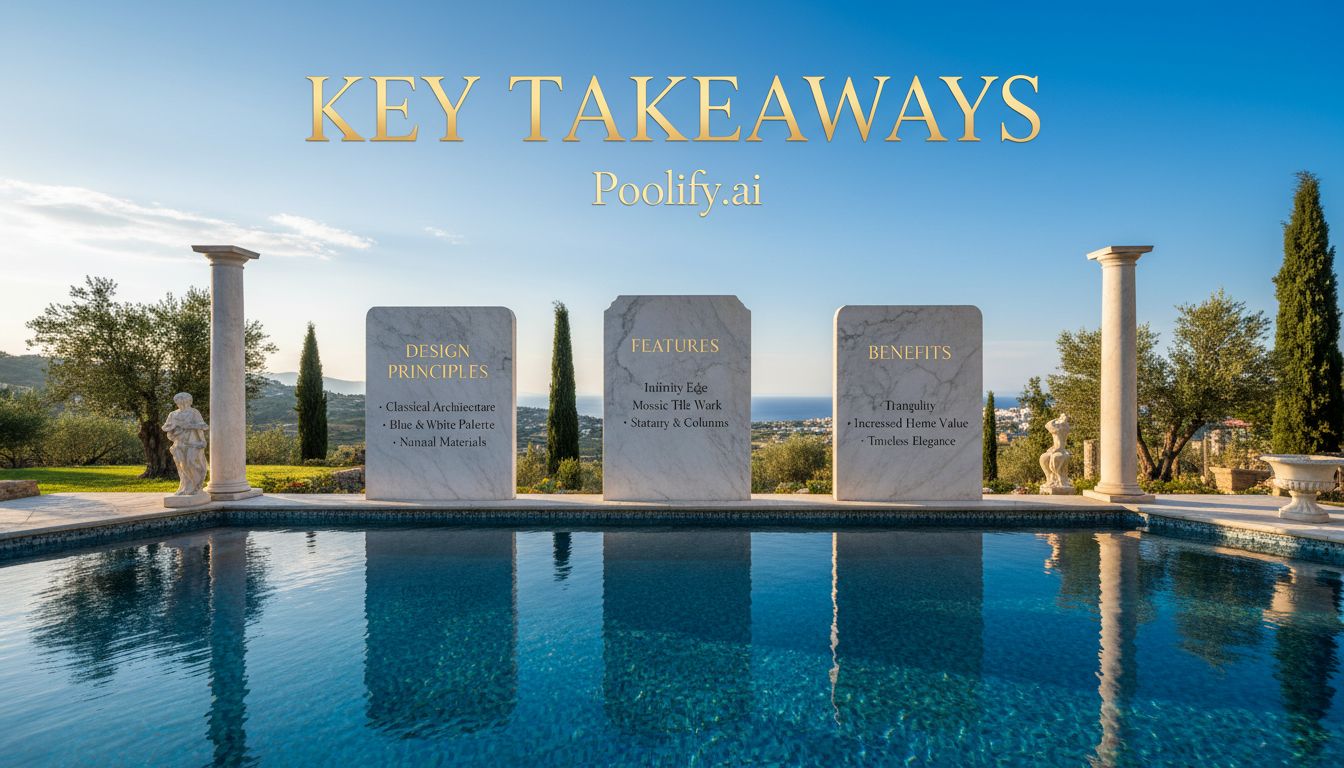
- Grecian pool design emphasizes geometric shapes, classical proportions, and Mediterranean architectural elements that create timeless outdoor spaces with enduring appeal and strong resale value.
- Successful projects balance authentic classical features with modern technology, integrating smart controls, energy-efficient equipment, and contemporary amenities without compromising aesthetic purity.
- Material selection defines grecian pool design quality—choose natural stone decking, light-colored interior finishes, and restrained tile accents that reflect Mediterranean traditions.
- Proper planning prevents common mistakes like proportion errors, style mixing, and inadequate landscaping that undermine the classical aesthetic.
- Grecian pool design adapts to various property sizes and budgets through thoughtful scaling, with projects ranging from $50,000 for basic installations to $150,000+ for elaborate estates.
Frequently Asked Questions
What makes grecian pool design different from other pool styles?
Grecian pool design distinguishes itself through geometric shapes, classical architectural elements, and Mediterranean-inspired aesthetics. Unlike freeform or naturalistic pools, grecian pool design emphasizes symmetry, formal proportions, and restrained elegance. The style incorporates columns, classical tile patterns, and raised features that reference ancient Greek and Roman architecture, creating sophisticated outdoor spaces with timeless appeal.
How much does typical grecian pool design cost in 2026?
Grecian pool design projects in 2026 typically range from $50,000 to $150,000 depending on size, materials, and features. Basic rectangular pools with simple classical elements start around $50,000, while elaborate installations with raised spas, premium stone decking, pergolas, and extensive landscaping can exceed $150,000. The rectangular geometry of grecian pool design offers some cost advantages, though premium finishing materials and architectural details increase overall investment.
Can grecian pool design work in modern homes?
Absolutely. Contemporary grecian pool design successfully complements modern architecture through simplified classical elements and clean lines. Modern interpretations emphasize geometric purity and restrained detailing rather than ornate features, creating bridges between classical and contemporary aesthetics. White plaster finishes, minimal tile accents, and simple columned structures harmonize beautifully with modern homes while maintaining grecian pool design principles.
What maintenance does grecian pool design require?
Grecian pool design requires standard pool maintenance including water chemistry management, filter cleaning, and surface care. The rectangular shape actually simplifies maintenance compared to complex freeform designs, allowing automatic cleaners to operate efficiently. Natural stone decking needs periodic sealing, while tile accents require occasional cleaning to prevent calcium buildup. Overall maintenance costs average $1,200-2,000 annually, with interior resurfacing needed every 10-15 years.
What plants work best with grecian pool design?
Mediterranean plants complement grecian pool design authentically while requiring moderate maintenance. Olive trees, Italian cypress, rosemary, lavender, and ornamental grasses create appropriate character. Formal hedges like boxwood reinforce the structured aesthetic, while potted citrus trees and flowering perennials add color. Choose drought-tolerant species that suit your climate and maintain the clean, sophisticated atmosphere essential to successful grecian pool design.
See Your Dream Pool in Your Actual Backyard
Upload a photo and get an AI-designed pool visualization in 10 seconds. 3 free designs, no login required.
Try Poolify Free →Conclusion
Grecian pool design offers homeowners a proven path to creating elegant, timeless outdoor spaces that enhance property value and lifestyle quality. By understanding classical proportions, selecting appropriate materials, and balancing traditional aesthetics with modern amenities, you can develop a pool environment that remains beautiful and functional for decades.
The enduring popularity of grecian pool design in 2026 reflects its fundamental strengths—geometric clarity, architectural sophistication, and Mediterranean charm that transcends passing trends. Whether you’re working with a compact urban yard or expansive estate property, the principles of grecian pool design adapt successfully to create personalized outdoor retreats.
Start your grecian pool design journey with thorough planning, professional guidance, and commitment to classical principles. The investment in proper design and quality materials pays dividends through reduced maintenance, strong resale value, and daily enjoyment of your own Mediterranean-inspired oasis. Your backyard transformation awaits—embrace the timeless elegance of grecian pool design and create an outdoor space that stands the test of time.
References
- U.S. Department of Energy – Swimming Pool Covers: https://betterbuildingssolutioncenter.energy.gov/sites/default/files/attachments/Pool%20efficiency_.pdf
- Poolify.ai – Pool Deck Ideas: https://content.poolify.ai/pool-deck-ideas/
- Poolify.ai – Pool Maintenance Tips: https://content.poolify.ai/diy-pool-maintenance-tips/
