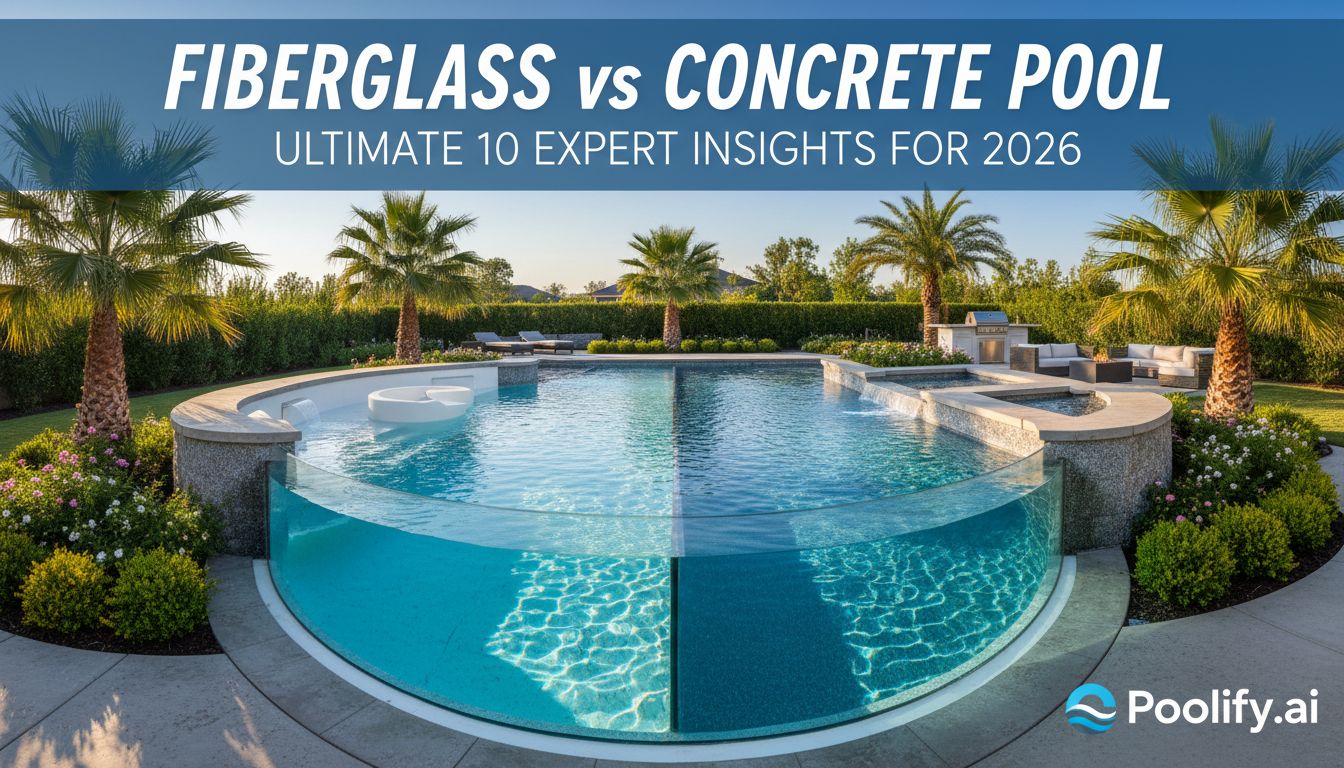
Introduction: Making the Right Pool Choice in 2026
The fiberglass vs concrete pool debate continues to be one of the most critical decisions homeowners face when planning their backyard oasis. As we navigate through 2026, both pool types have evolved with new technologies, materials, and installation techniques that significantly impact your investment. Understanding the fundamental differences between fiberglass and concrete pools will save you thousands of dollars and countless hours of maintenance over your pool’s lifetime. This comprehensive guide examines every aspect of the fiberglass vs concrete pool comparison, from initial costs and installation timelines to long-term maintenance requirements and resale value considerations.
Understanding Fiberglass vs Concrete Pool Construction Methods
The construction process represents one of the most significant differences when comparing fiberglass vs concrete pool options. Fiberglass pools arrive at your property as pre-manufactured shells, typically produced in controlled factory environments. These one-piece structures are transported on specialized trucks and craned directly into excavated holes, making the installation process remarkably efficient. The manufacturing process involves layering fiberglass-reinforced plastic over molds, creating smooth, non-porous surfaces that resist algae growth naturally.
Concrete pools, conversely, are built entirely on-site through a multi-stage process. Construction begins with steel reinforcement installation, followed by either gunite or shotcrete application—concrete mixtures sprayed at high pressure onto the steel framework. After the concrete cures, contractors apply plaster, aggregate, or tile finishes to create the pool’s interior surface. This customizable approach allows for virtually unlimited design possibilities but requires significantly more time and labor than fiberglass installation.
Installation Timeline Comparison
When evaluating fiberglass vs concrete pool installation schedules, the difference is substantial. Fiberglass pools typically require 3-6 weeks from excavation to completion, weather permitting. The shell installation itself often takes just 1-2 days, with remaining time dedicated to backfilling, plumbing connections, decking, and final touches. This rapid installation minimizes disruption to your property and allows you to enjoy your pool much sooner.
Concrete pool construction extends 3-6 months on average, with complex designs potentially requiring even longer. The concrete must cure properly between stages, and weather conditions significantly impact the timeline. Rain, extreme temperatures, or humidity can delay various construction phases, extending your project well beyond initial estimates. According to the U.S. Census Bureau’s construction data, weather-related delays affect approximately 40% of outdoor construction projects annually.
Fiberglass vs Concrete Pool Cost Analysis for 2026
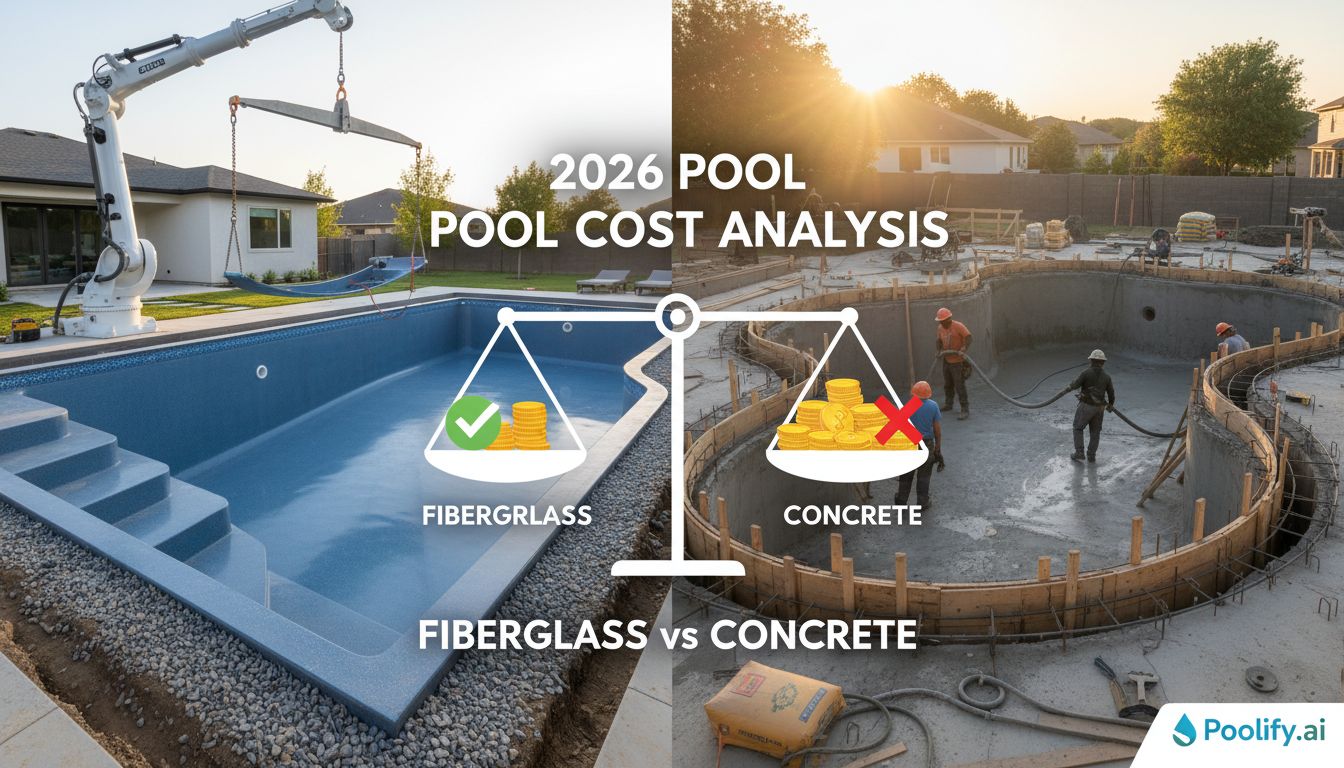
Initial investment represents a crucial factor in the fiberglass vs concrete pool decision. In 2026, fiberglass pools typically range from $45,000 to $85,000 for standard installations, including the shell, excavation, installation, basic equipment, and decking. Premium features like integrated spas, tanning ledges, or custom lighting increase costs proportionally. The predictable pricing structure of fiberglass pools helps homeowners budget accurately with fewer surprise expenses during installation.
Concrete pools generally start at $60,000 and easily exceed $150,000 for elaborate designs with custom features. The highly variable nature of concrete pool pricing reflects the unlimited customization possibilities—every unique shape, depth variation, or integrated water feature adds to the final cost. Labor represents a larger percentage of concrete pool expenses due to the intensive on-site construction process requiring specialized crews over extended periods.
Long-Term Cost Considerations
The fiberglass vs concrete pool comparison extends far beyond initial purchase prices. Fiberglass pools require significantly less maintenance, translating to lower lifetime costs. The smooth, non-porous gelcoat surface resists algae growth, reducing chemical consumption by approximately 30-40% compared to concrete. Homeowners typically spend $300-600 annually on fiberglass pool chemicals, while concrete pools often require $800-1,200 yearly for proper chemical balance.
Concrete pools demand resurfacing every 10-15 years, a major expense ranging from $5,000 to $15,000 depending on pool size and finish selection. This necessary maintenance addresses deterioration of the plaster or aggregate surface caused by chemical exposure and general wear. Fiberglass pools may require gelcoat refinishing after 15-20 years, costing $4,000-$8,000, but this occurs less frequently than concrete resurfacing. When you calculate total ownership costs over 20 years, fiberglass pools often prove more economical despite potentially similar initial investments.
Durability and Longevity: Fiberglass vs Concrete Pool Performance
Structural integrity plays a vital role in the fiberglass vs concrete pool evaluation. Fiberglass pools demonstrate exceptional flexibility, allowing them to withstand ground movement, freeze-thaw cycles, and settling without cracking. The one-piece construction eliminates seams or joints where leaks commonly develop. Modern fiberglass manufacturing techniques produce shells that maintain structural integrity for 30+ years with proper care, and many manufacturers offer 25-year or lifetime structural warranties.
Concrete pools provide unmatched strength and can last 50+ years when properly maintained. However, their rigid structure makes them susceptible to cracking from ground shifts, tree roots, or seismic activity. Small cracks can expand over time, potentially causing leaks that require expensive repairs. The porous nature of concrete also allows water to penetrate the surface, which can lead to structural issues if not addressed promptly through regular maintenance and timely resurfacing.
Climate Considerations
Geographic location significantly impacts the fiberglass vs concrete pool performance equation. In regions with freeze-thaw cycles, fiberglass pools excel due to their flexibility and smooth surfaces that resist ice damage. The gelcoat surface doesn’t absorb water, preventing freeze-related expansion that can crack concrete. Northern homeowners often prefer fiberglass for this reason, as it requires less winterization effort and experiences fewer cold-weather complications.
Concrete pools perform admirably in stable climates with minimal temperature fluctuations. Areas with high water tables or expansive clay soils present challenges for both pool types, but concrete’s rigidity makes it more vulnerable to cracking from ground movement. Proper soil preparation and engineering become critical in these environments, regardless of which option you choose in the fiberglass vs concrete pool debate.
Maintenance Requirements: Fiberglass vs Concrete Pool Comparison
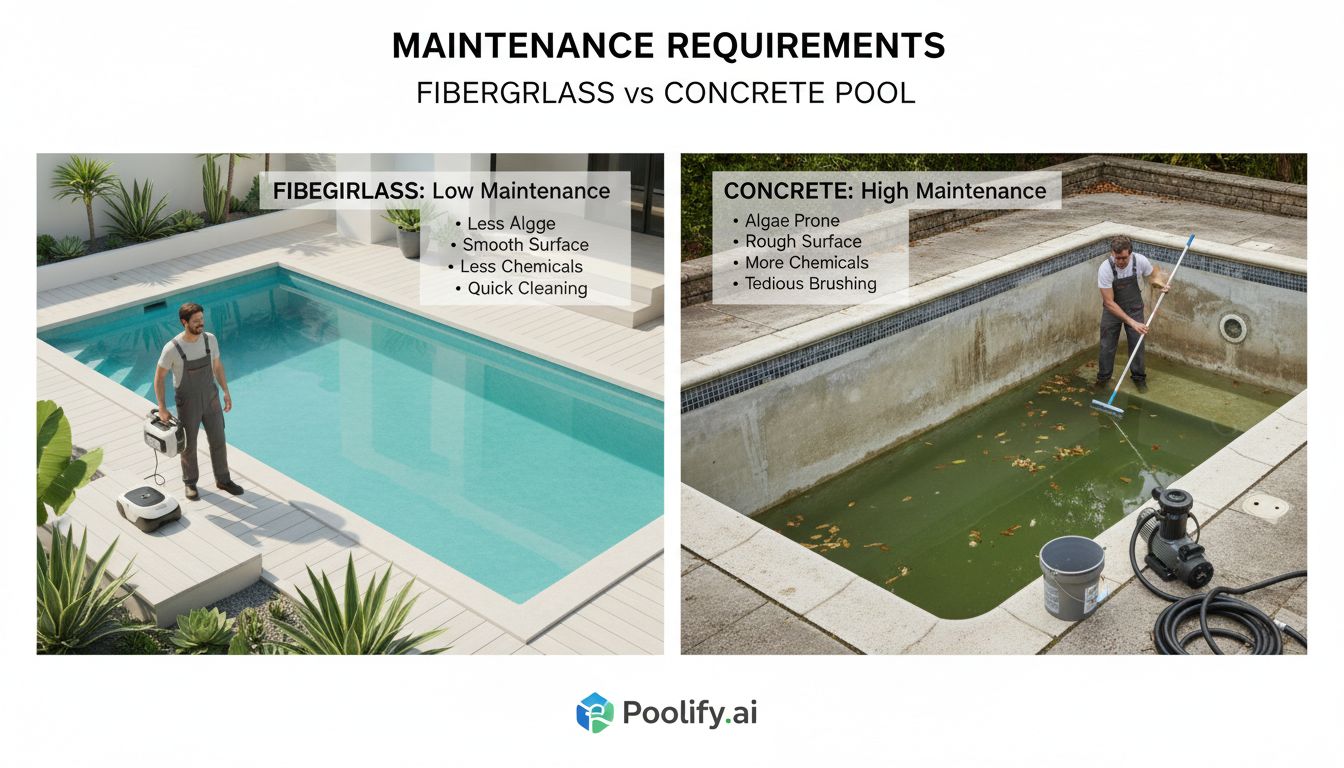
Daily and weekly maintenance demands differ substantially between fiberglass vs concrete pool types. Fiberglass pools require less frequent brushing because the smooth gelcoat surface doesn’t provide texture for algae attachment. Most fiberglass pool owners brush weekly and vacuum as needed, spending approximately 2-3 hours weekly on basic maintenance. The non-porous surface maintains chemical balance more easily, reducing the time spent testing and adjusting water chemistry.
Concrete pools demand more intensive maintenance routines. The porous plaster surface requires brushing 2-3 times weekly to prevent algae establishment in the microscopic pores. Chemical consumption increases because the concrete continuously affects pH levels, requiring frequent adjustments. Concrete pool owners typically spend 4-6 hours weekly on maintenance tasks, and many hire professional pool services to manage the more demanding upkeep schedule. This ongoing time investment represents a significant consideration in the fiberglass vs concrete pool decision.
Chemical Usage and Water Balance
The fiberglass vs concrete pool comparison reveals stark differences in chemical requirements. Fiberglass pools maintain stable pH levels because the inert gelcoat surface doesn’t interact with pool chemicals. Chlorine, salt systems, and alternative sanitizers all work effectively with fiberglass, giving homeowners flexibility in their sanitation approach. The smooth surface allows chemicals to work more efficiently, reducing overall consumption and associated costs.
Concrete pools continuously leach alkalinity into the water, causing pH to rise and requiring regular acid additions to maintain proper balance. This chemical interaction increases sanitizer consumption and can lead to scaling if not managed properly. According to CDC guidelines for residential pools, maintaining proper chemical balance is essential for swimmer safety and pool longevity, making the easier maintenance of fiberglass pools particularly appealing to busy homeowners.
Design Flexibility and Customization Options
Aesthetic possibilities represent a crucial factor in the fiberglass vs concrete pool evaluation for design-conscious homeowners. Concrete pools offer virtually unlimited customization—any shape, size, depth, or configuration is achievable. Architects and pool designers can create organic freeform shapes, incorporate beach entries, integrate vanishing edges, or design multi-level pools with raised spas. Custom tile work, intricate mosaics, and unique interior finishes transform concrete pools into true works of art.
Fiberglass pools come in predetermined shapes and sizes based on manufacturer molds, typically offering 30-50 different models per manufacturer. While this limits complete customization, modern fiberglass designs include popular features like built-in benches, tanning ledges, swim-outs, and integrated spas. The selection covers various sizes from compact plunge pools to expansive 40+ foot lap pools. Color options for fiberglass have expanded significantly in 2026, with manufacturers offering 15-20 gelcoat colors ranging from classic blue tones to modern grays and Caribbean-inspired aquas.
Aesthetic Considerations
The visual appeal in the fiberglass vs concrete pool comparison depends largely on personal preference and design priorities. Concrete pools with premium finishes like glass tile, pebble aggregate, or polished plaster create stunning visual effects and luxurious aesthetics. The ability to incorporate custom tile bands, intricate patterns, or artistic details appeals to homeowners seeking unique, statement-making pools that complement high-end landscape designs.
Fiberglass pools deliver consistently smooth, attractive finishes with vibrant colors that remain stable for years. The gelcoat surface maintains its appearance longer than plaster, which can stain, etch, or discolor over time. Modern fiberglass manufacturing produces increasingly sophisticated designs with realistic stone textures and multi-tonal color effects that rival custom concrete finishes. For homeowners prioritizing low maintenance and lasting beauty, fiberglass offers compelling advantages in the fiberglass vs concrete pool aesthetic debate.
Resale Value and Property Impact
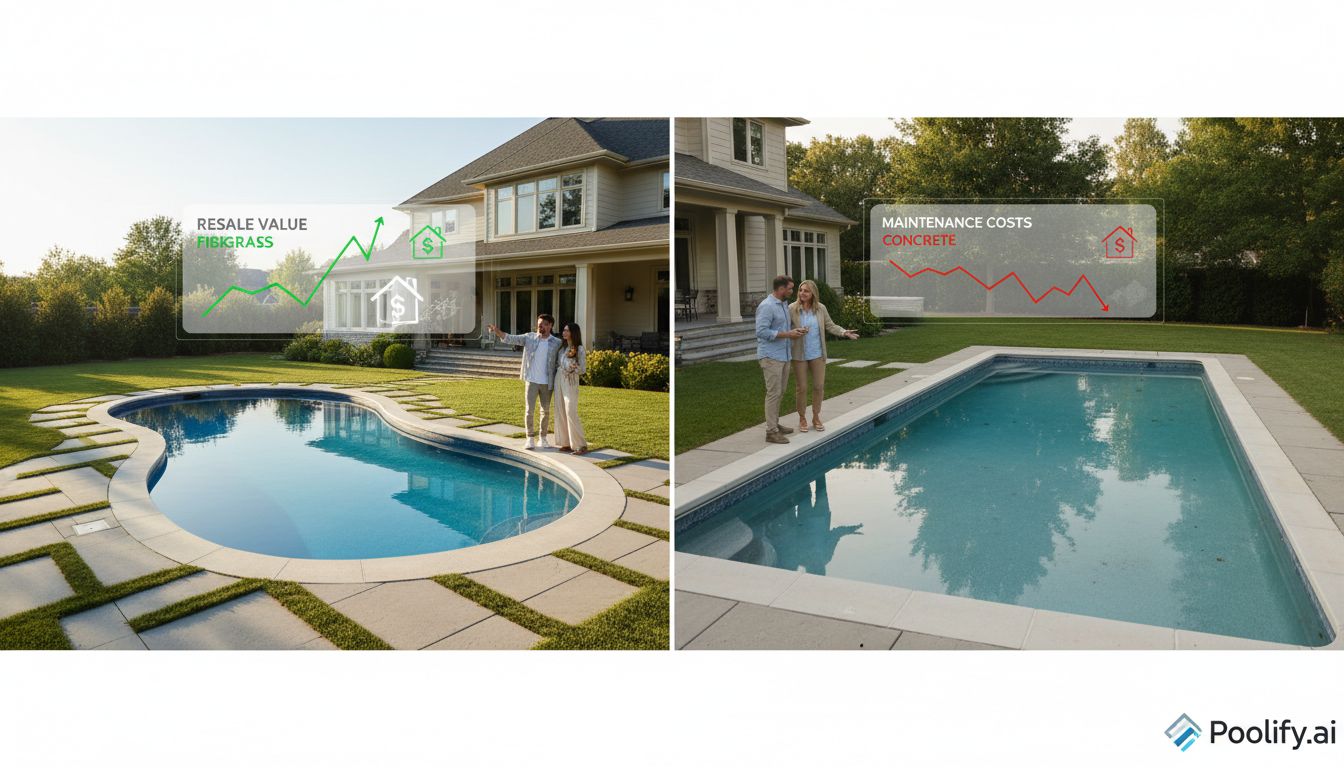
Real estate considerations influence the fiberglass vs concrete pool decision for homeowners thinking long-term. Both pool types add value to properties, but the impact varies based on local market conditions, climate, and buyer preferences. In regions where pools are standard amenities, either option enhances property appeal and can increase home values by 5-8% according to real estate market analyses. The key is ensuring the pool suits the property size and neighborhood standards.
Fiberglass pools appeal to buyers seeking low-maintenance amenities and quick installation if repairs are needed. The proven durability and reduced upkeep requirements make fiberglass pools attractive selling points, particularly for busy professionals or retirees who want pool enjoyment without intensive maintenance commitments. Real estate agents often highlight the lower operating costs and minimal maintenance requirements when marketing homes with fiberglass pools.
Market Perception Differences
The fiberglass vs concrete pool perception in real estate markets has evolved significantly. Luxury home buyers traditionally preferred concrete pools for their custom designs and high-end finishes. This preference continues in premium markets where unique, architecturally significant pools complement million-dollar properties. Custom concrete pools with elaborate features, infinity edges, or resort-style designs justify their higher costs in these segments.
Mainstream residential markets increasingly favor fiberglass pools for their practicality and proven performance. Buyers appreciate the warranty coverage, reduced maintenance burden, and lower operating costs. As fiberglass technology has advanced, the stigma of “prefab” pools has diminished, with modern fiberglass designs offering sophistication that satisfies most homebuyers. The ongoing maintenance requirements of concrete pools can actually deter some buyers who prefer turnkey, low-maintenance properties.
Environmental and Energy Considerations
Sustainability factors are increasingly important in the fiberglass vs concrete pool decision as homeowners prioritize environmental responsibility in 2026. Fiberglass pools offer several eco-friendly advantages, starting with reduced chemical consumption due to the non-porous surface. Lower chemical usage means fewer harsh substances entering the environment through backwash water and reduced manufacturing demand for pool chemicals. The smooth surface also improves circulation efficiency, allowing pumps to operate at lower speeds while maintaining water quality.
Energy efficiency differs between fiberglass vs concrete pool types primarily due to insulation properties. Fiberglass provides natural insulation, helping retain heat more effectively than concrete. This thermal efficiency reduces heating costs by 20-30% in heated pools, translating to significant energy savings over the pool’s lifetime. Concrete pools lose heat more rapidly, requiring more energy input to maintain comfortable temperatures, though this can be mitigated with pool covers and efficient heating systems.
Water Conservation
Water usage represents another environmental consideration in the fiberglass vs concrete pool comparison. Fiberglass pools typically require less frequent water replacement because the stable surface doesn’t contribute to chemical imbalances that necessitate dilution. The reduced need for backwashing due to better filtration efficiency also conserves water. Concrete pools often require more frequent partial draining and refilling to manage total dissolved solids (TDS) levels that accumulate from constant chemical additions needed to balance pH.
Both pool types can incorporate water-saving features like variable-speed pumps, efficient filtration systems, and covers that reduce evaporation. However, the inherent efficiency of fiberglass pools provides a baseline advantage in water conservation efforts. For environmentally conscious homeowners, this factor may tip the scales in the fiberglass vs concrete pool decision, particularly in drought-prone regions where water conservation is critical.
Common Problems and Solutions
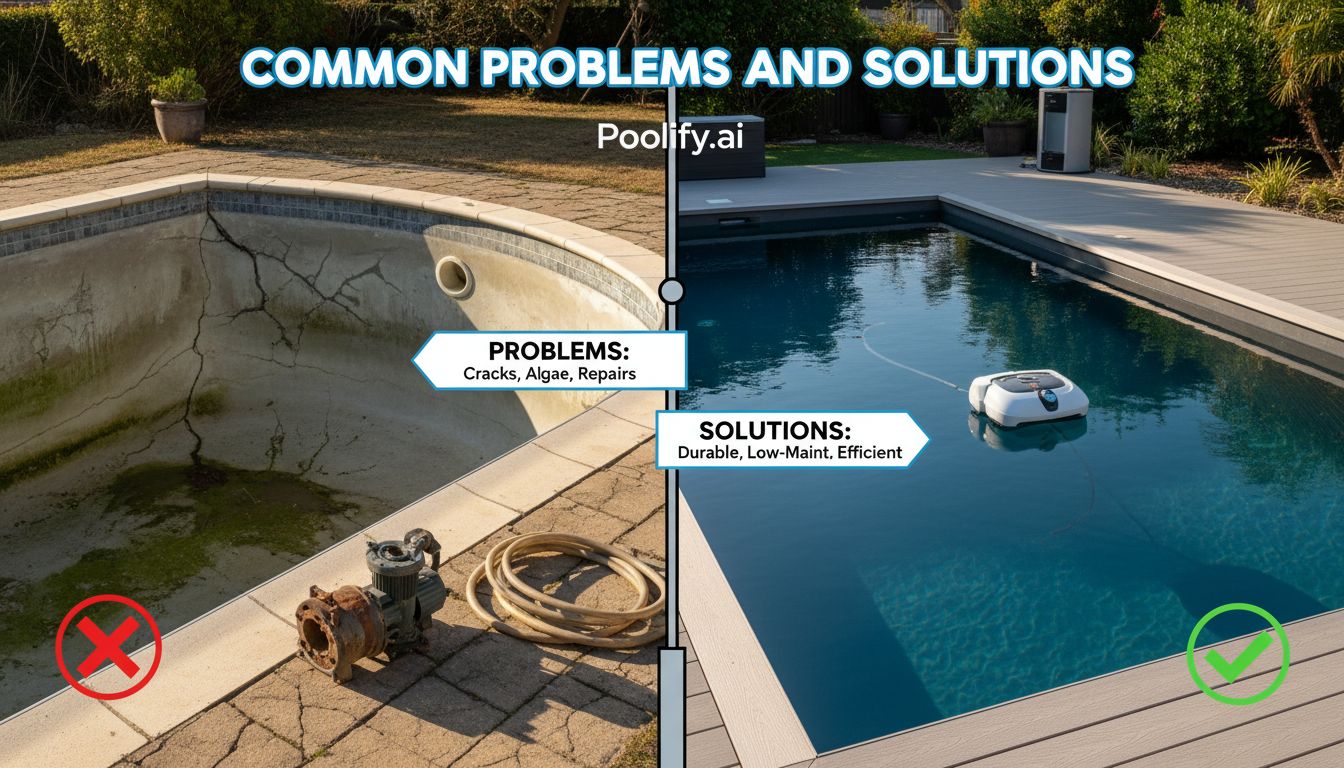
Understanding potential issues helps inform the fiberglass vs concrete pool decision. Fiberglass pools occasionally experience surface blistering or spider cracking, typically caused by manufacturing defects or improper installation. Quality manufacturers have largely eliminated these issues through improved production processes, and reputable companies warrant against such defects. Gelcoat fading can occur over 15-20 years in harsh sun exposure, but modern UV-resistant formulations have significantly extended color longevity.
Concrete pools face more frequent maintenance challenges. Surface etching from improper chemical balance, staining from metals or organic materials, and plaster delamination represent common issues requiring professional intervention. Structural cracks can develop from ground movement or poor initial construction, leading to leaks that are often difficult and expensive to locate and repair. The porous nature of concrete makes it susceptible to algae blooms if maintenance lapses, requiring intensive treatment to restore water quality.
Repair Considerations
Repair complexity and costs differ significantly in the fiberglass vs concrete pool comparison. Fiberglass repairs typically involve gelcoat patching for minor damage or complete refinishing for widespread wear. These repairs are straightforward, and many pool professionals can complete them efficiently. The one-piece construction means structural repairs are rare, and when needed, they’re usually covered under manufacturer warranties.
Concrete pool repairs range from simple plaster patching to complete resurfacing or structural crack repairs. Leak detection and repair in concrete pools can be particularly challenging and expensive, sometimes requiring excavation to access plumbing or structural areas. The frequency of required repairs generally exceeds that of fiberglass pools, contributing to higher lifetime maintenance costs. Homeowners should factor these potential expenses into their fiberglass vs concrete pool financial analysis.
Key Takeaways: Fiberglass vs Concrete Pool Decision Guide
- Installation Speed: Fiberglass pools install in 3-6 weeks versus 3-6 months for concrete, minimizing property disruption and allowing faster pool enjoyment.
- Maintenance Requirements: Fiberglass pools demand 40-50% less maintenance time and 30-40% fewer chemicals than concrete pools, saving money and effort over the pool’s lifetime.
- Initial vs. Lifetime Costs: While concrete pools offer more design flexibility, fiberglass pools typically cost less over 20 years when factoring in maintenance, resurfacing, and chemical expenses.
- Durability Factors: Fiberglass pools excel in freeze-thaw climates due to flexibility, while concrete pools provide maximum strength in stable environments with proper maintenance.
- Design Flexibility: Choose concrete for unlimited customization and unique designs; select fiberglass for attractive, proven designs with lower maintenance and faster installation.
Frequently Asked Questions About Fiberglass vs Concrete Pool Selection
Which lasts longer, fiberglass or concrete pools?
Both pool types can last 30+ years with proper maintenance, but concrete pools can exceed 50 years while fiberglass pools typically last 30-40 years. However, concrete pools require resurfacing every 10-15 years, while fiberglass gelcoat lasts 15-20 years before refinishing. The practical lifespan depends more on maintenance quality than inherent material limitations. When evaluating fiberglass vs concrete pool longevity, consider that fiberglass requires less frequent major maintenance interventions despite potentially shorter maximum lifespan.
Can you customize fiberglass pools like concrete pools?
Fiberglass pools offer limited customization compared to concrete because they come in pre-manufactured shapes. However, modern manufacturers provide 30-50 different models with various features like tanning ledges, built-in spas, and beach entries. You can customize surrounding decking, landscaping, and water features to personalize your fiberglass pool. In the fiberglass vs concrete pool customization debate, concrete wins for unlimited design freedom, but fiberglass offers sufficient variety for most homeowners’ needs with significantly lower maintenance requirements.
Are fiberglass pools more expensive than concrete?
Initial costs for fiberglass vs concrete pool installations are often comparable, with fiberglass ranging $45,000-$85,000 and concrete starting at $60,000 and easily exceeding $150,000 for custom designs. However, lifetime costs favor fiberglass due to lower maintenance expenses, reduced chemical usage, and less frequent resurfacing needs. When calculating total 20-year ownership costs including maintenance, chemicals, and resurfacing, fiberglass pools typically cost $15,000-$25,000 less than comparable concrete pools.
Which pool type is better for cold climates?
Fiberglass pools perform better in cold climates with freeze-thaw cycles because their flexibility prevents cracking from ice expansion. The non-porous gelcoat surface doesn’t absorb water that could freeze and cause damage. Concrete pools can crack in freezing conditions if water penetrates the porous surface and expands. For the fiberglass vs concrete pool decision in northern regions, fiberglass offers significant advantages in durability and reduced winterization concerns, making it the preferred choice for cold-weather installations.
Do fiberglass pools increase home value as much as concrete?
Both fiberglass and concrete pools can increase home values by 5-8% in markets where pools are desirable amenities. The impact depends more on proper installation, maintenance condition, and appropriateness for the property than pool type. Buyers increasingly appreciate fiberglass pools for low maintenance and durability, while luxury markets may prefer custom concrete designs. In the fiberglass vs concrete pool resale value comparison, either option adds value when well-maintained and appropriately sized for the property and neighborhood standards.
See Your Dream Pool in Your Actual Backyard
Upload a photo and get an AI-designed pool visualization in 10 seconds. 3 free designs, no login required.
Try Poolify Free →Conclusion: Making Your Fiberglass vs Concrete Pool Decision in 2026
The fiberglass vs concrete pool choice ultimately depends on your priorities, budget, and lifestyle. Fiberglass pools excel for homeowners valuing quick installation, low maintenance, and predictable long-term costs. The smooth, durable surface, reduced chemical requirements, and minimal upkeep make fiberglass ideal for busy families or anyone seeking hassle-free pool ownership. Modern manufacturing has expanded design options significantly, offering attractive pools that suit most residential properties without sacrificing aesthetics for practicality.
Concrete pools remain the premium choice for unlimited customization, unique designs, and architectural statements. If you’re building a luxury property, require a specific size or shape unavailable in fiberglass, or want elaborate custom features, concrete delivers unmatched flexibility. Be prepared for longer installation timelines, higher maintenance demands, and increased lifetime costs. The investment pays dividends in creating a truly one-of-a-kind backyard oasis that perfectly matches your vision.
As you navigate the fiberglass vs concrete pool decision in 2026, consider your long-term plans, maintenance willingness, and budget for both initial installation and ongoing care. Consult with reputable pool builders who offer both options and can provide honest assessments based on your specific property conditions and goals. Whether you choose the efficiency of fiberglass or the customization of concrete, investing in a quality pool from experienced professionals ensures years of enjoyment and adds lasting value to your home. For additional guidance on maintaining your new pool, explore our comprehensive pool cleaning tips to keep your investment in pristine condition year-round.
References
- U.S. Census Bureau – Construction Data: https://www.census.gov/construction/nrc/index.html
- Centers for Disease Control and Prevention – Healthy Swimming: https://www.cdc.gov/healthywater/swimming/residential/index.html
- Poolify.ai – Pool Maintenance Guide: https://content.poolify.ai/diy-pool-maintenance-tips/
- Poolify.ai – Pool Cleaning Tips: https://content.poolify.ai/pool-cleaning-schedule/
