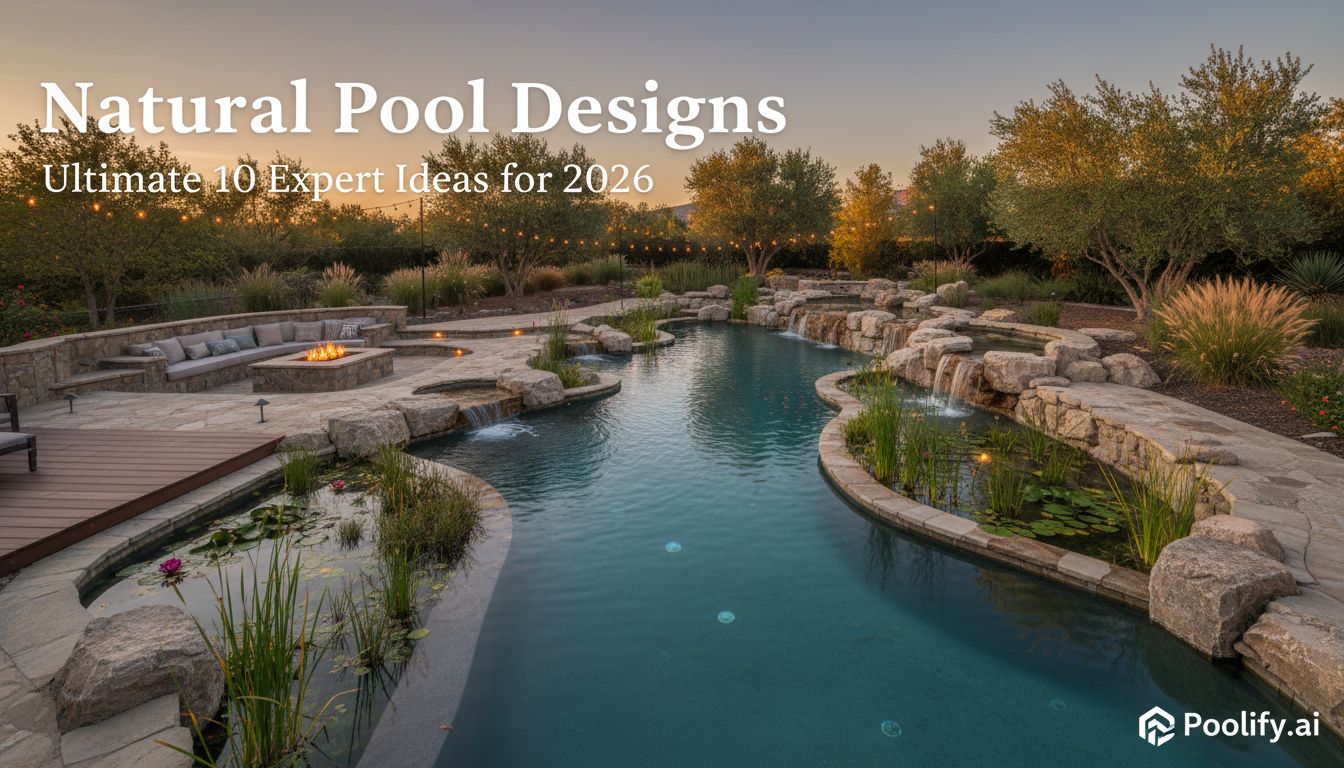
Introduction to Natural Pool Designs
Natural pool designs have revolutionized backyard swimming by combining recreational water features with living ecosystems. Unlike traditional chlorinated pools, these innovative designs use biological filtration systems and aquatic plants to maintain crystal-clear water naturally. In 2026, homeowners increasingly seek sustainable alternatives that reduce chemical use while creating beautiful outdoor spaces. This comprehensive guide explores ten expert natural pool designs that transform ordinary backyards into ecological sanctuaries, offering both aesthetic appeal and environmental benefits.
The growing interest in natural pool designs reflects a broader shift toward sustainable living and biophilic design principles. These pools integrate seamlessly with surrounding landscapes, support local wildlife, and require fewer harsh chemicals than conventional pools. Whether you’re planning a complete backyard renovation or exploring eco-friendly alternatives, understanding the fundamentals of natural pool designs helps you make informed decisions that benefit both your family and the environment.
Understanding Natural Pool Designs and How They Work
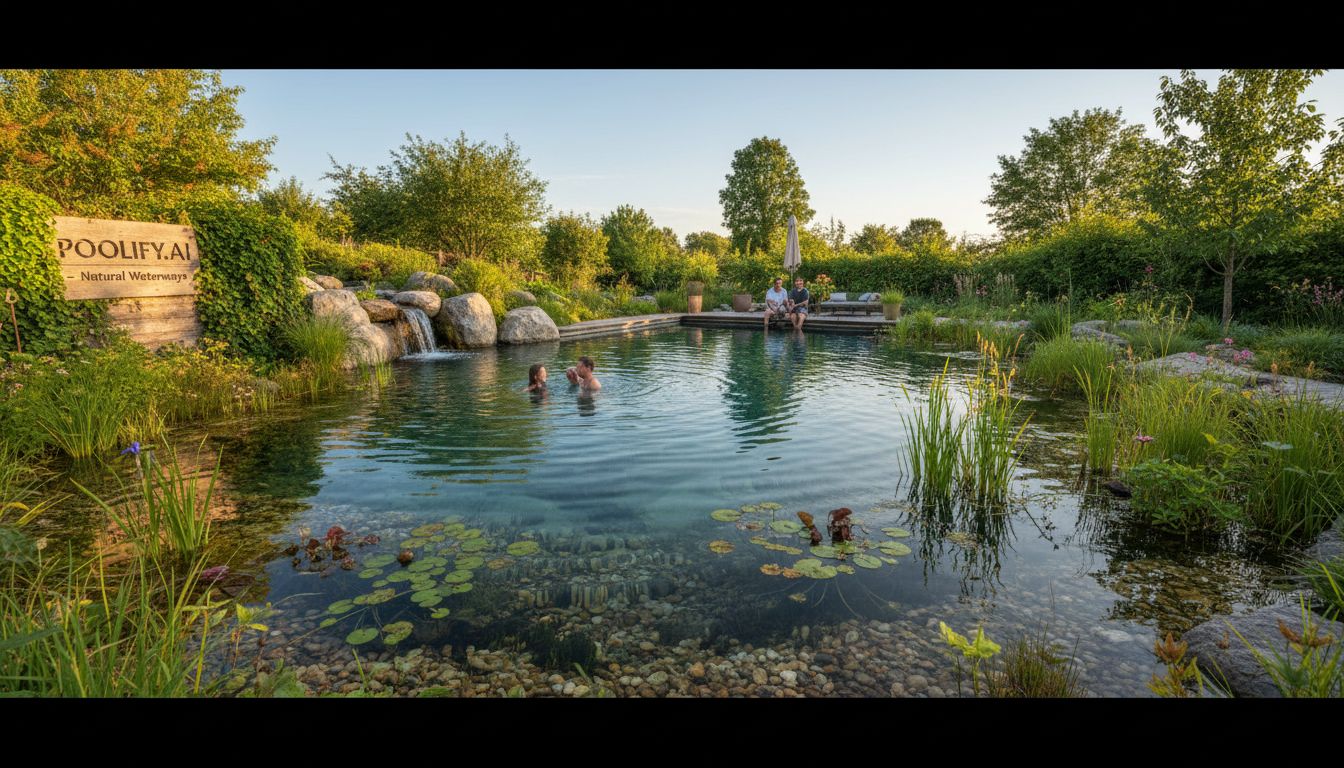
Natural pool designs operate on principles borrowed from natural aquatic ecosystems. These systems divide the pool into two distinct zones: a swimming area and a regeneration zone where plants and beneficial microorganisms filter the water. The regeneration zone typically occupies 30-50% of the total pool surface area, though this varies based on specific design requirements and climate conditions.
Water circulates continuously between zones through pumps, passing through gravel beds and plant roots that remove impurities, bacteria, and organic matter. This biological filtration process mimics natural wetlands, where aquatic plants absorb nutrients while beneficial bacteria break down contaminants. The EPA’s WaterSense program recognizes these systems as water-efficient alternatives that significantly reduce chemical usage and environmental impact.
The swimming zone remains plant-free, providing clear water for recreation while the regeneration zone creates a lush, garden-like appearance. Modern natural pool designs incorporate skimmers, UV clarifiers, and sophisticated circulation systems to maintain water quality without chlorine. Temperature regulation occurs naturally through water depth and surface area, though some homeowners add solar heating systems for extended swimming seasons.
Key Components of Natural Pool Systems
Successful natural pool designs require several essential components working in harmony. The regeneration zone contains carefully selected aquatic plants including rushes, sedges, water lilies, and submerged oxygenating plants. These species absorb excess nutrients, produce oxygen, and provide natural filtration. Substrate materials like gravel and sand create surfaces for beneficial bacteria colonization, enhancing biological filtration capacity.
Circulation pumps move water through the system at calculated rates, ensuring adequate contact time with filtration media and plant roots. Most natural pool designs incorporate multiple circulation zones to prevent stagnant areas where algae might develop. Skimmers remove surface debris while bottom drains collect heavier particles, maintaining water clarity throughout the swimming season.
Top 10 Natural Pool Designs for 2026
1. Contemporary Minimalist Natural Pools
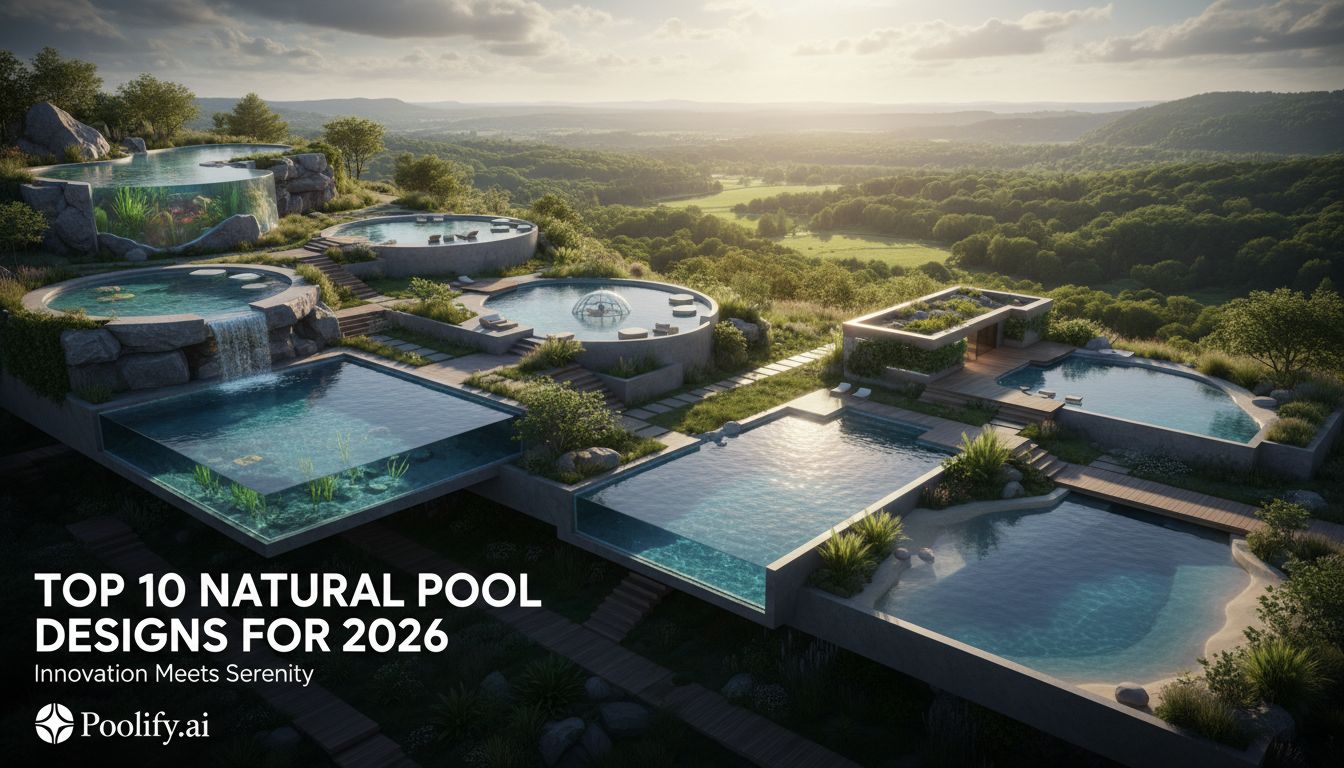
Contemporary minimalist natural pool designs feature clean geometric lines, integrated spa areas, and sophisticated plant arrangements. These designs appeal to modern homeowners seeking sustainable features without sacrificing aesthetic refinement. The swimming area typically uses dark-colored liners or natural stone that creates dramatic visual depth, while the regeneration zone incorporates ornamental grasses and architectural plants arranged in linear patterns.
Minimalist natural pool designs often include infinity edges, integrated lighting systems, and seamless transitions between pool and patio areas. Hardscaping materials like concrete, composite decking, or porcelain pavers complement the organic filtration system while maintaining contemporary visual appeal. These designs work exceptionally well in urban settings where space limitations require efficient use of every square foot.
2. Woodland-Inspired Swimming Ponds
Woodland-inspired natural pool designs create immersive forest experiences by incorporating native trees, ferns, and shade-loving aquatic plants. These designs suit properties with existing mature trees or homeowners wanting to establish naturalistic landscapes. The regeneration zone extends into surrounding areas, creating habitat corridors that attract butterflies, dragonflies, and beneficial insects.
Stone boulders, fallen logs, and meandering edges characterize woodland natural pool designs, eliminating the artificial appearance of traditional pools. Water depth varies throughout the swimming area, creating shallow wading zones and deeper sections for diving. These designs require careful planning to balance shade requirements for plants with sunlight needs for water temperature and photosynthesis.
3. Mediterranean-Style Natural Pools
Mediterranean natural pool designs incorporate drought-tolerant plants, terra cotta accents, and warm-toned natural stone. These designs thrive in arid climates where water conservation remains paramount. The regeneration zone features plants adapted to hot, dry conditions including papyrus, water iris, and various sedge species that tolerate both water and periodic drought.
Surrounding landscapes include lavender, rosemary, olive trees, and ornamental grasses that reinforce the Mediterranean aesthetic while requiring minimal irrigation. Natural stone coping, travertine decking, and stucco walls complete the design vocabulary. These natural pool designs often incorporate shallow beach entries that gradually slope into deeper water, mimicking coastal swimming experiences.
4. Formal Garden Natural Pools
Formal garden natural pool designs balance structured geometry with organic filtration systems. Rectangular or circular swimming areas feature symmetrical regeneration zones with carefully manicured aquatic plantings. Box hedges, topiary, and perennial borders frame the pool area, creating elegant outdoor rooms that function as both swimming facilities and garden focal points.
These designs appeal to homeowners with established formal gardens who want swimming facilities that complement existing landscape architecture. Stone fountains, classical statuary, and formal pathways integrate the pool into broader garden narratives. Despite their structured appearance, these natural pool designs maintain full ecological functionality with biological filtration systems hidden beneath refined surfaces.
5. Naturalistic Swimming Ponds
Naturalistic swimming pond designs prioritize ecological authenticity over geometric precision. Irregular shapes, varied depths, and extensive planting create swimming environments virtually indistinguishable from natural water bodies. These designs maximize habitat value, supporting diverse aquatic life including frogs, turtles, and beneficial insects that contribute to ecosystem balance.
The swimming area occupies a smaller percentage of total surface area compared to other natural pool designs, with regeneration zones extending across 50-70% of the feature. Native plant species dominate the planting palette, supporting local pollinators and wildlife. Naturalistic designs work beautifully on larger properties where space allows for expansive water features that blend seamlessly into surrounding landscapes.
6. Compact Urban Natural Pools
Compact urban natural pool designs prove that biological filtration works effectively in limited spaces. These designs typically measure 200-400 square feet, incorporating vertical planting walls and space-efficient regeneration systems. Raised walls, integrated seating, and multi-level decking maximize functionality while minimizing footprint requirements.
Urban natural pool designs often include additional mechanical filtration to supplement biological processes, ensuring water quality in smaller volumes. Container plantings, living walls, and rooftop installations extend the design vocabulary beyond traditional in-ground configurations. These innovative approaches make natural pool designs accessible to townhouse owners, urban residents, and anyone with limited outdoor space.
7. Family-Friendly Natural Pool Designs
Family-friendly natural pool designs prioritize safety, accessibility, and recreational variety. Graduated depth profiles create safe wading areas for young children while providing adequate depth for older swimmers. Beach entries eliminate ladder requirements, improving accessibility for all ages and abilities. Safety fencing integrates visually with surrounding landscapes while meeting local building codes.
These designs often incorporate play features like natural stone diving rocks, rope swings, or shallow splash zones that encourage outdoor activity. The regeneration zone becomes an educational opportunity where children learn about aquatic ecosystems, plant identification, and environmental stewardship. Durable poolside surfaces withstand heavy foot traffic while maintaining aesthetic appeal throughout years of family use.
8. Infinity-Edge Natural Pools
Infinity-edge natural pool designs combine dramatic visual effects with biological filtration systems. One or more pool edges appear to merge with distant horizons, creating stunning optical illusions particularly effective on sloped properties with valley or ocean views. The vanishing edge doubles as a water collection system that feeds the regeneration zone before recirculating to the swimming area.
These sophisticated natural pool designs require precise engineering to maintain proper water levels while creating seamless visual transitions. The regeneration zone may be positioned below the main pool elevation, hidden from primary viewing angles to preserve unobstructed sightlines. Infinity-edge designs represent premium natural pool installations that deliver both ecological benefits and architectural drama.
9. Wildlife Habitat Natural Pools
Wildlife habitat natural pool designs maximize ecological value by creating comprehensive ecosystems that support diverse species. These designs incorporate multiple habitat zones including deep water refuges, shallow margins, mudflats, and terrestrial transition areas. Extensive native plantings provide food, shelter, and breeding sites for amphibians, birds, and beneficial insects.
The swimming area occupies a designated section clearly separated from sensitive habitat zones, allowing recreational use without disturbing wildlife. Observation decks, viewing blinds, and interpretive signage transform the pool into an educational resource. These natural pool designs appeal to nature enthusiasts, environmental educators, and homeowners committed to supporting biodiversity on private property.
10. Hybrid Natural-Traditional Pool Designs
Hybrid natural pool designs combine biological filtration with selective conventional technologies, offering flexibility for homeowners wanting natural aesthetics with additional control options. These systems might incorporate UV sterilizers, ozone generators, or minimal chlorine supplementation during peak usage periods. The regeneration zone handles primary filtration while supplemental systems provide backup capacity.
Hybrid approaches work well in commercial applications, rental properties, or situations where health department regulations require additional treatment methods. These natural pool designs demonstrate that biological and conventional systems can coexist, providing transition pathways for homeowners gradually adopting sustainable pool management practices. You can explore more about maintaining different pool systems to understand which approach suits your needs.
Plant Selection for Natural Pool Designs
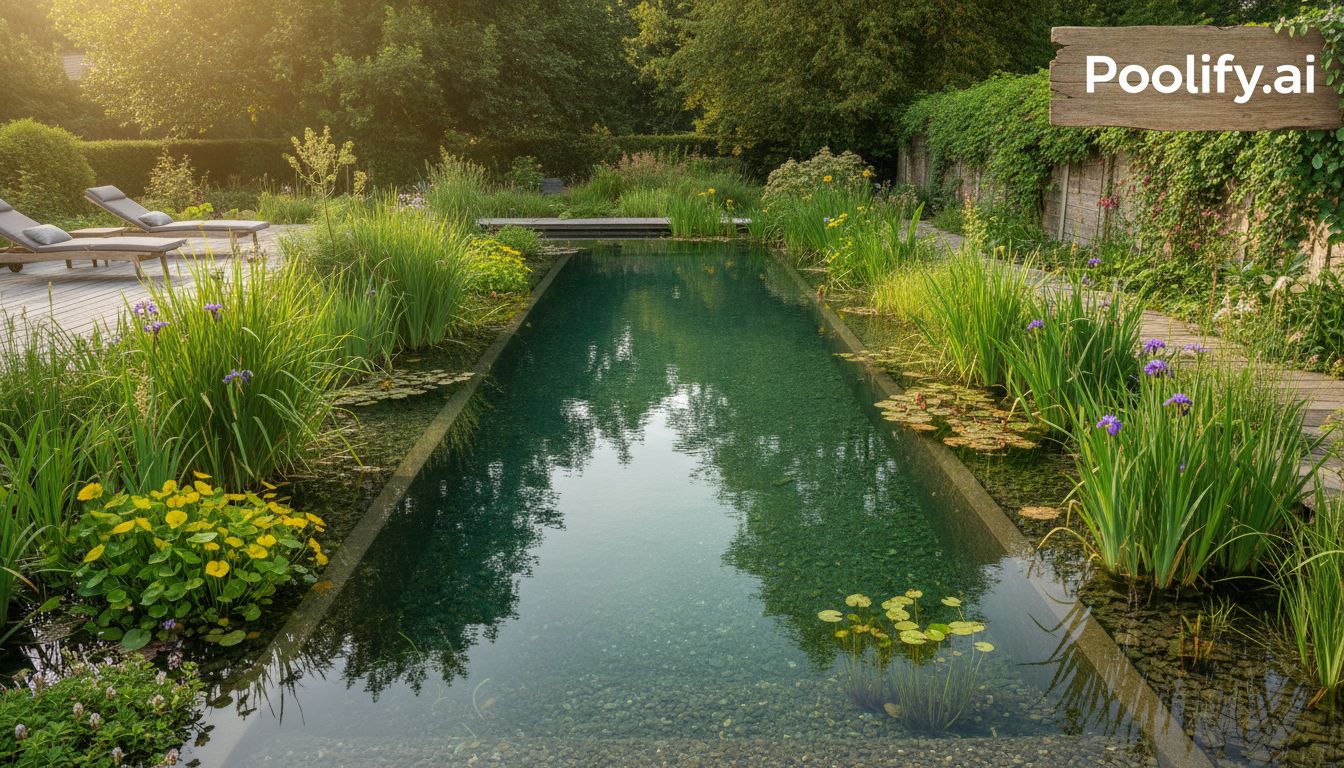
Selecting appropriate plants represents one of the most critical decisions in natural pool designs. Plant species must tolerate full or partial submersion, absorb nutrients efficiently, and survive local climate conditions. Native species generally perform best, requiring less maintenance while supporting local ecosystems. Aquatic plant communities typically include four functional groups: emergent plants, floating plants, submerged oxygenators, and marginal species.
Emergent plants like rushes, cattails, and pickerel weed grow with roots submerged and foliage above water. These species provide structural habitat, absorb significant nutrients, and create visual interest throughout growing seasons. Floating plants including water lilies and lotus add aesthetic appeal while shading water surfaces to reduce algae growth. Submerged oxygenators like hornwort and anacharis remain underwater, producing oxygen and absorbing dissolved nutrients.
Marginal plants occupy transition zones between water and land, stabilizing edges while filtering runoff before it enters the swimming area. Species selection varies by climate zone, with cold-hardy options for northern regions and heat-tolerant varieties for southern locations. Consulting with landscape professionals familiar with natural pool designs ensures appropriate plant selection for your specific conditions and aesthetic preferences.
Seasonal Plant Management
Natural pool designs require seasonal maintenance to keep plant communities healthy and balanced. Spring involves dividing overgrown specimens, adding new plants to fill gaps, and removing winter debris. Summer maintenance includes deadheading spent flowers, controlling aggressive spreaders, and monitoring for pest issues. Fall preparation requires cutting back dead foliage, removing excess organic matter, and protecting tender species before winter.
Different climate zones experience varied growing seasons affecting maintenance schedules. Tropical regions may require year-round attention while temperate zones concentrate maintenance in spring and fall. Understanding plant life cycles and growth patterns helps maintain optimal filtration capacity throughout the swimming season. Many homeowners find plant care rewarding, enjoying the gardening aspects of natural pool designs as much as swimming itself.
Cost Considerations for Natural Pool Designs
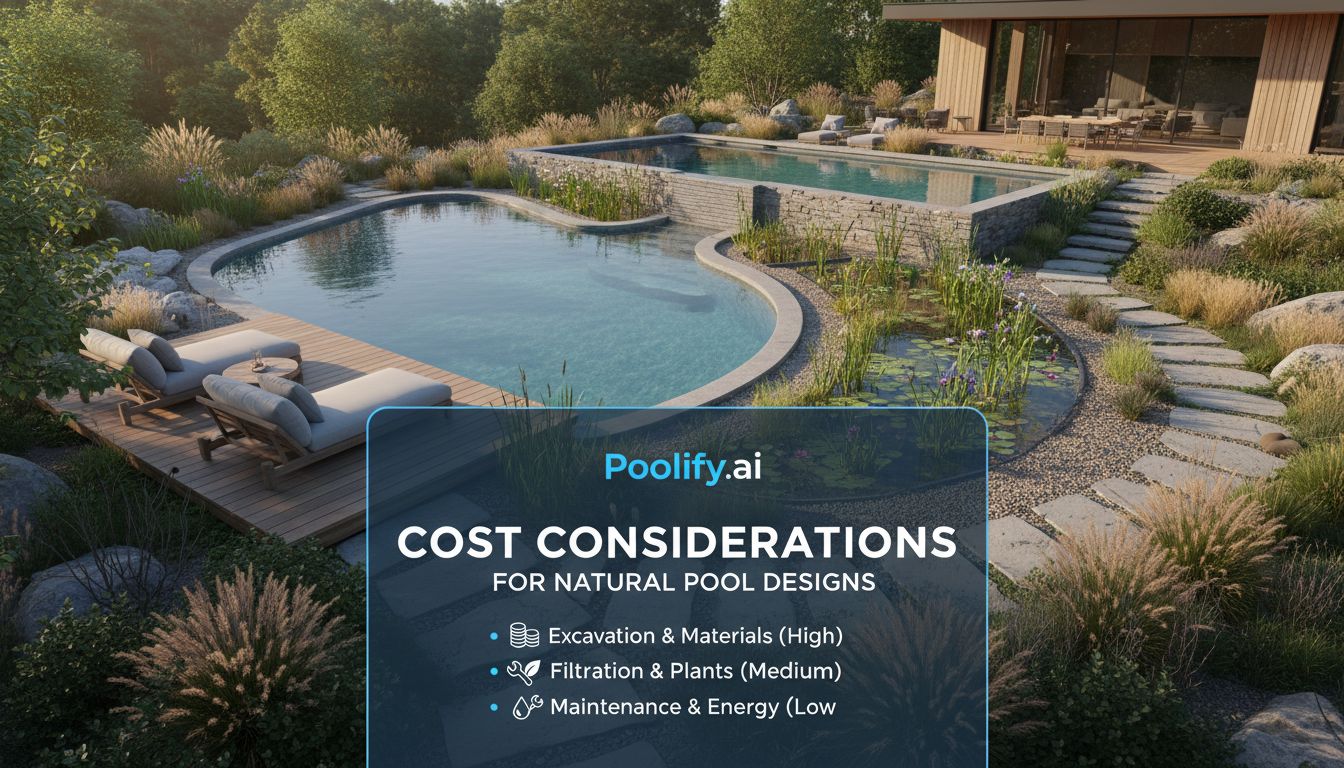
Natural pool designs typically cost between $50,000 and $100,000 for residential installations, though prices vary significantly based on size, complexity, and regional labor rates. Initial construction costs often exceed conventional pools due to specialized excavation requirements, biological filtration systems, and extensive planting. However, long-term operational costs remain substantially lower due to reduced chemical purchases, decreased energy consumption, and minimal equipment replacement needs.
Size represents the primary cost driver, with larger pools requiring more excavation, additional circulation equipment, and extensive plant inventories. Site conditions affect pricing significantly—rocky soil, poor drainage, or difficult access increase installation expenses. Custom features like waterfalls, integrated spas, or sophisticated lighting systems add to project budgets. Working with experienced contractors familiar with natural pool designs helps avoid costly mistakes and ensures proper system functionality.
Annual maintenance costs for natural pool designs average $500-$1,500, considerably less than conventional pools requiring chemicals, frequent filter replacements, and higher energy consumption. The regeneration zone requires periodic plant division, debris removal, and occasional replanting, but these tasks often appeal to gardening enthusiasts. Pump and circulation system maintenance resembles conventional pool requirements, though natural systems typically use smaller, more efficient equipment.
Return on Investment
Natural pool designs enhance property values while providing recreational amenities and environmental benefits. Real estate professionals report that well-designed natural pools appeal to environmentally conscious buyers willing to pay premiums for sustainable features. The unique aesthetic and ecological value differentiate properties in competitive markets. Beyond financial returns, owners cite improved quality of life, increased outdoor time, and satisfaction from supporting local ecosystems as valuable intangible benefits.
Energy savings accumulate over decades of ownership, as natural pool designs typically consume 30-50% less electricity than conventional pools. Reduced chemical purchases, fewer equipment replacements, and lower maintenance costs contribute to favorable long-term economics. Many homeowners view natural pool designs as investments in lifestyle and environmental stewardship rather than purely financial decisions.
Designing for Different Climate Zones
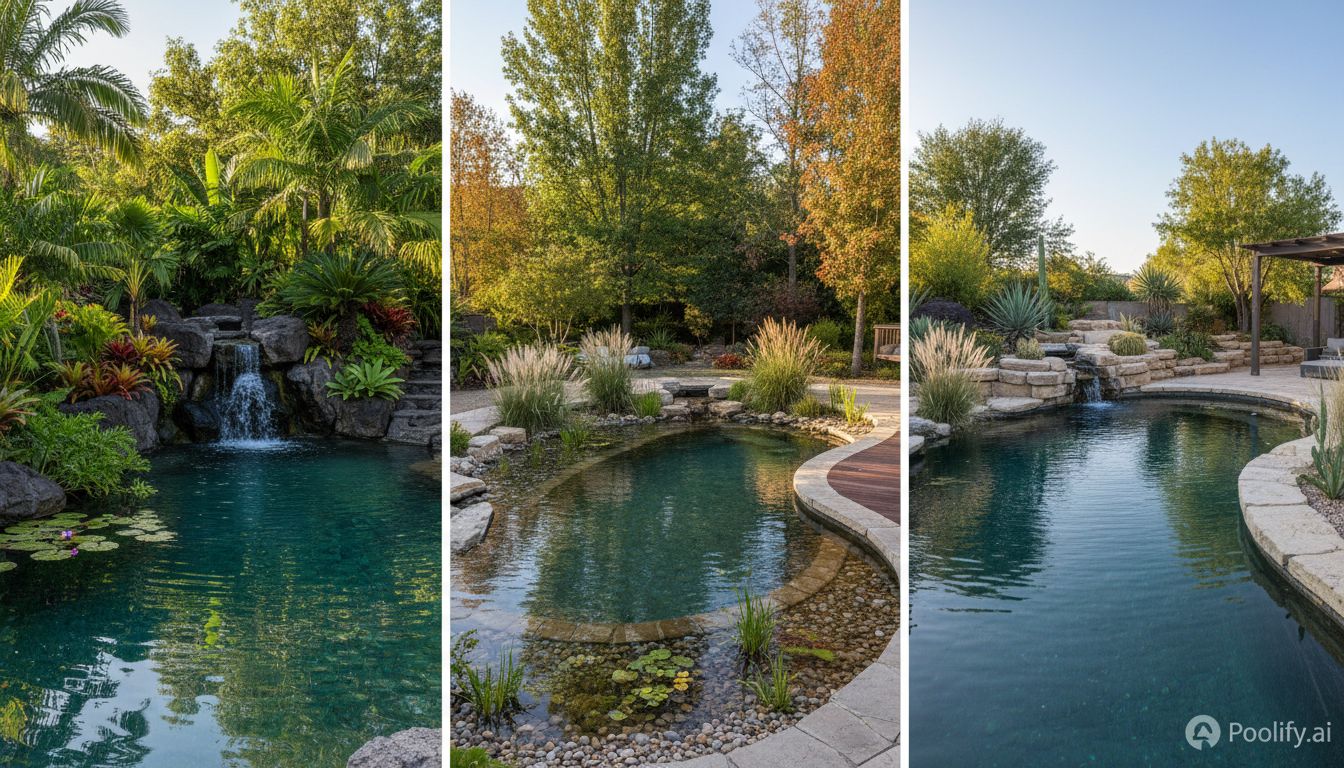
Climate significantly influences natural pool designs, affecting plant selection, system sizing, and seasonal operation. Warm climates with extended swimming seasons benefit from year-round biological filtration and diverse plant options. Cold climates require winterization procedures, cold-hardy plant species, and design features that accommodate ice formation. Understanding regional climate patterns ensures natural pool designs function optimally throughout the year.
Hot, arid climates present unique challenges including high evaporation rates, intense UV exposure, and limited cold-hardy plant options. These regions benefit from deeper pools that maintain cooler temperatures, shade structures that reduce evaporation, and drought-tolerant plant species. Supplemental mechanical filtration may assist biological systems during extreme heat when plant growth slows. According to Department of Energy guidelines, proper design adaptations significantly improve system efficiency across varied climates.
Temperate regions with distinct seasons offer ideal conditions for natural pool designs. Spring and fall provide optimal plant growth periods while summer delivers peak swimming conditions. Winter dormancy allows for maintenance, repairs, and system improvements. These climates support the widest range of aquatic plant species, enabling diverse design aesthetics and robust filtration capacity.
Tropical and Subtropical Considerations
Tropical and subtropical climates enable year-round swimming and continuous plant growth in natural pool designs. However, accelerated biological activity requires careful nutrient management to prevent algae blooms. Increased evaporation demands regular water level monitoring and potential supplemental systems. Plant selection focuses on heat-tolerant species that thrive in warm water temperatures. These regions often incorporate additional shading elements to moderate water temperatures and reduce evaporation losses.
Maintenance Requirements for Natural Pool Designs
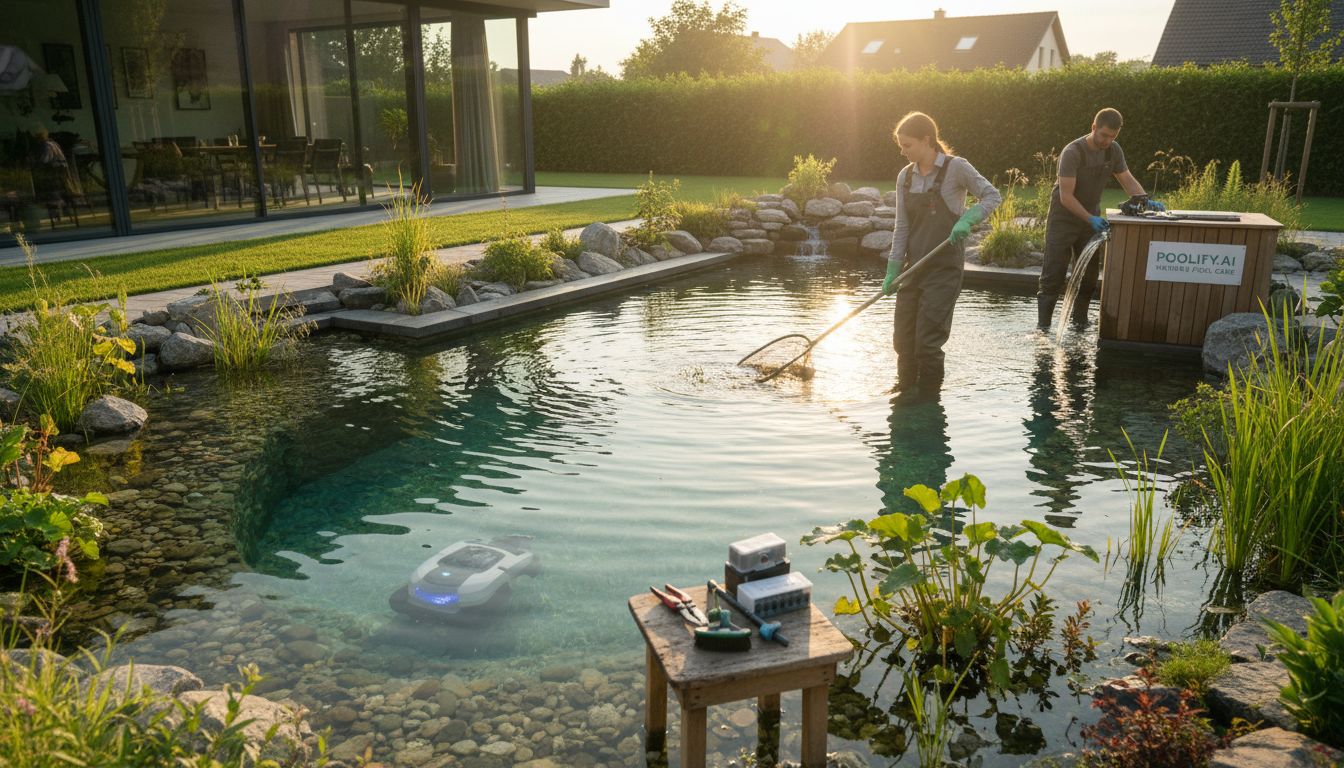
Natural pool designs require different maintenance approaches compared to conventional pools. Rather than chemical testing and adjustment, maintenance focuses on ecosystem balance, plant health, and circulation system operation. Weekly tasks include skimming surface debris, checking water levels, and inspecting plants for pest damage or excessive growth. Monthly activities involve cleaning skimmer baskets, inspecting pumps, and assessing overall water clarity.
Seasonal maintenance varies by climate but typically includes spring plant division and new plantings, summer algae monitoring and debris removal, fall foliage cutting and organic matter extraction, and winter system protection in cold climates. Most homeowners spend 2-4 hours monthly on maintenance, though this varies based on pool size and complexity. Many find maintenance tasks enjoyable, particularly plant care and wildlife observation activities.
Professional maintenance services specializing in natural pool designs provide periodic system checks, plant management, and technical support. Annual professional inspections ensure pumps, plumbing, and filtration components function properly. Some homeowners handle routine maintenance independently while contracting specialists for technical issues or major seasonal tasks. For additional guidance on pool care, review our comprehensive pool care strategies that cover both natural and conventional systems.
Troubleshooting Common Issues
Natural pool designs occasionally experience challenges including algae blooms, cloudy water, or unbalanced plant growth. Algae issues typically indicate nutrient imbalances, insufficient plant coverage, or inadequate circulation. Solutions involve adding more plants, improving water flow, or temporarily reducing nutrient inputs. Cloudy water may result from insufficient biological filtration capacity, requiring system adjustments or supplemental mechanical filtration.
Excessive plant growth requires periodic thinning to maintain proper swimming area dimensions and prevent regeneration zone overcrowding. Conversely, poor plant performance suggests inadequate nutrients, improper water depth, or unsuitable species selection. Understanding ecosystem dynamics helps identify root causes rather than merely treating symptoms. Most issues resolve through minor adjustments rather than major system overhauls.
Regulatory Considerations and Permits
Natural pool designs must comply with local building codes, zoning regulations, and health department requirements. Permit requirements vary significantly by jurisdiction, with some areas treating natural pools as water features rather than swimming pools, while others apply identical regulations to both pool types. Early consultation with local building departments prevents costly design changes during construction.
Safety regulations typically require perimeter fencing, proper electrical installations, and adequate circulation systems. Some jurisdictions mandate supplemental disinfection systems or specific water quality standards. Working with contractors experienced in natural pool designs ensures compliance with local requirements. Professional designers navigate regulatory landscapes efficiently, securing necessary permits and approvals before construction begins.
Homeowner association rules may restrict pool designs, requiring architectural review board approval before installation. These organizations sometimes express concerns about natural aesthetics or wildlife attraction. Presenting professional plans, explaining ecological benefits, and showing examples of successful natural pool designs helps gain approval. Many associations appreciate the environmental stewardship and unique character these features provide once they understand the concept.
Future Trends in Natural Pool Designs
Natural pool designs continue evolving as new technologies, materials, and ecological understanding advance. In 2026, several trends shape the industry including smart monitoring systems that track water quality parameters, automated circulation controls that optimize energy efficiency, and advanced biological filtration media that enhance treatment capacity. Integration with home automation systems allows remote monitoring and control through smartphone applications.
Sustainable materials increasingly feature in natural pool designs, with recycled plastics, reclaimed stone, and locally sourced materials reducing environmental footprints. Solar-powered circulation systems eliminate grid electricity consumption while battery storage provides overnight operation. Rainwater harvesting systems supply pool water, reducing municipal water demand and associated costs.
Biophilic design principles influence natural pool designs, emphasizing connections between humans and nature. These approaches integrate pools into comprehensive landscape ecosystems that support biodiversity, provide habitat corridors, and enhance property resilience to climate change. Educational components including interpretive signage, observation areas, and citizen science opportunities transform private pools into environmental learning resources.
Frequently Asked Questions About Natural Pool Designs
How clean is the water in natural pool designs?
Water in properly designed natural pools remains exceptionally clean through biological filtration processes. Plant roots and beneficial bacteria remove contaminants, organic matter, and potential pathogens. Water clarity typically matches or exceeds conventional pools, though natural pools may have slight color tints from tannins released by plants. Regular testing confirms water quality meets recreational standards without chemical additives.
Can natural pool designs work in small yards?
Yes, natural pool designs adapt successfully to limited spaces through compact configurations, vertical planting systems, and efficient regeneration zones. Pools as small as 200 square feet function effectively with proper design. Urban installations often incorporate raised walls, integrated planters, and space-saving circulation systems. Professional designers optimize every square foot to deliver full functionality in constrained areas.
Do natural pool designs attract mosquitoes?
Properly functioning natural pool designs do not attract mosquitoes more than conventional pools. Continuous water circulation prevents stagnant conditions where mosquitoes breed. Additionally, natural pools support dragonflies, fish, and other predators that consume mosquito larvae. The regeneration zone becomes part of the solution rather than a problem, hosting beneficial species that control pest populations naturally.
What is the lifespan of natural pool designs?
Natural pool designs last indefinitely with proper maintenance, often exceeding conventional pool lifespans. The biological filtration system matures and improves over time as plant communities establish and beneficial bacteria colonize surfaces. Structural components like liners, pumps, and plumbing require periodic replacement similar to conventional pools. Many natural pools function successfully for 30-50 years with appropriate care.
Can you heat natural pool designs?
Yes, natural pool designs accommodate heating systems including solar panels, heat pumps, and passive solar design strategies. Heating extends swimming seasons in temperate climates while maintaining biological filtration functionality. Solar heating represents the most popular option, aligning with the sustainable philosophy underlying natural pool designs. Proper temperature management ensures plant health while providing comfortable swimming conditions.
Key Takeaways
- Natural pool designs use biological filtration through plants and beneficial bacteria rather than chemicals, creating sustainable swimming environments that support local ecosystems while reducing operational costs and environmental impact.
- Successful natural pool designs require proper balance between swimming areas and regeneration zones, typically allocating 30-50% of total surface area to planted filtration zones that maintain water quality naturally throughout swimming seasons.
- Initial construction costs for natural pool designs range from $50,000-$100,000 but deliver long-term savings through reduced chemical purchases, lower energy consumption, and minimal maintenance requirements compared to conventional pools.
- Climate significantly influences natural pool designs, affecting plant selection, system sizing, and operational procedures, with successful installations possible in tropical, temperate, and even cold climates through appropriate design adaptations.
- Modern natural pool designs incorporate diverse styles from minimalist contemporary to naturalistic ponds, proving that biological filtration systems accommodate virtually any aesthetic preference while delivering ecological benefits and recreational value.
See Your Dream Pool in Your Actual Backyard
Upload a photo and get an AI-designed pool visualization in 10 seconds. 3 free designs, no login required.
Try Poolify Free →Conclusion
Natural pool designs represent the convergence of recreational amenities, environmental stewardship, and landscape architecture. These innovative systems prove that swimming pools can enhance rather than harm local ecosystems while providing beautiful, functional outdoor spaces. The ten design approaches explored demonstrate remarkable versatility, accommodating varied aesthetic preferences, property sizes, and climate conditions.
As awareness of environmental issues grows and sustainable living practices become mainstream, natural pool designs offer practical solutions that benefit homeowners and the planet simultaneously. The biological filtration systems at their core work reliably year after year, requiring less intervention than conventional pools while supporting biodiversity and reducing chemical pollution. Whether you prefer contemporary minimalism or naturalistic aesthetics, natural pool designs deliver customized solutions that transform backyards into ecological sanctuaries.
The investment in natural pool designs extends beyond financial considerations to encompass quality of life improvements, environmental contributions, and unique property features that distinguish homes in competitive markets. As technology advances and ecological understanding deepens, these systems will continue evolving, offering even greater efficiency, aesthetic possibilities, and environmental benefits. For homeowners considering pool installations in 2026, natural pool designs represent forward-thinking choices that align recreational desires with ecological responsibility.
References
EPA WaterSense Program – https://www.epa.gov/watersense/watersense-products
Department of Energy Swimming Pool Heating Guidelines – https://betterbuildingssolutioncenter.energy.gov/sites/default/files/attachments/Pool%20efficiency_.pdf
