Introduction to Contemporary Pool Designs
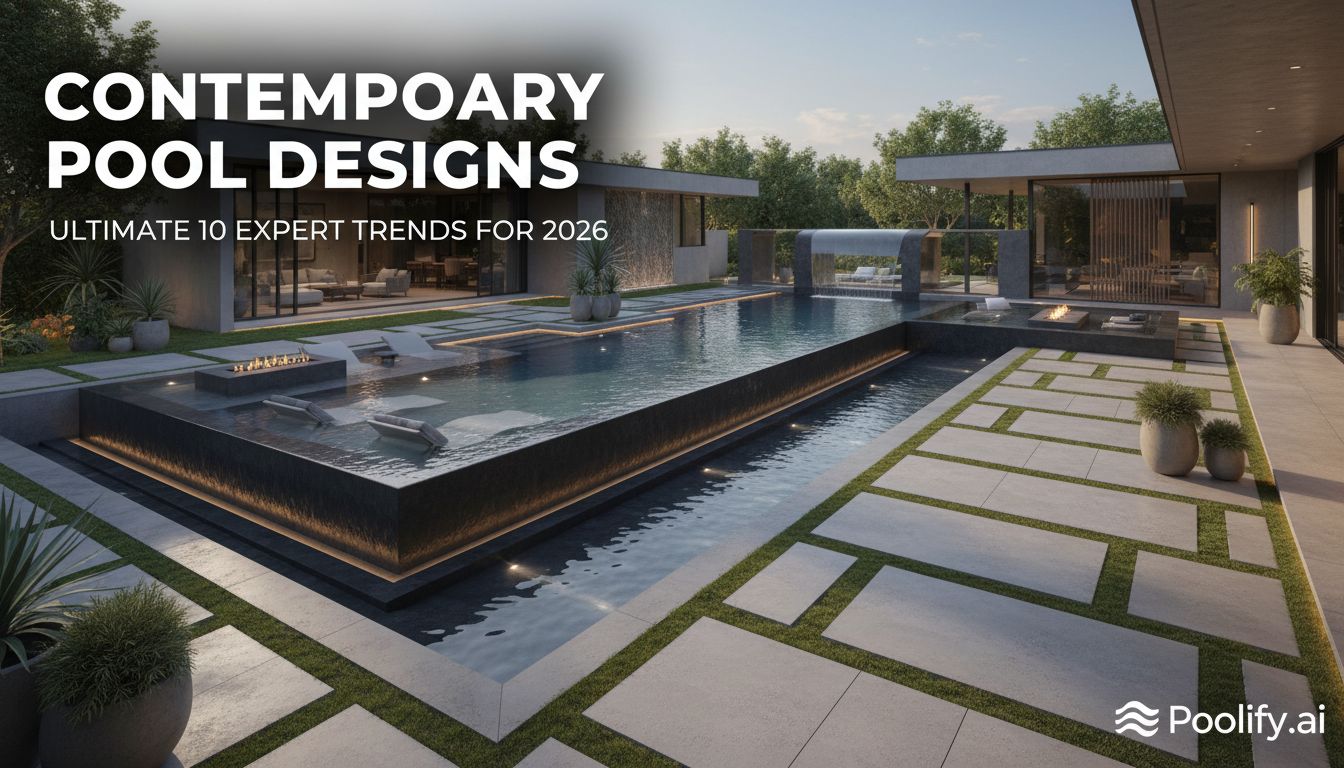
Contemporary pool designs have evolved dramatically, transforming ordinary backyards into sophisticated outdoor sanctuaries that blend functionality with stunning aesthetics. As we navigate through 2026, homeowners are increasingly seeking pools that reflect modern architectural principles while incorporating sustainable technologies and innovative features. Today’s contemporary pool designs emphasize clean lines, minimalist aesthetics, and seamless integration with the surrounding landscape, creating spaces that serve as both recreational areas and artistic focal points.
The modern pool is no longer just a place to cool off during summer months. It represents a lifestyle choice that enhances property value, promotes wellness, and provides a personalized retreat. Whether you’re planning a complete backyard transformation or updating an existing pool, understanding the latest trends in contemporary pool designs will help you create a space that’s both timeless and cutting-edge.
Key Elements That Define Contemporary Pool Designs
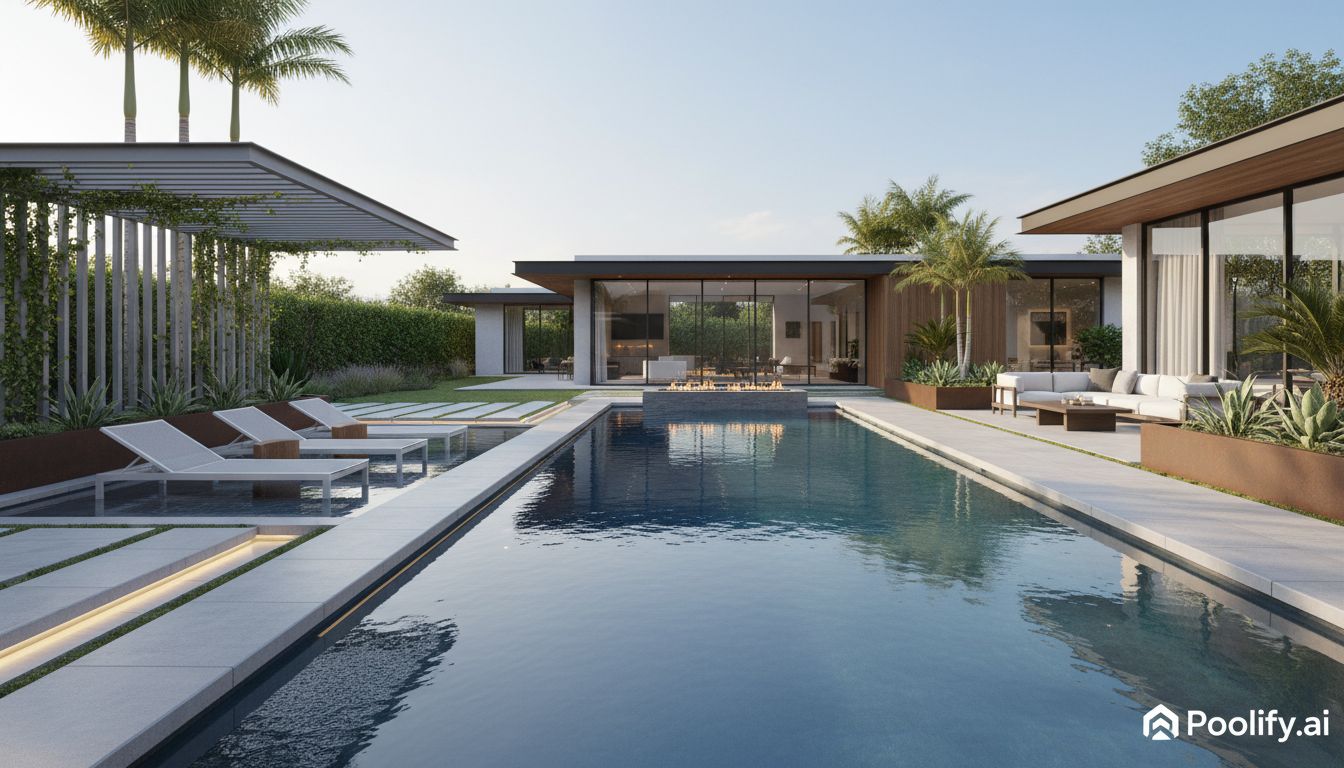
Contemporary pool designs distinguish themselves through specific architectural and design principles that create a cohesive, modern aesthetic. Understanding these foundational elements helps homeowners and designers make informed decisions that result in visually stunning and functionally superior pools.
Geometric Shapes and Clean Lines
The hallmark of contemporary pool designs lies in their geometric precision. Unlike traditional freeform pools, modern designs favor rectangular, square, or L-shaped configurations with sharp, clean edges. These geometric forms create visual harmony with contemporary architecture and provide a sense of order and sophistication. The straight lines and right angles complement modern home designs, creating a seamless transition between indoor and outdoor living spaces.
Many contemporary pool designs incorporate negative edges or infinity edges that blur the boundary between the pool and the horizon. This architectural feature creates a dramatic visual effect while emphasizing the pool’s geometric form. The precision required for these designs demands expert craftsmanship and careful planning during the construction phase.
Minimalist Aesthetic and Material Selection
Material choices play a crucial role in achieving the sleek appearance characteristic of contemporary pool designs. Natural stone, concrete, and glass tiles dominate material palettes, offering durability alongside visual appeal. Smooth plaster finishes in neutral tones—whites, grays, and blacks—create a sophisticated backdrop that allows the water to become the focal point.
The minimalist approach extends to pool decking and surrounding hardscaping. Large-format pavers, poured concrete, and composite materials in monochromatic color schemes maintain visual continuity. According to the Department of Energy’s guidelines on pool efficiency, material selection also impacts energy performance, making informed choices essential for both aesthetics and sustainability.
Top 10 Contemporary Pool Design Trends for 2026
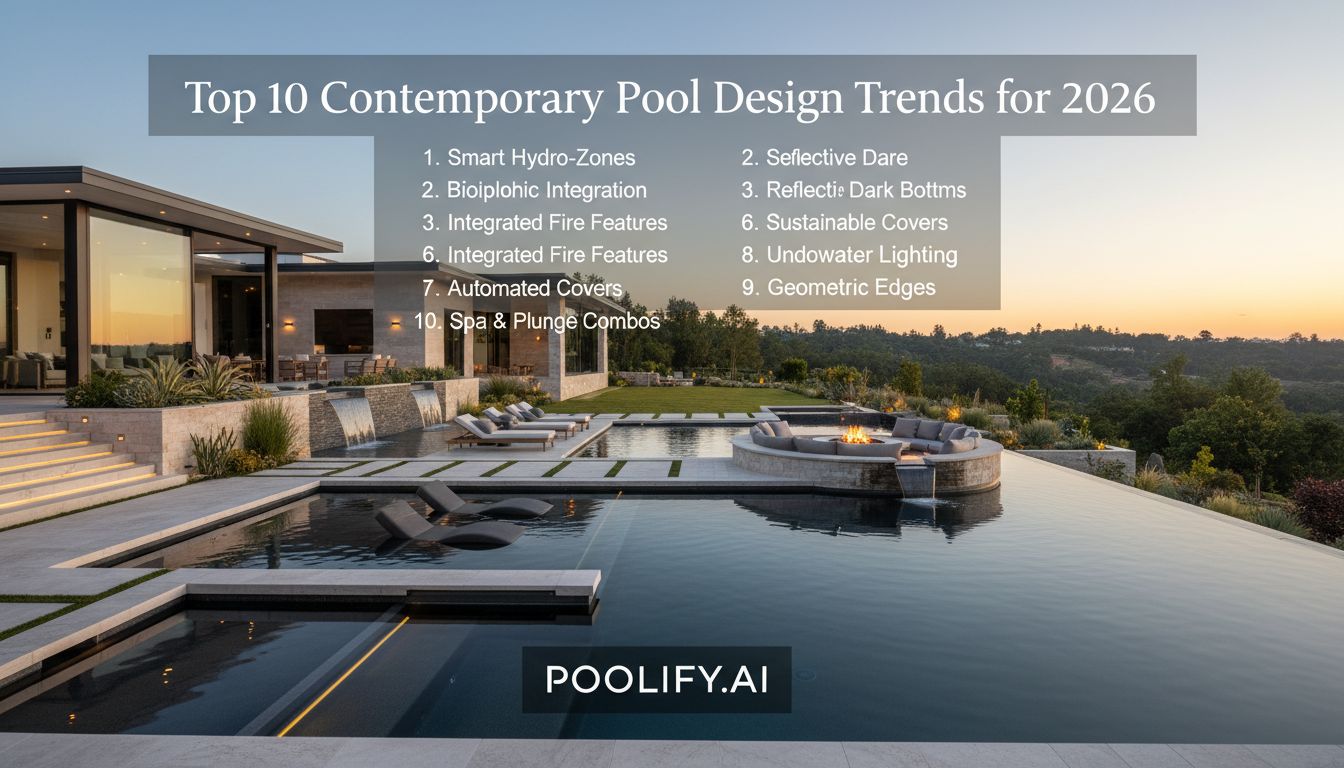
The pool design industry continues to innovate, introducing features and technologies that enhance both form and function. These ten trends represent the cutting edge of contemporary pool designs in 2026, offering inspiration for homeowners seeking to create exceptional outdoor spaces.
1. Smart Pool Technology Integration
Contemporary pool designs now seamlessly integrate smart technology that allows homeowners to control every aspect of their pool environment through smartphone applications. Automated systems manage water chemistry, temperature regulation, lighting schedules, and filtration cycles with minimal human intervention. These intelligent systems learn usage patterns and optimize energy consumption accordingly.
Voice-activated controls compatible with major smart home platforms enable hands-free operation of pool features. Homeowners can adjust water temperature, activate waterfalls, or change lighting colors using simple voice commands. This technological integration represents a significant advancement in how we interact with our outdoor living spaces.
2. Sustainable and Eco-Friendly Features
Environmental consciousness drives many contemporary pool designs toward sustainable solutions. Solar heating systems, variable-speed pumps, and LED lighting reduce energy consumption by up to 70% compared to traditional pool equipment. Saltwater chlorination systems minimize chemical usage while maintaining pristine water quality.
Natural filtration systems incorporating plants and biological filters offer chemical-free alternatives that appeal to environmentally conscious homeowners. These systems create miniature ecosystems that naturally purify water while adding aesthetic value through integrated landscaping. Rainwater harvesting systems connected to pool refill mechanisms further reduce environmental impact.
3. Infinity and Vanishing Edges
Infinity edges remain a defining feature of contemporary pool designs, creating breathtaking visual effects that merge the pool with distant vistas. The vanishing edge technique produces a mirror-like surface that reflects the sky and surrounding landscape, amplifying the sense of space and tranquility. These designs work particularly well on sloped properties where the elevation change enhances the dramatic effect.
Multiple vanishing edges on different sides of the pool create increasingly sophisticated visual experiences. The engineering complexity requires precise calculations and expert construction, but the resulting aesthetic impact justifies the investment for many homeowners seeking statement-making contemporary pool designs.
4. Integrated Fire and Water Features
The juxtaposition of fire and water creates dramatic focal points in contemporary pool designs. Fire bowls positioned along pool edges, floating fire features in the water, and fire walls adjacent to waterfalls provide visual interest and extend pool usability into cooler evenings. These elements add warmth and ambiance while reinforcing the modern aesthetic through their sculptural forms.
Water features have evolved beyond simple fountains to include sheer descent waterfalls, rain curtains, and laminar jets that create glass-like arcs of water. These features serve both aesthetic and practical purposes, adding soothing sounds while aerating the water and creating visual movement that enlivens the pool environment.
5. Tanning Ledges and Baja Shelves
Shallow water platforms known as tanning ledges or Baja shelves have become standard features in contemporary pool designs. These areas typically range from 6 to 12 inches deep, providing comfortable spaces for lounging, sunbathing, or supervising children. The broad, flat surfaces accommodate lounge chairs and create versatile spaces that function as both wet and dry areas.
Contemporary interpretations of tanning ledges incorporate built-in furniture, umbrella sleeves, and integrated jets for massage effects. Some designs feature these platforms as separate, connected elements that create architectural interest through varied water depths and geometric forms. For more ideas on maximizing your pool’s functionality, explore our guide on innovative pool design features.
6. Dark Interior Finishes
While traditional pools favor light blue interiors, contemporary pool designs increasingly embrace dark finishes in charcoal, black, or deep navy. These sophisticated colors create mirror-like reflections, intensify the sky’s reflection, and lend a dramatic, luxurious appearance. Dark interiors also make the water appear deeper and more mysterious, adding visual intrigue.
The darker palette complements modern architecture and creates striking contrast with light-colored decking materials. Pebble finishes in dark tones provide texture and visual interest while maintaining the sleek contemporary aesthetic. These finishes require careful consideration of lighting design to ensure safe nighttime visibility.
7. Seamless Indoor-Outdoor Integration
Contemporary pool designs blur the boundaries between interior and exterior spaces through architectural elements that create visual and physical continuity. Retractable glass walls, consistent flooring materials that extend from inside to outside, and covered transition areas make the pool feel like a natural extension of the home’s living space.
Outdoor kitchens, dining areas, and living rooms positioned adjacent to the pool create resort-like environments for entertaining and daily living. The seamless flow between spaces encourages greater pool usage and enhances the overall value of the outdoor investment. Covered areas with heating elements extend usability across multiple seasons.
8. Minimalist Pool Houses and Cabanas
Supporting structures in contemporary pool designs reflect the same minimalist principles as the pools themselves. Modern pool houses feature clean lines, large glass panels, and neutral color palettes that complement rather than compete with the pool. These structures provide practical spaces for changing, storage, and entertaining while serving as architectural focal points.
Flat or gently sloped roofs, concealed storage solutions, and integrated outdoor showers maintain the uncluttered aesthetic. Many contemporary designs incorporate living roofs with native plants that provide insulation and environmental benefits. The structures often include smart technology for climate control, entertainment systems, and security features.
9. Perimeter Overflow and Deck-Level Design
Perimeter overflow pools, where water spills over all edges into hidden catch basins, represent the pinnacle of contemporary pool designs. This technique creates a seamless visual effect where the pool surface appears level with the surrounding deck, eliminating visual barriers and producing a sophisticated, minimalist appearance.
The continuous overflow provides superior water circulation and skimming, resulting in exceptionally clean water with minimal surface debris. The engineering complexity and construction costs exceed traditional pools, but the stunning visual impact and superior water quality make this design choice increasingly popular among discerning homeowners.
10. Integrated Spa and Pool Combinations
Contemporary pool designs frequently incorporate elevated spas that spill into the main pool, creating visual interest through multiple water levels and the soothing sound of moving water. These integrated designs maintain the clean geometric aesthetic while adding therapeutic functionality. The spa typically shares filtration and heating systems with the pool, improving efficiency.
Modern spa designs feature sleek edges, hidden jets, and minimalist controls that preserve the contemporary aesthetic. Some designs position the spa as a separate but visually connected element, creating architectural interest through the relationship between the two bodies of water. Proper maintenance of these complex systems is essential, which is why many homeowners benefit from professional pool maintenance guidance.
Color Palettes and Lighting in Contemporary Pool Designs
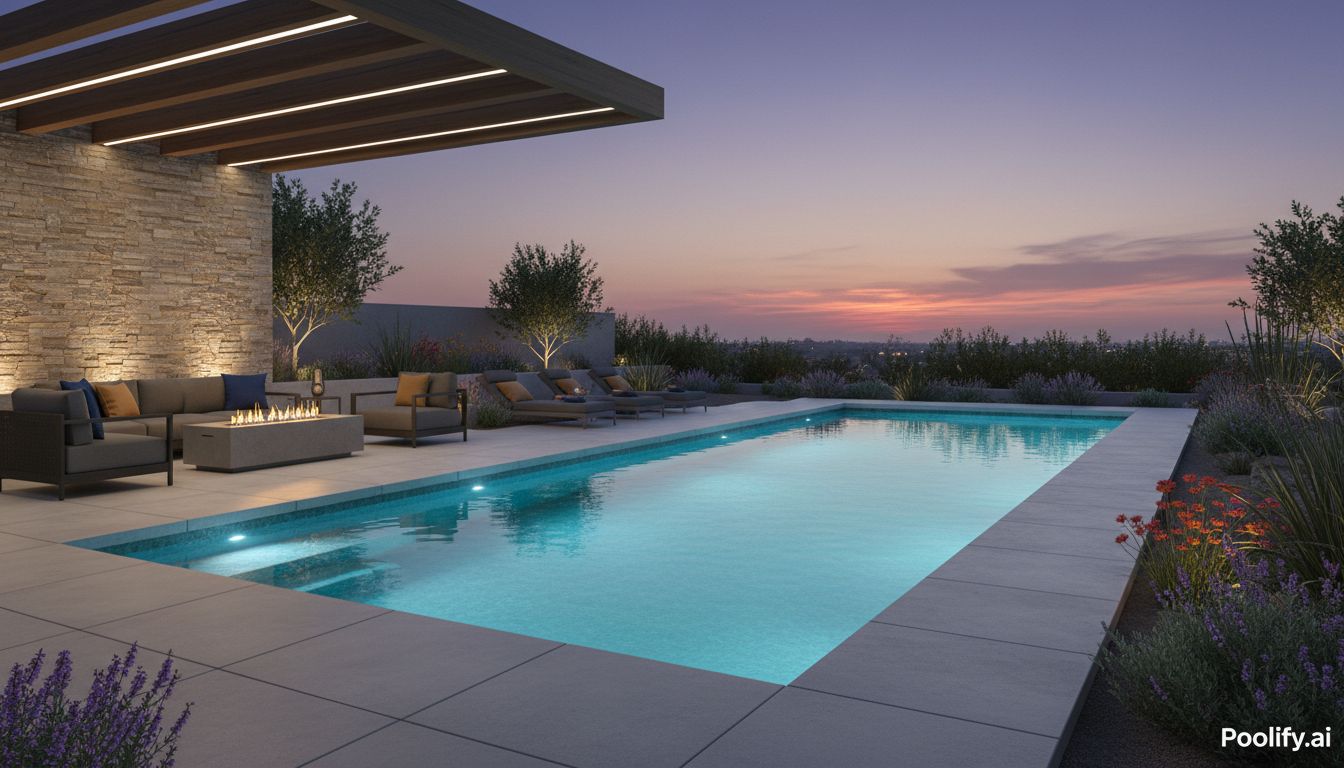
Color and lighting choices profoundly impact the overall aesthetic and functionality of contemporary pool designs. Modern approaches favor restraint and intentionality, using color and light to enhance rather than overwhelm the design.
Sophisticated Color Schemes
Contemporary pool designs typically embrace monochromatic or limited color palettes that create visual cohesion. Whites, grays, blacks, and earth tones dominate, providing a neutral backdrop that allows natural elements—water, sky, and landscaping—to provide color variation. This restraint creates a timeless quality that resists trending toward dated aesthetics.
When accent colors appear, they’re introduced through landscaping, outdoor furniture, or temporary elements like cushions and accessories that can be easily changed. This approach maintains design flexibility while preserving the pool’s long-term aesthetic integrity. The water itself becomes a dynamic color element, shifting from brilliant turquoise in sunlight to deep sapphire in shadow.
Advanced Lighting Design
LED lighting technology has revolutionized contemporary pool designs, offering energy-efficient solutions with unprecedented control over color, intensity, and programming. Perimeter lighting, underwater fixtures, and landscape illumination work together to create layered lighting schemes that enhance safety, extend usability, and create dramatic nighttime ambiance.
Color-changing LED systems allow homeowners to adjust the pool’s mood for different occasions, from serene whites for relaxation to vibrant colors for entertaining. Fiber optic lighting embedded in steps, benches, and pool edges provides subtle guidance without harsh glare. Smart controls synchronize lighting with music or automate sequences based on time of day.
Landscaping and Hardscaping for Contemporary Pools
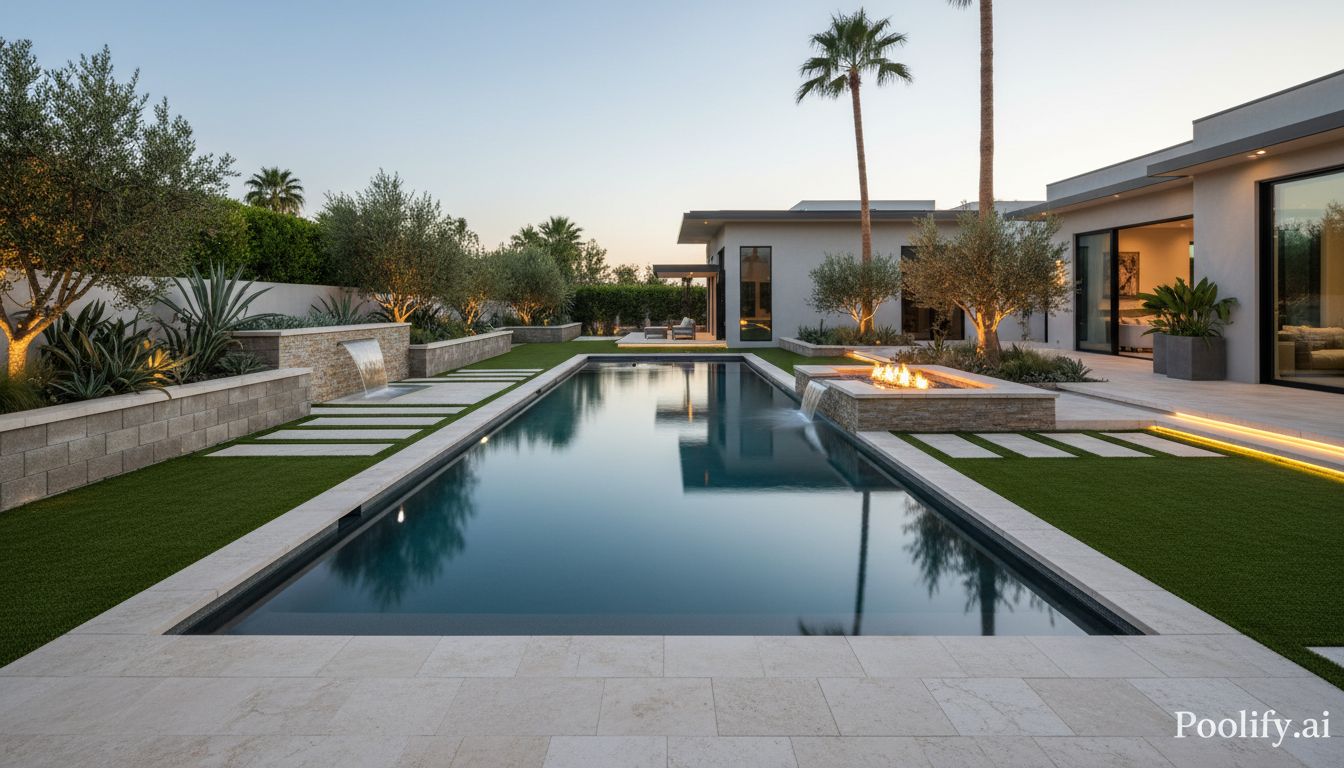
The landscape surrounding contemporary pool designs plays a crucial role in achieving a cohesive modern aesthetic. Thoughtful plant selection and hardscape materials create visual harmony while addressing practical concerns like privacy, shade, and maintenance.
Minimalist Planting Strategies
Contemporary pool designs favor structured, architectural plantings over abundant flower gardens. Ornamental grasses, sculptural succulents, and specimens with strong forms provide visual interest without creating excessive debris. Strategic placement of plants creates privacy screens, softens hard edges, and introduces natural movement and texture.
Native and drought-tolerant species align with the sustainable principles underlying many contemporary pool designs. These plants require less water and maintenance while supporting local ecosystems. Planters and raised beds in geometric forms maintain the modern aesthetic while containing plant material and preventing root intrusion into pool structures.
Modern Hardscape Materials
Decking materials in contemporary pool designs emphasize durability, low maintenance, and clean aesthetics. Large-format pavers, poured concrete with exposed aggregate, and composite decking in neutral tones create expansive surfaces that enhance the pool’s geometric forms. Non-slip finishes ensure safety without compromising the sleek appearance.
Coping materials provide the critical transition between pool and deck, with options including natural stone, precast concrete, and porcelain pavers. Flush coping details where the deck sits level with the pool edge create the seamless appearance characteristic of contemporary pool designs. These details require precise installation but deliver superior aesthetic results.
Budget Considerations for Contemporary Pool Designs
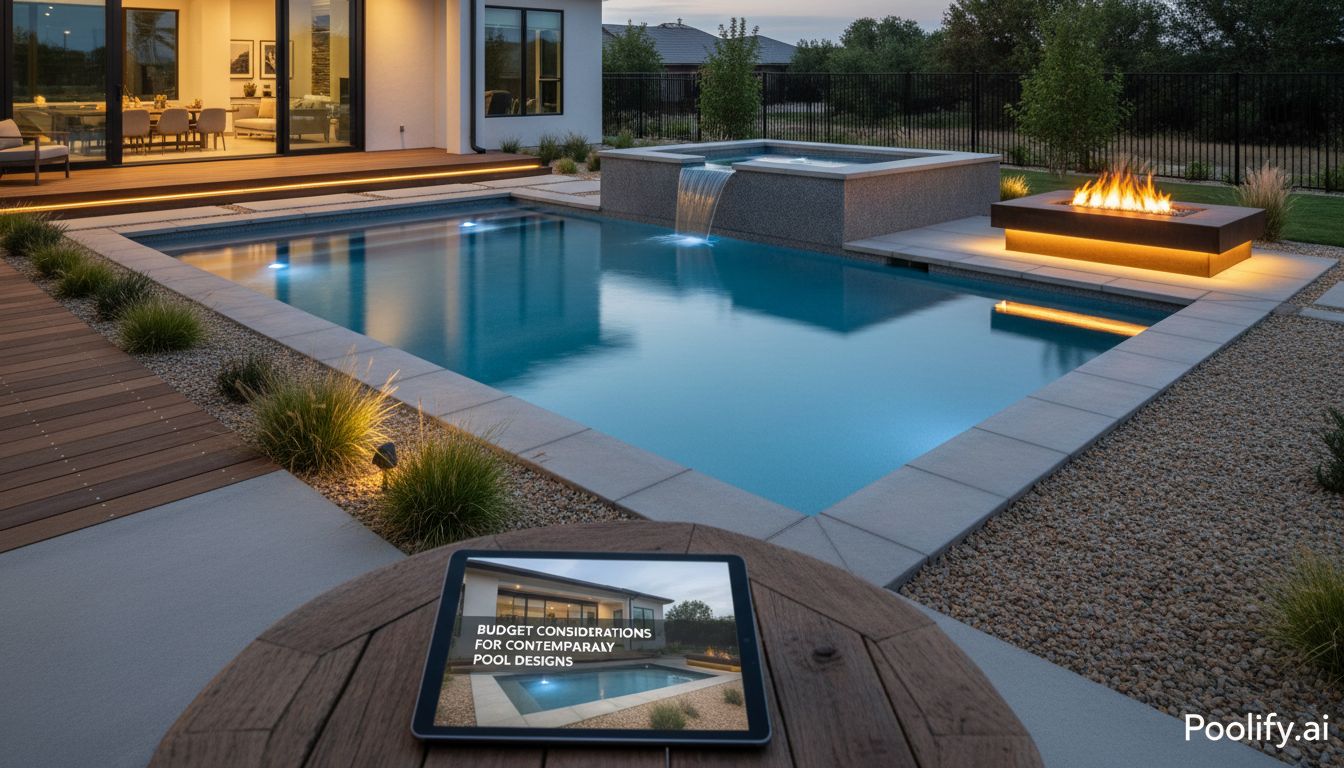
Understanding the financial investment required for contemporary pool designs helps homeowners make informed decisions and prioritize features that deliver the greatest value. Modern pools typically command premium prices due to their architectural complexity and high-end finishes.
Cost Factors and Investment Range
Contemporary pool designs generally range from $80,000 to $200,000 or more, depending on size, features, and regional construction costs. Geometric precision, vanishing edges, and perimeter overflow systems increase construction complexity and associated costs. Premium finishes, integrated technology, and custom features add to the investment but significantly enhance the final result.
Smart technology integration, while adding upfront costs, often provides long-term savings through reduced energy consumption and maintenance requirements. Variable-speed pumps, LED lighting, and automated chemical management systems typically recover their initial investment within three to five years through operational savings. For a comprehensive understanding of costs, review our detailed pool installation cost breakdown.
Value Engineering Strategies
Homeowners can achieve contemporary aesthetics while managing costs through strategic decisions. Prioritizing essential geometric forms and clean lines while phasing in premium features like fire elements or advanced automation allows for immediate enjoyment with future enhancement opportunities. Selecting cost-effective materials that maintain modern aesthetics—such as quality concrete finishes instead of exotic stone—preserves the design vision within budget constraints.
Working with experienced designers who understand contemporary pool designs ensures efficient use of resources and prevents costly mistakes. Professional guidance helps identify where investment delivers maximum impact and where economical alternatives maintain design integrity. Proper planning and realistic budgeting prevent mid-project compromises that could compromise the final aesthetic.
Maintenance and Longevity of Contemporary Pools
Maintaining the pristine appearance characteristic of contemporary pool designs requires consistent care and attention. Modern materials and technologies can reduce maintenance demands, but regular upkeep remains essential for preserving both aesthetics and functionality.
Cleaning and Chemical Balance
The minimalist aesthetic of contemporary pool designs makes cleanliness paramount—any debris or algae growth immediately detracts from the sleek appearance. Automated cleaning systems, including robotic cleaners and in-floor circulation systems, maintain water clarity with minimal manual intervention. Regular skimming, brushing, and filter maintenance prevent buildup that could compromise water quality.
Maintaining proper chemical balance protects both water quality and the pool’s finish materials. Automated chemical monitoring and dosing systems take the guesswork out of water chemistry, maintaining optimal conditions continuously. These systems prevent the fluctuations that can damage finishes, corrode equipment, and create uncomfortable swimming conditions.
Seasonal Considerations and Winterization
Contemporary pool designs in climates with seasonal temperature variations require proper winterization to protect the investment. Lowering water levels, adding winterizing chemicals, and protecting equipment from freezing prevents damage during dormant months. Pool covers designed to complement the modern aesthetic maintain the visual appeal even when the pool isn’t in use.
Automated covers that retract into concealed compartments preserve the clean lines of contemporary pool designs while providing safety, heat retention, and debris protection. These systems represent a significant investment but deliver convenience and aesthetic benefits that align with modern design principles. Regular inspection and maintenance of mechanical systems ensure reliable operation across multiple seasons.
Frequently Asked Questions About Contemporary Pool Designs
What is the average cost of contemporary pool designs in 2026?
Contemporary pool designs typically cost between $80,000 and $200,000, with luxury installations exceeding $300,000. Factors affecting price include size, complexity of features like infinity edges, material selections, integrated technology, and regional labor costs. The geometric precision and premium finishes characteristic of contemporary designs generally command higher prices than traditional pool styles, but the investment delivers superior aesthetics and often better long-term value.
How long does it take to build a contemporary pool?
Construction timelines for contemporary pool designs typically range from 12 to 20 weeks from groundbreaking to completion. Complex features like perimeter overflow systems, integrated spas, or extensive automation may extend the timeline. Permitting processes, weather conditions, and material availability can also impact schedules. Working with experienced contractors familiar with contemporary pool designs helps ensure realistic timelines and efficient project management.
Are contemporary pool designs more expensive to maintain?
Contemporary pool designs often feature technologies that reduce long-term maintenance costs despite higher initial investments. Variable-speed pumps, LED lighting, and automated chemical systems decrease energy consumption and chemical usage. However, the minimalist aesthetic requires vigilant cleaning to maintain the pristine appearance. Overall maintenance costs are comparable to traditional pools, with potential savings from efficiency-focused equipment offsetting any increases from specialized features.
Can I incorporate contemporary design elements into an existing pool?
Many contemporary design elements can be retrofitted to existing pools through renovation projects. Updating finishes to darker colors, adding geometric water features, installing LED lighting, and upgrading to smart control systems can significantly modernize an older pool. However, structural changes like adding infinity edges or converting to perimeter overflow systems require extensive reconstruction. A professional assessment determines which contemporary features are feasible for your existing pool.
What are the most important features for contemporary pool designs?
The most essential features include clean geometric shapes, minimalist aesthetics, quality materials in neutral colors, and seamless integration with surrounding architecture. Infinity edges or deck-level designs enhance the contemporary look, while smart technology provides modern convenience. Sustainable features like energy-efficient equipment align with contemporary values. Prioritize elements that create visual impact and functional benefits while maintaining the uncluttered aesthetic that defines contemporary pool designs.
Key Takeaways
- Geometric precision and clean lines define contemporary pool designs, creating sophisticated outdoor spaces that complement modern architecture through rectangular forms, sharp edges, and minimalist aesthetics.
- Smart technology integration transforms pool management in 2026, offering automated control of water chemistry, temperature, lighting, and filtration through smartphone apps and voice commands that optimize convenience and efficiency.
- Sustainable features including solar heating, variable-speed pumps, LED lighting, and saltwater systems reduce environmental impact while lowering operational costs by up to 70% compared to traditional pool equipment.
- Infinity edges and dark finishes create dramatic visual effects that distinguish contemporary pool designs, with vanishing edges merging pools with horizons and dark interiors producing sophisticated mirror-like reflections.
- Investment in quality materials and professional design ensures contemporary pools deliver lasting value, with typical costs ranging from $80,000 to $200,000 but providing superior aesthetics, functionality, and property value enhancement.
See Your Dream Pool in Your Actual Backyard
Upload a photo and get an AI-designed pool visualization in 10 seconds. 3 free designs, no login required.
Try Poolify Free →Conclusion
Contemporary pool designs represent the convergence of architectural sophistication, technological innovation, and environmental consciousness. As we progress through 2026, these modern aquatic spaces continue evolving, offering homeowners unprecedented opportunities to create personalized outdoor retreats that enhance lifestyle and property value. The clean lines, geometric precision, and minimalist aesthetics that characterize contemporary pool designs create timeless spaces that resist trending toward dated appearances.
Whether you’re planning a new installation or considering updates to an existing pool, understanding the principles and trends shaping contemporary pool designs empowers you to make informed decisions. From smart technology that simplifies maintenance to sustainable features that reduce environmental impact, modern pools deliver benefits that extend far beyond their stunning visual appeal. The investment in quality design and construction creates outdoor spaces that provide enjoyment, relaxation, and pride of ownership for decades to come.
The key to successful contemporary pool designs lies in thoughtful planning, quality materials, professional expertise, and a clear vision of how the pool integrates with your lifestyle and property. By embracing the principles outlined in this guide and working with experienced professionals, you can create a contemporary pool that transforms your outdoor space into a modern sanctuary reflecting your personal style and values.
References
- U.S. Department of Energy – Swimming Pool Covers and Energy Efficiency: https://betterbuildingssolutioncenter.energy.gov/sites/default/files/attachments/Pool%20efficiency_.pdf
- Centers for Disease Control and Prevention – Healthy Swimming: https://www.cdc.gov/healthywater/swimming/
