
Introduction: Why Timing Your Pool Purchase Matters
Deciding to invest in a swimming pool represents a significant financial commitment for most homeowners. Understanding the best time to buy a pool can save you thousands of dollars while ensuring quality installation and better contractor availability. In 2026, the pool industry continues to experience seasonal fluctuations in pricing, demand, and installation timelines. This comprehensive guide reveals when to make your purchase, what factors influence pool pricing throughout the year, and how to maximize your investment by choosing the optimal buying window.
Understanding Seasonal Pool Pricing Patterns
The best time to buy a pool often aligns with periods of lower demand in the pool industry. Pool manufacturers, retailers, and contractors experience predictable seasonal cycles that directly impact pricing and availability. During peak summer months, demand surges as homeowners envision backyard entertainment, driving prices upward and extending wait times for installation.
Conversely, fall and winter months typically see reduced demand, creating opportunities for savvy buyers. Pool companies often offer promotional pricing during off-season periods to maintain steady revenue streams. According to industry data, pool prices can vary by 10-25% between peak and off-peak seasons, representing substantial savings on a $30,000-$60,000 investment.
Peak Season Pricing (May-August)
Summer represents the most expensive period for pool purchases. Contractor schedules fill quickly, material costs remain elevated, and negotiating leverage shifts toward sellers. Installation timelines during peak season can extend 12-16 weeks or longer, meaning a purchase in May might not result in a swimmable pool until late summer.
Shoulder Season Opportunities (September-October, March-April)
The best time to buy a pool often falls during shoulder seasons when demand moderates. Spring purchases allow installation completion before summer, while fall buying positions you for early spring installation. These periods offer balanced advantages: reasonable pricing, decent contractor availability, and manageable timelines.
Off-Season Advantages (November-February)
Winter months provide the strongest negotiating position for pool buyers. Contractors actively seek projects to sustain operations during slow periods, manufacturers clear inventory, and retailers promote year-end sales. The best time to buy a pool for maximum savings typically occurs between November and February, though installation may need to wait for favorable weather conditions.
How Weather and Climate Affect Pool Buying Decisions
Regional climate significantly influences the best time to buy a pool in your area. Homeowners in southern states enjoy year-round installation possibilities, while northern climates face weather-related constraints. Understanding your region’s construction season helps optimize timing for both purchase and installation.
In warmer climates like Florida, Texas, and California, pool installation can proceed throughout winter months. This flexibility makes winter the ideal buying period—securing off-season discounts while scheduling installation during slower contractor periods. The National Weather Service climate data indicates that southern regions maintain ground temperatures suitable for excavation and concrete work year-round.
Northern and midwestern states face frozen ground conditions from November through March, restricting excavation work. For these regions, the best time to buy a pool involves purchasing during winter months for spring installation. This approach captures off-season pricing while ensuring crews can begin work immediately when weather permits.
Permitting and Preparation Timelines
Pool installation requires permits, site surveys, utility marking, and preparation work that can proceed regardless of weather. Purchasing during winter allows completion of administrative tasks, positioning your project first in line when construction season begins. This strategic timing can reduce total project duration by 4-6 weeks compared to peak-season purchases.
Contractor Availability and Quality Considerations
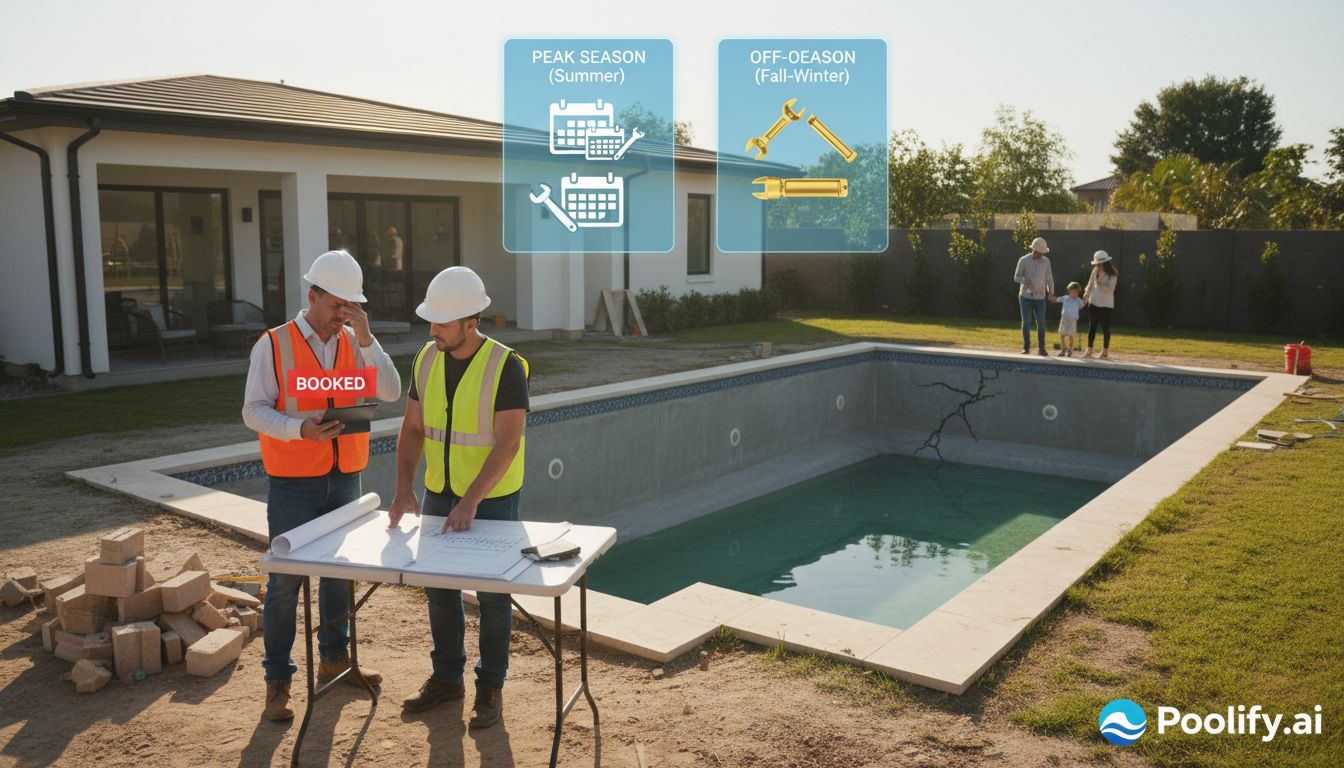
The best time to buy a pool extends beyond pricing to encompass contractor selection and availability. During peak season, top-tier contractors book months in advance, potentially forcing compromises on installer quality or extended wait times. Off-season purchases provide access to experienced crews with flexible schedules and greater attention to individual projects.
Established pool builders maintain year-round operations but adjust crew sizes seasonally. Winter purchases often receive installation from senior crews rather than seasonal workers hired to meet summer demand. This quality differential can significantly impact construction precision, problem-solving during installation, and long-term pool performance.
Negotiating Leverage and Customization Options
When determining the best time to buy a pool, consider your negotiating position. Off-season buyers enjoy stronger leverage for price reductions, upgraded features, or enhanced warranties. Contractors competing for limited winter projects show greater flexibility on contract terms, payment schedules, and customization requests.
Peak-season buyers face take-it-or-leave-it pricing with minimal negotiation room. Contractors operating at capacity prioritize efficient, standardized installations over custom requests. If your vision includes unique features, specialty finishes, or complex landscaping integration, off-season purchases facilitate better collaboration and creative problem-solving.
Financial Planning and Budget Optimization Strategies
Identifying the best time to buy a pool requires aligning purchase timing with personal financial planning. Pool financing rates, promotional offers, and tax considerations all fluctuate throughout the year, impacting total ownership costs beyond the initial purchase price.
Many pool retailers and manufacturers launch promotional financing in late fall and early winter, offering 0% APR periods or reduced rates to stimulate off-season sales. These financing promotions can save thousands in interest charges over typical 5-10 year loan terms. Comparing financing options between seasons helps identify the best time to buy a pool from a total cost perspective.
Tax Planning and Home Improvement Deductions
Pool purchases may qualify for home improvement tax benefits depending on specific circumstances. Timing your purchase near year-end allows consultation with tax professionals about potential deductions or credits. While pools generally don’t qualify for standard home improvement deductions, medical necessity pools or energy-efficient equipment may offer tax advantages worth exploring.
End-of-Year Inventory Clearance
The best time to buy a pool often coincides with December and January inventory clearance events. Manufacturers introduce new models annually, prompting retailers to discount previous year inventory. These clearance sales can yield 15-30% savings on pool packages, equipment, and accessories without compromising quality or warranty coverage.
Material Costs and Supply Chain Factors in 2026
Global supply chain dynamics continue influencing pool construction costs in 2026. Understanding material cost trends helps identify the best time to buy a pool relative to price stability and availability. Steel, concrete, fiberglass, and vinyl materials experience price fluctuations based on commodity markets, manufacturing capacity, and transportation costs.
Industry forecasts for 2026 suggest stabilized material costs following post-pandemic volatility. However, seasonal demand still drives short-term price variations. Purchasing during low-demand periods locks in pricing before spring increases, protecting against potential cost escalations during your installation timeline.
Equipment and Technology Considerations
Pool equipment technology advances continuously, with manufacturers releasing new pumps, heaters, automation systems, and cleaning equipment annually. The best time to buy a pool may align with technology release cycles if you prioritize cutting-edge features. Conversely, purchasing after new releases can yield discounts on previous-generation equipment that remains highly functional.
Energy-efficient pool equipment qualifies for utility rebates in many regions. Researching available incentives through your local utility provider helps maximize savings. Some rebate programs operate on annual budgets that deplete throughout the year, making early-year purchases advantageous for securing incentive funding.
Installation Timeline and Project Completion Goals
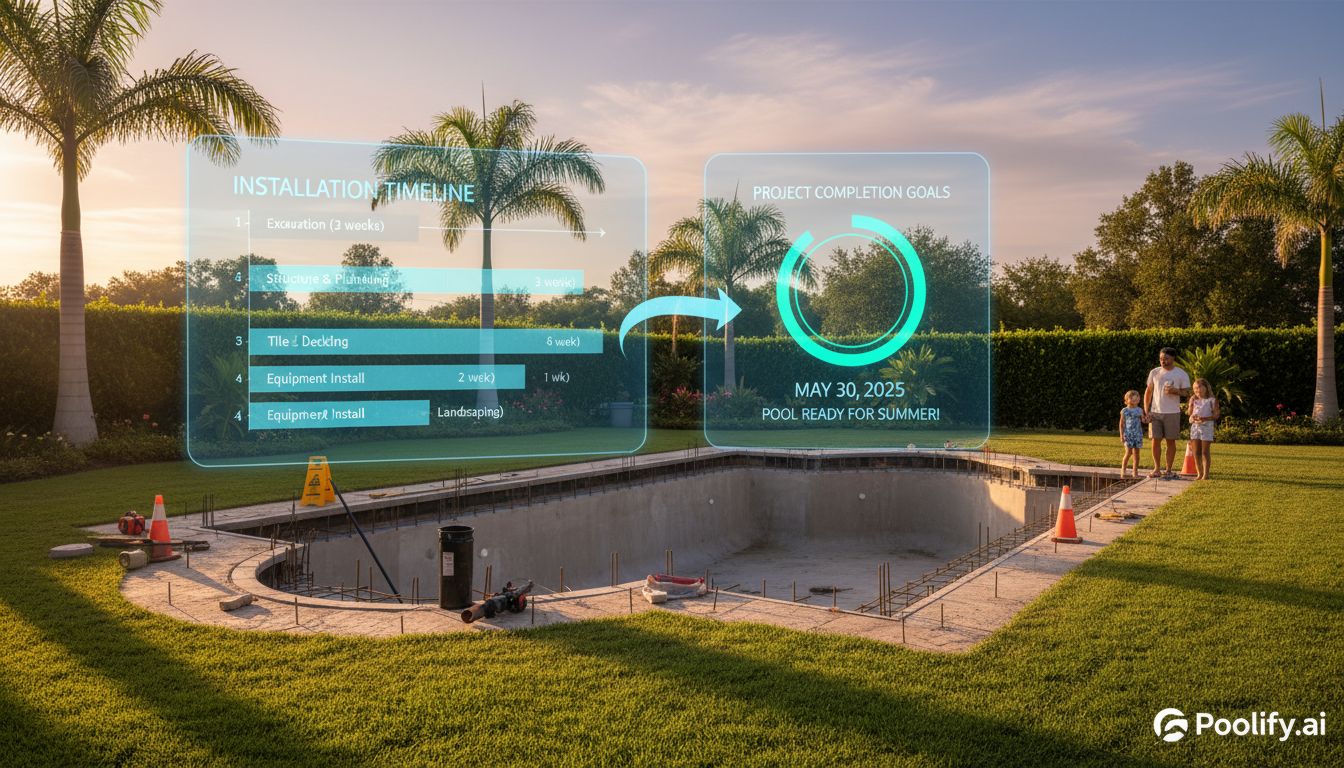
Your desired completion date significantly influences the best time to buy a pool. Working backward from your target swim date helps establish optimal purchase timing. Standard pool installations require 8-12 weeks from contract signing to completion, though complex projects or custom features can extend timelines to 16-20 weeks.
For summer enjoyment, purchasing between November and February positions installation for April-June completion. This timeline avoids peak-season bottlenecks while ensuring your pool is ready for warm weather. If you’re flexible on completion timing, the best time to buy a pool shifts toward maximum savings periods regardless of installation season.
Permitting and Municipal Approval Timelines
Municipal permitting processes add 2-6 weeks to project timelines depending on local government efficiency and application volume. Submitting permit applications during slower winter months can accelerate approvals compared to spring rushes when building departments face high application volumes across all construction categories.
Financing Approval and Rate Shopping Strategies
Securing favorable financing represents a crucial component of determining the best time to buy a pool. Interest rates, lender promotions, and approval timelines vary throughout the year. Many homeowners utilize home equity loans, personal loans, or manufacturer financing programs to fund pool purchases.
Financial institutions often promote home improvement lending in early spring to capture tax refund spending. However, the best time to buy a pool from a financing perspective may differ from optimal pricing periods. Comparing rates across multiple quarters helps identify when lenders compete most aggressively for your business.
Credit Score Optimization Before Purchase
If your credit profile needs improvement, timing your pool purchase allows strategic credit building. Addressing credit issues 6-12 months before your intended purchase date can qualify you for significantly better rates. The interest savings from improved credit terms often exceed seasonal pricing variations, making credit optimization a priority before determining the best time to buy a pool.
Regional Market Conditions and Local Competition
Local market dynamics influence the best time to buy a pool in your specific area. Regions with numerous pool contractors experience more competitive pricing and year-round promotions. Markets with limited installer options may see less seasonal price variation, shifting emphasis toward contractor availability rather than cost savings.
Researching your local market involves contacting multiple contractors for quotes across different seasons. This price comparison reveals whether your market exhibits significant seasonal fluctuations or maintains relatively stable pricing. Understanding local patterns ensures your timing strategy aligns with actual market behavior rather than general industry trends.
New Construction vs. Established Neighborhood Considerations
Homeowners in new construction developments may find the best time to buy a pool coincides with builder promotions or community development phases. Some builders offer pool packages during initial sales periods or coordinate installations across multiple properties for volume discounts. Established neighborhoods offer more flexibility in timing without development-related constraints.
Comparing Pool Types and Their Seasonal Advantages
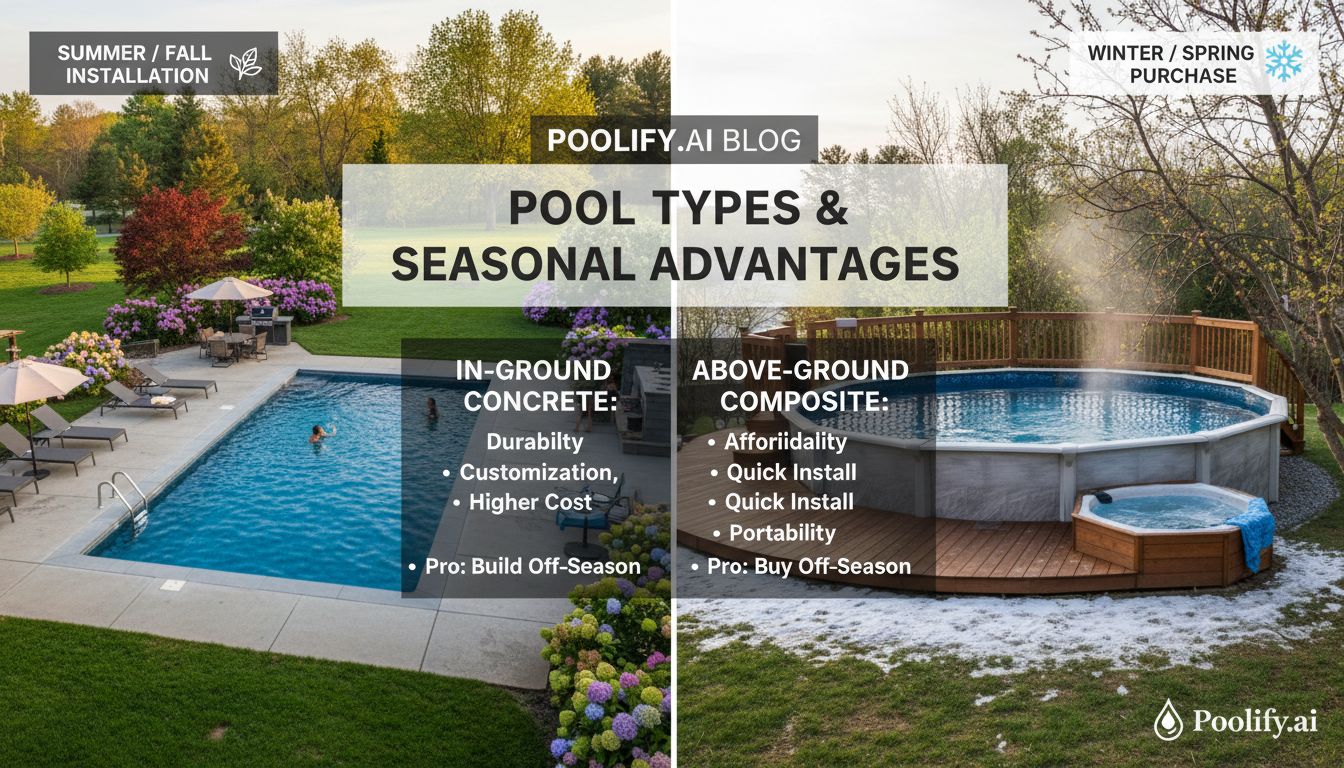
The best time to buy a pool varies slightly depending on pool type. Fiberglass, vinyl liner, and concrete pools each have unique installation requirements and seasonal considerations that influence optimal purchase timing.
Fiberglass pools arrive as pre-manufactured shells, allowing faster installation (2-4 weeks) compared to other types. This quick turnaround makes fiberglass pools suitable for spring purchases with early summer completion. However, manufacturers may offer the best pricing during winter months when production schedules have capacity.
Concrete Pool Timing Considerations
Concrete pools require 8-12 weeks for construction and curing, making them the longest installation process. The best time to buy a pool of concrete construction involves winter purchasing for spring installation start dates. Concrete work benefits from moderate temperatures during curing, making spring and fall ideal installation seasons in most climates.
Vinyl Liner Pool Seasonal Factors
Vinyl liner pools offer middle-ground installation timelines of 4-8 weeks. These pools can be installed across most seasons, though extreme cold can complicate liner installation. The best time to buy a pool with vinyl liner construction often aligns with general seasonal patterns, with winter purchases yielding the strongest pricing advantages.
Frequently Asked Questions About Pool Buying Timing
Is winter really the best time to buy a pool?
Winter typically offers the best combination of low pricing, strong negotiating leverage, and contractor availability. However, the best time to buy a pool depends on your priorities. If immediate installation matters more than cost savings, spring purchases may better suit your needs despite higher prices.
How much can I save by buying during off-season?
Off-season pool purchases can save 10-25% compared to peak summer pricing. On a $40,000 pool project, this represents $4,000-$10,000 in savings. Additional savings come from better financing terms, included upgrades, and negotiated extras that contractors offer to secure off-season business.
Will buying in winter delay my installation?
Winter purchases in cold climates will delay installation until spring thaw, but you’ll be first in the installation queue. Southern climate buyers can often proceed with immediate installation. The best time to buy a pool balances savings against your desired completion timeline based on regional weather patterns.
Do pool prices increase every year?
Pool prices generally trend upward annually due to material costs, labor rates, and inflation. However, year-over-year increases vary based on economic conditions. Purchasing during optimal seasonal windows helps minimize costs regardless of long-term price trends. For more information on managing ongoing expenses, explore our pool maintenance cost guide.
Should I wait for holiday sales events?
Major holidays like Memorial Day, July 4th, and Labor Day feature pool-related sales, but these typically focus on accessories and supplies rather than pool construction. The best time to buy a pool for construction projects remains fall and winter when contractors offer substantial discounts to maintain business during slow periods.
Key Takeaways: Optimizing Your Pool Purchase Timing
- Winter months (November-February) typically represent the best time to buy a pool for maximum cost savings, with potential discounts of 10-25% compared to peak season pricing.
- Contractor availability and quality improve during off-season periods, providing access to experienced crews and greater flexibility for customization requests.
- Regional climate significantly impacts optimal timing—southern states can install year-round while northern climates should purchase in winter for spring installation.
- Financial planning matters as much as seasonal timing—compare financing rates, promotional offers, and potential tax benefits across different purchase periods.
- Working backward from your desired completion date ensures proper timing—account for 8-12 week installation periods plus permitting and preparation time when determining the best time to buy a pool.
Conclusion: Strategic Timing for Your Pool Investment
Determining the best time to buy a pool requires balancing multiple factors including seasonal pricing, contractor availability, regional weather patterns, and personal financial readiness. While winter months generally offer the strongest combination of cost savings and negotiating leverage, your optimal timing depends on specific priorities and circumstances.
Successful pool buyers research local market conditions, compare quotes across seasons, and align purchases with both financial planning and desired completion timelines. The best time to buy a pool in 2026 continues following historical patterns, with off-season purchases delivering maximum value for patient, strategic buyers.
By understanding seasonal market dynamics and planning your purchase timing accordingly, you can save thousands of dollars while ensuring quality installation from experienced contractors. Whether you prioritize immediate installation or maximum savings, strategic timing transforms your pool purchase from a simple transaction into an optimized investment in your home and lifestyle. For additional guidance on preparing your backyard, check our pool installation preparation checklist.
Start researching contractors and gathering quotes now to identify the best time to buy a pool for your specific situation. The perfect timing combines market advantages with your personal readiness, creating the ideal conditions for a successful pool ownership experience that begins with smart purchasing decisions.
References
- National Weather Service – Climate Data: https://www.weather.gov/climate/
- Pool Industry Market Analysis and Seasonal Trends (Industry Research)
- Home Improvement Financing Rates and Promotional Periods (Financial Industry Data)
- Regional Construction Permitting Timelines (Municipal Government Sources)