
Category: AI Pool Design

AI pool design is changing how homeowners plan and visualize backyard pools before construction begins. This category focuses on how artificial intelligence can be used to generate realistic pool design concepts tailored to your specific property. By combining real backyard photos with intelligent design logic, AI pool design allows homeowners to explore layout options, styles, and features with greater clarity and confidence.

In this section, you’ll find examples of AI-generated pool designs, explanations of how the design process works, and breakdowns of different design styles and configurations. These posts highlight how AI pool design can quickly produce multiple concepts, helping homeowners compare ideas, refine preferences, and make informed decisions earlier in the planning phase.

One of the biggest advantages of AI pool design is the ability to visualize changes without committing to construction. This category demonstrates how design variables such as pool shape, size, placement, features, and surrounding hardscapes can be adjusted digitally to test different outcomes. This approach reduces guesswork and helps bridge the gap between inspiration and execution.

Many of the AI pool designs featured here are created using Poolify’s design platform, which transforms uploaded backyard images into customized pool concepts. These examples show how AI-generated designs can be used as a communication tool with builders, designers, and contractors to align expectations and streamline the planning process.

Whether you’re exploring pool ideas for the first time or refining a concept before meeting with professionals, the AI pool design category provides educational insights and visual examples to help you understand how technology can support smarter pool planning.

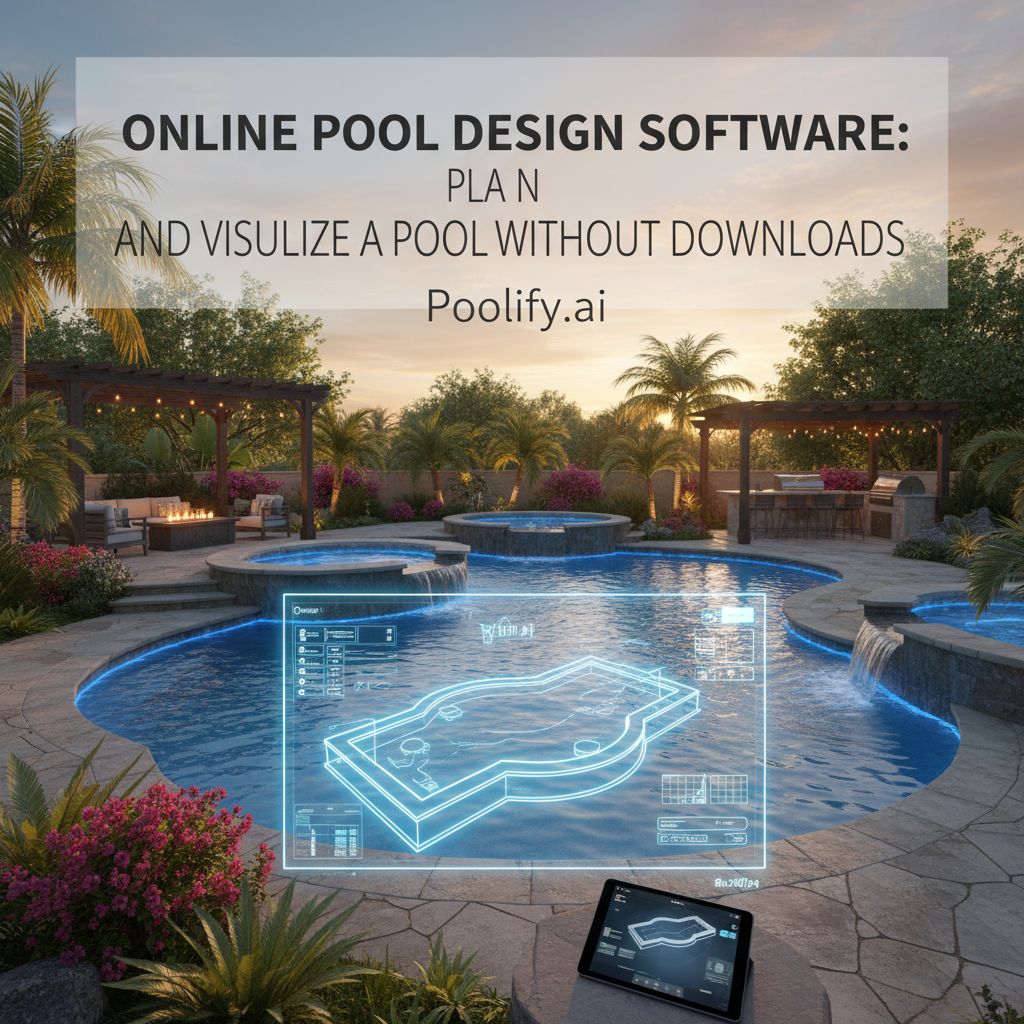
  • Online Pool Design Software: Plan and Visualize a Pool Without Downloads

    Online pool design software allows homeowners to design, visualize, and refine a pool directly in a web browser without installing complex programs. Instead of relying on professional drafting tools or static inspiration images, online pool design software makes pool planning faster, more accessible, and easier to understand—especially for homeowners in the early stages of planning.

    This guide explains what online pool design software is, how it works, and why it has become the preferred option for modern pool planning.

    What Is Online Pool Design Software?

    Online pool design software is a browser-based tool that lets homeowners explore pool layouts, placement, size, and shape without downloading or installing software. Everything runs online, making it accessible from a desktop, tablet, or mobile device.

    Online pool design software is typically used to:

    • Visualize a pool in a real backyard
    • Test placement and layout ideas
    • Compare pool sizes and shapes
    • Refine designs before contacting builders

    The focus is on convenience, speed, and visual clarity.

    Why Homeowners Prefer Online Pool Design Software

    Homeowners increasingly choose online pool design software because it removes friction from the planning process.

    Compared to traditional software, online pool design software offers:

    • No installation or setup
    • Immediate access
    • Easier learning curve
    • Faster iteration and experimentation

    For first-time pool planners, accessibility matters more than technical depth.

    Online Pool Design Software vs Downloaded Programs

    Downloaded pool design programs often require:

    • Installation and updates
    • Compatible hardware
    • Time spent learning complex interfaces

    Online pool design software avoids these issues by running entirely in the browser. This allows homeowners to focus on planning instead of setup.

    For early-stage design, online tools are usually the more practical choice.

    Online Pool Design Software for Backyard Planning

    One of the biggest advantages of online pool design software is its ability to work from real backyard conditions.

    Using online pool design software, homeowners can:

    • See how a pool fits near the house
    • Understand spacing and circulation
    • Evaluate remaining yard space
    • Identify layout issues early

    Designing in context leads to better decisions and fewer surprises.

    Online Pool Design Software for DIY Pool Planning

    DIY pool planning means taking control of design decisions before committing to construction. Online pool design software supports this approach by allowing homeowners to explore ideas independently.

    With online pool design software, homeowners can:

    • Test layouts at their own pace
    • Explore multiple pool sizes and shapes
    • Refine preferences over time
    • Gain clarity before contacting builders

    DIY planning leads to better alignment later in the process.

    Visualization and Online Pool Design Software

    Visualization is the most valuable feature of online pool design software.

    Seeing a pool placed in your actual backyard helps homeowners:

    • Judge scale accurately
    • Understand how much space remains
    • Identify awkward or cramped layouts
    • Eliminate ideas that won’t work

    Online visualization replaces guesswork with clarity.

    How AI Is Improving Online Pool Design Software

    AI technology has significantly improved online pool design software in recent years.

    AI-powered online pool design software can:

    • Generate pool layouts automatically
    • Place pools directly into backyard photos
    • Adjust size, shape, and placement instantly
    • Create multiple design options quickly

    This makes online pool design software more intuitive and efficient.

    Online Pool Design Software for Comparing Options

    Another advantage of online pool design software is comparison.

    Homeowners can:

    • Compare different pool sizes
    • Test multiple placements
    • Explore shape variations
    • Evaluate tradeoffs visually

    Side-by-side comparison helps homeowners choose the best option rather than settling prematurely.

    Online Pool Design Software for Small Backyards

    Online pool design software is especially useful for homeowners with limited space.

    In small yards, accurate visualization helps:

    • Prevent oversized designs
    • Preserve walkways and seating areas
    • Optimize pool placement
    • Maintain balance across the yard

    Seeing scale clearly is critical when space is tight.

    Online Pool Design Software as a Communication Tool

    Designs created using online pool design software are easy to share.

    Homeowners can:

    • Show visuals to builders
    • Explain preferences clearly
    • Reduce misunderstandings
    • Speed up proposal discussions

    Clear visuals lead to more productive conversations.

    What to Look for in Online Pool Design Software

    When evaluating online pool design software, homeowners should prioritize usability and realism.

    Key features include:

    • Easy, intuitive interface
    • Accurate scale and proportions
    • Ability to work from real backyard images
    • Fast iteration
    • Shareable designs

    The best online pool design software supports decision-making, not complexity.

    What Online Pool Design Software Is Not

    Online pool design software is not meant to replace professionals.

    It is not:

    • A construction drafting tool
    • A permit-ready design platform
    • A substitute for engineering expertise

    Its role is to help homeowners plan and visualize effectively before professional involvement.

    When to Use Online Pool Design Software

    Online pool design software is most valuable:

    • Early in the planning process
    • When exploring layout options
    • Before committing to construction
    • When visual clarity matters

    Using it early reduces costly revisions later.

    Online Pool Design Software as a Planning Advantage

    Homeowners who use online pool design software early often experience:

    • Fewer design changes
    • Better alignment with builders
    • More confidence in decisions
    • Higher satisfaction with the final result

    Planning upfront creates smoother execution.

    Final Thoughts on Online Pool Design Software

    Online pool design software gives homeowners a fast, accessible way to explore pool ideas and visualize layouts before building. By removing technical barriers and focusing on realistic visualization, online pool design software helps users make confident decisions at the most important stage of pool planning.

    Whether you’re designing a pool concept on your own or preparing to work with a builder, online pool design software provides a clear, flexible starting point.

  • Pool Design Tool: How to Plan and Visualize a Pool Before Building

    A pool design tool helps homeowners plan, visualize, and refine a pool layout before construction begins. While many people search for pool design software, others look specifically for a pool design tool because they want something simple, accessible, and focused on early-stage planning rather than professional drafting.
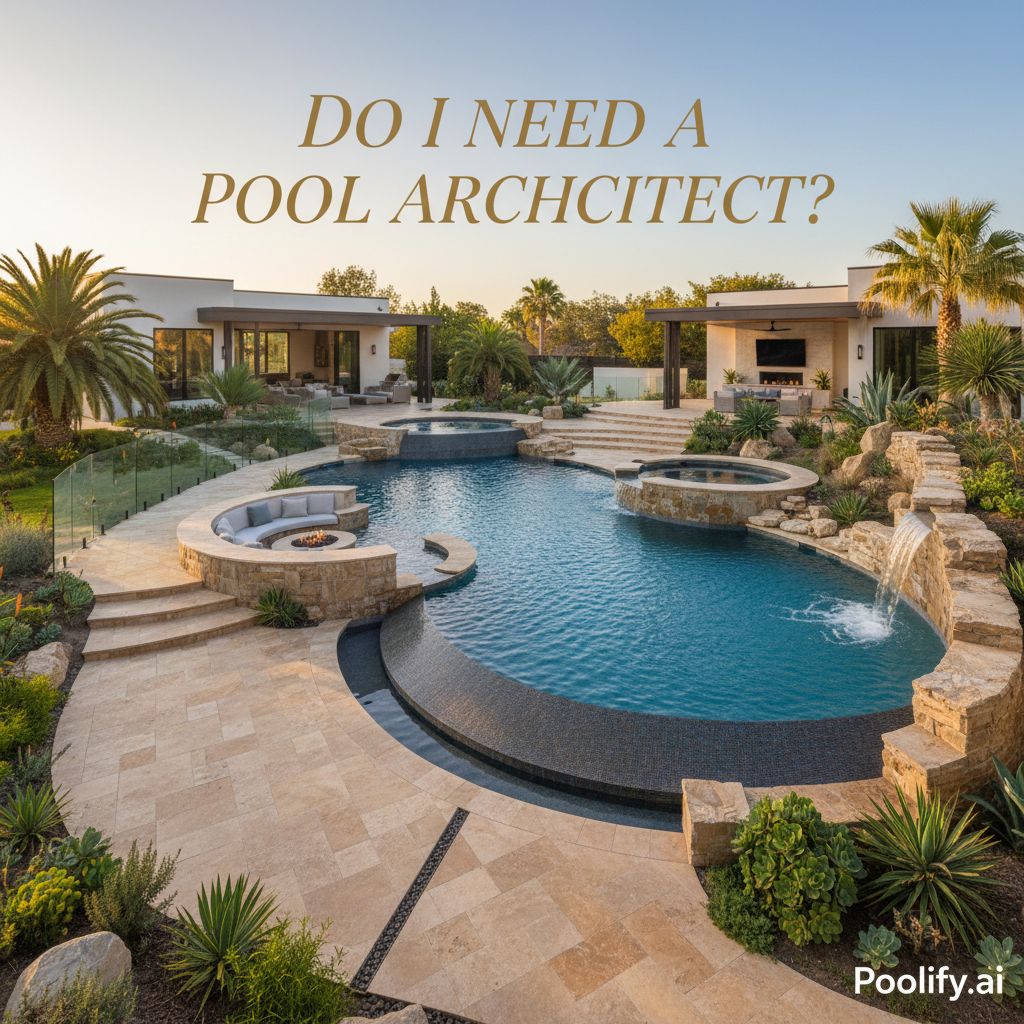
    This guide explains what a pool design tool is, how it differs from traditional software, and how homeowners can use a pool design tool to make smarter pool planning decisions.

    What Is a Pool Design Tool?

    A pool design tool is a digital application that allows users to experiment with pool layouts, placement, size, and basic features without needing technical design skills. Unlike professional software used by builders, a pool design tool is designed for ease of use and fast visualization.

    For homeowners, a pool design tool typically focuses on:

    • Visualizing a pool in a backyard
    • Testing placement and layout ideas
    • Comparing pool sizes and shapes
    • Understanding how a pool affects overall yard space

    The goal of a pool design tool is clarity, not construction drawings.

    Pool Design Tool vs Pool Design Software

    Although the terms are often used interchangeably, there is a practical distinction.

    Pool design software usually refers to more complex programs that may include drafting tools, measurements, and technical outputs. A pool design tool is generally lighter, faster, and more visual.

    Homeowners tend to prefer a pool design tool because it:

    • Requires no training
    • Produces results quickly
    • Focuses on visualization rather than technical detail
    • Is accessible online without installation

    For early planning, a pool design tool is often the better fit.

    Why Homeowners Use a Pool Design Tool

    Most homeowners use a pool design tool because they want to explore ideas independently before engaging with builders or designers.

    A pool design tool helps homeowners:

    • See how a pool fits in their actual backyard
    • Avoid oversized or poorly placed pools
    • Compare multiple layout options
    • Refine preferences without pressure
    • Enter builder conversations more prepared

    This shifts control earlier in the planning process.

    Pool Design Tool for Backyard Planning

    One of the biggest advantages of a pool design tool is its ability to work from real backyard conditions.

    Instead of designing in a blank space, a pool design tool allows homeowners to:

    • Account for yard shape and size
    • Evaluate proximity to the house
    • Consider sun exposure and privacy
    • Test layouts in context

    Backyard-specific planning reduces surprises later.

    Pool Design Tool for DIY Pool Planning

    A pool design tool is especially useful for DIY pool planning. DIY does not mean building the pool yourself — it means taking ownership of the planning phase.

    Using a pool design tool, homeowners can:

    • Explore pool ideas at their own pace
    • Experiment with layouts and sizes
    • Identify what they like and don’t like
    • Build confidence before committing to construction

    This leads to better decisions and fewer regrets.

    What a Pool Design Tool Can Help You Decide

    A pool design tool is most effective when used to answer key planning questions.

    Common decisions supported by a pool design tool include:

    • Where the pool should be placed
    • How large the pool should be
    • Which pool shape fits the yard best
    • How much space remains for patios and seating
    • Whether a layout feels balanced or cramped

    These insights are difficult to gain from inspiration photos alone.

    Pool Design Tool and Visualization

    Visualization is the core strength of any good pool design tool.

    Seeing a pool placed in your actual backyard helps:

    • Judge scale accurately
    • Identify circulation issues
    • Spot tight or awkward areas
    • Eliminate designs that don’t work

    A pool design tool turns abstract ideas into concrete understanding.

    Online Pool Design Tool Benefits

    Most modern pool design tools are online-based, meaning they run directly in a web browser.

    An online pool design tool typically offers:

    • No downloads or setup
    • Easy access from any device
    • Faster iteration
    • A lower barrier to entry for first-time users

    These benefits make online tools especially attractive to homeowners.

    Pool Design Tool vs Hiring a Builder First

    Many homeowners start their pool journey by contacting builders. While this can work, it often limits exploration early on.

    Using a pool design tool first allows homeowners to:

    • Clarify goals before consultations
    • Understand layout tradeoffs
    • Ask better questions
    • Evaluate proposals more critically

    A pool design tool improves collaboration rather than replacing professionals.

    How AI Is Changing the Pool Design Tool Experience

    AI-powered technology has significantly improved what a pool design tool can do.

    AI-driven pool design tools can:

    • Generate layouts automatically
    • Place pools directly into backyard photos
    • Adjust size, shape, and placement quickly
    • Produce multiple concepts in minutes

    This makes pool design tools more intuitive and accessible than ever.

    Pool Design Tool for Comparing Options

    Another advantage of using a pool design tool is comparison.

    Homeowners can:

    • Test multiple pool placements
    • Compare different pool sizes
    • Explore shape variations
    • See tradeoffs side by side

    Comparison speeds decision-making and builds confidence.

    Common Mistakes a Pool Design Tool Helps Avoid

    Using a pool design tool helps prevent common planning mistakes, such as:

    • Choosing a pool that overwhelms the yard
    • Poor placement that limits usability
    • Inadequate space for walkways or furniture
    • Designs that don’t align with how the pool will be used

    Identifying these issues early saves time and money.

    What to Look for in a Pool Design Tool

    When choosing a pool design tool, homeowners should prioritize usability and realism.

    Important features include:

    • Ease of use
    • Visual accuracy
    • Ability to work from real backyard images
    • Fast experimentation
    • Shareable results

    The best pool design tool supports decision-making without adding complexity.

    When a Pool Design Tool Makes the Most Sense

    A pool design tool is most useful if:

    • You’re early in the planning phase
    • You want to explore ideas independently
    • You’re unsure about size or placement
    • You want visuals before talking to builders

    Even homeowners who plan to hire designers benefit from early tool-based planning.

    Pool Design Tool as a Planning Step

    A pool design tool should be viewed as a planning and visualization step, not a replacement for professional construction plans.

    It helps homeowners:

    • Gain clarity
    • Refine ideas
    • Communicate effectively

    Final engineering and permitting should still be handled by professionals.

    Final Thoughts on Pool Design Tool Usage

    A pool design tool gives homeowners control and clarity at the earliest stage of pool planning. By visualizing layouts, testing ideas, and comparing options, homeowners can move forward with confidence rather than guesswork.

    Whether you’re exploring concepts or preparing to work with a builder, a pool design tool provides a smarter starting point.

  • Do I Need a Pool Architect?

    Do I need a pool architect is a common question for homeowners, contractors, and developers planning anything beyond a basic pool. The answer depends on project complexity, site conditions, design expectations, and risk tolerance. In many cases, a pool architect is not required — but in others, their involvement can prevent costly mistakes and elevate the final result.
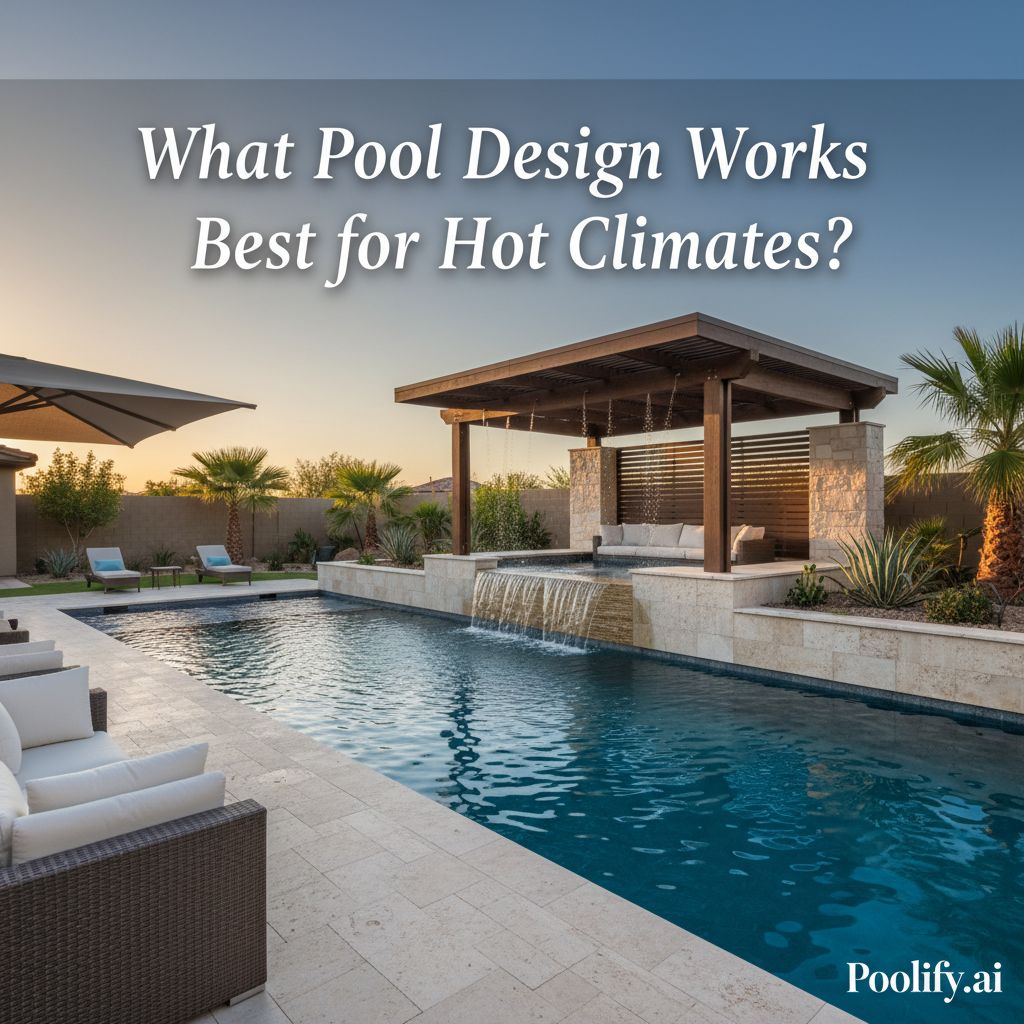
    This article explains when you need a pool architect, when you likely do not, how pool architects differ from builders and designers, and how to decide what level of professional support makes sense for your project.


    What a Pool Architect Actually Does

    A pool architect focuses on design intent, spatial planning, and integration rather than construction alone.

    Typical responsibilities of a pool architect

    • Developing overall pool concept and layout
    • Aligning pool design with home architecture
    • Solving complex site conditions
    • Coordinating pool, landscape, and hardscape design
    • Producing design-forward drawings for builders and engineers
    • Managing aesthetics, proportion, and long-term usability

    They are typically involved earlier and at a higher conceptual level than builders.


    Pool Architect vs Pool Builder vs Pool Designer

    Understanding the differences helps clarify when an architect is needed.


    Pool Builder

    Pool builders focus on construction and delivery.

    Strengths

    • Construction knowledge
    • Cost estimation
    • Permits and execution
    • Equipment and systems

    Limitations

    • Designs may prioritize build efficiency
    • Fewer concept alternatives
    • Less focus on architectural integration

    Builders often provide basic design as part of the build contract.


    Pool Designer

    Pool designers sit between builders and architects.

    Strengths

    • Custom layout planning
    • Feature placement
    • Better aesthetics than standard builder plans
    • More flexibility than builder templates

    Limitations

    • Not always licensed
    • Limited authority for complex engineering
    • May still defer heavily to builder constraints

    Pool Architect

    Pool architects operate at the highest design level.

    Strengths

    • Deep focus on proportion, form, and integration
    • Ability to solve complex sites
    • Coordination across disciplines
    • Strong conceptual vision

    Limitations

    • Higher upfront cost
    • Not always necessary for simple projects
    • Still require builders and engineers for execution

    When You Likely Do NOT Need a Pool Architect

    Many pool projects succeed without architectural involvement.

    Situations where a pool architect is usually unnecessary

    • Flat, rectangular lots
    • Simple rectangular or geometric pools
    • Standard residential neighborhoods
    • Budget-driven projects
    • Builder-led installations with minimal customization

    In these cases, a good builder or pool designer is often sufficient.


    When Hiring a Pool Architect Makes Sense

    A pool architect becomes valuable as complexity increases.


    Complex Site Conditions

    Pool architects are especially helpful when:

    • The yard is sloped
    • Retaining walls are required
    • Drainage is challenging
    • Space is constrained or irregular

    These conditions benefit from early spatial problem-solving.


    High-End or Luxury Projects

    Luxury pools demand restraint and proportion.

    Architects help:

    • Avoid oversized or awkward layouts
    • Align pool geometry with the home
    • Integrate materials and finishes
    • Maintain long-term design relevance

    Their value is often in what they remove, not what they add.


    Architectural Integration Is Critical

    If the pool must align precisely with:

    • Modern architecture
    • Traditional symmetry
    • Indoor-outdoor transitions
    • View corridors or sightlines

    An architect’s training becomes an advantage.


    Multi-Discipline Projects

    When pools interact with:

    • Landscaping
    • Outdoor kitchens
    • Structures or pavilions
    • Elevation changes

    An architect can coordinate design intent across elements.


    Cost Considerations When Hiring a Pool Architect

    Pool architects add upfront cost but can reduce downstream expense.

    Typical pool architect cost range

    • $3,000–$10,000+
    • Higher for complex or custom projects

    What that cost often prevents

    • Late-stage redesigns
    • Poor site utilization
    • Oversized or inefficient pools
    • Construction change orders

    For complex projects, architectural fees are often a form of risk management.


    The Biggest Misconception About Pool Architects

    The most common misconception is that architects always make projects more expensive.

    In reality:

    • Poor design is expensive
    • Redesign during construction is extremely expensive
    • Overbuilt pools cost more to operate long-term

    Architectural input early often leads to simpler, more efficient solutions.


    How Pool Architects Typically Work With Builders

    Pool architects do not replace builders.

    Typical workflow

    1. Architect develops concept and layout
    2. Builder reviews constructability
    3. Engineer handles structure and systems
    4. Builder executes construction

    When collaboration is healthy, outcomes improve for everyone.


    The Role of Visualization in Deciding Whether You Need an Architect

    Many homeowners hire architects because they cannot visualize alternatives.

    Visualization allows you to:

    • Explore layouts before hiring
    • Identify whether complexity truly exists
    • Clarify design priorities
    • Reduce paid concept revisions

    Seeing options often reveals whether architectural-level input is truly required.


    How AI Pool Design Fits Into This Decision

    AI pool design tools help bridge the gap between DIY planning and professional services.

    With AI-generated designs, users can:

    • Explore multiple layouts quickly
    • Test proportions and placement
    • Identify complexity early
    • Enter architect or builder discussions prepared

    Tools like Poolify focus on this early-stage clarity, helping homeowners and contractors decide whether a pool architect is necessary before committing to higher design fees.


    Pool Architects From a Contractor’s Perspective

    Contractors often benefit from architectural clarity.

    Benefits for contractors

    • Clear scope before bidding
    • Fewer client revisions
    • Reduced liability
    • Cleaner construction documents

    Architectural input can streamline construction rather than slow it down.


    Pool Architects and Permitting

    In some jurisdictions, architectural involvement is required.

    This may occur when:

    • Pools are part of larger additions
    • Structural walls exceed certain heights
    • Zoning or historic districts are involved

    Local requirements vary, so verification is essential.

    A general overview of how professional design roles differ in construction projects is outlined by the American Institute of Architects, which explains when architectural services add value in residential projects:
    https://www.aia.org/resources/6263781-working-with-an-architect


    How to Decide if You Need a Pool Architect

    Ask yourself these questions:

    • Is my site simple or complex?
    • Does design quality matter as much as function?
    • Will the pool interact with other structures?
    • Am I confident in the layout choices?
    • Am I trying to avoid expensive revisions later?

    If several answers raise uncertainty, architectural input may be worthwhile.


    Common Mistakes When Deciding on Design Support

    Hiring too early

    Paying for full architectural services before understanding the layout wastes money.

    Hiring too late

    Bringing in an architect after construction decisions are made limits their impact.

    Assuming builders and architects do the same thing

    They solve different problems.


    Key Takeaways

    • Not every pool project requires a pool architect
    • Simple sites often work well with builders or designers
    • Complex, luxury, or integrated projects benefit most from architects
    • Architectural fees often reduce total project risk
    • Early visualization helps determine the right level of support

    Whether you need a pool architect depends on complexity, expectations, and risk tolerance. The right decision is the one that gives you clarity early — before construction decisions become expensive to undo.

  • What Pool Design Works Best for Hot Climates?

    In hot climates, pool design should focus on cooling effectiveness, comfort, and efficient use during extreme heat. The best designs reduce heat buildup, support frequent use, and remain comfortable even during peak summer temperatures.
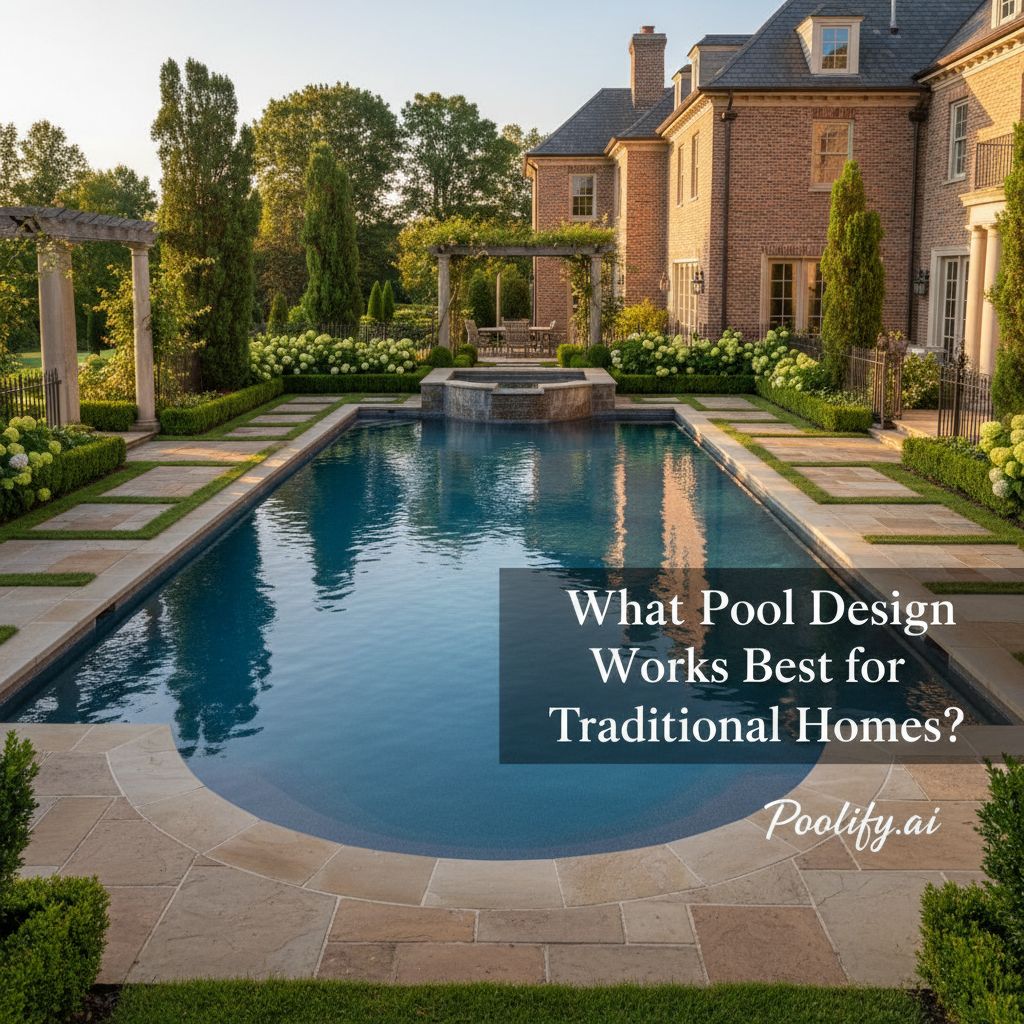
    This guide explains what pool design works best for hot climates, which features improve comfort, and how to avoid designs that become uncomfortable or inefficient in high heat.


    Design for Cooling, Not Just Swimming

    In hot climates, pools are used primarily to cool down.

    Cooling-focused priorities

    • Easy entry and exit for frequent dips
    • Shallow areas for lounging in cooler water
    • Shade integration around the pool
    • Materials that do not retain excessive heat

    Design should support quick, comfortable use throughout the day.


    Include Shallow Lounging Areas

    Shallow water stays more comfortable for extended use.

    Tanning ledges and sun shelves

    These areas allow people to cool off without full immersion.

    Why they work in hot climates

    • Comfortable for long periods
    • Social and family-friendly
    • Encourage frequent use

    Shallow zones are especially valuable in extreme heat.


    Choose Pool Shapes That Promote Circulation

    Good circulation helps maintain consistent water temperature.

    Effective shapes

    • Rectangular or simple geometric pools
    • Clear, unobstructed swim paths
    • Minimal dead zones

    Complex shapes can create stagnant areas that warm unevenly.


    Use Light, Heat-Reflective Materials

    Material selection has a major impact on comfort.

    Smart material choices

    • Light-colored pool finishes
    • Heat-reflective decking materials
    • Natural stone or light porcelain pavers

    Dark materials absorb heat and can become uncomfortable to walk on.


    Prioritize Shade Around the Pool

    Shade is critical in hot climates.

    Shade strategies

    • Strategic placement near the house
    • Integrated pergolas or shade structures
    • Landscaping that provides filtered shade
    • Umbrella-friendly deck layouts

    Designing shade into the layout improves comfort without blocking airflow.


    Balance Sun and Shade in Pool Placement

    Pools should not be fully shaded or fully exposed.

    Ideal balance

    • Sun exposure for warming water when needed
    • Shade for lounging and resting
    • Clear sightlines for supervision

    Balanced placement increases usability throughout the day.


    Avoid Overheating the Surrounding Space

    The area around the pool should remain comfortable.

    Design considerations

    • Limit large expanses of dark hardscape
    • Use materials that stay cool underfoot
    • Maintain airflow between structures

    Overheated decks reduce how often the pool is used.


    Think About Water Depth and Temperature

    Depth influences water temperature.

    Hot-climate depth considerations

    • Moderate depths stay cooler longer
    • Avoid overly shallow pools that heat quickly
    • Balance shallow lounging with cooler swim areas

    A mix of depths improves comfort during long heat waves.


    Visualize Pool Use During Peak Heat

    Designing for hot climates benefits greatly from visualization.

    Seeing the pool in context helps you:

    • Identify shade opportunities
    • Balance sun exposure
    • Evaluate deck comfort
    • Adjust placement before construction

    Visualization prevents designs that look good but feel uncomfortable in practice.


    How AI Pool Design Helps Hot-Climate Planning

    AI pool design tools allow homeowners to explore layouts with heat and comfort in mind. By visualizing different placements and features, it becomes easier to choose designs that stay comfortable in extreme temperatures.

    Tools like Poolify help users plan pools for hot climates by testing layouts and identifying shade and comfort opportunities early.


    Common Hot-Climate Pool Design Mistakes

    Too much exposed hardscape

    This creates uncomfortable heat buildup.

    Lack of shade

    Pools become unpleasant during peak hours.

    Overly shallow designs

    Water heats too quickly.


    Key Takeaways

    • Hot-climate pool design should prioritize cooling and comfort
    • Shallow lounging areas increase usability
    • Light materials reduce heat retention
    • Shade integration is essential
    • Visualization helps identify comfort issues early

    A pool designed for hot climates should feel refreshing, comfortable, and usable throughout the day — even during the hottest months of the year.

  • What Pool Design Works Best for Traditional Homes?

    Traditional homes benefit from pool designs that feel balanced, timeless, and well-integrated with the architecture. The best traditional pool designs avoid extremes, focusing instead on proportion, symmetry, and subtle detailing that complements the home rather than competing with it.
    This guide explains what pool design works best for traditional homes, which design choices reinforce a classic aesthetic, and how to avoid elements that feel out of place.


    Emphasize Symmetry and Balance

    Traditional architecture values order and proportion.

    Pool shapes that suit traditional homes

    • Rectangular pools
    • Symmetrical geometric designs
    • Classic L-shaped layouts with clean lines

    Symmetry creates a sense of permanence and visual stability.


    Align the Pool With the Home’s Layout

    Traditional pools should feel intentionally placed.

    Alignment strategies

    • Center the pool on primary sightlines
    • Align edges with major architectural elements
    • Maintain consistent spacing from the house

    This creates a composed, formal feel that complements traditional architecture.


    Choose Timeless Materials and Finishes

    Material selection plays a major role in traditional design.

    Common traditional finish choices

    • Neutral plaster or pebble finishes
    • Natural stone or brick-inspired coping
    • Warm, muted tones

    Avoid overly bold or high-contrast finishes that distract from the overall design.


    Use Features That Feel Classic, Not Trendy

    Traditional pools benefit from familiar, understated features.

    Features that work well

    • Wide, formal steps
    • Simple built-in benches
    • Subtle water features like small scuppers
    • Balanced lighting for evening use

    Features should enhance usability without drawing attention to themselves.


    Integrate the Pool With Landscaping

    Landscaping plays a larger role in traditional pool design.

    Landscaping strategies

    • Framed planting beds
    • Symmetrical tree or shrub placement
    • Clear transitions between pool and garden areas

    The pool should feel like part of a composed outdoor setting.


    Avoid Overly Modern or Organic Elements

    Certain elements can clash with traditional homes.

    Use caution with

    • Irregular freeform shapes
    • Ultra-minimalist detailing
    • Highly contemporary finishes
    • Overly dramatic water features

    Consistency with the home’s style is key.


    Balance Pool Size With Yard Scale

    Traditional homes often emphasize proportion over scale.

    Layout considerations

    • Moderate pool sizes that fit the property
    • Adequate deck and circulation space
    • Clear boundaries between pool and lawn

    An oversized pool can disrupt the balance of a traditional yard.


    Visualize the Pool in Context

    Traditional design relies on subtle relationships between elements.

    Visualization helps you:

    • Confirm symmetry and alignment
    • Evaluate material choices
    • Balance pool and landscaping
    • Avoid design clashes

    Seeing the pool in your actual yard supports better traditional design decisions.


    How AI Pool Design Supports Traditional Planning

    AI pool design tools allow homeowners to explore classic layouts and visualize how a pool fits within a traditional setting.

    Tools like Poolify focus on early planning, helping users refine proportions, placement, and style before construction begins.


    Common Traditional Pool Design Mistakes

    Over-modernizing

    Design elements that are too contemporary can feel out of place.

    Ignoring landscaping

    Traditional pools rely on strong landscape integration.

    Oversizing the pool

    This disrupts balance and formality.


    Key Takeaways

    • Traditional pool design emphasizes symmetry and balance
    • Rectangular and geometric shapes work best
    • Timeless materials reinforce classic appeal
    • Landscaping integration is critical
    • Visualization helps refine traditional details

    A well-designed traditional pool feels permanent, balanced, and naturally integrated with the home, creating an outdoor space that remains appealing for decades.

  • How Long Does Pool Design Take?

    Pool design does not have to be a long, drawn-out process, but the timeline depends heavily on how the design is approached. Some homeowners move from idea to construction-ready plans in weeks, while others spend months revising layouts after construction has already started.
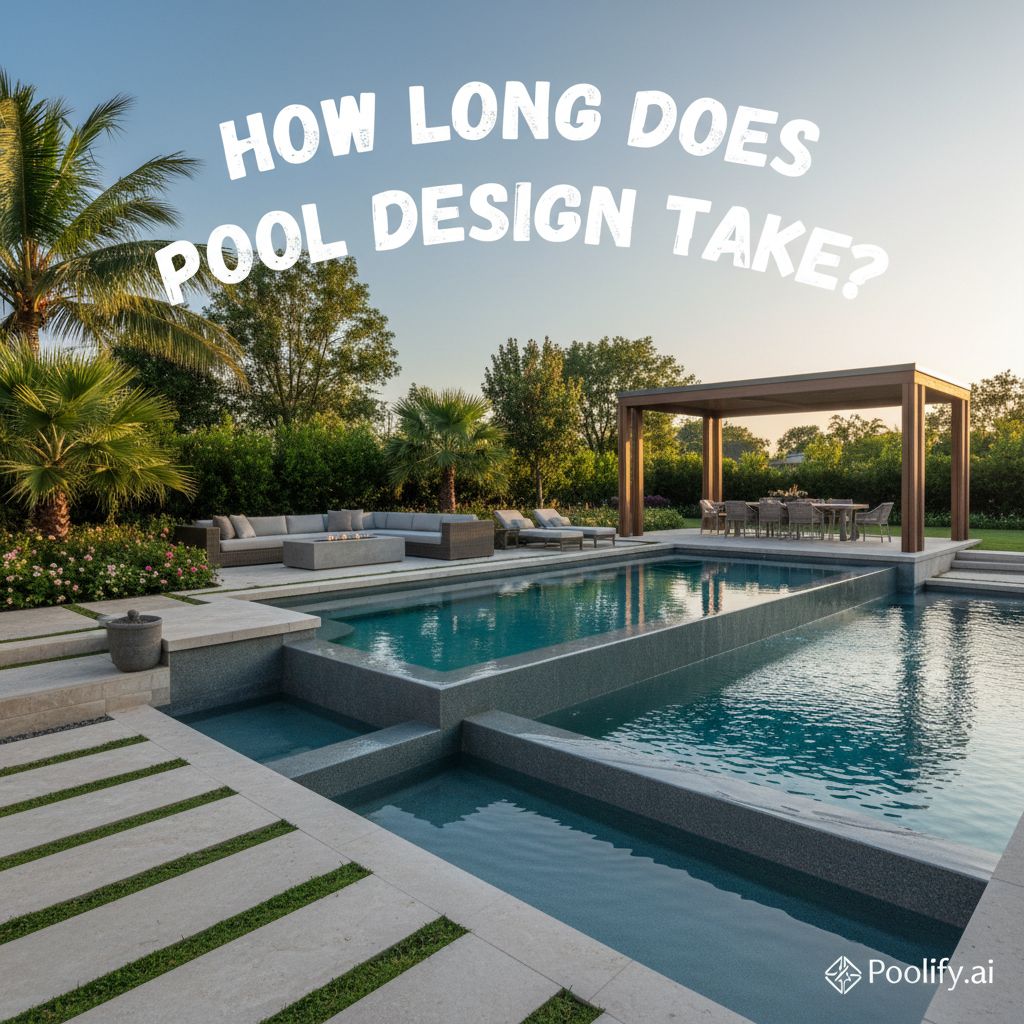
    This guide explains how long pool design typically takes, what affects the timeline, and how early visualization can significantly speed up the process.


    The Typical Pool Design Timeline

    Pool design usually happens in stages. Understanding these stages helps set realistic expectations.

    Conceptual design phase

    This is where ideas are explored and decisions are flexible.

    • Defining pool size and shape
    • Choosing placement in the yard
    • Exploring features and layouts

    Typical timeframe: a few days to a few weeks


    Design development phase

    The chosen concept is refined and prepared for construction planning.

    • Adjusting layout details
    • Aligning features with budget
    • Coordinating with builders or designers

    Typical timeframe: one to several weeks


    Construction-ready planning

    This phase focuses on engineering, permits, and technical drawings.

    • Structural and systems planning
    • Permit documentation
    • Final approvals

    Typical timeframe: several weeks, depending on location and complexity

    Most delays happen when early stages are rushed or skipped.


    What Causes Pool Design to Take Longer

    Certain factors commonly extend the design timeline.

    Common causes of delays

    • Designing without clear priorities
    • Changing decisions late in the process
    • Lack of visualization early on
    • Unclear budget expectations
    • Starting construction planning before design is settled

    Time spent redesigning later is far more costly than time spent planning early.


    How Early Design Choices Speed Things Up

    Clear early decisions reduce revisions and backtracking.

    Designing early allows you to:

    • Narrow options before professional plans are created
    • Align layout with budget expectations
    • Reduce builder revisions
    • Move into permitting faster

    Well-defined concepts streamline every later phase.


    How Visualization Shortens the Design Process

    Visualization removes uncertainty quickly.

    Seeing the pool in your backyard helps you:

    • Confirm size and placement immediately
    • Compare layouts without redrawing plans
    • Identify issues early
    • Make confident decisions faster

    Visual clarity often reduces weeks of back-and-forth.


    Pool Design Timelines for Different Project Types

    Simple residential pools

    Straightforward yards and simple layouts move fastest.

    Typical design time: a few days to two weeks


    Custom or complex projects

    Irregular sites, slopes, or high-end designs take longer.

    Typical design time: several weeks


    Renovations and redesigns

    Existing conditions add complexity.

    Typical design time: one to several weeks, depending on scope


    How AI Pool Design Accelerates Early Planning

    AI-based pool design tools dramatically reduce early design time by generating multiple layout options quickly.

    Instead of starting from scratch, homeowners can:

    • Explore designs immediately
    • Compare options side by side
    • Narrow decisions before involving professionals

    Tools like Poolify focus on this early phase, helping homeowners move from idea to clear direction in a fraction of the traditional time.


    When Taking More Time Is Worth It

    Speed is valuable, but rushing decisions can backfire.

    It is worth slowing down when:

    • The yard is complex
    • The pool is a major investment
    • Multiple features are involved
    • Long-term use is a priority

    Time spent clarifying the design early almost always saves time later.


    Key Takeaways

    • Pool design timelines vary by project complexity
    • Conceptual design is usually the fastest phase
    • Most delays come from late changes
    • Visualization shortens decision-making
    • Early planning speeds up construction later

    Pool design does not need to be slow, but it does need to be thoughtful. Clear early decisions lead to faster timelines and better outcomes.

  • What Pool Design Trends Are Popular Right Now?

    Pool design trends evolve as homeowners place more emphasis on usability, simplicity, and integration with outdoor living. While trends should never override what works for your yard, understanding what is popular right now can help you make choices that feel current without becoming dated too quickly.
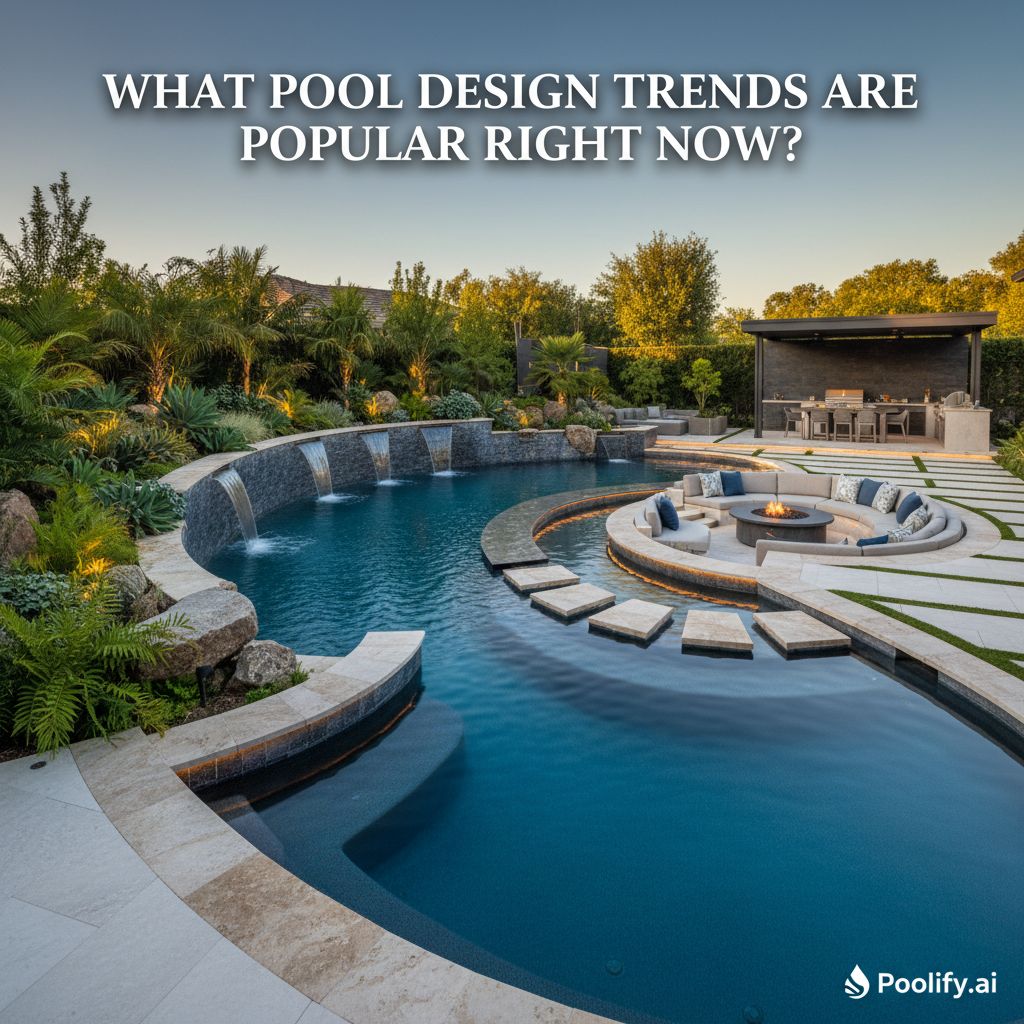
    This guide covers today’s most popular pool design trends, why they are resonating with homeowners, and how to use trends thoughtfully in your own pool design.


    Trend Toward Simpler, More Intentional Designs

    One of the strongest shifts in pool design is a move away from overly complex layouts.

    Why simplicity is trending

    • Cleaner visual appearance
    • Easier maintenance
    • Better long-term appeal
    • Improved usability

    Simple designs tend to age better than highly stylized or novelty-driven pools.


    Rectangular and Geometric Pools

    Clean, straight-edged pools continue to dominate modern pool design.

    Why geometric pools are popular

    • Work well in many yard sizes
    • Integrate cleanly with patios and homes
    • Feel modern without being trendy
    • Use space efficiently

    Rectangular pools are especially common in contemporary and transitional homes.


    Shallow Lounging Areas as Standard Features

    Tanning ledges and shallow shelves have moved from luxury upgrades to near-standard features.

    Why they’re trending

    • Support social use
    • Improve family friendliness
    • Increase usability without increasing size
    • Provide visual interest

    These features add function more than decoration, which helps them stay relevant.


    Integrated Pool and Outdoor Living Spaces

    Pools are no longer designed in isolation.

    Popular integration trends

    • Pools aligned with patios and outdoor kitchens
    • Continuous materials between pool deck and living areas
    • Minimal barriers between water and seating

    This approach makes the backyard feel like one cohesive space.


    Neutral, Timeless Finishes

    Bold colors are giving way to more natural, understated palettes.

    Common finish trends

    • Light neutrals and soft grays
    • Natural stone textures
    • Subtle contrast rather than bold patterns

    Neutral finishes appeal to a wider range of tastes and age more gracefully.


    Smaller Pools With Better Proportions

    Homeowners are choosing smarter layouts over maximum size.

    Why smaller pools are trending

    • Lower construction and maintenance costs
    • More room for deck and landscaping
    • Better balance in the yard
    • Easier long-term ownership

    Well-proportioned pools often feel more luxurious than oversized ones.


    Minimalist Water Features

    Large, dramatic waterfalls are being replaced by subtle accents.

    Popular choices

    • Sheer descents
    • Simple scuppers
    • Bubblers in shallow areas

    These features add sound and movement without dominating the design.


    Thoughtful Lighting Design

    Lighting is being treated as a design element rather than an afterthought.

    Current lighting trends

    • Soft, even illumination
    • Emphasis on safety and ambiance
    • Lighting that supports evening use

    Good lighting extends usability without adding visual clutter.


    Trends to Be Careful With

    Some trends look appealing now but may not age well.

    Use caution with

    • Highly themed designs
    • Unusual shapes without functional benefits
    • Overly decorative finishes
    • Trend-driven features that add complexity

    Trends should enhance usability, not dictate it.


    How to Use Trends Without Regret

    The best approach is to adopt trends that align with how you plan to use the pool.

    Smart trend strategy

    • Prioritize layout and proportion first
    • Choose trends that improve function
    • Avoid over-customization
    • Focus on timeless elements

    This balances modern appeal with longevity.


    Visualizing Trends in Your Backyard

    Trends look different in different spaces. Visualizing design options helps determine whether a trend works in your specific yard.

    Seeing layouts and finishes in context prevents trend-driven mistakes and helps refine choices.


    How AI Pool Design Helps Explore Trends

    AI pool design tools allow homeowners to explore modern layouts and features quickly. By comparing multiple designs, it becomes easier to see which trends enhance the yard and which ones feel out of place.

    Tools like Poolify help users test current design ideas visually before committing to construction.


    Key Takeaways

    • Pool design trends favor simplicity and usability
    • Rectangular pools and shallow lounging areas remain popular
    • Integration with outdoor living spaces is key
    • Neutral finishes age better than bold styles
    • Visualizing trends prevents costly mistakes

    Understanding current pool design trends helps you make informed decisions that feel modern today and still work years from now.

  • Can I Redesign or Renovate an Existing Pool?

    Yes, an existing pool can often be redesigned or renovated, and many homeowners choose this route to improve usability, appearance, or efficiency without starting from scratch. The key is understanding what can be changed, what typically cannot, and how early planning helps avoid unnecessary expense.

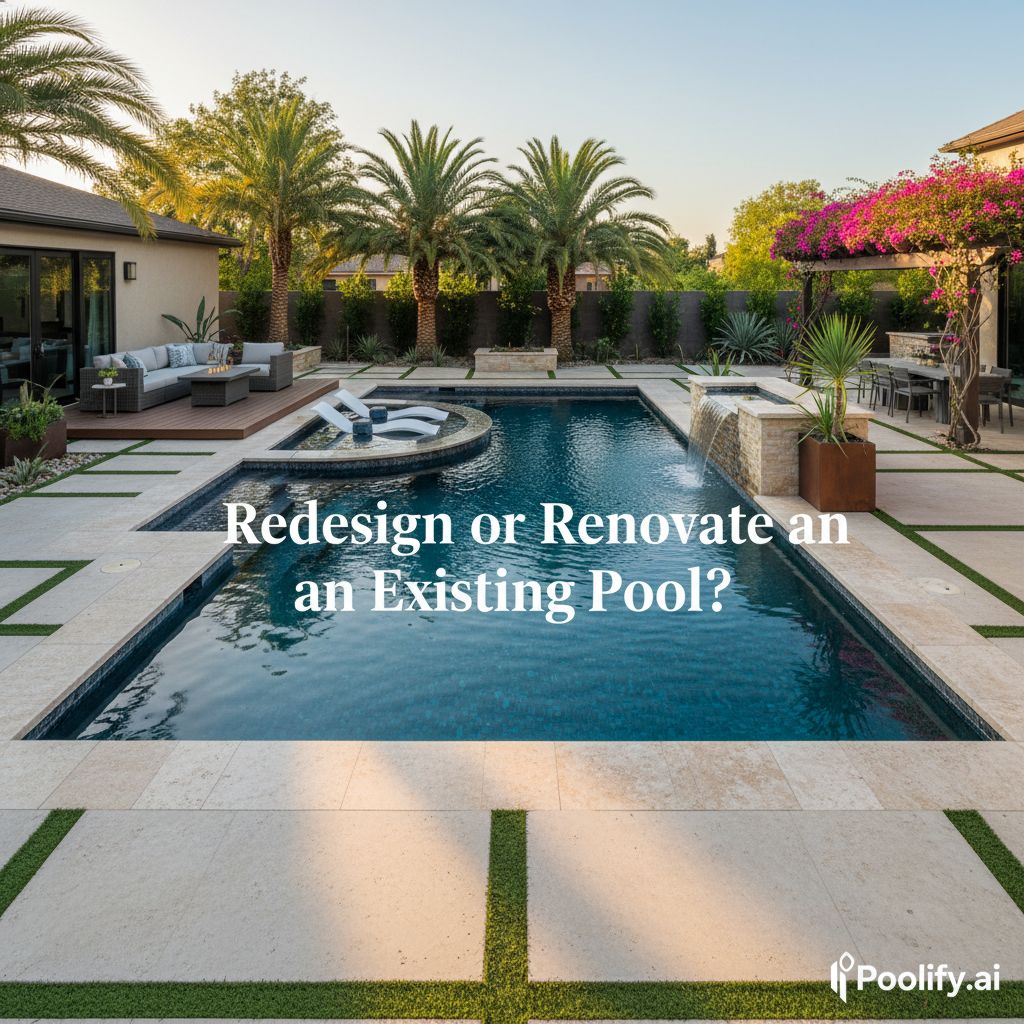
    This guide explains when pool redesign makes sense, common renovation options, and how to plan changes before committing to construction.


    Redesign vs Renovation: What’s the Difference?

    The terms are often used interchangeably, but they mean different things.

    Pool redesign

    • Focuses on layout, features, and how the pool is used
    • May change steps, benches, ledges, or shape perception
    • Often involves visual and functional improvements

    Pool renovation

    • Focuses on repairing or upgrading existing elements
    • Includes resurfacing, tile replacement, equipment upgrades
    • May or may not change layout

    Many projects include elements of both.


    What Parts of a Pool Can Usually Be Changed

    Most existing pools offer flexibility for meaningful improvements.

    Common redesign and renovation options

    • Adding or modifying steps and entry points
    • Installing tanning ledges or benches (when structure allows)
    • Updating finishes and tile
    • Improving lighting
    • Reworking surrounding decking and hardscape
    • Updating water features

    These changes can dramatically improve how the pool looks and feels.


    What Is Harder or More Expensive to Change

    Some elements are difficult or costly to modify.

    Changes that increase complexity

    • Expanding the pool footprint
    • Changing the structural shell shape
    • Altering major depth profiles
    • Relocating the pool entirely

    Understanding these limits early helps set realistic expectations.


    When Redesigning an Existing Pool Makes Sense

    Redesign is often a good option when:

    • The pool structure is sound
    • The layout works but feels outdated
    • Features are underutilized
    • The surrounding space needs improvement
    • You want better functionality without full replacement

    In these cases, redesign can deliver high impact at lower cost than new construction.


    Start With How You Use the Pool Today

    The best redesigns are driven by current use, not original intent.

    Questions to ask

    • Which areas are rarely used?
    • Where do people naturally gather?
    • Are entries comfortable and safe?
    • Is there enough shallow or seating space?

    Answering these questions guides smart changes.


    How Redesign Affects Cost

    Redesign costs vary widely based on scope.

    Cost factors include

    • Structural changes vs surface upgrades
    • Plumbing and electrical modifications
    • Finish and material choices
    • Access and construction complexity

    Clear design direction early helps control renovation budgets.


    Visualize Redesign Options Before Building

    Redesigning an existing pool without visualization can lead to disappointment.

    Visualization helps you:

    • See how new features fit the existing shell
    • Compare options side by side
    • Balance pool space with deck and landscaping
    • Avoid changes that reduce usability

    This step often reveals better solutions than initial ideas.


    How AI Pool Design Helps With Redesign Planning

    AI pool design tools can be used to explore redesign concepts before committing to construction. By visualizing new layouts and features in context, homeowners can test ideas without costly trial and error.

    Tools like Poolify help users explore redesign options during the planning phase, making it easier to decide what changes are worth pursuing.


    Common Pool Redesign Mistakes

    Making changes without a clear goal

    This leads to scattered upgrades without real improvement.

    Over-customizing

    Highly specific changes may reduce long-term flexibility.

    Ignoring surrounding space

    Decking and circulation matter just as much as the pool.

    Skipping professional input when needed

    Structural changes should always involve experienced professionals.


    When to Talk to a Professional

    Professional input is important when:

    • Structural changes are planned
    • Plumbing or electrical systems are modified
    • Permits are required
    • Safety or code compliance is involved

    Early visualization helps make those conversations more productive.


    Key Takeaways

    • Existing pools can often be redesigned or renovated
    • Many impactful changes do not require full replacement
    • Structural changes increase cost and complexity
    • Visualization helps guide better redesign decisions
    • Early planning prevents wasted renovation expense

    Redesigning an existing pool can breathe new life into your backyard when decisions are made thoughtfully and with clear goals from the start.

  • What Pool Design Works Best for Exercise?

    If swimming is a primary goal, pool design should prioritize movement, efficiency, and consistency rather than decorative features. Exercise-focused pools are about function first, with layouts that support laps, low-impact workouts, and regular use.
    This guide explains what pool design works best for exercise, which layouts support fitness goals, and how to avoid designs that look good but limit usability.


    Define the Type of Exercise You Want

    Exercise pools are not one-size-fits-all. The right design depends on how you plan to use the pool.

    Common exercise uses

    • Lap swimming
    • Water aerobics
    • Resistance training
    • Low-impact rehabilitation
    • General fitness and movement

    Clarifying the primary use helps determine size, shape, and depth.


    Lap Pool Designs

    Lap pools are the most common choice for fitness-focused swimming.

    Key characteristics

    • Long, straight swim lanes
    • Minimal curves or obstacles
    • Consistent depth where possible

    Why lap pools work well

    • Efficient use of space
    • Predictable swimming rhythm
    • Easier pacing and training

    Lap pools can be narrow and still highly functional, making them ideal for smaller yards.


    Rectangular Pools for Exercise

    Rectangular pools offer flexibility beyond strict lap swimming.

    Benefits

    • Support laps and casual swimming
    • Easier to measure distance
    • Clear visibility end to end

    These pools balance fitness use with family or social needs.


    Pool Length Matters More Than Width

    For exercise, length is usually more important than overall size.

    Practical guidelines

    • Longer pools support uninterrupted laps
    • Narrow widths are acceptable for solo swimming
    • Consistent wall alignment improves efficiency

    Even modest increases in length can significantly improve usability.


    Depth Considerations for Exercise Pools

    Depth affects comfort and safety.

    Exercise-friendly depth choices

    • Shallow-to-mid depth for water aerobics
    • Consistent depth for lap swimming
    • Avoid unnecessary deep ends unless diving is planned

    Excessively deep pools reduce usability for many fitness activities.


    Minimize Features That Disrupt Movement

    Exercise pools benefit from simplicity.

    Features to limit

    • Large tanning ledges that interrupt swim lanes
    • Excessive steps or benches
    • Complex curves that break flow

    Features should support, not interrupt, movement.


    Surrounding Space Still Matters

    Even exercise-focused pools need space around them.

    Layout considerations

    • Safe entry and exit points
    • Room for stretching or equipment
    • Clear circulation paths

    A functional pool should feel easy to access and use regularly.


    Visualize the Pool in Use

    Exercise pools must feel comfortable in practice, not just on paper.

    Visualization helps you:

    • Confirm lap length
    • Test placement in the yard
    • Ensure clear swim paths
    • Balance fitness and other uses

    Seeing the pool in context often reveals improvements.


    How AI Pool Design Helps With Exercise Planning

    AI pool design tools allow homeowners to explore different exercise-focused layouts quickly. By comparing designs, it becomes easier to see which layouts support fitness goals without compromising the yard.

    Tools like Poolify focus on early planning, helping users visualize lap pools and exercise-friendly designs before construction begins.


    Common Exercise Pool Design Mistakes

    Prioritizing looks over function

    Decorative features can interfere with workouts.

    Choosing too short a pool

    Short lengths limit lap swimming effectiveness.

    Overcomplicating the layout

    Simple designs support consistent use.


    Key Takeaways

    • Exercise pools should prioritize length and simplicity
    • Lap and rectangular designs work best
    • Depth should match intended activities
    • Features should not interrupt swim paths
    • Visualization helps confirm fitness usability

    A well-designed exercise pool supports consistent use and long-term fitness by focusing on function, efficiency, and clarity from the start.

  • What Pool Design Works Best for Entertaining?

    If you plan to host friends and family, pool design should prioritize social flow, comfort, and visibility. The best pools for entertaining are not necessarily the largest or most expensive. They are the ones that support conversation, movement, and shared use without feeling crowded.

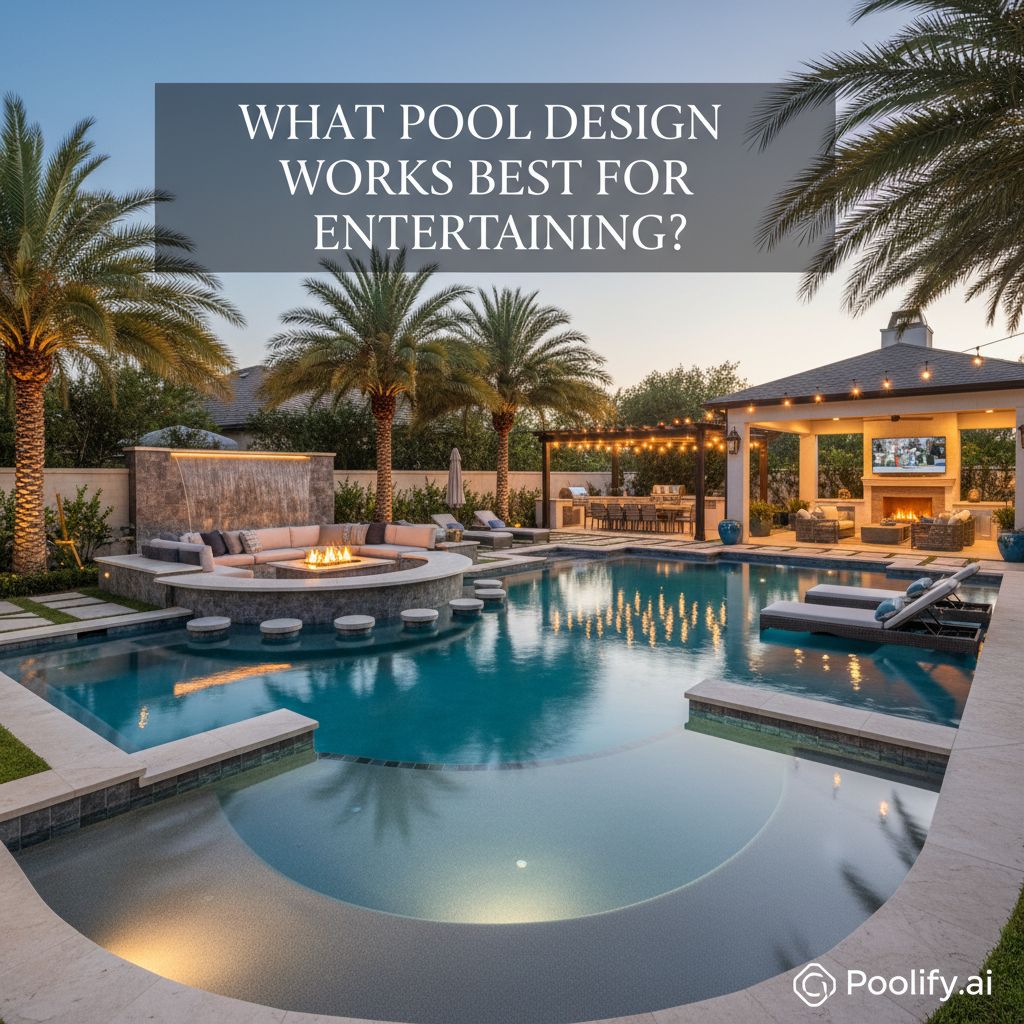
    This guide explains what pool design works best for entertaining, which features add real social value, and how to avoid layouts that disrupt gatherings.


    Design Around People, Not Just Swimming

    Entertaining pools are used differently than exercise or lap pools.

    Key entertaining priorities

    • Easy entry and exit
    • Areas for standing and sitting
    • Clear sightlines between pool and patio
    • Space for groups to gather without congestion

    Swimming distance matters less than interaction and comfort.


    Choose Pool Shapes That Encourage Social Use

    Certain shapes work better for groups.

    Rectangular and geometric pools

    Straight edges make it easier to place seating, loungers, and furniture nearby. They also keep circulation clear during gatherings.


    L-shaped pools

    L-shaped designs naturally create separate zones, allowing part of the pool to be active while another area remains relaxed.


    Avoid overly narrow designs

    Very narrow pools limit movement and make social use feel cramped.


    Include Shallow Social Areas

    Shallow zones are essential for entertaining.

    Tanning ledges and sun shelves

    These areas allow people to lounge, sit, and talk while staying cool.

    Why they work

    • Support conversation
    • Comfortable for all ages
    • Reduce crowding in deeper areas

    Built-in seating and benches

    Benches provide places to rest and gather without adding furniture to the deck.


    Design the Pool and Patio Together

    An entertaining pool should feel connected to the outdoor living space.

    Layout considerations

    • Align pool edges with patios
    • Minimize barriers between water and seating
    • Keep serving and dining areas nearby
    • Maintain clear walking paths

    Poor connection between pool and patio disrupts social flow.


    Balance Pool Size With Deck Space

    Entertaining happens as much around the pool as in it.

    Common mistake

    Oversizing the pool at the expense of deck and seating areas.

    A slightly smaller pool with generous deck space almost always works better for gatherings.


    Choose Features That Enhance Atmosphere

    Not all features add social value.

    Features that work well for entertaining

    • Subtle water features for background sound
    • Good lighting for evening use
    • Simple steps and wide entries

    Avoid features that dominate attention or restrict movement.


    Consider Visibility and Sightlines

    Entertaining pools benefit from open visibility.

    Design tips

    • Keep pool visible from seating areas
    • Avoid tall walls or barriers
    • Maintain clear lines of sight from the house

    Visibility improves safety and keeps gatherings cohesive.


    Visualize the Pool During a Gathering

    The best way to evaluate an entertaining design is to imagine people using it.

    Visualizing the pool in your backyard helps you:

    • See crowd flow
    • Identify bottlenecks
    • Balance pool and seating areas
    • Adjust layout before building

    This step often changes priorities.


    How AI Pool Design Supports Entertaining Layouts

    AI pool design tools allow homeowners to test layouts with social use in mind. By comparing designs, it becomes easier to see which layouts support gatherings and which ones feel restrictive.

    Tools like Poolify focus on early planning, helping users visualize entertaining-friendly designs before construction begins.


    Common Entertaining Pool Design Mistakes

    Too much water, not enough deck

    Socializing happens outside the pool as much as inside it.

    Isolated pool placement

    Pools that feel disconnected from seating areas disrupt gatherings.

    Overcomplicated layouts

    Simple designs are easier to use and enjoy with groups.


    Key Takeaways

    • Entertaining pools prioritize social flow over swim distance
    • Shallow areas and seating improve usability
    • Pool and patio should be designed together
    • Deck space is critical for gatherings
    • Visualization helps identify social layout issues

    A pool designed for entertaining should bring people together naturally, making gatherings feel effortless and enjoyable rather than crowded or constrained.