Category: Before & After Pool Designs

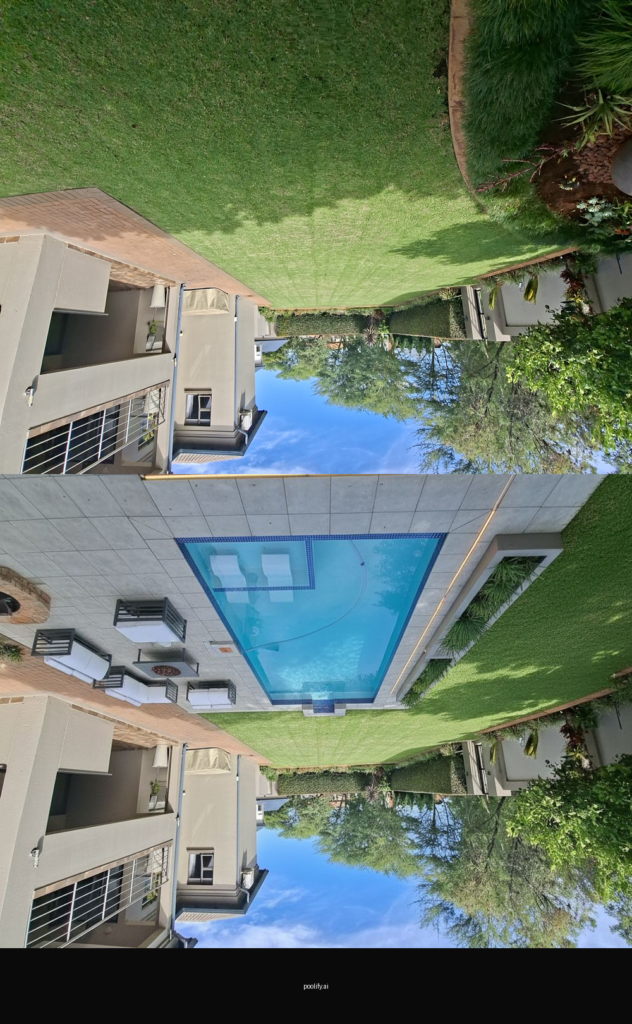
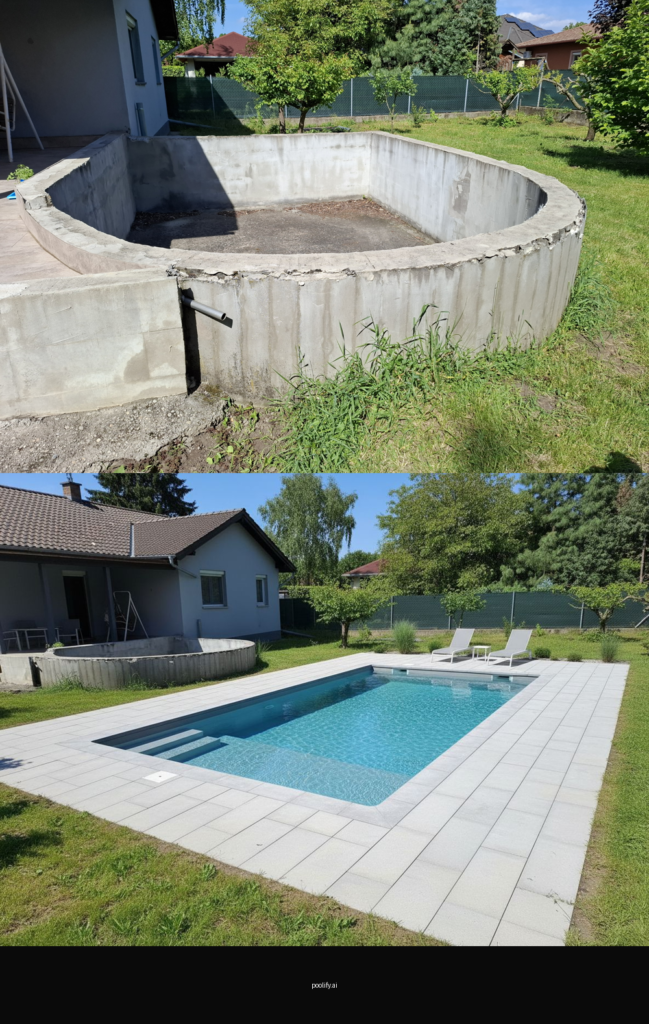
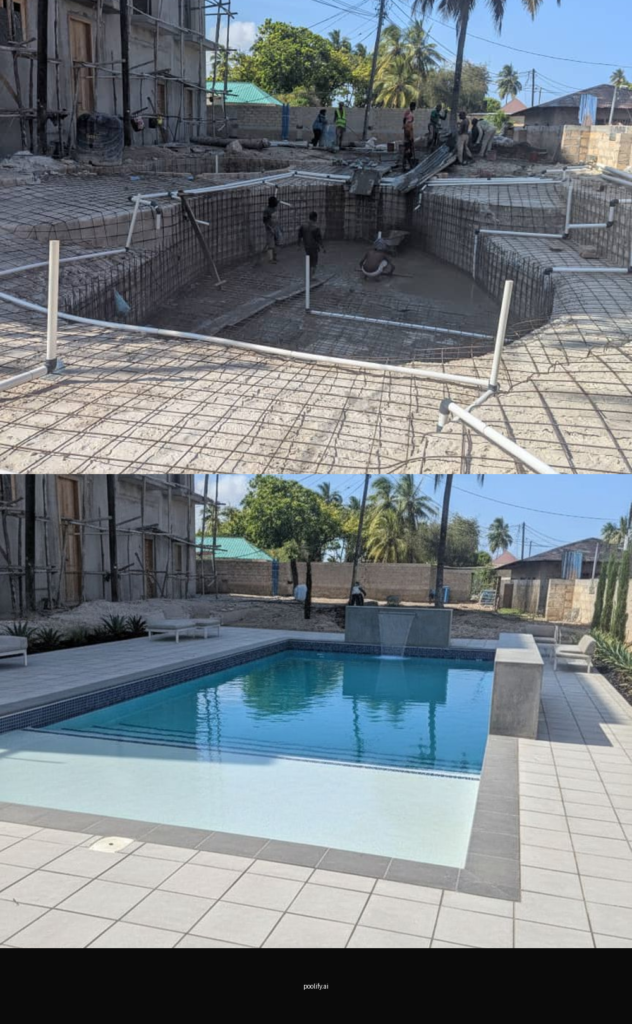
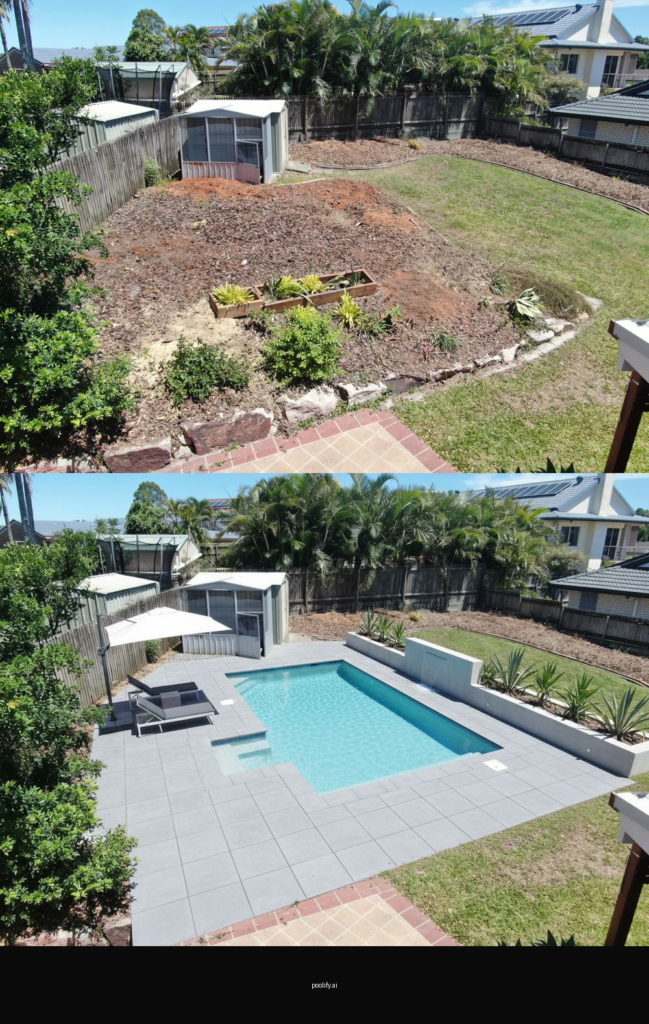
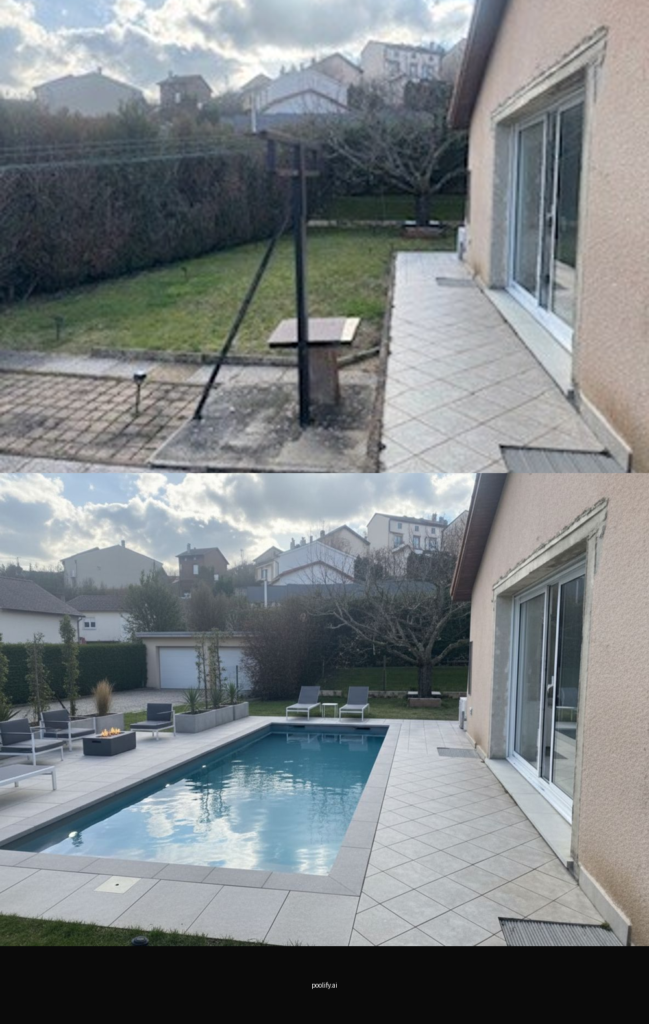
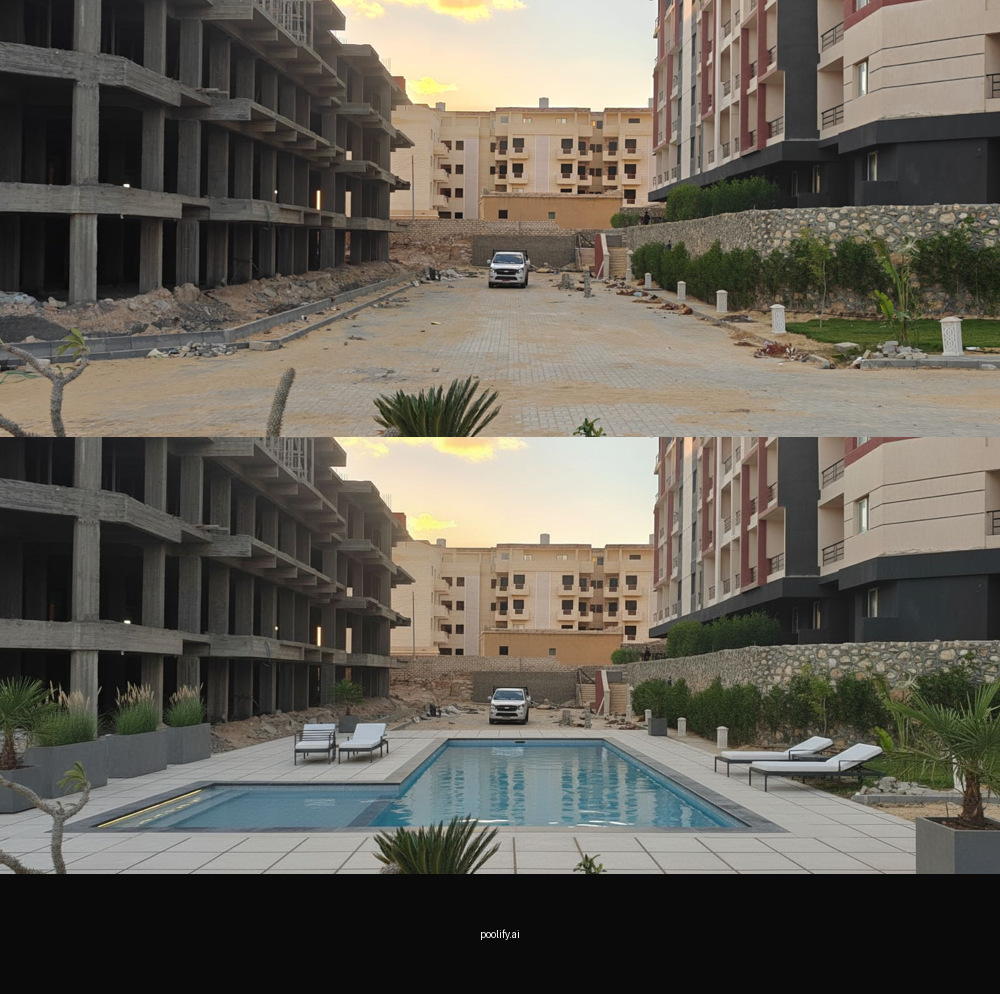
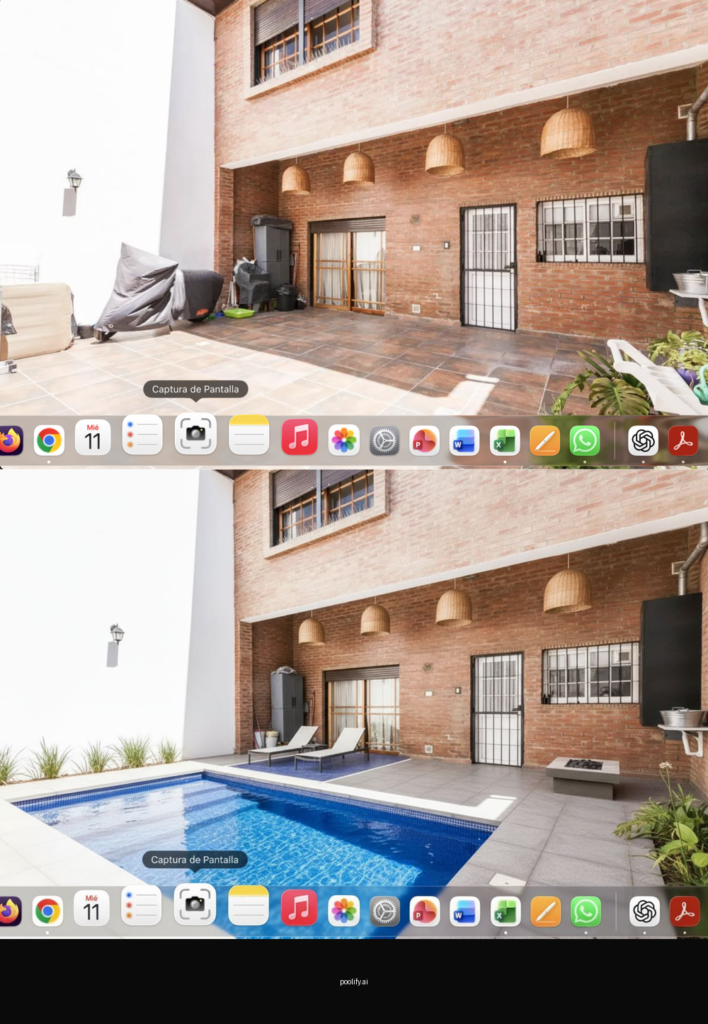
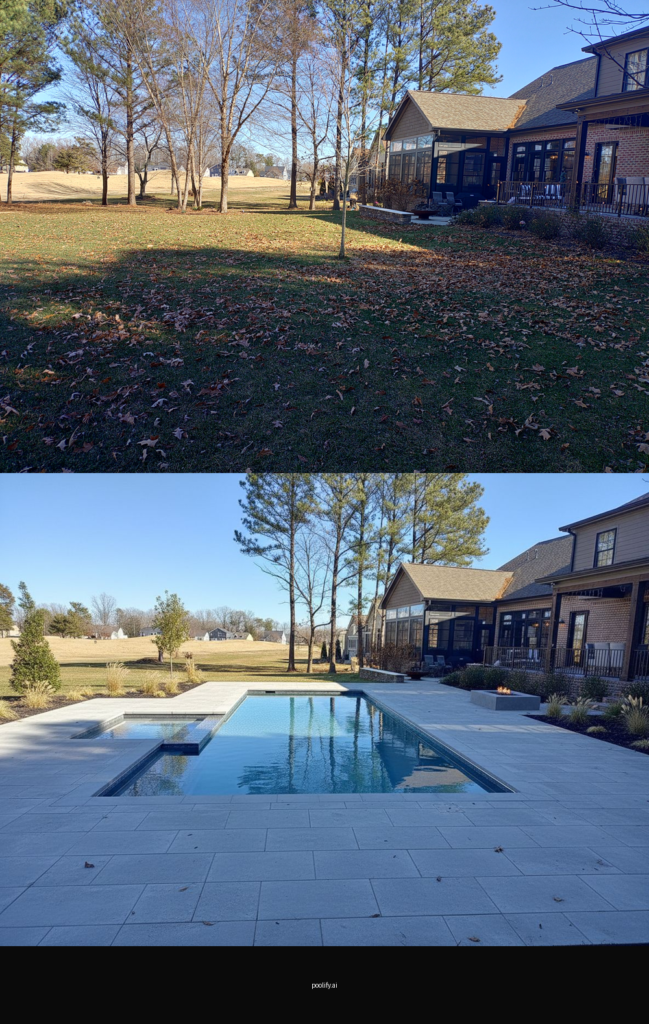
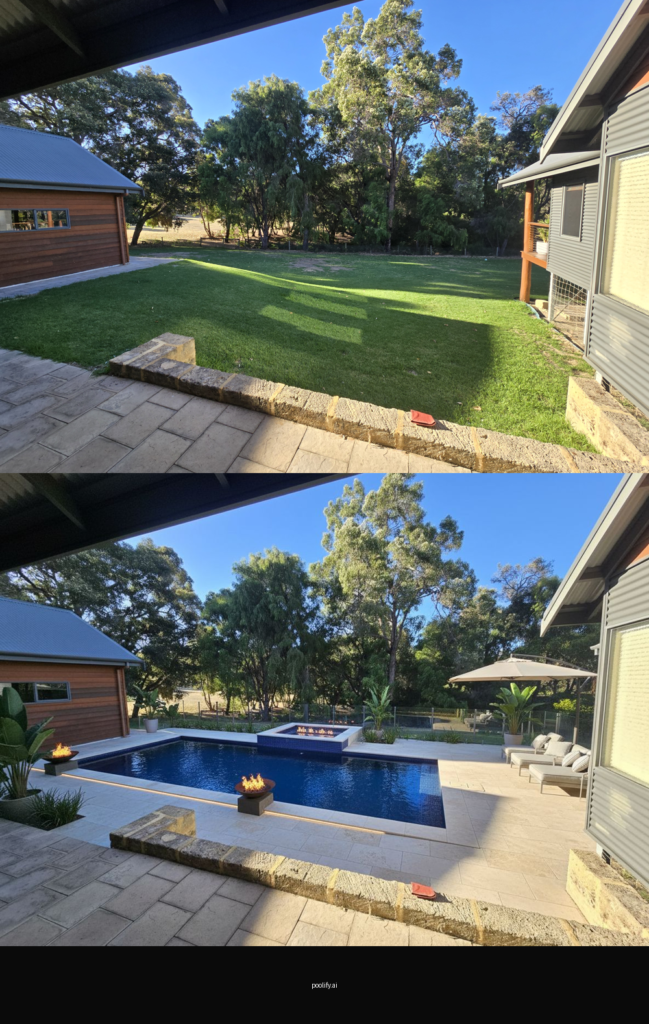
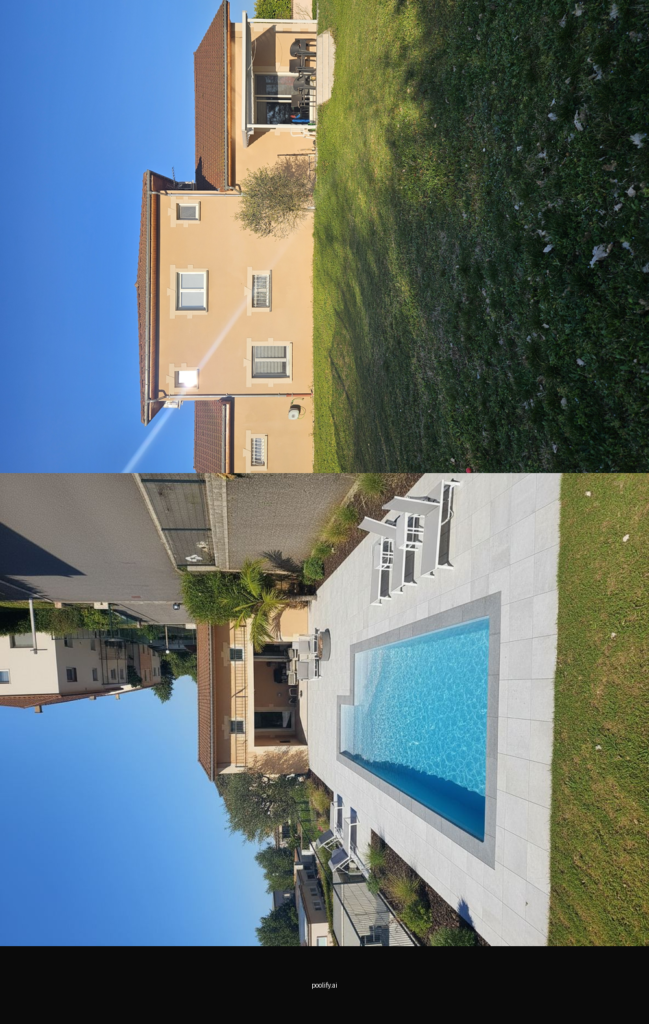
Before and after pool designs showcase how backyard spaces can be transformed through thoughtful planning and design. This category focuses on visual comparisons that highlight the impact of pool layout, style, and feature decisions by showing the contrast between existing yards and proposed or completed pool concepts.

In this section, you’ll find before and after pool design examples that illustrate how different pool shapes, placements, materials, and surrounding features change the look and functionality of a backyard. These comparisons help homeowners understand how design choices translate into real-world improvements, making it easier to visualize what’s possible in their own space.

Before and after pool designs are especially useful during the early planning phase. By seeing transformations across a range of yard sizes and layouts, homeowners can identify ideas that align with their property constraints and aesthetic preferences. This category emphasizes realistic outcomes rather than abstract inspiration.

Many of the transformations featured here are generated using AI-powered pool design tools that apply new pool concepts directly to real backyard photos. These visual examples demonstrate how digital designs can be used to explore multiple options before construction begins, reducing uncertainty and improving decision-making.

Whether you’re seeking inspiration or evaluating how specific design changes affect a space, the before and after pool designs category provides clear, visual insight into the possibilities of modern pool planning.

  • How Do I Avoid Regretting My Pool Design?

    Pool design regret usually comes from decisions made too quickly or without seeing how everything fits together. Once a pool is built, changing the size, shape, or placement is difficult and expensive. Avoiding regret is about slowing down the right parts of the process and making informed choices early.

    This guide explains how to avoid regretting your pool design, which mistakes lead to disappointment, and how to make confident decisions before construction begins.


    Most Pool Regret Starts With Early Decisions

    Very few homeowners regret having a pool. They regret specific design choices.

    Common sources of regret

    • Pool feels too large or too small
    • Awkward placement in the yard
    • Not enough deck or seating space
    • Features that are rarely used
    • Poor visibility or flow

    These issues almost always trace back to early planning.


    Design Around How You Will Actually Use the Pool

    Design regret often comes from designing for an ideal scenario instead of real life.

    Questions to be honest about

    • How often will I use the pool?
    • Will this be mostly social or functional?
    • Who will use it most?
    • What will I realistically maintain?

    Designing for actual behavior leads to better long-term satisfaction.


    Avoid Locking in a Design Too Early

    Choosing the first design you see limits perspective.

    Why early commitment causes regret

    • Better layouts are never explored
    • Tradeoffs are not fully understood
    • Assumptions go unchallenged

    Comparing multiple options reduces second-guessing later.


    Keep Pool Size in Proportion to the Yard

    Oversized pools are one of the most common regrets.

    Signs of poor proportion

    • Limited walking or seating space
    • Yard feels dominated by water
    • Landscaping options are reduced

    A balanced layout usually feels more comfortable and upscale.


    Be Selective With Features

    Features add complexity and cost. Not all features add enjoyment.

    Feature-related regrets often involve

    • Rarely used upgrades
    • Maintenance-heavy elements
    • Features that reduce swim space

    Choosing fewer, high-use features leads to better experiences.


    Think About the Space Around the Pool

    Regret often comes from focusing only on the pool shell.

    Surrounding space matters

    • Decking and patios
    • Seating and shade
    • Pathways and circulation
    • Views from the house

    A pool should enhance the entire backyard, not just the water area.


    Visualize the Pool Before Construction

    It is difficult to judge scale and flow without seeing the design in context.

    Visualization helps you:

    • Identify awkward placement
    • Spot overcrowding early
    • Compare layouts objectively
    • Make confident decisions

    Seeing the pool in your actual backyard often changes priorities.


    Avoid Designing Without Budget Awareness

    Budget-related regret happens when expectations and reality collide.

    How to prevent it

    • Set a realistic budget range early
    • Understand which design choices drive cost
    • Remove unnecessary complexity before construction

    Designing with cost in mind reduces disappointment.


    Get Feedback Before Finalizing the Design

    Fresh perspectives help catch issues.

    Useful sources of feedback

    • Family members who will use the pool
    • Professionals familiar with pool layouts
    • Visual comparison of alternatives

    Feedback is most valuable before plans are finalized.


    How AI Pool Design Helps Reduce Regret

    AI pool design tools allow homeowners to explore multiple layouts quickly and visualize designs in context. By comparing options early, it becomes easier to identify what truly works and avoid decisions that lead to regret.

    Tools like Poolify focus on this early planning stage, helping users refine designs and commit with confidence.


    Key Takeaways

    • Most pool regret comes from early design choices
    • Designing for real use prevents disappointment
    • Comparing multiple options reduces second-guessing
    • Proportion and surrounding space matter
    • Visualization before building is critical

    Avoiding pool design regret is about clarity. The more clearly you understand how the pool will fit, function, and feel before construction, the more likely you are to enjoy it for years to come.