Category: Costs, Pricing & Budgeting

Understanding pool costs, pricing factors, and budgeting considerations is essential before starting any pool project. This category is dedicated to helping homeowners estimate realistic pool budgets, understand where money is spent during construction, and evaluate how different design choices affect total cost. Clear cost planning reduces surprises and helps ensure your pool project aligns with both your financial goals and long-term expectations.

In this section, you’ll find detailed breakdowns of pool costs by type, size, features, and complexity. Topics include budget-friendly pool ideas, luxury pool pricing, cost differences between materials, and how add-ons like lighting, spas, and automation systems impact overall investment. These posts are designed to explain not just price ranges, but why costs vary and where homeowners can make informed tradeoffs.

Pool budgeting goes beyond the initial installation price. This category also addresses ongoing ownership considerations such as maintenance, energy usage, repairs, and long-term upgrades. By understanding both upfront and recurring costs, homeowners can plan for a pool that remains enjoyable and financially sustainable over time.

Many of the examples and estimates in this category are paired with AI-generated pool designs to show how specific design decisions influence budget outcomes. Visual comparisons help translate abstract numbers into real design scenarios, making cost planning more intuitive and actionable.

If you’re researching whether a pool fits your budget or refining your financial plan before speaking with a builder, this costs, pricing, and budgeting category provides transparent, educational insights to guide confident decision-making.

  • How Much Does Pool Design Cost?

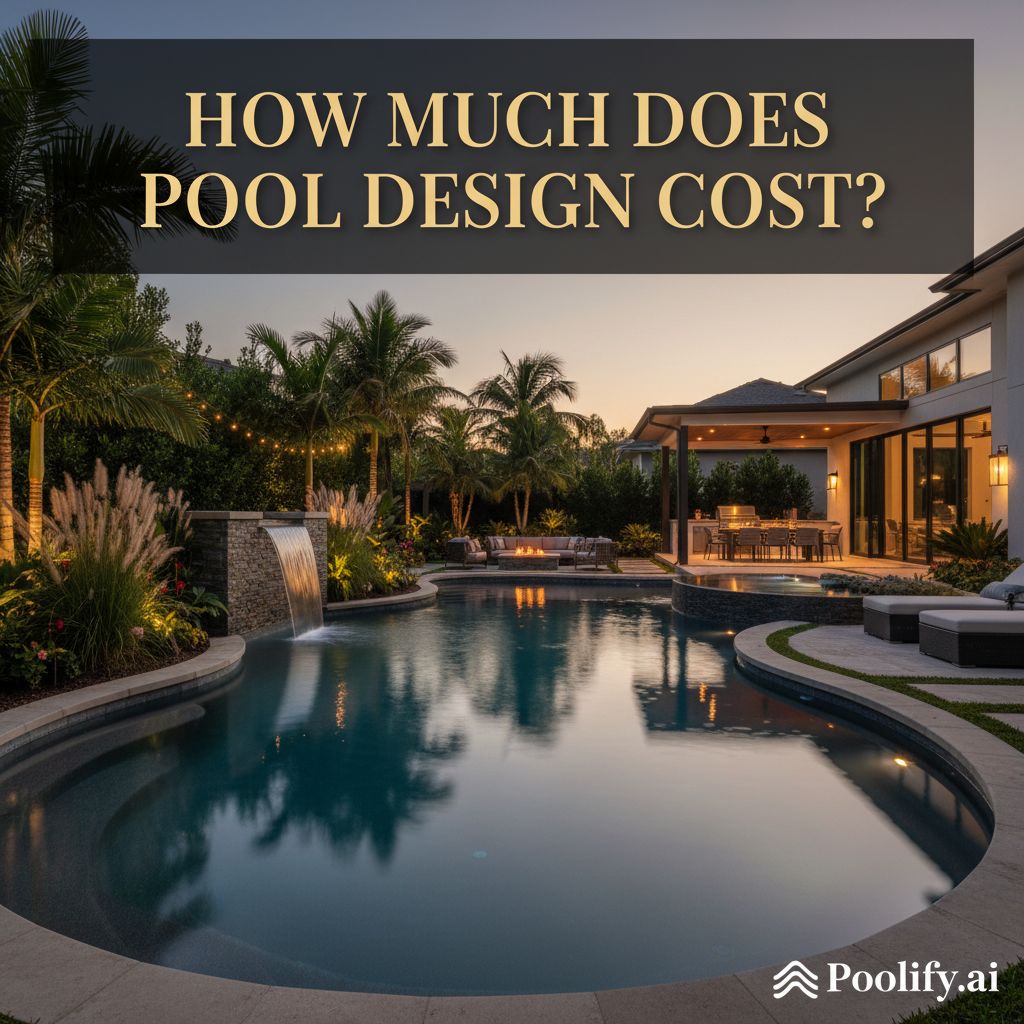
    Pool design cost is one of the most common questions homeowners, contractors, and pool architects ask at the very beginning of a project. The answer depends on what level of design you need, who is doing it, and how early design decisions are made.

    This article breaks down how much pool design typically costs, what you’re paying for at each stage, and how to approach design in a way that saves money rather than inflates your budget.


    What “Pool Design” Actually Includes

    Pool design is not a single service. It usually happens in layers.

    Common pool design components

    • Conceptual layout and placement
    • Pool shape and size decisions
    • Feature planning (steps, benches, ledges)
    • Integration with patio and landscaping
    • Engineering-ready drawings (if required)
    • Permit and construction coordination

    Not every project needs all of these layers, which is why costs vary so widely.


    Typical Pool Design Cost Ranges

    Pool design costs generally fall into three tiers.


    Conceptual Pool Design

    This is the early planning phase where ideas are explored.

    Typical cost range

    • Free (builder-provided concepts)
    • $0–$500 for basic conceptual layouts
    • Sometimes bundled into construction contracts

    What you get

    • Rough pool placement
    • Basic shape ideas
    • High-level feature concepts

    Limitations

    • Often not tailored deeply to your yard
    • Limited ability to compare alternatives
    • Designs may favor builder convenience over optimization

    This level is best for early inspiration, not final decision-making.


    Custom Pool Design and Planning

    This is where most homeowners begin to see real value.

    Typical cost range

    • $500–$3,000+

    What you get

    • Custom layouts based on your property
    • Refined pool proportions
    • Feature placement planning
    • Better alignment with budget and use case

    This stage helps prevent expensive changes later.


    Architectural or Engineering-Level Pool Design

    This is the most detailed and technical level.

    Typical cost range

    • $3,000–$10,000+

    What you get

    • Construction-ready drawings
    • Structural and engineering coordination
    • Permit documentation
    • Detailed specifications

    This level is typically required for complex sites, luxury projects, or strict permitting environments.


    What Drives Pool Design Cost Up or Down

    Several factors directly affect pool design cost.


    Yard Complexity

    Design costs increase when:

    • The yard is sloped
    • The site is irregularly shaped
    • Retaining walls are required
    • Drainage is complex

    Flat, simple lots are faster and cheaper to design.


    Pool Complexity

    Design effort increases with:

    • Custom shapes
    • Multiple depth transitions
    • Integrated spas or water features
    • Split-level or terraced layouts

    Simple geometry keeps design costs lower.


    Level of Customization

    Highly personalized designs take more time.

    Custom seating, unique proportions, or architectural alignment all increase design hours and cost.


    Who Is Doing the Design

    Different professionals price design differently.

    • Pool builders may include design in construction
    • Independent designers charge separately
    • Pool architects typically charge the most
    • Engineers charge based on technical scope

    Each option serves a different purpose.


    How Pool Design Cost Affects Total Project Cost

    Design decisions have a disproportionate impact on total spend.

    Why early design matters

    • Poor layouts cause late-stage changes
    • Structural changes after design approval are expensive
    • Feature changes during construction add cost quickly

    Spending modestly on design often saves thousands during construction.


    Hidden Costs of “Free” Pool Design

    Builder-provided design is not always bad, but it is not truly free.

    Potential downsides

    • Fewer design alternatives
    • Limited exploration of layout options
    • Designs optimized for construction speed
    • Less focus on long-term usability

    Understanding this tradeoff helps set expectations.


    Using Visualization to Control Design Costs

    Visualization is one of the most effective cost-control tools.

    Seeing the pool in context helps you:

    • Avoid oversizing
    • Eliminate unnecessary features
    • Optimize placement early
    • Reduce revisions later

    Visualization clarifies decisions before money is committed.


    Pool Design Costs for Contractors and Pool Architects

    Design cost matters differently for professionals.

    For contractors

    • Faster client approvals
    • Fewer revisions
    • Clearer scope before construction
    • Reduced change orders

    For pool architects

    • Better early concepts
    • Improved client communication
    • Cleaner transition to technical drawings

    Clear early design benefits everyone involved.


    How AI Pool Design Changes the Cost Equation

    AI-based pool design tools significantly reduce the cost of early-stage planning.

    Instead of paying for multiple concept iterations, users can:

    • Generate layouts instantly
    • Compare designs side by side
    • Narrow decisions before professional drawings
    • Reduce paid design hours

    Tools like Poolify focus on this conceptual phase, helping homeowners, contractors, and pool architects clarify direction before moving into higher-cost design stages.


    Realistic Expectations Around Pool Design Cost

    A common mistake is underestimating design value.

    A realistic mindset

    • Design is a cost control tool
    • Good design reduces construction risk
    • Early clarity prevents expensive mistakes
    • Visualization saves time and money

    Design should be seen as an investment, not overhead.


    Industry Cost Benchmarks

    Industry cost discussions often reflect these ranges, as outlined in general home improvement cost guides like this overview of pool planning and pricing considerations from HomeAdvisor:
    https://www.homeadvisor.com/cost/outdoor-living/build-a-swimming-pool/

    (This type of resource provides broad cost context, not project-specific pricing.)


    Common Pool Design Cost Mistakes

    Skipping design entirely

    This often leads to regret and rework.

    Overpaying too early

    Detailed engineering before basic layout clarity wastes money.

    Underpaying for complexity

    Complex sites require proper design investment.

    Rushing decisions

    Speed without clarity increases cost later.


    Key Takeaways

    • Pool design cost varies by scope and complexity
    • Conceptual design is the most cost-effective stage to explore options
    • Custom and architectural designs cost more but add precision
    • Early visualization reduces total project cost
    • AI pool design tools lower the cost of early planning

    Understanding pool design cost is about knowing where to invest and when. Clear early design decisions almost always lead to better pools — and better budgets — in the long run.

  • What Pool Design Works Best for Rental or Investment Properties?

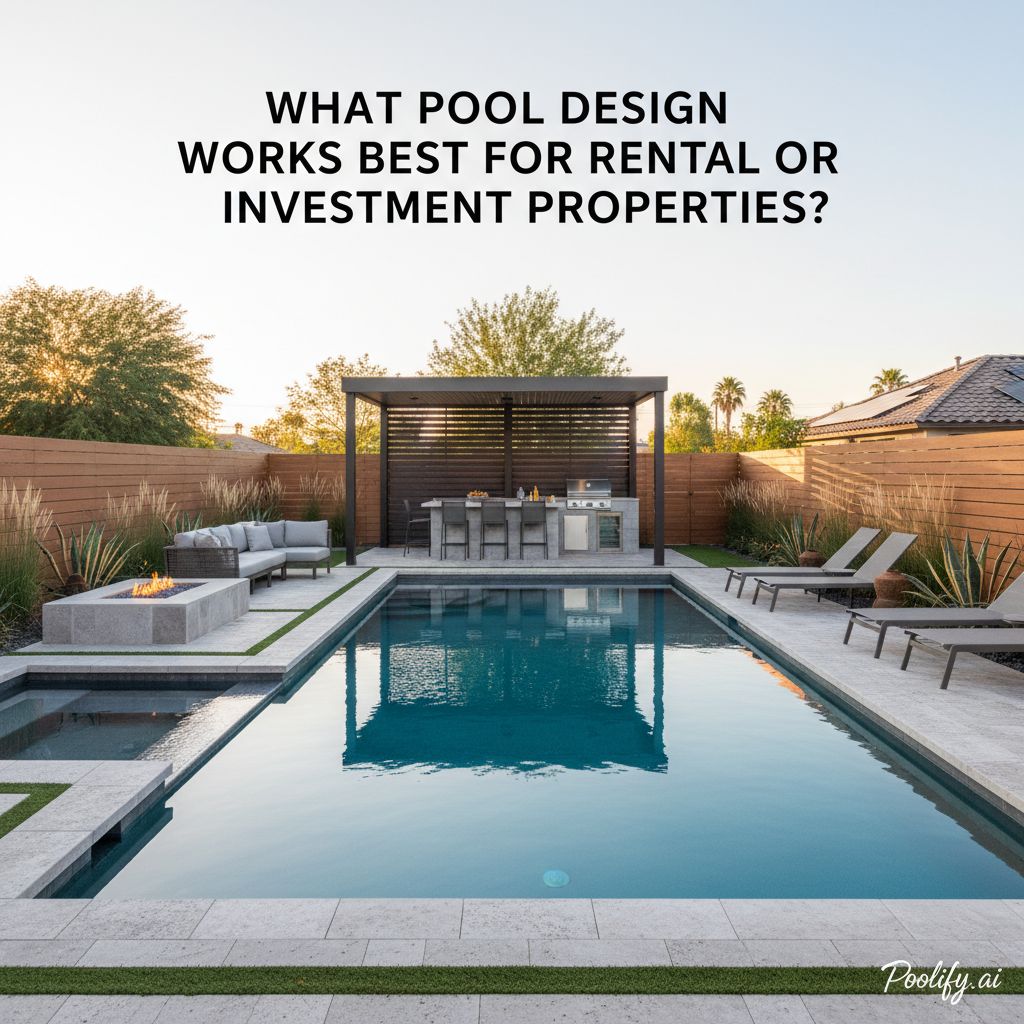
    Designing a pool for a rental or investment property requires a different mindset than designing a personal backyard retreat. The goal is not personalization — it is broad appeal, durability, safety, and return on investment. The best designs attract renters, minimize maintenance, and reduce long-term risk.
    This guide explains what pool design works best for rental and investment properties, which features add value without increasing headaches, and what to avoid.


    Prioritize Broad Appeal Over Customization

    Rental pools should appeal to as many users as possible.

    Design principles for rentals

    • Simple, familiar layouts
    • Easy-to-understand entry points
    • Clear visibility and sightlines
    • Minimal learning curve for guests

    Avoid designs that require explanation or special use.


    Choose Simple, Durable Pool Shapes

    Simple shapes are easier to build, maintain, and repair.

    Best shapes for rental properties

    • Rectangular pools
    • Basic geometric designs
    • Straightforward depth profiles

    These shapes are intuitive and cost-effective.


    Keep Pool Size Moderate

    Oversized pools increase cost without proportional returns.

    Why moderate sizes work best

    • Lower construction cost
    • Reduced maintenance and heating expenses
    • Easier supervision
    • Less perceived liability

    A well-proportioned pool often feels more inviting than a massive one.


    Include Shallow, Multi-Use Areas

    Shallow areas increase usability for a wider range of guests.

    Valuable features for rentals

    • Shallow entry steps
    • Small tanning ledges
    • Built-in benches

    These features improve comfort without adding complexity.


    Avoid High-Maintenance Features

    Maintenance-heavy features reduce profitability.

    Features to avoid or limit

    • Large waterfalls
    • Complex water features
    • Highly specialized finishes
    • Custom automation systems that require training

    Simplicity keeps operating costs predictable.


    Focus on Safety and Visibility

    Safety is especially important in rental properties.

    Safety-oriented design choices

    • Clear sightlines across the pool
    • Gradual depth transitions
    • Non-slip surfaces
    • Defined shallow and deep zones

    Good design reduces risk and improves guest confidence.


    Design the Surrounding Space for Easy Use

    The pool area should feel intuitive.

    Layout considerations

    • Clear walking paths
    • Adequate deck space for seating
    • Minimal elevation changes
    • Easy access from the house

    Confusing layouts lead to misuse and wear.


    Think About Long-Term Maintenance

    Every design choice affects upkeep.

    Low-maintenance design strategies

    • Durable, neutral finishes
    • Standard equipment configurations
    • Minimal custom elements
    • Easy access to equipment areas

    Lower maintenance improves long-term ROI.


    Visualize the Pool as a Guest

    Viewing the pool from a renter’s perspective reveals issues early.

    Visualization helps you:

    • Identify confusing layouts
    • Confirm safe circulation
    • Balance pool and seating areas
    • Avoid overdesigning

    Early clarity reduces post-build corrections.


    How AI Pool Design Supports Investment Planning

    AI pool design tools allow property owners to compare layouts quickly and choose designs that balance appeal, cost, and simplicity.

    Tools like Poolify help investors visualize rental-friendly pool designs and make ROI-focused decisions before committing to construction.


    Common Rental Pool Design Mistakes

    Over-customization

    Unique designs can limit appeal.

    Overspending on features

    Luxury upgrades rarely increase rental income proportionally.

    Ignoring maintenance realities

    Designs that look great can be expensive to operate.


    Key Takeaways

    • Rental pools should prioritize simplicity and durability
    • Moderate sizes deliver better ROI
    • Shallow, intuitive layouts appeal to more guests
    • Low-maintenance features protect profitability
    • Visualization helps spot issues from a renter’s perspective

    A well-designed pool for a rental or investment property should feel easy, safe, and broadly appealing — delivering value without unnecessary complexity.

  • What Pool Design Works Best for Modern Homes?

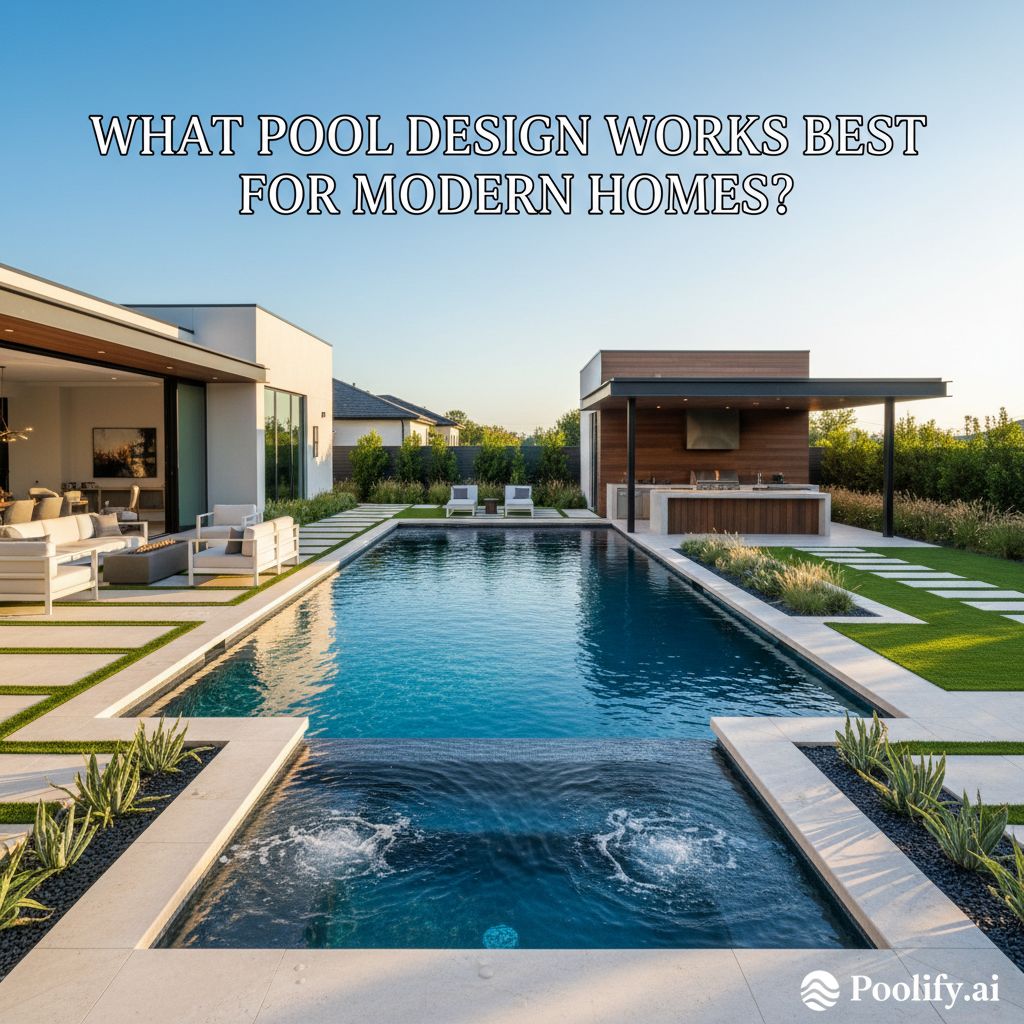
    Modern pool design emphasizes clean lines, simplicity, and a strong connection between the home and outdoor space. The best modern pools feel intentional and restrained, using geometry and proportion to create impact rather than decorative excess.

    This guide explains what pool design works best for modern homes, which design choices reinforce a modern aesthetic, and how to avoid elements that clash with contemporary architecture.


    Start With Clean Geometry

    Modern design relies on clarity and structure.

    Pool shapes that suit modern homes

    • Rectangular pools
    • Linear, elongated layouts
    • Simple L-shaped designs with straight edges

    Avoid overly organic or irregular shapes, which tend to conflict with modern architecture.


    Align the Pool With the Architecture

    Modern pools should feel like an extension of the home.

    Alignment strategies

    • Match pool edges with the home’s lines
    • Square the pool to the house rather than the property line
    • Create visual continuity from interior to exterior

    This alignment reinforces a cohesive, modern look.


    Keep the Design Minimal

    Modern pool design favors restraint.

    Minimalist design principles

    • Fewer features, executed precisely
    • Clean steps and integrated seating
    • Hidden or subtle equipment and returns

    Every element should feel intentional and uncluttered.


    Use Neutral, Consistent Materials

    Material choice plays a major role in modern aesthetics.

    Common modern material choices

    • Light gray or white pool finishes
    • Large-format pavers
    • Concrete, porcelain, or stone-look materials
    • Minimal grout lines and visual breaks

    Consistency across materials helps maintain a clean visual flow.


    Prioritize Sharp Edges and Crisp Details

    Detail execution matters in modern design.

    Design details that elevate modern pools

    • Straight, uniform coping
    • Flush or cantilevered edges
    • Simple, wide entry steps
    • Integrated benches instead of add-on furniture

    Small inconsistencies stand out more in minimalist designs.


    Use Water Features Sparingly

    Water features should support, not dominate, the design.

    Modern-friendly water features

    • Sheer descents
    • Subtle scuppers
    • Narrow spillways integrated into walls

    Avoid large rock waterfalls or heavily themed elements.


    Thoughtful Lighting Is Essential

    Lighting should enhance form without drawing attention to itself.

    Modern lighting principles

    • Even, understated illumination
    • Minimal fixture visibility
    • Lighting that emphasizes geometry

    Good lighting supports nighttime use while preserving simplicity.


    Balance Pool Size With Outdoor Space

    Modern backyards often emphasize openness.

    Layout considerations

    • Leave negative space around the pool
    • Avoid filling the yard edge-to-edge
    • Maintain clear circulation paths

    Negative space is a key element of modern design.


    Visualize the Design Before Building

    Modern pools rely on proportion and alignment, which are difficult to judge without seeing the design in context.

    Visualization helps you:

    • Fine-tune placement
    • Confirm scale
    • Align with architectural elements
    • Avoid subtle but costly mistakes

    Seeing the pool in your actual backyard supports better modern design decisions.


    How AI Pool Design Supports Modern Planning

    AI pool design tools allow homeowners to explore clean, modern layouts quickly and compare subtle variations in proportion and alignment.

    Tools like Poolify focus on early planning, helping users visualize modern pool designs and refine details before construction begins.


    Common Modern Pool Design Mistakes

    Adding too many features

    This breaks the minimalist aesthetic.

    Mixing styles

    Organic elements can clash with modern architecture.

    Ignoring alignment

    Even slight misalignment is noticeable in modern design.


    Key Takeaways

    • Modern pool design emphasizes clean geometry
    • Alignment with the home is critical
    • Minimal features create stronger impact
    • Neutral materials reinforce modern aesthetics
    • Visualization helps refine proportion and placement

    A well-designed modern pool feels calm, intentional, and seamlessly connected to the home, enhancing the architecture rather than competing with it.

  • What Pool Design Works Best for Luxury Backyards?

    Luxury pool design is less about size and more about proportion, restraint, and integration. The most successful luxury pools feel intentional, calm, and seamlessly connected to the home and outdoor living space rather than oversized or overly complex.
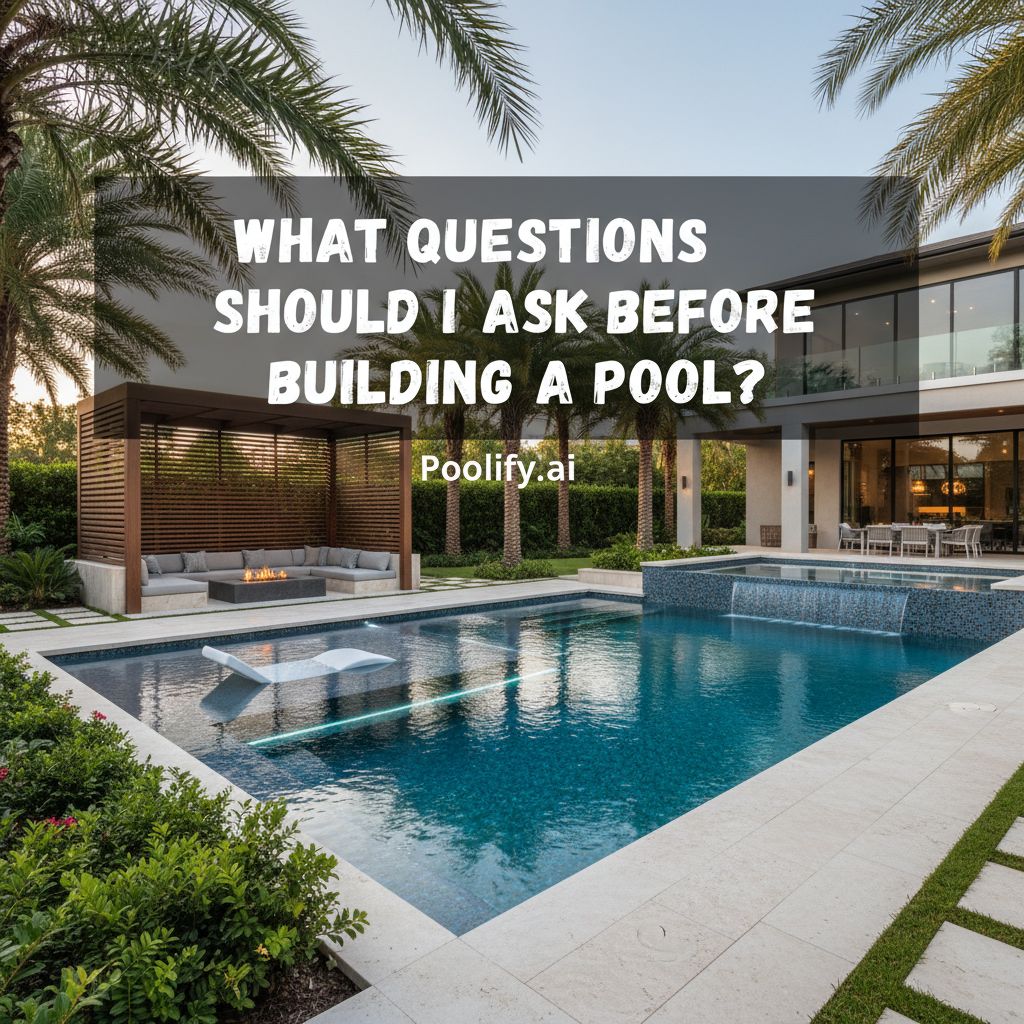
    This guide explains what pool design works best for luxury backyards, which elements create an upscale feel, and how to avoid choices that look expensive but feel chaotic.


    Luxury Starts With Proportion, Not Size

    One of the biggest misconceptions about luxury pools is that bigger automatically means better.

    Hallmarks of proportional luxury design

    • Pool size that complements the home
    • Balanced relationship between water, deck, and landscaping
    • Clear negative space instead of crowding

    A well-proportioned pool often feels more luxurious than a much larger one.


    Simple, Intentional Pool Shapes

    Luxury design favors clarity and restraint.

    Common luxury pool shapes

    • Rectangular and linear pools
    • Clean geometric layouts
    • Subtle L-shaped designs for zoning

    Simple shapes provide a timeless look and integrate easily with architecture.


    Seamless Integration With the Home

    Luxury pools feel like an extension of the home rather than a separate feature.

    Integration strategies

    • Align pool edges with architectural lines
    • Continue materials from interior to exterior
    • Minimize visual barriers between pool and living spaces
    • Maintain clear sightlines from key rooms

    This approach creates a cohesive, high-end experience.


    Fewer Features, Executed Well

    Luxury pools avoid feature overload.

    Features that enhance luxury

    • Shallow lounging ledges with clean detailing
    • Subtle water features like sheer descents
    • Thoughtful lighting that highlights form
    • Integrated seating instead of loose furniture

    Quality execution matters more than quantity.


    High-End Materials With Neutral Palettes

    Luxury design favors materials that age well.

    Popular luxury finish choices

    • Natural stone or stone-look materials
    • Soft grays, whites, and neutral tones
    • Matte or lightly textured surfaces

    These choices feel refined and avoid trend-driven regret.


    Privacy and Spatial Calm

    Luxury backyards prioritize comfort and privacy.

    Design considerations

    • Strategic landscaping for screening
    • Pool placement away from noise sources
    • Defined zones for relaxation and entertaining
    • Avoidance of visual clutter

    Luxury pools should feel calm, not busy.


    Thoughtful Lighting Design

    Lighting plays a major role in luxury perception.

    Effective luxury lighting

    • Even, understated illumination
    • Emphasis on safety and ambiance
    • Avoidance of harsh or overly bright fixtures

    Good lighting extends usability without drawing attention to itself.


    Visualizing Luxury Before Building

    Luxury design decisions are subtle and benefit from visualization.

    Seeing the pool in context helps you:

    • Fine-tune proportions
    • Evaluate material choices
    • Balance simplicity and impact
    • Avoid overdesigning

    Visualization supports refinement rather than experimentation at this stage.


    How AI Pool Design Supports Luxury Planning

    AI pool design tools allow homeowners to explore luxury layouts quickly and compare subtle variations. This helps refine proportions and integration before committing to expensive materials or construction decisions.

    Tools like Poolify focus on early-stage planning, making it easier to visualize high-end designs and make confident luxury-oriented choices.


    Common Luxury Pool Design Mistakes

    Oversized pools

    They overwhelm the yard and reduce elegance.

    Too many statement features

    Luxury comes from restraint, not excess.

    Ignoring architectural alignment

    Pools that clash with the home feel disconnected.


    Key Takeaways

    • Luxury pool design prioritizes proportion over size
    • Simple, intentional shapes feel more refined
    • Integration with the home elevates the design
    • Fewer, well-executed features create impact
    • Visualization helps refine luxury details

    Luxury pool design is about clarity, balance, and thoughtful execution. When done right, the pool enhances the entire property without competing for attention.

  • What Questions Should I Ask Before Building a Pool?

    Asking the right questions before building a pool can save time, money, and frustration. Many problems arise not from construction quality, but from decisions that were never fully thought through during the planning phase.
    This guide outlines the most important questions to ask before building a pool, helping you clarify priorities, avoid common mistakes, and move into construction with confidence.


    Questions About Your Backyard and Space

    Understanding your yard is the foundation of good pool design.

    Key questions to ask

    • How much usable space do I actually have?
    • Are there setbacks, easements, or utilities to consider?
    • Is the yard flat or sloped?
    • How will the pool affect existing patios or landscaping?

    These answers shape what is realistically possible.


    Questions About How You Will Use the Pool

    Pool design should match real use, not assumptions.

    Usage questions

    • Will this pool be used mostly for relaxing, entertaining, or exercise?
    • Who will use the pool most often?
    • Do I want shallow lounging areas, deep swimming areas, or both?
    • Will my needs change over time?

    Clear answers prevent over- or under-designing the pool.


    Questions About Size and Layout

    Size and placement affect everything from comfort to cost.

    Layout questions

    • How big should the pool be relative to the yard?
    • How much deck and circulation space do I need?
    • Does the pool placement block views or pathways?
    • Will the pool feel balanced in the space?

    Visualizing layouts makes these questions easier to answer.


    Questions About Features

    Features should be intentional.

    Feature questions

    • Which features will I actually use?
    • Which features add cost without adding value?
    • Do features reduce swim space?
    • How do features affect maintenance?

    Choosing fewer, well-placed features often leads to better outcomes.


    Questions About Budget and Cost

    Budget clarity avoids disappointment later.

    Cost-related questions

    • What is my realistic budget range?
    • How do design choices affect cost?
    • What features drive the biggest cost increases?
    • What ongoing maintenance costs should I expect?

    Designing with budget awareness helps prevent late changes.


    Questions About Timing and Process

    Understanding the process helps set expectations.

    Process questions

    • How long does design typically take?
    • When should I involve a builder?
    • What decisions must be made before permitting?
    • What changes are expensive once construction starts?

    Knowing the sequence reduces surprises.


    Questions About Professionals and Tools

    Knowing who does what matters.

    Professional questions

    • Do I need a pool architect or designer?
    • What does the builder handle versus the homeowner?
    • What tools will be used for design and visualization?

    Clarity here improves collaboration.


    Why Visualization Helps Answer These Questions

    Many of these questions are hard to answer abstractly.

    Visualization helps you:

    • Test size and placement
    • Compare features and layouts
    • Identify conflicts early
    • Make confident decisions

    Seeing the pool in context often answers multiple questions at once.


    How AI Pool Design Supports Early Questioning

    AI pool design tools help homeowners explore options visually and answer planning questions before committing to construction.

    Tools like Poolify focus on this early phase, allowing users to generate designs, compare layouts, and clarify decisions before talking to builders.


    Key Takeaways

    • Asking the right questions early prevents costly mistakes
    • Space, usage, and layout should guide design
    • Features and budget should be aligned
    • Process clarity reduces delays
    • Visualization makes planning questions easier to answer

    Taking time to ask the right questions before building a pool leads to better decisions and a smoother construction process overall.

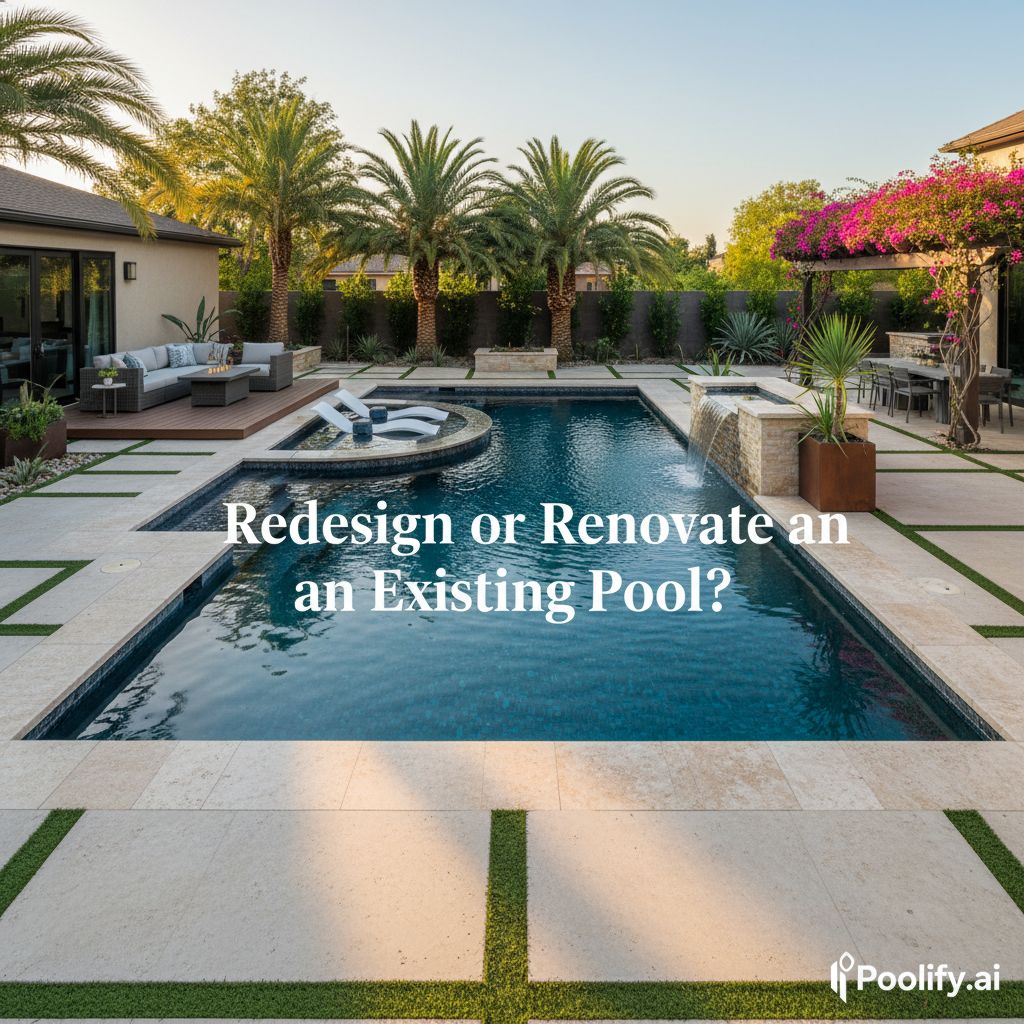
  • Can I Redesign or Renovate an Existing Pool?

    Yes, an existing pool can often be redesigned or renovated, and many homeowners choose this route to improve usability, appearance, or efficiency without starting from scratch. The key is understanding what can be changed, what typically cannot, and how early planning helps avoid unnecessary expense.
    This guide explains when pool redesign makes sense, common renovation options, and how to plan changes before committing to construction.


    Redesign vs Renovation: What’s the Difference?

    The terms are often used interchangeably, but they mean different things.

    Pool redesign

    • Focuses on layout, features, and how the pool is used
    • May change steps, benches, ledges, or shape perception
    • Often involves visual and functional improvements

    Pool renovation

    • Focuses on repairing or upgrading existing elements
    • Includes resurfacing, tile replacement, equipment upgrades
    • May or may not change layout

    Many projects include elements of both.


    What Parts of a Pool Can Usually Be Changed

    Most existing pools offer flexibility for meaningful improvements.

    Common redesign and renovation options

    • Adding or modifying steps and entry points
    • Installing tanning ledges or benches (when structure allows)
    • Updating finishes and tile
    • Improving lighting
    • Reworking surrounding decking and hardscape
    • Updating water features

    These changes can dramatically improve how the pool looks and feels.


    What Is Harder or More Expensive to Change

    Some elements are difficult or costly to modify.

    Changes that increase complexity

    • Expanding the pool footprint
    • Changing the structural shell shape
    • Altering major depth profiles
    • Relocating the pool entirely

    Understanding these limits early helps set realistic expectations.


    When Redesigning an Existing Pool Makes Sense

    Redesign is often a good option when:

    • The pool structure is sound
    • The layout works but feels outdated
    • Features are underutilized
    • The surrounding space needs improvement
    • You want better functionality without full replacement

    In these cases, redesign can deliver high impact at lower cost than new construction.


    Start With How You Use the Pool Today

    The best redesigns are driven by current use, not original intent.

    Questions to ask

    • Which areas are rarely used?
    • Where do people naturally gather?
    • Are entries comfortable and safe?
    • Is there enough shallow or seating space?

    Answering these questions guides smart changes.


    How Redesign Affects Cost

    Redesign costs vary widely based on scope.

    Cost factors include

    • Structural changes vs surface upgrades
    • Plumbing and electrical modifications
    • Finish and material choices
    • Access and construction complexity

    Clear design direction early helps control renovation budgets.


    Visualize Redesign Options Before Building

    Redesigning an existing pool without visualization can lead to disappointment.

    Visualization helps you:

    • See how new features fit the existing shell
    • Compare options side by side
    • Balance pool space with deck and landscaping
    • Avoid changes that reduce usability

    This step often reveals better solutions than initial ideas.


    How AI Pool Design Helps With Redesign Planning

    AI pool design tools can be used to explore redesign concepts before committing to construction. By visualizing new layouts and features in context, homeowners can test ideas without costly trial and error.

    Tools like Poolify help users explore redesign options during the planning phase, making it easier to decide what changes are worth pursuing.


    Common Pool Redesign Mistakes

    Making changes without a clear goal

    This leads to scattered upgrades without real improvement.

    Over-customizing

    Highly specific changes may reduce long-term flexibility.

    Ignoring surrounding space

    Decking and circulation matter just as much as the pool.

    Skipping professional input when needed

    Structural changes should always involve experienced professionals.


    When to Talk to a Professional

    Professional input is important when:

    • Structural changes are planned
    • Plumbing or electrical systems are modified
    • Permits are required
    • Safety or code compliance is involved

    Early visualization helps make those conversations more productive.


    Key Takeaways

    • Existing pools can often be redesigned or renovated
    • Many impactful changes do not require full replacement
    • Structural changes increase cost and complexity
    • Visualization helps guide better redesign decisions
    • Early planning prevents wasted renovation expense

    Redesigning an existing pool can breathe new life into your backyard when decisions are made thoughtfully and with clear goals from the start.

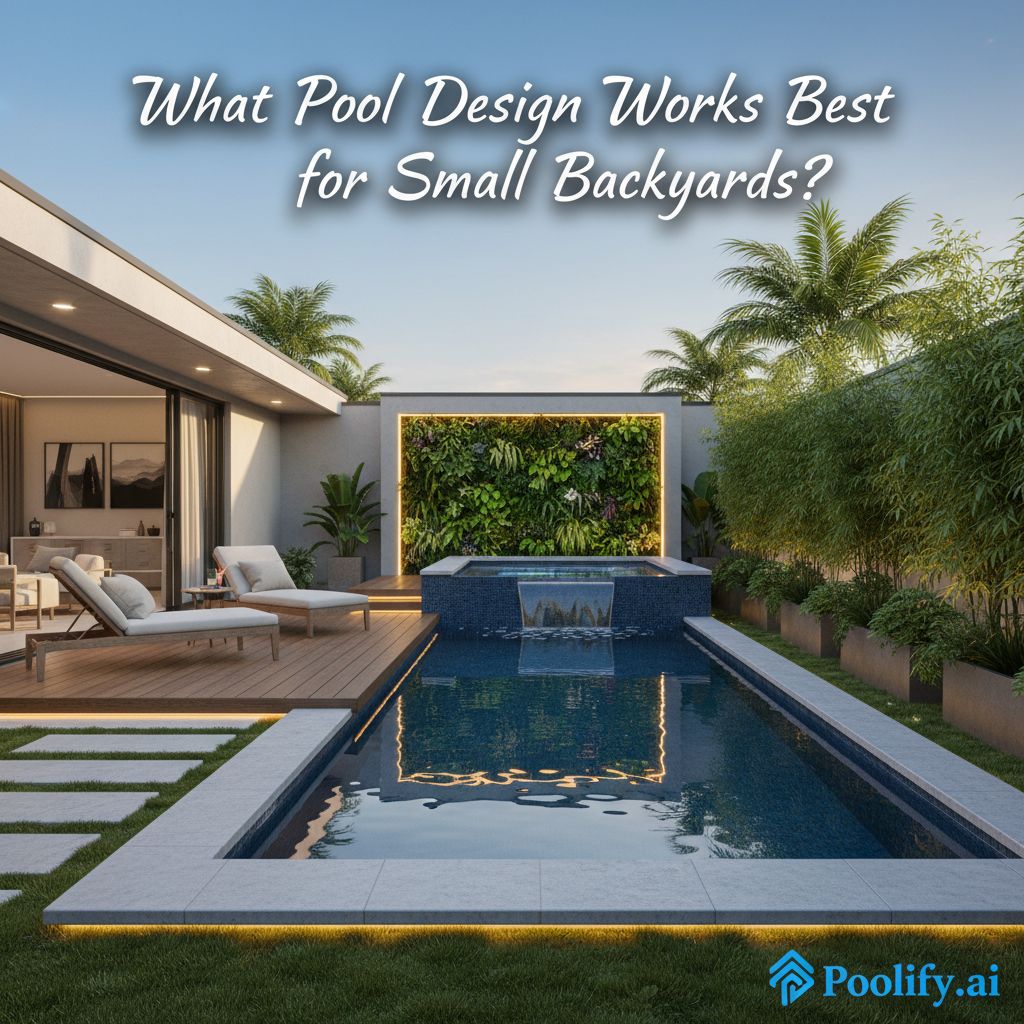
  • What Pool Design Works Best for Small Backyards?

    Designing a pool for a small backyard is absolutely possible, but it requires thoughtful planning. The most successful small-yard pools focus on proportion, placement, and usability rather than size alone. When done well, a small pool can feel intentional, luxurious, and highly functional.
    This guide explains what pool design works best for small backyards, which layouts maximize space, and how to avoid common mistakes that make small yards feel cramped.


    Start by Redefining What “Small” Means

    A small backyard does not mean a small opportunity. Many compact spaces can support a pool if the design is efficient.

    What matters more than yard size

    • Usable space after setbacks
    • Yard shape and proportions
    • Relationship to the house and patio
    • How the pool will be used

    Designing for function first leads to better outcomes in limited spaces.


    Choose Pool Shapes That Maximize Space

    In small backyards, shape matters more than square footage.

    Rectangular and geometric pools

    Straight-edged pools use space efficiently and align well with patios and homes.

    Why they work

    • Clean lines
    • Easy integration with decks
    • Minimal wasted space

    Narrow and lap-style pools

    Long, narrow pools fit well in tight or side-yard layouts.

    Benefits

    • Strong visual impact
    • Efficient footprint
    • Ideal for exercise and cooling off

    Plunge pools

    Plunge pools prioritize relaxation over swimming distance.

    Best for

    • Very small yards
    • Courtyards
    • Urban properties

    A plunge pool can deliver the pool experience without overwhelming the yard.


    Keep Pool Size Proportional

    In small yards, an oversized pool creates problems.

    Signs a pool is too large

    • Limited deck or seating space
    • Difficult circulation around the pool
    • Little room for landscaping
    • Visual imbalance

    A smaller pool with better spacing often feels more comfortable and upscale.


    Prioritize Multi-Use Features

    Features should serve more than one purpose in a small backyard.

    Features that work well

    • Tanning ledges that double as seating
    • Built-in benches instead of furniture
    • Simple water features for ambiance
    • Integrated steps that save space

    Avoid features that consume space without adding daily value.


    Simplify the Surrounding Space

    The area around the pool is just as important as the pool itself.

    Smart layout strategies

    • Combine pool and patio areas
    • Use consistent materials to reduce visual clutter
    • Keep circulation paths clear
    • Minimize unnecessary level changes

    Simplicity helps small spaces feel larger.


    Use Visual Tricks to Make the Yard Feel Bigger

    Design can influence perception.

    Techniques that help

    • Align pool edges with the house
    • Use lighter finishes
    • Keep shapes simple
    • Maintain clear sightlines

    A visually calm design makes the entire yard feel more open.


    Visualize the Pool Before Building

    Small backyards leave little margin for error. Visualization is especially important when space is limited.

    Seeing the pool in your actual backyard helps you:

    • Confirm proportions
    • Test placement options
    • Balance pool and deck space
    • Avoid overcrowding

    This step often leads homeowners to refine designs significantly.


    How AI Pool Design Helps in Small Spaces

    AI pool design tools allow homeowners to test multiple layouts quickly and see what works best in limited space.

    Tools like Poolify focus on early planning, making it easier to explore compact pool designs and choose layouts that maximize usability without overwhelming the yard.


    Common Small-Backyard Pool Mistakes

    Oversizing the pool

    This leaves no room to enjoy the rest of the yard.

    Overcomplicating the design

    Complex shapes and features reduce usable space.

    Ignoring circulation

    Tight walkways make the area feel cramped.


    Key Takeaways

    • Small backyards can support great pool designs
    • Rectangular, narrow, and plunge pools work best
    • Proportional sizing is critical
    • Multi-use features maximize usability
    • Visualization prevents costly mistakes

    A well-designed pool in a small backyard can feel intentional, functional, and surprisingly spacious when planned thoughtfully from the start.

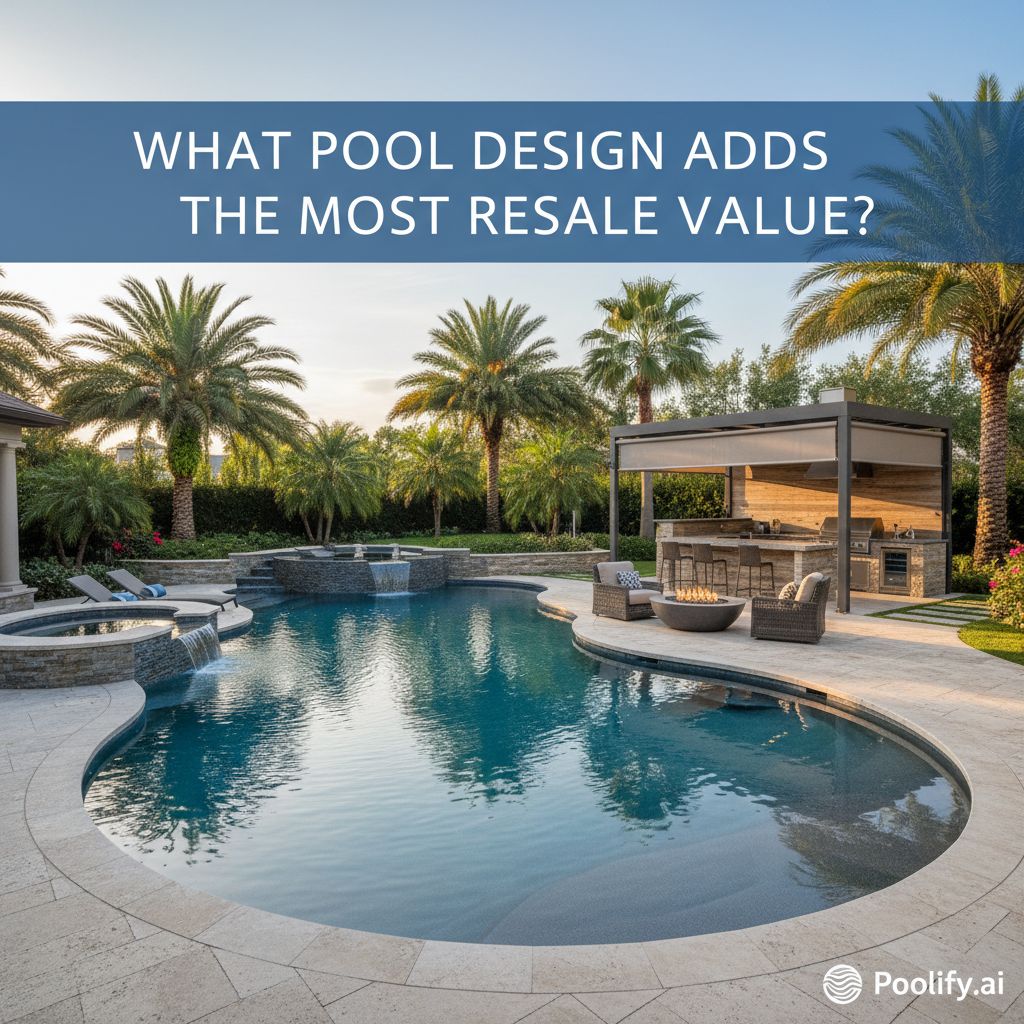
  • What Pool Design Adds the Most Resale Value?

    A pool can increase a home’s appeal, but not every pool design adds resale value. In some cases, poor design choices can actually limit the buyer pool or reduce perceived value. The difference comes down to how well the pool fits the property, the neighborhood, and buyer expectations.
    This guide explains which pool design choices add the most resale value, which ones can hurt it, and how to design a pool that appeals to future buyers without sacrificing enjoyment today.


    How Pools Affect Home Resale Value

    Pools are emotional features. Some buyers see them as a luxury, others as maintenance. Design plays a major role in how a pool is perceived.

    Well-designed pools:

    • Feel intentional and integrated
    • Complement the home and yard
    • Appeal to a broad range of buyers

    Poorly designed pools:

    • Feel oversized or awkward
    • Reduce usable yard space
    • Signal higher maintenance costs

    Resale value depends more on design quality than the mere presence of a pool.


    Pool Design Choices That Add Resale Value

    Certain design decisions consistently perform better in resale situations.

    Proportional pool size

    Pools that fit the yard without dominating it tend to appeal to more buyers. Moderate-sized pools leave room for outdoor living and landscaping.


    Simple, timeless shapes

    Rectangular and clean geometric designs age better than highly stylized or trendy shapes.

    These shapes:

    • Feel modern and flexible
    • Match more architectural styles
    • Appeal to a wider audience

    Shallow lounging areas

    Tanning ledges and sun shelves increase usability for families, social gatherings, and casual use.

    They are often viewed as functional upgrades rather than luxury extras.


    Quality hardscape and flow

    Buyers notice how the pool connects to patios, doors, and outdoor spaces.

    Good flow:

    • Makes the yard feel larger
    • Improves usability
    • Creates a cohesive outdoor experience

    Pool Design Choices That Can Hurt Resale Value

    Some features narrow buyer appeal or signal higher cost.

    Oversized or deep pools

    Very large or very deep pools can intimidate buyers and suggest higher maintenance and energy costs.


    Overly customized designs

    Highly specific themes or unusual shapes may not align with buyer tastes.


    Poor placement

    Pools placed too close to the house, fences, or property lines can feel intrusive or awkward.


    Excessive features

    Too many water features, automation systems, or specialty elements can feel complicated to buyers.


    How Neighborhood Context Matters

    Resale value depends on what buyers expect in the area.

    Factors to consider

    • Prevalence of pools in the neighborhood
    • Typical lot sizes
    • Home price range
    • Buyer demographics

    A well-designed pool in a pool-friendly neighborhood is more likely to add value than a pool that feels out of place.


    Designing for Resale Without Sacrificing Enjoyment

    Designing for resale does not mean designing for strangers instead of yourself. The best resale-friendly pools balance personal enjoyment with broad appeal.

    Smart approach

    • Prioritize usability and simplicity
    • Avoid extreme customization
    • Focus on layout and flow
    • Choose durable, neutral finishes

    Pools that are easy to imagine using tend to sell better.


    Why Early Visualization Helps With Resale-Oriented Design

    Visualizing the pool in context helps identify designs that feel balanced and appealing.

    Seeing different layouts allows you to:

    • Avoid oversizing
    • Improve placement
    • Maintain yard usability
    • Choose features that add perceived value

    Early visualization often leads to more resale-friendly decisions.


    How AI Pool Design Supports Resale Planning

    AI pool design tools allow homeowners to compare layouts quickly and see which designs feel most balanced and versatile.

    Tools like Poolify help users explore designs that fit the yard naturally, making it easier to choose options that appeal both now and in the future.


    Key Takeaways

    • Pool design affects resale value more than pool presence alone
    • Moderate sizes and simple shapes appeal to more buyers
    • Good placement and flow increase perceived value
    • Over-customization and oversizing can hurt resale
    • Visualizing designs early leads to better resale outcomes

    A pool designed with balance and simplicity in mind is more likely to enhance both daily enjoyment and long-term resale value.

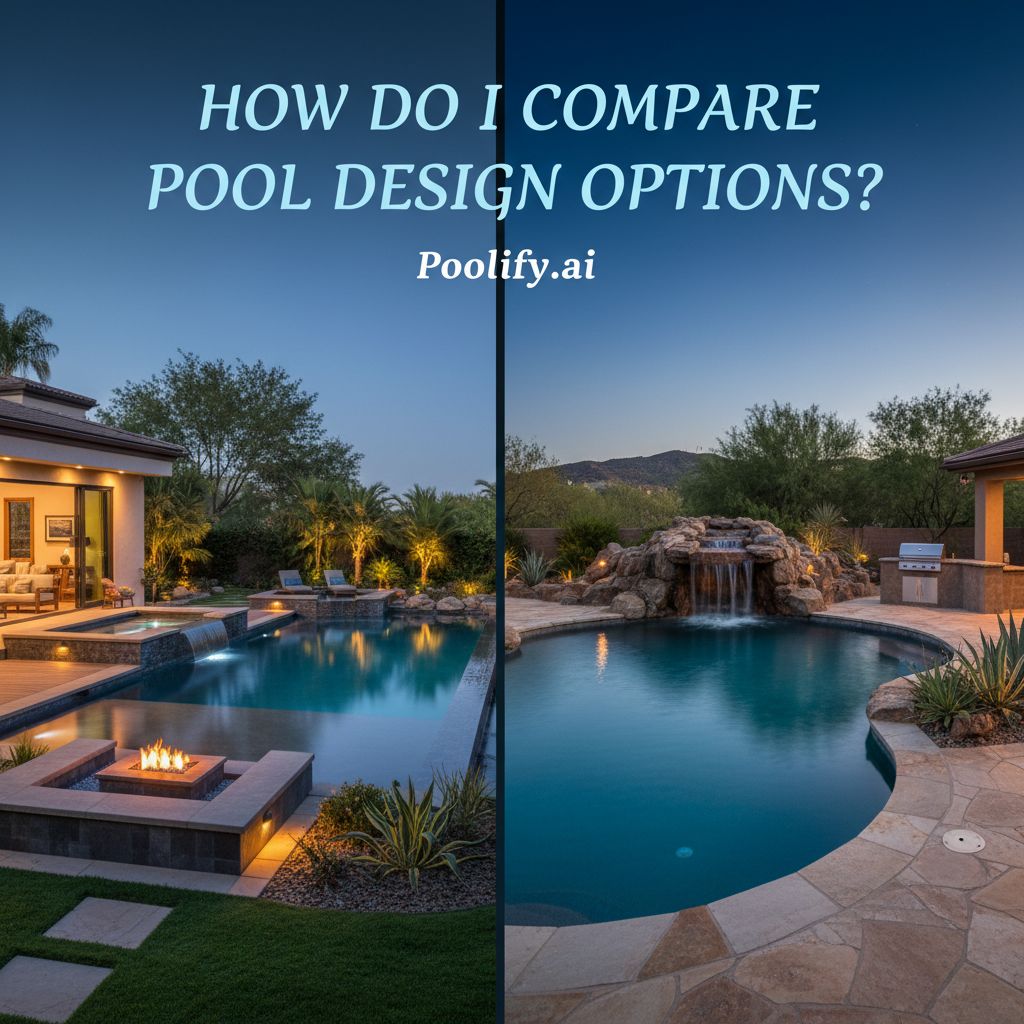
  • How Do I Compare Pool Design Options?

    Comparing pool design options is one of the most important steps in planning a pool. Many homeowners see one design and assume it is “good enough,” only to realize later that another layout would have worked better for their space, budget, or lifestyle.
    This guide explains how to compare pool design options effectively, what factors matter most, and how to avoid locking into the wrong design too early.


    Why Comparing Pool Designs Matters

    Pools are permanent. Once built, changing the size, shape, or placement is difficult and expensive.

    Comparing multiple designs helps you:

    • Understand tradeoffs between layouts
    • Avoid oversizing or poor placement
    • Balance pool space with deck and landscaping
    • Choose features intentionally
    • Feel confident before construction begins

    Seeing only one option limits perspective.


    Start With the Same Backyard Context

    To compare designs fairly, each option should be evaluated in the same context.

    What should stay consistent

    • The same backyard photo or site layout
    • Similar viewing angles
    • Comparable scale and proportions
    • The same surrounding features

    Changing context between designs makes comparisons unreliable.


    Compare Pool Size First

    Pool size affects nearly every aspect of the project.

    Questions to ask

    • Does the pool feel too large or too small?
    • How much usable yard space remains?
    • Is there enough deck and circulation space?
    • Does the pool overwhelm the house or yard?

    Often, the “right” size becomes obvious when designs are viewed side by side.


    Compare Pool Shape and Layout

    Shape determines how the pool interacts with the space.

    Layout factors to evaluate

    • How the pool aligns with the house
    • Flow between the pool and outdoor living areas
    • Sightlines from windows and patios
    • Ease of movement around the pool

    Some shapes look appealing in isolation but feel awkward once placed in context.


    Compare Features Intentionally

    Features should be evaluated as part of the whole design, not individually.

    Feature questions to consider

    • Does the feature improve daily use?
    • Does it reduce usable swim space?
    • Does it increase maintenance or cost?
    • Would you miss it if it were removed?

    Comparing designs with and without certain features often clarifies priorities.


    Compare Cost Implications Early

    Design options can look similar but have very different cost implications.

    Design elements that affect cost

    • Pool size and depth
    • Shape complexity
    • Number of features
    • Site constraints
    • Decking and hardscape area

    Comparing designs with cost in mind prevents surprises later.


    Avoid Comparing Too Many Options at Once

    While comparison is valuable, too many options can create confusion.

    Best practice

    • Start with 3 to 5 design options
    • Narrow to 2 strong candidates
    • Refine the final choice

    Focused comparison leads to clearer decisions.


    Why Visual Comparison Works Best

    Written descriptions and measurements are hard to interpret. Visual comparison reveals differences quickly.

    Seeing multiple designs side by side helps you:

    • Identify which layout feels balanced
    • Spot crowding or wasted space
    • Understand how features interact
    • Make decisions with confidence

    Visualization turns abstract choices into concrete ones.


    How AI Pool Design Helps With Comparison

    AI pool design tools are well-suited for comparing options. Instead of manually creating each layout, AI can generate multiple design concepts using the same backyard image.

    Tools like Poolify focus on helping homeowners compare pool designs visually, making it easier to choose the best option before committing to construction or a builder.


    Common Comparison Mistakes to Avoid

    Comparing designs in isolation

    Always view designs in the same context.

    Focusing only on appearance

    Usability and flow matter just as much.

    Ignoring future use

    Think beyond the first season.

    Choosing too quickly

    Take time to evaluate tradeoffs.


    Key Takeaways

    • Comparing pool design options leads to better outcomes
    • Keep context consistent when evaluating designs
    • Compare size, shape, features, and cost together
    • Visual comparison makes differences clear
    • AI tools simplify side-by-side evaluation

    Comparing pool designs thoughtfully helps ensure the final choice fits your backyard, your budget, and how you plan to use the pool for years to come.

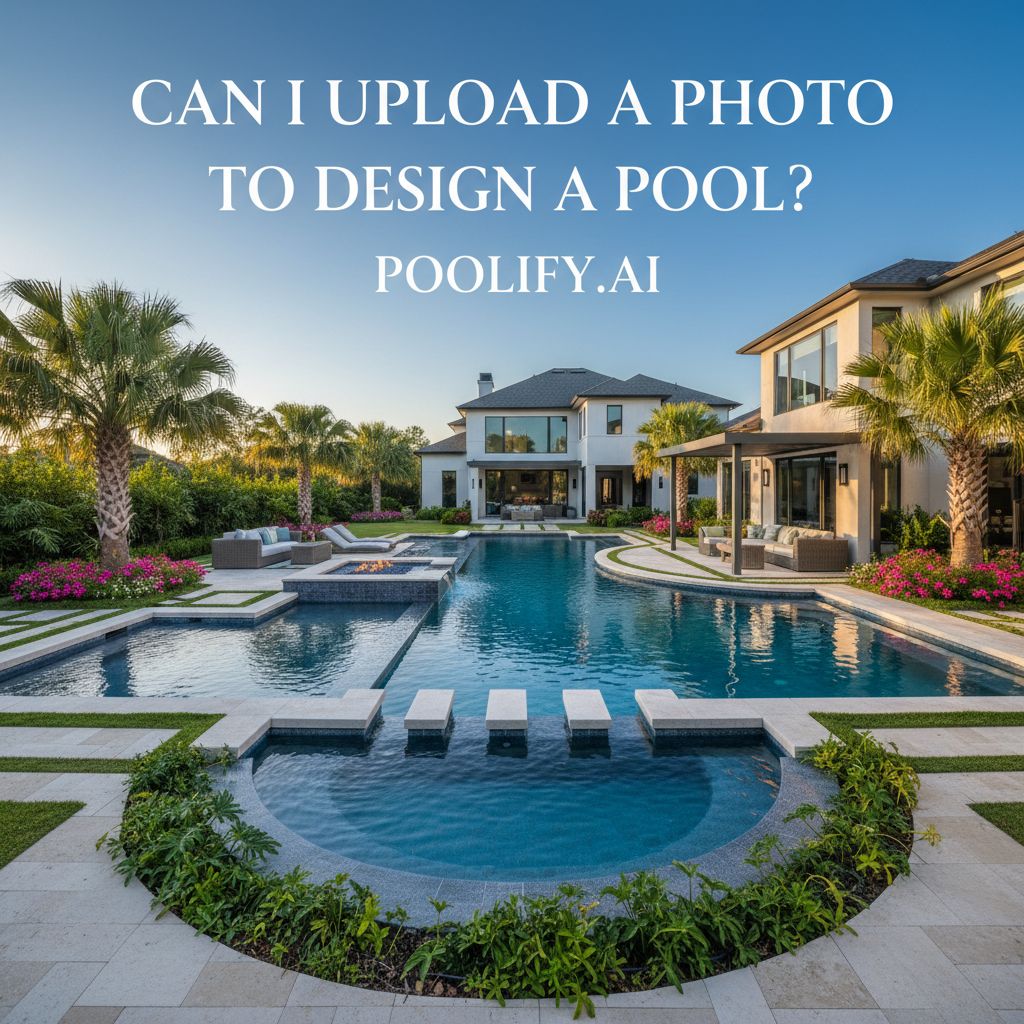
  • Can I Upload a Photo to Design a Pool?

    Yes, you can upload a photo of your backyard to design a pool, and this is one of the most effective ways to plan a pool before construction begins. Photo-based pool design allows you to see how a pool fits into your actual space instead of relying on generic templates or imagination.

    This guide explains how photo-based pool design works, why it is so helpful, and what to look for when using a tool that lets you upload a backyard photo.


    Why Uploading a Backyard Photo Matters

    Every backyard is different. Lot size, shape, slopes, and surrounding structures all affect how a pool will look and function.

    Uploading a photo helps you:

    • See realistic scale and proportions
    • Understand placement relative to the house
    • Identify space constraints early
    • Compare designs in real context
    • Avoid pools that feel too large or too small

    Seeing the pool in your own yard removes guesswork.


    How Photo-Based Pool Design Works

    Photo-based pool design tools use your backyard image as the foundation for visualization.

    Typical process

    • Take a clear photo of your backyard
    • Upload the image to a pool design tool
    • Generate pool layouts placed into the photo
    • Compare different sizes, shapes, and features

    This approach shows how design choices interact with real-world conditions.


    Photo-Based Design vs Template-Based Design

    Not all pool design tools offer photo uploads.

    Template-based design

    • Uses generic yard models
    • Limited sense of scale
    • Requires imagination
    • Less accurate for real properties

    Photo-based design

    • Uses your actual backyard
    • Shows true proportions
    • Makes layout decisions clearer
    • Reduces design uncertainty

    Photo-based visualization is especially valuable for small or irregular yards.


    What Makes a Good Backyard Photo

    The quality of the photo affects the quality of the design.

    Tips for better results

    • Take photos in good daylight
    • Capture as much of the yard as possible
    • Stand far enough back to show scale
    • Avoid extreme angles when possible

    Clear photos lead to more accurate visual results.


    What You Can Learn From Photo-Based Pool Design

    Uploading a backyard photo helps answer important questions early.

    Questions it helps resolve

    • Where should the pool be placed?
    • How much deck space remains?
    • Does the pool overwhelm the yard?
    • Which shape fits best?
    • Which features work in the space?

    These answers are difficult to get from drawings alone.


    Common Misunderstandings About Photo-Based Design

    “If it looks good, it’s ready to build”

    Photo-based designs are for planning, not construction.

    “The design will be exact”

    Visuals represent concepts, not final measurements.

    “One design is enough”

    Comparing multiple designs leads to better decisions.


    How AI Enhances Photo-Based Pool Design

    AI-powered tools take photo-based design further by generating multiple concepts automatically. Instead of manually testing layouts, homeowners can see a range of options quickly.

    Tools like Poolify focus on this early planning phase, allowing users to upload backyard photos and explore pool designs visually before contacting a builder or finalizing plans.


    When to Use Photo-Based Pool Design

    Uploading a photo is most useful:

    • At the very beginning of planning
    • Before talking to builders
    • When comparing pool sizes or shapes
    • When space feels limited or complex

    This step often reshapes expectations in a positive way.


    Key Takeaways

    • You can upload a photo to design a pool
    • Photo-based design shows realistic scale and placement
    • It reduces guesswork compared to templates
    • Multiple designs provide better insight
    • AI tools make photo-based planning faster and easier

    Uploading a backyard photo is one of the best ways to design a pool with confidence before construction begins.