Category: Pool Features & Add-Ons

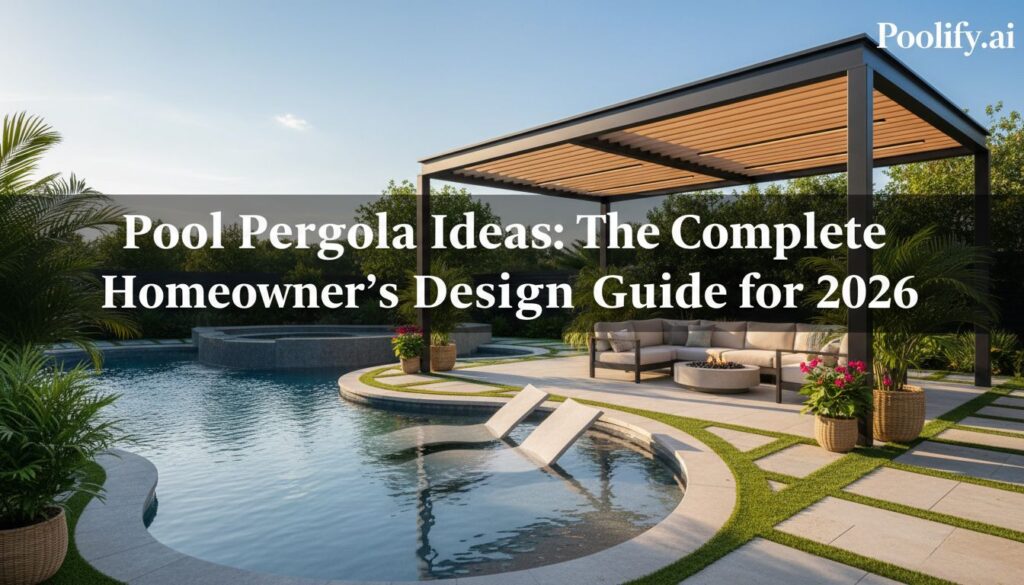
Pool features and add-ons transform a basic pool into a fully personalized outdoor experience. This category explores the wide range of enhancements that improve comfort, functionality, visual appeal, and usability. From subtle design upgrades to statement features, these additions allow homeowners to customize their pool to match how they plan to relax, entertain, and use their backyard space.

In this section, you’ll find content covering pool lighting, water features, tanning ledges, built-in seating, spas, automation systems, and other popular pool upgrades. Each feature is examined through both a design and planning lens, helping you understand how add-ons affect layout, construction complexity, and long-term enjoyment. These insights make it easier to prioritize features that deliver the most value for your specific goals.

Pool features also play a key role in how a pool integrates with surrounding outdoor living areas. Thoughtfully chosen add-ons can improve nighttime usability, enhance safety, create focal points, and connect the pool visually with patios, landscaping, and entertainment spaces. This category highlights design strategies that balance aesthetics with practical considerations like maintenance and operating costs.

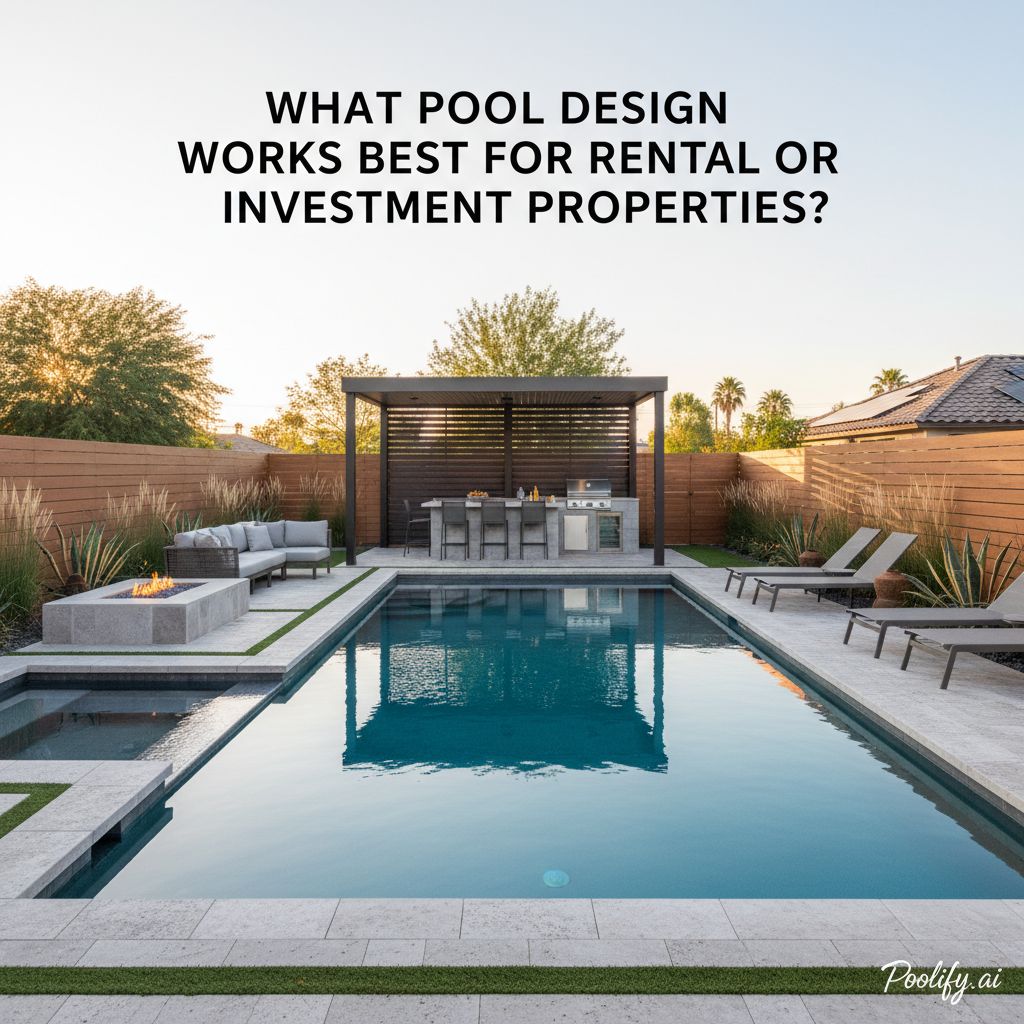
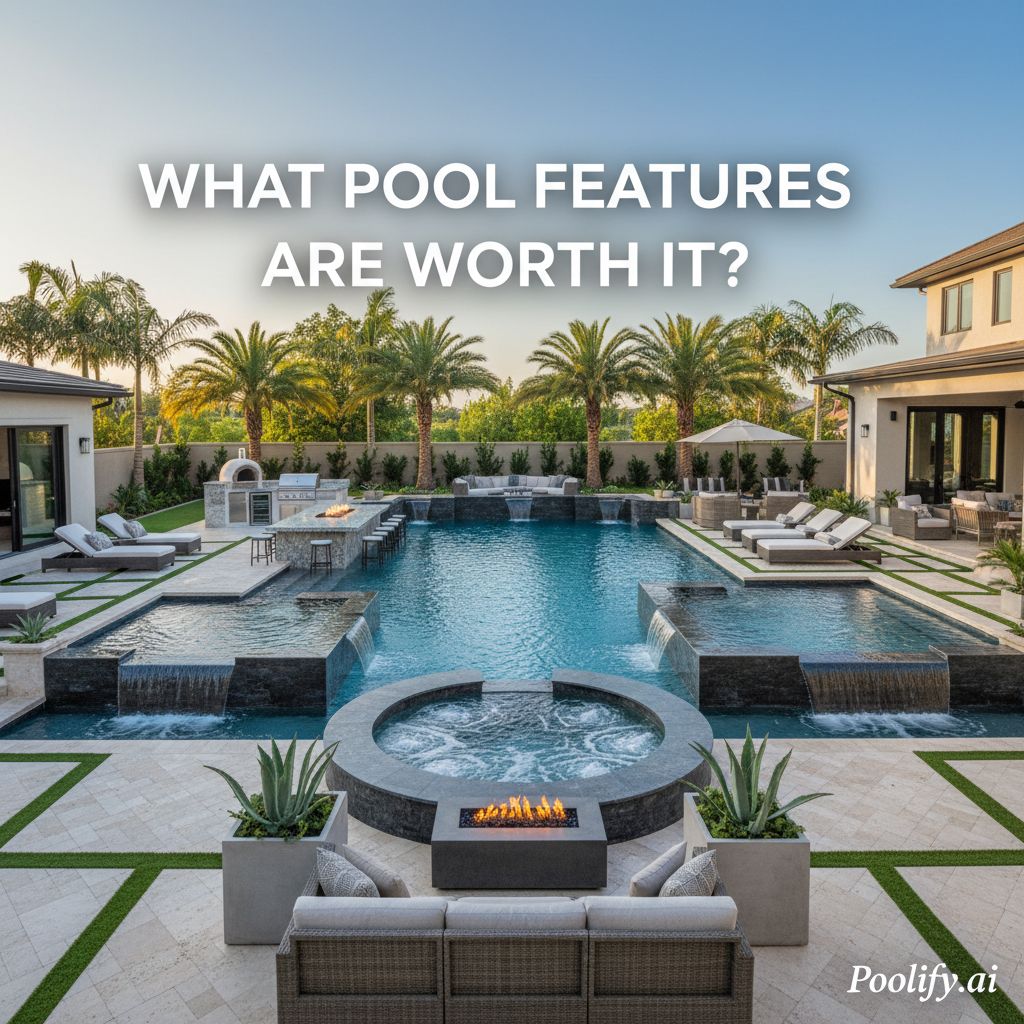
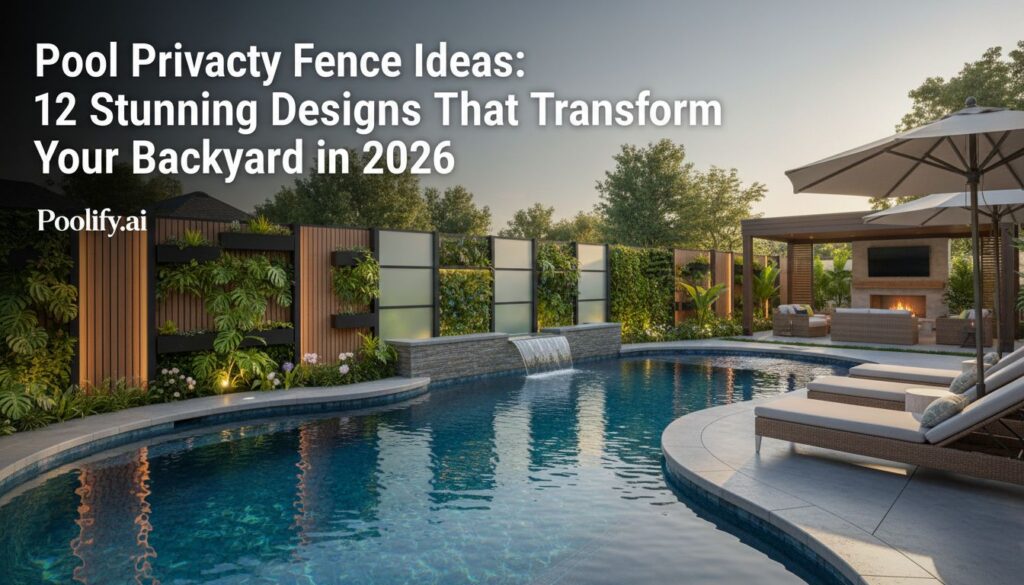
Many of the examples showcased here include AI-generated pool designs that demonstrate how different features look when applied to real backyard environments. These visual concepts help homeowners compare feature combinations and understand how upgrades impact the overall design before committing to construction.

Whether you’re deciding which features are essential or exploring optional upgrades to elevate your pool design, this category provides clear guidance and visual inspiration to support informed, confident decisions.

  • What Pool Design Works Best for Rental or Investment Properties?

    Designing a pool for a rental or investment property requires a different mindset than designing a personal backyard retreat. The goal is not personalization — it is broad appeal, durability, safety, and return on investment. The best designs attract renters, minimize maintenance, and reduce long-term risk.

    This guide explains what pool design works best for rental and investment properties, which features add value without increasing headaches, and what to avoid.


    Prioritize Broad Appeal Over Customization

    Rental pools should appeal to as many users as possible.

    Design principles for rentals

    • Simple, familiar layouts
    • Easy-to-understand entry points
    • Clear visibility and sightlines
    • Minimal learning curve for guests

    Avoid designs that require explanation or special use.


    Choose Simple, Durable Pool Shapes

    Simple shapes are easier to build, maintain, and repair.

    Best shapes for rental properties

    • Rectangular pools
    • Basic geometric designs
    • Straightforward depth profiles

    These shapes are intuitive and cost-effective.


    Keep Pool Size Moderate

    Oversized pools increase cost without proportional returns.

    Why moderate sizes work best

    • Lower construction cost
    • Reduced maintenance and heating expenses
    • Easier supervision
    • Less perceived liability

    A well-proportioned pool often feels more inviting than a massive one.


    Include Shallow, Multi-Use Areas

    Shallow areas increase usability for a wider range of guests.

    Valuable features for rentals

    • Shallow entry steps
    • Small tanning ledges
    • Built-in benches

    These features improve comfort without adding complexity.


    Avoid High-Maintenance Features

    Maintenance-heavy features reduce profitability.

    Features to avoid or limit

    • Large waterfalls
    • Complex water features
    • Highly specialized finishes
    • Custom automation systems that require training

    Simplicity keeps operating costs predictable.


    Focus on Safety and Visibility

    Safety is especially important in rental properties.

    Safety-oriented design choices

    • Clear sightlines across the pool
    • Gradual depth transitions
    • Non-slip surfaces
    • Defined shallow and deep zones

    Good design reduces risk and improves guest confidence.


    Design the Surrounding Space for Easy Use

    The pool area should feel intuitive.

    Layout considerations

    • Clear walking paths
    • Adequate deck space for seating
    • Minimal elevation changes
    • Easy access from the house

    Confusing layouts lead to misuse and wear.


    Think About Long-Term Maintenance

    Every design choice affects upkeep.

    Low-maintenance design strategies

    • Durable, neutral finishes
    • Standard equipment configurations
    • Minimal custom elements
    • Easy access to equipment areas

    Lower maintenance improves long-term ROI.


    Visualize the Pool as a Guest

    Viewing the pool from a renter’s perspective reveals issues early.

    Visualization helps you:

    • Identify confusing layouts
    • Confirm safe circulation
    • Balance pool and seating areas
    • Avoid overdesigning

    Early clarity reduces post-build corrections.


    How AI Pool Design Supports Investment Planning

    AI pool design tools allow property owners to compare layouts quickly and choose designs that balance appeal, cost, and simplicity.

    Tools like Poolify help investors visualize rental-friendly pool designs and make ROI-focused decisions before committing to construction.


    Common Rental Pool Design Mistakes

    Over-customization

    Unique designs can limit appeal.

    Overspending on features

    Luxury upgrades rarely increase rental income proportionally.

    Ignoring maintenance realities

    Designs that look great can be expensive to operate.


    Key Takeaways

    • Rental pools should prioritize simplicity and durability
    • Moderate sizes deliver better ROI
    • Shallow, intuitive layouts appeal to more guests
    • Low-maintenance features protect profitability
    • Visualization helps spot issues from a renter’s perspective

    A well-designed pool for a rental or investment property should feel easy, safe, and broadly appealing — delivering value without unnecessary complexity.

  • What Pool Features Are Worth It?

    Pool features can dramatically improve how a pool looks and functions, but not every feature adds real value. Some features enhance daily use and enjoyment, while others increase cost without delivering much long-term benefit.

    This guide explains which pool features are worth it, which ones to think carefully about, and how to choose features that match how you actually plan to use your pool.


    Start With How You Will Use the Pool

    Before choosing features, define how the pool will be used most often. Features should support behavior, not just appearance.

    Common usage priorities

    • Family recreation and kids
    • Entertaining guests
    • Relaxation and lounging
    • Exercise and lap swimming
    • Visual appeal and resale value

    Features that align with these goals tend to be worth the investment.


    Pool Features That Add Real Value

    These features are consistently useful and popular with homeowners.

    Tanning ledges and sun shelves

    Shallow ledges are ideal for lounging, kids, and socializing. They expand usable space without increasing overall pool size.

    Why they’re worth it

    • High daily use
    • Family-friendly
    • Visually appealing
    • Often improve resale appeal

    Built-in seating and benches

    Integrated seating creates natural gathering areas without needing extra furniture.

    Why they’re worth it

    • Encourages social use
    • Saves deck space
    • Simple, durable design

    Quality pool lighting

    Good lighting extends usability into the evening and improves safety.

    Why it’s worth it

    • Improves nighttime use
    • Enhances atmosphere
    • Increases visibility and safety

    Lighting is one of the most cost-effective upgrades.


    Simple water features

    Subtle water features add movement and sound without overwhelming the design.

    Examples

    • Sheer descents
    • Small scuppers
    • Bubblers on tanning ledges

    These features add ambiance without significant complexity.


    Features to Consider Carefully

    These features can be worthwhile, but only in the right context.

    Attached spas

    Spas add functionality, but they also add cost and complexity.

    Worth it if

    • You will use it regularly
    • Space allows proper integration
    • Budget can support the added expense

    Automation and smart controls

    Automation makes pool operation easier but may not be essential for every homeowner.

    Worth it if

    • You value convenience
    • You want simplified maintenance
    • You plan to use multiple features regularly

    Fire features

    Fire bowls and fire pits add visual impact but are mostly aesthetic.

    Worth it if

    • You entertain often
    • They fit the overall design
    • Budget allows for decorative upgrades

    Features That Often Add Cost Without Much Value

    Some features look appealing but provide limited long-term benefit.

    Overly complex water features

    Large waterfalls or elaborate features can dominate the design and increase maintenance.

    Excessive depth changes

    Multiple depth transitions reduce usable swim space and increase construction complexity.

    Trend-driven features

    Design trends change quickly, but pools are permanent.


    How Pool Features Affect Cost and Layout

    Every feature affects more than just appearance.

    Feature impacts to consider

    • Increased construction cost
    • More plumbing and electrical systems
    • Higher maintenance requirements
    • Reduced usable swim space
    • Longer build timelines

    Choosing fewer, well-placed features often leads to a better overall pool.


    Visualizing Features Before You Commit

    Features are easier to evaluate when you can see them in context. Visualizing different feature combinations helps identify what enhances the pool and what feels unnecessary.

    Seeing features in your actual backyard often changes priorities and prevents overspending.


    How AI Pool Design Helps With Feature Selection

    AI pool design tools allow homeowners to explore feature combinations visually before committing. By comparing designs with and without certain features, it becomes clear which upgrades truly improve the pool experience.

    Tools like Poolify focus on this early planning stage, helping homeowners test feature ideas and make confident decisions before construction begins.


    Key Takeaways

    • The best pool features support how you plan to use the pool
    • Tanning ledges, seating, and lighting provide consistent value
    • Some features should be chosen carefully based on space and budget
    • Overly complex or trend-driven features often disappoint
    • Visualizing features early prevents regret and overspending

    Choosing the right pool features is about balance. Focus on usability, simplicity, and long-term enjoyment rather than adding everything at once.