Category: Pool Types & Structures

Choosing the right pool type and structural design is one of the most important decisions in any pool project. This category focuses on the different pool types, construction methods, and structural options available to homeowners, helping you understand how each choice affects cost, durability, maintenance, and overall appearance. By comparing pool structures side by side, you can select an option that aligns with your backyard conditions, lifestyle, and long-term goals.

Within this section, you’ll find detailed content covering inground pools, above ground pools, plunge pools, lap pools, infinity pools, and other specialized designs. These posts explain how various pool structures differ in installation process, materials used, design flexibility, and lifespan. Understanding these differences early helps avoid mismatched expectations and ensures your chosen pool type is realistic for your property.

Pool structures also influence design freedom. Some pool types allow for more customization in shape, depth, and integrated features, while others prioritize faster installation or lower upfront costs. This category breaks down those tradeoffs clearly so homeowners can weigh visual appeal against practicality and budget considerations.

Many of the pool type examples in this category are paired with AI-generated design concepts that show how different structures look when applied to real backyards. These visual comparisons help translate technical information into tangible design outcomes, making it easier to visualize how each pool type would function in your space.

If you’re comparing options or trying to determine which pool structure makes the most sense for your project, this category serves as a clear, educational resource to guide your decision before moving into detailed design or construction planning.

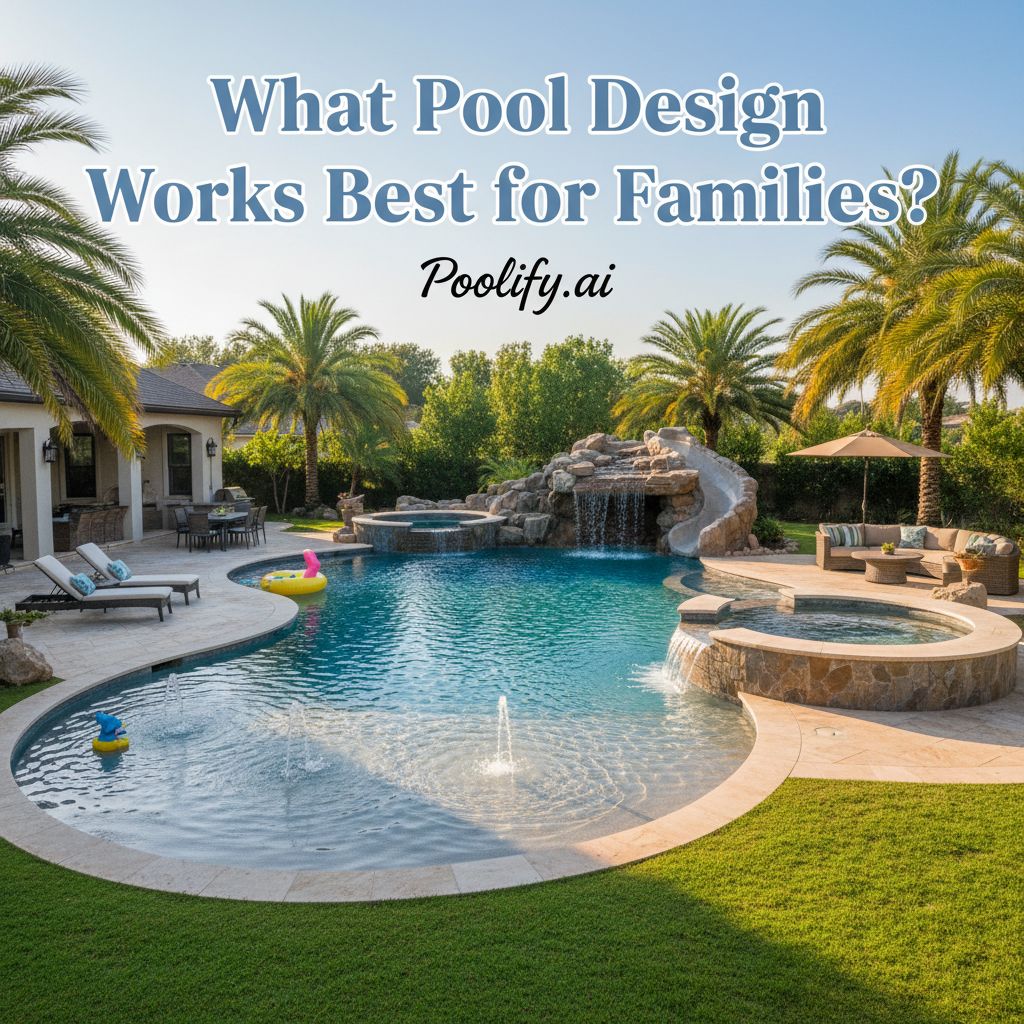
  • What Pool Design Works Best for Families?

    A family-friendly pool design focuses on safety, versatility, and long-term usability. The best designs accommodate different ages and activities while remaining easy to supervise and enjoyable as children grow.

    This guide explains what pool design works best for families, which features provide everyday value, and how to avoid layouts that create safety or usability issues.


    Prioritize Safety in the Layout

    Safety starts with design, not accessories.

    Layout choices that improve safety

    • Clear sightlines from the house and patio
    • Gradual depth transitions
    • Defined shallow and deep areas
    • Wide, slip-resistant entry points

    Designs that allow easy supervision reduce risk and stress.


    Include Generous Shallow Areas

    Shallow water is essential for families.

    Tanning ledges and shallow shelves

    These areas provide safe play space for young children and comfortable lounging for adults.

    Why they work

    • Versatile for all ages
    • Encourage social interaction
    • Reduce crowding in deeper areas

    Choose Pool Shapes That Support Supervision

    Simple shapes make it easier to monitor activity.

    Best shapes for families

    • Rectangular or geometric pools for clear visibility
    • L-shaped pools to separate play and relaxation zones

    Avoid shapes with hidden corners that obstruct views.


    Balance Pool Size With Yard Usability

    Families need space beyond the pool.

    Design considerations

    • Leave room for play and seating
    • Maintain clear walking paths
    • Avoid oversized pools that dominate the yard

    A balanced layout supports multiple activities at once.


    Add Built-In Seating and Rest Areas

    Built-in benches and steps provide safe places to rest.

    Benefits

    • Reduce fatigue for younger swimmers
    • Provide supervision spots for adults
    • Limit the need for extra furniture

    These elements improve comfort and usability.


    Plan for How Needs Will Change

    A family pool should evolve with time.

    Forward-thinking choices

    • Moderate depths that remain useful as kids grow
    • Flexible layouts that support different activities
    • Timeless shapes that age well

    Avoid designs that only work for one life stage.


    Consider Maintenance and Upkeep

    Families benefit from designs that are easy to maintain.

    Low-maintenance design choices

    • Simple shapes
    • Durable finishes
    • Minimal complex features

    Lower maintenance keeps the pool enjoyable rather than burdensome.


    Visualize Family Use Before Building

    Imagining daily use is easier when designs are visual.

    Visualization helps you:

    • Confirm safe zones
    • Identify supervision issues
    • Adjust layout before construction
    • Balance play and relaxation spaces

    Seeing the pool in context often leads to better family-focused decisions.


    How AI Pool Design Helps Family Planning

    AI pool design tools allow families to explore multiple layouts and see how each supports different activities and age groups.

    Tools like Poolify focus on early planning, helping homeowners visualize family-friendly designs and choose layouts that work today and in the future.


    Common Family Pool Design Mistakes

    Too much deep water

    This limits use for younger swimmers.

    Poor visibility

    Hidden corners make supervision harder.

    Overcomplicated features

    Complex layouts increase risk and reduce usability.


    Key Takeaways

    • Family pools should prioritize safety and visibility
    • Shallow areas add versatility for all ages
    • Simple shapes support supervision
    • Balanced layouts leave room for play and seating
    • Visualization helps identify safety issues early

    A well-designed family pool creates a space that feels safe, flexible, and enjoyable for everyone, from young children to adults, for years to come.

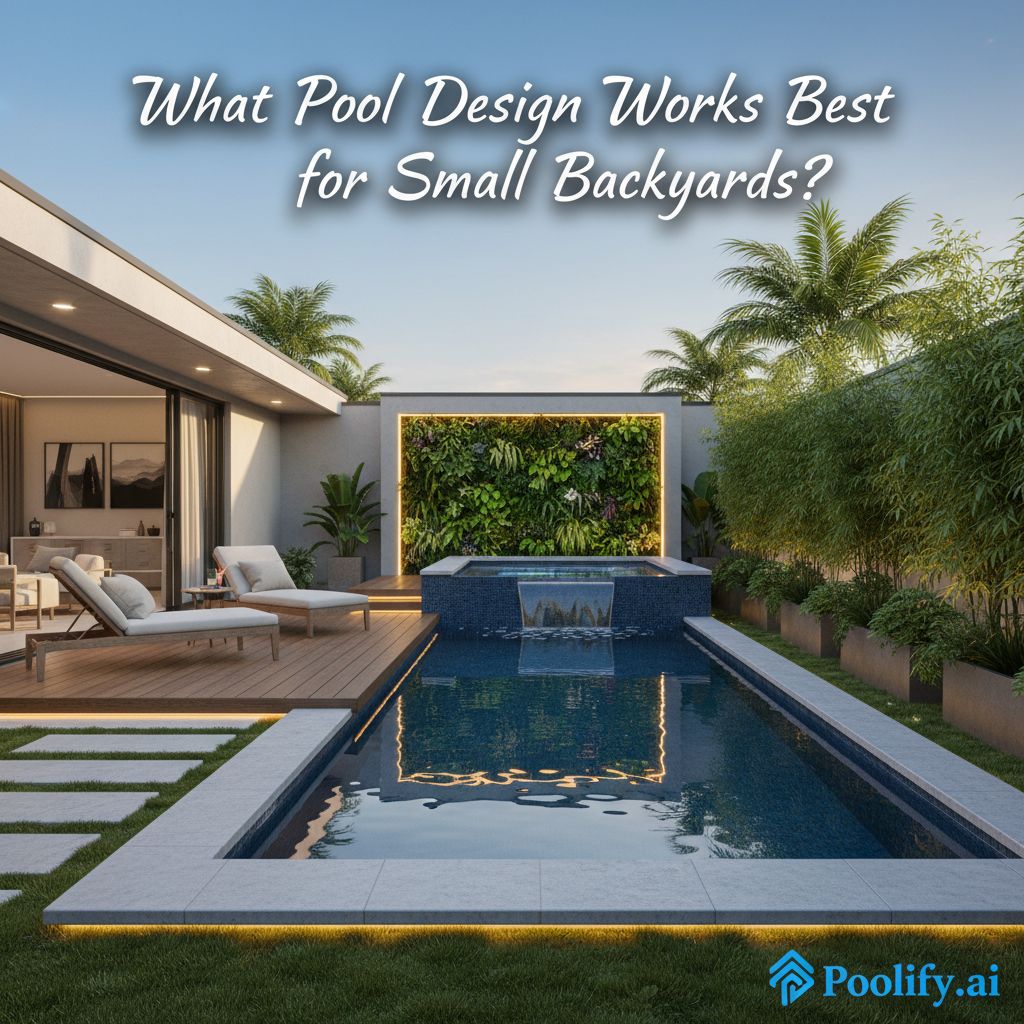
  • What Pool Design Works Best for Small Backyards?

    Designing a pool for a small backyard is absolutely possible, but it requires thoughtful planning. The most successful small-yard pools focus on proportion, placement, and usability rather than size alone. When done well, a small pool can feel intentional, luxurious, and highly functional.

    This guide explains what pool design works best for small backyards, which layouts maximize space, and how to avoid common mistakes that make small yards feel cramped.


    Start by Redefining What “Small” Means

    A small backyard does not mean a small opportunity. Many compact spaces can support a pool if the design is efficient.

    What matters more than yard size

    • Usable space after setbacks
    • Yard shape and proportions
    • Relationship to the house and patio
    • How the pool will be used

    Designing for function first leads to better outcomes in limited spaces.


    Choose Pool Shapes That Maximize Space

    In small backyards, shape matters more than square footage.

    Rectangular and geometric pools

    Straight-edged pools use space efficiently and align well with patios and homes.

    Why they work

    • Clean lines
    • Easy integration with decks
    • Minimal wasted space

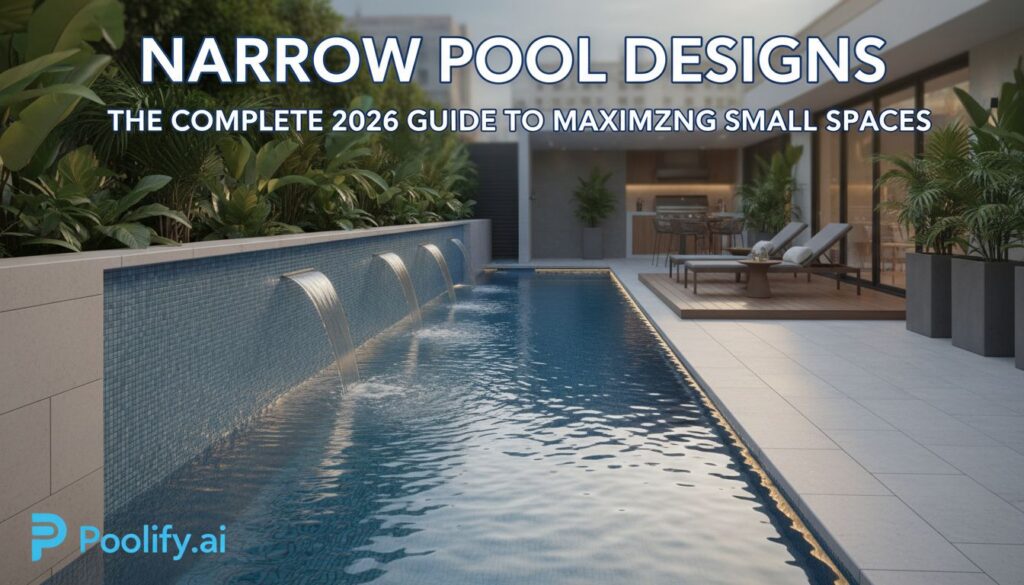
    Narrow and lap-style pools

    Long, narrow pools fit well in tight or side-yard layouts.

    Benefits

    • Strong visual impact
    • Efficient footprint
    • Ideal for exercise and cooling off

    Plunge pools

    Plunge pools prioritize relaxation over swimming distance.

    Best for

    • Very small yards
    • Courtyards
    • Urban properties

    A plunge pool can deliver the pool experience without overwhelming the yard.


    Keep Pool Size Proportional

    In small yards, an oversized pool creates problems.

    Signs a pool is too large

    • Limited deck or seating space
    • Difficult circulation around the pool
    • Little room for landscaping
    • Visual imbalance

    A smaller pool with better spacing often feels more comfortable and upscale.


    Prioritize Multi-Use Features

    Features should serve more than one purpose in a small backyard.

    Features that work well

    • Tanning ledges that double as seating
    • Built-in benches instead of furniture
    • Simple water features for ambiance
    • Integrated steps that save space

    Avoid features that consume space without adding daily value.


    Simplify the Surrounding Space

    The area around the pool is just as important as the pool itself.

    Smart layout strategies

    • Combine pool and patio areas
    • Use consistent materials to reduce visual clutter
    • Keep circulation paths clear
    • Minimize unnecessary level changes

    Simplicity helps small spaces feel larger.


    Use Visual Tricks to Make the Yard Feel Bigger

    Design can influence perception.

    Techniques that help

    • Align pool edges with the house
    • Use lighter finishes
    • Keep shapes simple
    • Maintain clear sightlines

    A visually calm design makes the entire yard feel more open.


    Visualize the Pool Before Building

    Small backyards leave little margin for error. Visualization is especially important when space is limited.

    Seeing the pool in your actual backyard helps you:

    • Confirm proportions
    • Test placement options
    • Balance pool and deck space
    • Avoid overcrowding

    This step often leads homeowners to refine designs significantly.


    How AI Pool Design Helps in Small Spaces

    AI pool design tools allow homeowners to test multiple layouts quickly and see what works best in limited space.

    Tools like Poolify focus on early planning, making it easier to explore compact pool designs and choose layouts that maximize usability without overwhelming the yard.


    Common Small-Backyard Pool Mistakes

    Oversizing the pool

    This leaves no room to enjoy the rest of the yard.

    Overcomplicating the design

    Complex shapes and features reduce usable space.

    Ignoring circulation

    Tight walkways make the area feel cramped.


    Key Takeaways

    • Small backyards can support great pool designs
    • Rectangular, narrow, and plunge pools work best
    • Proportional sizing is critical
    • Multi-use features maximize usability
    • Visualization prevents costly mistakes

    A well-designed pool in a small backyard can feel intentional, functional, and surprisingly spacious when planned thoughtfully from the start.

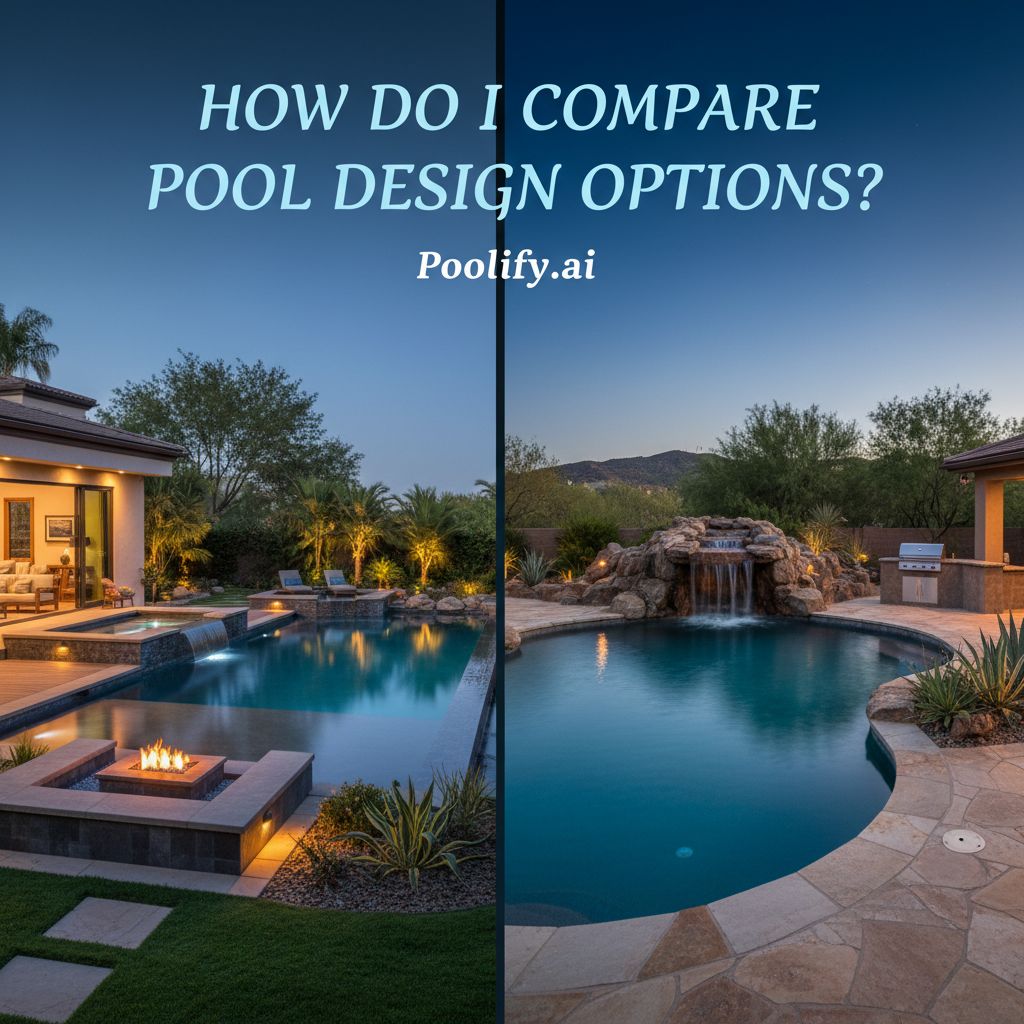
  • How Do I Compare Pool Design Options?

    Comparing pool design options is one of the most important steps in planning a pool. Many homeowners see one design and assume it is “good enough,” only to realize later that another layout would have worked better for their space, budget, or lifestyle.

    This guide explains how to compare pool design options effectively, what factors matter most, and how to avoid locking into the wrong design too early.


    Why Comparing Pool Designs Matters

    Pools are permanent. Once built, changing the size, shape, or placement is difficult and expensive.

    Comparing multiple designs helps you:

    • Understand tradeoffs between layouts
    • Avoid oversizing or poor placement
    • Balance pool space with deck and landscaping
    • Choose features intentionally
    • Feel confident before construction begins

    Seeing only one option limits perspective.


    Start With the Same Backyard Context

    To compare designs fairly, each option should be evaluated in the same context.

    What should stay consistent

    • The same backyard photo or site layout
    • Similar viewing angles
    • Comparable scale and proportions
    • The same surrounding features

    Changing context between designs makes comparisons unreliable.


    Compare Pool Size First

    Pool size affects nearly every aspect of the project.

    Questions to ask

    • Does the pool feel too large or too small?
    • How much usable yard space remains?
    • Is there enough deck and circulation space?
    • Does the pool overwhelm the house or yard?

    Often, the “right” size becomes obvious when designs are viewed side by side.


    Compare Pool Shape and Layout

    Shape determines how the pool interacts with the space.

    Layout factors to evaluate

    • How the pool aligns with the house
    • Flow between the pool and outdoor living areas
    • Sightlines from windows and patios
    • Ease of movement around the pool

    Some shapes look appealing in isolation but feel awkward once placed in context.


    Compare Features Intentionally

    Features should be evaluated as part of the whole design, not individually.

    Feature questions to consider

    • Does the feature improve daily use?
    • Does it reduce usable swim space?
    • Does it increase maintenance or cost?
    • Would you miss it if it were removed?

    Comparing designs with and without certain features often clarifies priorities.


    Compare Cost Implications Early

    Design options can look similar but have very different cost implications.

    Design elements that affect cost

    • Pool size and depth
    • Shape complexity
    • Number of features
    • Site constraints
    • Decking and hardscape area

    Comparing designs with cost in mind prevents surprises later.


    Avoid Comparing Too Many Options at Once

    While comparison is valuable, too many options can create confusion.

    Best practice

    • Start with 3 to 5 design options
    • Narrow to 2 strong candidates
    • Refine the final choice

    Focused comparison leads to clearer decisions.


    Why Visual Comparison Works Best

    Written descriptions and measurements are hard to interpret. Visual comparison reveals differences quickly.

    Seeing multiple designs side by side helps you:

    • Identify which layout feels balanced
    • Spot crowding or wasted space
    • Understand how features interact
    • Make decisions with confidence

    Visualization turns abstract choices into concrete ones.


    How AI Pool Design Helps With Comparison

    AI pool design tools are well-suited for comparing options. Instead of manually creating each layout, AI can generate multiple design concepts using the same backyard image.

    Tools like Poolify focus on helping homeowners compare pool designs visually, making it easier to choose the best option before committing to construction or a builder.


    Common Comparison Mistakes to Avoid

    Comparing designs in isolation

    Always view designs in the same context.

    Focusing only on appearance

    Usability and flow matter just as much.

    Ignoring future use

    Think beyond the first season.

    Choosing too quickly

    Take time to evaluate tradeoffs.


    Key Takeaways

    • Comparing pool design options leads to better outcomes
    • Keep context consistent when evaluating designs
    • Compare size, shape, features, and cost together
    • Visual comparison makes differences clear
    • AI tools simplify side-by-side evaluation

    Comparing pool designs thoughtfully helps ensure the final choice fits your backyard, your budget, and how you plan to use the pool for years to come.

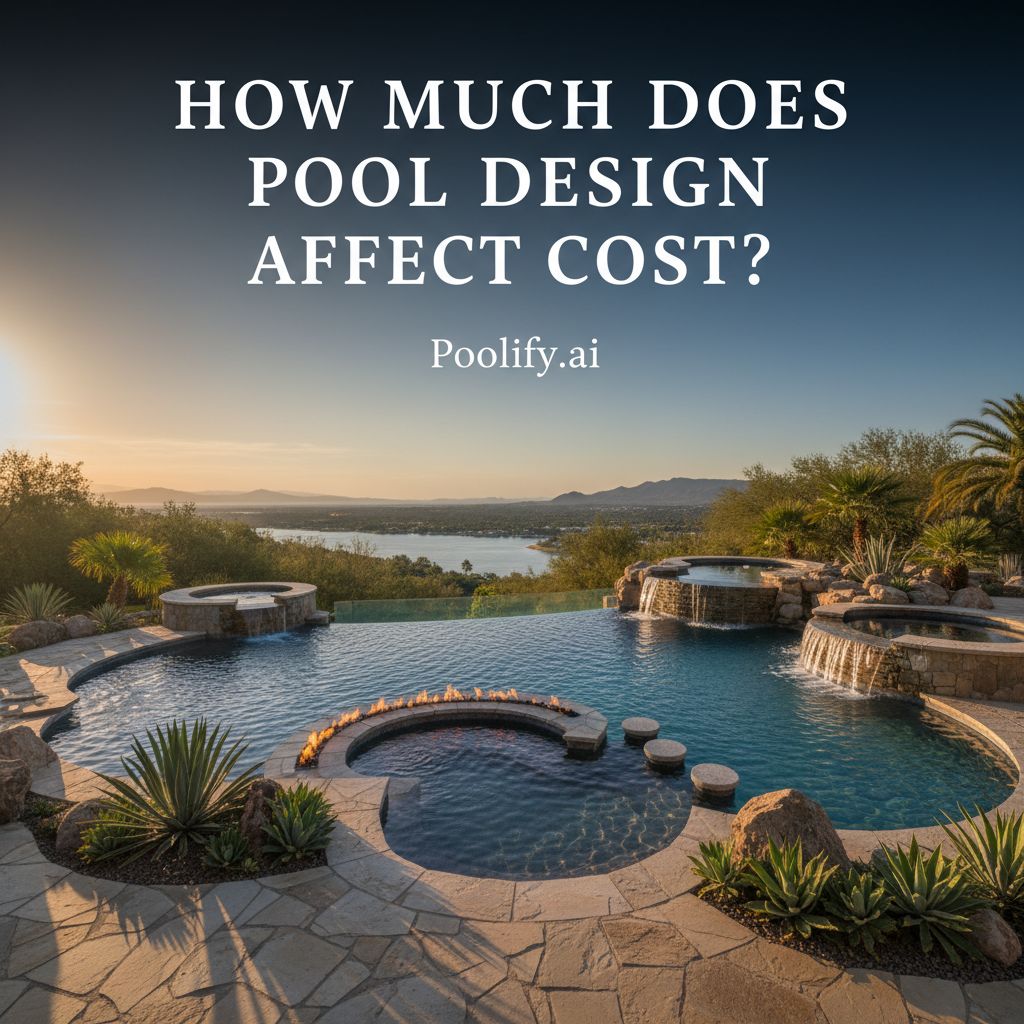
  • How Much Does Pool Design Affect Cost?

    Pool design plays a major role in how much a swimming pool costs. Many homeowners focus on size alone, but design choices such as shape, features, layout, and site conditions often have a bigger impact on the final price than square footage.

    This guide explains how pool design affects cost, which design decisions increase or reduce expenses, and how planning early helps you stay within budget without sacrificing what matters most.


    Why Pool Design and Cost Are Closely Linked

    Every design choice influences materials, labor, and construction complexity. Once a design is finalized, costs become harder to control.

    Design affects:

    • Excavation and site preparation
    • Structural complexity
    • Plumbing and electrical systems
    • Finishes and features
    • Long-term maintenance and operating costs

    Smart design decisions made early can save thousands of dollars later.


    Pool Size and Cost

    Larger pools generally cost more, but size is not the only factor.

    How size impacts cost

    • More excavation and material
    • Larger structural shell
    • Increased water volume
    • Bigger pumps, filters, and heaters
    • Higher ongoing energy and maintenance costs

    A slightly smaller pool with better proportions often delivers more value than a larger pool that dominates the yard.


    Pool Shape and Complexity

    Simple shapes are typically more affordable than complex designs.

    Lower-cost design choices

    • Rectangular or simple geometric shapes
    • Straight walls and standard depths
    • Minimal curves

    Higher-cost design choices

    • Freeform or custom shapes
    • Multiple depth changes
    • Curves and irregular geometry

    Complex shapes require more labor, precision, and materials, which increases cost.


    Pool Features That Increase Cost

    Features add functionality and visual appeal, but they also increase construction and operating costs.

    Common cost-driving features

    • Attached spas
    • Tanning ledges and sun shelves
    • Infinity or vanishing edges
    • Waterfalls and water features
    • Custom tile and finishes
    • Advanced lighting systems

    Features should be chosen intentionally. Adding everything at once often pushes projects beyond budget.


    Site Conditions and Layout

    The backyard itself can significantly affect pool cost.

    Site-related cost factors

    • Sloped or uneven terrain
    • Poor soil conditions
    • Limited access for equipment
    • Retaining walls or structural support
    • Relocation of utilities

    A design that works with the site instead of against it is usually more cost-effective.


    Decking and Surrounding Space

    The pool is only part of the total project cost. Decking and hardscape often represent a large portion of the budget.

    Deck-related considerations

    • Size of the deck area
    • Material choice
    • Elevation changes
    • Integration with existing patios

    Designing the pool and deck together helps balance cost and usability.


    How Early Design Decisions Save Money

    Many cost overruns happen when design decisions are made late in the process.

    Designing early allows you to:

    • Compare multiple layouts
    • Understand tradeoffs before committing
    • Remove unnecessary features
    • Align design with budget expectations
    • Avoid expensive mid-construction changes

    Early planning is one of the most effective ways to control cost.


    Visualizing Cost-Driven Design Choices

    It is difficult to understand how design decisions affect cost without seeing them. Visualizing different layouts helps homeowners identify which elements add value and which ones can be simplified.

    Seeing options side by side often reveals that simpler designs feel just as appealing and function just as well.


    How AI Pool Design Helps With Budget Planning

    AI pool design tools allow homeowners to explore different design options quickly. By visualizing multiple layouts, sizes, and feature combinations, it becomes easier to identify a design that fits both the yard and the budget.

    Tools like Poolify focus on this early planning stage, helping homeowners understand how design choices affect cost before construction begins.


    Common Cost-Related Design Mistakes

    Designing without a budget range

    This leads to unrealistic expectations and redesigns.

    Overloading features

    More features increase cost without always increasing enjoyment.

    Ignoring site constraints

    Designs that fight the yard often cost more to build.

    Making changes late

    Late changes are among the most expensive mistakes.


    Key Takeaways

    • Pool design has a direct impact on total project cost
    • Size, shape, and features influence construction and maintenance expenses
    • Site conditions play a major role in pricing
    • Early design decisions help control budget
    • Visualizing options makes cost tradeoffs clearer

    Understanding how pool design affects cost allows you to make informed decisions and avoid surprises before construction ever begins.

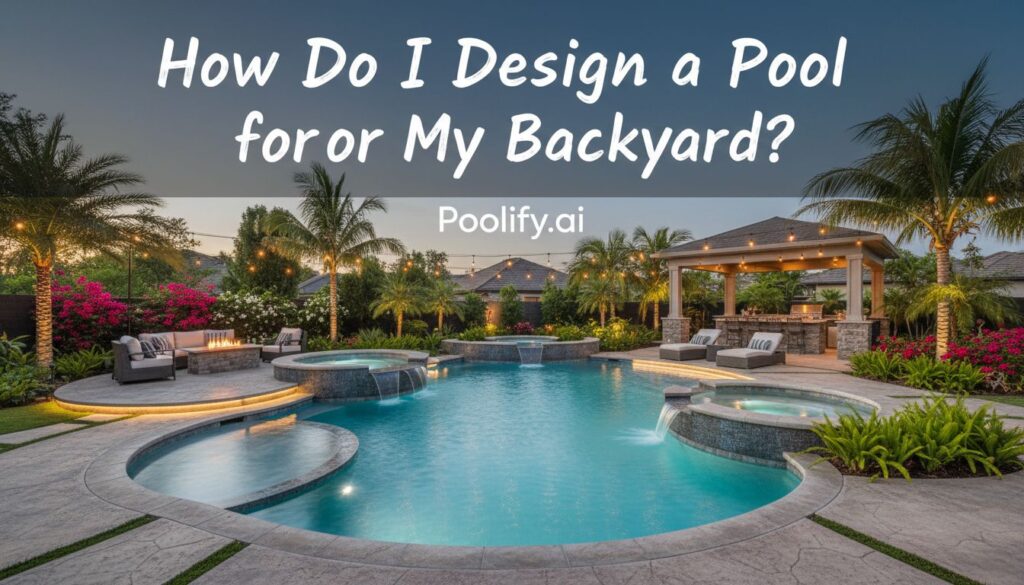
  • How Do I Design a Pool for My Backyard?

    Designing a pool for your backyard is not just about picking a shape you like. The design stage determines how usable the pool will be, how much it costs, how well it fits your property, and whether you regret decisions later. Most costly pool mistakes happen before construction ever begins.

    This guide walks through how to design a pool for your backyard step by step, what to think about before calling a builder, and how modern visualization tools make this process far easier than it used to be.


    Start With Your Backyard, Not the Pool

    A common mistake is starting with a pool style instead of starting with the yard itself. Every backyard has constraints that should drive the design.

    Key site factors to evaluate

    • Total usable space (not just lot size)
    • Yard shape and setbacks
    • Elevation changes or slopes
    • Existing patios, decks, or structures
    • Privacy and sightlines from neighbors
    • Sun exposure throughout the day

    A pool that looks great online may not work in your yard. The goal of early pool design is to fit the pool to the property, not force the property to fit the pool.


    Decide How You Want to Use the Pool

    Before thinking about materials or finishes, define how the pool will actually be used. This single step eliminates many bad design choices.

    Common pool use cases

    • Family recreation and kids
    • Entertaining guests
    • Relaxation and lounging
    • Exercise or lap swimming
    • Visual appeal and resale value

    A family pool often prioritizes shallow areas and safety. An entertaining pool prioritizes seating, tanning ledges, and visual flow. An exercise pool may be long, narrow, and simple.

    Design follows function.


    Choose a Pool Size That Fits the Space

    Many homeowners ask, “How big of a pool can fit in my backyard?” The better question is how big the pool should be.

    Pool size considerations

    • Walkways and deck space matter as much as water
    • Oversized pools reduce usable yard space
    • Smaller pools are often cheaper to build and maintain
    • Shape can matter more than total square footage

    A well-designed small pool often feels more intentional and luxurious than a large pool that overwhelms the yard.


    Select a Pool Shape That Matches the Yard

    Pool shape should respond to the geometry of the space.

    Common pool shapes and when they work best

    • Rectangular pools work well in modern, structured yards
    • Freeform pools suit organic landscapes and curves
    • L-shaped pools fit around patios or homes
    • Narrow lap pools work in tight or urban yards

    There is no universally “best” pool shape. The best shape is the one that complements the property layout.


    Decide on Pool Features Early

    Features affect cost, layout, and construction complexity. Adding them later is often expensive or impossible.

    Popular pool features to consider

    • Tanning ledges or sun shelves
    • Built-in seating or benches
    • Attached spa or hot tub
    • Water features like sheer descents
    • Lighting for nighttime use

    Each feature should serve a purpose. Features that look appealing but aren’t used often add cost without real value.


    Understand How Pool Design Affects Cost

    Pool cost is not just about size. Design decisions directly influence the final price.

    Design elements that increase cost

    • Complex shapes and curves
    • Elevated walls or infinity edges
    • Integrated spas
    • Custom finishes and tile work
    • Significant excavation or retaining walls

    Designing with cost in mind early allows you to prioritize what matters most and avoid redesigns later.


    Visualize the Pool Before You Build

    One of the hardest parts of pool design is imagining how everything will look together. Traditional methods rely on sketches or static renderings, which leave room for misunderstanding.

    Modern tools allow homeowners to visualize a pool directly in their backyard before committing to construction. Seeing multiple layout options makes it easier to compare sizes, shapes, and features without guesswork.

    This step alone can prevent thousands of dollars in design changes later.


    Design the Pool Before Contacting a Builder

    Many homeowners assume builders handle design automatically. In reality, builders often start with templates or standardized layouts.

    Designing your pool first allows you to:

    • Enter conversations informed
    • Compare builders more objectively
    • Avoid being upsold on unnecessary features
    • Move faster once construction begins

    Having a clear design concept puts you in control of the process.


    Common Pool Design Mistakes to Avoid

    Skipping visualization

    Not seeing the pool in context leads to scale and placement mistakes.

    Ignoring deck and circulation space

    Pools need room around them to function well.

    Overloading features

    More features do not always equal better usability.

    Designing without budget awareness

    Late-stage changes are expensive.


    How an AI Pool Design App Helps

    AI-based pool design tools make early planning faster and more accessible. Instead of guessing, homeowners can generate multiple design concepts, compare layouts, and understand spatial tradeoffs visually.

    Tools like Poolify are designed specifically for this pre-construction phase, allowing you to explore options before committing to a builder or final design.


    Key Takeaways

    • Pool design should start with your backyard, not a style
    • Define how you plan to use the pool before choosing features
    • Size and shape should fit the space, not overwhelm it
    • Early design decisions directly impact cost
    • Visualizing the pool before building prevents costly mistakes
    • Designing first gives you more control when working with builders