
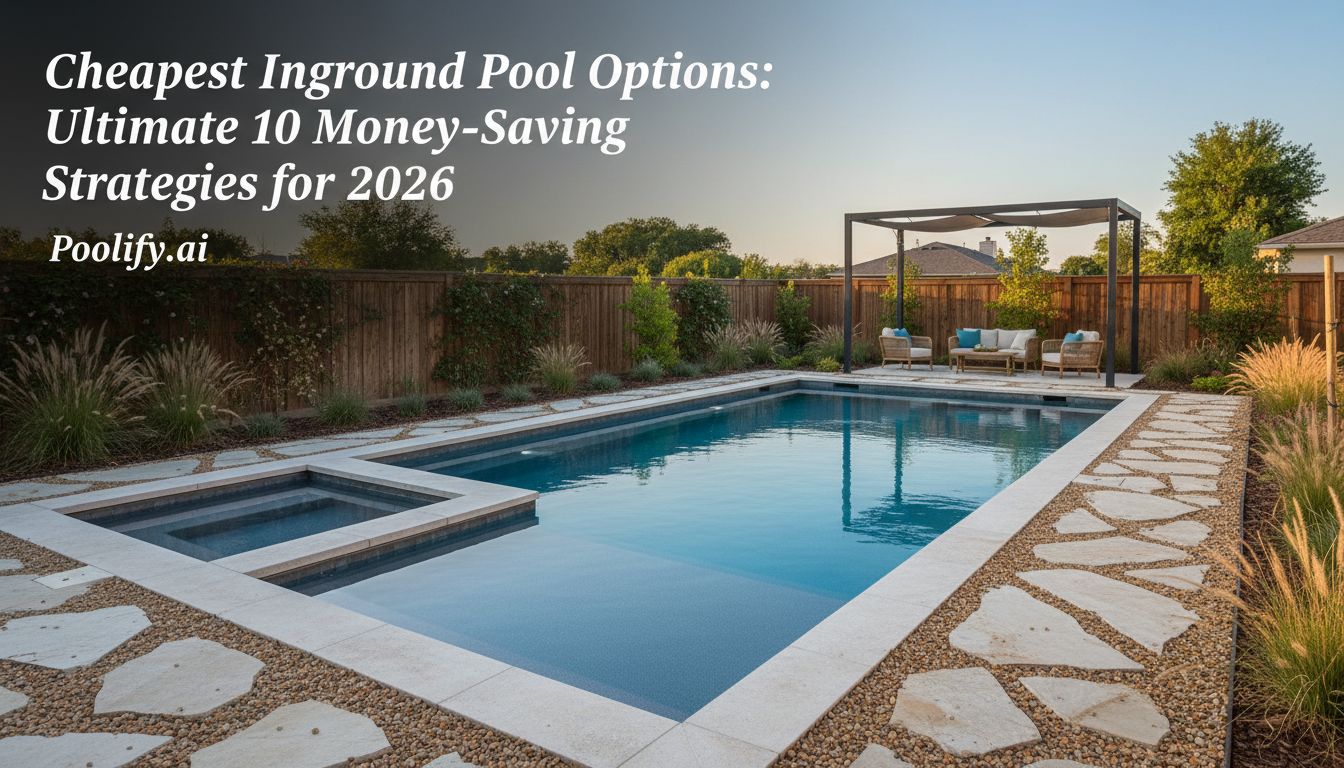
Finding Affordable Inground Pool Solutions in 2026
Installing an inground pool doesn’t have to drain your savings account. The cheapest inground pool options available in 2026 offer homeowners the opportunity to enjoy a backyard oasis without breaking the bank. With strategic planning, material selection, and smart timing decisions, you can reduce your pool installation costs by 30-50% compared to premium options. This comprehensive guide reveals expert strategies for identifying the most cost-effective inground pool solutions while maintaining quality and longevity.
The pool industry has evolved significantly, introducing innovative materials and installation methods that make inground pools more accessible than ever. Understanding which pool types, sizes, and features deliver the best value helps you maximize your investment while creating a stunning outdoor space for your family.
Understanding the Three Main Types of Cheapest Inground Pool Options
When evaluating the cheapest inground pool options, three primary materials dominate the market: vinyl liner, fiberglass, and concrete. Each offers distinct advantages and cost considerations that significantly impact your initial investment and long-term expenses.
Vinyl Liner Pools: The Most Budget-Friendly Choice
Vinyl liner pools consistently rank as the cheapest inground pool options for initial installation. These pools feature a custom-made vinyl liner stretched over a structural frame, typically constructed from steel, aluminum, or polymer walls. The average vinyl liner pool costs between $25,000 and $45,000 for a standard 14×28 foot installation in 2026.
The affordability stems from simplified installation processes and lower material costs. Vinyl liners come in numerous patterns and colors, allowing customization without premium pricing. However, liners require replacement every 7-10 years at approximately $4,000-$5,000, which factors into long-term ownership costs.
Modern vinyl technology has dramatically improved durability and puncture resistance. Today’s liners feature UV protection and antimicrobial treatments that extend lifespan and reduce maintenance demands. For homeowners prioritizing upfront affordability, vinyl liner pools represent the most accessible entry point into inground pool ownership.
Fiberglass Pools: Balancing Cost and Convenience
Fiberglass pools occupy the middle ground among the cheapest inground pool options, with installation costs ranging from $40,000 to $65,000 in 2026. These pre-manufactured shells arrive at your property ready for installation, significantly reducing construction time to just 3-5 days compared to several weeks for other pool types.
The smooth, non-porous surface requires fewer chemicals and less frequent cleaning, generating substantial savings over time. According to the Department of Energy’s pool efficiency guidelines, fiberglass pools can reduce chemical costs by 30-40% annually compared to concrete alternatives.
While fiberglass pools cost more initially than vinyl options, their durability and low maintenance requirements often result in lower lifetime costs. The shells resist algae growth naturally and rarely need resurfacing, eliminating a major expense associated with concrete pools.
Concrete Pools: Affordable Through Smart Design
Concrete pools typically represent the most expensive option, but strategic design choices can position them among the cheapest inground pool options. Simple rectangular designs without elaborate features cost $50,000-$80,000 in 2026, while complex custom shapes easily exceed $100,000.
Concrete’s primary advantage lies in complete customization freedom. You can create any shape, depth, or size within your budget constraints. For homeowners with unusual yard configurations or specific design visions, concrete offers flexibility that pre-manufactured options cannot match.
The trade-off involves higher maintenance costs and periodic resurfacing every 10-15 years at $10,000-$15,000. However, concrete pools last 50+ years with proper care, potentially outlasting multiple vinyl liner replacements or fiberglass shell warranties.
Size Optimization: Maximizing Value in Your Pool Investment
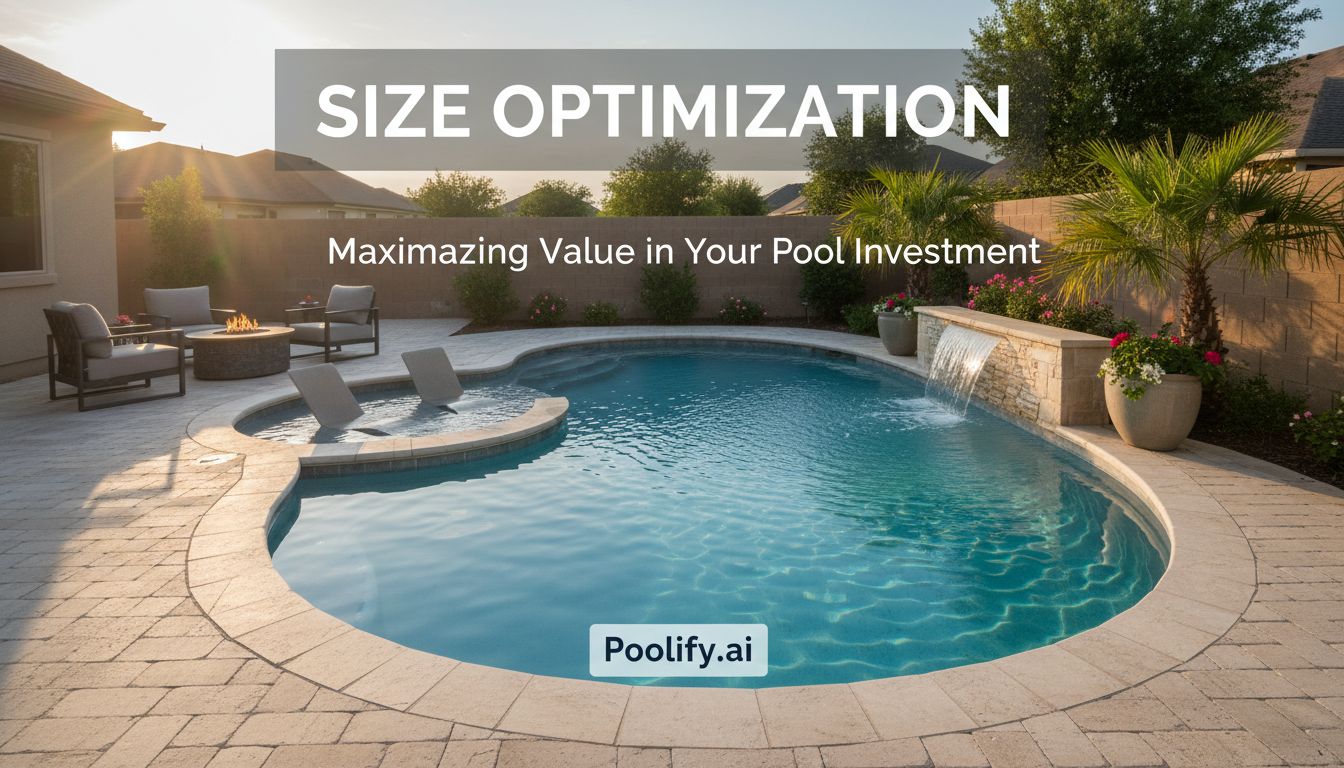
Pool size dramatically impacts cost, making it a critical factor when seeking the cheapest inground pool options. Smaller pools reduce expenses across excavation, materials, equipment, and ongoing maintenance while still delivering recreational benefits.
Compact Pool Dimensions That Deliver Value
The sweet spot for affordable inground pools measures 10×20 to 14×28 feet, providing adequate swimming space while minimizing costs. These dimensions accommodate most residential lots and support family activities without excessive material requirements. Reducing pool size from 16×32 to 12×24 feet can save $8,000-$12,000 on installation alone.
Depth considerations also affect pricing. Maintaining a consistent 4-5 foot depth throughout eliminates the expense of deep-end excavation and additional materials. Unless diving is essential, uniform shallow depths represent one of the cheapest inground pool options while enhancing safety for children and non-swimmers.
Consider your actual usage patterns when determining size. Most families spend time in shallow areas for games and relaxation rather than lap swimming. A well-designed compact pool often provides more practical value than an oversized installation that strains your budget and increases maintenance demands.
Shape Selection for Cost Efficiency
Geometric shapes like rectangles, ovals, and simple kidney designs cost significantly less than custom freeform pools. Standardized shapes simplify excavation, reduce material waste, and allow contractors to work more efficiently. Rectangle pools represent the cheapest inground pool options for shape selection, often saving $5,000-$10,000 compared to elaborate curves.
Pre-designed fiberglass shells offer excellent value when you find a shape that suits your space. Manufacturers produce popular designs in volume, reducing per-unit costs while maintaining quality standards. Avoiding custom modifications to standard shells preserves affordability without sacrificing aesthetic appeal.
Strategic Timing and Planning for Maximum Savings
When you install your pool significantly impacts total costs. Understanding seasonal pricing patterns and contractor availability helps you secure the cheapest inground pool options through strategic timing decisions.
Off-Season Installation Advantages
Pool contractors experience peak demand from April through July, driving prices upward during these months. Installing during fall or winter months can reduce costs by 10-20% as companies offer discounts to maintain steady workflow. Many homeowners overlook this opportunity, focusing exclusively on spring installation to ensure summer readiness.
Fall installation allows your pool to settle and cure properly over winter, ensuring optimal conditions for your first swim season. Contractors also dedicate more attention to off-season projects, potentially delivering higher quality work without the rush of peak-season demands.
Weather considerations vary by region, but most areas support pool installation year-round with proper planning. Discuss timing options with multiple contractors to identify the most cost-effective installation window for your location and circumstances.
Obtaining Multiple Competitive Quotes
Securing at least three detailed quotes from reputable contractors represents essential due diligence when pursuing the cheapest inground pool options. Price variations of 20-30% between contractors are common, reflecting different overhead structures, material sources, and profit margins.
Request itemized proposals that break down costs for excavation, materials, equipment, labor, and permits. This transparency allows you to identify specific areas where savings opportunities exist and negotiate more effectively. Some contractors inflate certain line items, making detailed comparisons crucial for identifying true value.
Verify contractor credentials, insurance coverage, and references before making decisions based solely on price. The cheapest quote may reflect inexperience or corner-cutting that generates expensive problems later. Balance affordability with proven quality and reliability for optimal outcomes.
Equipment and Feature Selections That Control Costs
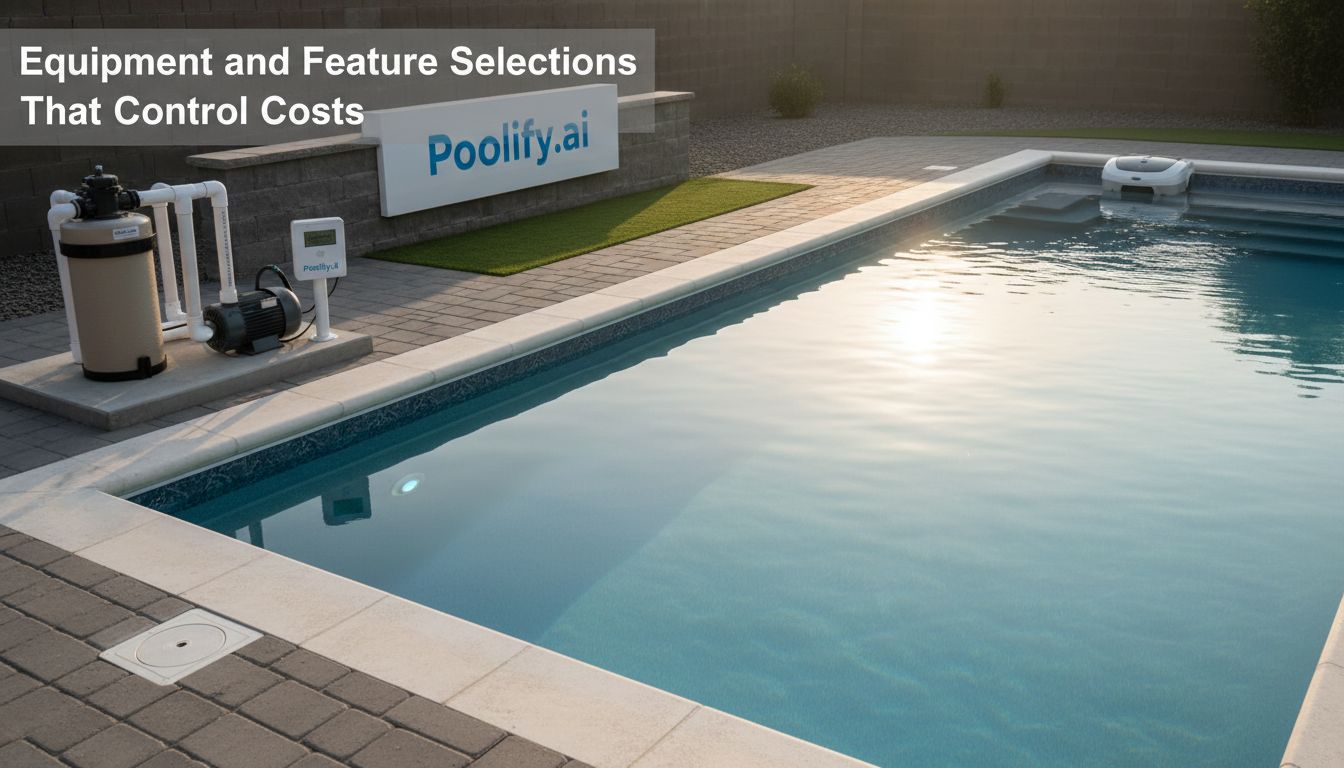
Pool equipment and features significantly impact both installation and operating expenses. Choosing appropriately sized, energy-efficient systems positions your project among the cheapest inground pool options while ensuring reliable performance.
Right-Sizing Your Pool Equipment
Oversized pumps, heaters, and filters waste money during installation and generate excessive operating costs. Work with your contractor to specify equipment matched precisely to your pool volume and usage requirements. A properly sized pump can reduce energy consumption by 50-70% compared to oversized alternatives.
Variable-speed pumps cost $800-$1,200 more than single-speed models but deliver $400-$600 in annual energy savings according to ENERGY STAR pool pump efficiency standards. This investment pays for itself within 2-3 years while qualifying for potential utility rebates in many areas.
Standard cartridge filters provide excellent filtration at lower costs than diatomaceous earth systems. Unless you have specific water quality concerns, cartridge filters represent the most economical choice among the cheapest inground pool options for filtration equipment.
Prioritizing Essential Features
Elaborate water features, custom lighting, and automated systems add thousands to installation costs. For budget-conscious projects, focus on essential equipment and defer luxury additions until later. You can always upgrade with LED lighting, waterfalls, or automation systems after enjoying your basic pool for several seasons.
Simple concrete or tile coping costs significantly less than natural stone alternatives while providing durable, attractive edging. Standard white plaster finishes for concrete pools cost $3-$5 per square foot compared to $10-$20 for premium aggregate surfaces. These foundational choices dramatically impact whether your project ranks among the cheapest inground pool options.
Consider phased installation approaches that spread costs over multiple years. Install the basic pool structure initially, then add decking, landscaping, and features as your budget allows. This strategy makes inground pool ownership accessible without compromising quality or safety.
DIY Opportunities and Professional Partnerships
While pool installation requires professional expertise for structural and mechanical elements, homeowners can contribute labor in specific areas to reduce costs. Understanding which tasks you can safely handle yourself helps identify the cheapest inground pool options through hybrid approaches.
Homeowner-Friendly Cost Reduction Strategies
Excavation preparation, including removing vegetation, relocating sprinkler systems, and clearing the work area, can save $1,000-$2,000 in contractor fees. Most homeowners can handle these preliminary tasks with basic tools and weekend effort.
Decking installation, landscaping, and fencing represent opportunities for significant DIY savings. Professional deck installation costs $15-$30 per square foot, while homeowner-installed options using pavers or poured concrete reduce expenses to $8-$15 per square foot. For a 400-square-foot deck, this approach saves $2,800-$6,000.
Discuss hybrid arrangements with contractors where they complete structural and technical work while you handle finishing elements. Many professionals welcome these partnerships, recognizing that homeowner involvement reduces their labor costs while maintaining quality standards for critical pool systems.
Tasks Requiring Professional Expertise
Never attempt to save money on excavation, plumbing, electrical work, or structural installation. These elements require specialized knowledge, equipment, and licensing to ensure safety and code compliance. Mistakes in these areas generate expensive repairs and potential liability issues that far exceed any savings.
Professional installation also includes warranties covering materials and workmanship. DIY structural work voids these protections, leaving you financially responsible for any defects or failures. The cheapest inground pool options always include professional installation for core systems, with homeowner contributions limited to appropriate finishing work.
Long-Term Cost Considerations and Maintenance Planning
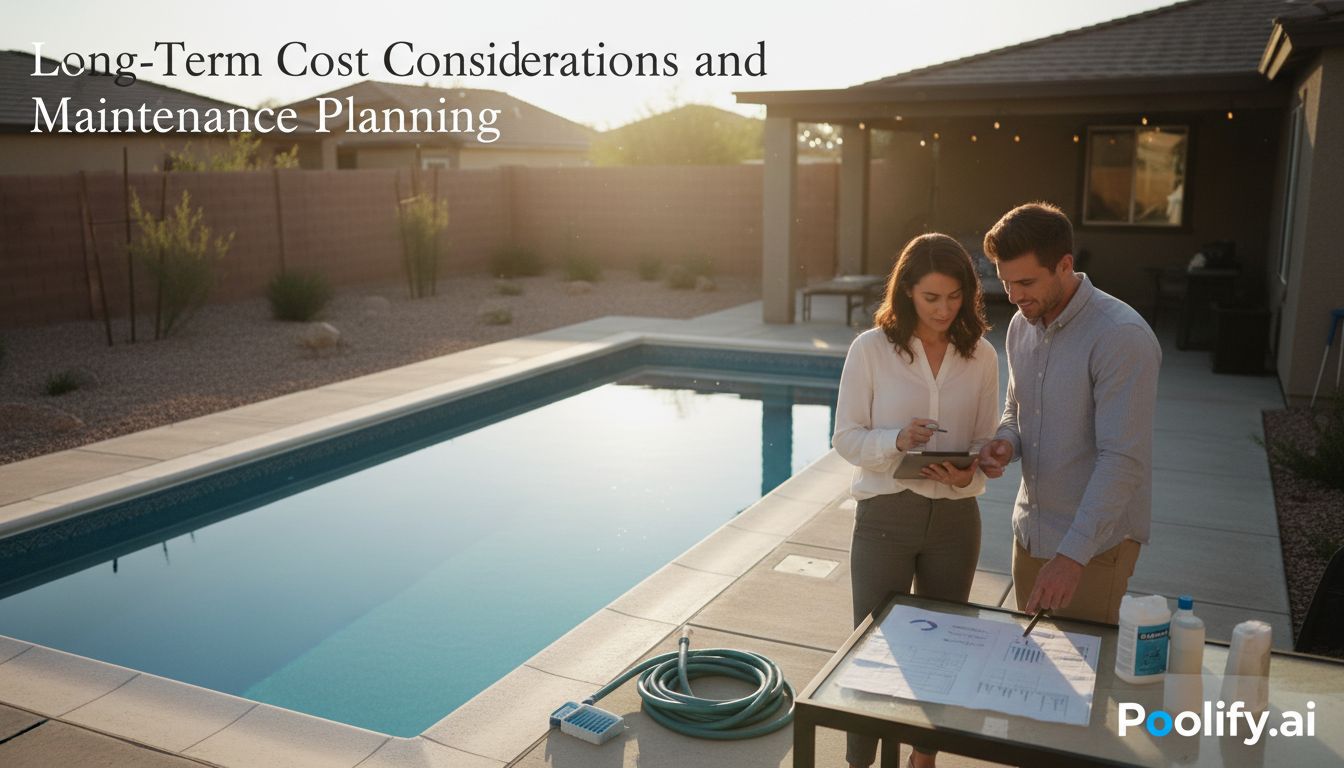
True affordability extends beyond installation costs to encompass ongoing expenses throughout your pool’s lifespan. The cheapest inground pool options consider total cost of ownership, including utilities, chemicals, repairs, and eventual renovations.
Operating Expense Management
Monthly operating costs for inground pools range from $80-$200 depending on size, equipment efficiency, and climate. Energy-efficient pumps and heaters dramatically reduce these expenses, making them worthwhile investments even when pursuing the cheapest inground pool options.
Pool covers represent one of the most cost-effective accessories, reducing water evaporation by 95%, chemical consumption by 60%, and heating costs by 70%. A quality cover costing $400-$1,200 generates annual savings of $800-$1,500, paying for itself within the first year while extending equipment lifespan.
Establishing consistent maintenance routines prevents expensive repairs and premature equipment replacement. Weekly chemical testing, regular filter cleaning, and prompt attention to minor issues preserve your investment and avoid major problems. For detailed guidance on maintaining your pool efficiently, explore our comprehensive pool maintenance strategies.
Planning for Future Renovations
Budget for eventual liner replacements, resurfacing, or equipment upgrades when evaluating the cheapest inground pool options. Vinyl liners require replacement every 7-10 years, concrete pools need resurfacing every 10-15 years, and all pools eventually require equipment updates as components wear out.
Creating a dedicated savings account for pool maintenance and renovations ensures you can address these expenses without financial stress. Setting aside $75-$150 monthly covers routine maintenance and builds reserves for major repairs or upgrades.
Financing Options for Affordable Pool Installation
Various financing strategies make the cheapest inground pool options accessible even when upfront cash is limited. Understanding available programs helps you proceed with installation while managing monthly expenses within your budget.
Home Equity and Personal Loan Options
Home equity loans and lines of credit typically offer the lowest interest rates for pool financing, with rates ranging from 6-9% in 2026. These secured loans leverage your home’s value, providing substantial borrowing capacity at favorable terms compared to unsecured alternatives.
Personal loans from banks or credit unions represent another viable option, though interest rates run higher at 8-15% depending on your creditworthiness. These unsecured loans avoid placing liens on your property while still providing necessary funding for the cheapest inground pool options.
Many pool contractors partner with specialized lenders offering promotional financing with deferred interest or reduced rates for qualified buyers. Carefully review terms and conditions, as promotional periods typically require full repayment within 12-18 months to avoid retroactive interest charges.
Maximizing Home Value Return
Inground pools typically return 50-70% of installation costs in added home value, with higher returns in warm climates where pools are standard amenities. The cheapest inground pool options often deliver similar value increases as premium installations, since buyers primarily consider pool presence rather than luxury features.
Focus on quality installation and proper maintenance rather than expensive upgrades when considering resale value. A well-maintained basic pool appeals to more buyers than a neglected luxury installation, making affordability and sustainability smart long-term strategies.
Permitting and Regulatory Compliance
Permit costs and regulatory requirements affect total project expenses and timelines. Understanding local regulations ensures your project ranks among the cheapest inground pool options while maintaining full compliance with safety and zoning standards.
Navigating the Permit Process
Pool permits typically cost $200-$800 depending on location and project scope. These fees cover plan review, inspections, and administrative processing. While permit costs seem like potential savings opportunities, unpermitted pools create serious problems including fines, mandatory removal orders, and homeowner insurance cancellations.
Work with contractors experienced in local permitting processes to streamline approvals and avoid delays. They understand specific requirements, maintain relationships with building departments, and can navigate issues efficiently. This expertise proves invaluable when pursuing the cheapest inground pool options within regulatory frameworks.
Setback requirements, fence regulations, and utility clearances vary significantly between jurisdictions. Early consultation with your building department identifies potential obstacles before you commit to specific designs or locations, preventing expensive modifications during construction.
Safety Requirements and Insurance Implications
Most jurisdictions require safety fencing with self-closing, self-latching gates around pool areas. Budget $2,000-$5,000 for compliant fencing when calculating the cheapest inground pool options. While this represents a significant expense, proper barriers prevent accidents and satisfy insurance requirements.
Contact your homeowner’s insurance provider before installation to understand coverage changes and premium increases. Pool-related liability coverage additions typically cost $200-$500 annually, though rates vary based on safety features, fence quality, and your overall policy structure.
Regional Considerations for Cost-Effective Pool Installation
Geographic factors including climate, soil conditions, and local market dynamics influence which options represent the cheapest inground pool options in your area. Understanding regional variables helps you make location-appropriate decisions.
Climate Impact on Pool Type Selection
Cold-climate regions benefit from fiberglass pools that flex with freeze-thaw cycles without cracking. Vinyl liners in freezing climates require careful winterization and may experience reduced lifespans. Concrete pools need additional freeze protection measures that increase installation and maintenance costs.
Warm-climate homeowners enjoy more flexibility in material selection, as freezing concerns don’t limit options. However, intense UV exposure in southern regions may accelerate vinyl liner degradation, making fiberglass or concrete more cost-effective long-term choices despite higher initial investments.
Soil and Water Table Considerations
Rocky soil increases excavation costs by $2,000-$8,000 depending on severity, while high water tables require additional engineering and drainage systems. Soil testing before finalizing plans helps you anticipate these expenses and identify the cheapest inground pool options for your specific site conditions.
Some properties simply aren’t suitable for traditional inground pools due to extreme soil or water table issues. In these situations, semi-inground or above-ground pool alternatives may deliver better value than attempting to overcome significant site challenges.
Frequently Asked Questions About Affordable Inground Pools
What is the absolute cheapest inground pool option available in 2026?
The cheapest inground pool options in 2026 are vinyl liner pools in simple rectangular shapes measuring 10×20 to 12×24 feet. These installations start around $20,000-$25,000 for basic configurations with standard equipment. Costs increase with size, shape complexity, and feature additions. Working with experienced contractors during off-season months and handling appropriate DIY tasks can reduce expenses further while maintaining quality and safety standards.
How much can I save by installing a pool myself?
Complete DIY inground pool installation is not recommended due to technical complexity, safety concerns, and code compliance requirements. However, homeowners can save $3,000-$8,000 by handling site preparation, decking installation, landscaping, and finishing work while professionals complete structural and mechanical elements. This hybrid approach represents the most practical way to reduce costs through personal labor while ensuring proper installation of critical systems.
Do small pools cost significantly less than larger ones?
Yes, pool size directly impacts costs across all installation aspects. Reducing dimensions from 16×32 to 12×24 feet typically saves $8,000-$15,000 on installation while cutting ongoing operating costs by 30-40%. Smaller pools require less excavation, fewer materials, smaller equipment, and reduced chemical and energy consumption. For families prioritizing affordability, compact designs represent excellent value while still providing recreational benefits and aesthetic appeal.
Are financing options available for inground pool installation?
Multiple financing options make the cheapest inground pool options accessible to homeowners without large cash reserves. Home equity loans and lines of credit offer the lowest rates at 6-9%, while personal loans provide 8-15% financing without home liens. Many contractors partner with specialized lenders offering promotional terms. Compare options carefully, considering interest rates, repayment periods, and total financing costs before committing to specific programs.
How do I find reputable contractors who offer competitive pricing?
Start by requesting referrals from neighbors with pools, checking online reviews, and verifying credentials with state licensing boards. Obtain at least three detailed quotes from established companies, comparing itemized proposals rather than just bottom-line prices. Visit completed projects, speak with previous clients, and verify insurance coverage before making decisions. The cheapest inground pool options come from contractors who balance competitive pricing with proven quality and reliability rather than simply the lowest bidder.
Key Takeaways
- Vinyl liner pools represent the most affordable entry point into inground pool ownership, with installations starting around $25,000 for basic configurations in 2026, though they require liner replacements every 7-10 years.
- Strategic size and shape selections dramatically reduce costs without sacrificing functionality, with compact rectangular designs measuring 12×24 feet offering optimal value for most families.
- Off-season installation during fall or winter months can reduce total project costs by 10-20% while ensuring contractor attention and proper curing time before your first swim season.
- Energy-efficient equipment and simple features control both installation and operating expenses, with variable-speed pumps and pool covers delivering substantial long-term savings that justify initial investments.
- Hybrid approaches combining professional installation with appropriate DIY work on site preparation, decking, and landscaping can save $3,000-$8,000 while maintaining quality and safety for critical pool systems.
Conclusion
Discovering the cheapest inground pool options for 2026 requires balancing upfront affordability with long-term value and quality. Vinyl liner pools in compact rectangular designs offer the most accessible entry point, while strategic equipment selection, timing decisions, and appropriate DIY contributions further reduce costs without compromising safety or durability.
Success depends on thorough research, multiple contractor consultations, and realistic assessment of your specific needs and site conditions. The most cost-effective pool isn’t necessarily the least expensive installation but rather the option that delivers maximum enjoyment and minimal lifetime costs within your budget constraints.
By implementing the strategies outlined in this guide, you can create a beautiful backyard oasis that enhances your property value and lifestyle without financial stress. The cheapest inground pool options in 2026 make pool ownership achievable for more families than ever before, transforming this once-exclusive luxury into an accessible reality.
Take time to plan carefully, prioritize essential features over luxury additions, and work with reputable professionals who understand your budget goals. Your dream pool awaits, and with smart decisions throughout the planning and installation process, you can achieve it affordably while creating lasting memories for years to come. For additional insights on keeping your investment in pristine condition, review our expert pool cleaning recommendations that complement your affordable installation strategy.
References
- U.S. Department of Energy – Swimming Pool Covers and Energy Efficiency: https://www.energy.gov/energysaver/swimming-pool-covers
- ENERGY STAR – Pool Pump Efficiency Standards: https://www.energystar.gov/products/pool_pumps