
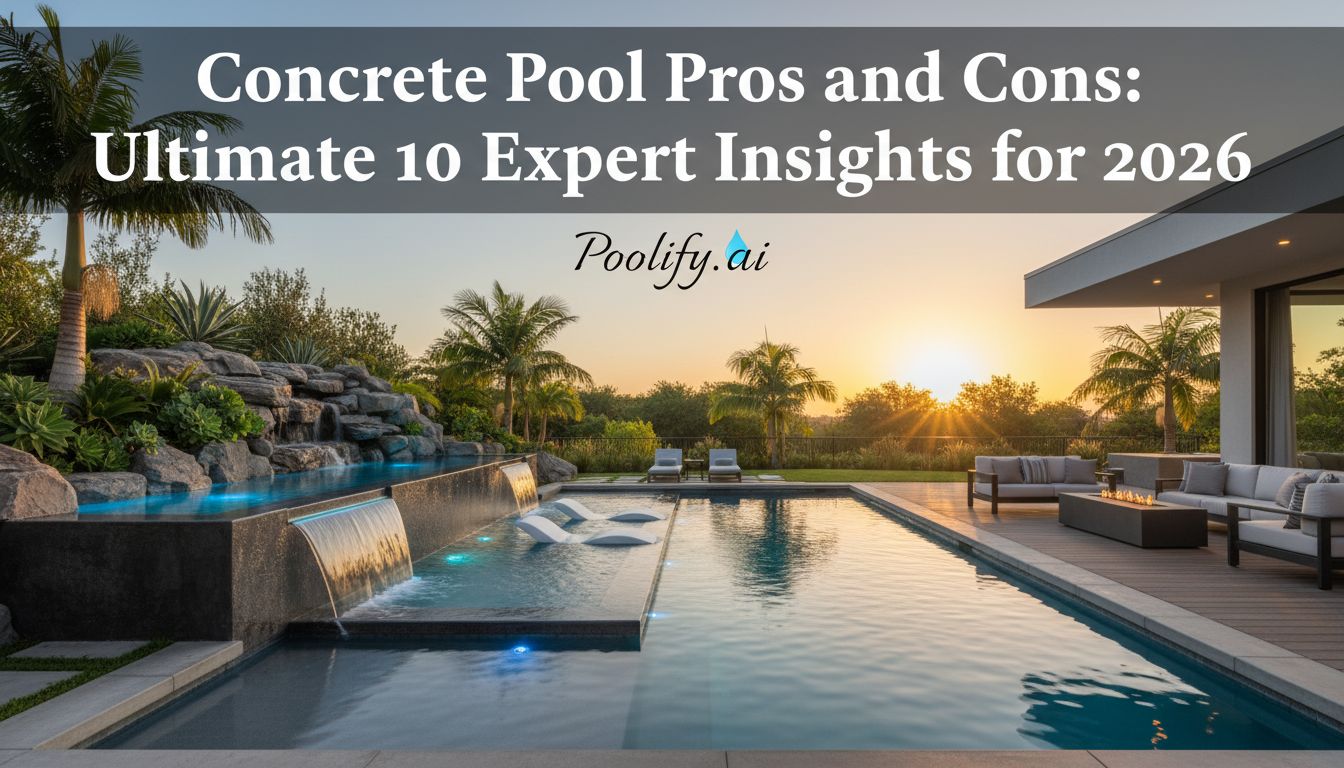
Choosing the right swimming pool for your backyard is a significant investment that requires careful consideration of multiple factors. When evaluating concrete pool pros and cons, homeowners must weigh customization options, durability, maintenance needs, and long-term costs. Concrete pools, also known as gunite or shotcrete pools, remain one of the most popular choices in 2026 due to their versatility and permanence. This comprehensive guide examines every aspect of concrete pool ownership to help you make an informed decision that aligns with your lifestyle, budget, and property requirements.
Understanding Concrete Pool Construction and Design
Concrete pools represent the pinnacle of customization in residential pool construction. Unlike prefabricated fiberglass or vinyl liner pools, concrete pools are built on-site using either gunite or shotcrete application methods. The construction process involves excavating your desired shape, installing steel reinforcement bars (rebar), and spraying concrete mixture onto the framework to create a solid, monolithic structure.
The design possibilities with concrete pools are virtually limitless. Homeowners can create any shape, depth, or size imaginable, from classic rectangular designs to freeform lagoon-style pools with integrated spas, tanning ledges, and beach entries. This flexibility makes concrete pools ideal for properties with unique terrain, challenging access points, or specific aesthetic visions that standard pool types cannot accommodate.
In 2026, concrete pool technology has advanced significantly with improved concrete formulations, faster curing times, and enhanced waterproofing systems. Modern concrete pools incorporate fiber reinforcement, chemical-resistant additives, and advanced finishing materials that extend pool lifespan and reduce long-term maintenance requirements. Understanding these construction fundamentals helps homeowners appreciate the concrete pool pros and cons from a technical perspective.
The Major Advantages of Concrete Pools
Unmatched Design Flexibility and Customization
The primary advantage when considering concrete pool pros and cons is the unlimited design potential. Concrete pools can be shaped to fit any backyard configuration, accommodate existing landscaping, or create dramatic architectural statements. You can incorporate custom features like infinity edges, swim-up bars, integrated waterfalls, grottos, and multi-level designs that would be impossible with other pool types.
This customization extends beyond shape to include depth variations, allowing for diving areas, shallow play zones, and graduated entries. Homeowners can also specify exact dimensions to maximize available space or meet specific athletic training requirements. The Association of Pool & Spa Professionals reports that custom concrete pools consistently deliver higher property value returns compared to standard pool installations.
Superior Durability and Longevity
Concrete pools are built to last generations when properly maintained. The structural integrity of reinforced concrete provides exceptional strength that withstands ground movement, freeze-thaw cycles, and decades of use. Unlike vinyl liner pools that require replacement every 7-10 years, or fiberglass pools that can crack or delaminate, concrete pools maintain their structural soundness for 50 years or more.
The permanence of concrete construction means your pool becomes a true permanent fixture of your property. While surface finishes like plaster or tile may need refinishing every 10-15 years, the underlying concrete shell remains intact. This longevity represents significant long-term value, especially for homeowners planning to remain in their property for extended periods.
Enhanced Property Value
When evaluating concrete pool pros and cons from an investment perspective, concrete pools typically add more value to properties than other pool types. Real estate professionals consistently note that custom concrete pools appeal to discerning buyers who appreciate quality construction and unique design elements. The perceived permanence and luxury associated with concrete pools can increase property desirability in competitive markets.
High-end properties particularly benefit from concrete pool installations, as they complement luxury home features and landscaping. The ability to integrate sophisticated water features, lighting systems, and architectural elements creates resort-style outdoor living spaces that significantly enhance property appeal and marketability.
The Significant Drawbacks of Concrete Pools
Higher Initial Investment Costs
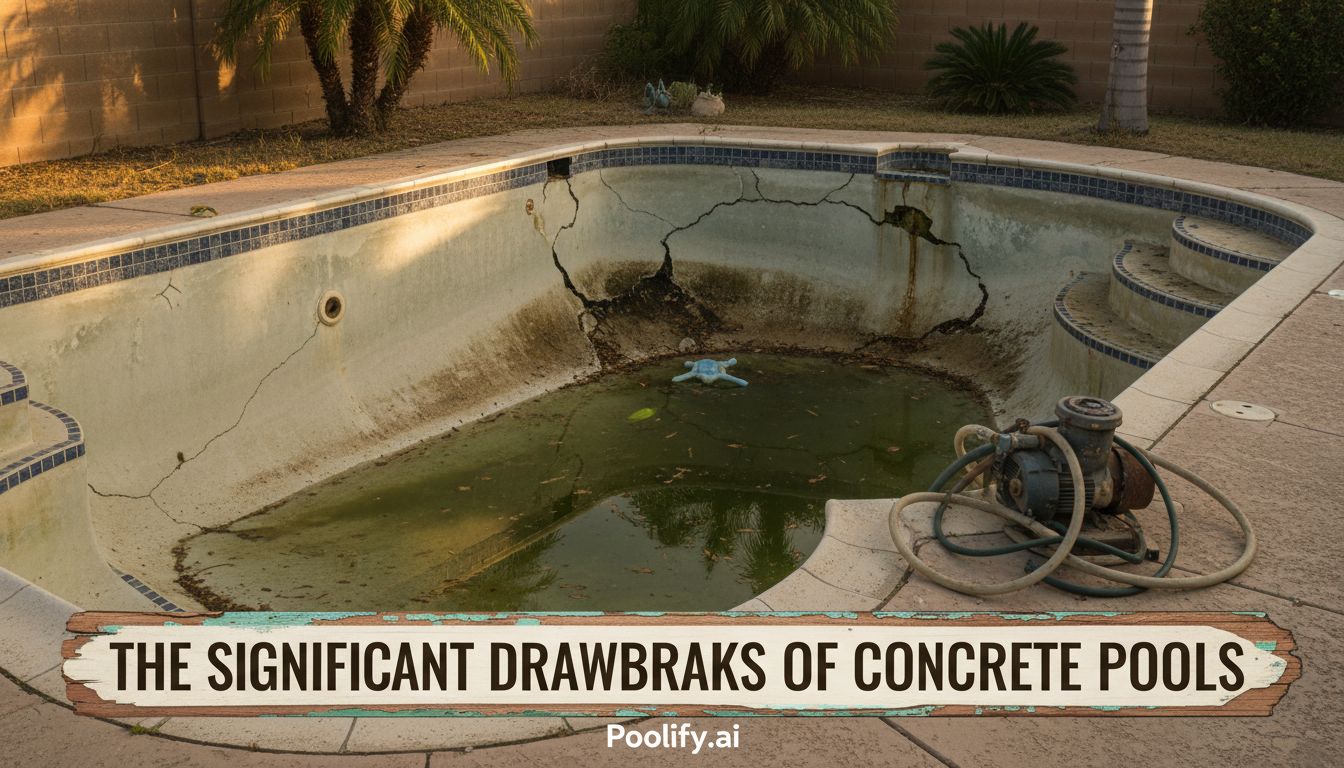
One of the most substantial considerations in the concrete pool pros and cons analysis is the upfront cost. Concrete pools represent the most expensive pool type, with average installations ranging from $50,000 to $100,000 or more in 2026, depending on size, complexity, and regional labor costs. Custom features, premium finishes, and challenging site conditions can push costs even higher.
The extended construction timeline also contributes to higher costs. While fiberglass pools can be installed in days and vinyl liner pools in weeks, concrete pools typically require 8-12 weeks from excavation to completion. This extended timeline involves multiple contractor visits, inspections, and curing periods that add to labor expenses and project management complexity.
Intensive Maintenance Requirements
Concrete pools demand more rigorous maintenance compared to other pool types. The porous nature of concrete and plaster finishes creates surfaces where algae can take hold more easily, requiring more frequent brushing, chemical balancing, and cleaning. Pool owners must maintain precise water chemistry to prevent etching, staining, and surface degradation.
Weekly maintenance routines for concrete pools include thorough brushing of all surfaces, vacuuming, filter cleaning, and careful monitoring of pH, alkalinity, and calcium hardness levels. According to CDC guidelines for residential pool maintenance, proper chemical balance is essential for preventing waterborne illness and protecting pool surfaces from damage.
The rough texture of plaster surfaces can also be uncomfortable for swimmers, particularly children, causing scraped knees and elbows. While premium finishes like pebble or quartz aggregate offer smoother surfaces, they come with significantly higher costs. For detailed maintenance strategies, explore our comprehensive pool maintenance guide.
Longer Construction Timeline
Patience is essential when choosing concrete pools. The construction process involves multiple stages including excavation, steel installation, gunite application, plumbing and electrical work, tile setting, plastering, and curing. Weather delays, permit issues, and contractor scheduling can extend timelines beyond initial estimates, sometimes pushing completion into the following season.
This extended timeline means homeowners cannot enjoy their pool immediately and must plan installations well in advance of desired completion dates. The disruption to property during construction is also more extensive, with heavy equipment, material deliveries, and multiple contractor crews accessing the site over several months.
Concrete Pool Pros and Cons: Surface Finish Options
The interior finish of your concrete pool significantly impacts aesthetics, comfort, and maintenance requirements. Understanding finish options is crucial when weighing concrete pool pros and cons for your specific needs and budget.
Plaster Finishes
Traditional white plaster remains the most economical finish option, providing a smooth, bright surface that reflects light beautifully. Standard plaster typically lasts 7-10 years before requiring resurfacing, with costs ranging from $3,000 to $7,000 for refinishing. However, plaster is susceptible to staining, etching from improper water chemistry, and can develop rough patches over time.
Aggregate Finishes
Pebble, quartz, and glass bead aggregate finishes offer superior durability and aesthetic appeal. These premium surfaces last 15-20 years, resist staining and etching better than plaster, and provide more color and texture options. The tradeoff is higher initial cost (often $10,000-$20,000 more than plaster) and a slightly rougher texture, though modern formulations have improved smoothness significantly.
Tile Finishes
Full tile interiors represent the ultimate in luxury and durability, lasting 25+ years with minimal maintenance. Tile provides the smoothest surface, unlimited design possibilities, and exceptional resistance to chemicals and staining. However, tile installations are the most expensive option, often adding $30,000-$60,000 to project costs, making them practical primarily for high-end installations.
Long-Term Cost Considerations
When analyzing concrete pool pros and cons, examining lifetime ownership costs provides crucial perspective beyond initial installation expenses. While concrete pools cost more upfront, understanding long-term financial commitments helps homeowners budget appropriately and avoid surprises.
Annual operating costs for concrete pools typically range from $1,500 to $3,000, covering chemicals, electricity for pumps and heaters, water, and routine maintenance. These costs run higher than fiberglass pools due to increased chemical usage and more intensive cleaning requirements. Energy-efficient equipment and proper water chemistry management can help control these expenses.
Major maintenance events occur periodically throughout concrete pool ownership. Plaster resurfacing every 10-15 years costs $5,000-$10,000, while aggregate finishes may require $8,000-$15,000 for refinishing. Equipment replacement, including pumps, filters, and heaters, adds another $3,000-$8,000 every 8-12 years. Tile repairs, coping replacement, and deck restoration represent additional potential expenses.
However, concrete pools avoid the major replacement costs associated with vinyl liner pools (new liners every 7-10 years at $3,000-$5,000) and potential structural issues with fiberglass pools. When properly maintained, the concrete shell itself requires no replacement, making the pool a truly permanent installation. For cost-saving strategies, check our guide on optimizing pool ownership costs.
Climate and Environmental Considerations
Geographic location significantly impacts the concrete pool pros and cons equation. Concrete pools perform exceptionally well in warm climates where year-round or extended-season use justifies the investment. The thermal mass of concrete helps moderate water temperature fluctuations, reducing heating costs in mild climates.
In freeze-thaw climates, concrete pools require proper winterization and may experience surface deterioration over time if water chemistry isn’t meticulously maintained. The expansion and contraction of concrete during temperature extremes can lead to minor cracking, though properly reinforced pools with adequate steel and control joints minimize these risks.
Environmental considerations in 2026 increasingly influence pool choices. Concrete production has a significant carbon footprint, and the ongoing chemical requirements for concrete pool maintenance impact environmental sustainability. However, the longevity of concrete pools means fewer resources consumed over time compared to pools requiring periodic replacement of major components.
Water conservation is another factor, as concrete pools can lose more water through evaporation and minor seepage through porous surfaces compared to fiberglass alternatives. Installing pool covers, maintaining proper water chemistry, and promptly addressing any leaks helps minimize water waste and associated costs.
Comparing Concrete Pools to Alternative Pool Types
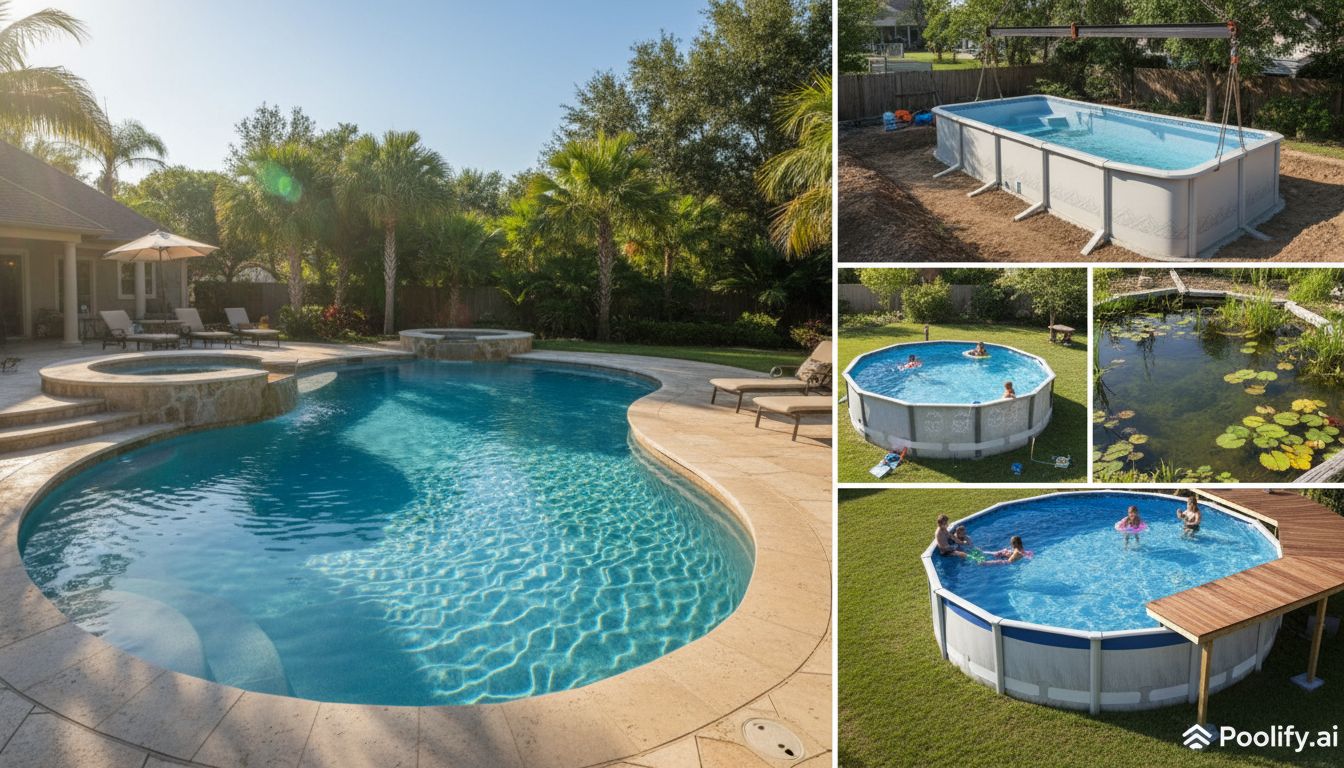
A thorough evaluation of concrete pool pros and cons requires comparison with fiberglass and vinyl liner alternatives. Each pool type offers distinct advantages depending on homeowner priorities, budget constraints, and property characteristics.
Fiberglass pools offer faster installation (1-2 weeks), lower maintenance requirements, smoother surfaces, and better algae resistance. However, they’re limited to pre-manufactured shapes and sizes, cannot accommodate custom features as easily, and may cost nearly as much as basic concrete pools when site preparation and installation are factored in. Fiberglass pools work best for homeowners prioritizing low maintenance and standard designs.
Vinyl liner pools represent the most economical option with lowest initial costs ($25,000-$45,000) and relatively quick installation. The smooth liner surface is comfortable and resists algae well. However, liners require replacement every 7-10 years, are susceptible to punctures and tears, and limit design flexibility. Vinyl pools suit budget-conscious buyers accepting ongoing replacement costs and standard rectangular or simple curved shapes.
Concrete pools excel when customization, permanence, and property value are priorities. Despite higher costs and maintenance demands, concrete pools remain the choice for homeowners seeking unique designs, luxury features, and long-term investment value. The concrete pool pros and cons ultimately favor those willing to invest more initially for maximum flexibility and durability.
Making the Right Decision for Your Property
Deciding whether concrete pools align with your needs requires honest assessment of several factors. Consider your budget not just for installation but for 10-20 years of ownership including resurfacing, equipment replacement, and ongoing maintenance. If upfront costs strain your finances, alternative pool types may provide better value.
Evaluate your design requirements. If you need a specific shape to fit challenging terrain, want integrated water features, or envision a custom resort-style environment, concrete pools deliver capabilities other types cannot match. However, if a standard rectangular or kidney-shaped pool meets your needs, simpler options may suffice.
Assess your commitment to maintenance. Concrete pools reward diligent owners who maintain proper water chemistry, brush regularly, and address issues promptly. If you prefer minimal maintenance or plan to rely entirely on pool service companies, the ongoing costs and attention required by concrete pools may prove burdensome.
Consider your timeline. If you need a pool operational within weeks for an upcoming event or season, concrete pools won’t meet that requirement. Planning a year ahead allows adequate time for design, permitting, construction, and any weather-related delays.
Finally, think long-term. If you plan to remain in your home for decades, the permanence and durability of concrete pools represent excellent value despite higher initial investment. For shorter ownership horizons, the costs may not be fully recouped through property value increases or personal enjoyment.
Frequently Asked Questions
How long does a concrete pool actually last?
A properly constructed and maintained concrete pool shell can last 50-100 years or more. The structural concrete itself is extremely durable, though interior finishes require periodic replacement every 10-20 years depending on the material chosen. This longevity far exceeds fiberglass pools (25-30 years) and vinyl liner pools (20-25 years with multiple liner replacements).
Are concrete pools harder to maintain than other pool types?
Yes, concrete pools require more intensive maintenance than fiberglass or vinyl liner pools. The porous plaster surface allows algae to establish more easily, requiring weekly brushing and more frequent chemical adjustments. Maintaining proper pH and calcium hardness is critical to prevent surface etching and staining. Budget 2-4 hours weekly for maintenance or $100-$200 monthly for professional service.
Can I install a concrete pool myself to save money?
While technically possible for experienced contractors, DIY concrete pool installation is not recommended for most homeowners. The process requires specialized equipment, engineering knowledge, proper permitting, and expertise in excavation, steel placement, concrete application, plumbing, and electrical systems. Mistakes can result in structural failures, leaks, and code violations that cost far more to correct than professional installation.
Do concrete pools increase home value more than other pool types?
Generally yes, though the increase depends on local market conditions and overall home value. Concrete pools typically add 5-8% to property value in desirable markets, compared to 3-5% for fiberglass or vinyl pools. Custom features, quality construction, and integration with luxury landscaping maximize value returns. However, in some markets, pools of any type may not recoup their full installation cost.
What’s the biggest mistake people make when choosing concrete pools?
The most common mistake is underestimating total ownership costs and maintenance commitment. Many homeowners focus solely on achieving their dream design without fully accounting for ongoing chemical costs, weekly maintenance time, periodic resurfacing expenses, and equipment replacement. Failing to maintain proper water chemistry leads to premature surface deterioration, turning a 50-year pool into a 15-year problem requiring expensive repairs.
Key Takeaways
- Unlimited customization: Concrete pools offer unmatched design flexibility for any shape, size, depth, or feature, making them ideal for unique properties and specific aesthetic visions that other pool types cannot accommodate.
- Superior longevity: Properly maintained concrete pool shells last 50+ years, far exceeding the lifespan of alternative pool types, though interior finishes require periodic replacement every 10-20 years depending on material quality.
- Higher investment required: Concrete pools cost $50,000-$100,000+ for installation with 8-12 week construction timelines, representing the most expensive and time-intensive pool option available in 2026.
- Intensive maintenance demands: Weekly brushing, precise chemical balancing, and more frequent cleaning are essential to prevent algae growth, surface staining, and premature deterioration of plaster or aggregate finishes.
- Best for long-term homeowners: The concrete pool pros and cons favor homeowners committed to their property for decades, willing to invest in quality construction and ongoing maintenance for maximum design flexibility and lasting value.
Conclusion
Evaluating concrete pool pros and cons requires balancing your design aspirations, budget realities, maintenance commitment, and long-term property plans. Concrete pools deliver unparalleled customization and durability that can transform your backyard into a personalized oasis lasting generations. The ability to create exactly the pool you envision, incorporate luxury features, and build a permanent structure that enhances property value makes concrete pools the premium choice for discerning homeowners.
However, these advantages come with substantial financial investment, extended construction timelines, and ongoing maintenance responsibilities that demand dedication and resources. The higher costs and intensive care requirements mean concrete pools aren’t the right choice for every situation, particularly for budget-conscious buyers, those needing quick installation, or homeowners preferring minimal maintenance involvement.
In 2026, concrete pool technology continues advancing with improved materials, faster construction methods, and more durable finishes that address traditional drawbacks. Whether concrete pools align with your needs depends on honest assessment of your priorities, resources, and commitment level. By thoroughly understanding the concrete pool pros and cons outlined in this guide, you can make an informed decision that delivers satisfaction and value for decades to come. For additional guidance on pool selection and installation, explore our resources at Poolify.ai’s comprehensive planning tools.
References
- Association of Pool & Spa Professionals – https://www.apsp.org/
- Centers for Disease Control and Prevention – Residential Pool Maintenance – https://www.cdc.gov/healthywater/swimming/residential/index.html