
Understanding Your Green Pool Water Fix Challenge
Finding your pool transformed into a murky green swamp is every pool owner’s nightmare. Whether you returned from vacation or simply neglected maintenance for a few weeks, a green pool water fix requires understanding what caused the problem and implementing the right solution. The good news is that even the greenest pool can be restored to crystal clarity with the proper approach. This comprehensive guide walks you through every step of an effective green pool water fix, from initial assessment to long-term prevention strategies that keep your pool sparkling throughout 2026 and beyond.
Green pool water isn’t just unsightly—it’s a health hazard. The algae responsible for that distinctive color creates a breeding ground for bacteria and makes your pool unsafe for swimming. A proper green pool water fix addresses not only the visible symptoms but also the underlying chemical imbalances that allowed algae to flourish in the first place. Understanding the science behind pool chemistry empowers you to tackle the problem efficiently and prevent future outbreaks.
Why Pools Turn Green: The Science Behind the Problem
Before implementing any green pool water fix, you need to understand what causes the discoloration. Pool water turns green primarily due to algae growth, which thrives when chlorine levels drop below effective sanitization thresholds. Algae are microscopic plant organisms that enter your pool through wind, rain, contaminated equipment, or even swimsuits. When conditions are right—low sanitizer levels, poor circulation, inadequate filtration, or chemical imbalances—these organisms multiply rapidly, turning your water from clear to green in just days.
The most common culprit in green pool water is insufficient free chlorine. According to the CDC’s guidelines on pool disinfection, free chlorine should be maintained between 1-3 ppm for effective sanitization. When levels drop below 1 ppm, algae can establish itself quickly. Other contributing factors include high phosphate levels, poor water circulation, clogged filters, and imbalanced pH levels that reduce chlorine effectiveness. Your green pool water fix strategy must address all these factors simultaneously for lasting results.
Different types of algae require different treatment approaches. Green algae, the most common variety, typically floats freely in the water and responds well to standard shock treatment. Yellow or mustard algae clings to pool walls and requires more aggressive treatment. Black algae, the most stubborn type, has protective layers that resist standard chemicals. Identifying which type you’re dealing with ensures your green pool water fix targets the specific organism causing your problem.
Essential Supplies for Your Green Pool Water Fix
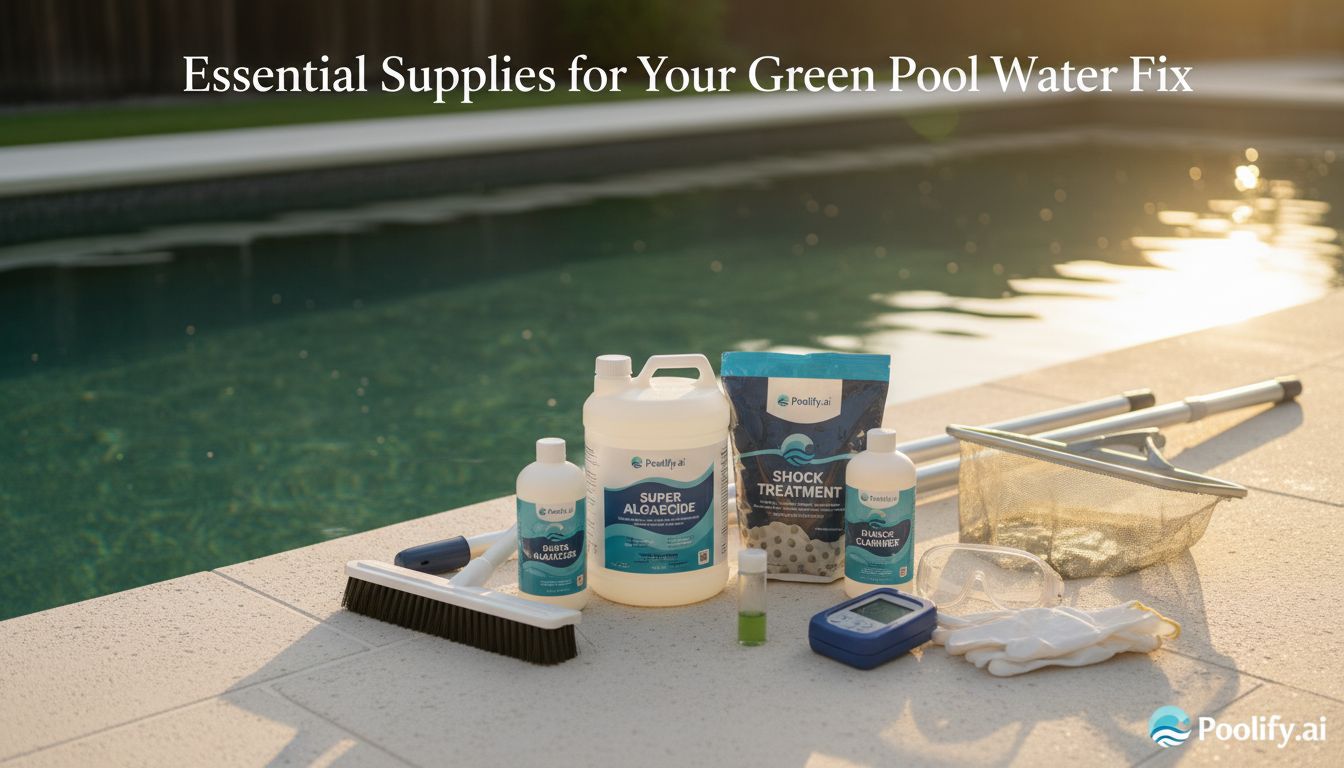
Gathering the right tools before starting your green pool water fix saves time and ensures success. You’ll need a reliable test kit or test strips to measure chlorine, pH, alkalinity, and cyanuric acid levels. Digital testers provide the most accurate readings and help you make precise chemical adjustments throughout the treatment process. Don’t rely on guesswork—accurate testing is the foundation of every successful green pool water fix.
Chemical supplies form the core of your green pool water fix arsenal. Stock up on calcium hypochlorite shock (at least 3-5 pounds per 10,000 gallons), algaecide specifically formulated for your algae type, pH increaser or decreaser, alkalinity adjusters, and cyanuric acid if needed. You’ll also need a quality pool brush with stainless steel bristles for concrete pools or nylon bristles for vinyl liners. A telescoping pole, leaf skimmer, and pool vacuum complete your equipment list.
Safety equipment is non-negotiable when handling pool chemicals. Wear protective goggles, chemical-resistant gloves, and closed-toe shoes during your green pool water fix. Keep chemicals in their original containers, store them in a cool, dry location away from direct sunlight, and never mix different products together. Having a bucket dedicated solely to pool chemicals helps you dissolve shock treatment safely before adding it to your pool.
Step-by-Step Green Pool Water Fix Process
Your green pool water fix begins with removing visible debris. Use your leaf skimmer to remove leaves, twigs, insects, and any floating matter from the water surface. This debris interferes with chemical distribution and provides additional nutrients for algae growth. Don’t worry about perfect clarity at this stage—focus on removing large particles that your filter will struggle to capture during the treatment process.
Next, brush every surface of your pool thoroughly. This critical step in your green pool water fix breaks up algae colonies clinging to walls, steps, and the pool floor, making them vulnerable to chemical treatment. Brush from the shallow end toward the deep end, using firm, overlapping strokes. Pay special attention to corners, behind ladders, around lights, and other areas with poor circulation. The more vigorously you brush, the more effective your green pool water fix will be.
Test your water chemistry before adding any chemicals. Record your current pH, total alkalinity, free chlorine, and cyanuric acid levels. This baseline helps you track progress throughout your green pool water fix. Ideal starting parameters are pH between 7.2-7.6, alkalinity between 80-120 ppm, and cyanuric acid between 30-50 ppm. If pH is above 7.8, lower it before shocking—high pH reduces chlorine effectiveness and wastes your chemicals.
The Shock Treatment Phase
Shocking your pool is the most critical component of any green pool water fix. This process involves raising chlorine levels to 10-30 times normal operating levels to kill algae and oxidize organic contaminants. For light green water, use 2 pounds of shock per 10,000 gallons. Medium green requires 3 pounds, while dark green or black water needs 4-5 pounds per 10,000 gallons. Don’t skimp on shock—insufficient chlorine prolongs your green pool water fix and may allow algae to survive.
Dissolve shock in a bucket of pool water before adding it to your pool, following manufacturer instructions carefully. Add dissolved shock around the perimeter of your pool while your pump is running. Never add shock through your skimmer, as concentrated chlorine can damage equipment. For best results, shock your pool in the evening—sunlight degrades chlorine rapidly, reducing the effectiveness of your green pool water fix. Run your filter continuously for at least 24 hours after shocking.
Adding algaecide complements your shock treatment in a comprehensive green pool water fix. Wait at least 24 hours after shocking before adding algaecide to avoid chemical interactions. Choose a quality algaecide rated for your specific algae type—quaternary ammonium compounds work well for general green algae, while copper-based algaecides tackle stubborn varieties. Follow dosage instructions precisely, as over-application can cause foaming or staining.
Filtration and Circulation Strategies
Your filtration system works overtime during a green pool water fix. Run your pump continuously for 24-48 hours after treatment begins, allowing water to cycle through the filter multiple times. This constant circulation distributes chemicals evenly and captures dead algae particles. Check your filter pressure gauge every few hours—rising pressure indicates the filter is capturing debris and needs cleaning.
Backwash sand or DE filters when pressure rises 8-10 psi above normal operating levels. Cartridge filters require removal and thorough hosing. During an intensive green pool water fix, you may need to clean your filter multiple times daily. Don’t let a dirty filter slow your progress—proper filtration is essential for removing dead algae and preventing recontamination. Consider using a pool filter maintenance routine to keep your system running efficiently.
Vacuum your pool to waste if possible, bypassing the filter entirely. This removes dead algae directly from your pool without recirculating it through your filtration system. If your setup doesn’t allow vacuuming to waste, vacuum slowly to minimize stirring up settled debris. Accept that your green pool water fix will require multiple vacuuming sessions as dead algae settles over several days. Patience during this phase prevents setbacks and ensures complete algae removal.
Balancing Pool Chemistry After Treatment
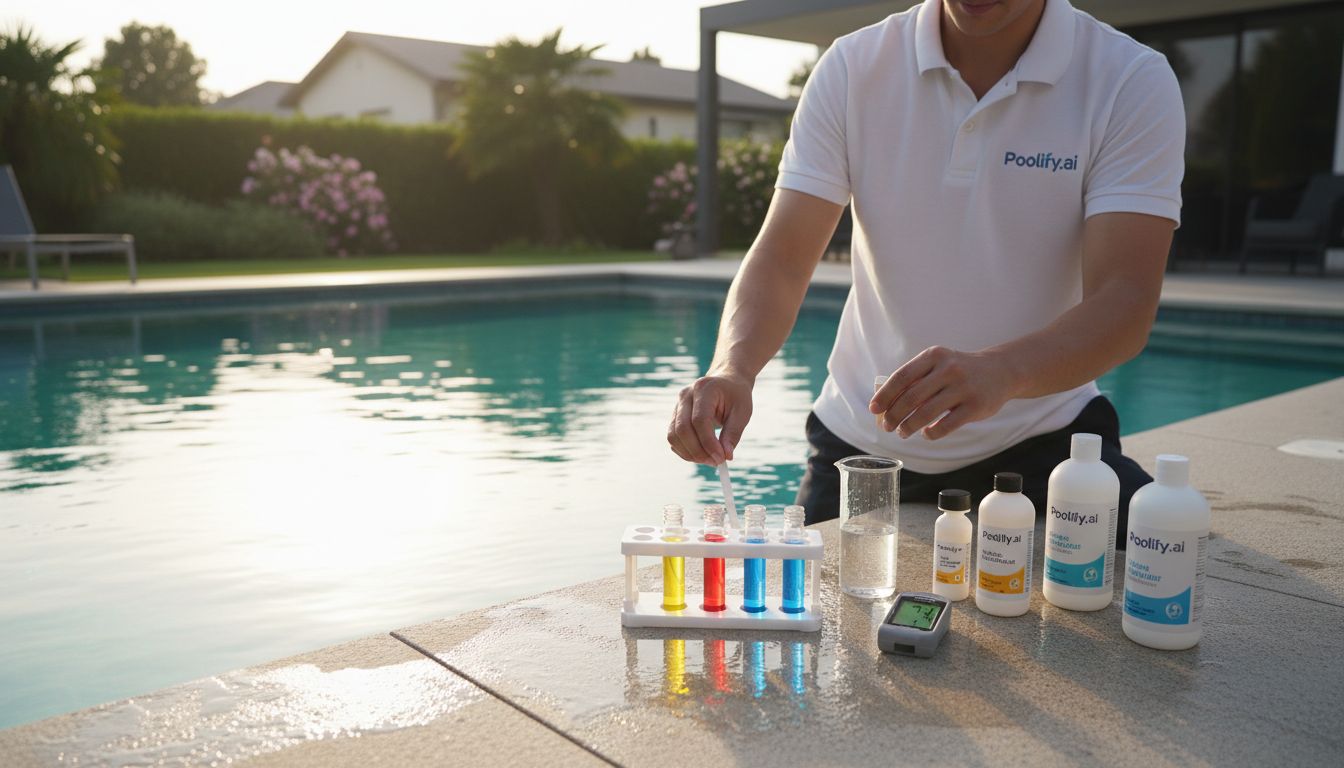
Once your water begins clearing, fine-tune your chemistry to complete your green pool water fix. Test water daily, adjusting pH to 7.4-7.6 and alkalinity to 100-120 ppm. These balanced levels optimize chlorine effectiveness and prevent future algae growth. Your green pool water fix isn’t complete until all chemical parameters fall within ideal ranges and remain stable for at least three consecutive days.
Gradually reduce chlorine levels to normal operating range (1-3 ppm) by stopping shock treatment and allowing sunlight to naturally degrade excess chlorine. Don’t drain water to lower chlorine—this wastes treated water and delays your green pool water fix. If chlorine remains stubbornly high after several days, consider using a chlorine neutralizer, but use it sparingly as it can swing levels too far in the opposite direction.
Check and adjust cyanuric acid (CYA) levels, which stabilize chlorine against UV degradation. Ideal CYA ranges from 30-50 ppm for traditional chlorine pools. Too little CYA causes rapid chlorine loss, while excessive levels reduce chlorine effectiveness—both scenarios can derail your green pool water fix. If CYA exceeds 100 ppm, partial water replacement is the only solution, as no chemical reduces stabilizer levels.
Preventing Future Green Pool Problems
A successful green pool water fix teaches valuable lessons about prevention. Establish a consistent maintenance schedule that includes testing water chemistry 2-3 times weekly, brushing walls and floor weekly, and shocking your pool every 1-2 weeks during swimming season. Regular maintenance prevents the chemical imbalances that trigger algae growth, making future green pool water fix efforts unnecessary.
Maintain proper chlorine levels at all times—this single factor prevents most green pool situations. Consider installing an automatic chlorinator or salt water system for consistent sanitizer delivery. These systems reduce human error and ensure your pool always has adequate protection against algae. While they require initial investment, automatic systems save time and money compared to repeated green pool water fix treatments.
Clean your filter regularly according to manufacturer recommendations. A clogged filter reduces circulation and creates dead zones where algae can establish colonies. Replace filter media when cleaning no longer restores proper flow rates. Proper filtration is your first line of defense against green water, making it a critical component of any prevention strategy. Learn more about maintaining your pool equipment for optimal performance.
Seasonal Considerations for Pool Care
Adjust your maintenance routine seasonally to prevent green pool water fix emergencies. During peak summer months, increased sunlight, higher temperatures, and heavier bather loads accelerate chlorine consumption and promote algae growth. Test water more frequently and increase shock treatment frequency to compensate. Consider raising your baseline chlorine levels slightly during hot weather to maintain adequate sanitization.
Before leaving for vacation, complete a thorough green pool water fix prevention protocol. Shock your pool, add a maintenance dose of algaecide, clean the filter, and ensure all equipment operates properly. Ask a neighbor or hire a pool service to check chlorine levels and add chemicals if needed. Most green pool emergencies occur during owner absences when routine maintenance lapses for extended periods.
Properly winterizing your pool prevents springtime green pool water fix challenges. In regions with freezing temperatures, lower water levels, add winterizing chemicals, and cover your pool securely. In warmer climates where pools remain open year-round, reduce but don’t eliminate chemical treatment during cooler months. Algae grows more slowly in cold water but doesn’t disappear entirely—maintaining minimal chlorine levels prevents spring surprises.
Common Green Pool Water Fix Mistakes to Avoid
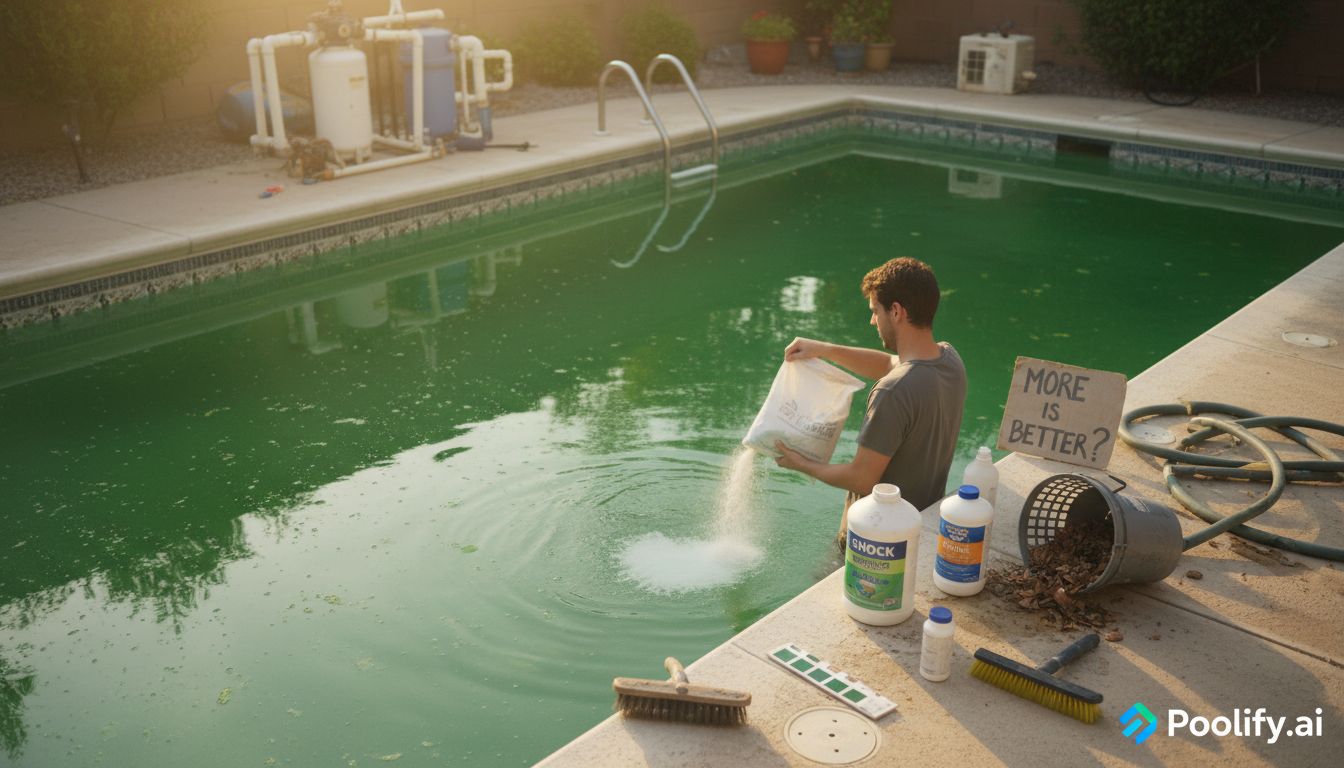
Many pool owners underestimate the amount of shock needed for an effective green pool water fix. Using insufficient chlorine allows some algae to survive, leading to rapid recontamination within days. Always err on the side of using more shock rather than less—it’s impossible to over-shock a green pool. The worst-case scenario with excess shock is waiting a few extra days for chlorine levels to drop before swimming.
Neglecting to brush pool surfaces before and during treatment significantly reduces green pool water fix effectiveness. Algae forms protective layers that shield it from chemical treatment. Vigorous brushing exposes algae cells to sanitizers, dramatically improving kill rates. Brush your pool daily during treatment and continue brushing for several days after water clears to prevent algae regrowth from surviving colonies.
Adding algaecide too soon after shocking creates chemical interactions that reduce effectiveness of both products. Chlorine shock oxidizes algaecide, neutralizing its active ingredients before they can work. Wait at least 24 hours after shocking before adding algaecide to your green pool water fix protocol. This sequencing ensures each chemical works at peak effectiveness without interference.
Failing to run the filter long enough is another common green pool water fix mistake. Dead algae must be physically removed from your pool through filtration and vacuuming. Running your filter only 8-12 hours daily during treatment extends the process unnecessarily and allows dead algae to settle and decompose, creating additional water quality problems. Commit to continuous filtration for at least 24-48 hours after initial treatment.
When to Call a Professional
While most green pool water fix situations are DIY-friendly, some circumstances warrant professional help. If your pool remains green after two complete shock treatments with proper chemical dosages, underlying issues may exist. Professionals have access to commercial-grade chemicals and equipment that resolve stubborn cases more efficiently than residential products. They can also identify equipment malfunctions or structural problems contributing to persistent algae growth.
Black algae infestations often require professional intervention due to their resistant nature. These organisms develop protective layers that standard green pool water fix methods can’t penetrate. Professionals use specialized brushes, acid washing techniques, and commercial-strength algaecides to eliminate black algae completely. Attempting DIY treatment of black algae often leads to frustration and wasted money on ineffective products.
If your pool has turned green due to extended neglect—months or years without treatment—professional assessment helps determine whether restoration is cost-effective. Severely neglected pools may have damaged equipment, deteriorated surfaces, or water chemistry so far out of balance that partial or complete draining becomes necessary. Professionals can evaluate whether a green pool water fix is viable or if more extensive renovation makes better economic sense.
Cost Considerations for Green Pool Water Fix
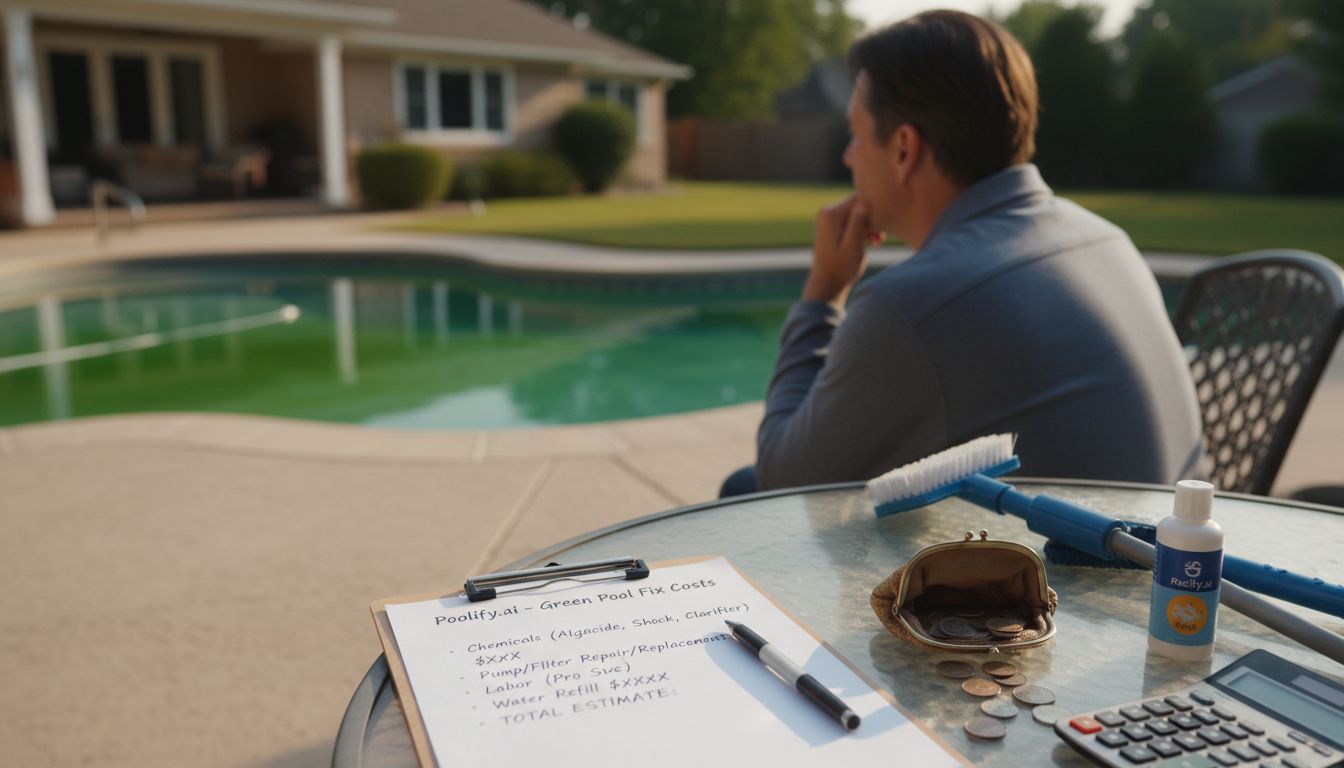
Understanding the financial investment required for a green pool water fix helps you budget appropriately and make informed decisions. For a typical 20,000-gallon pool with moderate green algae, expect to spend $100-200 on chemicals including shock, algaecide, pH adjusters, and test supplies. Severe cases requiring multiple treatments can cost $300-500 in chemicals alone, not including increased electricity costs from running your pump continuously.
DIY green pool water fix efforts save substantially compared to professional services, which typically charge $300-800 depending on pool size and algae severity. However, professionals complete the work faster and guarantee results, making their services worthwhile for severe cases or when time constraints prevent proper DIY treatment. Weigh your available time, confidence level, and severity of contamination when deciding between DIY and professional green pool water fix approaches.
Prevention costs far less than repeated green pool water fix treatments. Maintaining proper chemical balance costs approximately $50-100 monthly in chemicals and test supplies—a fraction of what you’ll spend restoring a green pool. Quality testing equipment, automatic chlorinators, and regular maintenance products represent smart investments that prevent costly emergency treatments and extend the life of your pool equipment and surfaces.
Advanced Green Pool Water Fix Techniques
For particularly stubborn green pool water fix challenges, consider the floc method. Pool flocculent causes suspended particles to clump together and sink to the bottom, where they can be vacuumed to waste. This technique clears water dramatically faster than filtration alone but requires a pool setup that allows vacuuming to waste. After adding floc, turn off your pump for 24 hours, allowing particles to settle completely before vacuuming.
Enzyme treatments complement chemical approaches in comprehensive green pool water fix protocols. Enzymes break down organic contaminants that feed algae growth, including body oils, sunscreen, and other non-living organic matter. While not algaecides themselves, enzymes reduce the nutrient load in your water, making it harder for algae to establish. Add enzymes weekly as part of your maintenance routine to prevent future green pool water fix emergencies.
Phosphate removers address a root cause of persistent algae problems. Phosphates enter pools through fertilizer runoff, decaying organic matter, and some water sources. These compounds act as algae fertilizer, promoting rapid growth even when chlorine levels seem adequate. Testing for phosphates and using phosphate removers as part of your green pool water fix strategy prevents recurring algae blooms that resist standard treatment methods.
Frequently Asked Questions About Green Pool Water Fix
How long does a green pool water fix take?
A typical green pool water fix requires 3-7 days from initial treatment to swimming-ready water. Light green pools may clear within 24-48 hours with proper shock treatment and filtration. Moderate cases take 3-5 days, while severe dark green or black water can require 7-10 days of intensive treatment. The timeline depends on algae severity, pool size, chemical dosages, filtration capacity, and how consistently you maintain treatment protocols.
Can I swim in a pool during green pool water fix treatment?
Never swim during active green pool water fix treatment. Elevated chlorine levels during shock treatment can irritate skin, eyes, and respiratory systems. Additionally, algae-contaminated water poses health risks including skin infections, gastrointestinal illness, and respiratory problems. Wait until chlorine levels drop to 3 ppm or below, water appears crystal clear, and all chemical parameters test within normal ranges before allowing swimming.
Will draining my green pool fix the problem faster?
Draining is rarely necessary for green pool water fix and creates additional problems. Emptying pools can cause structural damage, especially with fiberglass or vinyl liners. Groundwater pressure can crack concrete pools or cause them to pop out of the ground. Most importantly, draining doesn’t address the underlying maintenance issues that caused the problem. Proper chemical treatment and filtration restore even severely green pools without draining.
What if my pool turns green again after treatment?
Recurring green pool problems indicate incomplete treatment or ongoing maintenance failures. If your pool turns green again within weeks of completing a green pool water fix, test for phosphates, verify your filter operates properly, check for adequate water circulation, and ensure you’re maintaining proper chlorine levels. Consider whether your chlorinator needs adjustment or replacement. Persistent problems may require professional assessment to identify equipment issues or water chemistry imbalances.
Does algaecide alone work for green pool water fix?
Algaecide alone cannot fix a green pool. While algaecides prevent algae growth and supplement shock treatment, they lack the oxidizing power to kill established algae blooms. Effective green pool water fix requires shock treatment to raise chlorine to levels that kill algae, followed by algaecide to prevent regrowth. Using only algaecide wastes money and prolongs the problem—always combine it with proper shock treatment for successful results.
Key Takeaways
- Act quickly when you notice green water – Early intervention makes green pool water fix faster and less expensive than waiting until algae becomes severely established.
- Adequate shock treatment is non-negotiable – Use sufficient calcium hypochlorite based on your pool size and algae severity, and don’t skimp on quantities to save money.
- Brush thoroughly and filter continuously – Physical removal of algae through brushing and filtration is as important as chemical treatment in any green pool water fix.
- Test and balance all chemical parameters – Successful green pool water fix requires proper pH, alkalinity, and stabilizer levels in addition to adequate chlorine.
- Prevention through regular maintenance – Consistent testing, chemical balancing, and cleaning prevent future green pool water fix emergencies and save significant time and money.
Conclusion
A green pool water fix challenges even experienced pool owners, but understanding the process transforms this daunting task into a manageable project. By following the systematic approach outlined in this guide—thorough brushing, adequate shock treatment, continuous filtration, and proper chemical balancing—you can restore even the greenest pool to crystal clarity. The key to success lies in patience, attention to detail, and commitment to completing each step properly rather than rushing through the process.
Remember that your green pool water fix journey doesn’t end when water clears. Establishing consistent maintenance routines prevents future algae blooms and protects your investment in pool ownership. Regular testing, proper chemical balance, adequate circulation, and clean filters create an environment where algae cannot thrive. The time and money invested in prevention pays dividends by eliminating the need for future emergency treatments and ensuring your pool remains ready for enjoyment throughout the swimming season.
Whether you tackle your green pool water fix as a DIY project or hire professionals, understanding the science behind algae growth and treatment methods empowers you to make informed decisions. Your pool represents a significant investment in your property and lifestyle. Protecting that investment through proper care and timely intervention when problems arise ensures years of enjoyment and adds value to your home. With the knowledge gained from this comprehensive guide, you’re equipped to handle any green pool water fix challenge that comes your way in 2026 and beyond.
References
- Centers for Disease Control and Prevention – Pool Disinfection and Testing Guidelines
- Poolify.ai – Pool Filter Maintenance
- Poolify.ai – Pool Equipment Maintenance