
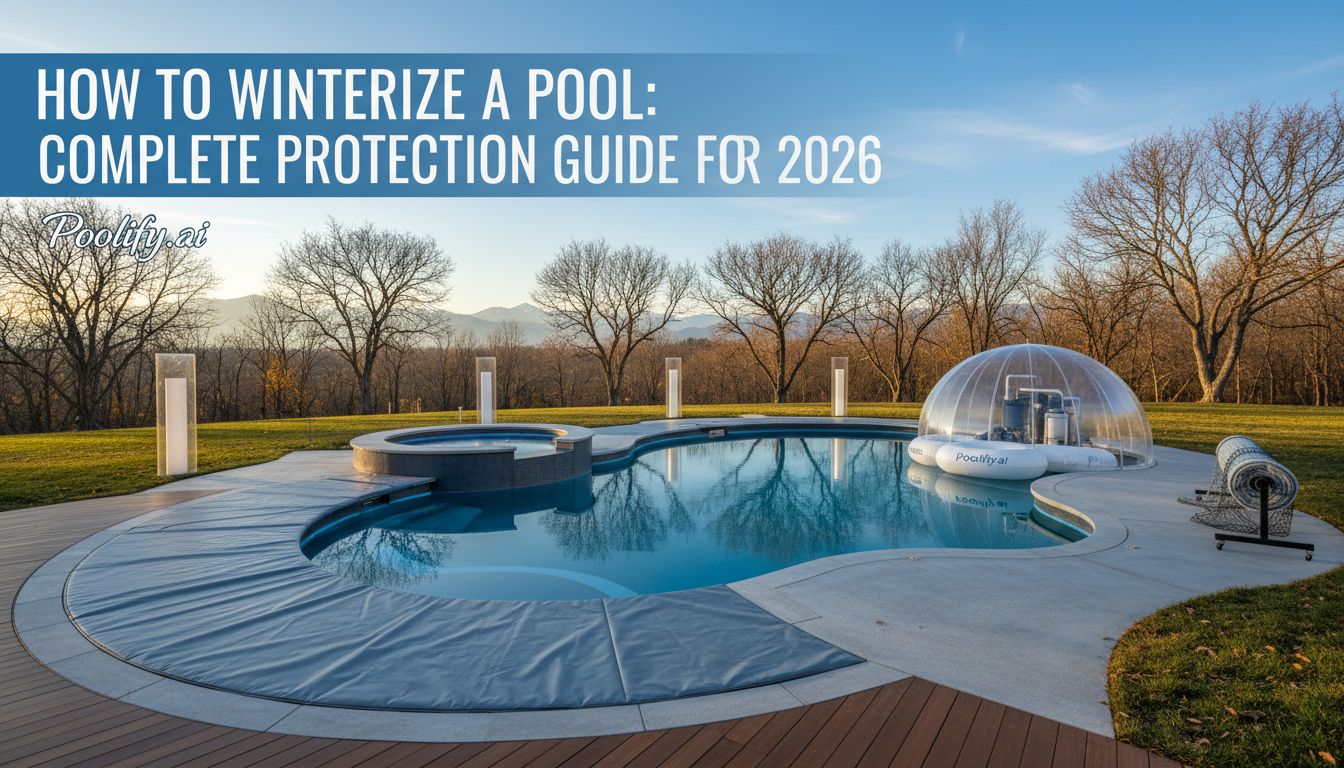
Introduction: Why Proper Pool Winterization Matters in 2026
Understanding how to winterize a pool is one of the most critical skills every pool owner must master. As temperatures drop and swimming season ends, proper winterization protects your investment from freeze damage, equipment failure, and costly spring repairs. Learning how to winterize a pool correctly can save you thousands of dollars in potential damage and ensure your pool opens smoothly when warm weather returns. This comprehensive guide walks you through every step of the winterization process, from balancing water chemistry to protecting equipment and covering your pool for maximum protection throughout the cold months ahead.
When to Start: Optimal Timing for Pool Winterization
Knowing when to begin the winterization process is just as important as knowing how to winterize a pool properly. The ideal time to winterize your pool is when water temperatures consistently remain below 65°F. At this temperature, algae growth slows significantly, making it easier to maintain water quality throughout winter. Most pool owners in northern climates should plan to winterize between late September and mid-October, while those in milder regions may wait until November.
Starting too early means you might still want to swim during unexpected warm spells. Waiting too long risks freeze damage to your equipment and plumbing lines. According to the CDC’s pool maintenance guidelines, proper timing and chemical balance are essential for preventing waterborne illness and equipment damage. Monitor local weather forecasts and plan your winterization for a stretch of mild weather when you can work comfortably outdoors.
The winterization process typically takes 4-6 hours for an average-sized pool, so schedule accordingly. Choose a day when temperatures are above freezing and you have adequate daylight. This timing ensures chemicals mix properly and you can complete all steps without rushing. Understanding how to winterize a pool includes planning the right moment to begin this essential maintenance task.
Essential Equipment and Supplies for Pool Winterization
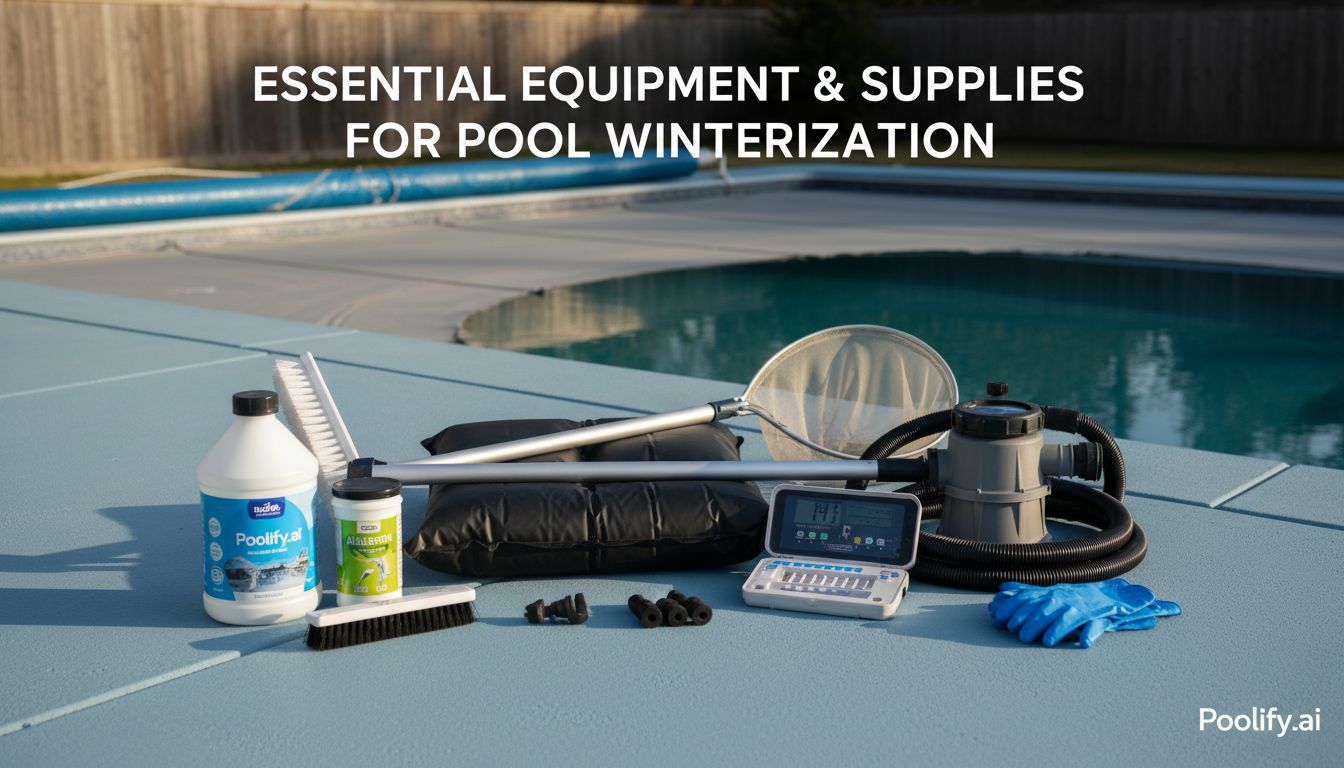
Before you learn how to winterize a pool, gather all necessary supplies to streamline the process. Having everything on hand prevents mid-project trips to the pool supply store. Your winterization toolkit should include water testing kits, pH adjusters, alkalinity increasers, calcium hardness increasers, chlorine shock, and algaecide specifically formulated for winter use.
You’ll also need equipment protection supplies including pool antifreeze (propylene glycol-based, never automotive antifreeze), expansion plugs for skimmers and returns, a winter pool cover with water bags or cover clips, and a cover pump to remove standing water. For equipment maintenance, gather a shop vacuum or air compressor, Teflon tape for threaded connections, and plug kits for all openings.
Additional helpful items include a pool brush, skimmer net, garden hose, buckets for mixing chemicals, rubber gloves, and safety goggles. If you’re storing pool accessories, have clean storage containers ready. Many pool owners also invest in a pool pillow or ice compensator that sits under the winter cover to absorb ice expansion pressure. Understanding how to winterize a pool properly means being fully prepared with the right supplies before starting.
Step-by-Step Guide: How to Winterize a Pool Correctly
Step 1: Deep Clean Your Pool
The first critical step in learning how to winterize a pool is thorough cleaning. Remove all debris from the water surface using your skimmer net, then vacuum the pool floor completely. Brush all walls, steps, and corners to dislodge any algae or buildup. Pay special attention to areas around return jets and the main drain where debris accumulates. Clean out skimmer baskets and pump strainer baskets thoroughly.
A clean pool is much easier to maintain throughout winter and will open more easily in spring. Any organic matter left in the pool provides food for algae and bacteria during winter months. Even with chemicals and a cover, starting with a pristine pool gives you the best chance of opening to clear water. This cleaning process is foundational to understanding how to winterize a pool effectively.
Step 2: Balance Water Chemistry
Proper water chemistry is absolutely essential when learning how to winterize a pool. Test and adjust your water to these target ranges: pH between 7.2-7.6, alkalinity between 80-120 ppm, and calcium hardness between 180-220 ppm. These balanced levels prevent corrosion, scaling, and staining during the months your pool sits dormant.
Add pH adjusters first, then alkalinity, and finally calcium hardness if needed. Allow the pump to circulate for at least 2-3 hours between adjustments to ensure proper mixing. Balanced water protects your pool surface, equipment, and plumbing from damage caused by corrosive or scaling water conditions. Many pool professionals consider this the most important chemical step in how to winterize a pool properly.
Step 3: Shock and Add Winterizing Chemicals
Once water chemistry is balanced, shock your pool with a chlorine-based shock treatment at 2-3 times the normal dose. This super-chlorination kills any remaining bacteria, algae, and organic contaminants. Run your pump for 8-12 hours to circulate the shock thoroughly throughout the entire pool. Shocking is a critical component of how to winterize a pool because it provides a clean slate for winter closure.
After shocking, add a winter algaecide according to manufacturer directions. Winter algaecides are specifically formulated to remain effective in cold water for extended periods. Some pool owners also add a winterizing enzyme product that breaks down non-living organic waste throughout winter. These chemical treatments work together to keep your pool water clear and prevent staining on pool surfaces during closure.
Step 4: Lower the Water Level
Understanding how to winterize a pool includes knowing the proper water level for your climate and pool type. For most in-ground pools in freeze-prone areas, lower the water level to just below the skimmer opening and return jets—typically 4-6 inches below the tile line. This prevents water from entering and freezing in these vulnerable plumbing lines.
Use your pool pump to lower the water level, or rent a submersible pump for faster drainage. Never completely drain an in-ground pool, as groundwater pressure can cause the pool structure to lift or crack. For above-ground pools, consult your manufacturer’s guidelines, as some recommend lowering water several inches below the return jet while others suggest different levels. Proper water level is crucial to how to winterize a pool in freezing climates.
Step 5: Drain and Protect Equipment
Equipment protection is perhaps the most critical aspect of how to winterize a pool. Begin by turning off all power to pool equipment at the circuit breaker. Remove drain plugs from your pump, filter, heater, and any other equipment with water-holding chambers. Store these plugs in the pump basket so you can find them in spring.
Use a shop vacuum or air compressor to blow out remaining water from the pump, filter housing, and heater. Even small amounts of trapped water can freeze and crack expensive equipment. For sand and DE filters, set the valve to “winterize” position if available, or leave it between two settings to keep the valve seal from sticking. Remove and clean cartridge filters, storing them indoors if possible.
Detach any removable equipment like ladders, diving boards, and handrails. Clean them thoroughly and store in a garage or shed. Remove and store your pool cleaner, including automatic cleaners and vacuum heads. Learning how to winterize a pool equipment properly prevents the most common and expensive winter damage issues.
Step 6: Blow Out Plumbing Lines
Blowing out plumbing lines is essential when learning how to winterize a pool in areas with freezing temperatures. This step requires an air compressor or shop vacuum capable of pushing water through your plumbing system. Start with the skimmer line, inserting the air source into the skimmer and watching for bubbles at the return jets.
Once you see steady bubbles indicating the line is clear, quickly plug the return jets with expansion plugs. Repeat this process for each return line. Next, blow out the main drain line if your pool has one. The goal is to remove all standing water from pipes where freezing could cause cracks. For added protection, many pool owners pour pool antifreeze into lines after blowing them out.
Install a skimmer guard or gizzmo in the skimmer opening. These devices absorb ice expansion pressure and protect the skimmer from cracking. Proper line clearing is perhaps the most technical aspect of how to winterize a pool, and many homeowners hire professionals for this step to ensure it’s done correctly.
Step 7: Install the Winter Cover
The final step in how to winterize a pool is installing a quality winter cover. Choose between solid covers that block all sunlight and debris, or mesh covers that allow water to drain through while keeping out leaves and large debris. Solid covers require a cover pump to remove standing water, while mesh covers eliminate this maintenance task.
Center the cover over your pool, ensuring equal overhang on all sides. For in-ground pools, secure the cover with water bags placed every 3-4 feet around the perimeter, or use a cover cable and winch system. Never use concrete blocks or sharp objects that could damage the cover. For above-ground pools, use the cable and winch system designed for your pool model.
If using a solid cover, place a pool pillow or air pillow under the center of the cover. This creates a raised area that helps rain and snow melt run off to the sides rather than pooling in the center. The pillow also absorbs some ice expansion pressure. A properly installed cover is the final critical element of how to winterize a pool successfully.
Common Winterization Mistakes to Avoid
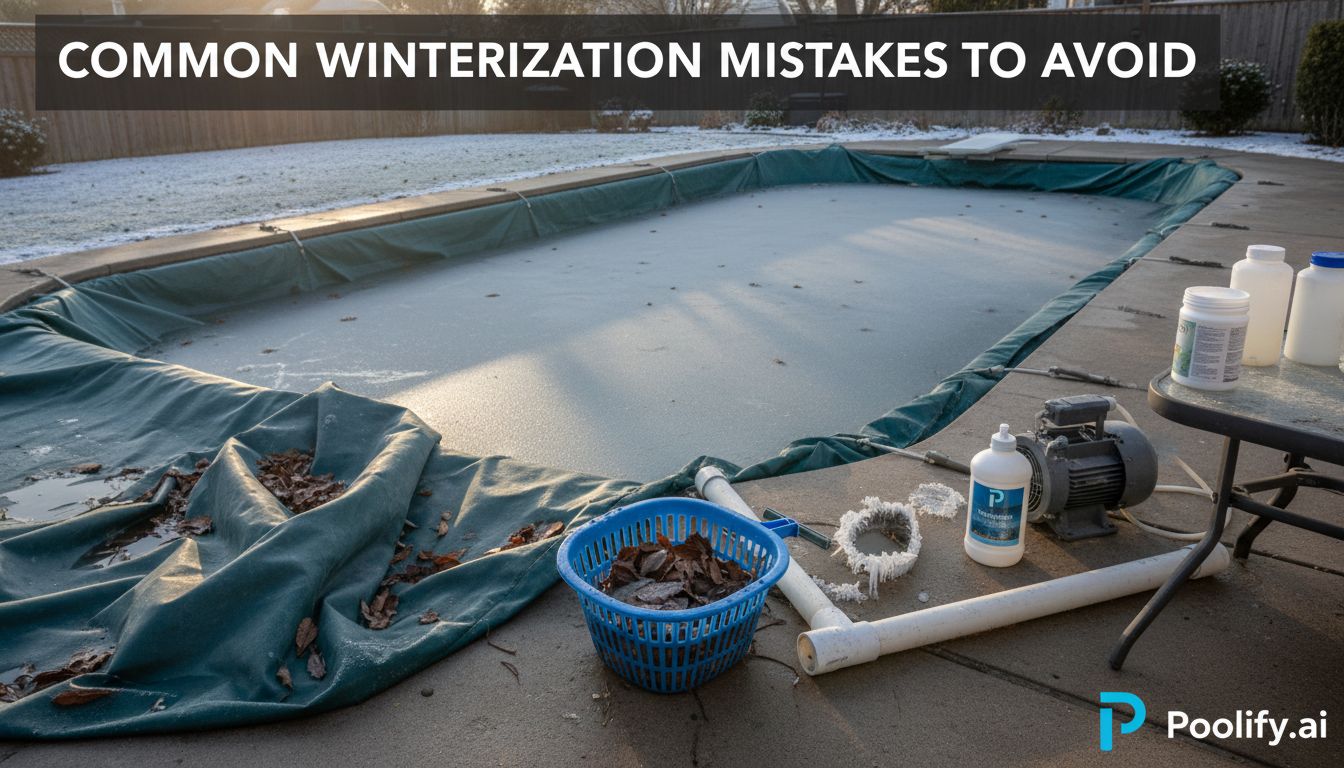
Even when following guides on how to winterize a pool, homeowners often make preventable mistakes. The most common error is failing to balance water chemistry before closing. Unbalanced water can cause staining, etching, or scaling that becomes permanent over winter months. Always test and adjust pH, alkalinity, and calcium hardness before adding shock and algaecide.
Another frequent mistake is not removing enough water from equipment and plumbing lines. Even small amounts of trapped water expand when frozen, causing cracks in pump housings, filter tanks, and pipes. Take the time to thoroughly drain and blow out all equipment. Using automotive antifreeze instead of pool antifreeze is dangerous—automotive antifreeze is toxic and can damage pool surfaces.
Many pool owners also close their pool too early or too late. Closing while water temperature is above 65°F encourages algae growth under the cover. Waiting until after the first hard freeze risks equipment damage. Timing matters significantly when learning how to winterize a pool. Finally, using an inadequate cover or failing to secure it properly allows debris accumulation and creates safety hazards. Invest in a quality cover and install it correctly for best results.
Regional Considerations: How to Winterize a Pool in Different Climates
The process of how to winterize a pool varies significantly based on your climate zone. In northern regions with harsh winters and extended freezing temperatures, complete winterization with blown-out lines, antifreeze, and heavy-duty covers is essential. These areas require the most comprehensive approach to prevent freeze damage to equipment and plumbing.
In moderate climates where temperatures occasionally dip below freezing but don’t stay there for extended periods, a modified winterization approach works well. You may not need to blow out all plumbing lines, but should still protect equipment and maintain chemical balance. Some pool owners in these regions run their pumps periodically during winter to prevent freezing during cold snaps.
Southern and warm-climate pool owners face different challenges when learning how to winterize a pool. In areas where pools remain swimmable year-round, winterization focuses more on reduced maintenance schedules rather than complete closure. You’ll still need to balance chemistry, but may keep equipment running at reduced hours and maintain regular cleaning schedules. Understanding how to winterize a pool in your specific climate ensures appropriate protection without unnecessary work.
Maintenance Tasks During Winter Months
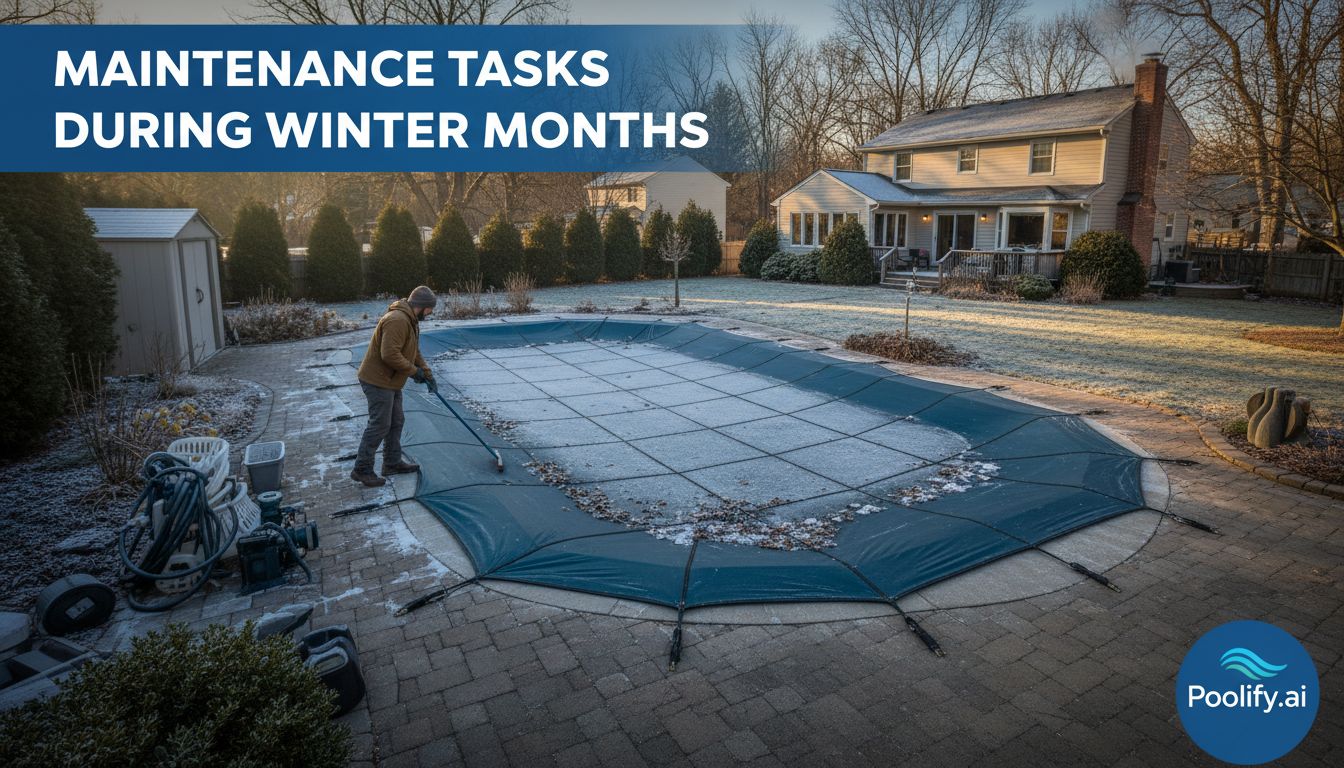
Understanding how to winterize a pool doesn’t end with closing procedures. Winter maintenance ensures your pool remains protected until spring opening. If you installed a solid cover, check it weekly and pump off standing water that accumulates from rain and snow melt. Excessive water weight can damage the cover and strain securing mechanisms.
Inspect your cover regularly for tears, gaps, or areas where wind has displaced it. Repair small tears immediately with cover patch kits to prevent them from enlarging. Check that water bags or cover anchors remain secure, especially after storms. Remove any heavy snow accumulation that could stress the cover or push it into the water.
For pools in moderate climates where you’re running equipment periodically, check the pump and filter monthly. Ensure water is circulating properly and no leaks have developed. Test water chemistry monthly and adjust as needed. Even in closed pools, checking chemistry once or twice during winter helps you catch any major imbalances. These ongoing tasks are part of knowing how to winterize a pool completely.
Cost Analysis: DIY vs. Professional Winterization
When learning how to winterize a pool, many homeowners wonder whether to handle it themselves or hire professionals. DIY winterization typically costs $150-300 for chemicals, supplies, and equipment, assuming you already own basic tools. This includes shock, algaecide, antifreeze, plugs, and cover maintenance items. The investment in learning how to winterize a pool yourself pays off over time.
Professional winterization services typically charge $200-500 depending on pool size, location, and services included. Professionals bring expertise, proper equipment for blowing out lines, and insurance coverage if something goes wrong. For complex pools with extensive plumbing, water features, or expensive equipment, professional service provides peace of mind.
Consider your comfort level with technical tasks, available time, and pool complexity when deciding. Many pool owners learn how to winterize a pool themselves for standard closing tasks but hire professionals for specialized work like blowing out plumbing lines. This hybrid approach balances cost savings with expert assistance for critical tasks. Over a pool’s lifetime, knowing how to winterize a pool yourself can save thousands of dollars.
Spring Opening: The Reward for Proper Winterization
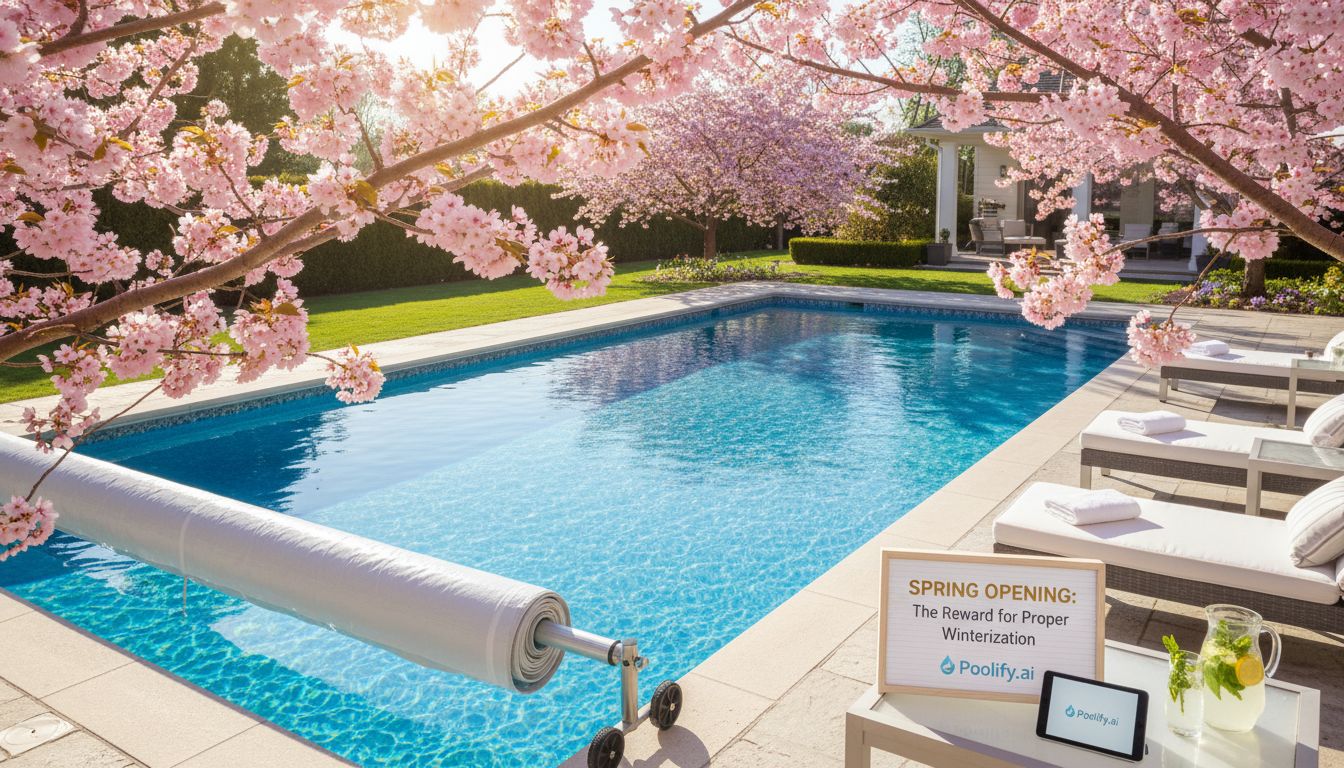
The true test of how well you learned how to winterize a pool comes during spring opening. Properly winterized pools open with clear or slightly cloudy water that clears quickly with filtration and minimal chemical adjustment. The pool surface should be free from staining, etching, or algae growth. Equipment should start up without issues, and plumbing should be intact without leaks.
Pools that weren’t winterized correctly often open to green, swampy water requiring extensive shocking, algaecide treatment, and days of filtration. Equipment damage from freeze issues can cost hundreds or thousands to repair. Surface staining from unbalanced water may require acid washing or even replastering in severe cases. These problems underscore why learning how to winterize a pool properly is so important.
Begin spring opening by removing and cleaning your winter cover before storing it. Refill the pool to normal operating level and reinstall all drain plugs in equipment. Reconnect pumps, filters, and heaters, then prime and start the system. Test and balance water chemistry, then shock the pool. Run the filter continuously for 24-48 hours, then resume normal operation. For more guidance on maintaining your pool after opening, check out our comprehensive pool maintenance guide.
Advanced Winterization Tips for Pool Longevity
Once you’ve mastered the basics of how to winterize a pool, these advanced tips can further protect your investment. Consider adding a phosphate remover before closing, as phosphates are algae food that accumulates over time. Removing them before winter gives algaecide a better chance of keeping water clear. This extra step enhances the standard process of how to winterize a pool.
For pools with salt water chlorine generators, remove the salt cell and store it indoors in a bucket of water or pool water. This prevents freeze damage and extends cell life. Clean the cell with a mild acid solution before storage if you notice scaling. Take photos of your equipment setup before disconnecting everything, making spring reconnection much easier.
Apply a pool surface protectant before covering, especially for vinyl liners. These products create a barrier against staining and UV damage. For plaster pools, consider applying a thin layer of petroleum jelly to the tile line to prevent staining from water level fluctuations. Mark your calendar with spring opening dates and mid-winter maintenance reminders. These professional techniques elevate your understanding of how to winterize a pool beyond basic procedures.
Environmental Considerations in Pool Winterization
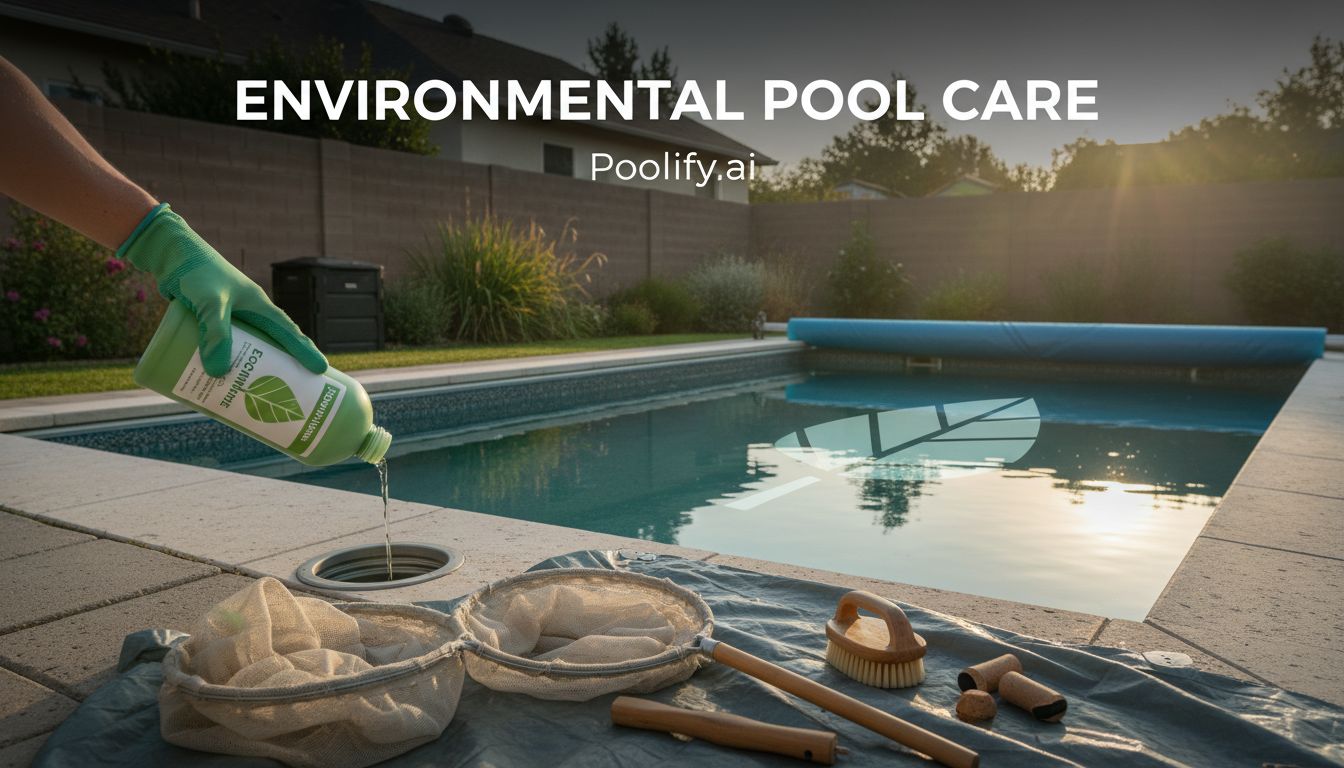
Modern pool owners should consider environmental impacts when learning how to winterize a pool. Use eco-friendly pool chemicals when possible, including enzyme-based cleaners and copper-free algaecides. These products work effectively while reducing environmental impact. Dispose of old pool chemicals properly at hazardous waste collection sites rather than pouring them down drains.
When draining water to lower pool levels, direct it to landscaped areas where plants can use it rather than into storm drains. However, wait at least 3-4 days after shocking before draining to allow chlorine levels to drop. Consider investing in a high-quality, long-lasting winter cover that won’t need replacement for many years, reducing waste.
Energy-efficient variable-speed pumps make it easier to run equipment during mild winter days in moderate climates, using less electricity while preventing freezing. Solar cover options are available that provide insulation while using renewable energy principles. These environmental considerations can be integrated seamlessly into how to winterize a pool responsibly. Learn more about eco-friendly pool practices in our sustainable pool care guide.
Frequently Asked Questions About Pool Winterization
How late can I wait to winterize my pool?
You should winterize your pool when water temperatures consistently stay below 65°F, typically before the first hard freeze. Waiting too long risks freeze damage to equipment and plumbing. However, if you’ve missed the ideal window, it’s better to winterize late than not at all. Understanding how to winterize a pool includes knowing that emergency winterization after a freeze requires immediate attention to equipment drainage and protection.
Can I winterize a pool without draining any water?
While you must lower water below skimmers and returns in freeze-prone climates, you should never completely drain an in-ground pool. The water level should be lowered 4-6 inches below the tile line to protect plumbing, but the pool must remain mostly full to counteract groundwater pressure. Above-ground pools have different requirements based on manufacturer specifications. Proper water level management is essential to how to winterize a pool correctly.
Do I really need to add winterizing chemicals?
Yes, winterizing chemicals are essential for maintaining water quality and preventing algae growth during closure. Even with a cover, some sunlight penetrates, and organic matter can accumulate. Winter algaecide and shock treatment provide months of protection. Skipping chemicals often results in green, stained pools that require extensive treatment in spring. Chemical treatment is a non-negotiable aspect of how to winterize a pool properly.
What’s the difference between pool antifreeze and automotive antifreeze?
Pool antifreeze is propylene glycol-based and non-toxic, specifically formulated for swimming pools. Automotive antifreeze contains ethylene glycol, which is highly toxic and can damage pool surfaces and equipment. Never use automotive antifreeze in your pool. Always purchase products specifically labeled for swimming pool use when learning how to winterize a pool safely.
Should I run my pool pump at all during winter?
In warm climates where freezing is rare, running your pump on a reduced schedule maintains water circulation and chemical distribution. In freeze-prone areas where you’ve blown out lines and added antifreeze, do not run the pump, as there’s no water in the system to circulate. For moderate climates, some pool owners run pumps during the day when temperatures are above freezing. Your specific approach to how to winterize a pool depends on your climate zone.
Key Takeaways: Mastering Pool Winterization
- Timing is critical – Winterize when water temperatures consistently stay below 65°F, typically late September through October in northern climates, to prevent freeze damage while avoiding premature closure.
- Water chemistry comes first – Balance pH, alkalinity, and calcium hardness before shocking and adding winterizing chemicals to prevent staining, scaling, and corrosion during winter months.
- Equipment protection prevents costly damage – Thoroughly drain pumps, filters, heaters, and blow out plumbing lines to eliminate water that could freeze and crack expensive components.
- Quality covers provide essential protection – Invest in a properly sized winter cover and secure it correctly with water bags or anchors to keep out debris and maintain water quality.
- Regional differences matter – Adapt your winterization approach to your climate, with comprehensive procedures for harsh winter areas and modified approaches for moderate or warm climates.
Conclusion: Protecting Your Pool Investment Through Winter
Learning how to winterize a pool properly is an essential skill that protects your investment and ensures years of swimming enjoyment. By following the comprehensive steps outlined in this guide—from timing your closure correctly and balancing water chemistry to protecting equipment and installing a quality cover—you’ll prevent costly damage and enjoy an easier spring opening. Understanding how to winterize a pool saves money on professional services and gives you confidence in maintaining your pool through all seasons.
The process of how to winterize a pool may seem daunting initially, but becomes routine with experience. Start with thorough cleaning, balance your water chemistry carefully, protect your equipment completely, and secure a quality cover properly. These fundamental steps apply whether you’re in a harsh northern climate requiring complete winterization or a moderate region needing modified procedures. Take the time to winterize correctly each fall, and you’ll be rewarded with a pool that opens easily and operates reliably for decades.
As you prepare for the 2026 winter season, remember that proper winterization is an investment in your pool’s longevity and your family’s future enjoyment. Whether you tackle the entire process yourself or combine DIY efforts with professional assistance for technical tasks, knowing how to winterize a pool empowers you to make informed decisions. For additional information on year-round pool care, explore our complete pool care resource center. With the knowledge and techniques in this guide, you’re fully equipped to winterize your pool confidently and correctly.
References
Centers for Disease Control and Prevention (CDC). “Residential Pool Disinfection & Testing.” Available at: https://www.cdc.gov/healthywater/swimming/residential/disinfection-testing.html