
Understanding the True Value of Pool Ownership
The question “is a pool worth it” ranks among the most common dilemmas facing homeowners considering a backyard renovation. With installation costs ranging from $35,000 to $100,000 or more in 2026, this decision requires careful consideration of financial, lifestyle, and practical factors. A swimming pool represents one of the largest investments you’ll make in your property, yet the answer isn’t simply about dollars and cents.
Whether a pool is worth it depends on your specific circumstances: climate, family composition, entertainment habits, property value considerations, and long-term plans. This comprehensive guide examines every angle of pool ownership to help you make an informed decision that aligns with your goals and budget.
The Financial Reality: What Pool Ownership Actually Costs
When evaluating if a pool is worth it, understanding the complete financial picture is essential. The sticker price represents just the beginning of your investment. Installation costs vary dramatically based on pool type, size, materials, and location. In 2026, an inground concrete pool typically costs $50,000 to $100,000, while fiberglass pools range from $40,000 to $85,000. Above-ground pools offer a more affordable entry point at $3,000 to $15,000.
Beyond initial construction, annual maintenance expenses add $1,200 to $2,500 for chemicals, cleaning, equipment repairs, and utilities. Energy costs for heating and filtration can increase your electric bill by $50 to $150 monthly during swimming season. Homeowners insurance typically rises 10-15% with pool addition, and you’ll need to budget for eventual resurfacing ($10,000-$20,000 every 10-15 years) and equipment replacement.
According to Zillow’s analysis of home improvements, pools add approximately 7% to property value in warm climates but may only recoup 50-60% of installation costs at resale. The return on investment varies significantly by region, with southern states seeing better returns than northern markets.
Hidden Costs Many Homeowners Overlook
Determining if a pool is worth it requires accounting for expenses beyond the obvious. Landscaping modifications around the pool area often add $5,000 to $15,000. Many municipalities require safety fencing, which costs $2,000 to $8,000 depending on materials and perimeter length. Liability insurance increases protect against potential accidents, and some lenders require additional coverage.
Water costs rise substantially, especially during the initial fill and in arid climates where evaporation demands frequent refilling. Seasonal opening and closing services run $300 to $500 each time if you hire professionals. Winter maintenance in cold climates adds another layer of expense and complexity that warm-weather residents don’t face.
Lifestyle Benefits That Make Pools Worthwhile

Financial considerations only tell part of the story when asking is a pool worth it. The lifestyle advantages often prove invaluable to families who maximize pool usage. Immediate backyard access to swimming eliminates travel time to public pools or beaches, saving hours throughout the summer season. For families with children, this convenience transforms daily routines and creates countless opportunities for spontaneous recreation.
Health and fitness benefits represent significant value. Swimming provides low-impact cardiovascular exercise suitable for all ages and fitness levels. A home pool enables consistent workout routines without gym memberships or class schedules. Physical therapy and rehabilitation exercises become more accessible with private pool access, particularly valuable for individuals with joint issues or mobility limitations.
The social dimension answers the “is a pool worth it” question for many homeowners. Pools create natural gathering spaces for family celebrations, neighborhood barbecues, and children’s birthday parties. Your backyard transforms into a destination that strengthens relationships and builds lasting memories. For parents, home pools offer peace of mind through controlled environments where they supervise children’s water activities directly.
Mental Health and Relaxation Value
Beyond physical benefits, pools contribute to mental wellness in ways that resist quantification. The therapeutic effect of water reduces stress and anxiety, offering a private retreat from daily pressures. Evening swims provide relaxation that improves sleep quality. The ambient sound of water features creates peaceful atmospheres that enhance outdoor living spaces even when you’re not swimming.
For remote workers and professionals spending increased time at home in 2026, pools offer valuable breaks during the workday. A quick swim between meetings refreshes focus and productivity in ways that scrolling social media cannot match. This home-based recreation option has gained significance as work-from-home arrangements become permanent for many professionals.
Climate and Geography: Critical Factors in Pool Value
Location dramatically influences whether a pool is worth it for your specific situation. Homeowners in southern states like Florida, Arizona, Texas, and California enjoy 7-9 month swimming seasons that maximize usage and justify investment. Year-round warm weather means pools function as primary entertainment spaces rather than seasonal amenities. Property values in these markets reflect strong buyer preference for pools, improving resale prospects.
Northern climates present different calculations. A 3-4 month swimming season in states like Minnesota, Wisconsin, or Maine concentrates usage into a narrow window, potentially reducing overall value. However, heated pools and enclosures extend usability, though at substantial additional cost. Some northern homeowners find pools worthwhile despite shorter seasons, particularly if they prioritize the available summer months for outdoor activities.
Climate considerations extend beyond temperature. Regions with high pollen counts require more frequent cleaning. Areas prone to severe weather may experience increased maintenance from debris and storm damage. Desert environments face higher evaporation rates that increase water costs. Understanding your local climate’s specific challenges helps determine if a pool is worth it given the maintenance realities you’ll face.
Microclimates and Property-Specific Conditions
Even within the same region, individual property characteristics affect pool value. South-facing yards receive maximum sunlight, naturally warming water and extending comfortable swimming periods. Tree coverage provides welcome shade but increases leaf debris and cleaning requirements. Wind exposure accelerates evaporation and heat loss, while sheltered locations maintain temperature more efficiently.
Yard size and layout determine pool placement options and remaining space for other activities. Properties with limited square footage may find pools consume too much usable area, while expansive lots easily accommodate pools alongside play areas, gardens, and outdoor kitchens. Evaluating whether a pool is worth it requires honest assessment of how it fits your total outdoor living vision.
Family Dynamics and Long-Term Planning

The “is a pool worth it” question demands consideration of your household’s current and future composition. Families with young children often find pools deliver maximum value during the 10-15 years when kids actively use them. These years create core memories and provide daily entertainment that justifies the investment. However, usage typically declines as children reach teenage years and develop interests beyond home-based activities.
Empty nesters and retirees represent another demographic where pools prove worthwhile. With more leisure time and established routines, older adults often use pools consistently for exercise, therapy, and entertaining grandchildren. The low-impact nature of swimming suits aging bodies better than many alternative exercises. For this group, pools enhance quality of life during retirement years when time availability peaks.
Consider your timeline for remaining in the home. If you plan to relocate within 5 years, a pool may not be worth it financially given the limited usage period and uncertain return on investment. Conversely, if you’re settling into your forever home, the long-term enjoyment over 20-30 years distributes costs across many seasons, improving the value equation substantially.
Maintenance Responsibility and Lifestyle Fit
Honest self-assessment about maintenance commitment helps answer is a pool worth it for your personality and schedule. Pools require weekly chemical testing, cleaning, and equipment monitoring. Neglected pools quickly develop problems that become expensive to correct. Some homeowners embrace this routine as therapeutic, while others find it burdensome.
Professional maintenance services eliminate hands-on work but add $100-$200 monthly to operating costs. For busy professionals or individuals who dislike maintenance tasks, this expense may prove worthwhile. DIY maintenance saves money but demands time and learning. Your willingness to invest either time or money into upkeep significantly impacts whether a pool enhances or detracts from your lifestyle quality.
Property Value Impact and Resale Considerations
Understanding how pools affect home value clarifies whether a pool is worth it from an investment perspective. In warm-climate markets, pools are often expected amenities that attract buyers and support premium pricing. Homes without pools may sit longer on the market or sell for less than comparable properties with pools. This dynamic makes pools worthwhile investments in places like Southern California, Florida, and Arizona.
Northern and moderate-climate markets show mixed results. Some buyers view pools as attractive features, while others see them as maintenance burdens or safety concerns with young children. This divided preference means pools may not add significant value and could even narrow your buyer pool at resale. Regional real estate professionals can provide market-specific insights about whether pools help or hinder sales in your area.
Pool condition dramatically affects resale value. Well-maintained pools with updated equipment and attractive surroundings add value, while dated or neglected pools may require buyers to budget for immediate repairs or renovation. If you’re questioning is a pool worth it partly based on resale value, factor in the importance of maintaining the pool properly throughout ownership to preserve its contribution to home value.
Buyer Demographics and Market Trends
Current real estate trends in 2026 show increased buyer interest in outdoor living spaces, partly driven by pandemic-era lifestyle shifts that persist. Pools align with this preference for home-based recreation and entertainment. However, first-time buyers often lack the budget for homes with pools, while move-up buyers actively seek them. Understanding your likely buyer demographic helps assess whether a pool is worth it for eventual resale.
Luxury markets almost universally expect pools as standard features. In these price ranges, lacking a pool may hurt value more than having one helps. Mid-range markets show the most variability, where pool value depends heavily on local preferences and climate. Budget-conscious segments may view pools as expensive liabilities rather than desirable amenities.
Alternatives and Compromise Solutions
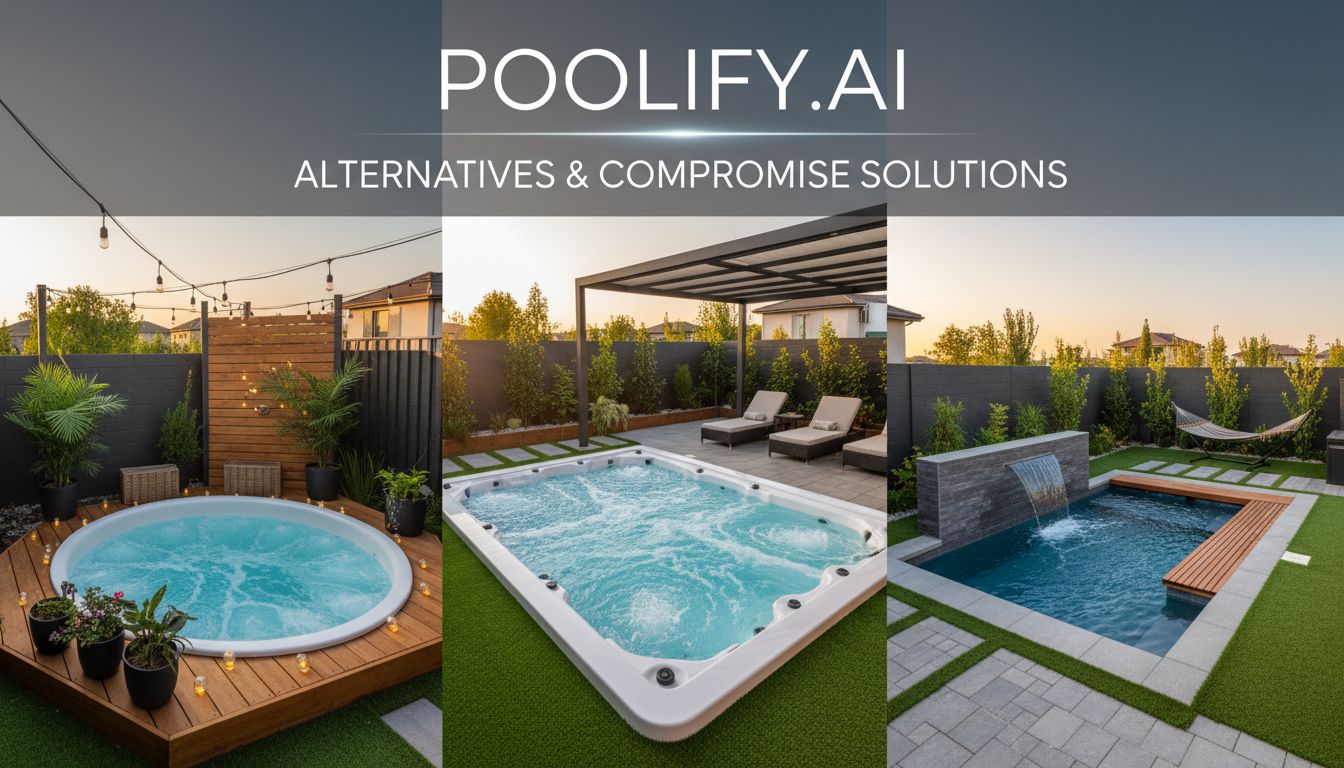
If you’re uncertain whether a pool is worth it given the full commitment, several alternatives provide water-based recreation with reduced investment. Above-ground pools cost 70-90% less than inground options and can be removed if they don’t meet expectations. Modern above-ground designs have improved aesthetically, with deck surrounds creating attractive appearances that blend with landscaping.
Swim spas combine exercise pools with hot tub features in compact footprints suitable for smaller yards. These units cost $20,000-$40,000 and offer year-round usability in cold climates through heating and insulation. Current technology creates adjustable currents for swimming in place, delivering fitness benefits without full-sized pool dimensions. For homeowners prioritizing exercise over recreation, swim spas may answer the “is a pool worth it” question more affordably.
Plunge pools and cocktail pools represent scaled-down inground options for cooling off and relaxation rather than lap swimming. These smaller pools cost $20,000-$35,000, require less maintenance, and fit tighter spaces while still providing water access. They work particularly well for empty nesters or couples without children who want pool benefits without full-scale commitment.
Shared and Community Pool Options
Before deciding if a pool is worth it for private installation, explore community alternatives. Many neighborhoods offer association pools included in HOA fees, providing pool access without individual maintenance responsibility. Country clubs and swim clubs offer seasonal memberships that deliver pool benefits at fraction of ownership costs. These options work well for families uncertain about usage levels or unwilling to commit to maintenance.
Some homeowners find that combining occasional public pool visits with other backyard features like outdoor kitchens, fire pits, or play structures better serves their needs. This approach distributes outdoor living investment across multiple amenities rather than concentrating it in a pool. Honest evaluation of how you actually spend outdoor time helps determine if a pool is worth it compared to alternative improvements.
Making the Decision: Is a Pool Worth It for You?
Synthesizing all factors requires creating a personalized decision framework. Start by calculating total costs including installation, annual maintenance, insurance increases, and eventual major repairs over your expected ownership period. Compare this against realistic usage estimates based on your climate, family composition, and lifestyle preferences. If you’ll use the pool 100+ days annually over 15+ years, the per-use cost becomes quite reasonable.
Consider financing options and budget impact. Cash purchases avoid interest but require significant liquid capital. Home equity loans spread costs over time but add interest expense. Some homeowners find that financing makes pools accessible without depleting emergency funds or retirement savings. Whether a pool is worth it financially depends partly on your broader financial picture and competing priorities.
Evaluate alternatives objectively. Could the same budget create an outdoor living space you’d use more frequently? Would a pool plus outdoor kitchen exceed your budget where one feature alone would fit comfortably? Sometimes the answer to is a pool worth it becomes clearer when you consider what you’d do with that money otherwise. There’s no shame in deciding other improvements better serve your needs.
The Intangible Value Question
Ultimately, determining if a pool is worth it requires weighing intangibles against financial realities. The joy of watching children play in your pool, the convenience of spontaneous evening swims, the pride of hosting gatherings in your backyard oasis—these experiences resist quantification but hold genuine value. For some families, these benefits justify costs that might not make pure financial sense.
Conversely, if you’re ambivalent about swimming, dislike maintenance, or worry about safety and liability, a pool may not be worth it regardless of potential property value gains. Pools should enhance your life, not create stress or financial strain. Trust your instincts about whether pool ownership aligns with your personality, priorities, and vision for your home.
Frequently Asked Questions
Is a pool worth it if I only use it three months per year?
Whether a pool is worth it with limited seasonal use depends on how intensively you use it during those months and your long-term ownership plans. If you swim daily throughout the season and plan to stay in the home for 15+ years, the total usage hours may justify the investment. However, if usage is sporadic even during peak season, alternatives like community pools or seasonal memberships might serve you better. Consider that maintenance and costs continue year-round regardless of usage, which affects the value equation in shorter swimming seasons.
Do pools really increase home value enough to justify the cost?
Pools typically add 5-8% to home value in warm climates but rarely recoup full installation costs at resale. In northern markets, pools may add minimal value or even deter some buyers. The financial justification for pools should focus on personal enjoyment during ownership rather than resale returns. If you’re asking is a pool worth it purely as a financial investment, the answer is usually no. However, if you’ll use and enjoy the pool extensively, the lifestyle value during ownership justifies costs that you won’t fully recover at sale.
What’s the minimum budget needed to determine if a pool is worth it?
For inground pools, budget at least $45,000-$50,000 for basic installations in 2026, plus $1,500-$2,500 annually for maintenance. Above-ground options start around $5,000 installed with $800-$1,200 annual costs. Beyond these minimums, ensure you have emergency funds for unexpected repairs and can absorb the ongoing expenses without financial stress. A pool is worth it only when it fits comfortably within your broader financial picture without compromising other goals like retirement savings or emergency reserves.
How do I know if my family will actually use a pool enough to make it worthwhile?
Assess current water-related activity patterns. Do family members currently seek out pools, beaches, or water parks regularly? Do you enjoy outdoor activities and spend significant time in your yard? Families who already prioritize water recreation typically use home pools extensively. Conversely, if outdoor time is currently limited or family members prefer indoor activities, a pool may not change those patterns. Consider your climate and whether you’ll realistically swim outside your comfort zone regarding temperature. Honest evaluation of actual behavior patterns helps determine if a pool is worth it for your specific household.
Are there pool types that offer better value for determining if a pool is worth it?
Fiberglass pools often provide the best value combination in 2026, with moderate installation costs ($40,000-$85,000), lower maintenance than concrete, and good durability. They require less frequent resurfacing and resist algae better than other types. Above-ground pools offer the lowest entry cost for testing whether your family will use a pool before committing to inground installation. Concrete pools cost more initially but offer unlimited customization and longest lifespan with proper maintenance. The best choice depends on your budget, aesthetic preferences, and how certain you are that a pool is worth it for your situation.
Key Takeaways
- Total cost analysis is essential: Factor installation ($35,000-$100,000+), annual maintenance ($1,200-$2,500), insurance increases, and eventual major repairs when determining if a pool is worth it financially for your budget.
- Climate dramatically affects value: Warm-climate homeowners with 7-9 month swimming seasons typically find pools more worthwhile than northern residents with 3-4 month seasons, though personal usage patterns matter more than geography alone.
- Lifestyle fit trumps financial calculations: Pools deliver maximum value to families who swim frequently, prioritize outdoor recreation, and plan long-term homeownership—the intangible benefits often outweigh pure ROI considerations.
- Resale value varies by market: Pools add 5-8% to home values in warm climates but rarely recoup full costs; they may not increase value significantly in northern markets, so don’t rely on resale returns to justify the investment.
- Alternatives exist for uncertain buyers: Above-ground pools, swim spas, plunge pools, and community memberships provide water recreation with lower commitment, helping you test whether a full pool is worth it before major investment.
Conclusion: Making Your Pool Decision with Confidence
The question of whether a pool is worth it has no universal answer—it depends entirely on your unique circumstances, priorities, and values. For families who will use pools extensively over many years in favorable climates, the investment delivers substantial lifestyle benefits that justify costs. The memories created, health benefits gained, and daily enjoyment experienced make pools worthwhile despite imperfect financial returns.
However, pools aren’t right for every homeowner. If you’re uncertain about usage, concerned about maintenance commitment, facing budget constraints, or planning to relocate soon, waiting or exploring alternatives makes more sense. There’s wisdom in acknowledging that other home improvements might better serve your needs and deliver greater satisfaction.
Approach this decision methodically by calculating complete costs, honestly assessing your lifestyle and usage patterns, understanding your local market dynamics, and trusting your instincts about what will genuinely enhance your life. Whether you ultimately decide a pool is worth it or choose a different path for your home and budget, making an informed decision ensures you’ll feel confident in your choice for years to come. For more guidance on pool planning and maintenance, explore our resources on essential pool maintenance strategies and innovative pool design concepts that maximize value and enjoyment.
References
- Zillow – Home Improvements That Add Value: https://www.zillow.com/sellers-guide/home-improvements-that-add-value/