
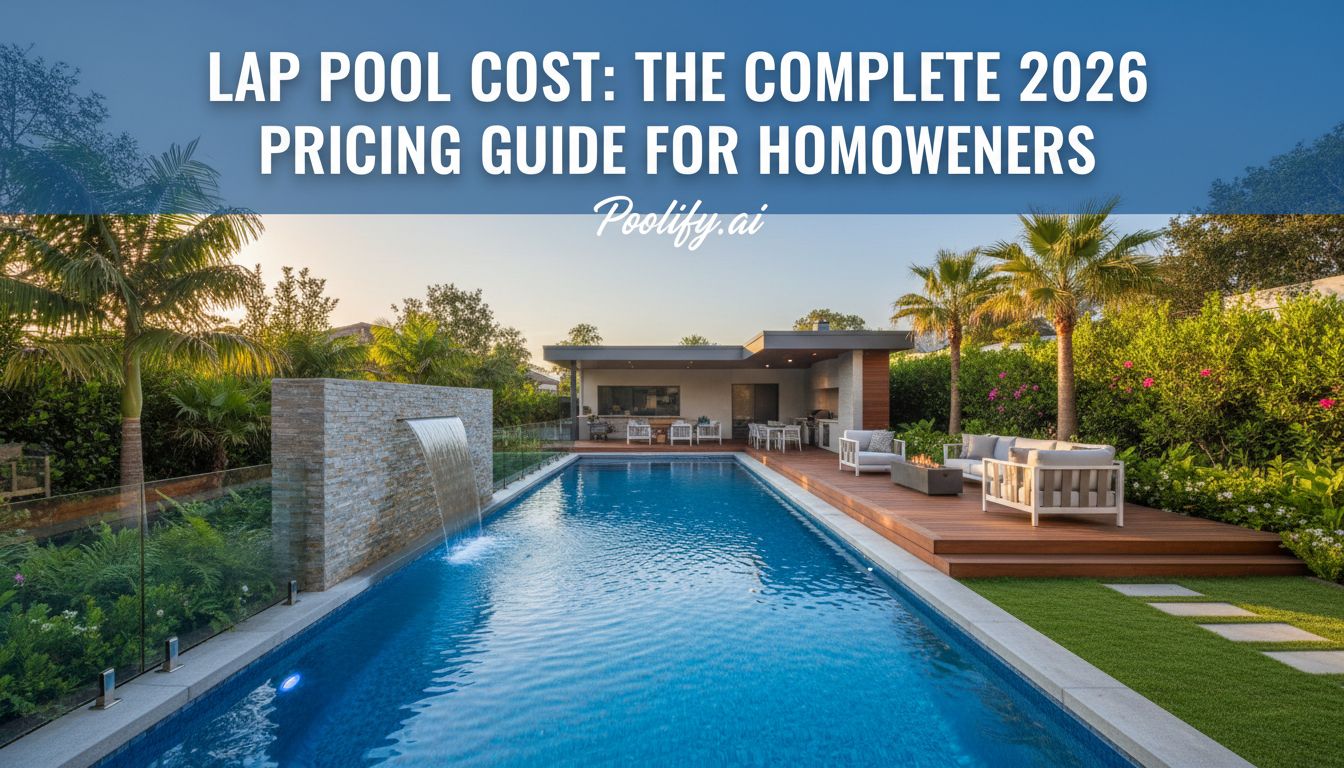
Understanding Lap Pool Cost in 2026
The lap pool cost in 2026 typically ranges from $20,000 to $70,000 or more, depending on materials, size, and installation complexity. Whether you’re a fitness enthusiast seeking daily exercise or a homeowner maximizing a narrow yard, understanding the financial investment required for a lap pool helps you make informed decisions. This comprehensive guide breaks down every expense factor, from initial construction to long-term maintenance, ensuring you budget accurately for your aquatic addition.
Lap pools have surged in popularity as homeowners prioritize health and wellness amenities. Unlike traditional pools designed for recreation, lap pools focus on functionality with their elongated rectangular shape, typically measuring 40 to 75 feet long and 8 to 10 feet wide. This specialized design influences pricing significantly, and knowing what drives lap pool cost empowers you to plan effectively.
Primary Factors That Determine Lap Pool Cost
Several key variables influence the total lap pool cost, and understanding each component helps you allocate your budget strategically. The material you choose creates the foundation for your investment, while size, features, and installation complexity add layers to the final price.
Material Selection and Price Impact
Your material choice represents one of the most significant lap pool cost factors. Fiberglass lap pools typically range from $20,000 to $40,000 for the shell alone, offering quick installation and low maintenance. These pre-manufactured units arrive ready to install, reducing labor time and associated expenses. Concrete or gunite lap pools cost between $40,000 and $70,000 or more, providing complete customization but requiring longer construction timelines and higher labor costs.
Vinyl-lined lap pools offer a middle ground, with costs ranging from $25,000 to $45,000. The liner requires replacement every 7 to 10 years, adding $3,000 to $5,000 to your long-term maintenance budget. According to the U.S. Census Bureau’s construction data, material costs have stabilized in 2026 after previous years of volatility, making budgeting more predictable.
Size and Dimension Considerations
The lap pool cost increases proportionally with size. A standard 40-foot lap pool costs approximately $30,000 to $50,000, while a 75-foot competition-style pool may exceed $80,000. Width impacts pricing less dramatically than length, but deeper pools require more materials and excavation, adding $5,000 to $15,000 to your budget.
For serious swimmers, the USA Swimming organization recommends minimum dimensions of 45 feet for effective training. Meeting these specifications ensures your investment serves its intended purpose without compromising workout quality.
Installation Complexity and Site Preparation
Site conditions dramatically affect lap pool cost. Level, easily accessible yards with good soil conditions minimize expenses, while challenging terrain increases costs substantially. Rocky soil requiring excavation equipment adds $3,000 to $10,000. Sloped properties need retaining walls or grading, potentially adding $8,000 to $20,000 to your project.
Permit fees vary by municipality but typically range from $500 to $2,000. Some jurisdictions require engineering reports or soil tests, adding another $1,000 to $3,000. Underground utilities necessitate relocation or careful navigation, potentially increasing lap pool cost by $2,000 to $8,000 depending on complexity.
Breaking Down Lap Pool Cost by Component
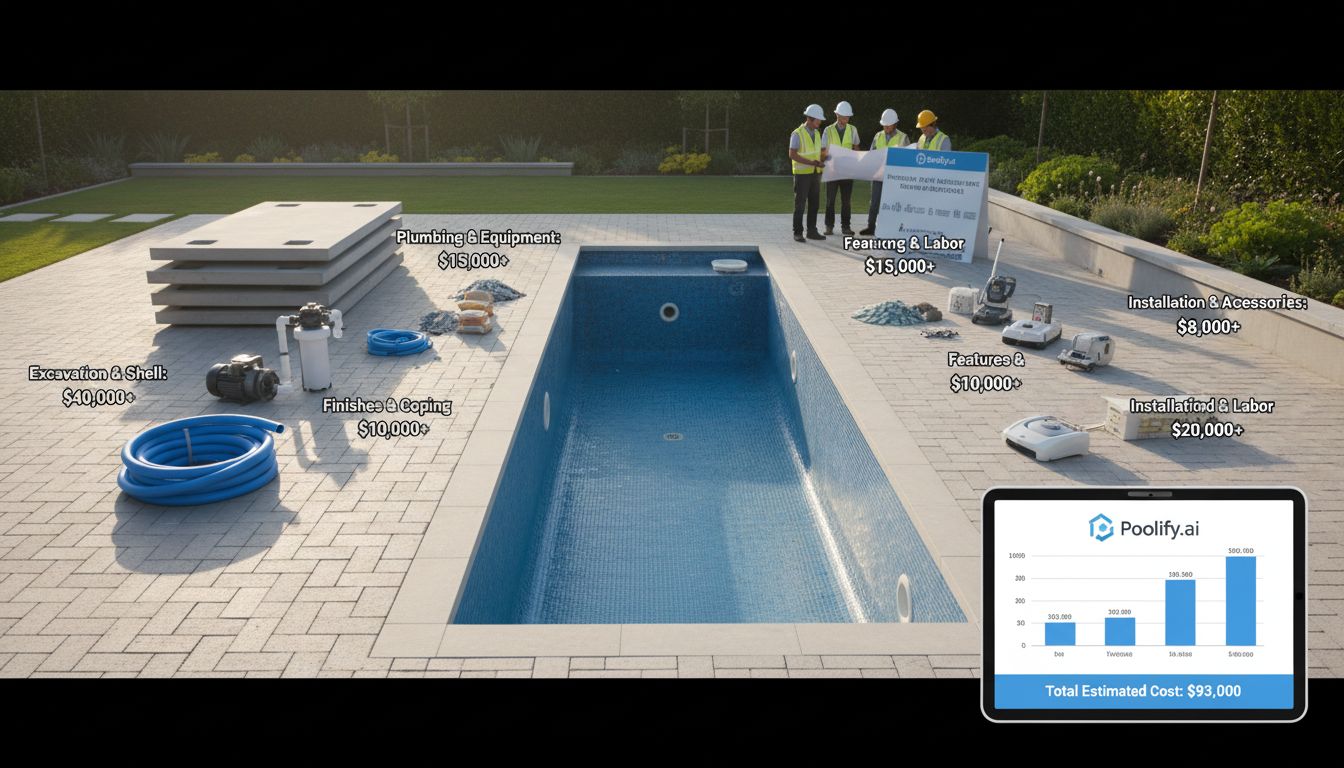
Itemizing each expense category provides clarity for budgeting and helps identify potential savings opportunities. The lap pool cost encompasses far more than the pool shell itself, with numerous supporting systems and features contributing to the total investment.
Excavation and Structural Work
Excavation represents the foundation of your lap pool project, typically costing $1,500 to $5,000 depending on soil type and access. Clay and rocky terrain require specialized equipment, increasing expenses. Structural work including steel reinforcement for concrete pools adds $3,000 to $8,000, ensuring long-term stability and preventing cracks or settling.
Plumbing and Electrical Systems
Professional plumbing installation costs $2,000 to $5,000, covering circulation lines, drains, and returns. Electrical work for pumps, heaters, and lighting ranges from $1,500 to $4,000. These systems must meet local building codes, and cutting corners compromises safety and functionality. Quality installation prevents costly repairs and ensures efficient operation, reducing long-term lap pool cost.
Filtration and Circulation Equipment
Your filtration system maintains water quality and represents a crucial lap pool cost component. Sand filters cost $300 to $1,000, cartridge filters range from $500 to $1,500, and diatomaceous earth systems run $800 to $2,000. Pumps add another $500 to $2,000 depending on horsepower and efficiency ratings. Variable-speed pumps cost more initially but reduce energy consumption by up to 70%, offsetting the higher purchase price through utility savings.
Heating Systems
Extending your swimming season requires heating, significantly impacting lap pool cost. Gas heaters range from $1,500 to $3,500 and heat water quickly but carry higher operating costs. Electric heat pumps cost $2,500 to $5,000 upfront but operate more efficiently, reducing monthly expenses. Solar heating systems represent the most economical long-term option at $3,000 to $7,000 installed, with minimal operating costs and environmental benefits.
Decking and Surrounding Hardscape
Decking provides essential access and safety around your lap pool. Concrete decking costs $6 to $15 per square foot, while pavers range from $10 to $30 per square foot. Natural stone represents the premium option at $15 to $50 per square foot. A typical lap pool requires 300 to 600 square feet of decking, adding $3,000 to $20,000 to your total lap pool cost depending on material selection.
Additional Features That Increase Lap Pool Cost
Beyond basic construction, various enhancements elevate functionality and aesthetics while increasing your investment. Understanding optional features helps you prioritize based on budget and preferences.
Swim Jets and Current Systems
Swim jets create artificial currents for stationary swimming, ideal for shorter pools. Basic systems cost $1,000 to $3,000, while high-performance models range from $4,000 to $10,000. These systems effectively reduce required pool length, potentially lowering overall lap pool cost by allowing a smaller footprint while maintaining training effectiveness.
Lighting and Automation
LED lighting enhances safety and ambiance, costing $500 to $2,000 for basic installations. Color-changing systems with programmable features range from $1,500 to $5,000. Automation systems controlling filtration, heating, and lighting cost $1,500 to $4,000 but provide convenience and energy optimization, reducing long-term lap pool cost through efficient operation.
Covers and Enclosures
Pool covers reduce heating costs, maintain water chemistry, and enhance safety. Manual covers cost $500 to $1,500, while automatic systems range from $5,000 to $15,000. Permanent enclosures enabling year-round swimming start at $15,000 for basic structures and exceed $50,000 for custom designs with climate control. While substantial, these additions dramatically extend usability and reduce maintenance expenses.
Water Features and Aesthetics
Waterfalls, fountains, and spillways add visual interest at $1,000 to $10,000 depending on complexity. Tile work and custom finishes increase lap pool cost by $2,000 to $15,000 but create distinctive aesthetics. While not essential for functionality, these features enhance enjoyment and property value, potentially justifying the additional investment.
Ongoing Maintenance and Operating Costs
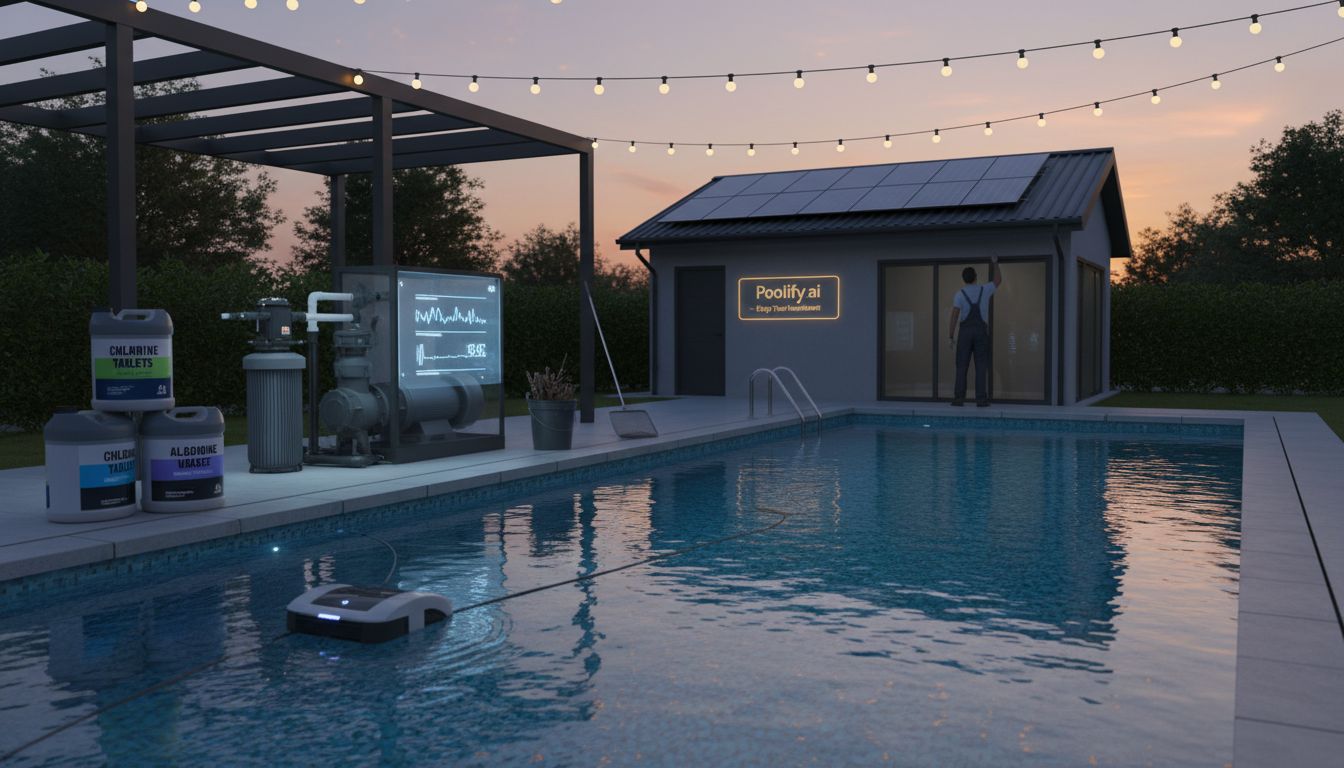
The initial lap pool cost represents only part of your total investment. Ongoing expenses for chemicals, utilities, maintenance, and repairs accumulate over time, and factoring these into your budget prevents financial surprises.
Chemical and Water Treatment
Annual chemical costs typically range from $300 to $800 depending on pool size and usage. Chlorine, pH balancers, algaecides, and shock treatments maintain safe, clean water. Saltwater systems reduce chemical expenses by 30% to 50% but require initial investment of $1,000 to $2,500. Regular testing and proper chemical balance prevent equipment damage and extend surface life, controlling long-term lap pool cost.
Energy Consumption
Pumps, heaters, and lighting consume electricity continuously. Standard pumps cost $30 to $100 monthly to operate, while variable-speed models reduce this to $15 to $40. Heating represents the largest energy expense, adding $50 to $300 monthly depending on system type, climate, and usage patterns. Annual energy costs typically total $500 to $2,500, making efficiency improvements worthwhile investments.
Professional Maintenance Services
Many homeowners hire professional pool services costing $80 to $150 monthly for weekly cleaning, chemical balancing, and equipment inspection. Annual professional maintenance totals $1,000 to $1,800, though DIY maintenance reduces this expense significantly. Equipment repairs and part replacements average $300 to $800 annually, though proper maintenance minimizes these costs.
Resurfacing and Major Repairs
Concrete pools require resurfacing every 10 to 15 years at $5,000 to $10,000. Vinyl liners need replacement every 7 to 10 years for $3,000 to $5,000. Fiberglass pools rarely need resurfacing but may require gelcoat repairs costing $1,000 to $3,000 every 15 to 20 years. Factoring these periodic expenses into your long-term lap pool cost calculation provides realistic financial expectations.
Smart Strategies to Reduce Lap Pool Cost
Strategic planning and informed decisions help control expenses without compromising quality or functionality. These approaches optimize your investment while maintaining the features that matter most.
Timing Your Installation
Scheduling installation during off-peak seasons often yields 10% to 20% discounts as contractors seek to maintain steady work. Late fall through early spring typically offers better pricing and faster scheduling. However, weather constraints may extend timelines in colder climates, so weigh seasonal savings against potential delays.
Selecting Cost-Effective Materials
Fiberglass pools minimize installation time and labor costs while providing excellent durability. Though customization options are limited, standard sizes accommodate most lap swimming needs. Vinyl-lined pools offer lower initial lap pool cost but require periodic liner replacement, making them less economical long-term. Concrete provides maximum flexibility but commands premium pricing.
Prioritizing Essential Features
Focus initial investment on core functionality rather than luxury additions. Quality filtration, reliable heating, and proper circulation deliver more value than elaborate water features or premium finishes. You can add enhancements later as budget allows, spreading costs over time while ensuring your pool meets fundamental requirements from day one.
Comparing Multiple Contractors
Obtaining three to five detailed quotes reveals market pricing and identifies potential savings. Compare not just total cost but specific line items, material quality, warranties, and contractor experience. The lowest bid isn’t always the best value—reputation, craftsmanship, and comprehensive warranties justify reasonable price premiums and prevent costly problems later.
Handling Appropriate Tasks Yourself
Homeowners with relevant skills can reduce lap pool cost by handling certain tasks. Landscaping, decking installation, and fence construction offer DIY opportunities saving 20% to 40% on those components. However, leave excavation, plumbing, electrical work, and structural installation to licensed professionals to ensure safety, code compliance, and warranty protection.
Financing Options for Your Lap Pool Investment
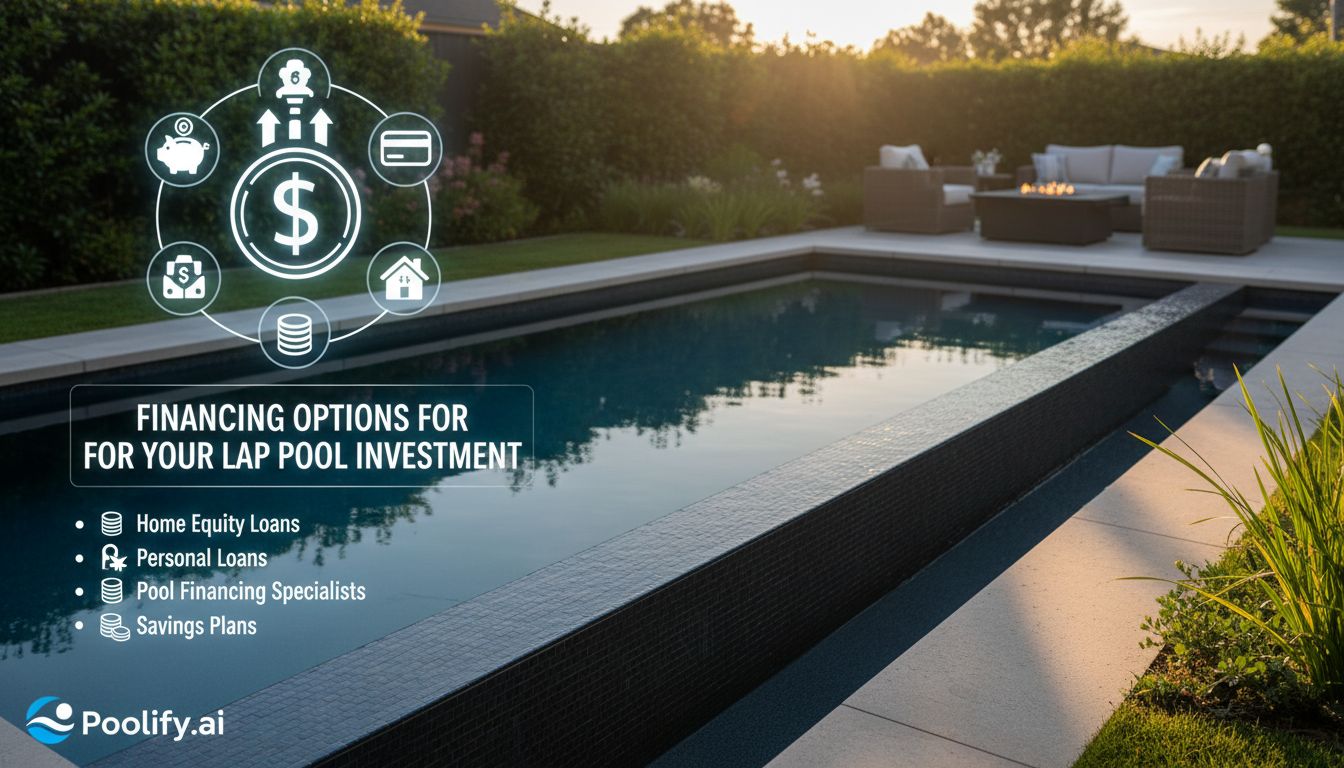
Understanding financing alternatives helps you proceed with your project even if you lack immediate cash reserves. Various options accommodate different financial situations and preferences.
Home Equity Loans and Lines of Credit
Home equity loans provide lump-sum financing at fixed interest rates, typically 5% to 8% in 2026. Home equity lines of credit (HELOCs) offer flexible access to funds with variable rates. Both options leverage your property equity and may offer tax-deductible interest, though tax laws vary. These products suit homeowners with substantial equity seeking competitive rates for their lap pool cost.
Personal Loans
Unsecured personal loans require no collateral but carry higher interest rates, typically 8% to 15% depending on creditworthiness. Loan amounts reach $100,000 with terms up to seven years. This option suits homeowners lacking sufficient equity or preferring not to leverage their property. Compare offers from multiple lenders to secure optimal terms.
Contractor Financing Programs
Many pool builders partner with lenders offering specialized financing. These programs provide convenience and sometimes promotional rates, though terms may not match what you’d secure independently. Review all terms carefully, comparing against other financing options to ensure you’re receiving competitive rates that don’t inflate your total lap pool cost unnecessarily.
Cash Payment Discounts
Contractors often discount projects by 3% to 7% for cash payment, as they avoid credit card processing fees and payment delays. If you have liquid assets, this approach reduces your lap pool cost immediately while simplifying the transaction. Ensure you maintain adequate emergency reserves even after making this substantial purchase.
Return on Investment and Property Value Impact
While lap pools primarily serve personal fitness and recreation goals, understanding their effect on property value provides important financial context. The relationship between lap pool cost and home value varies by market, property type, and pool quality.
Typical Value Addition
Lap pools typically add 5% to 8% to property value in appropriate markets, though rarely recovering 100% of installation costs immediately. A $50,000 lap pool might increase home value by $25,000 to $40,000. Premium markets with warm climates and affluent buyers see stronger returns, while colder regions or neighborhoods where pools are uncommon may see minimal value addition.
Market Considerations
Buyer preferences significantly impact whether your lap pool enhances or limits marketability. Fitness-focused buyers and empty nesters often value lap pools highly, while families with young children may prefer traditional recreational pools. Properties with limited yard space benefit most from lap pools’ efficient footprints, making them attractive in urban and suburban settings where traditional pools wouldn’t fit.
Quality and Maintenance Matter
Well-maintained pools with modern equipment enhance property appeal, while neglected pools become liabilities. Keeping your lap pool in excellent condition through regular maintenance preserves its value contribution. Updated equipment, attractive decking, and proper landscaping maximize return on your lap pool cost investment when selling.
Frequently Asked Questions About Lap Pool Cost
What is the cheapest type of lap pool to install?
Above-ground lap pools represent the most economical option at $3,000 to $10,000, though they offer limited aesthetics and durability. Among in-ground options, vinyl-lined pools provide the lowest initial lap pool cost at $25,000 to $45,000, though liner replacement every 7 to 10 years increases long-term expenses. Fiberglass pools offer the best balance of affordability and low maintenance at $20,000 to $40,000 for standard sizes.
How much does lap pool maintenance cost annually?
Annual lap pool maintenance typically costs $1,500 to $3,500 including chemicals, energy, professional cleaning services, and minor repairs. DIY maintenance reduces this to $800 to $1,800 by eliminating service fees. Energy-efficient equipment and covers significantly lower operating costs, reducing the ongoing lap pool cost burden while maintaining water quality and comfort.
Can I install a lap pool in a small backyard?
Yes, lap pools excel in constrained spaces due to their narrow width and efficient design. A functional lap pool requires as little as 8 to 10 feet width and 40 feet length, fitting in yards where traditional pools wouldn’t work. This space efficiency often makes lap pools more cost-effective than traditional pools for urban and suburban properties, as smaller excavation and less decking reduce overall lap pool cost.
Do lap pools increase home insurance costs?
Most insurance carriers increase premiums by $50 to $150 annually for pool ownership due to liability risks. Some insurers require additional liability coverage of $300,000 to $500,000, adding $200 to $400 to annual premiums. Installing safety features like fences, covers, and alarms may qualify you for discounts offsetting some increase. Contact your insurance provider early in planning to factor this into your total lap pool cost calculation.
How long does lap pool installation take?
Installation timelines vary by pool type and site conditions. Fiberglass lap pools install in 2 to 4 weeks from excavation to completion. Vinyl-lined pools require 4 to 6 weeks, while concrete or gunite pools take 8 to 12 weeks due to curing time and multiple construction phases. Weather, permit delays, and contractor schedules can extend these timelines. Faster installation reduces labor costs and allows you to enjoy your investment sooner, though rushing compromises quality.
Key Takeaways
- Lap pool cost in 2026 ranges from $20,000 to $70,000+ depending on materials, size, site conditions, and features, with fiberglass offering the most economical option and concrete providing maximum customization.
- Material selection dramatically impacts both initial and long-term costs, with fiberglass requiring minimal maintenance, vinyl needing periodic liner replacement, and concrete demanding resurfacing every 10 to 15 years.
- Site preparation and installation complexity often add $5,000 to $20,000 to base lap pool cost, particularly for challenging terrain, rocky soil, or properties with accessibility constraints.
- Ongoing expenses of $1,500 to $3,500 annually cover chemicals, energy, maintenance, and repairs, with energy-efficient equipment and proper maintenance reducing these costs substantially over time.
- Strategic planning reduces lap pool cost by 15% to 25% through off-season installation, prioritizing essential features, comparing multiple contractors, and selecting cost-effective materials without compromising quality.
Conclusion
Understanding lap pool cost empowers you to make informed decisions that align with your fitness goals, property characteristics, and budget constraints. The investment extends beyond initial construction to encompass ongoing maintenance, energy consumption, and periodic repairs, all of which deserve consideration in your planning process.
Whether you choose an economical fiberglass installation or a custom concrete design, prioritizing quality materials, professional installation, and proper maintenance ensures your lap pool delivers years of reliable service. The health benefits, convenience, and property enhancement justify the investment for homeowners committed to active lifestyles.
By applying the strategies outlined in this guide, you’ll control costs without sacrificing functionality or durability. Take time to research contractors, compare quotes, and plan thoroughly before proceeding. Your lap pool represents a significant investment that, when executed properly, provides decades of fitness opportunities and enjoyment. For more guidance on pool planning, explore our comprehensive swimming pool design guide and essential pool maintenance tips to maximize your investment.
References
- U.S. Census Bureau – Construction Data: https://www.census.gov/construction/chars/completed.html
- USA Swimming – Pool Specifications and Resources: https://www.usaswimming.org/utility/landing-pages/resources
- CDC – Healthy Swimming: https://www.cdc.gov/healthywater/swimming/