
Introduction to Oval Pool Designs
Oval pool designs continue to captivate homeowners in 2026, offering a perfect balance between classic aesthetics and practical functionality. Unlike rectangular pools that dominate commercial spaces or kidney-shaped designs that feel dated, oval pool designs provide a sophisticated, timeless appeal that complements virtually any landscape architecture. Whether you’re working with a compact suburban lot or an expansive estate, understanding the nuances of oval pool designs helps you create a backyard oasis that enhances property value while delivering years of enjoyment.
Why Oval Pool Designs Remain Popular in 2026
The enduring popularity of oval pool designs stems from their versatility and visual harmony. These graceful shapes soften harsh architectural lines while maintaining clean, elegant proportions. Modern oval pool designs have evolved significantly, incorporating advanced materials, energy-efficient systems, and smart technology integration that previous generations couldn’t imagine.
Today’s oval pool designs offer superior space efficiency compared to irregular shapes. The symmetrical form maximizes swimming area while minimizing wasted perimeter space, reducing construction and maintenance costs. According to the U.S. Census Bureau’s construction data, homeowners increasingly prioritize designs that balance aesthetics with practical utility, making oval configurations an intelligent choice for 2026 installations.
Aesthetic Advantages of Oval Configurations
Oval pool designs create natural focal points that draw the eye without overwhelming surrounding landscapes. The curved edges produce softer shadows and reflections than angular alternatives, enhancing visual appeal throughout the day. These designs pair exceptionally well with both traditional and contemporary architecture, offering flexibility that rectangular pools cannot match.
Landscaping around oval pool designs flows more naturally, allowing for creative planting schemes, curved pathways, and integrated seating areas. The continuous perimeter eliminates awkward corners where debris accumulates, simplifying maintenance while improving safety for families with young children.
Functional Benefits Beyond Appearance
Beyond aesthetics, oval pool designs deliver practical advantages that matter to everyday users. The shape promotes better water circulation, reducing dead zones where algae might develop. Swimmers appreciate the continuous lap swimming capability along the longer axis, while the curved ends provide comfortable turning points without sharp corners.
Modern oval pool designs accommodate various depth configurations, from shallow lounging areas to diving-capable deep ends. This versatility makes them ideal for households with diverse swimming abilities and preferences. Energy efficiency also improves with oval shapes, as automated pool covers fit more securely and operate more reliably than on irregular designs.
Planning Your Oval Pool Design Project
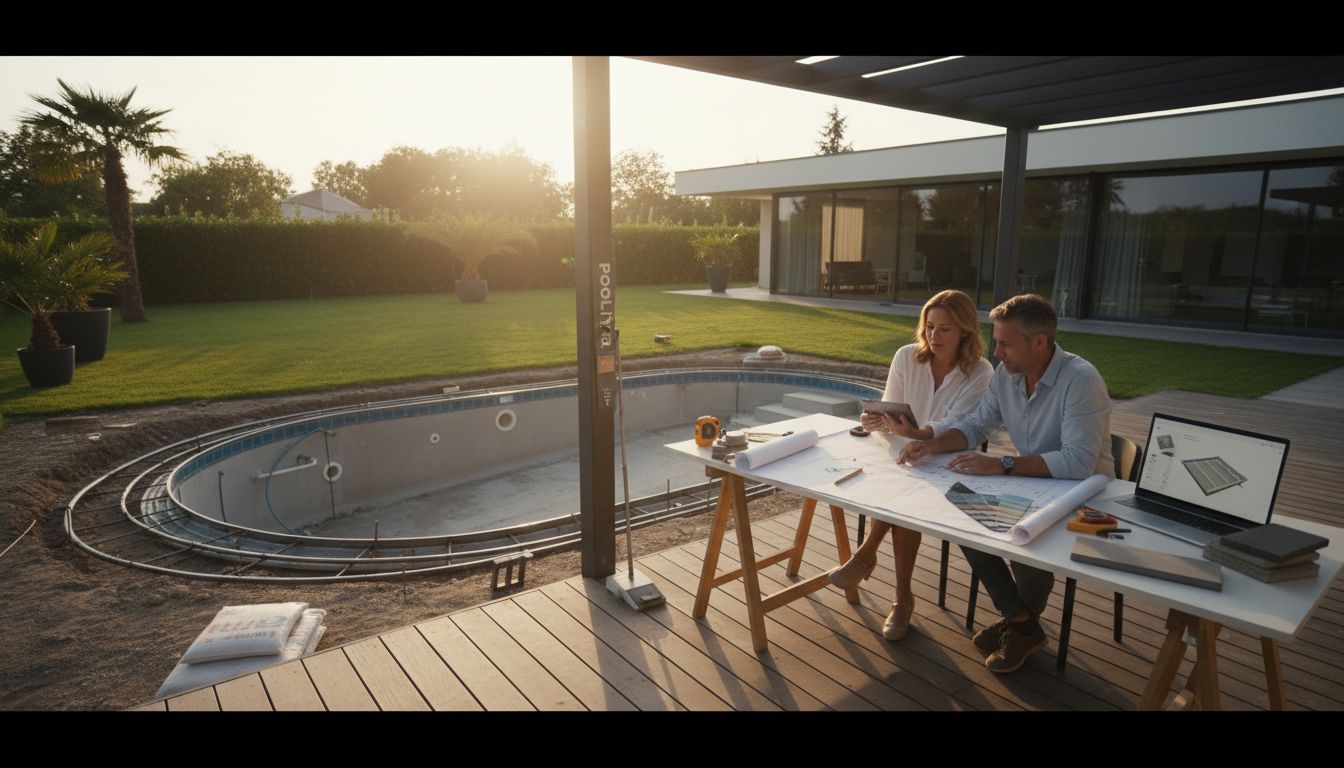
Successful oval pool designs begin with thorough planning that addresses site conditions, budget constraints, and lifestyle requirements. Before breaking ground, homeowners must evaluate property dimensions, soil composition, drainage patterns, and local building codes. These foundational considerations prevent costly mistakes and ensure your oval pool designs integrate seamlessly with existing structures.
Site Assessment and Preparation
Professional site assessment identifies potential challenges like underground utilities, rock formations, or poor soil stability. Oval pool designs typically require less excavation than irregular shapes, but proper grading remains essential for drainage and structural integrity. Consider sun exposure patterns throughout the day, as strategic positioning maximizes natural heating while providing shade options during peak afternoon hours.
Setback requirements vary by municipality, so verify local regulations before finalizing oval pool designs. Most jurisdictions mandate minimum distances from property lines, septic systems, and structures. Working with experienced contractors familiar with regional codes prevents permit delays and ensures compliance with safety standards established by authorities like the Consumer Product Safety Commission.
Size Considerations for Oval Pool Designs
Choosing appropriate dimensions for oval pool designs depends on available space, intended use, and budget. Standard residential oval pool designs range from 12×24 feet for compact yards to 20×40 feet for spacious properties. Smaller configurations suit recreational swimming and relaxation, while larger oval pool designs accommodate lap swimming, games, and entertaining.
Remember that the pool itself represents only part of the total footprint. Surrounding decking, equipment pads, and safety zones add significant square footage. Most oval pool designs require at least 500 square feet of total space when including mandatory clearances and functional deck areas. For optimal proportions, plan for deck width of 4-6 feet on all sides, providing comfortable circulation and furniture placement.
Material Options for Modern Oval Pool Designs
Contemporary oval pool designs utilize diverse materials, each offering distinct advantages in durability, aesthetics, and cost. Understanding these options helps homeowners select solutions aligned with their priorities and budget constraints. The three primary categories—concrete, fiberglass, and vinyl—dominate the market, with each suited to specific applications and preferences.
Concrete Oval Pool Designs
Concrete construction, including gunite and shotcrete methods, provides maximum customization for oval pool designs. This approach allows precise dimension control, custom depth profiles, and integrated features like tanning ledges, beach entries, or spa attachments. Concrete oval pool designs accept any finish material, from traditional plaster to modern aggregate surfaces, pebble finishes, or tile applications.
The primary advantages include longevity—properly maintained concrete pools last 50+ years—and complete design freedom. However, concrete oval pool designs require longer construction timelines (8-12 weeks) and higher initial investment compared to alternatives. Maintenance demands are also greater, with periodic resurfacing needed every 10-15 years depending on usage and climate conditions.
Fiberglass Oval Pool Designs
Factory-manufactured fiberglass shells offer rapid installation for oval pool designs, with typical projects completing in 2-4 weeks. The non-porous gel coat surface resists algae growth, reducing chemical consumption and maintenance time. Modern fiberglass oval pool designs come in numerous sizes and color options, with built-in steps, benches, and ledges molded into the structure.
Limitations include fixed dimensions and feature configurations, as customization occurs at the factory rather than on-site. Transportation restrictions typically limit fiberglass oval pool designs to widths under 16 feet, though length can extend to 40+ feet. Initial costs fall between vinyl and concrete options, while long-term maintenance expenses remain lower than both alternatives.
Vinyl Liner Oval Pool Designs
Vinyl liner systems represent the most budget-friendly approach to oval pool designs, utilizing steel, aluminum, or polymer wall panels with custom-fitted vinyl membranes. These designs install quickly and offer smooth, comfortable surfaces that feel pleasant underfoot. Pattern and color selections continue expanding, with modern vinyl liners mimicking tile, stone, or custom graphics.
The primary consideration involves liner replacement every 7-10 years, representing an ongoing maintenance expense. Vinyl oval pool designs prove vulnerable to punctures from sharp objects or pet claws, though repair kits address minor damage. Despite these limitations, vinyl remains popular for homeowners prioritizing affordability and faster installation timelines for their oval pool designs.
Design Features That Enhance Oval Pool Designs
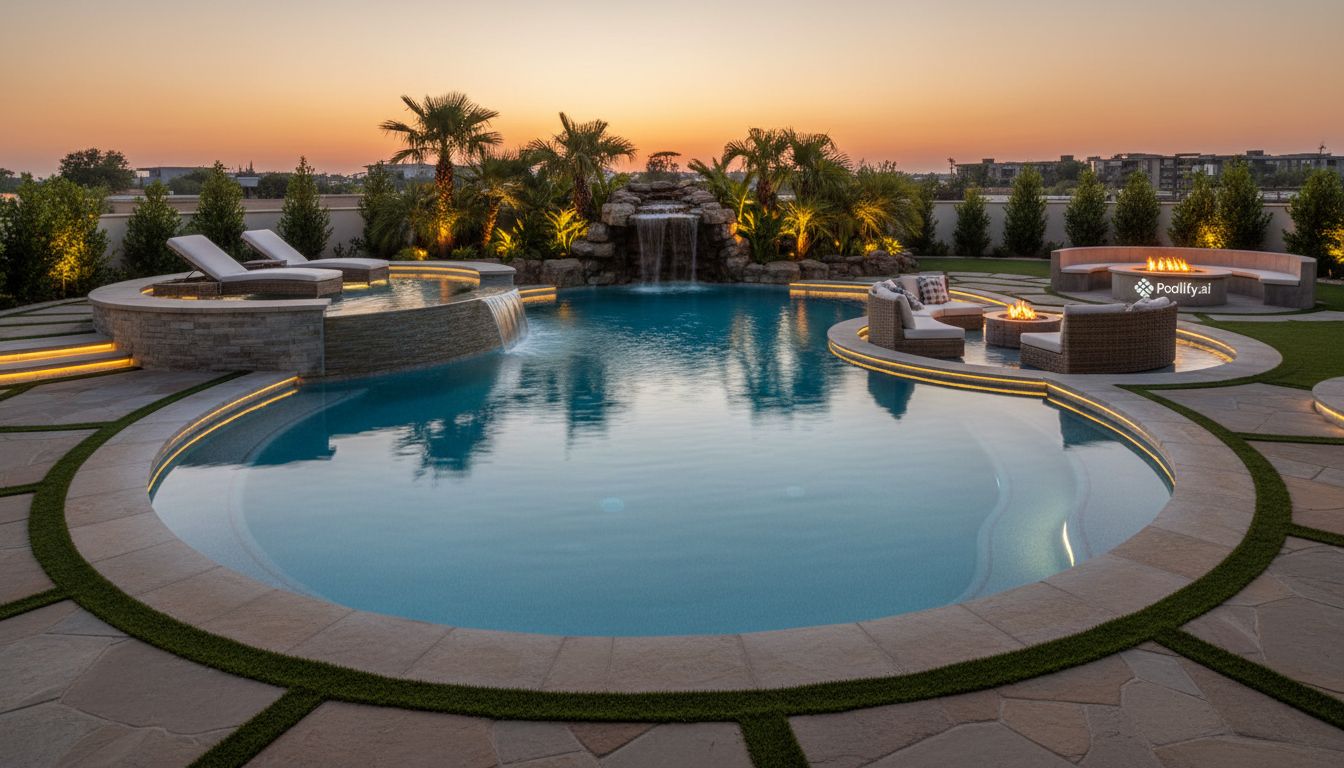
Strategic feature integration transforms basic oval pool designs into comprehensive outdoor living spaces. Modern installations incorporate elements that extend usability, improve aesthetics, and increase property value. Thoughtful planning during the design phase ensures these features integrate cohesively rather than appearing as afterthoughts.
Tanning Ledges and Beach Entries
Tanning ledges, also called sun shelves or baja benches, add shallow lounging areas to oval pool designs. These platforms typically measure 6-12 inches deep, providing comfortable spaces for chairs, umbrellas, or children’s play. Positioning ledges along the oval’s broader sections maximizes usable area while maintaining swimming space through the center.
Beach entries create gradual slopes into oval pool designs, mimicking natural shorelines. This feature particularly benefits households with elderly members, young children, or individuals with mobility challenges. Beach entries require additional space and excavation but deliver exceptional accessibility and visual appeal that distinguishes custom oval pool designs from standard configurations.
Integrated Spa and Water Features
Attached spas complement oval pool designs by providing year-round usability and therapeutic benefits. Positioning spas at one end of the oval creates natural separation between warm and cool water while maintaining visual cohesion. Spillover designs allow heated spa water to cascade into the main pool, creating attractive water features and supplemental heating.
Standalone water features like deck jets, sheer descents, or bubblers add movement and sound to oval pool designs. These elements create focal points, mask neighborhood noise, and enhance the resort-like atmosphere. Modern LED lighting integrated into water features extends visual appeal into evening hours, transforming oval pool designs into dramatic nighttime landscapes.
Automation and Smart Technology
Smart pool systems revolutionize how homeowners interact with oval pool designs in 2026. Automated controls manage filtration cycles, chemical dosing, heating, and lighting through smartphone apps or voice commands. These systems optimize energy consumption, reduce maintenance time, and ensure consistent water quality without constant manual intervention.
Variable-speed pumps, now standard in quality oval pool designs, deliver significant energy savings compared to older single-speed models. Robotic cleaners navigate oval configurations efficiently, requiring minimal supervision while maintaining pristine conditions. Salt chlorination systems reduce harsh chemical handling, producing gentler water that benefits skin, eyes, and swimwear longevity. Learn more about advanced pool automation systems that make managing your investment effortless.
Landscaping and Hardscaping for Oval Pool Designs
Surrounding landscapes significantly impact the overall success of oval pool designs. Thoughtful plant selection, hardscape materials, and spatial organization create cohesive outdoor environments that enhance both functionality and beauty. The key involves balancing aesthetic goals with practical considerations like maintenance requirements, safety, and long-term durability.
Decking Materials and Patterns
Decking choices profoundly influence the character of oval pool designs. Popular options include concrete pavers, natural stone, porcelain tile, travertine, and composite materials. Each offers distinct advantages in slip resistance, heat retention, maintenance demands, and aesthetic appeal. Cool-deck coatings and light-colored materials minimize heat absorption, improving comfort during summer months.
Pattern selection should complement the oval’s curved geometry rather than fight against it. Radiating patterns that follow the pool’s contours create visual harmony, while contrasting borders define the transition between deck and lawn areas. For oval pool designs, consider running decking patterns parallel to the long axis, emphasizing the graceful proportions and guiding movement around the perimeter.
Plant Selection and Placement
Strategic landscaping softens hardscapes and integrates oval pool designs into broader yard compositions. Select plants based on mature size, root systems, litter production, and water requirements. Avoid species with invasive roots that might damage pool structures or create plumbing problems. Similarly, minimize plants that drop excessive leaves, flowers, or fruit into the water.
Ornamental grasses, dwarf palms, and structured evergreens work beautifully with oval pool designs, providing year-round interest without excessive maintenance. Position taller specimens to provide afternoon shade or screen unsightly views while preserving morning sun exposure. Container plantings offer flexibility, allowing seasonal changes without permanent landscape alterations around your oval pool designs.
Privacy and Wind Protection
Privacy considerations influence landscaping decisions for many oval pool designs. Strategic fencing, hedging, or architectural screening creates intimate spaces while blocking unwanted sightlines from neighboring properties. Solid barriers also reduce wind exposure, minimizing evaporation, heat loss, and debris accumulation that complicates maintenance.
Combining multiple screening methods produces the most effective results for oval pool designs. Staggered plantings backed by attractive fencing creates depth and visual interest while maximizing privacy. Pergolas, cabanas, or pavilions positioned adjacent to oval pool designs provide shaded retreats and equipment storage while contributing to the overall aesthetic composition.
Cost Considerations for Oval Pool Designs
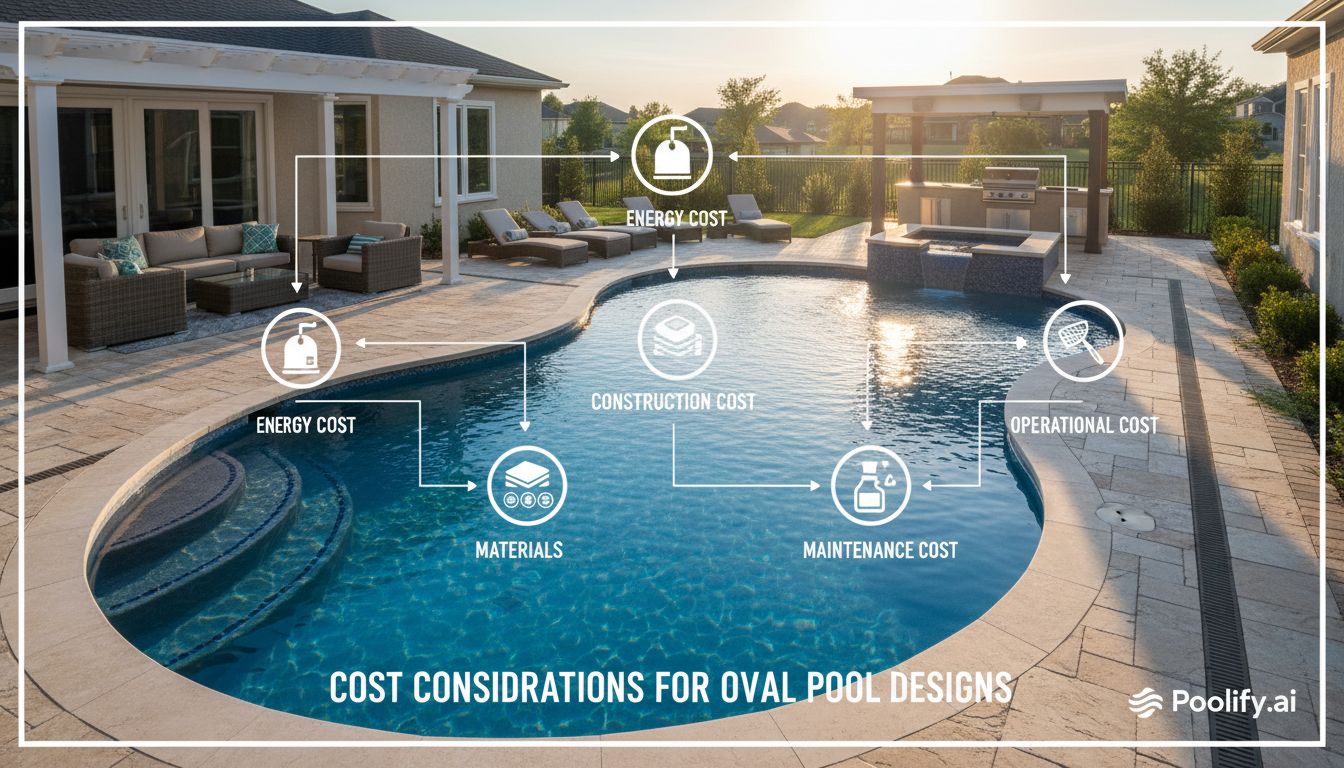
Understanding the complete financial picture helps homeowners make informed decisions about oval pool designs. Costs extend beyond initial construction to include ongoing maintenance, utilities, insurance, and eventual repairs or upgrades. Accurate budgeting prevents unpleasant surprises and ensures projects complete successfully without financial strain.
Initial Construction Investment
Base construction costs for oval pool designs vary significantly based on size, materials, features, and regional labor rates. Vinyl liner installations typically range from $25,000-$45,000, fiberglass systems cost $40,000-$70,000, and concrete projects span $50,000-$100,000+. These figures represent basic installations; premium finishes, extensive features, and complex site conditions increase totals substantially.
Additional expenses often catch homeowners off-guard when planning oval pool designs. Permits and engineering typically add $1,500-$3,000. Electrical service upgrades for pumps, heaters, and lighting cost $2,000-$5,000. Fencing to meet safety codes runs $3,000-$8,000 depending on materials and perimeter length. Initial chemical supplies, cleaning equipment, and safety gear add another $500-$1,500 to oval pool designs budgets.
Operating and Maintenance Costs
Annual operating expenses for oval pool designs include utilities, chemicals, routine maintenance, and repairs. Electricity for filtration and heating typically costs $500-$1,500 yearly, depending on climate, usage patterns, and equipment efficiency. Chemical treatments run $300-$600 annually for properly balanced oval pool designs. Professional maintenance services, if desired, add $1,200-$2,400 per season.
Long-term maintenance reserves should account for equipment replacement and surface refinishing. Pumps, filters, and heaters last 8-15 years, with replacement costs ranging from $500-$3,000 per component. Vinyl liner replacement for oval pool designs costs $3,500-$6,000 every 7-10 years. Concrete resurfacing runs $5,000-$10,000 every 10-15 years. Planning for these expenses prevents financial stress when inevitable replacements become necessary. Check out our comprehensive pool maintenance cost guide for detailed budget planning.
Common Mistakes to Avoid With Oval Pool Designs
Learning from others’ errors saves time, money, and frustration when implementing oval pool designs. Certain missteps occur repeatedly, often because homeowners prioritize short-term savings over long-term satisfaction. Understanding these pitfalls helps you make better decisions throughout the planning and construction process.
Undersizing for Future Needs
Many homeowners regret choosing smaller oval pool designs to reduce initial costs. Children grow, families expand, and entertaining preferences evolve. A pool that seems adequate initially may feel cramped within a few years. Since expansion proves extremely difficult and expensive, investing in appropriately sized oval pool designs from the start delivers better long-term value and satisfaction.
Neglecting Proper Circulation Planning
Inadequate circulation systems plague poorly planned oval pool designs, leading to algae problems, chemical imbalances, and cloudy water. Proper equipment sizing based on pool volume, turnover rates, and hydraulic calculations ensures efficient operation. Skimping on pump capacity or filter size to reduce costs creates ongoing maintenance headaches that far exceed any initial savings.
Ignoring Future Access Requirements
Equipment eventually requires replacement, yet many oval pool designs lack adequate access routes. Ensure gates, pathways, and equipment pad locations accommodate future delivery of pumps, filters, heaters, and other components. Similarly, consider how pool surfaces might be refinished or liners replaced without destroying expensive landscaping or hardscaping around your oval pool designs.
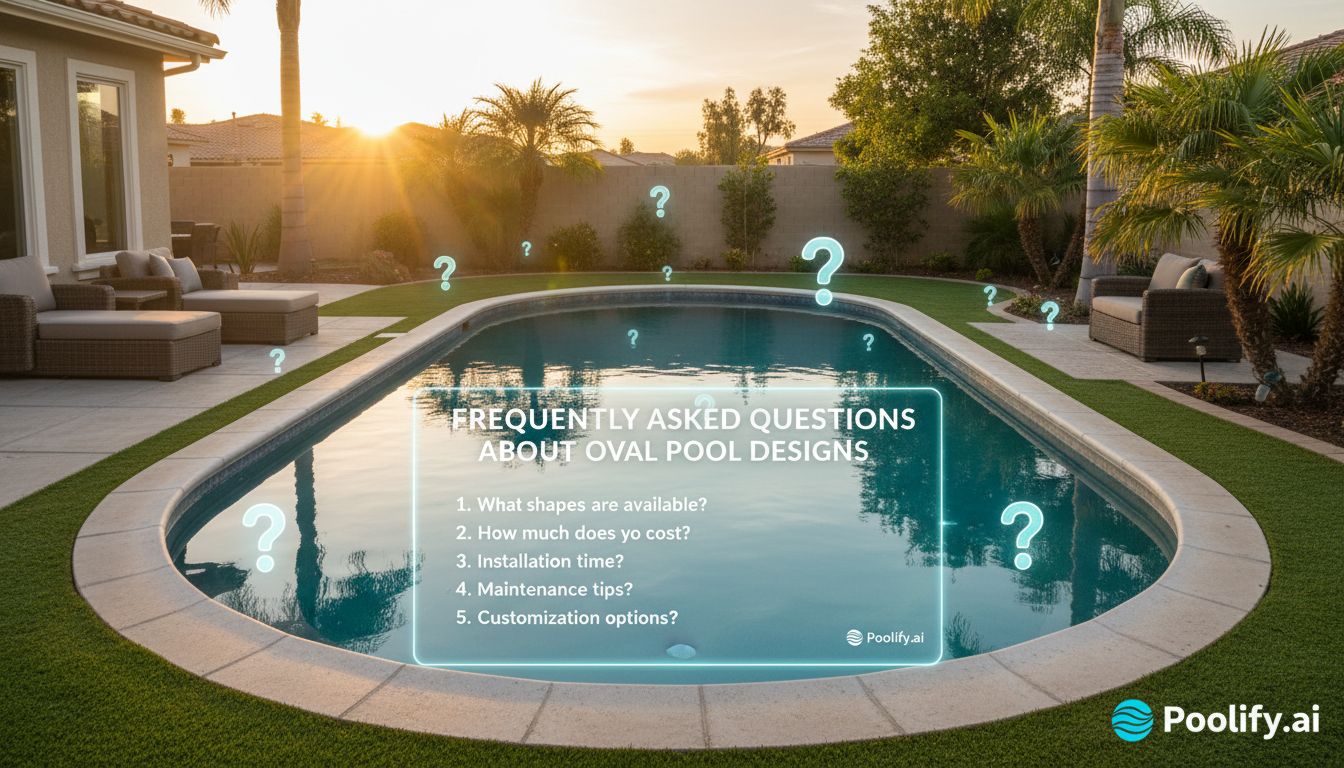
Frequently Asked Questions About Oval Pool Designs
How do oval pool designs compare to rectangular pools for lap swimming?
Oval pool designs provide excellent lap swimming when the long axis extends at least 30 feet. While rectangular pools offer slightly more consistent width throughout, oval configurations deliver comparable swimming experiences with enhanced aesthetic appeal. The curved ends provide natural turning points that many swimmers prefer over sharp corners in rectangular designs.
Can oval pool designs accommodate diving boards?
Yes, larger oval pool designs can safely incorporate diving boards when designed with appropriate depth profiles. Most codes require minimum depths of 8-9 feet in the diving area, extending forward and to the sides of the board. Consult with experienced pool designers to ensure your oval configuration meets safety standards for diving applications.
What’s the ideal length-to-width ratio for oval pool designs?
Most successful oval pool designs maintain length-to-width ratios between 1.5:1 and 2:1, creating balanced proportions that look natural in residential settings. A 16×32-foot pool exemplifies the 2:1 ratio, providing ample swimming length while maintaining comfortable width. Extreme ratios create awkward appearances and reduce functional swimming area in oval pool designs.
Do oval pool designs cost more than rectangular pools?
Costs for oval pool designs typically align closely with rectangular alternatives of similar size and material. Fiberglass oval shells may cost slightly more due to manufacturing complexity, while concrete oval pool designs often cost less than rectangular versions since curved forms require less structural reinforcement than sharp corners.
How do automated covers work with oval pool designs?
Modern automated covers accommodate oval pool designs effectively, with tracks following the curved perimeter. These systems provide safety, reduce heating costs, minimize evaporation, and decrease maintenance time. Quality installations ensure smooth operation and proper fit, though oval configurations may cost slightly more than rectangular covers due to custom manufacturing requirements.
Key Takeaways for Oval Pool Designs
- Timeless aesthetics: Oval pool designs blend classic elegance with modern functionality, complementing diverse architectural styles while maintaining visual appeal that transcends trends.
- Space efficiency: The symmetrical oval shape maximizes swimming area while minimizing wasted perimeter, delivering better value per square foot than irregular configurations.
- Material flexibility: Choose from concrete, fiberglass, or vinyl liner construction for your oval pool designs based on budget, timeline, and customization priorities.
- Feature integration: Tanning ledges, beach entries, integrated spas, and smart automation transform basic oval pool designs into comprehensive outdoor living spaces.
- Comprehensive budgeting: Account for initial construction, ongoing maintenance, utilities, and long-term equipment replacement when planning oval pool designs to avoid financial surprises.
Conclusion: Creating Your Perfect Oval Pool Design
Oval pool designs continue earning homeowner loyalty in 2026 through their winning combination of aesthetic grace, practical functionality, and enduring value. Whether you’re drawn to the classic elegance, efficient space utilization, or versatile feature integration, oval configurations deliver comprehensive solutions for diverse properties and lifestyles. Success requires thorough planning, quality materials, experienced contractors, and realistic budgeting that accounts for both immediate and long-term considerations.
The investment in well-executed oval pool designs extends beyond recreational value to enhance property appeal, create gathering spaces for family and friends, and establish private retreats from daily stress. By understanding the principles outlined throughout this guide—from material selection and feature integration to landscaping and maintenance planning—you’re equipped to make informed decisions that result in oval pool designs perfectly suited to your unique needs and preferences. The result will be a beautiful, functional backyard centerpiece that delivers enjoyment for decades to come.
References
- U.S. Census Bureau – Construction Data: https://www.census.gov/construction/chars/completed.html
- Consumer Product Safety Commission – Pool Safety: https://www.cpsc.gov/Safety-Education/Safety-Education-Centers/Pool-Safely