
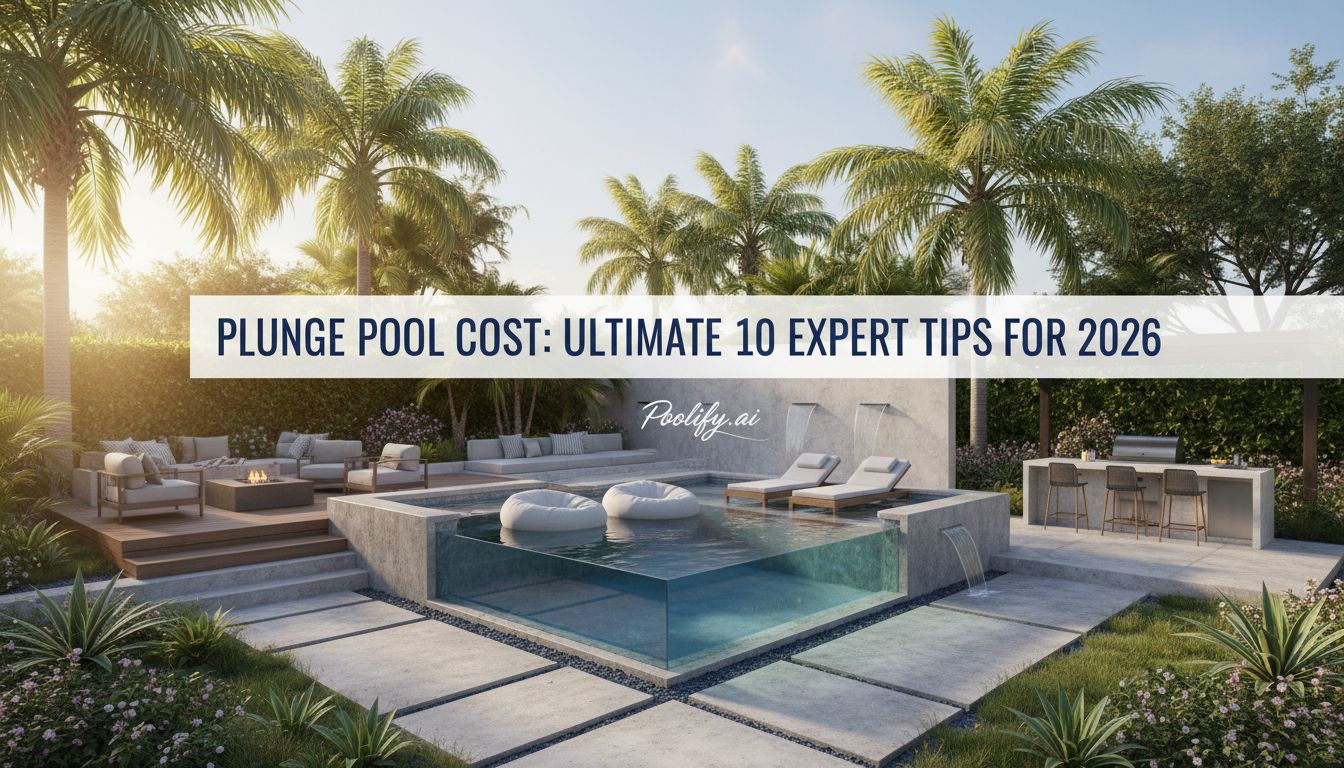
Understanding Plunge Pool Cost in 2026
The plunge pool cost has become a critical consideration for homeowners seeking compact luxury in their outdoor spaces. As we navigate 2026, these smaller swimming alternatives continue gaining popularity among those who want refreshing water features without the expense of traditional pools. Whether you’re working with a modest backyard or simply prefer a more intimate aquatic experience, understanding the complete financial picture helps you make informed decisions about this valuable home improvement.
Plunge pools typically measure between 8 to 20 feet in length and 6 to 10 feet in width, making them perfect for cooling off, hydrotherapy, or relaxation. The average plunge pool cost in 2026 ranges from $20,000 to $50,000, though luxury installations can exceed $75,000. This investment encompasses materials, excavation, installation, equipment, and finishing touches that transform your backyard into a personal oasis.
This comprehensive guide breaks down every expense factor affecting plunge pool cost, from initial construction to long-term maintenance. You’ll discover practical strategies to maximize your budget while creating the perfect compact pool for your lifestyle and property.
Breaking Down the Initial Plunge Pool Cost
The baseline plunge pool cost depends primarily on your choice of materials and installation method. Understanding these foundational expenses helps you establish a realistic budget before additional features and customizations enter the equation.
Material Options and Their Price Points
Fiberglass plunge pools represent the most popular choice in 2026, with costs ranging from $15,000 to $35,000 for the shell alone. These pre-manufactured units arrive ready for installation, reducing labor time and overall expenses. The smooth, non-porous surface resists algae growth and requires minimal chemical maintenance, making fiberglass an economical long-term investment despite higher upfront costs.
Concrete plunge pools offer unlimited customization potential but command premium pricing between $25,000 and $50,000 for basic installations. This traditional construction method allows you to create any shape, depth, or design feature imaginable. However, the extended construction timeline—typically 8 to 12 weeks—increases labor costs significantly compared to prefabricated alternatives.
Vinyl-lined plunge pools provide the most budget-friendly entry point, with complete installations starting around $12,000 to $25,000. While the initial plunge pool cost is attractive, vinyl liners require replacement every 7 to 10 years at approximately $3,000 to $5,000 per replacement, which impacts long-term value calculations.
Excavation and Site Preparation Expenses
Site preparation significantly influences your total plunge pool cost. Standard excavation for accessible yards with favorable soil conditions typically costs $1,500 to $5,000. However, challenging terrain, rocky soil, or limited equipment access can push excavation expenses to $8,000 or higher. Properties requiring retaining walls, drainage systems, or extensive grading face additional costs of $3,000 to $15,000.
Before excavation begins, utility location services must verify underground lines—a critical safety step that typically costs $200 to $500. Some municipalities require soil testing to assess load-bearing capacity and drainage characteristics, adding another $300 to $800 to your preliminary expenses. According to the Occupational Safety and Health Administration’s excavation standards, proper site assessment prevents costly accidents and ensures structural integrity.
Installation Labor and Professional Services
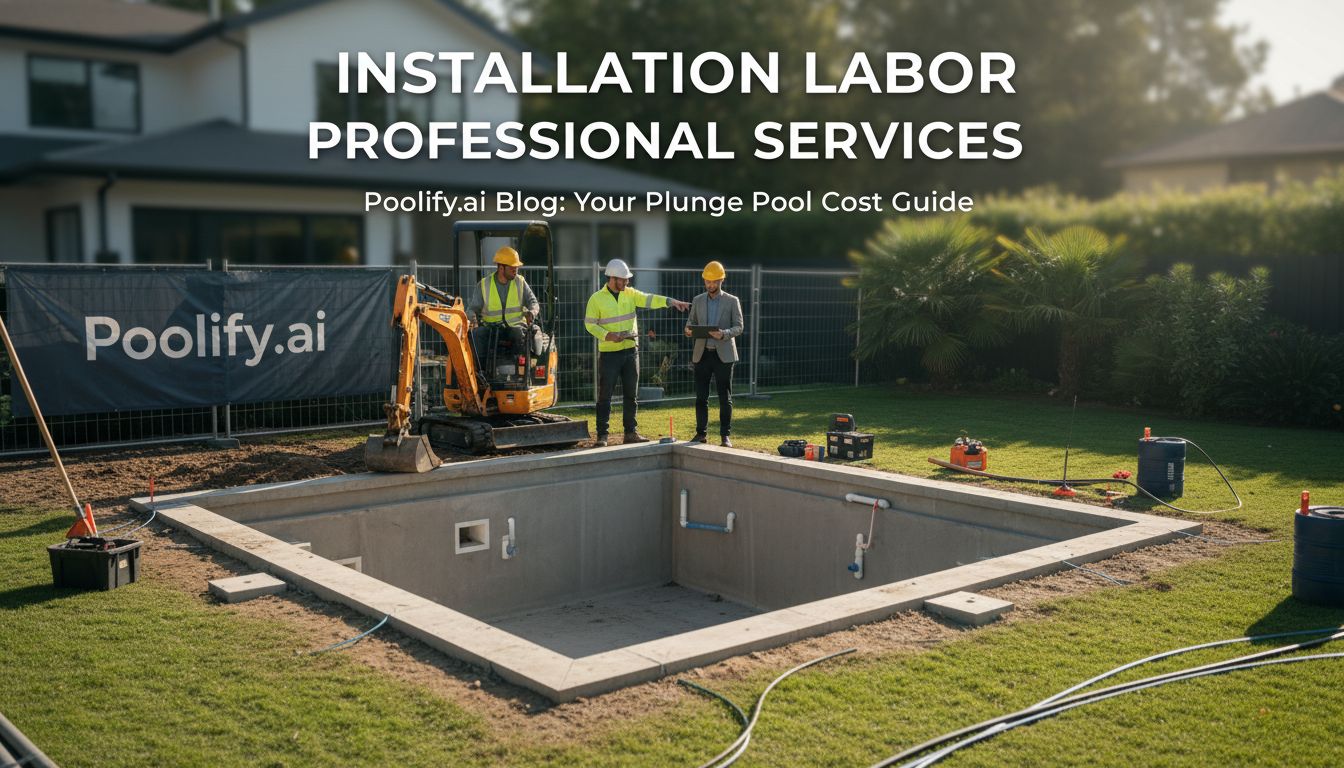
Professional installation represents a substantial portion of your plunge pool cost, typically accounting for 30 to 40 percent of the total project budget. The complexity of your chosen design and local labor rates create significant variation in these expenses.
Contractor and Specialist Fees
Licensed pool contractors charge between $50 and $150 per hour in most markets during 2026, with complete installation projects ranging from $8,000 to $20,000 depending on complexity. This investment covers project management, equipment operation, structural installation, and quality assurance throughout the construction process.
Specialized tradespeople contribute additional expertise to your project. Electricians charge $75 to $125 per hour to install proper wiring for pumps, heaters, and lighting systems. Plumbers command similar rates for connecting water lines, drainage systems, and filtration equipment. Many homeowners invest $2,000 to $5,000 in combined electrical and plumbing services to ensure safe, code-compliant installations.
Permits and Inspection Costs
Municipal permits typically add $500 to $2,000 to your plunge pool cost, varying significantly by jurisdiction. These fees cover plan review, construction permits, and mandatory inspections at various project stages. Some localities require separate electrical and plumbing permits, each costing $100 to $500 additional.
Homeowners association approval may require architectural review submissions costing $250 to $1,000, depending on your community’s requirements. Budget extra time and potential revision costs if your initial plans need modifications to meet covenant restrictions.
Essential Equipment and System Components
Beyond the pool structure itself, essential equipment significantly impacts your total plunge pool cost. These mechanical systems ensure water quality, temperature control, and operational efficiency throughout the pool’s lifespan.
Filtration and Circulation Systems
Quality filtration systems cost between $800 and $3,000, depending on technology and capacity. Sand filters represent the most economical option at $800 to $1,500, while cartridge filters range from $1,200 to $2,500. High-efficiency variable-speed pumps, now required by law in many regions, cost $1,000 to $2,500 but reduce energy consumption by up to 70 percent compared to older single-speed models.
The compact size of plunge pools allows for smaller, more efficient equipment that reduces both initial plunge pool cost and ongoing operational expenses. A properly sized system circulates the entire water volume every 6 to 8 hours, maintaining crystal-clear water with minimal energy consumption.
Heating Options and Temperature Control
Heating systems extend your swimming season but add $2,000 to $8,000 to installation costs. Gas heaters provide rapid temperature increases at $2,000 to $4,000, ideal for occasional use. Heat pumps cost $3,000 to $6,000 initially but operate more efficiently for regular heating needs. Solar heating systems represent the most sustainable option at $3,000 to $8,000, with minimal ongoing costs after installation.
For year-round enjoyment in cooler climates, many homeowners combine heating systems with insulated pool covers that retain warmth and reduce heating expenses by 50 to 70 percent. Quality covers cost $500 to $2,000 but typically pay for themselves within two to three seasons through energy savings.
Finishing Touches That Impact Plunge Pool Cost
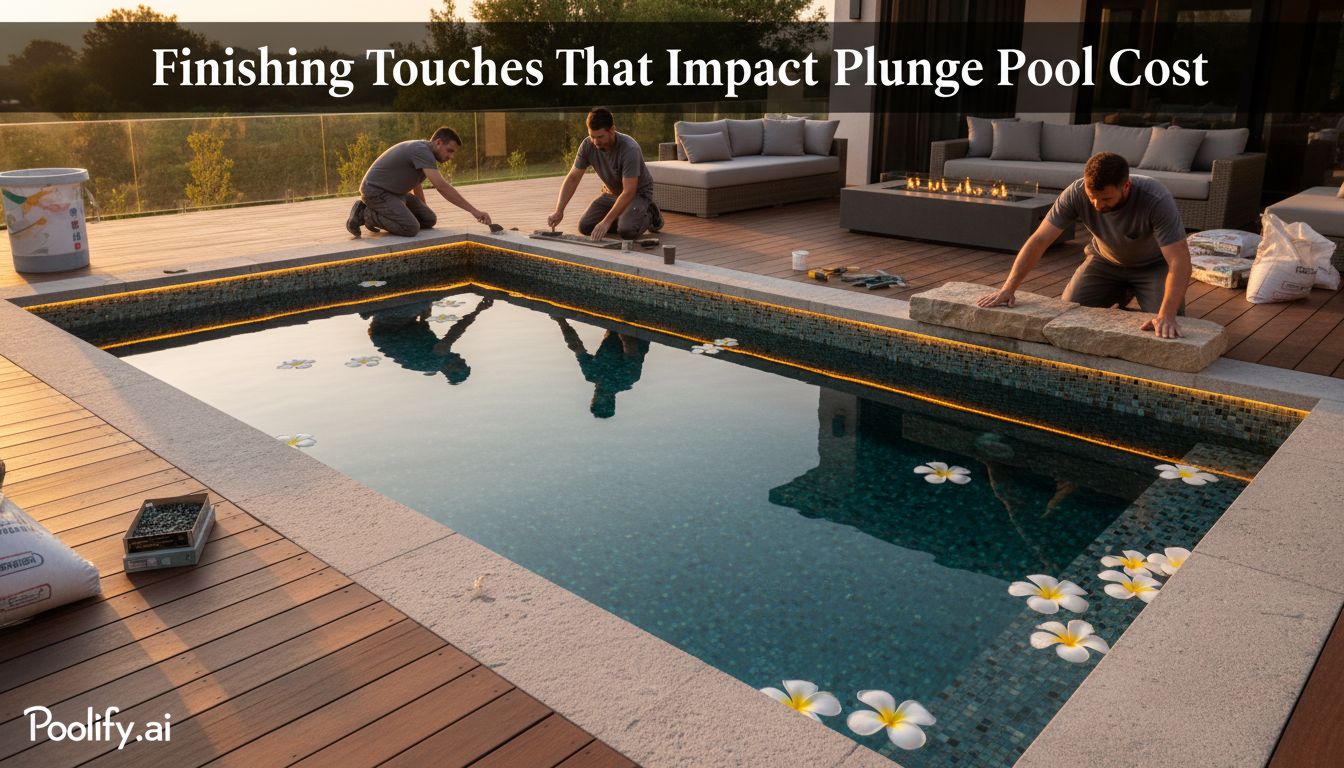
The aesthetic and functional details surrounding your plunge pool transform it from a simple water feature into a cohesive outdoor living space. These finishing elements significantly influence both the initial plunge pool cost and your long-term satisfaction with the investment.
Decking and Surrounding Surfaces
Pool decking costs vary dramatically based on material selection. Concrete decking starts at $6 to $12 per square foot for basic finishes, while decorative stamped or stained concrete ranges from $12 to $25 per square foot. Natural stone pavers command premium pricing at $20 to $50 per square foot but deliver unmatched beauty and durability.
For a typical plunge pool requiring 200 to 400 square feet of decking, budget $2,400 to $20,000 for this essential feature. Composite decking materials offer wood-like aesthetics with minimal maintenance at $15 to $35 per square foot. Your choice should balance aesthetic preferences, climate considerations, and long-term maintenance requirements. Learn more about choosing the right pool deck materials for your climate and budget.
Lighting and Ambiance Features
LED pool lighting has become standard in 2026, offering energy efficiency and dramatic visual effects. Basic lighting packages cost $500 to $1,500, while sophisticated color-changing systems with smartphone control range from $2,000 to $5,000. Landscape lighting around the pool area adds another $800 to $3,000, creating a cohesive nighttime environment.
Water features like jets, fountains, or spillways enhance the sensory experience at $1,000 to $8,000 depending on complexity. These additions increase your plunge pool cost but significantly boost the therapeutic and entertainment value of your investment.
Understanding Long-Term Maintenance Expenses
The ongoing plunge pool cost extends well beyond initial installation. Budgeting for regular maintenance, utilities, and periodic repairs ensures your investment remains enjoyable and financially sustainable for decades.
Chemical and Cleaning Supplies
Monthly chemical costs for plunge pools typically range from $30 to $80, significantly less than traditional pools due to reduced water volume. Chlorine, pH balancers, algaecides, and shock treatments maintain safe, comfortable water conditions. Many homeowners invest $400 to $800 annually in testing supplies and maintenance chemicals.
Automated chemical systems cost $800 to $2,500 initially but reduce manual testing and chemical handling while maintaining more consistent water chemistry. These systems often pay for themselves through reduced chemical waste and extended equipment life resulting from optimal water balance.
Energy Costs and Utility Expenses
Monthly electricity costs for plunge pool operation average $30 to $100, depending on pump efficiency, heating usage, and local utility rates. Variable-speed pumps can reduce these costs by $20 to $40 monthly compared to older equipment. Heating represents the largest variable expense, potentially adding $50 to $300 monthly during cooler months depending on your system and desired temperature.
Water costs remain minimal for plunge pools, typically $20 to $50 annually for evaporation replacement and occasional backwashing. The compact size significantly reduces water consumption compared to standard pools, making plunge pools an environmentally responsible choice. Check out our guide on annual pool maintenance costs for detailed budgeting strategies.
Repairs and Equipment Replacement
Budget 1 to 2 percent of your initial plunge pool cost annually for repairs and equipment replacement. A $30,000 installation requires approximately $300 to $600 yearly for this contingency. Pump motors typically last 8 to 12 years before replacement at $800 to $1,500. Heaters require replacement every 10 to 15 years at costs similar to initial installation.
Surface refinishing becomes necessary every 10 to 25 years depending on material. Fiberglass resurfacing costs $5,000 to $10,000, while concrete replastering ranges from $8,000 to $15,000. Vinyl liner replacement occurs more frequently at 7 to 10 year intervals and costs $3,000 to $5,000 per occurrence.
Smart Strategies to Reduce Your Plunge Pool Cost
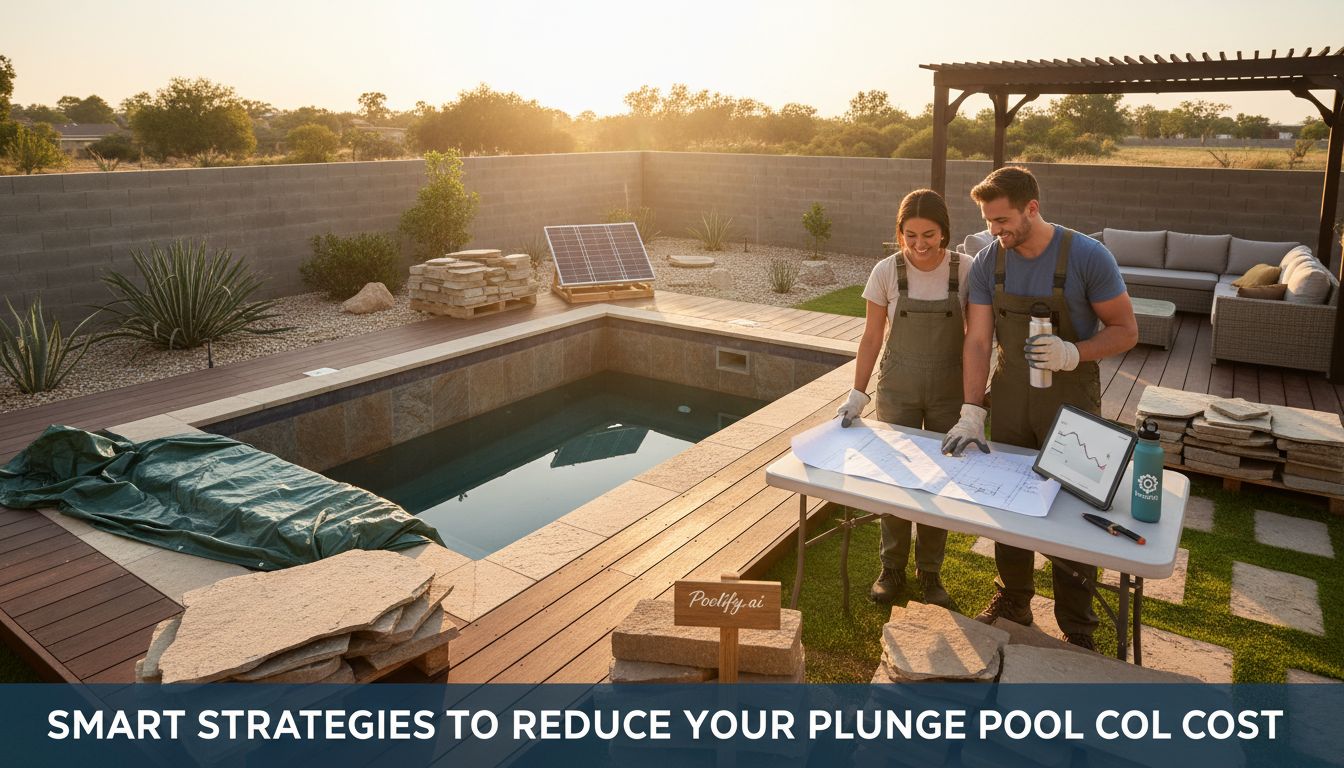
Strategic planning and informed decision-making can substantially reduce your plunge pool cost without compromising quality or long-term satisfaction. These proven approaches help maximize value while staying within budget constraints.
Timing Your Installation
Scheduling installation during off-peak seasons often yields 10 to 20 percent savings on labor costs. Pool contractors experience reduced demand during fall and winter months, making them more flexible on pricing and scheduling. Some manufacturers offer promotional pricing on shells and equipment during slower periods, further reducing your total plunge pool cost.
Planning your project 6 to 12 months in advance allows time to gather multiple quotes, negotiate favorable terms, and take advantage of seasonal promotions. Rushing into installation during peak spring and summer months typically results in premium pricing and extended wait times.
Prioritizing Essential Features
Starting with core functionality and adding luxury features over time spreads costs across multiple budget cycles. Install basic lighting initially and upgrade to sophisticated color-changing systems later. Begin with manual chemical maintenance and transition to automated systems once you understand your usage patterns and preferences.
Simple rectangular or oval designs cost 15 to 30 percent less than complex custom shapes requiring additional forming and finishing work. Choosing prefabricated fiberglass shells over custom concrete construction can reduce your plunge pool cost by $10,000 to $20,000 while still delivering excellent performance and aesthetics.
Handling Some Tasks Yourself
Homeowners with construction experience can reduce costs by handling certain aspects of site preparation, decking installation, or landscaping. However, leave structural work, plumbing, and electrical systems to licensed professionals to ensure safety and code compliance. DIY landscaping and basic decking can save $3,000 to $8,000 on projects where you have the necessary skills and time.
Even if you hire professionals for installation, performing your own regular maintenance saves $100 to $200 monthly compared to full-service contracts. Learning proper chemical balancing, cleaning techniques, and basic troubleshooting reduces your ongoing plunge pool cost while giving you greater control over water quality and equipment performance.
Financing Options and Return on Investment
Understanding financing alternatives and potential property value increases helps you make informed decisions about your plunge pool cost and payment structure.
Payment and Financing Methods
Home equity loans and lines of credit offer competitive interest rates for pool financing, typically ranging from 6 to 10 percent in 2026. These options allow you to spread the plunge pool cost over 5 to 15 years with predictable monthly payments. Personal loans provide faster approval but usually carry higher interest rates of 8 to 15 percent.
Some pool contractors offer in-house financing or partnerships with specialized lenders. While convenient, carefully compare terms with traditional financing sources to ensure competitive rates. Credit cards with promotional 0 percent APR periods can work for smaller projects if you can repay the balance before standard rates apply.
Property Value Impact
Plunge pools typically increase property value by 5 to 8 percent in favorable markets, potentially recovering 50 to 75 percent of your installation costs upon resale. Homes with well-maintained, appropriately sized pools sell faster than comparable properties without aquatic features. The compact footprint of plunge pools appeals to buyers seeking luxury amenities without the maintenance burden of traditional pools.
Location significantly influences return on investment. Properties in warm climates with year-round swimming weather see stronger value appreciation from pool installations. Urban homes with limited outdoor space benefit particularly from space-efficient plunge pools that maximize usable backyard area while providing resort-style amenities.
Regional Considerations Affecting Plunge Pool Cost
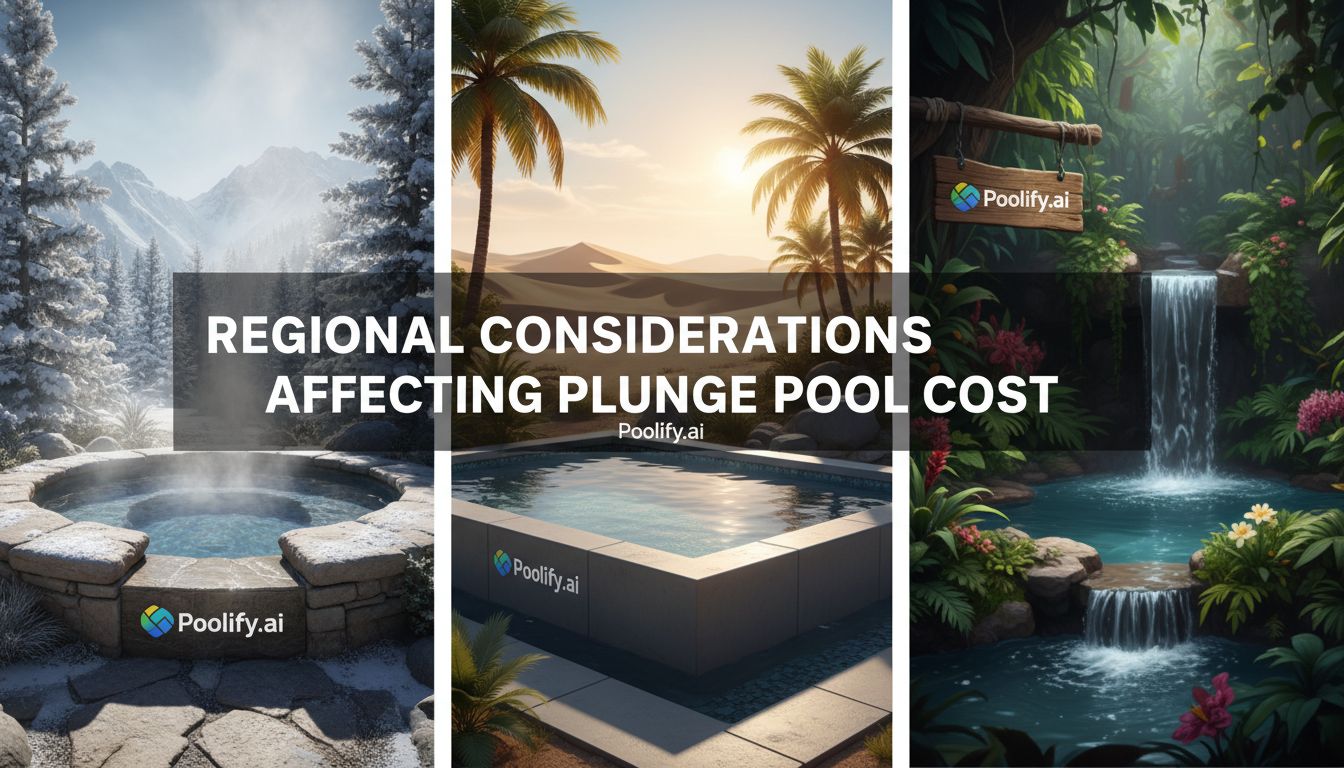
Geographic location substantially impacts both installation and operational costs for plunge pools. Climate, local regulations, labor markets, and regional preferences create significant price variations across different areas.
Climate and Seasonal Factors
Warm-climate regions with year-round swimming seasons justify higher initial investments in plunge pools through extended usage periods. Conversely, northern locations require additional heating capacity and winterization procedures that increase both installation and operational costs. Freeze protection systems add $1,000 to $3,000 to installations in cold climates but prevent costly damage from frozen pipes and equipment.
Areas with high water tables or unstable soil conditions require specialized engineering and construction techniques that can increase the plunge pool cost by 20 to 40 percent. Coastal properties may need corrosion-resistant materials and equipment rated for saltwater environments, adding premium costs but ensuring longevity in harsh conditions.
Local Labor and Material Costs
Metropolitan areas typically experience labor rates 20 to 50 percent higher than rural regions, directly impacting your installation expenses. However, urban markets often provide more contractor options and competitive bidding opportunities. Material costs vary less dramatically but transportation expenses to remote locations can add 5 to 15 percent to equipment and supply costs.
Regional building codes and permit requirements create substantial cost differences between jurisdictions. Some municipalities require extensive engineering documentation, multiple inspections, and specific safety features that add thousands to your plunge pool cost. Research local requirements early in your planning process to avoid unexpected expenses and project delays.
Frequently Asked Questions About Plunge Pool Cost
What is the average plunge pool cost for a basic installation in 2026?
The average plunge pool cost for a basic installation ranges from $20,000 to $35,000 in 2026, including the pool shell, standard equipment, basic decking, and professional installation. Fiberglass models typically fall in the lower portion of this range, while concrete installations trend toward the upper end. This baseline figure covers essential functionality without luxury features or extensive landscaping.
How does plunge pool cost compare to traditional swimming pools?
Plunge pools cost 40 to 60 percent less than traditional swimming pools of comparable quality. While standard pools range from $50,000 to $100,000 or more, the compact dimensions of plunge pools reduce material, excavation, and equipment expenses significantly. Ongoing maintenance costs are similarly reduced by 50 to 70 percent due to smaller water volume and more efficient systems.
Can I install a plunge pool for under $15,000?
Installing a permanent plunge pool for under $15,000 is challenging but possible with careful planning and compromises. Above-ground or semi-inground vinyl models represent the most affordable options in this price range. Stock tank conversions and DIY approaches can reduce costs further but sacrifice some functionality and aesthetic appeal. Budget at least $20,000 for quality in-ground installations with professional construction.
What ongoing costs should I budget after installation?
Annual operating costs for plunge pools typically range from $1,200 to $3,000, including chemicals, electricity, water, routine maintenance, and repair reserves. Heated pools in cooler climates may experience higher utility costs. Professional maintenance services add $100 to $200 monthly if you prefer not to handle routine care yourself. These ongoing expenses represent approximately 4 to 8 percent of the initial plunge pool cost annually.
Do plunge pools require less maintenance than regular pools?
Yes, plunge pools require significantly less maintenance than traditional pools due to their smaller water volume. Chemical balancing, cleaning, and equipment operation all scale proportionally with size, reducing time and expense by 50 to 70 percent. However, the fundamental maintenance tasks remain the same—testing water chemistry, cleaning surfaces, maintaining equipment, and ensuring proper circulation and filtration.
Key Takeaways
- The average plunge pool cost in 2026 ranges from $20,000 to $50,000, with material selection, size, and features creating significant variation within this range.
- Fiberglass plunge pools offer the best balance of initial cost, installation speed, and long-term maintenance requirements for most homeowners.
- Ongoing operational expenses typically total $1,200 to $3,000 annually, representing 4 to 8 percent of the initial installation investment.
- Strategic timing, prioritizing essential features, and handling appropriate tasks yourself can reduce total plunge pool cost by 15 to 30 percent without compromising quality.
- Plunge pools typically recover 50 to 75 percent of installation costs through increased property value while providing years of enjoyment and wellness benefits.
Conclusion
Understanding the complete picture of plunge pool cost empowers you to make confident decisions about this valuable home improvement investment. From initial material selection through long-term maintenance planning, each expense factor contributes to the overall value and enjoyment you’ll derive from your compact aquatic retreat.
The $20,000 to $50,000 investment range accommodates diverse budgets, property sizes, and aesthetic preferences. By prioritizing essential features, choosing appropriate materials for your climate, and planning for both installation and operational expenses, you create a sustainable budget that delivers years of refreshing enjoyment without financial stress.
As you move forward with your plunge pool project in 2026, remember that the lowest initial cost doesn’t always represent the best value. Quality materials, professional installation, and efficient equipment reduce long-term expenses while maximizing your satisfaction with this transformative addition to your outdoor living space. Take time to gather multiple quotes, verify contractor credentials, and plan thoroughly before beginning construction.
Your plunge pool represents more than a financial investment—it’s a commitment to wellness, relaxation, and enhanced quality of life. With proper planning and realistic budgeting, this compact luxury becomes an accessible reality that transforms your backyard into a personal oasis for years to come.
References
- Occupational Safety and Health Administration – Excavation Safety Standards
- Centers for Disease Control and Prevention – Pool Safety and Water Quality Guidelines