
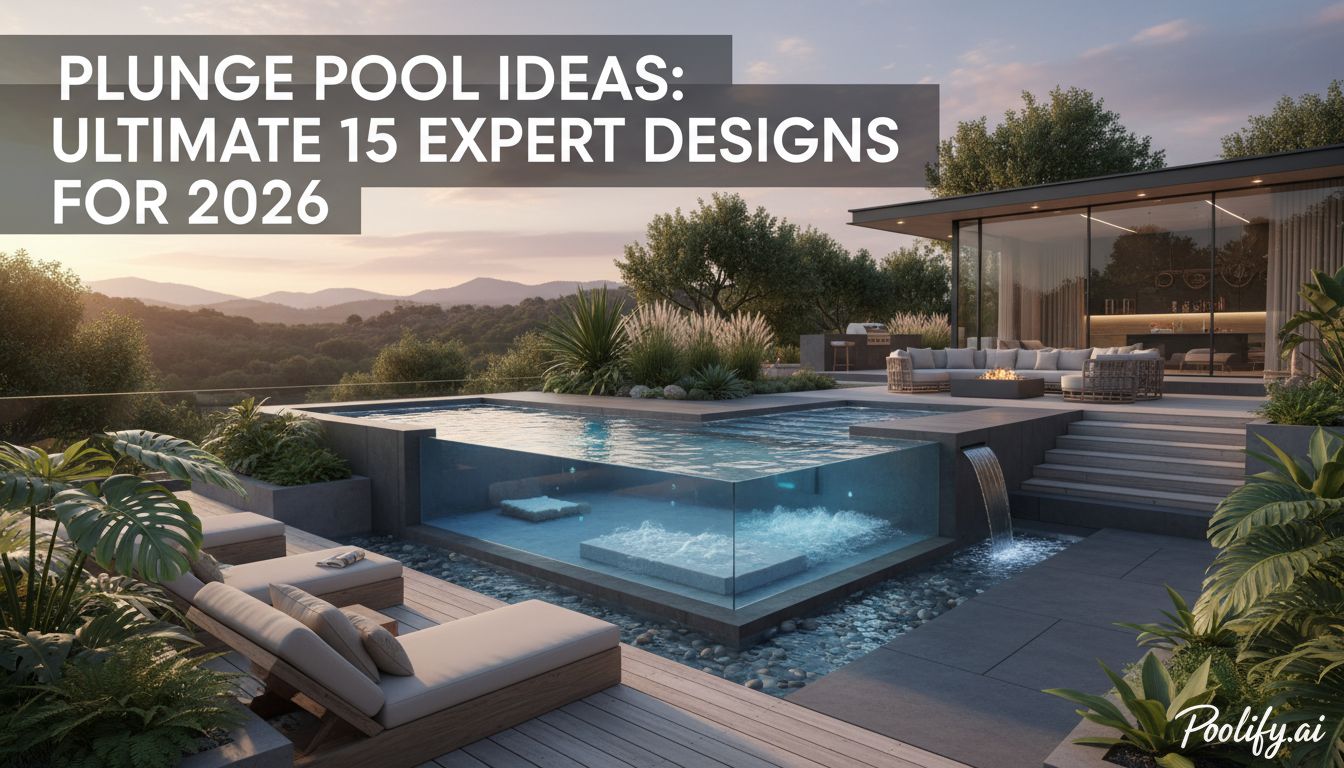
Transform Your Backyard with Stunning Plunge Pool Ideas
Plunge pools have revolutionized outdoor living in 2026, offering homeowners a perfect blend of luxury, functionality, and space efficiency. Whether you’re working with a compact urban backyard or simply prefer a more intimate swimming experience, plunge pool ideas continue to dominate landscape design trends this year. These compact water features provide the refreshing benefits of a traditional pool while requiring less maintenance, fewer chemicals, and significantly less space. This comprehensive guide explores fifteen innovative plunge pool ideas that will transform your outdoor space into a personal oasis, complete with expert installation tips, design considerations, and budget-friendly strategies to help you make informed decisions.
What Makes Plunge Pools Perfect for Modern Living
Plunge pools typically measure between 8 to 20 feet in length and 6 to 10 feet in width, making them ideal for properties where space comes at a premium. Unlike traditional swimming pools designed for laps and recreation, plunge pools focus on relaxation, cooling off, and therapeutic benefits. The compact footprint means you can integrate these water features into smaller yards, rooftop terraces, or even indoor spaces.
The rising popularity of plunge pool ideas in 2026 stems from several factors. Urban densification has reduced average yard sizes, making traditional pools impractical for many homeowners. Additionally, the Department of Energy’s guidelines on pool efficiency have encouraged homeowners to consider smaller, more sustainable options that reduce water consumption and heating costs by up to 60% compared to standard pools.
Modern plunge pools offer versatility beyond simple cooling. Many homeowners incorporate heating systems, jet streams for aquatic exercise, and integrated spa features. This multi-functional approach maximizes the value of every square foot, transforming a simple pool into a year-round wellness center. The therapeutic benefits include improved circulation, stress reduction, and muscle recovery—making plunge pools particularly attractive to health-conscious individuals.
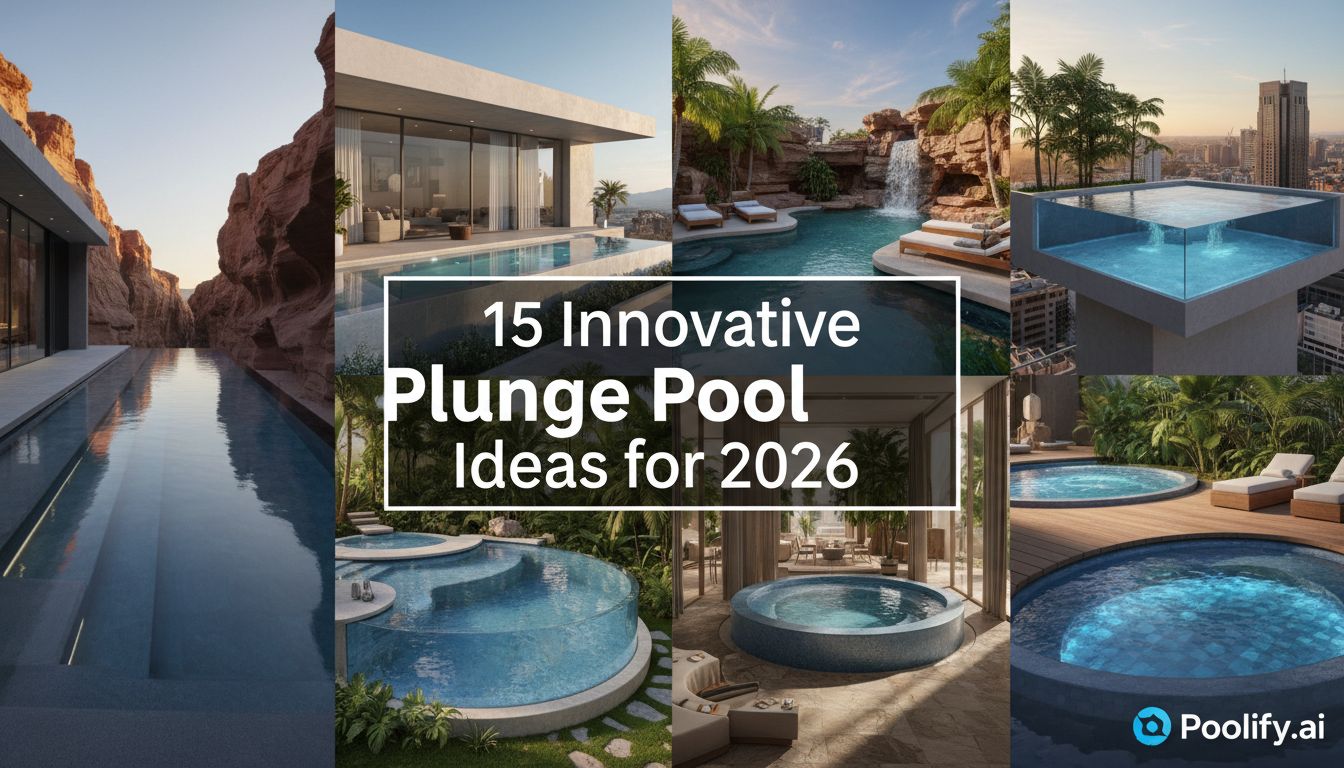
15 Innovative Plunge Pool Ideas for 2026
1. Minimalist Concrete Designs
Clean lines and monochromatic finishes define the minimalist concrete plunge pool aesthetic. These designs feature smooth, poured concrete with sharp edges and geometric shapes. The industrial-chic appearance complements modern architecture beautifully, creating a seamless transition between indoor and outdoor spaces. Consider adding a single accent color through tile detailing or LED lighting to prevent the design from feeling too stark.
2. Natural Stone Integration
Among the most timeless plunge pool ideas, natural stone installations blend seamlessly with surrounding landscapes. Limestone, travertine, or slate coping creates an organic appearance that ages gracefully. The textured surfaces provide excellent slip resistance while maintaining visual appeal. Pair stone finishes with native plantings to establish a cohesive ecosystem that feels intentionally designed yet naturally occurring.
3. Elevated Infinity Edge Pools
Infinity edge plunge pools create dramatic visual effects, particularly on sloped properties. The vanishing edge produces a mirror-like surface that reflects sky and surroundings, making the pool appear larger than its actual dimensions. This design works exceptionally well for properties with views, as the water seems to merge with the horizon. Installation requires precise engineering to manage water recirculation effectively.
4. Courtyard Oasis Concepts
Transform enclosed courtyards into private retreats with centrally positioned plunge pools. Surrounding walls provide privacy and wind protection while creating an intimate atmosphere. Add climbing vines, potted palms, and strategically placed lighting to enhance the sanctuary feeling. This approach works particularly well for urban townhomes where outdoor space exists primarily in central courtyards.
5. Rooftop Plunge Pool Solutions
Rooftop installations represent some of the most innovative plunge pool ideas for 2026. Structural engineering advances now make it feasible to install lightweight pools on reinforced rooftops. These installations require careful load calculations and waterproofing but deliver unparalleled views and privacy. Consider wind barriers and heating systems to extend usability throughout different seasons.
6. Integrated Spa and Pool Combinations
Combining hot tub functionality with plunge pool refreshment creates the ultimate backyard wellness center. Design these features at different temperatures—a heated spa section for therapeutic soaking and a cooler plunge area for invigorating dips. The temperature contrast provides cardiovascular benefits and enhances recovery after exercise. Install separate heating and filtration systems for optimal temperature control.
7. Lap-Style Plunge Pools
For fitness enthusiasts, elongated plunge pools with swim jets offer effective aquatic workouts in minimal space. These designs typically measure 10 to 15 feet long and incorporate adjustable current systems that simulate open-water swimming. The compact width reduces water volume while the jets provide resistance training opportunities. This represents one of the most practical plunge pool ideas for health-focused homeowners.
8. Fire and Water Features
Juxtaposing fire elements with water creates dramatic sensory experiences. Install fire bowls, linear burners, or fire pits adjacent to your plunge pool for striking visual contrast. The combination works particularly well for evening entertainment, providing ambient lighting and warmth. Ensure proper safety clearances and use gas-powered flames to avoid smoke interference with swimmers.
9. Glass-Walled Contemporary Designs
Transparent glass walls transform plunge pools into architectural statements. These installations allow viewing into the water from multiple angles, creating fascinating visual effects. Glass panels work especially well for above-ground or partially elevated pools, where the water volume becomes a design feature visible from interior spaces. According to Consumer Product Safety Commission pool guidelines, ensure all glass installations meet safety standards for impact resistance.
10. Naturalistic Pond-Style Pools
Organic shapes with planted edges create the appearance of natural swimming ponds. These plunge pool ideas incorporate biological filtration through aquatic plants, reducing chemical requirements. Gravel beaches, moss-covered rocks, and native vegetation establish ecosystems that support local wildlife. While maintenance differs from traditional pools, many homeowners appreciate the environmental benefits and natural aesthetics.
11. Compact Corner Installations
Maximize awkward corner spaces with custom-shaped plunge pools designed specifically for L-shaped or angled areas. These installations make productive use of otherwise underutilized yard sections. Built-in seating along two walls provides comfortable lounging areas while maintaining the compact footprint. Consider adding a small waterfall feature at the corner junction for soothing ambient sound.
12. Sunken Garden Pool Designs
Excavating below ground level creates intimate settings where the pool sits within the landscape rather than on top of it. Sunken designs provide natural wind protection and privacy while making the pool feel like a discovered feature rather than an imposed addition. Surrounding raised planters at grade level frame the space beautifully and provide seating edges.
13. Monochromatic Black Pools
Dark finishes create sophisticated, mirror-like surfaces that reflect surroundings with stunning clarity. Black plunge pools appear deeper and more mysterious while absorbing solar heat more efficiently than light-colored alternatives. The dramatic appearance works particularly well with contemporary architecture and creates striking photographic opportunities. Pair with light-colored decking for maximum visual contrast.
14. Multi-Level Cascading Designs
Properties with natural slopes benefit from terraced plunge pool ideas that follow the topography. Water cascades from upper pools to lower basins, creating movement and sound throughout the landscape. Each level can serve different purposes—shallow lounging areas, deeper plunge sections, or spa zones. This design maximizes usable space on challenging terrain.
15. Indoor-Outdoor Transitional Pools
Extending pools beneath glass walls or retractable doors blurs the boundary between interior and exterior spaces. Swimmers can glide from climate-controlled indoor sections to open-air outdoor areas seamlessly. This design provides year-round usability regardless of weather while creating architectural drama. Ensure proper humidity control for indoor sections to protect building materials.
Essential Planning Considerations for Your Plunge Pool
Before implementing any plunge pool ideas, thorough planning ensures successful outcomes. Start by assessing your available space accurately, accounting for required setbacks from property lines, utilities, and structures. Most municipalities require pools to sit at least five feet from property boundaries, though requirements vary significantly by location.
Soil conditions dramatically impact installation costs and feasibility. Rocky terrain requires expensive excavation, while areas with high water tables need enhanced drainage systems. Commission a soil test before finalizing designs to avoid costly surprises during construction. Clay soils may require additional structural support, while sandy conditions might need stabilization measures.
Sun exposure affects both pool usability and operational costs. Pools receiving full sun heat naturally but may require more frequent chemical balancing due to increased evaporation. Partially shaded locations reduce heating costs but might promote algae growth if circulation isn’t adequate. Observe sun patterns throughout the day before determining optimal placement for your specific plunge pool ideas.
Access for construction equipment represents another critical consideration. Excavators, concrete trucks, and material deliveries need clear pathways to the installation site. Properties with limited access may require hand-digging or crane-assisted material placement, significantly increasing labor costs. Discuss access logistics with contractors during the planning phase to establish realistic budgets.
Cost-Effective Strategies for Plunge Pool Installation
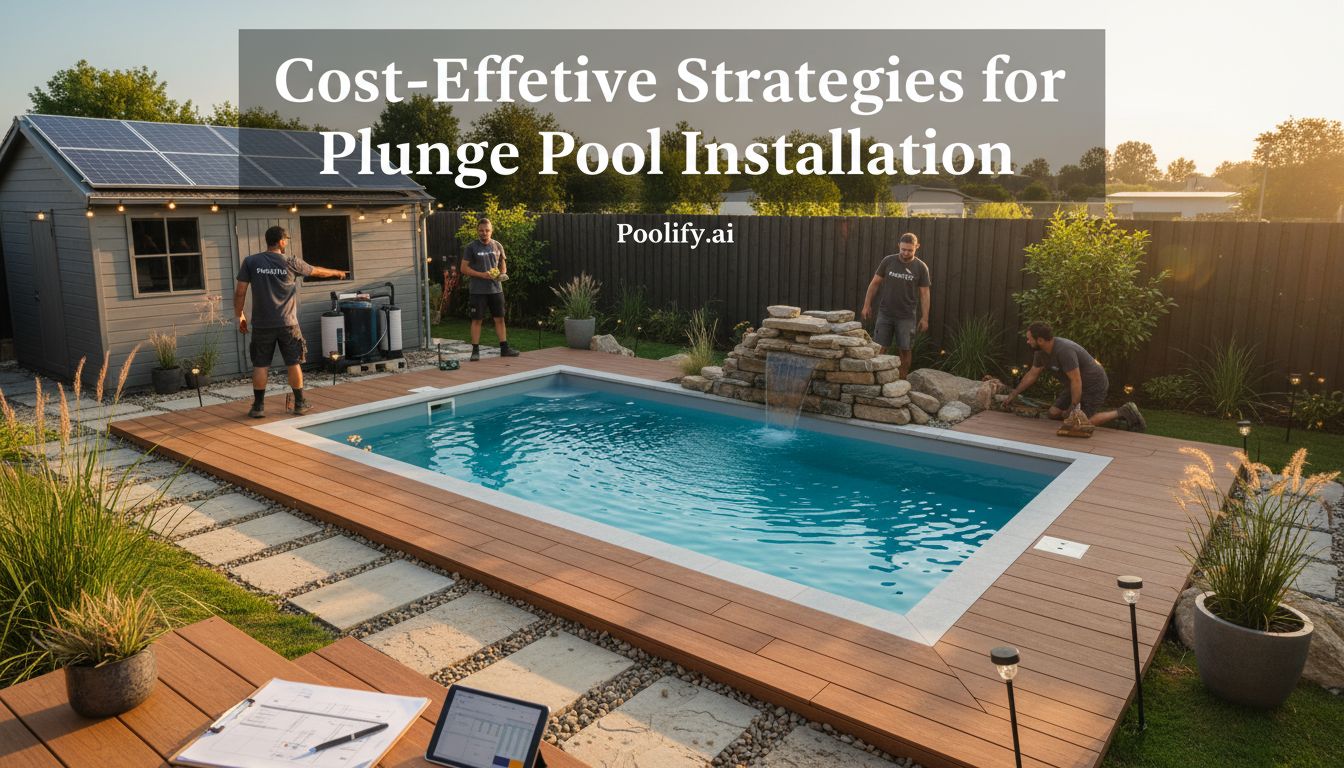
Budget considerations influence which plunge pool ideas prove most practical for your situation. Basic concrete plunge pools typically range from $20,000 to $35,000 for standard installations, while premium designs with custom features can exceed $75,000. Fiberglass shells offer mid-range pricing between $15,000 and $30,000, including installation, and provide faster installation timelines.
Timing your project strategically can yield substantial savings. Pool contractors typically offer better rates during off-season months when demand decreases. Scheduling installation during fall or winter in temperate climates may reduce costs by 15-20% compared to peak spring and summer pricing. However, weather delays become more likely during off-season construction.
Material selection significantly impacts both initial investment and long-term maintenance costs. While natural stone coping and premium tiles create stunning aesthetics, concrete alternatives provide similar functionality at fraction of the cost. Prioritize spending on structural elements and filtration systems rather than purely decorative features. You can always upgrade finishes later as budgets allow.
Consider phased implementation of your plunge pool ideas. Install the basic pool structure initially, then add features like heating systems, lighting upgrades, or landscaping enhancements over subsequent seasons. This approach spreads costs across multiple years while allowing you to enjoy the pool sooner. Many homeowners find this strategy more financially manageable than delaying the entire project.
For additional guidance on maintaining your investment, explore our comprehensive pool maintenance strategies that help extend the lifespan of your installation.
Maintenance and Operational Considerations
One advantage of plunge pool ideas over traditional pools involves simplified maintenance requirements. Smaller water volumes mean fewer chemicals, reduced filtration runtime, and less frequent cleaning. Most plunge pools require only 2-3 hours of maintenance weekly, compared to 4-6 hours for standard residential pools.
Automated systems further reduce maintenance demands. Robotic cleaners, automated chemical dosing systems, and smart controllers monitor water chemistry continuously. These technologies maintain optimal conditions with minimal owner intervention. While automation increases initial costs, the time savings and improved water quality justify the investment for most homeowners.
Heating costs represent the primary operational expense for plunge pools. Heat pumps provide the most energy-efficient option, using ambient air temperature to warm water at approximately one-third the cost of gas heaters. Solar heating systems eliminate ongoing fuel costs entirely but require adequate sun exposure and roof space for collector panels. Consider pool covers to retain heat overnight and reduce evaporation.
Water chemistry requires consistent attention regardless of pool size. Test pH, chlorine, alkalinity, and calcium hardness weekly during active use periods. Smaller water volumes respond more dramatically to chemical additions, so measure carefully and add adjustments gradually. Many homeowners find saltwater chlorination systems easier to manage than traditional chemical programs.
Check out our detailed pool cleaning techniques for maintaining crystal-clear water year-round.
Enhancing Your Plunge Pool with Smart Features
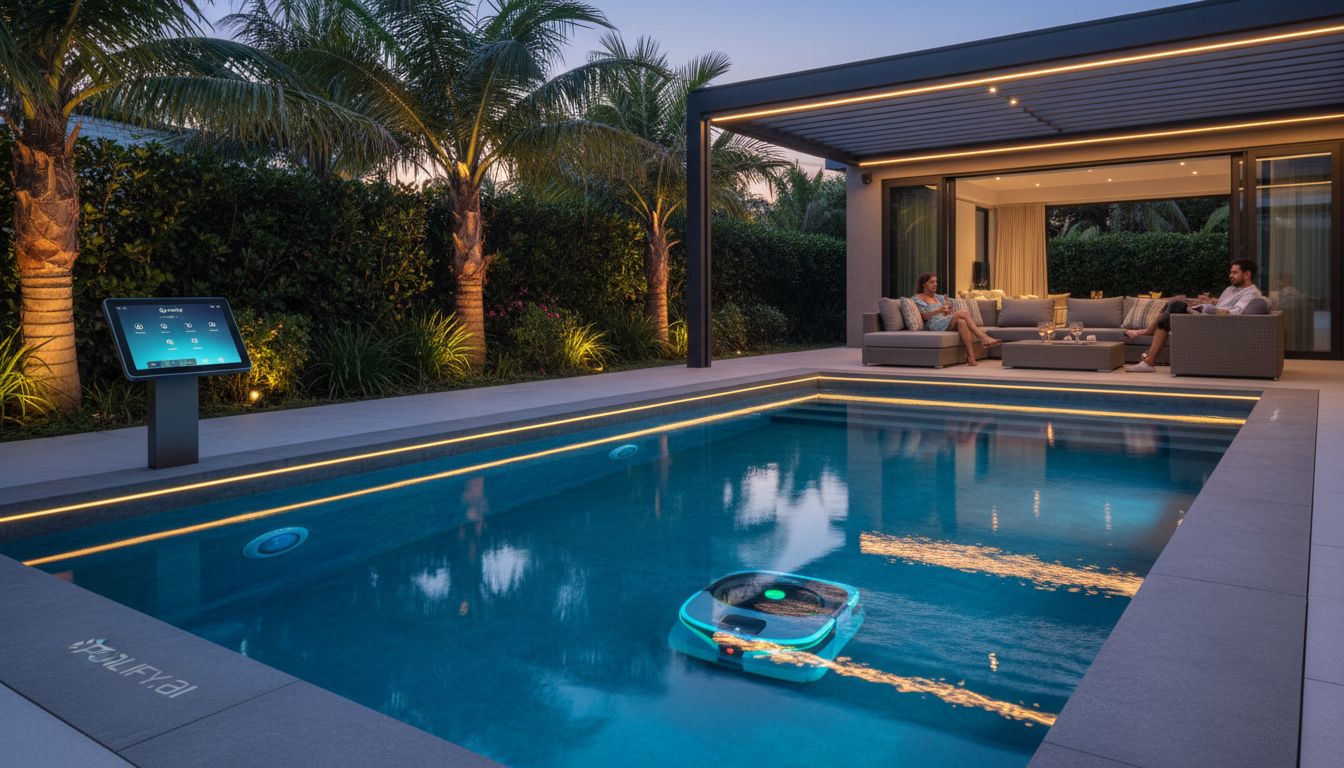
Technology integration elevates basic plunge pool ideas into sophisticated outdoor living systems. Smart controllers allow remote operation of heating, lighting, and filtration from smartphones. Schedule systems to pre-heat pools before arrival home, adjust lighting for evening entertainment, or modify filtration cycles based on usage patterns. These conveniences enhance enjoyment while optimizing energy consumption.
LED lighting systems create ambiance and extend usability into evening hours. Modern installations offer millions of color combinations, programmable sequences, and synchronized patterns. Underwater lighting highlights pool architecture while perimeter lighting ensures safety around deck areas. Consider separate control zones for different lighting areas to create layered lighting effects.
Audio systems designed specifically for outdoor environments complete the entertainment experience. Wireless speakers disguised as landscape rocks deliver quality sound without visible equipment. Some plunge pool ideas incorporate underwater speakers that transmit music through water, creating unique listening experiences for swimmers. Ensure all electrical components meet appropriate waterproof ratings.
Water features add movement and sound to static pools. Deck jets create arcing streams that cross the pool surface, while sheer descent waterfalls produce smooth water sheets. Bubblers and fountains provide gentle sounds and visual interest. These features require dedicated plumbing during construction, so include them in initial designs rather than attempting retrofits later.
Landscaping Integration for Cohesive Design
Successful plunge pool ideas extend beyond the water itself to encompass surrounding landscapes. Strategic plantings provide privacy screening, soften hardscape edges, and create lush backdrops. Select species appropriate for your climate that tolerate pool splash and won’t drop excessive debris into the water. Evergreen varieties maintain year-round screening while deciduous plants offer seasonal interest.
Hardscape materials should complement both pool finishes and architectural styles. Natural stone pavers create organic transitions, while concrete offers modern aesthetics and customizable colors. Consider slip-resistant surfaces around pool perimeters for safety. Extend decking materials to nearby seating areas and pathways to establish visual continuity throughout the outdoor space.
Vertical elements add dimension to flat pool installations. Privacy screens, pergolas, or living walls create enclosure without solid barriers. These structures provide mounting points for lighting, speakers, and climbing plants while defining the pool area as distinct from other yard sections. Ensure adequate clearances for maintenance access around all pool sides.
Container gardens offer flexibility for seasonal changes and design evolution. Large planters flanking entry points frame the space while remaining movable for layout adjustments. Select containers that coordinate with pool finishes and architectural details. This approach works particularly well for renters or homeowners who prefer changing aesthetics periodically.
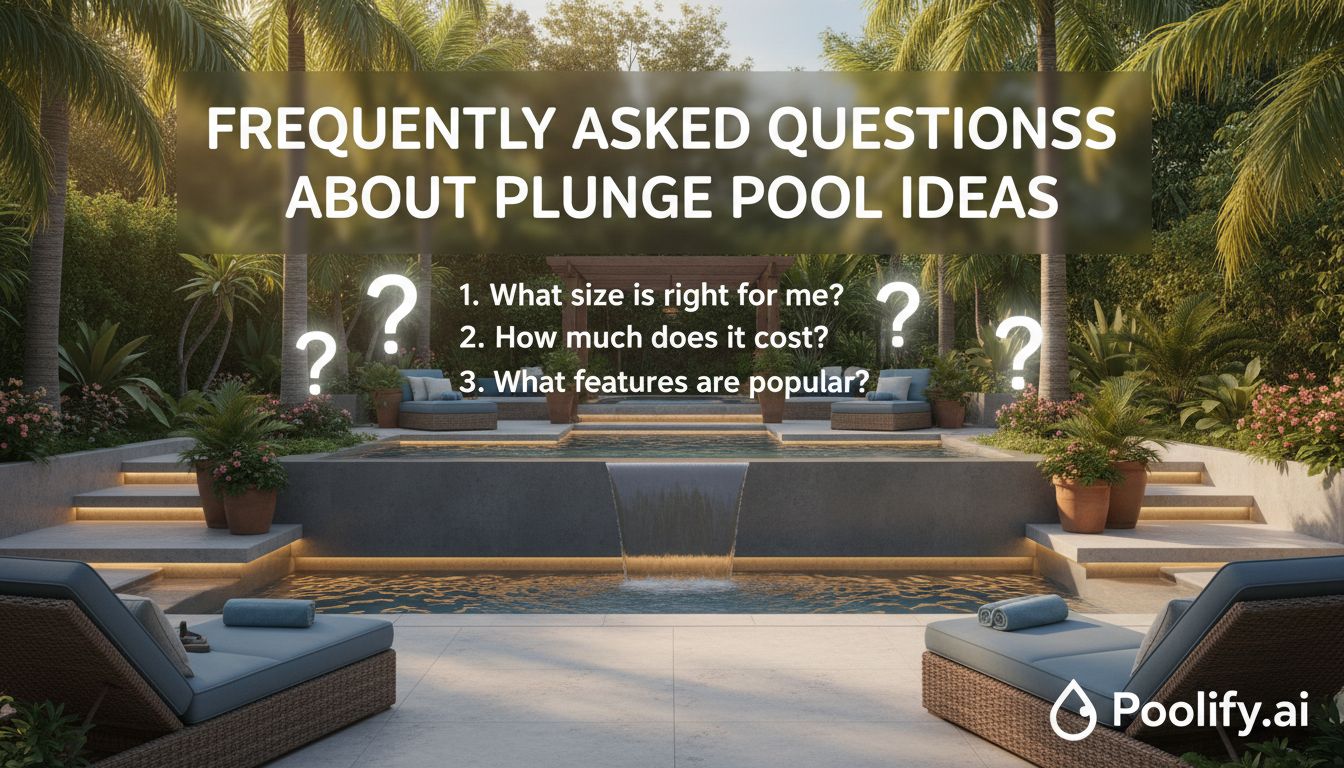
Frequently Asked Questions About Plunge Pool Ideas
How deep should a plunge pool be?
Most plunge pools range from 4 to 7 feet deep, with 5 to 6 feet being optimal for most adults. This depth allows comfortable standing, sitting on submerged benches, and full-body immersion without requiring excessive excavation or water volume. Deeper pools increase costs and water heating expenses without providing significant additional benefits for typical plunge pool uses. If children will use the pool regularly, consider incorporating a shallow section or steps for safer access.
Can plunge pools be heated for year-round use?
Absolutely, and heating systems represent one of the most popular additions to plunge pool ideas in 2026. Heat pumps efficiently maintain comfortable temperatures in most climates, while gas heaters provide rapid heating for occasional use. Solar systems work well in sunny regions with adequate installation space. Insulated pool covers retain heat overnight and reduce operational costs by 50-70%. Many homeowners in temperate climates enjoy their plunge pools throughout winter months with proper heating and wind protection.
What’s the minimum space required for a plunge pool?
You can install functional plunge pools in spaces as small as 8 feet by 10 feet, though 10 feet by 12 feet provides more comfortable dimensions. Remember to account for required deck space around the pool perimeter—typically 3 to 4 feet minimum for safe access and maintenance. Also factor in setback requirements from property lines, which commonly range from 3 to 10 feet depending on local regulations. Consult your municipality’s building department before finalizing dimensions to ensure compliance.
Do plunge pools add value to properties?
Quality plunge pool installations typically return 40-60% of their cost in increased property value, though this varies significantly by market and execution quality. Well-designed pools that complement architectural styles and integrate seamlessly with landscapes perform best. Properties in warm climates generally see higher returns than those in regions with limited swimming seasons. The key is creating installations that appeal to broad buyer preferences rather than highly personalized designs that limit market appeal.
How long does plunge pool installation take?
Timeline varies based on complexity and material choices. Fiberglass shell installations typically complete within 2-3 weeks from excavation to final landscaping. Custom concrete pools require 6-12 weeks depending on design complexity, weather conditions, and contractor schedules. Permit approval processes add 2-6 weeks before construction begins. Plan for longer timelines if your plunge pool ideas include complex features like infinity edges, integrated spas, or extensive automation systems.
Key Takeaways for Implementing Plunge Pool Ideas
- Space efficiency makes plunge pools ideal for urban properties: These compact installations deliver full pool benefits in footprints 60-75% smaller than traditional pools, making them perfect for modern lot sizes and maximizing usable yard space for other purposes.
- Reduced operational costs offset initial investment: Smaller water volumes mean 40-60% lower heating costs, fewer chemicals, and reduced maintenance time compared to standard pools, with most systems requiring only 2-3 hours of weekly attention.
- Design flexibility accommodates diverse aesthetic preferences: From minimalist concrete to naturalistic pond styles, plunge pool ideas in 2026 span every design philosophy, ensuring compatibility with any architectural style or landscape vision.
- Technology integration enhances functionality and convenience: Smart controls, automated maintenance systems, and integrated entertainment features transform basic pools into sophisticated outdoor living spaces that operate with minimal manual intervention.
- Strategic planning prevents costly mistakes: Thorough site assessment, realistic budgeting, and careful contractor selection ensure successful installations that deliver years of enjoyment without unexpected complications or expenses.
Conclusion: Creating Your Perfect Plunge Pool Retreat
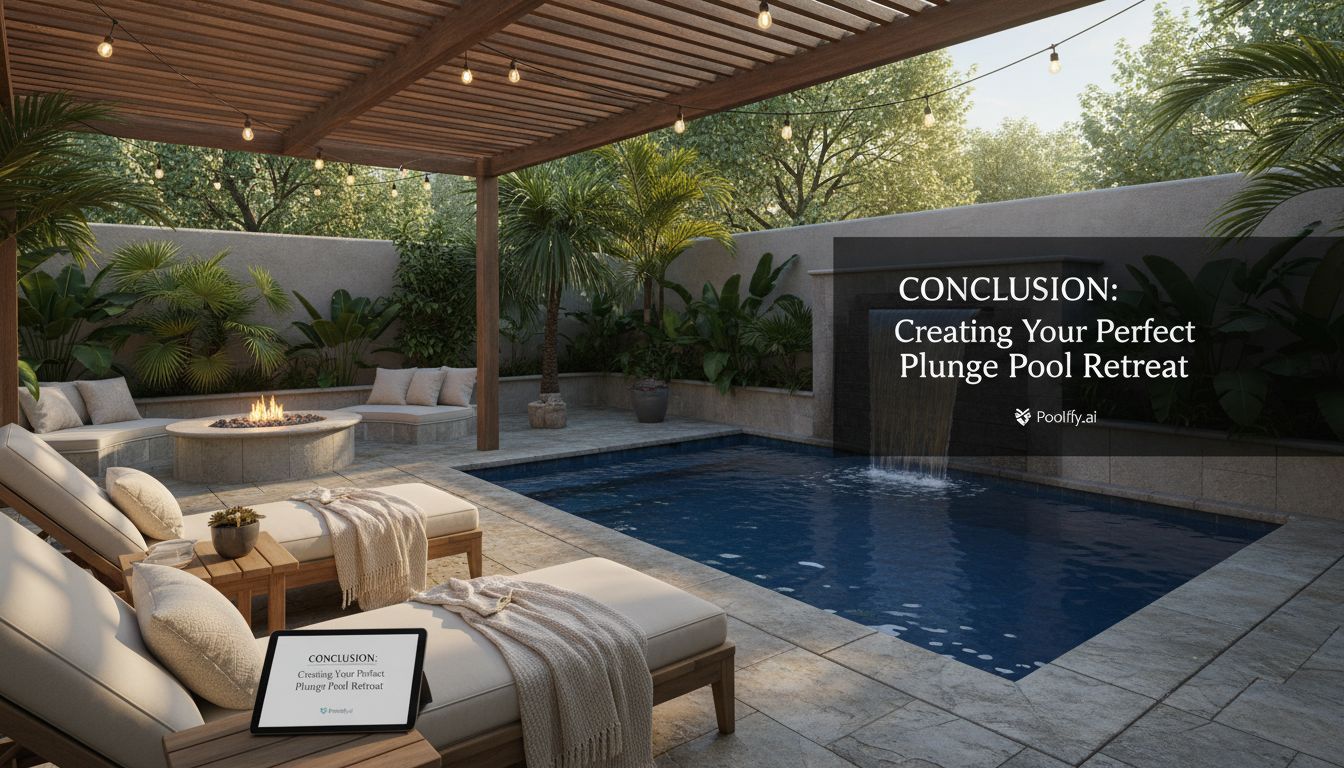
The diverse plunge pool ideas presented throughout this guide demonstrate that compact doesn’t mean compromising on luxury, functionality, or aesthetic appeal. Whether you’re drawn to sleek contemporary designs, natural organic installations, or technology-rich entertainment spaces, 2026 offers unprecedented options for creating personalized aquatic retreats tailored to your specific needs and preferences.
Successful plunge pool projects begin with thorough planning, realistic budgeting, and clear vision. Take time to research local contractors, obtain multiple quotes, and verify licensing and insurance before committing to installations. Quality execution during construction prevents costly repairs and ensures decades of reliable performance.
Remember that your plunge pool represents a long-term investment in property value, personal wellness, and outdoor living enjoyment. Prioritize structural integrity and efficient mechanical systems over purely decorative elements. You can always enhance aesthetics through landscaping and accessory additions, but foundation work and plumbing installations become prohibitively expensive to modify after completion.
As you move forward with implementing your chosen plunge pool ideas, maintain focus on how the installation integrates with your lifestyle patterns and property characteristics. The most successful projects balance aesthetic aspirations with practical functionality, creating spaces that deliver daily value rather than serving as occasional showpieces. Your plunge pool should enhance your outdoor living experience naturally, becoming an extension of your home that provides refreshment, relaxation, and rejuvenation for years to come.
For more insights on optimizing your outdoor space, visit our guide on comprehensive backyard pool design strategies that complement your plunge pool installation.
References
- U.S. Department of Energy – Swimming Pool Heating Efficiency Guidelines
- Consumer Product Safety Commission – Pool Safety Standards and Regulations