
Introduction to Pool Algae Prevention
Pool algae prevention remains one of the most critical aspects of swimming pool maintenance in 2026. Whether you’re a new pool owner or a seasoned veteran, understanding how to prevent algae growth saves you time, money, and frustration. Algae can transform your crystal-clear oasis into a murky green swamp within days if left unchecked. The good news? Effective pool algae prevention doesn’t require expensive treatments or complicated procedures. By implementing consistent maintenance practices and understanding the science behind algae growth, you can enjoy a pristine swimming environment all season long. This comprehensive guide reveals proven strategies for pool algae prevention that actually work.
Understanding Algae Growth in Swimming Pools
Before diving into pool algae prevention strategies, you need to understand what causes algae to thrive in your pool. Algae are microscopic organisms that require sunlight, warmth, nutrients, and stagnant water to multiply rapidly. These single-celled plants enter your pool through wind, rain, contaminated equipment, or even swimsuits that have been in natural bodies of water.
Three main types of algae plague swimming pools. Green algae is the most common variety, appearing as a greenish tint or coating on pool surfaces. Yellow algae, also called mustard algae, clings to shaded areas and resists standard chlorine treatments. Black algae forms protective layers that penetrate pool surfaces, making it the most stubborn type to eliminate. Understanding these varieties helps you tailor your pool algae prevention approach.
Temperature plays a significant role in algae development. When water temperatures rise above 70°F, algae growth accelerates dramatically. Combined with inadequate sanitization and poor circulation, these conditions create the perfect breeding ground. According to the CDC’s guidelines on pool disinfection, maintaining proper chemical balance is essential for preventing waterborne issues including algae blooms.
Why Pool Algae Prevention Matters
Effective pool algae prevention protects more than just aesthetics. Algae creates slippery surfaces that increase accident risks around your pool deck. The organisms consume sanitizer meant to kill harmful bacteria, compromising water safety. Once established, algae removal requires shocking the pool with high chlorine doses, draining your budget and preventing pool use for several days.
Pool algae prevention also extends the lifespan of your equipment and surfaces. Algae buildup forces your filtration system to work harder, increasing energy costs and accelerating wear. The abrasive scrubbing required to remove established algae damages pool finishes over time. Prevention always costs less than remediation.
Essential Pool Chemistry for Algae Prevention
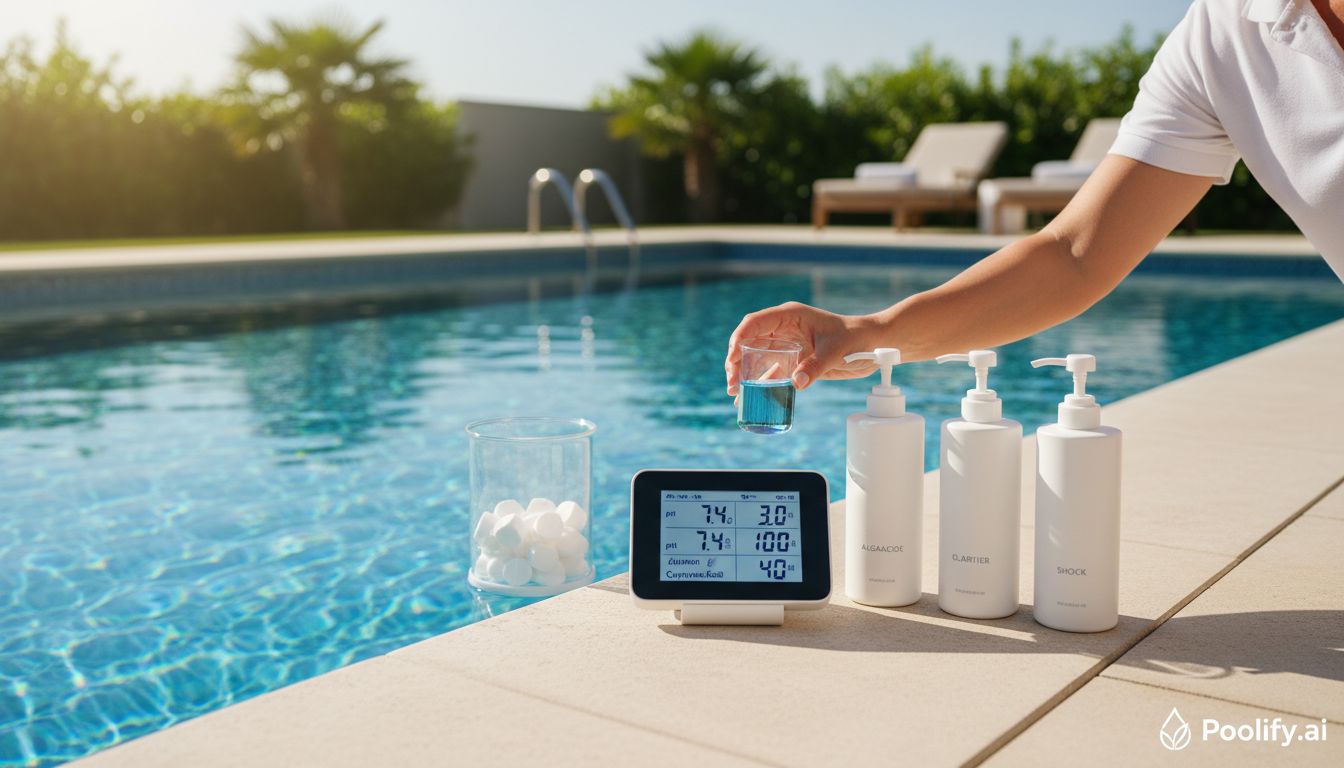
Proper water chemistry forms the foundation of successful pool algae prevention. Your sanitizer level, pH balance, and alkalinity work together to create an environment where algae cannot survive. Testing your water at least twice weekly during swimming season ensures you catch imbalances before they trigger algae growth.
Chlorine remains the most effective sanitizer for pool algae prevention. Maintain free chlorine levels between 2.0 and 4.0 parts per million (ppm) for optimal protection. During hot weather or heavy pool usage, aim for the higher end of this range. Chlorine kills algae spores before they establish colonies, but only when maintained at adequate levels consistently.
pH Balance and Alkalinity
Your pool’s pH level directly impacts chlorine effectiveness in pool algae prevention. The ideal pH range sits between 7.4 and 7.6. When pH rises above 7.8, chlorine loses up to 50% of its sanitizing power, allowing algae to gain a foothold. Low pH below 7.2 causes chlorine to dissipate too quickly, leaving your pool vulnerable.
Total alkalinity buffers pH changes and should measure between 80 and 120 ppm. Proper alkalinity prevents pH swings that compromise your pool algae prevention efforts. Test alkalinity weekly and adjust using sodium bicarbonate to raise levels or muriatic acid to lower them. Stable alkalinity means stable pH, which means consistent sanitizer effectiveness.
Calcium Hardness and Cyanuric Acid
Calcium hardness between 200 and 400 ppm prevents surface etching that creates rough spots where algae anchors. While not directly involved in pool algae prevention, proper calcium levels maintain smooth surfaces that resist algae attachment. Low calcium causes plaster deterioration that provides perfect hiding spots for stubborn algae varieties.
Cyanuric acid (CYA) protects chlorine from sunlight degradation, extending its effectiveness for pool algae prevention. Maintain CYA between 30 and 50 ppm for outdoor pools. Levels above 100 ppm create “chlorine lock,” where chlorine becomes less effective despite high test readings. This condition undermines your pool algae prevention program by creating a false sense of security.
Circulation and Filtration Strategies
Outstanding pool algae prevention requires more than chemicals alone. Water circulation prevents the stagnant conditions algae need to multiply. Your pool pump should run long enough to turn over the entire water volume at least once daily. For most residential pools, this means 8 to 12 hours of daily operation during swimming season.
Dead zones with poor circulation become algae breeding grounds. These areas typically include behind ladders, in corners, around steps, and near the pool floor. Adjust return jets to create circular water movement that reaches every area. Angling jets slightly downward pushes debris toward main drains where your filtration system can capture it.
Filter Maintenance for Pool Algae Prevention
Your filter removes microscopic algae spores before they colonize your pool. However, a dirty filter cannot perform this essential pool algae prevention function. Sand filters require backwashing when pressure gauges read 8-10 psi above the clean baseline. Cartridge filters need removal and thorough cleaning every 4-6 weeks during peak season.
Diatomaceous earth (DE) filters provide the finest filtration for superior pool algae prevention. Backwash DE filters when pressure rises 8-10 psi, then recharge with fresh DE powder. Replace DE grids every 2-3 years to maintain optimal performance. Clean filters catch algae spores measuring just 2-5 microns, preventing them from establishing in your pool.
Consider running your pump during daylight hours when algae photosynthesize most actively. This timing maximizes your pool algae prevention efforts by circulating sanitizer when algae are most vulnerable. Programmable timers make this strategy effortless and ensure consistent operation even when you’re away from home.
Brushing and Vacuuming Techniques
Mechanical cleaning complements chemical treatment in comprehensive pool algae prevention. Brushing pool surfaces twice weekly dislodges algae spores before they attach and multiply. Use a stainless steel brush for concrete and plaster pools, or a nylon brush for vinyl and fiberglass to avoid damage.
Focus brushing efforts on areas prone to algae growth. Steps, corners, behind ladders, and shaded sections receive less circulation and require extra attention. Brush walls from top to bottom, pushing debris toward the main drain. This physical disruption is crucial for pool algae prevention because it exposes algae to sanitizer and prevents biofilm formation.
Effective Vacuuming for Pool Algae Prevention
Regular vacuuming removes organic debris that feeds algae growth. Leaves, pollen, dirt, and other contaminants introduce nutrients and consume sanitizer meant for pool algae prevention. Vacuum at least weekly, or more frequently during spring when pollen counts peak and fall when leaves drop.
Automatic pool cleaners provide consistent cleaning that enhances pool algae prevention. Robotic cleaners scrub surfaces while filtering debris independently of your main system. Suction-side cleaners utilize your existing pump and filter, while pressure-side models use dedicated booster pumps. Each type contributes to pool algae prevention by maintaining clean surfaces and removing organic matter.
When vacuuming visible algae, always vacuum to waste rather than through your filter. This prevents algae from returning to your pool and protects your filter from clogging. While this method wastes water, it’s more effective for pool algae prevention than recirculating contaminated water through your system.
Shocking Your Pool for Algae Prevention
Regular shock treatments supercharge your pool algae prevention program. Shocking raises chlorine levels temporarily to 10-20 ppm, oxidizing organic contaminants and killing algae spores that survive normal sanitizer levels. This process, also called superchlorination, should occur weekly during swimming season or after heavy pool usage.
Choose the right shock product for effective pool algae prevention. Calcium hypochlorite contains 65-75% available chlorine and works quickly but raises pH and calcium levels. Sodium dichlor dissolves rapidly without affecting pH but adds cyanuric acid with each treatment. Potassium monopersulfate oxidizes contaminants without raising chlorine, making it ideal for supplemental shocking between chlorine treatments.
Proper Shocking Procedures
Timing matters for optimal pool algae prevention through shocking. Shock your pool at dusk or after dark when sunlight won’t degrade chlorine. This allows sanitizer to work overnight, maximizing its effectiveness against algae spores. Broadcast shock evenly around the pool perimeter with the pump running to ensure thorough distribution.
Calculate shock dosage based on your pool volume and current chlorine levels. For routine pool algae prevention, add enough shock to raise free chlorine to 10 ppm. If you’re treating visible algae, you may need to reach 20-30 ppm depending on severity. Always follow product instructions and never mix different shock types together.
Allow chlorine levels to return to normal (1-4 ppm) before swimming, typically 8-24 hours after shocking. Test water before allowing swimmers to enter. This waiting period ensures shock treatments remain effective for pool algae prevention without exposing swimmers to irritating chlorine concentrations.
Algaecides and Supplemental Treatments
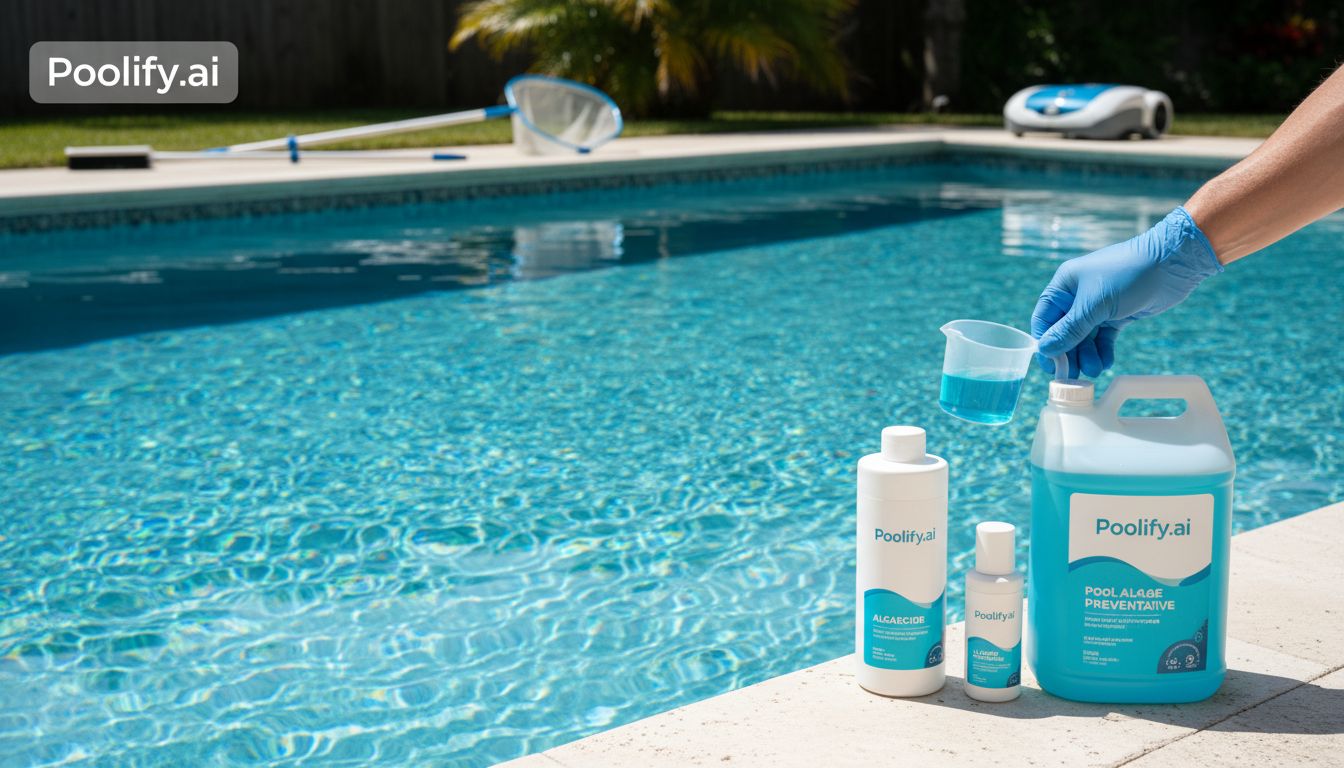
While not essential for basic pool algae prevention, algaecides provide extra protection during challenging conditions. These specialized chemicals kill algae through different mechanisms than chlorine, offering backup protection when sanitizer levels fluctuate. Algaecides work best as preventive treatments rather than remedial solutions.
Quaternary ammonium compounds (quats) are the most common algaecides for pool algae prevention. These positively charged molecules attach to negatively charged algae cells, disrupting their membranes. Quat algaecides are affordable and effective against green algae but can cause foaming and don’t work well on yellow or black varieties.
Advanced Algaecide Options
Polyquat algaecides offer superior pool algae prevention without foaming issues. These polymer-based products remain effective longer and won’t affect water clarity. While more expensive than basic quats, polyquats provide better value through extended protection and compatibility with all sanitizer types.
Copper-based algaecides deliver the strongest pool algae prevention against resistant strains. These products effectively combat yellow and black algae that resist other treatments. However, copper can stain pool surfaces if levels exceed 0.2 ppm or if pH rises above 7.6. Test copper levels regularly when using these algaecides and maintain proper water balance.
Phosphate removers support pool algae prevention by eliminating nutrients algae need to grow. Phosphates enter pools through fertilizer runoff, decaying organic matter, and some pool chemicals. Maintaining phosphate levels below 100 ppb starves algae and reduces sanitizer demand. Learn more about maintaining optimal pool water chemistry for comprehensive protection.
Seasonal Pool Algae Prevention Strategies
Your pool algae prevention approach should adapt to seasonal challenges. Spring brings pollen, rain, and warming temperatures that accelerate algae growth. Increase shock frequency to twice weekly during spring and brush more often to remove pollen before it settles. Consider using a phosphate remover since spring rains introduce nutrients.
Summer heat intensifies pool algae prevention challenges. Higher water temperatures speed algae reproduction while increased swimmer load introduces contaminants and consumes sanitizer. Run your pump longer during summer, maintain chlorine at the higher end of the recommended range, and shock after pool parties or heavy usage.
Fall and Winter Pool Algae Prevention
Fall requires vigilant pool algae prevention as dropping leaves introduce massive amounts of organic debris. Skim daily, vacuum frequently, and maintain normal sanitizer levels until you close the pool. Even as temperatures cool, algae can still grow if conditions permit. Don’t reduce your maintenance routine too early.
Winter pool algae prevention depends on your climate. In regions where pools stay open year-round, continue regular maintenance at reduced frequency. For pools that close seasonally, proper winterization prevents algae growth during closure. Add winter algaecide, maintain chlorine at 3-5 ppm, and use a quality pool cover to block sunlight that fuels algae photosynthesis.
When reopening your pool, thorough cleaning and shock treatment ensure you start the season with effective pool algae prevention. Remove the cover carefully to avoid dumping debris into clean water. Test and balance chemistry immediately, shock the pool, and run the filter continuously for 24-48 hours before normal operation resumes.
Pool Cover Benefits for Algae Prevention
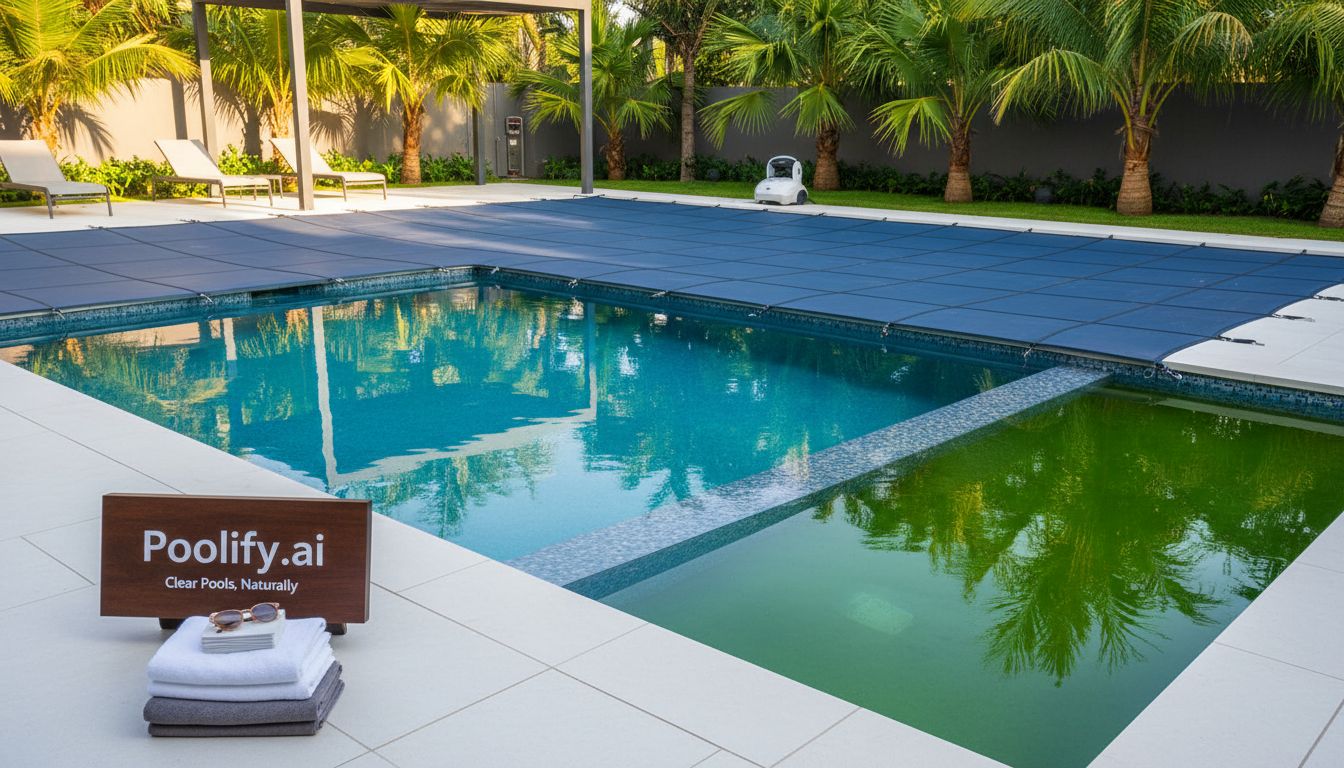
Pool covers significantly enhance pool algae prevention by blocking sunlight and preventing debris accumulation. Solar covers reduce algae growth while retaining heat and minimizing evaporation. Safety covers provide security and debris protection during off-season months when active maintenance decreases.
Automatic pool covers offer the best pool algae prevention because they’re used consistently. The convenience of push-button operation means you’ll actually cover your pool daily, blocking sunlight that algae need for photosynthesis. These covers also reduce chemical consumption by preventing UV degradation of sanitizer.
Proper Cover Maintenance
Even covers require maintenance for optimal pool algae prevention. Clean covers monthly to remove dirt, pollen, and organic debris that can wash into your pool when removed. Standing water on covers becomes a breeding ground for mosquitoes and algae, so pump it off regularly or ensure proper drainage.
Never cover a pool with active algae growth. This traps algae against surfaces in warm, dark conditions that accelerate multiplication despite chemical treatment. Always resolve algae issues completely before covering. This practice protects your pool algae prevention efforts and prevents nasty surprises when you uncover the pool.
Common Pool Algae Prevention Mistakes
Many pool owners undermine their pool algae prevention efforts through common mistakes. Inconsistent testing leads to chemical imbalances that allow algae to establish before you notice problems. Test water at least twice weekly during swimming season, and adjust chemicals promptly when levels drift outside ideal ranges.
Over-stabilization with cyanuric acid cripples pool algae prevention. While CYA protects chlorine from sunlight, levels above 100 ppm reduce chlorine effectiveness dramatically. This condition, called chlorine lock, allows algae to flourish despite high chlorine test readings. Partially drain and refill your pool if CYA exceeds 100 ppm.
Equipment and Maintenance Errors
Insufficient pump runtime compromises pool algae prevention by allowing stagnant zones where algae multiply. Calculate your turnover rate by dividing pool volume by pump flow rate. Run your pump long enough to turn over the entire volume at least once daily, typically 8-12 hours for most residential pools.
Neglecting filter maintenance sabotages pool algae prevention regardless of chemical balance. Dirty filters cannot remove algae spores and organic debris that feed algae growth. Establish a regular cleaning schedule based on your filter type and stick to it religiously. Clean filters are essential for effective pool algae prevention.
Relying solely on algaecides without proper sanitizer levels wastes money and fails at pool algae prevention. Algaecides supplement chlorine but cannot replace it. Always maintain adequate chlorine levels as your primary defense, using algaecides only as backup protection during challenging conditions. For more maintenance insights, check out our comprehensive pool maintenance schedule.
Natural and Alternative Pool Algae Prevention Methods
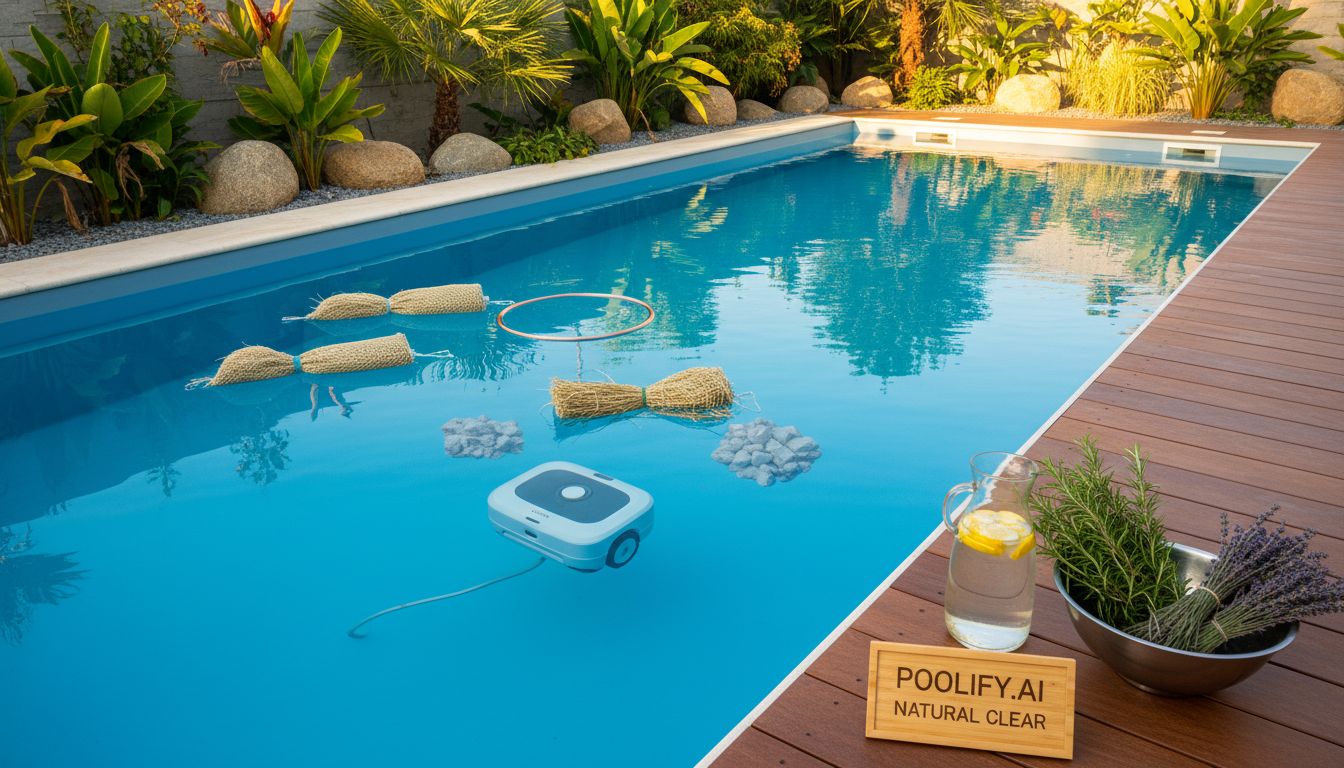
Some pool owners seek alternative approaches to traditional pool algae prevention. Saltwater chlorine generators produce chlorine through electrolysis, providing consistent sanitizer levels without handling harsh chemicals. These systems still rely on chlorine for pool algae prevention but generate it automatically from dissolved salt.
Mineral systems using silver and copper ions supplement chlorine for enhanced pool algae prevention. These systems allow you to reduce chlorine levels by 50% while maintaining algae protection. The minerals remain active for months, providing continuous backup to your primary sanitizer. However, monitor copper levels to prevent staining.
UV and Ozone Systems
Ultraviolet (UV) systems enhance pool algae prevention by destroying algae DNA as water passes through UV chambers. These systems reduce chemical demand and provide additional sanitization. UV light kills algae spores and other microorganisms instantly, but only treats water flowing through the unit. You still need residual sanitizer in the pool itself.
Ozone generators inject ozone gas into pool water, oxidizing contaminants and killing algae. Ozone provides powerful pool algae prevention and reduces chlorine requirements by up to 90%. However, ozone dissipates quickly and leaves no residual protection. Combine ozone systems with low-level chlorine for comprehensive pool algae prevention.
Enzyme products break down organic oils and contaminants that feed algae growth. While not direct algae killers, enzymes support pool algae prevention by eliminating nutrients and reducing sanitizer demand. These natural products work slowly but provide cumulative benefits over time when used consistently.
Professional Pool Algae Prevention Services
Professional pool service provides expert pool algae prevention for homeowners who lack time or expertise. Weekly service typically includes water testing, chemical adjustment, brushing, vacuuming, and equipment inspection. Professionals catch problems early and maintain consistent care that prevents algae outbreaks.
Professional pool algae prevention costs vary by region and service frequency. Weekly full-service maintenance ranges from $80 to $150 monthly, while chemical-only service costs $60 to $100. This investment often pays for itself by preventing expensive algae treatments, extending equipment life, and ensuring safe swimming conditions year-round.
Choosing a Pool Service Provider
Select pool service companies with proven pool algae prevention expertise. Look for certified pool operators (CPO) credentials, liability insurance, and positive customer reviews. Ask about their maintenance procedures, chemical brands used, and response time for problems. Quality providers offer consistent technicians who learn your pool’s specific needs.
Even with professional service, stay involved in your pool algae prevention program. Monitor water clarity between visits and report concerns promptly. Understand what services your contract includes and verify technicians complete all tasks. This partnership approach ensures optimal pool algae prevention and helps you learn proper maintenance practices.
Frequently Asked Questions About Pool Algae Prevention
How often should I test my pool water for effective pool algae prevention?
Test your pool water at least twice weekly during swimming season for optimal pool algae prevention. Test chlorine, pH, and alkalinity each time, checking calcium hardness and cyanuric acid monthly. Increase testing frequency during hot weather, after heavy rain, or following pool parties. Consistent testing catches imbalances before they trigger algae growth, making pool algae prevention much easier than treating established blooms.
Can I swim immediately after adding algaecide for pool algae prevention?
Most maintenance-dose algaecides allow swimming immediately after application when used for pool algae prevention. However, always read product labels for specific waiting times. Treatment-dose algaecides used to kill active algae may require 15 minutes to several hours before swimming. For routine pool algae prevention, add algaecide after the day’s swimming ends to ensure proper circulation before the next use.
Does shocking my pool weekly guarantee pool algae prevention?
Weekly shocking significantly improves pool algae prevention but doesn’t guarantee it alone. Effective pool algae prevention requires multiple factors working together: proper chemical balance, adequate circulation, regular cleaning, and appropriate shock treatments. Shocking oxidizes contaminants and kills algae spores, but neglecting other maintenance aspects can still allow algae to develop. Combine weekly shocking with consistent water testing, brushing, and filtration for comprehensive pool algae prevention.
What’s the best type of pool brush for algae prevention?
Stainless steel brushes provide the most effective pool algae prevention for concrete and plaster pools. The stiff bristles scrub away biofilm and dislodge algae spores before they attach. For vinyl liner and fiberglass pools, use nylon brushes to avoid surface damage while still achieving good pool algae prevention. Brush your entire pool twice weekly, focusing on corners, steps, and shaded areas where algae typically starts growing.
How does pool temperature affect algae prevention strategies?
Water temperature dramatically impacts pool algae prevention requirements. Algae multiply rapidly when water exceeds 70°F, with growth accelerating as temperatures rise into the 80s and 90s. During hot weather, increase your pool algae prevention efforts by maintaining higher chlorine levels, shocking more frequently, running your pump longer, and brushing more often. Cooler water below 60°F naturally slows algae growth, allowing reduced maintenance while still maintaining effective pool algae prevention.
Key Takeaways for Pool Algae Prevention
- Consistent water chemistry forms the foundation of pool algae prevention – maintain chlorine between 2-4 ppm, pH between 7.4-7.6, and alkalinity between 80-120 ppm through regular testing and adjustment at least twice weekly.
- Adequate circulation prevents stagnant zones where algae thrive – run your pump 8-12 hours daily to turn over the entire pool volume, adjust jets to eliminate dead spots, and maintain clean filters that capture microscopic algae spores.
- Physical cleaning complements chemical treatment for comprehensive pool algae prevention – brush walls and floors twice weekly to dislodge spores, vacuum regularly to remove organic debris, and focus extra attention on corners, steps, and shaded areas.
- Weekly shock treatments supercharge your pool algae prevention program – shock at dusk to maximize effectiveness, use appropriate dosages based on pool volume, and adjust frequency during hot weather or after heavy pool usage.
- Proactive maintenance costs far less than remediation – preventing algae through consistent care saves money on chemicals, reduces equipment wear, minimizes downtime, and ensures your pool remains safe and inviting throughout the season.
Conclusion
Mastering pool algae prevention in 2026 doesn’t require expensive equipment or complicated procedures. Success comes from understanding algae biology, maintaining proper water chemistry, ensuring adequate circulation, and performing consistent physical cleaning. These fundamental practices work together to create an environment where algae cannot establish, keeping your pool crystal clear and ready for swimming.
The investment you make in regular pool algae prevention pays dividends through reduced chemical costs, extended equipment life, and uninterrupted swimming enjoyment. Whether you maintain your pool personally or hire professional service, the principles remain the same: test frequently, balance chemistry promptly, circulate thoroughly, clean regularly, and shock weekly. These habits transform pool algae prevention from a reactive struggle into a proactive routine.
Remember that every pool faces unique challenges based on climate, usage patterns, and surrounding environment. Adapt these pool algae prevention strategies to your specific situation, paying attention to what works best for your pool. With consistent application of these proven techniques, you’ll spend less time fighting algae and more time enjoying the sparkling, inviting pool you deserve. Start implementing these pool algae prevention practices today and experience the difference that proper maintenance makes throughout the entire swimming season.
References
- Centers for Disease Control and Prevention (CDC) – Pool Disinfection and Testing Guidelines: https://www.cdc.gov/healthywater/swimming/residential/disinfection-testing.html
- Related Resource: Pool Water Chemistry Guide
- Related Resource: Pool Maintenance Schedule