
Introduction to Modern Pool Automation Systems
Pool automation systems have transformed from luxury additions to essential components of modern pool ownership in 2026. These intelligent systems integrate cutting-edge technology to control every aspect of your pool environment, from filtration and heating to lighting and chemical balance. As homeowners increasingly prioritize convenience and energy efficiency, pool automation systems deliver unprecedented control through smartphone apps, voice commands, and automated scheduling. Whether you’re managing a residential backyard oasis or a commercial aquatic facility, understanding how these systems work and their benefits can significantly enhance your pool experience while reducing operational costs and maintenance time.
Understanding Pool Automation Systems Technology
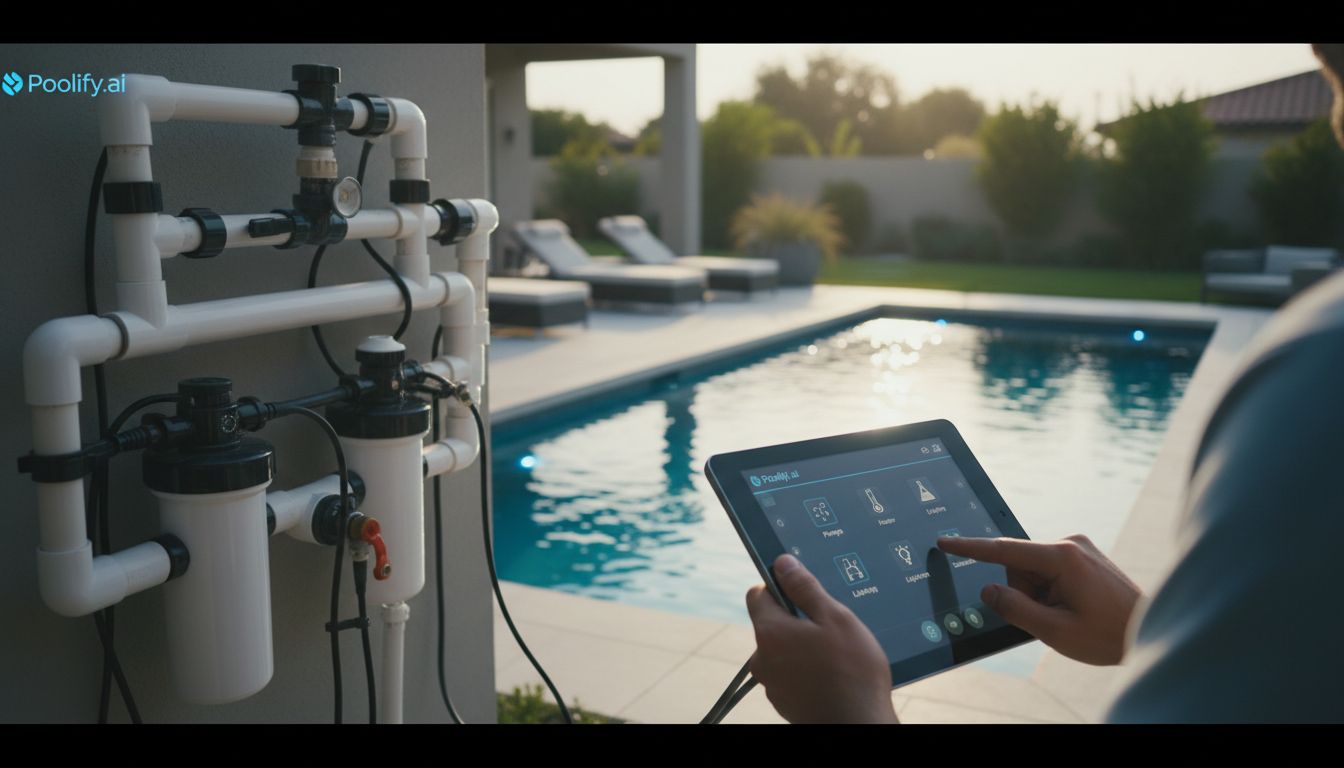
Pool automation systems represent the convergence of hardware, software, and connectivity that allows centralized control of pool equipment. At their core, these systems consist of a control panel or hub that communicates with various pool components including pumps, heaters, sanitizers, valves, and lighting fixtures. The technology has evolved dramatically, with 2026 models featuring cloud-based platforms, artificial intelligence algorithms, and seamless integration with smart home ecosystems.
Modern pool automation systems utilize wireless protocols such as Wi-Fi, Bluetooth, and proprietary mesh networks to maintain constant communication between components. The central controller processes data from multiple sensors that monitor water temperature, chemical levels, flow rates, and energy consumption. This real-time data collection enables the system to make intelligent adjustments automatically, optimizing performance while minimizing resource waste.
The user interface has become increasingly intuitive, with touchscreen controllers, mobile applications, and voice-activated commands through platforms like Amazon Alexa and Google Assistant. According to the Department of Energy’s guidance on pool systems, automated controls can reduce pool energy consumption by up to 70% compared to manual operation. This technological sophistication means pool owners can monitor and adjust settings from anywhere in the world, receiving alerts about maintenance needs or system irregularities instantly.
Top 10 Benefits of Installing Pool Automation Systems
1. Significant Energy Savings and Cost Reduction
Pool automation systems excel at optimizing energy consumption through intelligent scheduling and adaptive operation. Variable-speed pumps integrated with automation can adjust flow rates based on actual pool needs rather than running at full capacity continuously. The system learns usage patterns and environmental conditions, automatically reducing pump speeds during off-peak hours or when full circulation isn’t necessary. Heaters activate only when needed to maintain target temperatures, and the system can leverage time-of-use electricity rates to schedule energy-intensive operations during cheaper periods.
Homeowners typically see 30-50% reductions in pool-related energy costs within the first year of implementing pool automation systems. Over a system’s 10-15 year lifespan, these savings can amount to thousands of dollars, often offsetting the initial investment entirely. The precise control over chemical dosing also reduces waste from over-treatment, further contributing to operational cost reductions.
2. Enhanced Water Quality and Chemical Balance
Maintaining optimal water chemistry becomes effortless with automated monitoring and dosing capabilities. Pool automation systems continuously test pH levels, chlorine concentration, alkalinity, and other critical parameters, making micro-adjustments throughout the day. This constant vigilance prevents the dramatic swings in water chemistry that occur with manual testing and treatment, which typically happens weekly or bi-weekly.
Consistent water balance protects pool surfaces and equipment from corrosion or scale buildup while ensuring swimmer comfort and safety. Automated systems eliminate human error in chemical calculations and reduce exposure to concentrated pool chemicals during handling. The result is crystal-clear water that requires less manual intervention and fewer emergency corrections.
3. Remote Access and Control Convenience
The ability to manage your pool from anywhere represents one of the most valued features of pool automation systems. Whether you’re at work, on vacation, or simply inside your home, smartphone apps provide complete control over all pool functions. You can adjust temperatures before arriving home, activate spa jets for guests, or troubleshoot issues remotely with real-time system diagnostics.
This remote capability proves especially valuable for vacation homes or rental properties where pool management might otherwise require frequent site visits or hiring local maintenance services. The convenience factor extends to scheduling, allowing you to program complex operational sequences that run automatically without daily intervention.
4. Extended Equipment Lifespan
Pool automation systems protect your investment by ensuring equipment operates within optimal parameters. Pumps run at appropriate speeds for specific tasks, heaters cycle efficiently without short-cycling, and valves actuate smoothly through programmed sequences. This intelligent operation reduces mechanical stress and wear that occurs with manual control or simple timers.
The system monitors equipment performance and can detect anomalies that indicate developing problems, alerting owners before minor issues become expensive failures. Proper filtration scheduling maintains clean water that’s less abrasive to pump components, while balanced chemistry prevents corrosive damage to heaters and metal fittings. Equipment managed by pool automation systems typically lasts 25-40% longer than manually controlled counterparts.
5. Customizable Automation Schedules
Creating personalized operational schedules tailored to your lifestyle and pool usage patterns maximizes efficiency and convenience. Pool automation systems allow you to program different scenarios for weekdays versus weekends, seasonal variations, or special events. Morning filtration cycles can prepare the pool before dawn swims, while evening lighting sequences create ambiance for entertaining.
These schedules adapt to changing needs without reprogramming. Many systems incorporate learning algorithms that optimize timing based on observed usage patterns and environmental data. Vacation modes reduce operations to minimum levels, while party modes ensure everything is perfect when guests arrive.
6. Improved Safety Features
Safety enhancements built into pool automation systems provide peace of mind for families with children or pets. Automatic pool covers integrate with the control system, ensuring they deploy on schedule or can be activated remotely. Temperature limits prevent scalding from overheated spas, while flow sensors detect blockages that could indicate someone trapped against a drain.
Lighting automation ensures adequate illumination during evening hours, reducing slip and fall risks around the pool deck. Some advanced systems include motion sensors or cameras that can alert owners to unexpected pool area activity. Chemical monitoring prevents dangerous over-chlorination or pH extremes that could cause swimmer discomfort or injury.
7. Seamless Smart Home Integration
Pool automation systems in 2026 integrate effortlessly with broader smart home ecosystems, creating unified control over your entire property. Voice commands through smart speakers can adjust pool settings hands-free, while scenes coordinate pool operations with outdoor lighting, music systems, and climate control. When you activate “entertaining mode,” the system might simultaneously heat the spa, illuminate the pool with party lighting, and start the waterfall features.
Integration with weather services allows the system to make proactive adjustments based on forecasts. Before a storm, the pool automation system might secure covers, adjust chemical levels to compensate for expected rainfall, and modify filtration schedules. This interconnectivity creates a truly intelligent outdoor environment that responds to conditions and preferences automatically.
8. Reduced Maintenance Time and Effort
Pool automation systems dramatically decrease the time owners spend on routine maintenance tasks. Automated cleaning cycles coordinate with robotic cleaners, ensuring thorough coverage without manual scheduling. Chemical dosing eliminates weekly testing and treatment routines, while automated backwashing keeps filters operating at peak efficiency without calendar reminders.
The time savings compound over a swimming season, freeing up dozens of hours previously spent on pool care. Owners can focus on enjoying their pool rather than maintaining it, while still achieving superior results compared to manual management. For those who previously hired pool service companies, automation can reduce or eliminate these ongoing expenses.
9. Environmental Sustainability
Environmental consciousness drives many homeowners toward pool automation systems in 2026. Optimized pump operation reduces electricity consumption and the associated carbon footprint, while precise chemical dosing minimizes the release of excess sanitizers into the environment. Efficient heating reduces natural gas or propane consumption, and smart scheduling can prioritize solar heating when available.
Water conservation features detect leaks through flow monitoring and can automatically shut off water features during drought conditions. The cumulative environmental impact of widespread automation adoption is significant, with estimates suggesting residential pool automation could reduce pool-related energy consumption by millions of kilowatt-hours annually across the United States.
10. Increased Property Value
Installing pool automation systems represents a valuable home improvement that appeals to prospective buyers. Modern homebuyers expect smart technology integration, and an automated pool system demonstrates that the property features current, well-maintained amenities. Real estate professionals report that homes with pool automation systems command premium prices and sell faster than comparable properties with conventional pool controls.
The perceived value extends beyond the system cost, as buyers recognize the ongoing benefits of reduced maintenance, lower operating costs, and enhanced convenience. In competitive real estate markets, sophisticated pool automation can differentiate your property from similar listings, potentially yielding returns that exceed the initial investment.
Key Components of Pool Automation Systems
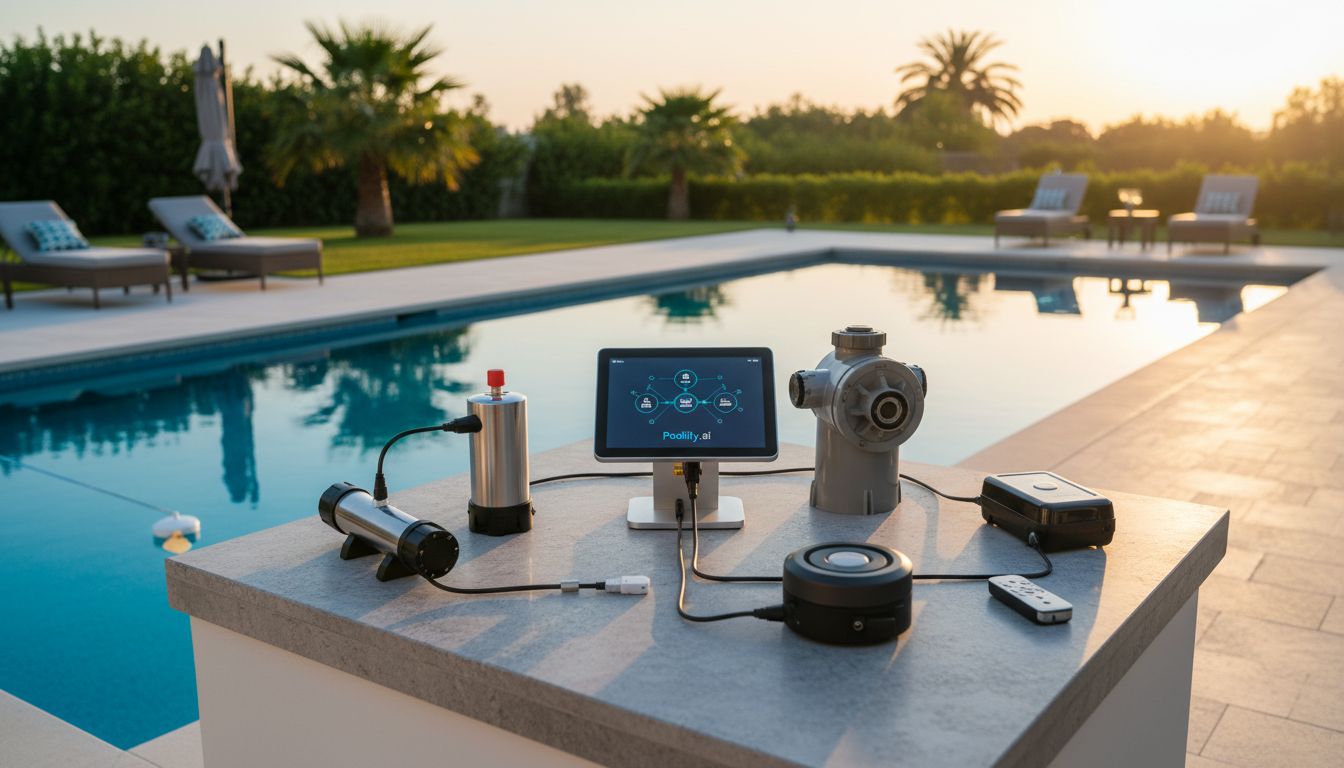
Understanding the essential components helps you evaluate different pool automation systems and make informed purchasing decisions. The control panel or hub serves as the system brain, housing the processor, memory, and communication modules. This unit receives inputs from sensors, executes programmed logic, and sends commands to actuators throughout the pool system.
Actuators include variable-speed pump drives, motorized valves, relay switches for heaters and lights, and chemical dosing pumps. Each actuator connects to the control panel either through hardwired connections or wireless protocols. Sensors measure temperature, flow rate, water chemistry parameters, and equipment status, providing the data necessary for intelligent decision-making.
The user interface components include wall-mounted touchscreens, wireless remotes, and mobile applications. Cloud connectivity enables remote access and system updates, while local network integration allows communication with smart home platforms. Power supplies, surge protection, and backup batteries ensure continuous operation even during electrical disturbances.
Advanced pool automation systems incorporate additional components like weather stations, leak detection sensors, and video surveillance integration. Modular architectures allow systems to expand as needs evolve, adding new controlled devices or features without replacing the entire system.
Choosing the Right Pool Automation Systems for Your Needs
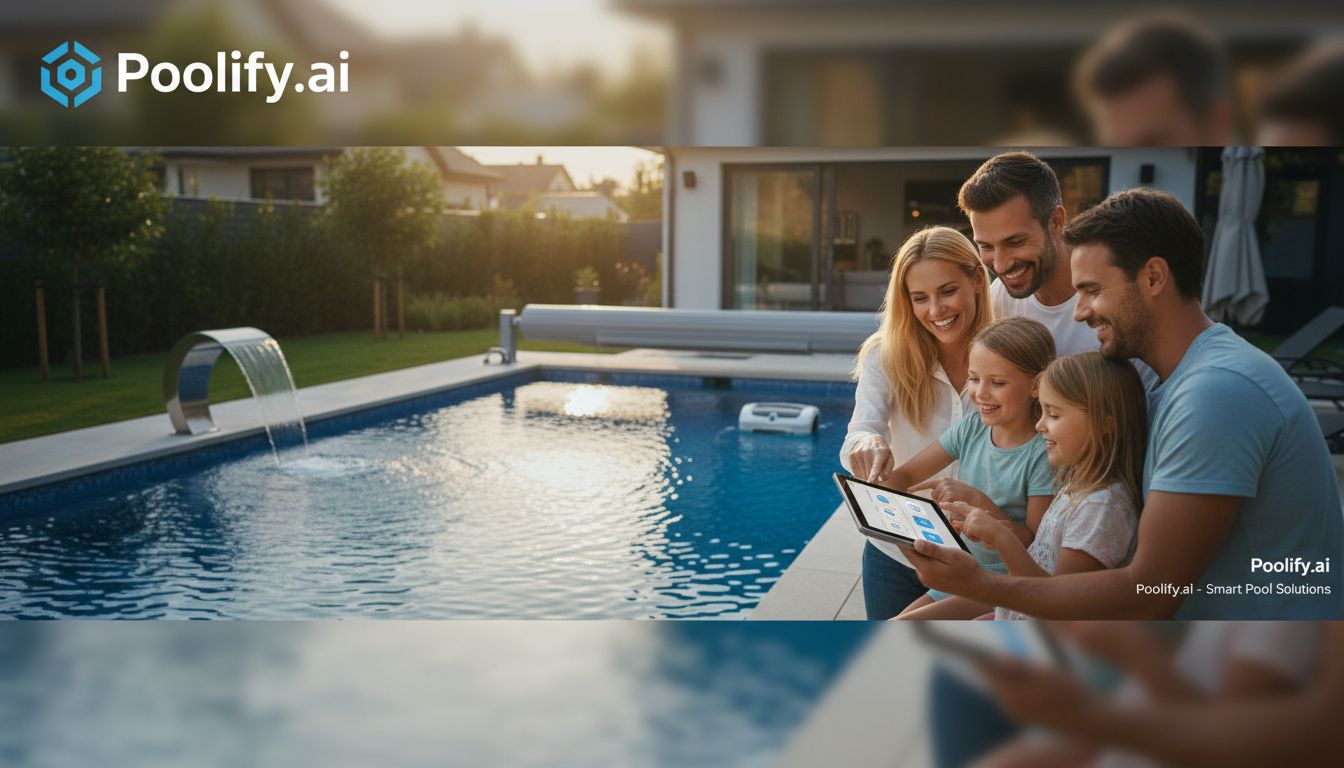
Selecting appropriate pool automation systems requires evaluating your specific requirements, budget, and technical comfort level. Begin by assessing which pool functions you want to automate—basic systems might control pumps, heaters, and lights, while comprehensive solutions manage sanitization, water features, landscaping irrigation, and outdoor entertainment systems.
Consider your pool’s size and complexity. Larger pools with multiple pumps, heaters, and water features benefit from more sophisticated control systems, while smaller residential pools might need only basic automation. Compatibility with existing equipment is crucial; some systems work with any manufacturer’s components, while proprietary systems require specific brand equipment.
Budget considerations extend beyond initial purchase price to include installation costs, ongoing subscription fees for cloud services, and potential equipment upgrades. Entry-level pool automation systems start around $800-1,500, mid-range systems cost $2,000-4,000, and premium solutions can exceed $6,000-10,000 for comprehensive automation with advanced features.
Technical support and warranty coverage vary significantly between manufacturers. Research customer service reputations, availability of local certified installers, and the company’s track record for software updates and long-term product support. Reading reviews from actual users provides insights into reliability and real-world performance that marketing materials don’t reveal.
For additional guidance on maintaining your pool equipment, explore our comprehensive pool maintenance guide that covers year-round care strategies.
Installation Considerations for Pool Automation Systems
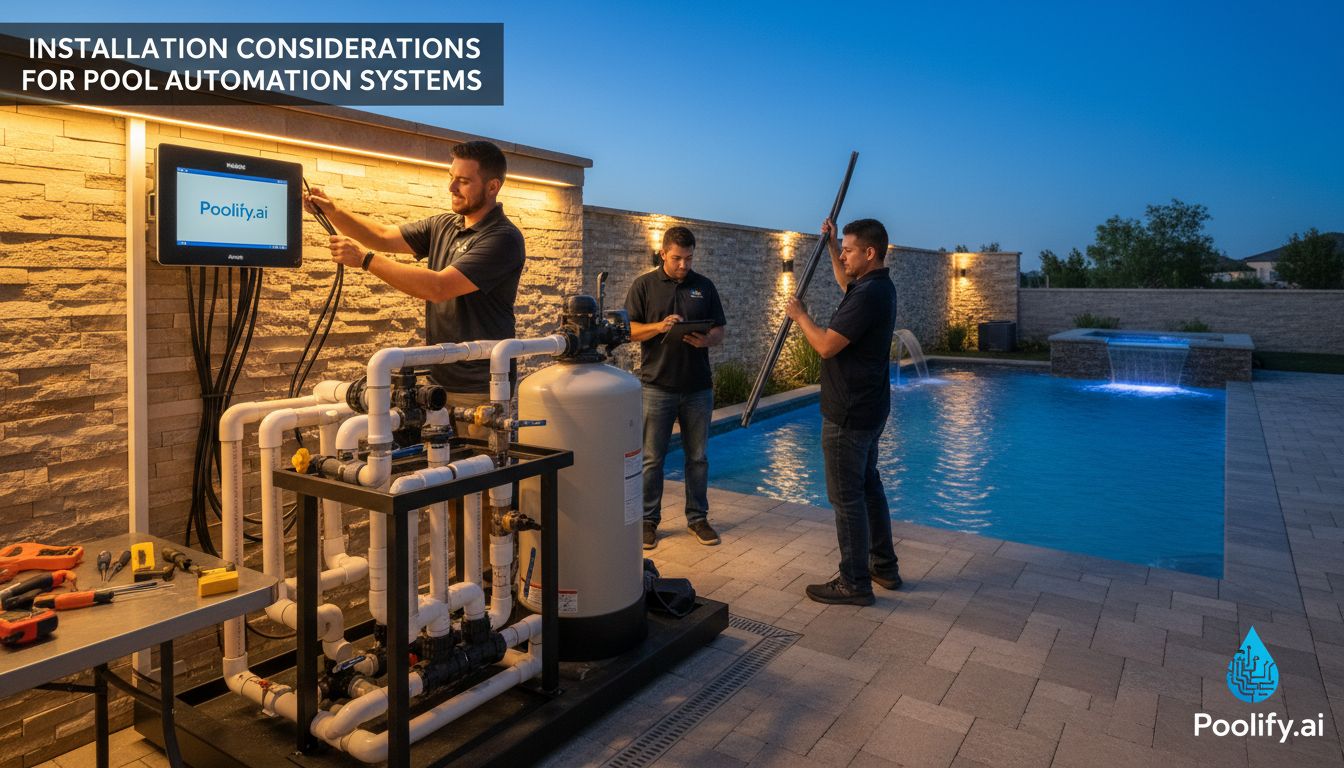
Professional installation ensures pool automation systems function correctly and safely from day one. While some basic systems offer DIY installation options, most homeowners benefit from hiring certified technicians who understand electrical codes, plumbing integration, and system programming. Installation complexity varies based on whether you’re retrofitting an existing pool or incorporating automation into new construction.
Retrofitting existing pools requires evaluating current equipment compatibility and potentially upgrading components like single-speed pumps to variable-speed models. Wiring from the equipment pad to the house for indoor control panels might require trenching or conduit installation. The installer must integrate with existing electrical panels, ensuring proper circuit protection and grounding.
New pool construction provides the ideal opportunity to implement comprehensive automation, as wiring, plumbing, and equipment placement can be optimized from the start. Coordinate with your pool builder and automation installer early in the design phase to ensure all desired features are accommodated structurally and electrically.
Installation typically takes one to three days depending on system complexity and site conditions. Costs range from $500-2,000 for professional installation, though complex systems or challenging site conditions might increase expenses. Factor in potential electrical panel upgrades if your existing service lacks capacity for additional pool equipment.
After installation, thorough system training ensures you can utilize all features effectively. Reputable installers provide hands-on demonstrations of the control interface, mobile app setup, and basic troubleshooting. Request documentation of all settings and configurations for future reference.
Maintenance and Troubleshooting Pool Automation Systems
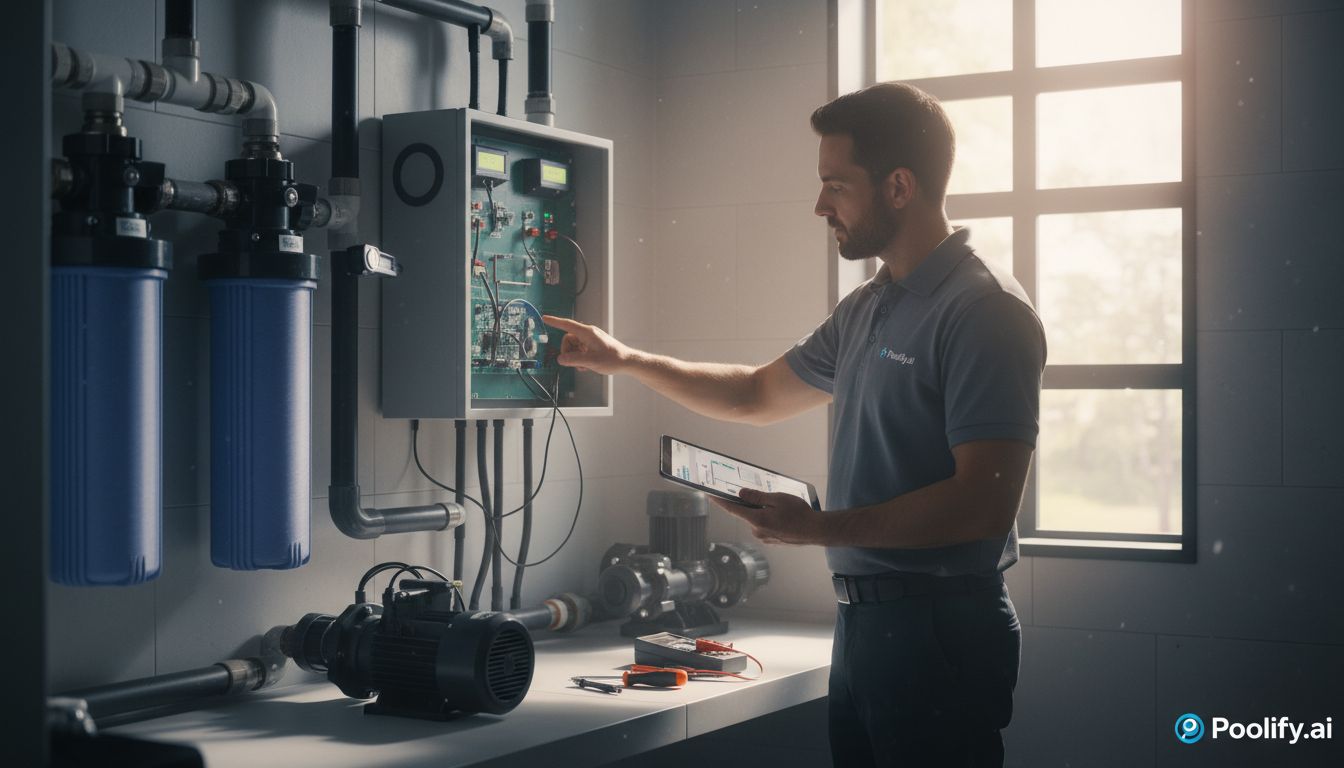
Pool automation systems require minimal maintenance compared to the pool equipment they control, but regular attention ensures continued reliable operation. Monthly inspections should verify that all controlled devices respond correctly to commands, sensors provide accurate readings, and the control panel displays no error codes. Clean sensor probes quarterly to prevent buildup that affects measurement accuracy.
Software updates released by manufacturers address bugs, improve features, and enhance security. Enable automatic updates if available, or check manually quarterly for new firmware versions. Backup your system configuration before updating to enable quick restoration if issues arise.
Common troubleshooting issues include communication failures between the controller and devices, sensor calibration drift, and user interface glitches. Many problems resolve with simple power cycling—turn off the system, wait 30 seconds, then restart. Check wireless signal strength if remote devices become unresponsive, as interference or range limitations can disrupt connectivity.
Battery backup systems require replacement every 3-5 years to maintain their ability to preserve settings during power outages. Inspect wiring connections annually for corrosion, especially in humid pool equipment environments. Tighten any loose terminals and apply dielectric grease to protect against moisture intrusion.
When issues exceed basic troubleshooting, contact your installer or manufacturer support before attempting complex repairs. Modern systems often include remote diagnostic capabilities, allowing technicians to identify problems without site visits. Maintain records of system behavior and any error messages to expedite troubleshooting.
For tips on keeping your entire pool system in top condition, check out our detailed pool cleaning tips resource.
Future Trends in Pool Automation Systems Technology
Pool automation systems continue evolving rapidly, with 2026 bringing innovations that further enhance convenience and performance. Artificial intelligence and machine learning algorithms now predict maintenance needs before problems occur, analyzing patterns in equipment performance and water chemistry to schedule proactive service. These predictive capabilities reduce unexpected failures and optimize replacement timing for consumable components.
Enhanced integration with renewable energy systems allows pool automation to prioritize solar heating and run pumps during peak solar production hours, maximizing use of clean energy. Battery storage integration enables pools to operate during grid outages or shift energy consumption away from expensive peak demand periods.
Augmented reality applications emerging in 2026 overlay pool system information onto smartphone camera views, helping owners visualize equipment locations, diagnose issues, and guide maintenance procedures. Virtual assistants provide conversational interaction, answering questions about pool status and executing commands through natural language processing.
Water quality monitoring advances to include bacterial detection and advanced contaminant identification, providing pool-grade water analysis previously available only through laboratory testing. Automated systems respond to these readings with appropriate treatment adjustments, maintaining superior water quality with minimal owner intervention.
Subscription-based monitoring services connect pool automation systems to professional service networks, automatically dispatching technicians when the system detects issues requiring expert attention. These services include remote optimization, where specialists fine-tune system parameters based on usage patterns and environmental conditions specific to your location.
Cost Analysis and Return on Investment
Evaluating the financial implications of pool automation systems requires considering both upfront costs and long-term savings. Initial investment varies widely based on system sophistication, with basic automation starting around $1,500 installed and comprehensive systems reaching $8,000-12,000 for large or complex pools. This investment typically includes the control system, necessary equipment upgrades, installation labor, and initial programming.
Monthly operating cost reductions come from multiple sources. Energy savings from optimized pump operation and efficient heating typically reduce electricity bills by $50-150 monthly during swimming season. Precise chemical dosing cuts chemical expenses by 20-30%, saving $200-400 annually. Reduced maintenance time eliminates or decreases professional service costs, potentially saving $100-200 monthly.
Calculating return on investment depends on your specific situation, but many homeowners achieve payback within 3-5 years through accumulated savings. Beyond financial returns, the convenience value and enhanced pool enjoyment represent intangible benefits that justify the investment for most owners. Extended equipment lifespan adds further value, as properly managed pumps, heaters, and other components require replacement less frequently.
Financing options make pool automation systems accessible without large upfront payments. Many manufacturers and installers offer payment plans, while home equity lines of credit provide low-interest financing for pool improvements. Some utility companies offer rebates for energy-efficient pool equipment, including automation systems that reduce consumption.
Frequently Asked Questions About Pool Automation Systems
Can I install pool automation systems on my existing pool?
Yes, pool automation systems can be retrofitted to virtually any existing pool regardless of age. The process involves connecting the automation controller to your current equipment and potentially upgrading some components like pumps or heaters to compatible models. Most installations require minimal modifications to your pool structure itself, focusing instead on the equipment pad and electrical connections. Professional installers assess your specific situation and recommend the best approach for integrating automation with your existing setup.
How difficult is it to learn and use pool automation systems?
Modern pool automation systems are designed for intuitive operation, with user-friendly interfaces that most owners master within a few hours. Mobile apps feature graphical controls similar to other smart home devices, making them immediately familiar to smartphone users. Initial setup and programming might require professional assistance, but day-to-day operation involves simple tasks like adjusting temperatures or activating features with single button presses. Most manufacturers provide video tutorials and responsive customer support to help users become comfortable with their systems quickly.
What happens if my internet connection fails?
Pool automation systems continue operating normally during internet outages, as core functions run locally on the controller without requiring cloud connectivity. Programmed schedules execute as configured, and manual control through wall-mounted panels or wireless remotes remains fully functional. You lose only remote access capabilities and cloud-based features like notification alerts until connectivity restores. Many systems cache critical data locally and synchronize with cloud services once the connection returns, ensuring no operational disruptions from temporary network issues.
Are pool automation systems compatible with saltwater pools?
Pool automation systems work excellently with saltwater chlorination systems, often providing enhanced control over salt cell operation and chlorine production levels. The automation controller monitors salt concentration and adjusts chlorine generation to maintain optimal sanitizer levels automatically. Saltwater-specific programming accounts for the different maintenance requirements compared to traditional chlorine pools. Many pool owners find that automation particularly benefits saltwater pools by optimizing the salt cell’s lifespan through intelligent operation cycles and preventing over-chlorination.
How long do pool automation systems typically last?
Quality pool automation systems have expected lifespans of 10-15 years with proper maintenance, though many continue functioning well beyond this timeframe. The control electronics and software receive updates that extend useful life, while physical components like relays and actuators are often replaceable individually without replacing the entire system. Technology advances may eventually make older systems obsolete in terms of features, but core functionality remains reliable for many years. Choosing established manufacturers with strong support histories increases the likelihood of long-term parts availability and software updates.
Key Takeaways
- Energy Efficiency: Pool automation systems reduce energy consumption by 30-50% through intelligent scheduling, variable-speed pump optimization, and efficient heating management, delivering substantial cost savings over time.
- Superior Water Quality: Automated monitoring and chemical dosing maintain consistent water balance, preventing dramatic chemistry swings and ensuring crystal-clear, safe swimming conditions with minimal manual intervention.
- Remote Control Convenience: Smartphone apps and smart home integration provide complete pool management from anywhere, allowing temperature adjustments, feature activation, and system monitoring without being physically present.
- Extended Equipment Life: Intelligent operation protects pool equipment from stress and wear, while predictive maintenance alerts prevent minor issues from becoming expensive failures, extending component lifespan by 25-40%.
- Strong ROI: Despite initial investment costs of $1,500-12,000 depending on complexity, pool automation systems typically achieve payback within 3-5 years through energy savings, reduced chemical costs, and decreased maintenance expenses.
Conclusion
Pool automation systems represent a transformative investment for pool owners in 2026, delivering unprecedented control, efficiency, and convenience. The technology has matured to offer reliable, user-friendly solutions that address the full spectrum of pool management challenges while significantly reducing operational costs and maintenance burden. From energy savings and superior water quality to remote access and smart home integration, the benefits extend far beyond simple convenience.
Whether you’re building a new pool or upgrading an existing one, pool automation systems provide immediate improvements in daily pool operation and long-term financial returns through reduced consumption and extended equipment life. The environmental benefits align with growing sustainability priorities, while enhanced safety features provide peace of mind for families. As technology continues advancing, these systems will only become more capable and valuable.
Choosing the right pool automation system requires careful evaluation of your specific needs, budget, and technical preferences, but the investment pays dividends in time savings, cost reductions, and enhanced enjoyment of your pool. With professional installation and minimal ongoing maintenance, pool automation systems deliver years of reliable service that fundamentally improves the pool ownership experience. For more information on optimizing your pool investment, explore our resources on selecting the right pool equipment for your specific needs.
References
- U.S. Department of Energy – Swimming Pool Heating and Energy Efficiency: https://www.energy.gov/energysaver/swimming-pool-heating
- Centers for Disease Control and Prevention – Healthy Swimming: https://www.cdc.gov/healthywater/swimming/