
Maintaining a pristine swimming pool requires more than just occasional skimming and chemical adjustments. Modern pool cleaning systems have revolutionized how homeowners approach pool maintenance, offering automated solutions that save time, reduce costs, and deliver consistently superior results. In 2026, the market offers an impressive array of pool cleaning systems designed to handle everything from debris removal to advanced filtration, making pool ownership more enjoyable than ever before.
Whether you’re a new pool owner or looking to upgrade your current maintenance routine, understanding the various pool cleaning systems available can help you make an informed decision that aligns with your budget, pool type, and lifestyle preferences. This comprehensive guide explores the essential aspects of pool cleaning systems to help you achieve crystal-clear water with minimal effort.
Understanding Different Types of Pool Cleaning Systems
The landscape of pool cleaning systems has evolved significantly, offering homeowners multiple options to suit their specific needs. Each type of system operates differently, with distinct advantages and considerations that impact performance, cost, and maintenance requirements.
Robotic Pool Cleaning Systems
Robotic pool cleaning systems represent the pinnacle of automated pool maintenance technology in 2026. These self-contained units operate independently from your pool’s filtration system, using built-in motors and filters to scrub, vacuum, and filter pool water. Advanced models feature smart navigation, programmable cleaning cycles, and smartphone connectivity for remote operation.
Modern robotic pool cleaning systems utilize sophisticated algorithms to map your pool’s dimensions, ensuring complete coverage without missing spots. They climb walls, scrub steps, and navigate around obstacles with remarkable precision. Energy-efficient motors consume significantly less electricity than traditional pool cleaning systems, typically using only 100-200 watts per cleaning cycle.
The Department of Energy notes that energy-efficient pool equipment can reduce operational costs substantially, making robotic systems an economically sound investment for long-term pool maintenance.
Suction-Side Pool Cleaning Systems
Suction-side pool cleaning systems connect directly to your pool’s existing filtration system through the skimmer or dedicated suction line. These systems harness the suction power generated by your pool pump to move across surfaces while collecting debris. The collected material travels through your pool’s plumbing and gets trapped in the filter basket or main filter.
These pool cleaning systems offer an affordable entry point for automated cleaning, with lower upfront costs compared to robotic alternatives. However, they rely entirely on your pool pump’s operation, which means increased runtime and higher energy consumption. Suction-side pool cleaning systems work best for pools with minimal debris and relatively simple shapes.
Pressure-Side Pool Cleaning Systems
Pressure-side pool cleaning systems operate using water pressure from a dedicated booster pump or your pool’s return jets. These systems feature their own debris collection bags, reducing the load on your main filtration system. The pressurized water propels the cleaner across pool surfaces while simultaneously loosening and collecting dirt and debris.
Many pressure-side pool cleaning systems excel at handling larger debris like leaves and twigs, making them ideal for pools surrounded by trees or landscaping. The independent debris collection means less frequent filter cleaning and reduced wear on your primary filtration equipment. For more comprehensive maintenance strategies, explore our complete pool maintenance guide.
Key Features to Consider in Pool Cleaning Systems
Selecting the right pool cleaning systems requires careful evaluation of several critical features that directly impact performance, convenience, and long-term satisfaction. Understanding these features helps you identify which system best matches your pool’s characteristics and your maintenance preferences.
Coverage and Navigation Technology
Advanced pool cleaning systems in 2026 incorporate sophisticated navigation technologies that ensure thorough coverage. Random pattern cleaners move unpredictably across surfaces, while smart navigation systems use gyroscopes and sensors to systematically map and clean every inch of your pool. Premium pool cleaning systems can memorize pool layouts, optimizing cleaning paths for maximum efficiency.
Wall-climbing capability distinguishes basic from advanced pool cleaning systems. Models with powerful suction or specialized treads can scale vertical surfaces, cleaning waterlines where oils and debris accumulate. This feature proves particularly valuable for maintaining the aesthetic appeal and hygiene of your entire pool structure.
Filtration and Debris Capacity
The filtration capabilities of pool cleaning systems vary significantly across models and types. Robotic pool cleaning systems typically feature multi-layer filtration cartridges that capture particles as small as two microns, removing fine debris that often passes through standard pool filters. Larger debris capacity means fewer interruptions for emptying collection bags or cartridges.
Consider your pool’s typical debris load when evaluating pool cleaning systems. Pools surrounded by vegetation require systems with larger capacity and stronger suction, while pools in more controlled environments can function efficiently with standard capacity models.
Energy Efficiency and Operating Costs
Operating costs represent a significant consideration when comparing pool cleaning systems. Robotic models typically consume 80-90% less energy than suction or pressure-side systems because they don’t require your main pool pump to run during cleaning cycles. Over a swimming season, this efficiency translates to substantial savings on electricity bills.
Calculate the total cost of ownership for different pool cleaning systems by considering purchase price, energy consumption, replacement parts, and expected lifespan. While robotic pool cleaning systems command higher upfront investments, their energy efficiency and reduced maintenance often result in lower lifetime costs.
Installation and Setup Requirements for Pool Cleaning Systems
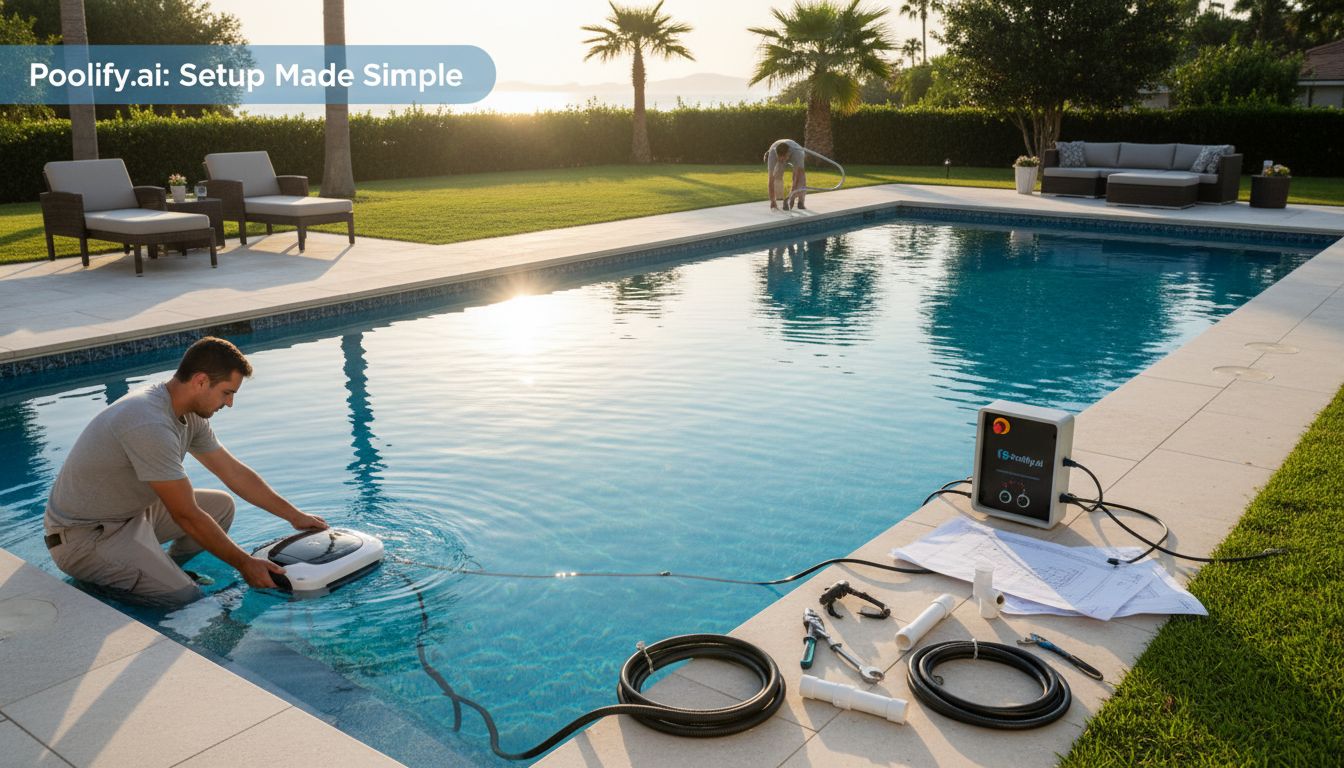
Proper installation ensures optimal performance from your pool cleaning systems and prevents common operational issues. Each type of system has specific setup requirements that range from simple plug-and-play operation to more complex plumbing modifications.
Robotic System Installation
Installing robotic pool cleaning systems requires minimal technical expertise. Most models simply need access to a standard electrical outlet located within reach of the power supply cable. Place the unit in the pool, connect the power supply, and the system begins its cleaning cycle. No modifications to existing pool plumbing or equipment are necessary.
Ensure the power supply remains protected from water exposure and positioned safely away from the pool edge. Many modern pool cleaning systems include ground fault circuit interrupter (GFCI) protection for enhanced safety, but always verify electrical connections meet local building codes.
Suction and Pressure-Side Installation
Suction-side pool cleaning systems require connection to your skimmer or a dedicated suction port. Installation typically involves attaching hoses and adjusting flow regulators to balance suction between the cleaner and other pool functions. Some pools may need a dedicated suction line installed for optimal performance.
Pressure-side pool cleaning systems often require a booster pump installation unless your existing pool pump provides sufficient pressure. Professional installation ensures proper plumbing connections and pressure calibration. Check out our pool equipment installation guide for detailed setup instructions.
Maintenance and Care for Pool Cleaning Systems
Regular maintenance extends the lifespan of pool cleaning systems and ensures consistent performance throughout the swimming season. Each system type requires specific care routines, though all benefit from periodic inspection and cleaning.
Routine Maintenance Tasks
Robotic pool cleaning systems need filter cartridge cleaning after each use or when debris capacity reaches maximum levels. Rinse cartridges thoroughly with a garden hose, removing trapped debris and restoring filtration efficiency. Inspect brushes and tracks for wear, replacing components as needed to maintain optimal cleaning performance.
Suction and pressure-side pool cleaning systems require regular inspection of hoses, wheels, and moving parts. Check for cracks, wear patterns, or obstructions that could impair movement or suction. Clean debris bags frequently and inspect internal components for damage or excessive wear.
Seasonal Storage and Winterization
Proper storage protects pool cleaning systems during off-season months. Thoroughly clean all components, removing debris and allowing complete drying before storage. Disconnect and drain hoses, removing any standing water that could freeze and cause damage in cold climates.
Store pool cleaning systems in climate-controlled environments when possible, protecting electronic components and plastic parts from extreme temperatures. Coil hoses loosely to prevent kinks and stress points that could lead to premature failure.
Troubleshooting Common Issues with Pool Cleaning Systems
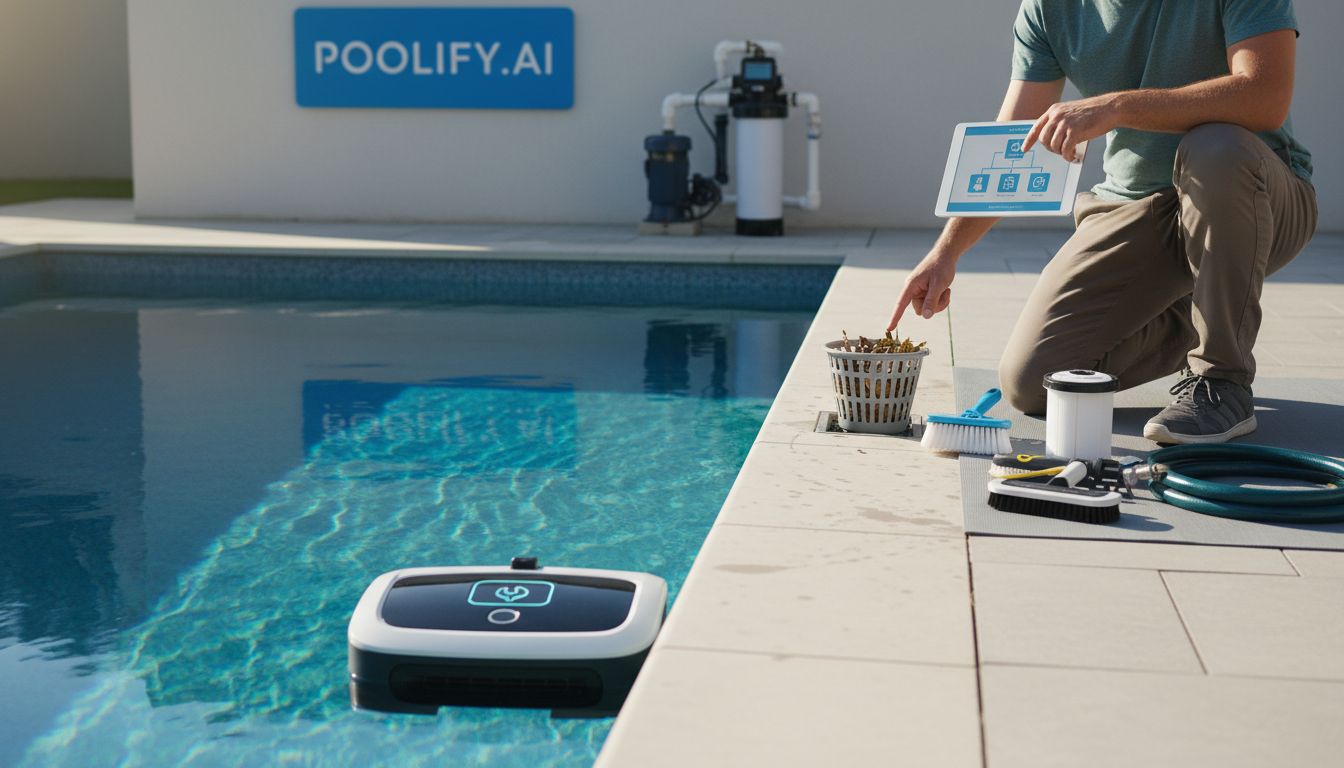
Understanding common problems helps you quickly resolve issues and maintain optimal performance from your pool cleaning systems. Many problems have simple solutions that don’t require professional service calls.
Performance Problems
When pool cleaning systems fail to move properly or miss areas, several factors could be responsible. Insufficient suction often results from clogged filters, blocked hoses, or air leaks in connections. Check all hose connections for tightness and inspect for visible damage or obstructions.
Robotic pool cleaning systems that stop mid-cycle may have tangled cables or full debris cartridges. Ensure cables remain free of kinks and twists, and empty debris containers regularly. Reset the unit according to manufacturer instructions if electronic issues persist.
Suction and Flow Issues
Weak suction in pool cleaning systems typically indicates problems with your pool’s filtration system rather than the cleaner itself. Verify your pool pump operates at proper speed and check filter pressure gauges for signs of excessive buildup requiring backwashing or cartridge cleaning.
For pressure-side pool cleaning systems, inadequate pressure from booster pumps or return jets reduces cleaning effectiveness. Inspect pump baskets and impellers for debris, and ensure booster pumps receive proper power supply and operate at designed specifications.
Cost Considerations for Pool Cleaning Systems in 2026
Budget planning for pool cleaning systems involves evaluating both initial investment and ongoing operational expenses. Prices span a wide range depending on technology, features, and brand reputation, making it essential to balance capabilities with financial constraints.
Initial Investment Ranges
Entry-level suction-side pool cleaning systems start around $200-400, offering basic automated cleaning for budget-conscious pool owners. Mid-range pressure-side pool cleaning systems typically cost $400-800, providing enhanced debris handling and reduced filter load. Premium robotic pool cleaning systems range from $800-3000, with top-tier models featuring advanced navigation, smartphone connectivity, and superior filtration.
When evaluating pool cleaning systems, consider the total value proposition rather than purchase price alone. Higher-quality systems often deliver better performance, longer lifespans, and lower operating costs that offset premium pricing over time.
Operating and Maintenance Costs
Annual operating costs for pool cleaning systems vary based on energy consumption, replacement parts, and maintenance requirements. Robotic pool cleaning systems typically cost $30-80 annually in electricity, while suction and pressure-side systems can add $200-400 to energy bills due to increased pump runtime.
Factor in replacement parts like brushes, wheels, hoses, and filters when calculating long-term costs. Quality pool cleaning systems from reputable manufacturers often provide better parts availability and longer component lifespans, reducing total ownership expenses.
Choosing the Right Pool Cleaning Systems for Your Needs
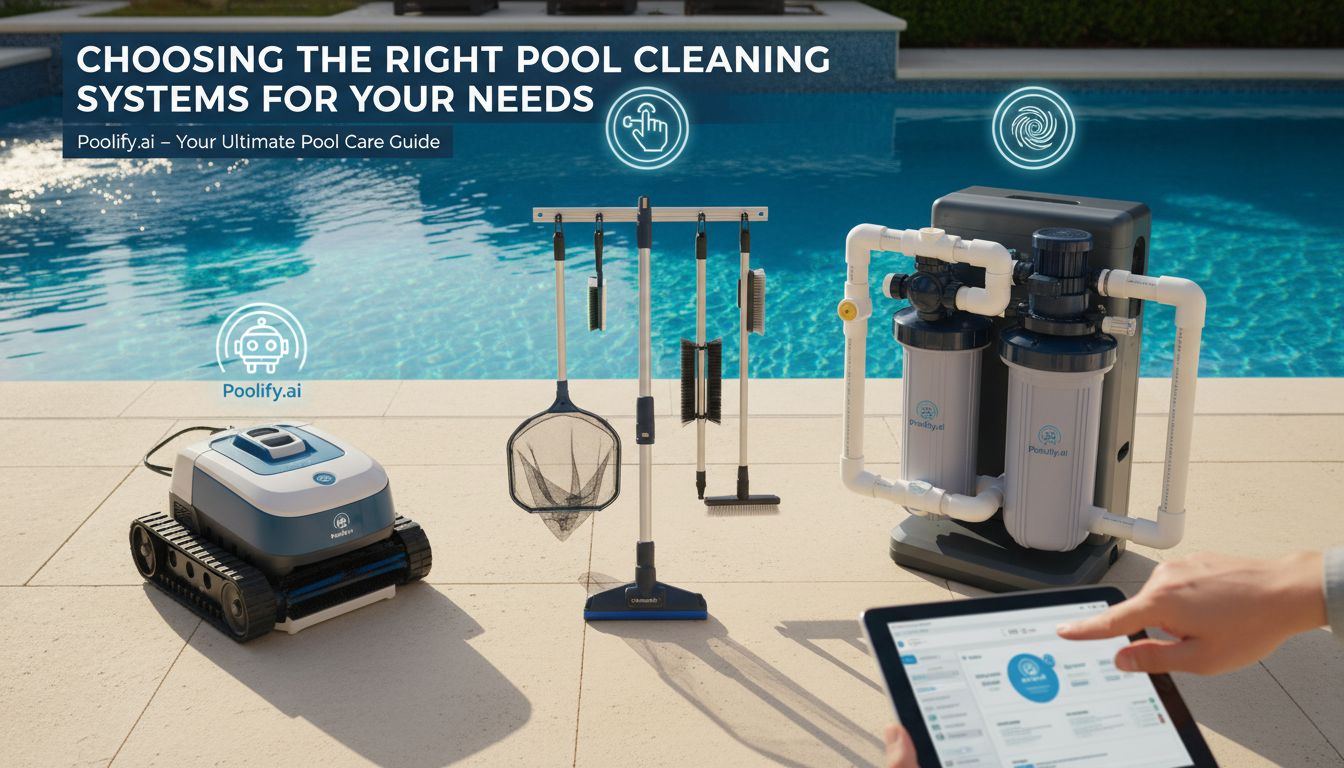
Selecting optimal pool cleaning systems requires matching system capabilities with your pool’s specific characteristics and your maintenance preferences. Several key factors influence which type of system delivers the best results for your situation.
Pool Size and Shape Considerations
Large pools benefit most from robotic pool cleaning systems with extended cable lengths and efficient navigation that minimizes cleaning time. Small to medium pools can achieve excellent results with any type of pool cleaning systems, making budget and feature preferences the primary decision factors.
Complex pool shapes with curves, steps, and varying depths require pool cleaning systems with advanced navigation and wall-climbing capabilities. Simple rectangular pools offer more flexibility in system selection since basic models can effectively cover straightforward layouts.
Debris Type and Volume
Pools surrounded by trees or landscaping accumulate substantial leaf and twig debris, making pressure-side pool cleaning systems with large debris bags ideal choices. Fine sediment and algae require pool cleaning systems with superior filtration capabilities, typically found in robotic models with multi-layer cartridges.
Assess your pool’s typical debris load throughout the season. Pools requiring frequent cleaning benefit from durable pool cleaning systems designed for heavy-duty use, while pools with minimal debris can function well with standard-duty models.
Automation and Convenience Features
Modern pool cleaning systems offer varying levels of automation and smart features. Basic models require manual placement and retrieval, while advanced pool cleaning systems feature programmable schedules, remote operation, and automatic return-to-start functions that eliminate hands-on involvement.
Consider how much time and effort you want to invest in pool maintenance. Premium pool cleaning systems with comprehensive automation justify their higher costs for busy homeowners who prioritize convenience and hands-free operation.
Environmental Impact of Pool Cleaning Systems
Environmentally conscious pool owners increasingly consider the ecological footprint of their pool cleaning systems. Energy efficiency, water conservation, and chemical reduction all contribute to more sustainable pool maintenance practices in 2026.
Energy Consumption and Sustainability
Energy-efficient pool cleaning systems reduce environmental impact while lowering operational costs. Robotic models consume minimal electricity compared to systems requiring extended pump runtime. According to the Environmental Protection Agency, energy-efficient pool equipment significantly reduces residential energy consumption and associated carbon emissions.
Solar-powered pool cleaning systems represent emerging technology in 2026, though availability remains limited compared to traditional electric models. As solar technology advances, these sustainable pool cleaning systems may become more prevalent and cost-effective.
Water and Chemical Conservation
Effective pool cleaning systems improve water quality, reducing the need for excessive chemical treatments. Superior filtration removes contaminants that consume sanitizers, allowing you to maintain proper water chemistry with fewer chemicals. This benefit extends to both environmental impact and ongoing operational costs.
Pool cleaning systems that operate independently from main filtration reduce backwashing frequency, conserving thousands of gallons of water annually. This conservation proves particularly valuable in drought-prone regions where water restrictions impact pool maintenance practices.
Frequently Asked Questions About Pool Cleaning Systems
How often should pool cleaning systems run?
Most pool cleaning systems should operate 2-3 times weekly during peak swimming season, with frequency adjusted based on debris load and pool usage. Robotic pool cleaning systems typically complete thorough cleaning in 2-3 hours, while suction and pressure-side pool cleaning systems may require 4-6 hours per cycle for comparable results. Increase cleaning frequency during heavy pollen seasons or after storms when debris accumulation accelerates.
Can pool cleaning systems replace manual maintenance entirely?
While advanced pool cleaning systems dramatically reduce manual maintenance requirements, they don’t eliminate it completely. You’ll still need to test and balance water chemistry, clean skimmer baskets, and perform periodic equipment inspections. However, quality pool cleaning systems handle the time-consuming tasks of vacuuming, scrubbing, and debris removal, reducing hands-on maintenance by 70-80%.
What lifespan can I expect from pool cleaning systems?
Quality pool cleaning systems typically last 4-8 years with proper maintenance and care. Robotic pool cleaning systems generally provide 5-7 years of reliable service, while suction and pressure-side pool cleaning systems may last 5-8 years. Lifespan depends heavily on usage frequency, maintenance practices, and water chemistry conditions. Regular cleaning and timely replacement of wear components extend system longevity significantly.
Are expensive pool cleaning systems worth the investment?
Premium pool cleaning systems justify higher costs through superior performance, advanced features, and better energy efficiency. While budget models adequately serve basic needs, expensive pool cleaning systems offer enhanced navigation, superior filtration, longer warranties, and greater durability. Calculate total cost of ownership including energy consumption and replacement parts to determine true value. For most pool owners, mid-range to premium pool cleaning systems provide the best balance of performance and value.
Do pool cleaning systems work with all pool types?
Most modern pool cleaning systems accommodate various pool surfaces including concrete, fiberglass, vinyl, and tile. However, specific models may have limitations or requirements. Verify compatibility with your pool surface before purchasing pool cleaning systems. Delicate vinyl liners require pool cleaning systems with gentle brushes and appropriate suction levels to prevent damage, while textured concrete can handle more aggressive scrubbing.
Key Takeaways
- Multiple system types exist: Robotic, suction-side, and pressure-side pool cleaning systems each offer distinct advantages, with robotic models providing superior automation and energy efficiency despite higher upfront costs.
- Match system to pool characteristics: Consider pool size, shape, debris type, and surrounding environment when selecting pool cleaning systems to ensure optimal performance and value.
- Energy efficiency matters: Robotic pool cleaning systems consume significantly less energy than alternatives, potentially saving hundreds of dollars annually in operational costs while reducing environmental impact.
- Regular maintenance extends lifespan: Proper care of pool cleaning systems including filter cleaning, component inspection, and appropriate storage can double equipment lifespan and maintain peak performance.
- Total cost of ownership varies: Evaluate pool cleaning systems based on purchase price, energy consumption, maintenance requirements, and expected lifespan rather than initial investment alone for accurate cost comparison.
Conclusion
Investing in quality pool cleaning systems transforms pool ownership from a maintenance burden into an enjoyable experience. The technological advances available in 2026 provide homeowners with sophisticated options that deliver professional-grade results with minimal effort. Whether you choose robotic, suction-side, or pressure-side pool cleaning systems, selecting the right match for your pool’s specific needs ensures years of crystal-clear water and reduced maintenance stress.
The key to maximizing value from pool cleaning systems lies in understanding your pool’s unique requirements and matching them with appropriate system capabilities. Consider factors like pool size, typical debris load, energy efficiency, and desired automation level when making your selection. With proper care and maintenance, modern pool cleaning systems provide reliable performance that justifies their investment many times over through saved time, reduced chemical costs, and consistently superior water quality.
As you evaluate different pool cleaning systems, remember that the best choice balances performance, convenience, and budget considerations specific to your situation. Take time to research options, read user reviews, and consult with pool professionals to make an informed decision that enhances your pool ownership experience for years to come.
References
- U.S. Department of Energy – Swimming Pool Heating and Cooling: https://www.energy.gov/energysaver/swimming-pool-heating-and-cooling
- U.S. Environmental Protection Agency – WaterSense Pool Covers: https://www.epa.gov/watersense/pool-covers